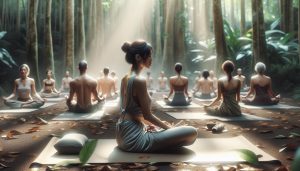
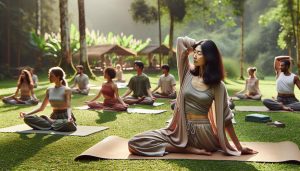
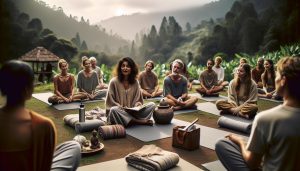
Imagine transforming your home into a serene sanctuary where individuals can reconnect with their inner selves through yoga. Hosting a yoga retreat at home not only allows you to share the healing benefits of yoga but also creates a personal space for relaxation and rejuvenation. As wellness travel gains popularity, more people seek retreats that offer intimacy and a unique experience tailored to their needs. If you’ve ever wondered how to turn your living space into a nurturing environment for mindfulness practices, you’re not alone. This guide will explore the essential steps to host your own yoga retreat, addressing common concerns such as creating a welcoming atmosphere, planning engaging sessions, and ensuring participants feel supported. With the right approach, your home can become a cherished retreat for both you and your guests, fostering deep connections and lasting transformations.
Can You Host a Yoga Retreat at Home?
Hosting a yoga retreat at home can be a vibrant and enriching experience, allowing you to create a sanctuary that fosters relaxation, connection, and personal growth. The intimate setting of your home not only provides comfort but also offers a unique opportunity to infuse your personal style and values into the retreat. By transforming your living space into a retreat venue, you can create an inviting atmosphere that encourages participants to unwind, rejuvenate, and delve deeply into their yoga practice.
One of the primary advantages of hosting a retreat at home is the accessibility it offers. Not only do you save on travel costs and accommodations, but you also experience the joy of designing an environment that reflects your own aesthetics and philosophy. This familiarity can help attendees feel more at ease, creating a supportive community atmosphere that enhances their overall experience. Consider utilizing your garden, living room, or even a spacious garage, and adjust these spaces to suit different activities, such as asana practice, meditation sessions, or group discussions.
To successfully host a retreat, pay attention to key elements, such as space arrangement and scheduling. Start by ensuring there is ample room for participants to practice comfortably, and consider having separate zones for relaxation and group activities. A well-planned schedule is essential; balance yoga classes with downtime and other engaging activities like workshops or nature walks. When planning your retreat, it’s helpful to outline the goals you want to achieve with your guests, allowing for a more focused and meaningful experience.
Finally, remember that sustainability can enhance the appeal of your retreat. Incorporating eco-friendly practices, like using natural materials in your decor and offering plant-based meals, can resonate with health-conscious guests and those who prioritize mindfulness in their lifestyle choices. By cultivating a space that reflects care and intention, you’re not just hosting a yoga retreat-you’re creating a holistic experience that participants will cherish long after they leave.
Essential Benefits of Home Yoga Retreats
Creating a yoga retreat at home not only serves as a personal sanctuary for you but also opens the door for others to experience the myriad benefits of mindfulness, connection, and holistic rejuvenation right within your living space. This intimate setting fosters a sense of belonging and safety, allowing participants to truly delve into their practice. The opportunity to customize the atmosphere-color schemes, scents, and even soundscapes-enables you to cultivate an environment that resonates deeply with your personal philosophy and the needs of your guests.
One of the primary advantages of home yoga retreats is cost-effectiveness. By eliminating the need for expensive venue rentals and long-distance travel, you make wellness accessible to a wider audience. This affordability encourages a diverse group of participants, each bringing their unique perspectives and experiences to the collective. Moreover, the familiar and cozy surroundings of a home can help attendees relax quicker, enabling them to engage more fully in the retreat activities.
In addition, home yoga retreats allow for a flexible schedule. You can seamlessly blend different practices, such as asana, meditation, and even nutrition workshops, tailored specifically to the interests and energy levels of the group. This adaptability can enhance the overall experience, making it more personalized and impactful.
Furthermore, by hosting a retreat in your own home, you have the chance to weave in community-building elements. Shared meals, cozy fireside chats, and collaborative workshops create bonds that often extend beyond the duration of the retreat. This fosters a sense of community that enriches participants’ lives long after they return to their daily routines. The intimacy and connection fostered during a home yoga retreat can be a transformative experience, nurturing not just the physical body but the emotional and spiritual well-being of everyone involved.
Choosing the Perfect Space for Your Retreat
Choosing the right space for a yoga retreat at home can significantly influence the overall experience of participants. The environment in which the retreat is held sets the tone for tranquility, focus, and connection. Whether it’s a spacious living room, a peaceful garden, or a sunlit studio, the ideal space should promote relaxation and reduce distractions. Here are some key considerations to keep in mind when selecting your retreat area.
Firstly, consider the size and layout of the space. It should comfortably accommodate all participants while allowing for various activities such as yoga practice, meditation, and discussions. An open area with enough room for movement is essential, as cramped quarters can stifle the flow of the retreat. Aim for a space that can fit yoga mats at least a couple of feet apart, providing ample room for everyone to engage without feeling restricted.
Natural light plays a crucial role in creating an inviting atmosphere. Spaces with large windows or doors that open to the outdoors can enhance the mood by connecting participants to nature. If you are using a room without much natural light, consider adding soft lighting options such as fairy lights, lamps with warm bulbs, or candles that create a serene ambiance. Additionally, have control over the room’s temperature; being too hot or too cold can distract from the experience, so be prepared to adjust heating or cooling as needed.
Sound can greatly impact the retreat environment. Look for a space away from street noise or other loud distractions. If your location is not ideal, consider using soothing background music or nature sounds to create a calming backdrop. Another element to factor in is accessibility. Ensure that the chosen space is easy to navigate for all participants, especially if there are individuals with mobility issues.
Lastly, think about the decor and personal touches that can enhance the atmosphere. Elements such as plants, cushions, and art can make the space feel more inviting and personalized. A dedicated area for refreshments and snacks can also serve as a social gathering point, encouraging interaction among participants. By thoughtfully selecting and preparing your retreat space, you can lay the foundation for a meaningful and transformative experience for all who attend.
Designing Your Yoga Sanctuary: Tips and Ideas
Creating a dedicated space for your yoga retreat at home can transform a simple gathering into a truly immersive experience. A well-designed yoga sanctuary fosters calmness, encourages mindfulness, and promotes a sense of community among participants. Here are some practical tips and ideas to help you design the perfect environment for your retreat.
Begin by choosing a color palette that evokes tranquility. Soft tones of blue, green, or neutral earth colors can help create a peaceful atmosphere. Use paint, decorations, or textiles in these shades to complement the natural elements of your space. Integrating natural materials like wood, stone, or bamboo can further enhance the calming ambiance and connect participants to nature, which is essential for a restorative practice.
Incorporating Nature
To enrich the environment, consider adding plants or flowers. Indoor plants not only improve air quality but also create a calming effect. Select low-maintenance options like snake plants or peace lilies, which thrive indoors. If your retreat space allows, an outdoor area can provide additional benefits. Practicing yoga in a garden or patio surrounded by natural sounds can enhance the overall experience, fostering a deeper connection to the surroundings.
Creating Comfortable Zones
It’s essential to create different zones within your retreat space tailored to various activities. Designate areas for yoga practice, relaxation, and community interaction. For instance, a circle of yoga mats encourages connection and accessibility, while a quiet corner with cushions and soft lighting can serve as a meditation area. Having a space for refreshments, such as herbal teas and healthy snacks, not only promotes nourishment but also encourages socializing among participants.
Mindful Décor
When it comes to decor, less is often more. Opt for minimalistic decor that emphasizes natural beauty. Use calming elements, such as candles, essential oil diffusers, and soft fabrics, to enhance the sensory experience. Music can also be an integral part of your sanctuary; consider a playlist with gentle, ambient sounds to set a soothing tone during practices.
By integrating these thoughtful design elements, you can create a yoga sanctuary that not only meets the practical needs of your retreat but also enhances the spiritual and emotional journey of each participant. Engaging with the environment in this way helps to ensure that everyone leaves feeling renewed, refreshed, and more connected to themselves and each other.
How to Create a Retreat Schedule
Creating a thoughtful retreat schedule is essential for fostering an atmosphere of relaxation, growth, and community among participants. A well-planned agenda not only guides the flow of activities but also ensures that everyone’s needs are met, maximizing the retreat experience. Begin by considering the overall theme and goals of your retreat, as these will influence your scheduling decisions throughout the planning process.
Setting the right pace is crucial. Start with a gentle welcome session that allows participants to acclimate to the space and each other. This could include a brief introduction circle or a light yoga session to promote comfort and engagement. Daily activities should balance structured sessions with ample free time, giving attendees the chance to reflect, meditate, or simply enjoy the tranquility of your home sanctuary. A sample daily schedule might look like this:
| Time | Activity |
|---|---|
| 8:00 AM | Morning Meditation |
| 9:00 AM | Yoga Practice |
| 10:30 AM | Healthy Breakfast |
| 11:30 AM | Workshops/Discussions |
| 1:00 PM | Lunch |
| 2:00 PM | Free Time/Reflection |
| 4:00 PM | Afternoon Yoga Session |
| 5:30 PM | Community Sharing Circle |
| 7:00 PM | Dinner |
| 8:30 PM | Evening Wind Down (e.g., yoga nidra, journaling) |
Incorporate a variety of activities to engage different interests. For those who crave physical activity, offer multiple styles of yoga or fitness classes. Others might appreciate workshops focusing on meditation, mindfulness, or sustainable living. Encouraging guests to participate in the planning process, such as choosing specific topics or themes for discussions, can deepen their investment in the retreat experience.
Finally, always include a feedback loop within your schedule. Allow time for participants to share their experiences and thoughts throughout the retreat, ensuring adjustments can be made when necessary. This not only enhances the retreat environment but also cultivates a sense of collective ownership and community. By crafting a retreat schedule that emphasizes balance, engagement, and adaptability, you create a meaningful sanctuary for personal growth and transformation.
Incorporating Nutrition: Meal Planning for Retreats
Creating a fulfilling yoga retreat at home doesn’t stop at scheduling yoga sessions and relaxation activities; it extends deeply into the realm of nutrition. The meals you serve can greatly influence the participants’ energy levels, mood, and overall experience. Thoughtfully planned menus not only enhance the well-being of your guests but also align with the holistic intentions of the retreat. Emphasizing fresh, nutritious, and energizing foods can transform your retreat into a nourishing experience that complements the yoga practice.
Begin by crafting a menu that reflects seasonal and local produce, as well as diverse dietary preferences. Consider an array of options that cater to vegan, vegetarian, gluten-free, and other specialized diets. This flexibility not only supports various nutritional needs but also shows your commitment to inclusivity. Meals can feature wholesome ingredients such as leafy greens, quinoa, nuts, and seeds, packed with nutrients to sustain stamina through practice. Since mornings are often crucial for energy, incorporating options like smoothie bowls, oatmeal, or chia seed pudding can create a vibrant start to each day.
Sample Meal Plan
Focusing on balanced meals throughout the day is essential. Below is a sample meal plan that includes breakfast, lunch, and dinner options, placing an emphasis on nutrition and variety:
| Meal | Options |
|---|---|
| Breakfast |
|
| Lunch |
|
| Dinner |
|
To enhance the retreat experience, integrate opportunities for participants to engage in the meal preparation. Cooking workshops can be an enjoyable way to educate participants about healthy eating, encourage creativity, and foster community. Pairing meals with mindful eating practices can also deepen the appreciation for the food as part of the holistic approach to wellness. Encourage guests to take part in meal planning discussions, making them feel more connected to the process while respecting their individual tastes and preferences.
Lastly, hydration is a critical component often overlooked. Provide infused water options, herbal teas, and refreshing coconut water to keep guests hydrated and revitalized throughout the retreat. By carefully curating nutritional experiences that align with the retreat’s goals, you create not just meals but an integral part of the wellness journey that guests will cherish long after they leave.
Marketing Your Home Yoga Retreat
Creating a successful home yoga retreat isn’t just about the experience you provide; it’s equally essential to effectively market your retreat to reach your target audience. A well-crafted marketing plan can significantly impact your enrollment numbers and the overall atmosphere of your retreat. Start by clearly articulating your unique selling points-what makes your retreat special? Whether it’s the serene location of your home, personalized instruction, or an emphasis on holistic health practices, make sure these features shine through in your marketing materials.
Utilize social media platforms to share your retreat journey. Visual content is particularly powerful; consider sharing videos of yoga sessions, testimonials from past participants, or insights into the nutritional aspects of your retreat. Engage with potential participants by hosting live Q&As or virtual mini-sessions that showcase your teaching style and the type of nurturing environment you’ve created at home. Additionally, consistent posting of helpful content related to wellness, yoga, and healthy living can establish you as an authority in the space, attracting those who adhere to similar values.
Strategic Partnerships
Collaborate with local wellness companies, yoga studios, or complementary businesses that align with your retreat’s vision. This not only expands your reach but also enhances the credibility of your retreat. You could create bundles that include services from these partners, such as wellness coaching or massage therapy, which can be compelling additions to your retreat offerings.
Targeted Marketing
Leverage email marketing by building a mailing list of interested participants. Use this platform to share updates about your upcoming retreats, including early bird specials or limited-time discounts. Personal stories or highlights from previous retreats can also nurture a connection with your audience, making them feel more inclined to attend.
Don’t underestimate the power of SEO (Search Engine Optimization) for your website. By incorporating relevant keywords related to yoga retreats and wellness travel, you can improve your visibility online, making it easier for potential participants to find you. Create engaging blog content that focuses on topics like the benefits of yoga, tips for relaxation, and mindfulness practices, driving organic traffic to your site.
Ultimately, combining digital marketing strategies with a personal touch, such as handwritten notes to past attendees, can foster a sense of community and encourage repeat participation. Through targeted, authentic marketing, you can create a welcoming atmosphere that not only invites guests but also enrichens their overall experience in your sanctuary.
Legal Considerations for Hosting Retreats
Hosting a yoga retreat at home can be a deeply fulfilling endeavor, but it comes with various legal considerations that must not be overlooked. Understanding these legalities will help you create a safe and compliant environment for your guests and ensure the smooth operation of your retreat.
First, it’s essential to check local zoning laws to determine if your home can be legally operated as a retreat space. Some areas have specific regulations that govern short-term rentals and gatherings, which could affect how many people you can host and what type of activities can take place. If hosting multiple guests is permissible, ensure you comply with any permit requirements or registration processes set by your local government.
Insurance is another critical factor. Obtaining liability insurance specifically tailored for wellness retreats can protect you from potential lawsuits arising from injuries or accidents during the retreat. Consider also requiring your participants to sign a waiver, acknowledging the inherent risks associated with yoga and related activities. This can further mitigate your liability and clarify expectations for all parties involved.
Additionally, consider the safety regulations that may pertain to your specific activities. Verify that your home is equipped with fire safety measures and that you comply with health regulations, particularly if you are offering meals or food preparation on-site. Consulting with a legal expert familiar with wellness retreats can provide you clarity and insight into the regulatory landscape you must navigate.
Lastly, think about the business structure of your retreat. Whether it’s organized as a sole proprietorship, LLC, or another business entity can have significant tax implications and affect your personal liability. Setting up a legitimate business structure can offer you added protection and help build credibility with your attendees. By addressing these legal considerations upfront, you can ensure a more enjoyable and worry-free experience for both you and your guests.
Setting the Right Atmosphere with Décor
Creating an inviting and serene atmosphere is essential for a successful yoga retreat at home. The right decor can significantly enhance the ambience, promoting relaxation and mindfulness, which are vital to a transformative yoga experience. To set the perfect scene, consider elements that foster peace and comfort while reflecting your unique style and philosophy.
To begin, choose a calming color palette that soothes the senses. Soft, warm tones like pastel blues, greens, and earth-inspired shades can create a tranquil environment. Painting the walls, or using fabrics like curtains and cushions in these colors, can instantly uplift the space. Incorporate natural materials, such as wood and stone, which not only add texture but also connect the indoor space with the outdoor serenity. Plants are another excellent addition; they purify the air and bring life to your retreat space. Consider creating a small indoor garden or using potted plants that thrive in an indoor environment, such as snake plants or peace lilies.
Comfortable and Functional Space
Arranging your space for comfort is crucial. Provide ample yoga mats and props, such as blocks, straps, and bolsters, ensuring participants have everything they need easily accessible. You can also create cozy areas for rest and reflection with floor cushions, low tables, and soft throw blankets. Dedicate a corner of the room for quiet meditation, featuring a comfortable chair or a small cushion. Incorporate soft lighting options like candles or string lights for a gentle glow that can enhance relaxation, especially during evening sessions.
Engaging the Senses
To further immerse participants in a peaceful setting, pay attention to the sensory elements of your decor. Use essential oil diffusers with calming fragrances like lavender, eucalyptus, or sandalwood to promote a serene atmosphere. Sound is also an important aspect; consider playing soft background music or nature sounds during sessions. A small water feature, such as a tabletop fountain, can add a soothing sound, helping to mask any external distractions. Additionally, try using artwork and inspirational quotes that resonate with the philosophy of yoga, placed strategically around the space to inspire and uplift.
In summary, the decor for your home yoga retreat should not only focus on aesthetics but also on creating a holistic environment that supports relaxation, connection, and mindfulness. By thoughtfully curating your space with calming elements, functional furnishings, and sensory enhancements, you can ensure that your participants feel both welcome and transformed during their time in your serene sanctuary.
Value-Added Activities to Enhance the Retreat
Creating an unforgettable yoga retreat experience extends beyond the practice on the mat; it encompasses a variety of holistic activities that promote wellness and community. Thoughtfully chosen experiences can transform a simple retreat into a memorable journey for participants, fostering connections and deepening their practice. Activities that engage the mind, body, and spirit can enhance the overall atmosphere and provide additional layers of value to your retreat.
To begin with, consider incorporating guided meditation sessions into your schedule. These moments allow participants to deepen their mindfulness practice and provide tools for integrating meditation into their daily lives. You could also include various styles of yoga, such as yin, restorative, or aerial yoga, to offer a broader range of physical experiences, catering to different skill levels and preferences. Integrating workshops or discussions on topics like mindfulness, stress management, or yoga philosophy can give participants new insights and tools to embrace their practice more fully.
Engaging the senses is another way to enhance the retreat experience. Offering cooking workshops that focus on plant-based, nourishing meals can create a communal activity that fosters bonding among participants. Additionally, you could arrange for a sound bath or a Kirtan session to immerse attendees in the soothing vibrational healing that complements yoga practices. Consider hosting a nature walk or a hiking excursion to connect with the local environment and provide participants with an opportunity to appreciate the beauty surrounding your retreat space.
For those looking to deepen their overall experience, consider including a journaling or creative expression segment. Providing time for participants to reflect, write, or create art related to their yoga journey can promote personal growth and a deeper understanding of their experiences. Finally, establishing a community sharing circle at the end where participants can discuss their takeaways and personal insights reinforces the bond formed during the retreat and encourages a supportive network that can last long after the event concludes.
By thoughtfully selecting value-added activities, you foster an enriching environment that transcends traditional yoga sessions. These enhancements not only create a transformational experience for participants but also set your retreat apart, making it a cherished memory they will carry into their lives.
Managing Guest Experience and Expectations
Creating a remarkable yoga retreat experience hinges on managing guest expectations and ensuring their comfort throughout their stay. Clear communication before the retreat begins lays the foundation for a successful event. Make use of personalized invitations and detailed brochures that outline what participants can expect, including daily schedules, accommodations, and meal plans. Providing a comprehensive FAQ section can also address common queries regarding what to bring, dress codes, or any health considerations, creating a sense of preparedness and excitement.
To cultivate a welcoming atmosphere, consider implementing a warm and inclusive check-in process. Greet participants with a friendly welcome pack that might include a personalized note, a yoga mat, water bottle, and essential oils for relaxation. This simple gesture can make guests feel valued right from the start. It also promotes a sense of community, encouraging participants to introduce themselves and share their expectations or goals for the retreat. Such interactions can foster a supportive environment where attendees feel comfortable and open to new experiences.
Throughout the retreat, maintaining an open line of communication is crucial. Regularly check in with participants to gauge their satisfaction with the activities and any accommodations they might need. Solicit feedback through informal discussions or a dedicated feedback form, ensuring that guests know their opinions matter, and encourage adaptation of the schedule if necessary. You might find that certain classes resonate more, or participants may be looking for extra support in specific areas. This adaptability can substantially enhance their experience.
Finally, building a network among guests can significantly enrich their retreat experience. Facilitating group activities beyond yoga-such as cooking classes, group hikes, or evening sharing circles-can help participants form lasting connections. Encourage them to share their thoughts and insights, reinforcing community bonds that extend beyond the retreat. When guests leave feeling connected and fulfilled, they are more likely to spread positive word-of-mouth and return for future retreats. By focusing on these aspects, you can ensure that every participant leaves with a memorable and transformative experience.
Sustainable Practices for Your Retreat Environment
Creating a home yoga retreat that is both enriching and environmentally responsible can elevate your event while appealing to eco-conscious guests. Sustainable practices not only demonstrate your commitment to the planet but also encourage participants to embrace a holistic approach to wellness that extends beyond yoga mats and meditation cushions. By incorporating green principles into your retreat, you can foster a healthier environment that enhances spiritual growth and community connection.
One of the simplest ways to practice sustainability is through conscious consumption. Opt for local, organic, and seasonal foods for your meal planning. This not only reduces your carbon footprint but also supports local farmers and provides fresher, more nutritious meals for your guests. Additionally, consider using disposable items made from sustainable materials, such as bamboo utensils or compostable plates, to minimize waste. Communicate with your guests about packing minimal personal items and emphasize the importance of reusing towels and linens to further reduce laundry-related impacts.
Energy Efficiency is another critical area; create a serene atmosphere while saving energy by utilizing natural light and ventilation as much as possible. Set a retreat schedule that incorporates outdoor sessions when weather permits, allowing participants to connect with nature while keeping indoor energy use down. Equip your space with energy-efficient bulbs and consider using solar-powered lamps or candles for evening ambiance, transforming your home into an eco-friendly sanctuary.
Furthermore, enhance the experience by organizing activities that promote environmental awareness. Host workshops on sustainable practices, such as eco-friendly cooking or yoga sessions focused on mindfulness and gratitude towards nature. Encourage participants to discuss their sustainability journeys and share ideas on how they can implement similar practices in their daily lives. By weaving these experiences into your retreat, you foster a shared commitment to sustainability that resonates beyond the event.
Ultimately, integrating sustainable practices into your home yoga retreat will cultivate a deeper connection among participants while also nurturing the planet. These efforts not only enhance the retreat experience but also inspire guests to carry forward the lessons learned, both on and off the mat, creating a ripple effect of positive change within their communities.
FAQ
Q: What are essential factors to consider when hosting a yoga retreat at home?
A: Key factors include the size and layout of your space, availability of necessary props, your ability to accommodate guests, and the overall atmosphere. Make sure to create a tranquil environment conducive to relaxation and focus, as detailed in the sections on Choosing the Perfect Space for Your Retreat and Setting the Right Atmosphere with Décor.
Q: How do I market my home yoga retreat effectively?
A: Utilize social media platforms, yoga forums, and email newsletters to reach potential participants. Offer early bird discounts and create engaging content around your retreat theme. Incorporating suggestions from the article on Marketing Your Home Yoga Retreat can greatly enhance your outreach.
Q: What amenities should I provide for guests at a home yoga retreat?
A: Provide comfortable sleeping arrangements, nutritious meals, yoga props, and relaxation spaces. Consider including access to wellness resources and optional activities. This aligns with the value-added activities discussed in your article that enhance the guest experience.
Q: Can I host a yoga retreat without being a certified instructor?
A: While it is possible, being certified can enhance credibility and provide guests with a safer, more structured experience. If you are not certified, consider collaborating with a qualified instructor to lead the sessions, as suggested in the article’s sections on Managing Guest Experience and Expectations.
Q: What is the best time of year to host a home yoga retreat?
A: The best time typically depends on your location, considering weather conditions and local events. Late spring or early fall often provides mild weather and beautiful scenery. This seasonal planning can be integrated into your retreat schedule for maximum enjoyment.
Q: How do I create a conducive yoga retreat atmosphere at home?
A: Focus on natural lighting, comfortable seating, and soothing décor. Incorporate calming elements such as plants, incense, or candles. Refer to tips in the Designing Your Yoga Sanctuary section for ideas that ensure a peaceful ambiance.
Q: What are common legal considerations for hosting a yoga retreat at home?
A: Ensure compliance with zoning laws, obtain necessary permits, and consider insurance coverage for guests. Detailed insights on legal aspects can help navigate potential issues, as covered in your article’s Legal Considerations for Hosting Retreats section.
Q: How can I incorporate nutrition into my home yoga retreat?
A: Plan a menu that includes healthy, organic meals and snacks. Offer cooking classes or workshops on nutrition to engage guests further. The Incorporating Nutrition section of the article provides practical meal planning tips for retreats.
Final Thoughts
As you consider transforming your home into a yoga retreat sanctuary, remember that a thoughtful approach can create a powerful and rejuvenating experience for your guests. By merging your living space with the serenity of yoga, you can foster a community of wellness that inspires personal growth and tranquility. Don’t wait-start planning today to turn your vision into reality!
For more insights, check out our articles on setting up the perfect wellness environment at home and tips for organizing engaging yoga sessions. Whether you’re looking to attract local participants or host regional retreats, we have the tools and resources to guide you. Join our newsletter for exclusive tips and updates, and don’t forget to share your journey with us! Your path to hosting your own sanctuary begins with just one step.
Get our latest guides, news, and insights highlighted in your Google Search & AI Overviews.