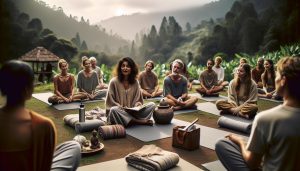
Leading a successful yoga retreat requires more than just a passion for yoga; it demands essential leadership skills that can elevate the experience for both you and your participants. As the wellness travel industry continues to grow, with more people seeking transformative experiences, mastering the art of leadership becomes crucial. A retreat isn’t just a getaway; it’s an opportunity to foster connections, inspire transformation, and create lasting memories. Whether you’re a seasoned instructor or just starting your journey, understanding how to lead effectively can help you navigate challenges, engage participants authentically, and ultimately ensure the success of your retreat. Dive into this guide and discover practical strategies to enhance your leadership abilities, making your next yoga retreat a truly remarkable experience for everyone involved.
Essential Leadership Qualities for Yoga Retreat Leaders
The ability to lead a yoga retreat successfully hinges on a unique blend of personal qualities, which not only cultivate a positive environment but also inspire and empower participants. Central to this role is authenticity. A yoga retreat leader must embody the principles of yoga-openness, mindfulness, and compassion-creating a safe space for individuals to explore their practice and inner selves. Leaders who genuinely reflect these attributes foster trust and rapport, allowing participants to feel comfortable and more willing to engage deeply in the retreat experience.
Another crucial quality is adaptability. Each retreat brings together diverse individuals with varied backgrounds, experiences, and needs. Being able to adjust the program on the fly, whether it’s altering the schedule to accommodate a group’s energy level or incorporating different styles of yoga to suit varied skill levels, can significantly enhance the overall experience. Leaders who demonstrate flexibility can navigate unexpected challenges effectively, ensuring the group remains focused and uplifted.
Strong communication skills are also essential. This involves not only conveying instructions clearly during practice but also listening actively to participants’ feedback, concerns, and suggestions. An open line of communication cultivates a sense of community, reinforcing the connection among participants and with the leader. Regular check-ins can facilitate a shared dialogue, allowing individuals to express their needs and desires throughout the retreat.
Lastly, a great yoga retreat leader possesses the ability to inspire. They should motivate participants to embrace self-discovery and growth, encouraging them to step outside their comfort zones while respecting their limits. This can be achieved through powerful storytelling, sharing personal experiences, or guiding discussions that provoke thoughtful reflection. By uplifting and empowering others, leaders help facilitate transformative experiences that linger long after the retreat concludes.
In summary, authenticity, adaptability, communication, and inspiration are essential leadership qualities that yoga retreat leaders should cultivate to create meaningful and impactful experiences for their participants.
Understanding the Role of a Yoga Retreat Leader
Leading a yoga retreat is a rewarding endeavor that requires a deep understanding of not only yoga practices but also the dynamics of group interaction and personal growth. A yoga retreat leader serves as both teacher and facilitator, guiding participants through a journey of self-discovery and wellness. This role extends beyond simply instructing yoga classes; it involves curating a holistic experience that balances physical, mental, and emotional well-being.
To effectively fulfill this role, leaders must have a clear vision for the retreat, rooted in themes of empowerment, tranquility, and connection. This necessitates thorough planning, including the choice of venue, the structure of daily activities, and the selection of relevant topics for workshops or discussions. Leaders should aim to create a consistent rhythm throughout the retreat, promoting a sense of safety and predictability which allows participants to fully immerse themselves in the experience. Incorporating a variety of practices, such as meditation, breathwork, and mindful eating, enhances the overall impact and caters to individuals’ diverse preferences.
Moreover, embodying the principles of yoga-such as compassion, non-judgment, and mindfulness-is crucial for establishing credibility and building trust with participants. When leaders share their personal experiences and challenges, it not only humanizes them but also inspires others to embrace vulnerability and openness. This creates a nurturing environment where participants feel encouraged to explore their limits and grow in new directions.
In addition, effective retreat leaders are keen observers and active listeners. They are attuned to the needs of their group, often making on-the-spot adjustments to the itinerary in response to group energy or emotional climate. This adaptability allows for a personalized experience that resonates with each participant, cultivating deeper connections and fostering a more impactful retreat environment. Ultimately, a successful yoga retreat leader harmonizes the roles of educator, mentor, and community-builder, facilitating a transformative experience that inspires lasting change.
Building Trust and Community Among Participants
Creating an atmosphere of trust and community during a yoga retreat can significantly enhance participants’ experiences and foster deep connections among them. Establishing trust empowers individuals to share their vulnerabilities, paving the way for openness and profound personal transformations. When participants feel safe, they are more likely to engage fully in activities, share their thoughts, and form lasting bonds with one another.
One effective way to build that essential trust is through structured icebreaker activities that encourage participants to introduce themselves and share their intentions for the retreat. This not only helps to break down barriers but also fosters a sense of belonging from the onset. Sessions such as group discussions, partner exercises, or sharing circles can cultivate a supportive environment where everyone feels heard and valued. Consider incorporating elements that allow participants to express their backgrounds or aspirations-these personal stories create connections and help participants recognize shared experiences.
Another key strategy is to maintain transparency throughout the retreat concerning expectations and guidelines. By openly discussing the agenda, setting clear boundaries, and encouraging feedback, leaders can create a culture of mutual respect and understanding. Establishing a code of conduct, such as encouraging mindfulness and empathy in interactions, reinforces shared values and cultivates a community spirit.
Moreover, creating opportunities for collaboration can strengthen interpersonal bonds. Activities like group yoga sessions, team-building exercises, or collaborative workshops can unite participants in a shared purpose, fostering teamwork and collective growth. Encourage the formation of small discussion groups for deeper engagement and mutual support, enabling all voices to be heard.
In practice, integrating informal social activities-such as group meals, communal cooking classes, or even relaxed evening gatherings-can enhance connections outside the structured environment. These moments allow participants to unwind, share laughter, and forge friendships that deepen throughout the retreat, ensuring that the bonds formed extend well beyond the event itself. Ultimately, by prioritizing trust and community, retreat leaders can create an enriching experience that resonates long after participants return home.
Effective Communication Techniques for Retreat Success
Effective communication is the backbone of a successful yoga retreat, influencing everything from participant engagement to the overall atmosphere. Leaders who master their communication skills can ensure that all attendees feel heard, valued, and connected. To foster an environment ripe for transformation and personal growth, consider implementing the following communication techniques.
Firstly, active listening is crucial. This involves genuinely paying attention to what participants are saying, asking open-ended questions, and reflecting back on their thoughts. This not only encourages participants to share more but also helps the leader understand their needs and expectations more deeply. For example, during a sharing circle, a leader could paraphrase a participant’s experience and ask follow-up questions, encouraging deeper exploration of their thoughts and feelings.
Another effective technique is nonverbal communication. Body language, eye contact, and facial expressions play significant roles in how messages are perceived. A warm smile or an inviting demeanor can create a welcoming atmosphere, while maintaining eye contact fosters connection and trust. Leaders should also be mindful of their physical presence during sessions, ensuring that their movements and energy reflect openness and calmness.
Clear and consistent messaging throughout the retreat is essential. Establishing a solid agenda at the beginning helps participants understand what to expect, reducing anxiety and fostering a sense of security. Regular check-ins during the retreat can also help participants feel more connected and part of the experience. Leaders might consider brief daily reflections or group dialogues to ensure all voices are heard and valued.
Lastly, embracing feedback loops can significantly enhance communication and improve the retreat experience. Encourage participants to provide feedback about sessions, activities, and their overall feelings throughout the retreat. This not only empowers attendees but also provides leaders with vital insights for future planning. Implementing a simple feedback form or an informal discussion at the end of each day can help gather these valuable insights, contributing to a culture of continuous improvement.
By prioritizing these communication techniques, yoga retreat leaders can enhance engagement, build trust, and create impactful experiences that resonate deeply with participants long after the retreat concludes.
Planning and Organizing a Successful Yoga Retreat
Planning a yoga retreat involves a combination of vision, logistics, and nurturing an inviting atmosphere that fosters growth and connection. One of the most crucial steps is to define a clear purpose for the retreat. Understanding what participants hope to gain, whether it’s deep relaxation, skill enhancement, or community building, serves as the foundation for every aspect of the retreat. A well-articulated vision informs choices about location, schedule, content, and activities, making it important not just to choose a picturesque backdrop, but one that aligns with your retreat’s objectives.
Logistics can make or break the experience, so careful attention to detail is essential. Start with venue selection. Consider factors like accessibility, accommodations, and the space available for yoga and group activities. Whether you opt for a serene mountain setting or a vibrant beach, the venue should resonate with the intended atmosphere. Once the venue is secured, create a comprehensive itinerary that incorporates a balance of scheduled activities, yoga sessions, mindfulness practices, and downtime. Participants should feel that there’s ample space for introspection and relaxation, allowing them to absorb the experiences without feeling rushed.
Marketing and promoting the retreat are also key components in the planning process. A successful marketing strategy involves understanding your target audience and utilizing platforms where they are most active. Leveraging social media, email newsletters, and content marketing can help in generating interest and driving registrations. Develop engaging content, such as blog posts or testimonials from past participants, to showcase the unique benefits of attending your retreat. Consider offering early-bird discounts or referral bonuses to encourage sign-ups.
Finally, nurturing a supportive community is vital for a successful retreat. Clearly communicate the expectations regarding participation, respect, and shared experiences to cultivate a culture of trust and openness. Consider integrating community-building activities such as group circles or shared meals, which enhance connection and create lasting memories. Following up with participants after the retreat also encourages ongoing community engagement, fostering connections that extend beyond the event itself. This holistic approach to planning not only enhances the experience for attendees but also strengthens your reputation as a thoughtful and effective retreat leader.
Marketing Strategies to Attract Retreat Attendees
To effectively attract attendees to a yoga retreat, it is crucial to implement a multifaceted marketing strategy that resonates with potential participants. Understanding your target audience is the first step-what are their interests, concerns, and motivations? Utilize this insight to tailor your marketing messages. Engaging visuals, such as breathtaking images of the retreat location, can evoke emotions and inspire individuals to register. High-quality photography showcases the serene environment and the enriching activities planned, making your retreat more appealing.
A strong online presence is essential. Utilize social media platforms to actively share updates, behind-the-scenes content, and testimonials from past participants. Creating relatable content, such as blog posts that address wellness trends or personal growth stories, can position you as an authority in the wellness space. Additionally, consider using specialized platforms like Insight Timer’s retreat marketplace, which connects you to a global audience of yoga enthusiasts actively seeking retreats [[3]](https://insighttimer.com/blog/how-to-market-a-yoga-retreat/). By listing your retreat on such platforms, you can significantly increase visibility and attract registrations from potential attendees who might not find you through traditional channels.
Offering early-bird discounts can also incentivize early sign-ups, while referral bonuses encourage past participants to spread the word about the retreat. This word-of-mouth marketing can be incredibly powerful, as personal recommendations carry weight in wellness communities [[1]](https://www.reddit.com/r/YogaTeachers/comments/1401y6c/marketing_a_yoga_retreat/). Utilize email newsletters to provide exclusive content and updates about the retreat, fostering a sense of anticipation and loyalty among subscribers. As part of your ongoing marketing efforts, consider forming partnerships with local businesses or wellness influencers for cross-promotion opportunities that can extend your reach further.
By employing these strategies, retreat leaders can create compelling marketing campaigns that not only attract attendees but also foster a community around their offerings, ultimately leading to successful and transformative retreat experiences.
Financial Management for Yoga Retreats
Effective financial management is crucial for the success of any yoga retreat, as it directly impacts the overall experience you can offer participants. When retreat leaders have a clear understanding of their financial landscape, they can make informed decisions that enhance the retreat experience, ensuring that participants receive value while also maintaining a sustainable business model. Establishing a detailed budget at the outset allows you to anticipate expenses and revenues, giving you the ability to adjust plans as necessary and maximizing your retreat’s profitability.
Key Financial Considerations
In preparing your budget, consider the following essential elements:
- Venue Costs: This includes rental fees, utilities, and any additional services provided by the venue, such as catering or staff support.
- Marketing Expenses: Allocate funds for promotional activities, including social media advertising, website updates, and print materials that effectively reach your target audience.
- Instructor Fees: Compensate any co-leaders, guest teachers, or facilitators appropriately, as their expertise enhances the quality of the retreat.
- Travel and Accommodations: Ensure all travel arrangements and accommodations are budgeted for yourself and any team members.
- Insurance: Consider investing in liability insurance to protect against potential issues during the retreat.
Revenue Strategies
To maintain a healthy cash flow, it’s essential to establish diverse revenue streams. This might include offering tiered pricing models, where early-bird discounts and payment plans are available to attract a wider range of participants. Providing add-on services, such as personal coaching sessions, wellness workshops, or excursion packages, can also increase the overall revenue.
Tracking your income and expenses meticulously is key to understanding the financial health of your retreat. Utilize financial software or simple spreadsheets to document every expense and revenue source, allowing for quick adjustments when necessary. Regular financial reviews ensure you stay on track and can pivot your strategies if you notice unexpected variances.
Finally, consider the financial implications of feedback. Gathering participant evaluations can reveal which aspects of your retreat resonated most. This insight allows you to refine and enhance future offerings, potentially increasing profitability and enriching participant experiences over time. By maintaining clear financial practices and adapting based on feedback, retreat leaders can create successful and sustainable yoga retreats that resonate with participants while achieving their business goals.
Cultivating a Mindful and Supportive Environment
Creating a nurturing and supportive environment during a yoga retreat is crucial, as it directly influences participants’ overall experience and well-being. When individuals attend a retreat, they often seek not only yoga practices but also a safe space to explore their inner selves and connect with others on a similar journey. As a leader, fostering this environment involves intentional actions and an empathetic approach to individual needs.
To cultivate such an atmosphere, it is essential to set clear intentions at the beginning of the retreat. This can be achieved through group discussions where participants are invited to share their goals and what they hope to gain from the experience. This inclusion not only establishes a sense of community but allows participants to feel heard and valued. Additionally, regular check-ins throughout the retreat can create opportunities for participants to voice their thoughts and feelings, reinforcing that their comfort and safety are top priorities.
Another effective strategy is to promote mindfulness activities beyond yoga sessions. Introduce guided meditations, journaling exercises, or reflective discussions that encourage introspection and connection among participants. This variety not only enhances personal growth but helps build trust within the group. Encourage participants to support one another; this can be facilitated through paired or group activities that require collaboration, thus deepening interpersonal connections.
Creating a mindful and supportive environment also hinges on the physical space itself. Choosing a serene and comfortable venue that aligns with the retreat’s theme enhances relaxation and connection to nature. Ensure the space is well-organized, calming, and equipped with sufficient resources for various activities. Small touches, like providing calming teas, healthy snacks, or cozy corners for relaxation, can significantly enhance the participants’ overall experience, making them feel attended to and cherished.
In summary, leaders can cultivate a mindful and supportive environment by setting clear intentions, fostering open communication, incorporating diverse mindfulness activities, and organizing a welcoming physical space. By prioritizing these elements, retreat leaders not only enhance the attendee experience but also establish a foundation for long-lasting connections and transformative journeys.
Navigating Challenges and Conflict Resolution
Navigating unexpected challenges during a yoga retreat is an inevitable part of the leadership journey. When diverse individuals gather in a shared space for introspection and growth, varying personalities and expectations can lead to conflicts or misunderstandings. Being prepared to address these situations with grace and tact is essential for maintaining a positive atmosphere and ensuring a transformative experience for all participants.
To effectively manage challenges, it’s imperative to adopt a proactive approach. Strong leaders recognize potential sources of conflict early on, which can stem from differences in yoga experience, personal goals, or even interpersonal dynamics among participants. Establishing ground rules at the onset of the retreat, such as respectful communication and an emphasis on mutual support, sets the stage for a collaborative environment. Leaders should create an agenda that includes time for open discussions, allowing participants to express concerns or feelings without fear of judgment.
When conflicts do arise, the ability to listen actively is paramount. This involves engaging in conversations with empathy and understanding, ensuring that all parties feel heard. Conflict resolution strategies might include:
- Facilitated group discussions: Bringing together those involved in a conflict can foster understanding and resolve misunderstandings.
- One-on-one check-ins: Offering private conversations allows individuals to express grievances comfortably and aids in de-escalating tensions.
- Mindfulness practices: Incorporating breathing exercises or meditation can help participants calm emotions and gain perspective before addressing an issue.
Ultimately, viewing challenges as opportunities for growth can transform potential setbacks into pivotal learning experiences for all involved. By modeling vulnerability and honesty, leaders can inspire participants to do the same, deepening connections and reinforcing the retreat’s supportive ethos.
Incorporating participant feedback throughout the retreat can further enhance conflict resolution efforts. You might consider regularly scheduling brief, informal check-ins to gauge the mood of the group and address any emerging issues in real time. This ongoing dialogue ensures that participants feel valued and can contribute to maintaining a harmonious environment.
Adapting to challenges with resilience not only enhances your leadership skills but also enriches the overall retreat experience, allowing participants to emerge with greater insights and connections.
Incorporating Feedback for Continuous Improvement
In the ever-evolving world of wellness retreats, responsiveness to participant feedback can be the difference between a good experience and an outstanding one. Gathering and implementing feedback not only enhances the retreat environment but also fosters a culture of continuous improvement that benefits both leaders and attendees. By creating structured opportunities for participants to share their perspectives, leaders can glean invaluable insights into what resonates, what falls short, and where enhancements can be made.
One effective method is to conduct post-session feedback forms. These forms can be distributed at the end of each day or major activity, allowing participants to anonymously share their thoughts. It’s essential to pose open-ended questions, such as “What did you enjoy most today?” or “What could we improve for tomorrow?” This approach encourages honest reflections and helps leaders understand the nuances of participants’ experiences. Additionally, consider hosting brief feedback circles at the close of each day. In these gatherings, participants can share their thoughts verbally in a safe and supportive environment, reinforcing community bonds while also providing real-time insights for leaders.
Analyzing this feedback is crucial. After collecting responses, it’s important to look for patterns and trends. If multiple participants mention that a particular activity felt rushed, for instance, this could indicate the need for more downtime or a reassessment of the schedule. Implementing changes based on this kind of analysis not only demonstrates to participants that their voices are valued but also enhances the overall quality of future retreats.
Moreover, closing the loop on feedback is vital. After implementing changes based on participant input, leaders should communicate these adjustments back to the group, ideally during a group meeting or through a follow-up email. This transparency shows participants that their opinions were not only heard but acted upon, reinforcing trust and encouraging future engagement in providing feedback. By weaving participant insights into the fabric of retreat planning and execution, leaders can cultivate a truly transformative experience that continually adapts to the needs of those they serve.
Creating Transformative Experiences for Participants
Creating a truly transformative experience for participants at a yoga retreat goes beyond the traditional practices of asana and meditation; it involves cultivating an environment that nurtures personal growth and connection. Understanding that each participant comes with distinct backgrounds, motivations, and aspirations is essential for a leader to tailor experiences that resonate deeply with everyone involved. This bespoke approach not only fosters a sense of belonging but also amplifies the overall impact of the retreat.
One effective strategy is to incorporate a variety of activities that cater to diverse interests and needs. For instance, alongside yoga classes, consider adding workshops on topics such as mindfulness, goal-setting, or stress management. This multifaceted approach not only enriches the experience but also allows participants to explore different dimensions of wellness. Structured community-building activities, such as group discussions or team challenges, can facilitate bonding among participants, creating a supportive network as they navigate their personal journeys together.
Furthermore, incorporating elements of nature can profoundly enhance participants’ experiences. Planning outdoor yoga sessions, nature walks, or even mindfulness practices in a serene setting encourages attendees to reconnect with their surroundings, thus deepening their experience. Providing space for individual reflection, such as journaling time or quiet contemplation, allows participants to absorb their experiences more fully and gain insights into their personal journeys.
Lastly, ensuring that retreat schedules are flexible yet purposeful can significantly contribute to transformative experiences. Rather than adhering strictly to a timetable, allowing for spontaneous moments-like impromptu sharing circles or meditation sessions-can create a richer, more organic flow to the retreat. This flexibility empowers participants, invites deeper connections, and fosters a sense of authenticity in their experiences, ultimately leading to more profound transformations both during the retreat and beyond. By focusing on these key aspects, leaders can create an enriching environment that inspires growth, connection, and lasting change.
Leveraging Technology to Enhance Retreat Offerings
In an increasingly interconnected world, leveraging technology has become an essential strategy for enhancing the offerings of yoga retreats. From the planning stages through to execution, incorporating digital tools can streamline operations, enrich participant experiences, and foster lasting connections. With the right technological integration, retreat leaders can create a more seamless, engaging, and transformative environment for participants.
One basic yet powerful tool is a dedicated website or landing page for the retreat. This platform can serve multiple functions: providing comprehensive information about the retreat itinerary, costs, and accommodations, as well as facilitating smooth registration and payment processes. Incorporating elements like a blog or testimonials section offers prospective attendees authentic insights from past participants, building trust and excitement.
Moreover, using social media can significantly boost marketing efforts and participant engagement. Sharing compelling visuals, interactive stories, and live updates during the retreat helps maintain enthusiasm among followers and can also attract new attendees for future events. Additionally, consider creating a private group for participants on platforms like Facebook or WhatsApp. This group can serve as a space for pre-retreat introductions, sharing logistics, and post-retreat discussions, promoting a sense of community even after the getaway concludes.
Another noteworthy aspect is integrating technology into the retreat experience itself. Tools like meditation apps or yoga sequence platforms can provide participants with resources for their practice during and post-retreat. Moreover, virtual reality may be an innovative addition, allowing participants to immerse themselves in peaceful environments, enhancing their relaxation and mindfulness practices. Furthermore, deploying mobile-friendly surveys to gather feedback can help leaders quickly assess what worked and what could be improved, ensuring future retreats are even more attuned to participant needs and expectations.
Thus, embracing technology thoughtfully can greatly enhance the overall experience of yoga retreats, making them not only more efficient but also enriching and memorable for all involved.
Q&A
Q: What are the key qualities of an effective yoga retreat leader?
A: An effective yoga retreat leader should possess strong communication skills, emotional intelligence, adaptability, and a deep understanding of yoga principles. Building trust and fostering community among participants are also crucial for creating a supportive atmosphere. Refer to the section on Essential Leadership Qualities for more.
Q: How can I create a transformative experience for my yoga retreat participants?
A: To create a transformative experience, focus on personalized attention, adapt activities to participants’ needs, and cultivate a safe space for sharing. Incorporating mindfulness practices seamlessly into daily routines can enhance their journey. Explore the Creating Transformative Experiences section for more insights.
Q: What are the common challenges faced by yoga retreat leaders?
A: Common challenges include managing group dynamics, addressing varied skill levels, and handling logistical issues. Effective conflict resolution and the ability to adapt plans are essential for maintaining a harmonious retreat environment. You can find solutions in the Navigating Challenges and Conflict Resolution section.
Q: How should I market my yoga retreat to attract more attendees?
A: Utilize social media, collaborate with influencers, and create compelling content showcasing the unique aspects of your retreat. Building an email list and leveraging testimonials also help reach potential participants. See the Marketing Strategies to Attract Retreat Attendees section for more strategies.
Q: What steps should I take to financially manage a yoga retreat?
A: Financial management begins with a detailed budget that encompasses all costs, including venue rentals and marketing expenses. Regularly track expenses against your budget and adjust your plans as needed to maintain financial health. Refer to the Financial Management for Yoga Retreats section for more tips.
Q: When is the best time to host a yoga retreat?
A: The best time to host a yoga retreat often aligns with seasonal preferences, local climate, and participants’ availability. Consider periods of minimal distractions, like seasonal breaks or holidays, to maximize attendance. Check seasonal trends in your target demographic for more insights.
Q: How can leveraging technology improve my yoga retreat offerings?
A: Technology can enhance your offerings through online registrations, live-streaming sessions, and creating interactive digital content. These tools can increase accessibility and provide a richer experience for participants. Investigate the Leveraging Technology to Enhance Retreat Offerings section for practical applications.
Q: Why is feedback important for yoga retreat leaders?
A: Feedback is crucial for continuous improvement, helping leaders identify areas of success and opportunities for enhancement. Regularly soliciting participant feedback allows leaders to tailor future retreats more effectively. For additional techniques on gathering and implementing feedback, refer to the Incorporating Feedback for Continuous Improvement section.
Future Outlook
As you embark on your journey to successfully lead a yoga retreat, remember that mastering essential leadership skills will not only enhance your retreat experience but also cultivate an impactful community around you. Take the first step today by exploring additional resources on our site, such as tips on effective marketing strategies for your retreat and insights into participant engagement. By doing so, you can ensure that your retreat stands out and attracts the right audience.
Ready to elevate your yoga retreat experience? Don’t wait-subscribe to our newsletter for exclusive tips and tools that will empower your leadership journey. Your path to success in wellness travel begins here! If you have any questions or would like to share your thoughts, leave a comment below or connect with us on social media. Together, let’s create meaningful and transformative experiences for all who attend.
Get our latest guides, news, and insights highlighted in your Google Search & AI Overviews.