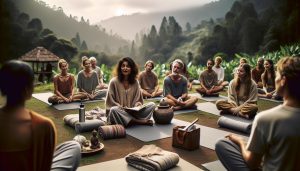
In today’s fast-paced world, the demand for wellness and relaxation is greater than ever, making yoga retreats a popular choice for those seeking rejuvenation and connection. Running a successful yoga retreat requires careful planning and a clear understanding of what participants are looking for. This step-by-step success blueprint will guide you through the essential elements of creating a transformative experience that nurtures body, mind, and spirit. Whether you’re a seasoned yoga instructor or a wellness entrepreneur, understanding the critical components-such as location, program design, and participant engagement-will empower you to craft a retreat that resonates with attendees and fosters lasting change. Dive into this comprehensive guide to unlock the secrets of retreat success and embark on a fulfilling journey in wellness travel.
How to Define Your Yoga Retreat Vision and Goals
Defining the vision and goals for your yoga retreat is an essential first step that sets the tone for the entire experience. A clear vision not only guides the organization of the retreat but also resonates with participants, ensuring that their expectations are met or exceeded. Begin by reflecting on what inspired you to create the retreat. Is it to promote wellness, foster community, or explore a specific theme such as mindfulness or personal growth? Once you identify your core inspiration, translate it into a vision statement that encapsulates the essence of the retreat.
When establishing goals, consider both the experience you want for participants and the outcomes you desire for your business. Are you aiming to strengthen your brand as a teacher, build a loyal clientele, or simply share your passion for yoga in a serene setting? Set SMART (Specific, Measurable, Achievable, Relevant, Time-bound) goals that guide your planning process. For example, a specific goal could be to secure a certain number of participants or to receive positive feedback scores from surveys post-retreat.
Make sure to involve potential participants in the process. Engaging your target audience through surveys or social media can provide insights into what they seek from a retreat experience. This allows you to tailor your offerings, making it more likely that you’ll meet their expectations. Emphasize aspects that resonate with them, whether that’s the type of yoga, the surrounding environment, or additional wellness activities like meditation or hiking.
Lastly, don’t forget the importance of adaptability. While it is vital to have a clear vision and set goals, being flexible allows you to respond to unexpected situations or opportunities that may arise during the planning and execution phases. By aligning your vision and goals with the desires of your participants and remaining open to change, you will create a retreat that is not only meaningful but also successful.
Choosing the Perfect Location for Your Retreat
Selecting the ideal location for a yoga retreat is one of the most pivotal decisions you will make, as it profoundly influences the overall experience for your participants. The perfect locale should not only provide a serene and picturesque backdrop but also align with the theme and goals of your retreat. Whether you’re drawn to the tranquility of a beach, the peacefulness of a mountain, or the charm of a quiet countryside, your location should enhance the transformative journeys that your participants seek.
When considering locations, start by evaluating the accessibility and amenities available. Participants will likely be traveling from various regions, so choosing a site that is easily reachable via major transport links can significantly impact attendance. Look for venues that offer suitable accommodations-this includes comfortable lodging, access to practice spaces, and other essential resources like kitchens or dining areas. Establishing partnerships with local businesses can also enrich the experience by offering participants additional activities, such as hiking, meditation, or wellness treatments during their free time.
Additional Considerations:
- Environment: Assess the natural surroundings and ambiance. A location with breathtaking views or an energetic atmosphere can elevate participants’ experiences.
- Climate: Consider the best seasons for your retreat type. Ensure that the climate during your retreat aligns with the planned activities and general comfort of the participants.
- Safety: Research the safety of the area, focusing on health infrastructure and emergency services available to ensure the well-being of your guests.
- Cultural Aspect: Embrace the local culture and integrate it into your retreat experience, whether through local cuisine, tours, or activities that reflect the area’s traditions.
Ultimately, the location you choose should resonate with the values and experiences you wish to foster in your retreat. By aligning the setting with your vision and ensuring it meets the needs of your participants, you will create an inviting and inspiring atmosphere that enhances their journey towards wellness and self-discovery.
Essential Elements for a Successful Retreat Program
Creating a truly rewarding yoga retreat requires careful planning and consideration of essential elements that contribute to a successful program. A well-rounded approach integrates various aspects of wellness, nourishment, and personal growth, ensuring participants leave feeling rejuvenated and inspired. At the heart of any successful retreat is the ability to offer diverse and enriching activities that cater to the varied needs of attendees.
One of the fundamental components is a thoughtfully designed schedule that balances yoga practices, workshops, relaxation time, and social interaction. Morning sessions could focus on energizing asanas and meditation, while afternoons might include workshops on topics like mindfulness, nutrition, or yoga philosophy. Placing importance on group activities, such as guided nature walks or communal meals, can foster connections among participants, enhancing the overall experience.
Additionally, integrating various wellness practices beyond yoga can elevate a retreat’s appeal. Including options like guided meditation, sound healing sessions, or restorative workshops can attract a wider audience and cater to different interests. Providing resources for self-care, such as journaling sessions or digital detox activities, can also facilitate deeper introspection, allowing participants to maximize their personal growth.
Attention to Detail
Every successful retreat program pays meticulous attention to detail, particularly concerning food and accommodations. Offering nutritious, locally-sourced meals can not only enhance participants’ physical well-being but also celebrate the local culture. Accommodations should be comfortable and conducive to relaxation, making it easy for guests to unwind after a day of activities.
Balancing structure with flexibility is equally vital. While it’s important to have a clear itinerary, allowing for some spontaneity-such as extra time for yoga or impromptu discussions-can lead to unforgettable, shared moments. By considering these essential elements, retreat organizers can create a memorable and transformative experience for all participants, one that encourages them to return year after year.
Crafting Engaging Yoga Class Schedules
Crafting a well-structured yoga class schedule is crucial for ensuring a meaningful and rejuvenating experience for participants. An engaging itinerary not only maximizes the potential for personal growth but also keeps attendees energized and invested throughout the retreat. Consider integrating a variety of yoga styles and complementary activities that cater to different experience levels and personal objectives.
One effective approach is to establish a daily rhythm that harmonizes both activity and relaxation. For instance, starting the day with a vigorous sunrise flow can set an invigorating tone, while afternoon sessions can transition to restorative yoga, promoting relaxation and rejuvenation. Including workshops, such as mindfulness practices or yoga philosophy discussions, can provide invaluable insights, enhancing the overall experience. Group activities like guided nature walks or partner yoga sessions can also foster a sense of community, allowing participants to connect and build relationships through shared experiences.
Flexible Yet Structured Scheduling
Flexibility within the schedule is just as important as structure. While it’s essential to keep the retreat on track, being open to adjustments based on participants’ needs can create memorable moments. For example, if a morning session reveals a heightened interest in a specific topic, consider extending that discussion or incorporating an impromptu mini-workshop during free time. Providing optional sessions or “free movement” periods can empower participants, allowing them to engage with the program in a way that feels most fulfilling to them.
Another key component is timing and duration. A well-balanced schedule should include sufficient transition times between activities, giving participants breathing space and opportunities to reflect on their experiences. A typical day might look like this:
| Time | Activity |
|---|---|
| 7:00 AM – 8:00 AM | Sunrise Yoga Flow |
| 8:00 AM – 9:00 AM | Breakfast (Nourishing & Locally-sourced) |
| 9:30 AM – 11:00 AM | Mindfulness Workshop |
| 11:30 AM – 12:30 PM | Restorative Yoga Session |
| 12:30 PM – 2:00 PM | Lunch & Reflection Time |
| 2:00 PM – 4:00 PM | Group Activity (e.g., Nature Walk) |
| 4:30 PM – 6:00 PM | Evening Yoga & Meditation |
| 6:30 PM – 8:00 PM | Dinner & Sharing Circle |
Ultimately, a thoughtfully crafted schedule enhances engagement and creates a truly transformative yoga retreat experience. By balancing structured activities with the room for spontaneity, retreat organizers can make each participant’s journey unique and fulfilling.
Marketing Strategies to Attract Retreat Participants
Effective marketing strategies are vital for attracting participants to a yoga retreat, as a well-designed program won’t succeed without visibility and interest. A multifaceted approach can help engage potential attendees, ensuring they see the value and unique offerings of your retreat. Personal connections often yield the best results; leveraging your existing yoga community and encouraging word-of-mouth referrals can greatly enhance awareness. Share personal testimonials and experiences from previous retreat participants through social media channels or community boards to create an authentic narrative that resonates with prospective attendees.
Utilizing digital marketing techniques can also significantly broaden your reach. High-quality visual content, including photos and videos showcasing your retreat environment, yoga sessions, and participant activities, can captivate your target audience. Consider defining your niche-whether it’s beginners, advanced yogis, or wellness-focused travelers-and tailoring your marketing messages accordingly. Platforms like Instagram and Facebook are perfect for sharing visually appealing content, while email marketing can keep potential guests informed about upcoming events and promotions. Be sure to include engaging calls-to-action that encourage them to reserve their spots.
Building partnerships with local businesses can further enrich your marketing efforts. Collaborate with nearby health-oriented establishments like cafes, wellness centers, or spas that share a similar clientele. This type of partnership can increase visibility-both businesses can benefit from cross-promotion through co-branded events or shared marketing materials, allowing for deeper community engagement and authentic promotion of the retreat experience.
Lastly, consider hosting free or low-cost workshops prior to the retreat. These events can serve as a sneak peek into what participants can expect, allowing them to connect with you as a teacher and fostering a sense of community. Such experiences provide an invaluable opportunity for potential attendees to ask questions, share concerns, and ultimately feel more comfortable committing to the retreat. This holistic approach to marketing your yoga retreat will help set it apart in an increasingly competitive market, ensuring a successful turnout and a transformative experience for all involved.
Building Partnerships with Local Businesses
Creating strong partnerships with local businesses can significantly enhance the value of your yoga retreat, fostering a sense of community while providing mutual benefits. By collaborating with establishments that share a similar audience, such as health-conscious cafes, wellness centers, spas, and even local artisans, you can broaden your reach, enrich the retreat experience, and create a buzz that extends beyond your immediate marketing efforts.
One effective approach is to establish co-branding opportunities that allow both businesses to promote each other. Consider organizing collaborative events where participants can enjoy wellness workshops at local studios or pop-up classes at nearby parks. This not only allows you to leverage their clientele but also introduces your retreat participants to the best of what the area has to offer, creating a holistic experience. For example, offering discounted meals at a local health café for retreat participants can encourage attendees to explore local flavors and healthy dining options, enhancing their experience while supporting local businesses.
Engaging local wellness practitioners for workshops or special classes can also complement your retreat offerings. Inviting a nutritionist to give a talk or a local yoga teacher to facilitate a unique session adds breadth to your program while promoting local talent. Additionally, these partnerships can create opportunities for cross-promotion; featured businesses can share your retreat information with their clientele, increasing exposure and potentially attracting new participants.
Don’t overlook the value of social media and shared marketing materials. By developing a joint marketing strategy with your partners, you can create eye-catching promotions and content that appeals to your combined audiences. Utilize platforms like Instagram and Facebook where you can highlight both your retreat and your partners, showcasing activities, offerings, and testimonials. This collaborative marketing can significantly boost your visibility, attract a diverse group of participants, and ultimately lead to a successful retreat experience that feels interconnected and supported by the local community.
Creating a Memorable Guest Experience
Creating a truly unforgettable guest experience at a yoga retreat requires careful thought and attention to detail. Beachfront views or serene mountain landscapes are certainly captivating, but it’s the thoughtful touches and mindful engagement that turn a standard retreat into an enriching journey for participants. Start by considering the overall atmosphere you want to cultivate. From the moment guests arrive, they should feel welcomed, relaxed, and inspired. Simple gestures such as a warm greeting, personalized welcome packages, and a brief initial group chat can set a positive tone and build community right away.
The activities and schedule of the retreat should resonate with the intentions of the participants. Offer a blend of structured yoga classes and unstructured free time, allowing guests to choose their own adventure. Consider layering in complementary activities such as guided nature walks, meditation sessions, or even cooking classes that focus on healthy eating. Each of these can reinforce the holistic approach of the retreat while offering guests memorable takeaways they can incorporate into their everyday lives.
It’s also beneficial to foster a sense of community among participants. Encourage group sharing circles where individuals can express their intentions for the retreat and support one another. Facilitating social interactions through communal meals or themed evenings can allow participants to connect beyond the yoga mat, deepening their overall experience. Creating a shared space for expressing thoughts or insights-be it a journal or a community board-can also enhance engagement and reflection throughout the retreat.
Lastly, while hosting an exceptional experience, consider incorporating feedback mechanisms. Use simple post-session surveys or informal check-ins to gauge participant satisfaction and gather suggestions. This not only demonstrates your commitment to their experience but also allows for continuous improvement in future retreats. Building a memorable guest experience is all about creating meaningful connections, both with oneself and with others, ensuring that each participant leaves with a sense of fulfillment and eagerness to return.
Budgeting and Financial Planning for Your Retreat
Budgeting for a yoga retreat is a fundamental aspect that determines its overall success and viability. An effective budget not only helps in managing operational costs but also ensures that participants have a fulfilling experience without financial strain. It’s essential to approach this task with meticulous planning and a clear understanding of potential expenses and revenue sources.
Start by outlining all possible expenses, categorizing them into fixed and variable costs. Fixed costs may include venue rental, instructor fees, and promotional materials, while variable costs can encompass food, transportation, and activity supplies that fluctuate based on the number of participants. To make this easier, consider using a table to visualize your expenses:
| Category | Description | Estimated Cost |
|---|---|---|
| Venue Rental | Cost to rent retreat space for the duration of the event | $$$ |
| Instructor Fees | Payment for yoga teachers and guest instructors | $$$ |
| Marketing | Expenses for promotions, social media, and ads | $$$ |
| Food | Meals and snacks for all participants | $$$ |
| Transport | Transportation costs to/from the venue if provided | $$$ |
| Supplies | Yoga mats, props, and other materials needed | $$$ |
As you allocate funds, remember to set aside a budget for contingencies, which could be anywhere from 10% to 20% of the total costs. This allows for unexpected expenses like last-minute changes or the need for additional supplies.
On the revenue side, consider various income streams such as registration fees from participants, sponsorships, merchandise sales, or collaborations with local businesses. Be transparent about your pricing strategy; charging appropriately not only covers costs but also reflects the value of the experience offered. Offering early-bird discounts or package deals can attract more participants while ensuring you secure funds upfront.
Finally, keep track of all financial transactions meticulously. Utilizing financial software or dedicated tracking sheets can help you assess your budget regularly and adjust based on what is working. By staying organized and proactive in your financial planning, you create a sustainable framework for your yoga retreat that minimizes stress and maximizes enjoyment for both you and your participants.
Legal Considerations and Insurance for Retreats
Navigating the complexities of legal considerations and insurance is crucial for ensuring a successful yoga retreat. Key factors include liability, participant safety, and compliance with local regulations. Without proper legal measures in place, both you as the organizer and your participants may face unexpected risks, which could detract from the retreat experience or, in worse cases, lead to significant financial loss.
To protect yourself, start by obtaining adequate liability insurance. This type of insurance shields you from claims arising from accidents or injuries that might occur during the retreat. In addition to general liability, consider specific coverage options like professional indemnity insurance, especially if you offer advice that could impact participants’ health or wellness. Reviewing the scope of your insurance will help identify potential gaps and ensure comprehensive protection.
Moreover, a well-crafted waiver or release form is an essential tool. This document should clearly outline risks involved in the activities offered during the retreat, addressing participants’ understanding and acceptance of these risks. Ensure that the language is straightforward and that participants sign the waiver prior to engaging in any physical activities. While this step won’t eliminate liability entirely, it serves as a deterrent and may offer additional protection should disputes arise.
Understanding local regulations is equally vital. Different regions may have specific laws governing event hosting, insurance requirements, and safety guidelines. Take time to consult with local authorities or legal experts to ensure compliance. Moreover, if you’ll be partnering with venues or local businesses, reviewing their insurance policies is important to confirm that your coverage aligns adequately. Overall, investing time and resources in legal considerations and insurance not only fortifies your retreat against foreseeable challenges but also reinforces your commitment to participant safety and satisfaction.
Tips for Sustainable and Eco-Friendly Retreats
Creating a yoga retreat that aligns with sustainable and eco-friendly principles not only enhances the experience for participants but also supports the health of the planet. Many travelers are increasingly seeking retreats that address their environmental concerns, making it essential for organizers to incorporate mindful practices into their planning. Here are several strategies to ensure your yoga retreat is both enriching and sustainable.
Choose Ethical Venues
Selecting a location that prioritizes sustainability is fundamental. Look for venues that utilize renewable energy sources, practice efficient waste management, and have a strong commitment to conservation. Many eco-resorts focus on minimizing their environmental footprint, offering organic or locally-sourced meals and employing sustainable building practices. For example, you might consider retreats in areas known for their environmental awareness, such as those highlighted in eco-friendly yoga retreats around Port St. Joe and Atitlán, where community integration and respect for nature are prioritized[1][3].
Implement Sustainable Practices
Integrating eco-friendly practices into the daily activities of your retreat can significantly enhance its sustainability. Consider the following tips:
- Zero-Waste Policy: Encourage participants to reduce their waste by providing reusable water bottles and cloth bags for their belongings.
- Eco-Conscious Meals: Opt for a menu that emphasizes plant-based ingredients, sourced from local farms to minimize transportation emissions.
- Natural Products: Use biodegradable toiletries and ensure that any cleaning products are eco-friendly.
By adopting a zero-waste policy and focusing on local suppliers, you can significantly reduce your retreat’s carbon footprint while encouraging participants to engage with their environment thoughtfully.
Educate Participants
Another essential aspect of an eco-friendly yoga retreat is education. Integrate workshops or discussions about sustainable practices, such as mindfulness in consumption or yoga techniques that promote an eco-conscious lifestyle. This not only enriches your participants’ understanding but also inspires them to carry these practices into their daily lives. Sharing stories of local conservation efforts or inviting guest speakers from eco-focused organizations can add depth to the experience.
Foster Community Engagement
Building partnerships with local businesses can enhance your retreat’s sustainability goals. Collaborate with local artisans for products or services and recommend attending local workshops that highlight indigenous practices. This not only supports the local economy but allows participants to gain a deeper appreciation of the area and its culture. Creating connections with the local community fosters a sense of responsibility and awareness, making the retreat not just a personal journey but a shared experience with the environment.
By focusing on these strategies, your yoga retreat can become a model of sustainability, attracting like-minded participants who are eager to connect with both nature and each other while nurturing their own wellness.
Post-Retreat Engagement and Community Building
Post-retreat connections are crucial for fostering community and enhancing participant engagement long after the final yoga class has ended. The bonds formed during a retreat can cultivate a supportive network, providing attendees with ongoing motivation and encouragement in their wellness journeys. Implementing strategies for post-retreat engagement not only benefits the participants but also strengthens your brand as a retreat organizer, establishing a loyal customer base for future events.
Regular communication is essential. After the retreat concludes, follow up with participants through personalized emails expressing gratitude for their attendance and inviting them to share their experiences. Consider creating a dedicated space, such as a Facebook group or a Slack channel, where attendees can continue discussions, share insights, and support each other in their practices. This digital community serves as a reminder of the connections made and encourages participants to maintain their commitment to wellness.
Offering ongoing programming is another effective strategy. This could include virtual yoga classes, meditation sessions, or workshops focused on topics discussed during the retreat. By providing these opportunities, you reinforce the retreat’s themes and keep participants engaged with the practices they enjoyed. Additionally, consider creating a content hub on your website featuring resources like articles, videos, or podcasts related to yoga and wellness, which participants can access even after the retreat.
To further enhance community building, consider planning reunion events or follow-up retreats. These gatherings can serve as a way for participants to reconnect and reflect on their progress while deepening the practices that brought them together initially. By continuing to provide value and a sense of belonging, you’ll not only solidify the community but also create a culture around your retreats that participants are excited to return to year after year.
Encouraging participants to share their stories and transformations inspires others and strengthens community ties. Highlighting these testimonials on your website or social media platforms can showcase the impact of your retreats, attracting new participants while also validating the journeys of past attendees. A thriving post-retreat community fosters an atmosphere of growth, connection, and support, making each retreat experience not just a temporary escape, but a stepping stone towards a more interconnected and abundant wellness journey.
Frequently Asked Questions
Q: What are the essential first steps to planning a yoga retreat?
A: The essential first steps include defining your retreat’s vision and goals, selecting a suitable location, and determining the ideal time frame. Conduct market research to identify your target audience and assess competition. These steps set a strong foundation for your retreat planning process.
Q: How do I choose the right location for my yoga retreat?
A: Choose a location that resonates with your target audience and enhances the retreat experience. Consider factors such as accessibility, natural surroundings, accommodation options, and local culture. Locations with serene environments, such as mountains or beaches, can elevate the overall vibe of your retreat.
Q: What should be included in a successful yoga retreat program?
A: A successful retreat program should include a balanced schedule of yoga classes, meditation sessions, wellness workshops, and leisure activities. Additionally, incorporate breaks for meals and reflection. Ensuring variety keeps participants engaged and promotes a holistic experience.
Q: How can I market my yoga retreat effectively?
A: Effective marketing strategies include leveraging social media platforms, creating engaging content, offering early bird discounts, and building an email list. Collaborate with yoga influencers and local businesses to expand your reach and attract more participants.
Q: What are some tips for creating a memorable guest experience?
A: To create a memorable guest experience, focus on personalized touches such as welcome gifts, providing exceptional customer service, and fostering a sense of community. Engaging activities beyond yoga, like local excursions or themed dinners, can also enhance the overall experience.
Q: How do I budget for my yoga retreat?
A: To budget for your yoga retreat, calculate all potential expenses, including venue rental, accommodation, food, marketing, and instructor fees. Establish your pricing strategy based on costs while ensuring it remains attractive to participants. Regularly review your budget to stay on track.
Q: What legal considerations should I keep in mind when running a yoga retreat?
A: Important legal considerations include obtaining necessary permits, ensuring liability insurance, and having participants sign a waiver. Additionally, familiarize yourself with local regulations regarding health and safety standards to protect both yourself and your participants.
Q: How can I engage participants after the retreat ends?
A: Engage participants post-retreat by creating a follow-up email series that includes highlights from the retreat, special offers for future retreats, and resources for continuing their practice. Consider developing a community platform for ongoing support and connection among attendees.
Wrapping Up
As you embark on your journey to run a successful yoga retreat, remember that careful planning, strategic marketing, and community engagement are paramount. By focusing on key elements such as your target audience, unique offerings, and effective promotion, you can create a transformative experience for your attendees. Don’t let hesitation hold you back-now is the perfect time to take action and start implementing these strategies to captivate your audience!
For further insights, explore our articles on marketing yoga retreats and optimizing your website’s SEO to attract more participants. You might also find our tips on maintaining wellness routines while traveling particularly valuable. As you continue to grow and refine your yoga retreat, consider subscribing to our newsletter for ongoing resources and support. Your journey into the world of wellness travel starts here-let’s unlock your retreat’s potential together!
Get our latest guides, news, and insights highlighted in your Google Search & AI Overviews.