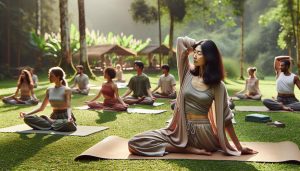
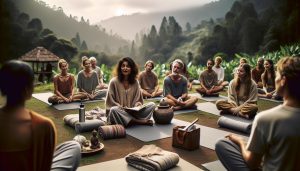
In today’s fast-paced world, the need for tranquility and rejuvenation is more critical than ever. Building a yoga retreat center offers not only a sanctuary for weary souls but also a flourishing business opportunity for wellness entrepreneurs. This comprehensive development guide will walk you through the essential steps to create a successful retreat center that resonates with the principles of mindfulness and holistic living. From conceptualizing your vision to navigating logistical challenges, you’ll discover how to craft a space that inspires and heals. Whether you aim to cultivate a deep sense of community or provide a serene escape, the journey to building your retreat center starts here. Dive in and explore the transformative possibilities that await you and your future guests.
Understanding the Yoga Retreat Market: Trends and Opportunities
The yoga retreat market is experiencing remarkable growth, driven by increasing interest in wellness tourism and the desire for immersive, rejuvenating experiences. With the global wellness tourism market projected to reach $366.82 billion by 2029, there are significant trends and opportunities to consider for operators looking to establish a successful retreat center. A key trend is the emphasis on tailored experiences that cater to diverse participant needs, whether through specialized yoga styles, holistic wellness programs, or integration with nature.
As wellness travel continues to rise in popularity, more individuals seek retreats that not only offer yoga but also a variety of wellness activities such as meditation, nutritional workshops, and cultural experiences. This shift presents an opportunity for retreat organizers to curate unique packages that attract a broader audience. For example, combining yoga with local culinary experiences or nature hikes can enhance the appeal of the retreat, thereby increasing occupancy and guest satisfaction.
Another significant opportunity lies in the effective utilization of digital marketing platforms. Engaging visuals, targeted advertising, and strong storytelling about the retreat’s unique offerings can draw interested participants. Platforms like Book Yoga Retreats allow consumers to explore options by filtering retreats based on their specific desires, from price to wellness focus. By optimizing online presence and leveraging user-generated content, operators can build trust and encourage bookings.
Moreover, sustainability is becoming a crucial factor in consumer choices. Many travelers now prioritize eco-friendly practices and are drawn to retreats that commit to sustainable operations, such as using local resources, reducing waste, and promoting conservation efforts. Thus, incorporating these values into the retreat’s mission can differentiate it in a competitive market, resonating with environmentally conscious guests.
In conclusion, the yoga retreat market presents diverse trends and prospects for growth. By focusing on personalized experiences, harnessing digital marketing strategies, and embracing sustainability, retreat operators can position themselves successfully within this flourishing sector.
Key Considerations for Location Selection
Choosing the right location for a yoga retreat center can significantly influence the overall experience and success of the retreat. The setting should not only provide a tranquil atmosphere that fosters relaxation and reflection, but also align with the types of experiences you aim to offer. Natural surroundings such as mountains, lakes, or beaches can enhance the retreat’s ambiance, making the experience immersive and rejuvenating. Research shows that nature-based settings promote well-being, with studies indicating that natural environments can reduce stress and enhance mood.
When selecting a location, consider accessibility. It’s essential to ensure that potential retreat participants can easily reach your center, whether they are traveling from nearby cities or internationally. Proximity to airports or major transport hubs can greatly influence a participant’s decision to attend. Additionally, consider the local infrastructure, including accommodations, restaurants, and wellness service providers, which can enhance the overall experience. If your retreat will be offering workshops or external guided activities, nearby resources can be invaluable.
The local culture and environment should also be taken into account. A location that embodies wellness philosophies or has local traditions surrounding health and well-being can enrich the retreat experience. For example, some yogis may seek places that offer authentic cultural activities, such as local cuisine or traditional healing practices, incorporating these elements into the retreat can create a more holistic experience. Moreover, it’s critical to assess the climate; certain times of the year may be more favorable for hosting a retreat, affecting attendance and activities.
Furthermore, consider environmental sustainability and the impact of your center on the local community. Engaging in eco-friendly practices and supporting local businesses not only enhance your retreat’s reputation but also resonate with an increasingly conscious audience. Making efforts to blend your retreat with the local ecosystem-be it through sustainable materials in the center’s design or partnerships with local healers and artisans-can foster authenticity and enhance guest satisfaction.
In summary, the ideal location for a yoga retreat center blends access, natural beauty, cultural richness, and sustainability, all playing a vital role in creating a memorable experience for participants.
Designing Your Yoga Retreat Center: Layout and Ambiance
Designing an inviting and holistic yoga retreat center is essential for creating a transformative experience for participants. The layout and ambiance of the space play crucial roles in fostering relaxation, reflection, and connection. A well-thought-out design not only enhances the aesthetic appeal but also aligns with the retreats’ overarching wellness philosophy, promoting a peaceful and restorative environment.
To evoke tranquility, focus on natural light and open spaces. Large windows that allow views of the surrounding landscape can effectively integrate the outside world with the interior. Natural materials-such as wood, stone, and bamboo-add warmth and grounding energy to the facility. Configuring the space to include dedicated practice areas ensures that yoga sessions can be held without distractions. Consider incorporating multiple spaces with varying moods, including quiet corners for meditation, communal areas for group discussions, and serene spots for solitary reflection.
Creating a Soothing Ambiance
The ambiance of your yoga retreat center should promote relaxation and balance. Use calming color palettes-soft blues, greens, and earth tones can evoke a sense of peace and connection to nature. Essential elements like natural scents from essential oil diffusers or incense can further enhance relaxation. Soft, ambient music or sounds of nature can create a serene backdrop during classes and communal gatherings. Feng shui principles may also guide the spatial arrangement, ensuring a harmonious flow of energy throughout the center. Finally, incorporating artwork that reflects local culture or nature can create a deeper connection for participants, enriching their experience.
Functional Spaces
Your center should cater to various needs, ensuring that guests feel comfortable and supported throughout their stay. Consider building:
- Yoga studios: Spacious rooms on the ground level with flexible configurations to accommodate different class styles and group sizes.
- Dining areas: Communal spaces that promote sharing and connection, ideally overlooking nature for a peaceful setting.
- Relaxation zones: Outdoor patios, hammocks, or meditation gardens where participants can unwind and reflect on their experiences.
- Accommodations: Comfortable rooms with minimalist decor that encourage restful sleep, equipped with access to nature views where possible.
Incorporating these design elements thoughtfully will not only create a functional yoga retreat center but will also enrich the overall experience for guests, allowing them to connect deeply with their practice and each other. It’s vital to maintain a space that feels nurturing and restful, creating an oasis where yoga practitioners can immerse themselves in their journey of wellness and personal growth.
Essential Facilities and Amenities for Guest Satisfaction
Creating a yoga retreat center requires more than just a beautiful setting; it hinges on the thoughtful inclusion of essential facilities and amenities that elevate guest satisfaction. These elements not only enhance the overall experience but also contribute to the wellness and well-being of participants, fostering a nurturing environment that facilitates growth and relaxation.
A highly appreciated aspect of any retreat is access to comfortable sleeping accommodations. Participants often seek a peaceful night’s rest to recharge for their daily activities. Incorporating spacious, cozy rooms with natural decor and high-quality bedding creates a restorative environment. Additionally, ensuring that each room has access to the outdoors or stunning views can significantly increase guest contentment.
Another crucial facility is the dining area, where healthy, conscious meals can make a profound impact. Offering a menu that highlights fresh, local, and organic ingredients not only supports health but also encourages a sense of community among guests. Collaborating with nutritionists to create a balanced meal plan that caters to various dietary preferences can enhance the overall wellness theme of the retreat. Consider incorporating self-serve stations with snacks and beverages available throughout the day to keep energy levels high.
Relaxation and rejuvenation spaces are vital to guest satisfaction as well. These areas can include meditation gardens, outdoor lounges, or tranquil spa facilities where guests can indulge in massages, facials, and other healing treatments. The integration of nature, such as water features or plants, can greatly enhance the calming atmosphere and allow guests to unwind actively.
Lastly, functional spaces designed for yoga and meditation should be at the heart of the center. Multi-purpose studios should be equipped with necessary props, mats, and calming aesthetics, such as soft lighting and soothing sound systems. Offering a diverse schedule of classes led by experienced instructors can meet various skill levels and interests, ensuring that all participants feel included and inspired.
By paying careful attention to these essential facilities and amenities, a yoga retreat center can significantly enhance the experience of its guests, paving the way for memorable journeys of growth, relaxation, and community.
Permits and Regulations: Navigating Legal Requirements
Establishing a yoga retreat center involves a maze of legal requirements and permits that must be navigated diligently to create a safe and compliant environment. Ensuring that you meet these legal standards is not only crucial for the day-to-day operation of your retreat, but it also protects both you and your clients from potential liabilities. Depending on your location, the specific laws and regulations can vary significantly, so understanding these nuances is essential.
One vital aspect of legal compliance relates to the type of offerings provided during the retreat. If your package includes yoga instruction, accommodation, and meals-and especially if it’s marketed as a travel experience-it’s likely you will need an ATOL (Air Travel Organiser’s License) if flights are included. This license, regulated by the Civil Aviation Authority, ensures that consumers are protected in the event of a travel company failure, so it’s essential to apply for this if necessary [[1](https://destinationyoga.co.uk/latest-news/retreats/legal-position/)].
Additionally, it’s prudent to implement liability waivers and informed consent forms that participants must sign prior to the retreat. These documents can shield you from potential legal claims stemming from injuries or accidents during yoga classes or other activities. It’s advisable to consult with a legal professional to draft these documents to ensure they comply with local laws and clearly explain risks associated with participating in the retreat [[3](https://academy.wetravel.com/legal-considerations-retreat-organizers)].
To further navigate the regulatory landscape, consider the following essential permits and registrations that may be relevant:
- Business License: Ensure you have a valid business license specific to your area.
- Health and Safety Inspections: Conduct necessary health inspections to comply with local food and accommodation regulations.
- Insurance: Obtain comprehensive liability insurance to protect against claims related to yoga instruction and accommodation.
- Fire Safety Compliance: Adhere to fire safety regulations, including fire inspections and the installation of smoke detectors.
By thoroughly researching and adhering to the relevant regulations, you can create a supportive environment that fosters healing and growth for all retreat participants while safeguarding your business interests.
Staffing Your Yoga Retreat: Roles and Responsibilities
Successful yoga retreats rely heavily on the expertise and dedication of their staff. Whether it’s a serene coastal escape, a mountain retreat, or an immersive wellness experience, the roles filled by your team can significantly impact the overall atmosphere and effectiveness of the program. Each member of the staff contributes uniquely to create a welcoming and transformative experience for guests, and understanding these roles is key to building a cohesive and effective team.
Staff Roles and Responsibilities
- Yoga Instructors: The backbone of any yoga retreat, instructors are responsible for leading classes that align with the retreat’s theme. They should possess certifications and experience in various yoga styles to cater to different skill levels and preferences.
- Wellness Coordinators: These professionals design and implement wellness programs, integrating yoga, meditation, nutrition, and holistic practices. They ensure that the offerings are coherent and facilitate personal growth for attendees.
- Chefs and Nutritionists: Food plays a vital role in the retreat experience. Chefs specializing in nutritious, delicious meals enhance the overall health-oriented theme. Nutritionists may also provide insights into meal plans that complement the retreat’s agenda.
- Operations Managers: Responsible for the logistics of the retreat, operations managers ensure everything runs smoothly, from accommodation arrangements to scheduling classes and activities.
- Support Staff: Friendly and efficient front desk staff, housekeeping, and maintenance teams are crucial for guest satisfaction. They handle inquiries, provide assistance, and maintain the facility to create a welcoming environment.
Creating a Balanced Team Environment
Building a healthy workplace culture is equally important as employing qualified individuals. To attract and retain the right staff, consider fostering an environment of open communication and mutual respect. Regular team meetings can help align goals and create a collaborative atmosphere. Additionally, investing in staff training and development not only enhances their skills but also boosts morale and loyalty.
Finally, staff should embody the retreat’s philosophy and values, as their attitude will directly influence how guests perceive their experience. Encourage staff members to engage personally with attendees, creating authentic connections that can lead to a lasting impact and return visits.
Incorporating these insights into your staffing strategy ensures that your yoga retreat center can offer a memorable and meaningful experience that aligns with your vision and meets guests’ needs.
Creating Compelling Wellness Programs and Offerings
Crafting a wellness retreat that resonates with guests requires a thoughtful approach to program design. Wellness programs should offer a mix of activities that nourish the body, mind, and spirit while promoting healing and self-discovery. A successful offering goes beyond yoga classes; it integrates various modalities that cater to diverse preferences and wellness goals. Personalization can be a compelling draw, as guests are increasingly seeking experiences tailored to their individual needs.
To create a memorable wellness program, start by identifying core themes that align with your target audience. For instance, a retreat focusing on stress relief might incorporate yoga sessions, mindfulness meditation, guided nature walks, and wellness workshops covering topics like nutrition or emotional well-being. This multifaceted approach ensures participants can explore different avenues of relaxation, ultimately maximizing their experience. Consider offering optional services such as massage therapy or aromatherapy sessions to enhance the healing environment.
Another critical aspect to keep in mind is the flow of the retreat schedule. Balance is key; a jam-packed itinerary can lead guests to feel overwhelmed, while too much downtime may lead to disengagement. Strive for harmony by alternating energetic activities, like yoga or group workouts, with calming practices such as journaling sessions or quiet reflection time. This rhythm not only maintains enthusiasm but also allows for deeper integration of the experiences.
Finally, guest feedback plays a vital role in evaluating the effectiveness of your programs. Creating avenues for guests to share their thoughts helps refine future offerings and ensures that the experience remains aligned with their evolving needs. Engaging with retreat attendees, both during and after their stay, fosters lasting relationships and encourages repeat visits.
By carefully crafting compelling wellness programs that are inclusive, well-structured, and responsive to guest needs, you can create transformative experiences that resonate long after participants leave your retreat.
Marketing Strategies to Attract Retreat Guests
Effective marketing is paramount in attracting guests to your yoga retreat, where competition can be fierce and first impressions are critical. Emphasizing both creative outreach and leveraging the power of community can significantly enhance your visibility. A strong digital presence is essential, as potential attendees are increasingly seeking wellness experiences online. Utilize a combination of social media platforms, your website, and specialized retreat marketplaces to connect with your audience, nurture leads, and build momentum leading up to your event.
Leverage Social Media
Engaging visuals play a vital role in promoting your retreat. Use high-quality images and video content that showcase the beauty and uniqueness of your location, as well as the types of activities and experiences they can expect. Frequent posts on platforms like Instagram and Facebook not only keep your audience informed but also create a vibrant community around your retreat. Sharing testimonials and behind-the-scenes content can inspire potential guests and cultivate a sense of excitement.
Utilize Email Marketing
Email marketing campaigns are effective for nurturing relationships with interested attendees. Create a segmented email list and provide tailored content to different audiences based on their prior engagements. Share valuable insights such as wellness tips, exclusive offers, or success stories from past attendees to encourage conversions. Consider implementing early bird discounts or referral bonuses as incentives to create urgency among potential guests.
Collaborate and Partner
Building partnerships with local wellness businesses, yoga instructors, or health influencers can expand your reach significantly. Consider co-hosting events, workshops, or promotions that can introduce your retreat to a broader audience. Collaborations can lead to mutual sharing of audiences, increasing the likelihood of developing a loyal customer base.
Engage in Online Platforms
Listing your retreat on specialized platforms such as Insight Timer’s retreat marketplace brings your offering to a global audience of wellness enthusiasts. These platforms foster an engaged community, making it easier for potential guests to discover your retreat and its unique offerings.
Incorporating these strategies can provide a robust foundation for your marketing efforts, ensuring that your yoga retreat attracts guests eager to experience the transformative power of wellness travel. By combining digital marketing techniques, community engagement, and collaborative efforts, you can create a compelling invitation for attendees to join your retreat experience.
Building Community: Engaging with Guests Before and After
Building a community around your yoga retreat is essential for creating lasting connections and enhancing the overall experience for guests. Engaging with participants before and after the retreat not only boosts attendee satisfaction but also fosters a sense of belonging and loyalty that can lead to repeat business and word-of-mouth referrals. Establishing a vibrant community can be achieved through various strategies, both online and offline.
Before the retreat, consider creating a dedicated online platform, such as a private Facebook group or a forum on your website, where participants can connect and share their anticipation. This space allows future guests to ask questions, share expectations, and even meet each other beforehand. Sharing engaging content, such as yoga tips, wellness articles, or videos featuring the instructors, can stimulate conversations and build excitement leading up to the event. Personalized communication, including welcome emails or introductory videos from the retreat leaders, can also help to create a more intimate atmosphere and foster connection.
After the retreat, maintaining these connections is just as vital. Encourage testimonials and feedback where participants can share their experiences and reflections. This not only provides valuable insights for you but also helps new guests gauge what they can expect. Consider sending follow-up emails with resources like post-retreat workshops, online classes, or curated wellness content that resonates with the retreat’s theme. Hosting virtual meetups or creating an alumni program can further deepen relationships, allowing past attendees to reconnect and share their journeys since the retreat, thus creating a supportive network.
Lastly, consider organizing future events or retreats and offering early-bird discounts or exclusive pre-registration opportunities for your community members. This nurtures a long-term relationship and promotes a sense of exclusivity among loyal guests. By prioritizing ongoing engagement, you cultivate a community that not only values their experience but also becomes advocates for your retreat.
Sustainable Practices for Eco-Friendly Retreat Centers
Sustainability has become a cornerstone of the wellness travel industry, and incorporating eco-friendly practices into your yoga retreat center is not only beneficial for the environment but also enhances the guest experience. As travelers increasingly seek out destinations that prioritize sustainability, adopting green practices can differentiate your retreat and attract conscientious consumers. Implementing various eco-friendly strategies will help create a serene environment that aligns with the principles of yoga, such as mindfulness and respect for nature.
Building Sustainable Infrastructure
Utilizing sustainable building materials is vital when designing your retreat center. Materials such as bamboo, reclaimed wood, and recycled metal offer durability while minimizing environmental impact. Consider also incorporating solar panels and energy-efficient appliances to reduce your carbon footprint. For example, Prana del Mar in Mexico is entirely solar-powered, emphasizing sustainability while providing a tranquil space for retreat-goers to connect with nature [3].
Water and Waste Management
Effective water management is crucial for sustainability. Implement rainwater harvesting systems and greywater recycling to ensure minimal water waste. Additionally, educate guests about water conservation practices throughout their stay. An effective waste management strategy should also be in place, such as providing composting bins and encouraging the use of reusable containers. Offering materials that highlight the ecological significance of these practices can further engage guests, making them feel part of the sustainability effort.
Eco-Friendly Activities
Integrating eco-conscious activities into your retreat schedule not only enriches the experience but also reinforces your commitment to sustainability. Organize nature walks, beach clean-ups, or tree-planting days to promote environmental awareness. Partner with local organizations that focus on conservation efforts, thereby enhancing the overall impact. Providing insights into local flora and fauna during yoga sessions or wellness workshops can deepen participants’ connection to their surroundings and foster a greater appreciation for the environment.
Local Sourcing
Emphasizing local sourcing can significantly enhance the sustainability of your retreat. Serve seasonal, organic meals prepared with ingredients from local farmers and suppliers. This approach not only reduces transportation emissions but also supports the local economy, creating a sense of community around your retreat. Additionally, featuring local artisans in your workshops can provide guests with authentic experiences while promoting regional culture and craftsmanship.
Incorporating these sustainable practices can transform your yoga retreat center into a holistic haven, enriching both the guest experience and the environment. By aligning your offerings with eco-friendly principles, you can attract a diverse clientele that values wellness and environmental consciousness.
Financial Planning: Budgeting and Revenue Streams
To achieve a successful yoga retreat center, meticulous financial planning is essential. This foundational step not only ensures sustainability but also positions your retreat to tap into the growing wellness tourism market. A thorough understanding of potential costs, pricing strategies, and revenue streams can significantly enhance your retreat’s credibility and attract more participants.
Budgeting begins with an in-depth analysis of all potential expenses. Consider direct costs such as accommodation, food, yoga instructors, and marketing. Additionally, indirect costs like insurance, staff salaries, and maintenance must not be overlooked. Establishing a clear budget template can help track these expenses effectively. For example, a breakdown may include:
- Accommodations: Hotel or rental costs
- Staffing: Salaries of instructors, yoga guides, and support staff
- Food and Beverage: Costs for organic or local ingredients
- Marketing: Online promotion, flyer distribution
- Utilities and Maintenance: Water, electricity, and venue upkeep
Creating diverse revenue streams is equally important. While participant fees represent the primary income source, consider additional avenues like merchandise sales, private yoga classes, wellness workshops, and retreats held during off-peak seasons. Offering tiered pricing-where guests can choose from various accommodation levels or package deals for individual classes-can also attract a broader audience. Collaborating with local businesses for mutual promotions can seamlessly integrate community support into your business model, enriching the overall experience while expanding your reach.
Ultimately, measuring success involves not only evaluating financial data but also gathering feedback from participants. This holistic approach will help refine offerings, enhance guest satisfaction, and, in turn, bolster your retreat’s reputation, making it a sought-after destination for wellness seekers.
Measuring Success: Evaluating Retreat Outcomes and Guest Feedback
Measuring the success of your yoga retreat center hinges on a multifaceted approach that combines quantitative data and qualitative insights. This dual-method strategy is crucial, as it not only assesses financial performance but also considers the overall experience and satisfaction of guests. Engaging with participants through surveys, interviews, and informal feedback sessions can provide invaluable insights into their experiences, preferences, and suggestions for improvement.
One effective way to evaluate retreat outcomes is through structured guest feedback forms. These forms may address various aspects of the retreat, including class quality, instructor effectiveness, facility cleanliness, and meal satisfaction. Consider including both rating scales and open-ended questions to capture a broad range of responses. Additionally, a follow-up email after the retreat can encourage guests to reflect on their experience and share insights they may have overlooked during their stay.
Key Metrics for Evaluation
Establishing specific metrics is vital in gauging retreat success. Here are several key indicators to consider:
- Participant Retention Rate: Analyze how many guests return for future retreats, which can indicate satisfaction levels and loyalty.
- Referral Rate: Track how many guests were referred by past participants, revealing the strength of word-of-mouth marketing.
- Overall Satisfaction Score: Calculate an average score based on guest ratings across several categories to get a comprehensive view of satisfaction.
- Revenue Growth: Monitor revenue trends over time to assess financial health and identify profitable offerings.
Collecting and analyzing this data will help you make informed decisions about your retreat offerings, enhance the overall guest experience, and adjust your marketing strategies.
Feedback can also serve as a powerful tool for storytelling in your marketing efforts. Highlighting positive testimonials and success stories from past attendees on your website and promotional materials can significantly bolster your retreat’s reputation. Remember, a happy guest is not only likely to return but will also spread the word about their positive experience, thus helping to build a community around your retreat center.
Incorporating these evaluation techniques will create a dynamic framework for continuous improvement, allowing your yoga retreat to thrive and meet the evolving needs of wellness travelers. This attention to detail can set your retreat apart in a competitive market, facilitating an authentic connection with guests while solidifying your standing as a premier destination for wellness tourism.
Frequently asked questions
Q: What is the first step in building a yoga retreat center?
A: The first step is to conduct thorough market research to understand the trends and demand for yoga retreats. Identify your target audience and their preferences, which will guide location selection and facility planning. Refer to the “Understanding the Yoga Retreat Market” section for insights.
Q: How do I choose the right location for my yoga retreat?
A: When choosing a location, consider accessibility, the natural environment, and nearby attractions. A serene and peaceful setting enhances the yoga experience. Evaluate logistics like transportation and accommodation options, which are crucial for guest satisfaction. Consult the “Key Considerations for Location Selection” section for specific guidelines.
Q: What amenities are essential for a successful yoga retreat center?
A: Essential amenities include yoga studios, comfortable accommodations, wellness facilities (like spas), dining areas, and outdoor spaces for activities. Providing a variety of wellness resources improves guest experience, as noted in the “Essential Facilities and Amenities for Guest Satisfaction” section.
Q: How can I ensure my yoga retreat center is eco-friendly?
A: Implement sustainable practices such as using renewable energy, sourcing local food, and minimizing waste. Eco-friendly design principles can enhance guest attraction and retention. Refer to the “Sustainable Practices for Eco-Friendly Retreat Centers” section for actionable strategies.
Q: What legal permits do I need to operate a yoga retreat center?
A: Legal permits may vary by location but typically include business licenses, health and safety permits, and zoning approvals. Consult with local authorities to ensure compliance with regulations for smooth operation, as discussed in the “Permits and Regulations” section.
Q: How important is staffing in a yoga retreat center?
A: Staffing is critical as qualified instructors and support staff enhance the retreat experience. Clearly defining roles and responsibilities ensures smooth operations and a high standard of service. Explore the “Staffing Your Yoga Retreat” section for detailed advice on hiring.
Q: What marketing strategies work best for promoting a yoga retreat center?
A: Effective strategies include leveraging social media, collaborating with wellness influencers, creating a visually appealing website, and offering introductory promotions. Building a strong brand story attracts guests and fosters loyalty, as outlined in the “Marketing Strategies to Attract Retreat Guests” section.
Q: How can I measure the success of my yoga retreat center?
A: Success can be evaluated through guest feedback, repeat bookings, and revenue growth. Implement surveys and reviews to gather insights, which guide improvements. The “Measuring Success” section provides more methods for evaluating performance.
In Retrospect
Building a successful yoga retreat center is an exciting venture that can deeply enrich both your life and the lives of others. As you embark on this transformative journey, remember to leverage key insights from our comprehensive guide to tackle challenges confidently. Whether you’re planning your layout or marketing your first retreat, effective strategies can help ensure your success.
Ready to take the next step? Explore our resources on yoga marketing strategies and SEO for retreat centers to enhance your visibility and attract passionate participants. Don’t forget to subscribe to our newsletter for ongoing tips and exclusive insights on wellness travel and retreat planning. Share your thoughts in the comments below, and let’s foster a community of like-minded individuals eager to impact the world of wellness positively. Your dream retreat awaits-embrace the journey and start making connections today!
Get our latest guides, news, and insights highlighted in your Google Search & AI Overviews.