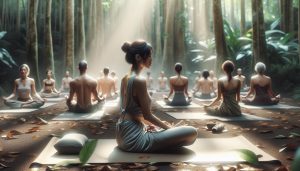
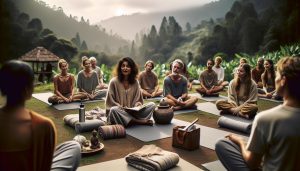
Designing a yoga retreat isn’t just about choosing a beautiful location or currating a serene schedule; it’s about creating transformative experiences that resonate with participants on a deeper level. In today’s fast-paced world, many seek refuge through wellness travel, making it crucial to understand how to effectively craft an environment that nurtures growth, relaxation, and community. The right retreat can help individuals disconnect from their daily stresses and reconnect with their inner selves, leading to lasting change. As you embark on this journey to design a fulfilling retreat, consider the unique needs of your target audience and the potential impact of the experiences you offer. This guide will equip you with essential insights and practical tips to create a truly memorable yoga retreat that aligns with both your vision and the desires of your participants. Let’s dive in and explore the art of retreat planning, where every detail counts in shaping profound wellness journeys.
How to Define Your Yoga Retreat Vision
Defining a clear and compelling vision for your yoga retreat is essential to creating a transformative experience that resonates with attendees. Start by reflecting on your personal motivations and what you hope to impart to participants through the retreat. Whether it’s cultivating mindfulness, enhancing physical well-being, or fostering community connection, your vision should align with these core values. Understanding the essence of your yoga practice and what you want to share can help shape the overarching experience.
Consider the unique aspects of your retreat that differentiate it from others. Is there a specific theme or focus, such as stress relief, personal growth, or deepening yoga practice? Identifying these elements will help you craft a narrative that draws potential attendees. A well-defined vision not only attracts individuals who resonate with your message but also guides various aspects of planning, from location to activities.
Involve potential attendees in this process by seeking feedback early on. Use surveys or informal discussions to gauge their interests, preferences, and what they seek from a retreat experience. This engagement not only fosters a sense of community before the retreat begins but can also provide valuable insights that inform your vision, ensuring that it aligns closely with the needs and desires of your target audience.
Lastly, keep in mind that a retreat vision should evolve as you gain experience and insights from each event. Document feedback and outcomes to continuously refine your approach. A clear, flexible vision will not only enhance the experience for attendees but also contribute to your growth as a facilitator in the wellness space.
Identifying Your Target Audience for Retreats

Understanding your audience is a crucial step in designing a successful yoga retreat. Before you even dream about locations, schedules, and activities, it’s essential to identify who you want to attract. By crafting a clear picture of your target audience, you can tailor your retreat experience to meet their unique needs and desires.
Start by considering the demographics of potential attendees, including age, fitness level, and experience with yoga. Are you aiming to attract complete beginners looking for a gentle introduction to yoga, or are you targeting seasoned practitioners interested in advanced techniques and deepening their practice? Conduct surveys, polls, or interviews with past participants or social media followers to gather insights into their preferences and expectations. This information will not only guide your planning but will also help in marketing your retreat effectively.
Another aspect to explore is the motivations that drive your audience to participate in a yoga retreat. Are they drawn by the prospect of relaxation and stress relief, or are they seeking personal development and community engagement? Craft your retreat offerings-like workshops and sessions-around these motivations to create a more compelling and relevant experience. For example, if your audience is primarily interested in mental wellness, integrating mindfulness practices and guided meditations could be highly beneficial.
By taking the time to delve into the preferences, motivations, and backgrounds of your potential attendees, you can create a yoga retreat that resonates deeply and fosters meaningful connections. Listening to your audience’s feedback and making adjustments based on their needs will ensure that your retreat not only meets their expectations but also provides transformative experiences that they will cherish.
Essential Elements of Transformative Yoga Retreats

To create a truly transformative yoga retreat, understanding the essential elements that contribute to meaningful experiences is crucial. A retreat isn’t just a getaway-it’s an opportunity for deep personal growth and connection. Fostering an environment where attendees can explore their practice while also engaging with themselves and others on a deeper level is fundamental.
One of the most significant components of a transformative yoga retreat is the curriculum. This should encompass a diverse range of practices, including various styles of yoga, meditation, and holistic wellness workshops. For instance, pairing vinyasa sessions with restorative practices not only caters to different energy levels but also promotes physical and mental balance. Additionally, incorporating educational topics such as nutrition, mindfulness, and stress management can enrich the participants’ knowledge and enhance their overall experience.
Supportive Community plays a vital role in the transformation process. Creating opportunities for group activities, sharing circles, and partner exercises can foster connection among participants. When individuals feel safe and seen within a community, they are more likely to open up and embrace change. Moreover, incorporating icebreaker activities at the beginning of the retreat helps participants to connect and build relationships, setting a positive tone for the days ahead.
A thoughtfully chosen location can significantly impact the retreat experience. Select a serene, natural setting that encourages reflection and mindfulness-whether it’s a beachfront in Mexico, a forest retreat in the mountains, or a tranquil space in a cozy studio. The surroundings should complement the activities and provide a backdrop for transformation, inspiring attendees to engage fully with their personal journeys.
Finally, integrating reflection and integration practices at the conclusion of the retreat enables attendees to process their experiences. This can include guided journaling sessions, group discussions, or personal time to reflect on insights gained. Providing tools for post-retreat sustainability, such as follow-up workshops or online community groups, helps individuals continue their journey long after the event is over. By weaving together these essential elements, your retreat can foster profound transformations and create a lasting impact on participants.
Choosing the Perfect Location for Your Retreat
The selection of an ideal location for a yoga retreat can profoundly influence the overall experience for attendees, equipping them with the atmosphere and environment necessary for introspection and growth. The right setting should not only align with the themes of your retreat but also encourage a sense of serenity and connection with nature. Think of spaces that are either in isolated, tranquil areas or those that offer unique landscapes-be it a coastal setting, a lush forest, or even serene mountain retreats. These elements create a backdrop that invites participants to disconnect from daily distractions and fully embrace the retreat experience.
When narrowing down potential locations, consider the accessibility and comfort for your target audience. For instance, if your retreat caters to travelers from urban areas, a nearby secluded venue with easy transportation options can attract those looking for quick escapes. Alternatively, international locations may appeal to attendees seeking more extensive transformational journeys. Once you establish a general geographical area, assess the amenities available, such as housing options, dining facilities, and spaces for yoga practice. A venue that offers diverse settings, including indoor studios and outdoor spaces, can enhance the variety of activities and sessions you plan for the retreat.
Moreover, immersing participants in local culture can add an enriching layer to their experience. Selecting a location that allows for local exploration-such as cooking classes, nature walks, or visits to nearby temples-can complement the yoga practice and create a sense of community and connection. This engagement not only allows participants to discover the surrounding area but also fosters a deeper appreciation for the journey they are on, both physically and spiritually.
In summary, the perfect location for your yoga retreat should effortlessly merge tranquility, accessibility, and the potential for cultural immersion. By thoughtfully considering these attributes, you set the stage for a transformative experience that resonates with participants long after they return home.
Creating a Balanced Daily Schedule for Attendees
Crafting a well-structured daily schedule for a yoga retreat is essential to provide a balanced experience that fosters relaxation, learning, and connection. A thoughtfully designed agenda can enhance participants’ engagement, encourage mindfulness, and promote personal growth. To achieve this, consider incorporating a variety of activities that cater to different needs while maintaining a rhythm that feels both structured and organic.
Begin each day with a gentle morning session, such as a sunrise yoga class or meditation. This not only sets a positive tone for the day but also allows participants to center themselves and cultivate mindfulness before diving into more active pursuits. Consider following this with a wholesome breakfast that nourishes the body and spirit, emphasizing fresh, local ingredients when possible.
Throughout the day, incorporate a blend of yoga practices-varying in intensity and style-to cater to different preferences and energy levels. You might alternate between restorative sessions, aimed at relaxation and recovery, and more vigorous classes that challenge participants physically and mentally. Each class should include time for reflection or journaling, allowing attendees to process their experiences and insights gained during the sessions.
In addition to yoga, enrich the retreat experience by integrating wellness workshops, guided nature walks, or sound healing sessions during the afternoons. These activities can provide opportunities for connection, self-discovery, and community building. Ensure ample free time is included in the schedule for participants to relax, reflect, or engage in personal activities, encouraging them to connect with their surroundings and themselves.
To wrap up each day, consider a group sharing circle or a closing session where participants can reflect on their experiences, fostering deep connections within the group. This creates a sense of community and shared understanding. End the day with a nourishing dinner and perhaps an evening activity like a mindfulness practice or a relaxing gathering around a fire, allowing attendees to unwind while sharing stories and insights.
In summary, creating a balanced daily schedule involves blending structured activities with opportunities for personal reflection. By thoughtfully considering the timing, variety, and flow of each day’s events, you will promote a transformative experience that resonates with participants long after the retreat concludes.
Integrating Wellness Activities Beyond Yoga
Integrating a diverse range of wellness activities beyond yoga can create a truly transformative experience for retreat participants. While yoga serves as the foundation for physical and mental well-being, complementing it with varied activities fosters a holistic approach that nurtures the body, mind, and spirit. This not only enriches the participants’ experience but also addresses different aspects of wellness, including emotional balance and social connections.
One effective way to enhance a yoga retreat is by incorporating mindfulness practices such as meditation, breathwork, and journaling sessions. These activities allow participants to deepen their self-awareness and cultivate a sense of inner peace. For example, beginning each day with a guided meditation can prepare attendees for their yoga practice by helping them center their thoughts and intentions. Similarly, dedicating time for journaling after yoga sessions allows participants to reflect on their experiences, insights, and personal growth throughout the retreat.
Exploring Nature and Outdoor Activities
Integrating nature-based activities is another excellent way to promote wellness. Guided nature walks, hiking, or forest bathing sessions can enhance the retreat experience by allowing participants to connect with the natural environment. The therapeutic benefits of spending time outdoors-such as reduced stress levels and improved mood-create a nurturing atmosphere and can be seamlessly woven into the schedule, perhaps during the afternoons when energy levels naturally fluctuate.
To further enrich the retreat, consider offering workshops or sessions on complementary wellness practices. These could include cooking classes focused on healthy, plant-based meals, holistic health workshops covering topics like nutrition or stress management, or even creative outlets like art therapy or sound healing. These diverse offerings not only empower participants to explore new interests but also encourage them to develop practical skills that they can incorporate into their daily lives long after the retreat has ended.
Building Community Through Shared Experiences
Lastly, don’t underestimate the importance of community-building activities. Create opportunities for participants to connect on a deeper level through group discussions, sharing circles, or collaborative cooking sessions. These activities foster a sense of belonging and support, which can be incredibly healing. By encouraging interactions among participants, you help form bonds that extend beyond the retreat, fostering a supportive community around shared wellness journeys.
Incorporating these activities not only complements the yoga experience but also addresses a broad spectrum of wellness aspects, turning the retreat into a rich tapestry of self-discovery and growth. As you design your retreat, remember to consider the unique needs and interests of your participants, tailoring activities for a comprehensive experience that resonates deeply with each individual.
Marketing Your Yoga Retreat Effectively
Marketing a yoga retreat effectively is pivotal to its success, enabling you to attract participants who will benefit most from the transformative experience you offer. With the wellness industry blooming and competition soaring, a strategic approach to marketing can set your retreat apart. Consider beginning by telling a compelling story that resonates with your target audience’s desires, whether it’s relaxation, self-discovery, or community. Use authentic imagery and testimonials from previous retreats to evoke emotional connections and highlight the unique benefits of attending your offering.
Utilize diverse digital platforms to enhance your visibility. Social media channels like Instagram and Facebook are excellent for showcasing vibrant visuals of your retreat setting, daily activities, and participant experiences. Regularly engage your audience with live sessions or Q&A formats where potential attendees can interact and ask questions about the retreat. Additionally, consider the development of an informative blog that addresses wellness topics relevant to your audience, such as yoga practices, healthy recipes, or mindfulness techniques.
To further broaden your reach, partnerships can be extremely beneficial. Collaborate with wellness influencers or local businesses that share a similar audience demographic. Joint promotions can provide value-added services for attendees, such as discounts on wellness products or access to workshops related to your retreat’s theme.
Creating a comprehensive email marketing strategy can also effectively nurture your leads and keep your audience informed. Segmented mailing lists allow you to tailor your messages based on the interests and past behaviors of your audience, ensuring they receive content relevant to their needs. Frequent updates about early bird pricing, unique activities, and deadlines will prompt enthusiasm and urgency, encouraging participants to secure their spots sooner rather than later.
Incorporate all these strategies into a cohesive marketing plan while remaining vigilant about tracking their effectiveness. Utilize analytics to understand which efforts yield the best results, allowing you to refine your approach over time. By weaving together these tactics, you’re not only promoting your yoga retreat but also fostering a community eager to embark on a transformational journey.
Strategies for Pricing Your Yoga Retreat
Setting the right price for your yoga retreat is crucial not only for covering costs but also for attracting the right participants. A well-structured pricing strategy can significantly impact your retreat’s appeal and profitability. Begin by carefully analyzing your expenses, including accommodation, food, instructor fees, marketing, and transportation. Understanding your full cost base will help you determine a price that ensures all expenses are covered while allowing for a reasonable profit margin.
When considering your pricing, think about the clientele you’re targeting. For instance, high-end retreats may include luxurious accommodations and gourmet meals, justifying a premium price. Conversely, if your audience is more budget-conscious, focus on offering an affordable yet meaningful experience. Implement tiered pricing by offering early bird discounts, group rates, or additional services like private sessions, which can encourage early sign-ups and create a sense of community among attendees.
Another effective strategy is to evaluate competitive pricing in your area or online. Research similar retreats to understand the market rate and the value they offer. This will help you position your retreat attractively while ensuring that participants receive good value for their investment. Highlighting unique aspects of your offering, such as specialized yoga styles, expert instructors, or exclusive locations, can justify a higher price point compared to competitors.
Finally, don’t overlook the importance of flexibility in your pricing model. Consider offering payment plans that allow participants to secure their spot without a large upfront cost. This approach can widen your potential audience, enabling those who might view the cost as a barrier to participate and benefit from the transformative experiences your retreat offers. By striking a balance between cost, value, and accessibility, you can create an inviting experience that resonates with participants and fosters a thriving retreat community.
Building the Right Team for Your Retreat
Crafting a successful yoga retreat hinges significantly on the team you assemble to bring your vision to life. Selecting individuals who share your passion for wellness and possess complementary skills can enhance the overall experience for your attendees. A diverse team that includes experienced yoga instructors, wellness experts, nutritionists, and administrative support can not only streamline operations but also enrich the retreat’s offerings.
When choosing yoga instructors, consider their teaching styles and specialties. For instance, if your retreat focuses on restorative practices, look for instructors adept in yin or restorative yoga. Those who can adapt their classes to different levels of experience will cater to a broader audience. In addition, incorporating wellness professionals-such as massage therapists or holistic health coaches-can provide attendees with a more rounded experience. This approach allows you to address physical, mental, and emotional well-being, making your retreat a comprehensive retreat for the mind and body.
Clear communication and defined roles within the team are vital for ensuring a smooth operation. Establishing an organizational framework can help delineate responsibilities among team members, minimizing confusion and maximizing efficiency. Regular meetings and collaborative planning sessions can foster a supportive environment that encourages creativity and cohesion. Don’t forget to cultivate a positive team culture; the energy and enthusiasm of your team can significantly affect attendees’ experiences.
Finally, consider involving local talent or resources when possible. Not only does this support the local community, but it can also enhance the authenticity of your retreat. Local experts may offer unique insights or cultural elements that elevate the experience for participants. By building the right team, you create a supportive environment that nurtures growth, learning, and connection, which are the core elements of a transformative yoga retreat.
Crafting Memorable Experiences and Activities
Crafting unforgettable experiences at a yoga retreat is essential for transforming attendees’ lives and creating lasting memories. Engaging activities that complement yoga sessions can elevate the experience by fostering deeper connections among participants and enhancing personal growth. By integrating diverse offerings, you can create a well-rounded program that resonates with various interests and emotional needs.
One effective way to curate memorable activities is to incorporate a mix of meditation, creative expression, and nature connection. For instance, you might include guided meditation sessions that encourage participants to explore their inner thoughts and emotions in a supportive environment. Additionally, workshops in art or journaling can serve as powerful tools for self-reflection and processing experiences during the retreat. Allowing participants to express themselves creatively helps to deepen their connection to their practices and to each other.
Another vital aspect is experiential learning through connection to the environment. Organizing outdoor activities such as nature hikes, beach gatherings, or stargazing sessions can create idyllic moments where attendees can bond and rejuvenate. Providing opportunities for nature immersion not only adds to the retreat’s ambiance but also promotes mindfulness, enhancing the overall experience. Consider scheduling a sound healing session outdoors, utilizing the natural acoustics and calming sights and sounds of the surroundings to further enrich participants’ experiences.
Ultimately, the goal is to create a balanced daily schedule filled with activities that nurture the body, mind, and spirit. Consider structuring days to include a variety of experiences such as intensive yoga classes, relaxation times for personal reflection, and structured group discussions to deepen connections among participants. Flexibility is crucial; encouraging participants to engage in activities that resonate most with them will cultivate a sense of autonomy, leaving them feeling enriched and fulfilled. As you shape the retreat, remember that the most memorable experiences often arise from unexpected moments of connection and discovery.
Gathering Feedback and Measuring Success
Collecting feedback and measuring the success of a yoga retreat is not just an afterthought; it’s a vital component that can significantly influence future events and enhance the overall experience for participants. Feedback helps identify strengths and weaknesses in your offerings, guiding you to make informed adjustments. Notably, gathering insights shortly after the retreat can capture immediate impressions while the experience is still fresh, allowing participants to provide genuine feedback.
To effectively gather feedback, consider employing a multifaceted approach. Start with anonymous surveys that cover various aspects of the retreat-such as logistics, facilitation of sessions, location, and overall satisfaction. This method ensures participants can express their opinions freely. Here are some key areas to focus on when creating your feedback form:
- Content Relevance: Were the sessions engaging and beneficial?
- Facilitator Effectiveness: Did the instructors meet your expectations?
- Logistics: Was the accommodation comfortable and suitable?
- Food Quality: How did you find the meals provided?
- Overall Experience: Would you recommend this retreat to others?
In addition to surveys, instigating open dialogue during group sharing sessions allows participants to voice their thoughts in a supportive environment. Facilitating this collective reflection can lead to rich discussions and unexpected insights about the retreat dynamics and individual experiences.
Once the feedback is collected, analyze the data to measure success against your initial goals. Identify trends and assess whether participants’ experiences aligned with your retreat vision. Tools such as Net Promoter Scores (NPS) can quantify satisfaction levels by asking participants how likely they are to recommend your retreat to others. Incorporating this data can help to continuously refine your approach, ensuring that each subsequent retreat is more attuned to attendees’ needs.
Ultimately, maintaining an ongoing connection with participants post-retreat can sustain the community feelings fostered during the event. Consider creating a follow-up email series or a private group (on social media or dedicated platforms) where guests can stay engaged with one another, share their post-retreat journey, and provide ongoing feedback. This approach not only solidifies the sense of community but also opens avenues for continued learning and support, enhancing the transformative experience of your yoga retreats over time.
Sustaining Community Post-Retreat
Yoga retreats often foster deep connections among participants, but the transformation doesn’t have to end when attendees return home. Cultivating a lasting sense of community post-retreat can significantly enhance the overall experience, reinforcing the bonds formed during the intensive sessions. By implementing a few thoughtful strategies, those transformative moments can continue to resonate and flourish within a supportive network.
One effective approach is to establish ongoing communication channels. Creating a private online group-whether on social media platforms or a dedicated forum-enables participants to share their experiences, exchange insights, and offer support long after the retreat. This space can serve as a platform for sharing tips on maintaining wellness practices, posting resources like articles or videos, and even organizing virtual meetups or yoga sessions. Regular engagement in this shared space can help participants feel connected and supported in their post-retreat journeys.
Organizing Follow-Up Activities
Another technique to sustain community ties is to offer follow-up events. Consider scheduling monthly virtual gatherings where attendees can reconnect, meditate together, or participate in wellness workshops. For example, inviting guest speakers-be they nutritionists, meditation coaches, or yoga instructors-for these sessions can enrich the experience and provide added value. These gatherings help participants stay committed to their personal growth and remind them of the community they built together.
Encouraging Continued Learning
Additionally, providing ongoing educational resources can be invaluable. Consider sending a series of follow-up emails that not only express gratitude for their participation but also include curated content like yoga tutorials, mindfulness exercises, or even personalized wellness goals tailored to each individual’s journey. This proactive approach shows care and commitment and encourages participants to integrate the principles learned during the retreat into their daily lives.
Ultimately, nurturing a community post-retreat reflects a holistic approach to wellness, affirming the notion that personal growth and transformation are ongoing journeys. By employing these strategies, you can create a resilient network of support that elevates the retreat experience and fosters lasting connections, enhancing the value of your offerings in the eyes of participants.
FAQ
Q: How do I choose a theme for my yoga retreat?
A: Selecting a theme for your yoga retreat involves focusing on the desired experience you want to create. Consider aligning the theme with elements such as seasonal changes, specific yoga practices, or wellness concepts. This theme will guide content, marketing, and activities, enhancing cohesiveness and participant engagement.
Q: What are the best practices for finding a venue for a yoga retreat?
A: When looking for a venue, prioritize locations that are tranquil and conducive to relaxation. Visit potential sites if possible and consider factors like accessibility, facilities, and aesthetics. Ensure the space can accommodate your planned activities and has a supportive atmosphere for participants to connect and recharge.
Q: How can I incorporate local culture into my yoga retreat?
A: Integrating local culture can enrich the retreat experience. This can include local cuisine, inviting local instructors for workshops, or incorporating traditional practices into your sessions. Engaging with the local community fosters a deeper connection for participants, making the retreat more memorable and transformative.
Q: What should I include in my yoga retreat welcome packet?
A: A well-crafted welcome packet should include an itinerary, information on activities, essential wellness guidelines, packing suggestions, and local contact information. Personal touches like a handwritten welcome note or a small gift can enhance participants’ first impressions and set a positive tone for the retreat.
Q: How can I facilitate meaningful connections among attendees?
A: Encourage connections by incorporating group activities and icebreakers early in the retreat. Create shared experiences, like team-building exercises or group discussions, that foster openness and trust. Scheduled downtime for casual interactions can also facilitate organic relationship-building among participants.
Q: What strategies can I use to collect feedback after the retreat?
A: To effectively gather feedback, utilize surveys both during and after the retreat. Ask specific questions about experiences and suggestions for improvement to gain actionable insights. Consider offering an incentive for completing feedback forms to encourage higher participation rates.
Q: How do I balance yoga practice and free time in the retreat schedule?
A: To maintain a balanced schedule, allocate dedicated periods for yoga sessions and self-exploration. Ensure yoga classes are spaced out with ample breaks for relaxation or personal reflection. This balance helps prevent overwhelm and allows attendees to fully process and integrate their experiences.
Q: What marketing channels are most effective for promoting a yoga retreat?
A: Effective marketing channels for yoga retreats include social media platforms, email newsletters, and wellness blogs. Craft eye-catching visuals and engaging stories to share on platforms like Instagram and Facebook. Collaborating with wellness influencers can also expand your reach and enhance credibility.
Insights and Conclusions
As you embark on your journey to design a transformative yoga retreat, remember that every detail you curate can lead to profound shifts in your participants’ lives. Focus closely on creating environments that foster connection, healing, and personal growth. Don’t hesitate to explore our resources on wellness travel and retreat planning to deepen your understanding and refine your offerings.
Ready to take the next step? Join our community for insights and inspiration-sign up for our newsletter to stay updated on the latest trends in wellness travel, yoga techniques, and retreat planning tips. If you have questions about logistics or need personalized guidance, consider reaching out for a consultation. Your vision for a successful retreat awaits; let’s turn that vision into reality!
For further reading, check out our articles on Managing Retreat Logistics and Crafting Unique Yoga Experiences. Your commitment to creating enriching journeys will resonate with your audience long after the retreat ends. We invite you to share your thoughts in the comments below-your experiences could inspire others on their own retreat journeys!
Get our latest guides, news, and insights highlighted in your Google Search & AI Overviews.