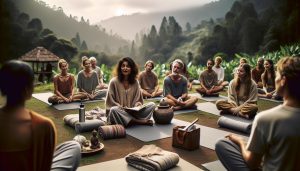
Are you looking to merge your passion for yoga with a fulfilling career? Working at a yoga retreat offers the unique opportunity to immerse yourself in wellness while helping others find balance and peace. With the wellness tourism industry continually growing, understanding how to secure a position at a retreat can not only enhance your professional journey but also deepen your personal practice. This guide will reveal essential insights and actionable steps to navigate your career path in this enriching field, ensuring you’re well-prepared to turn your aspirations into reality. Whether you’re a seasoned yogi or just starting, the dream of working in a serene environment awaits you. Keep reading to explore how you can make this dream a reality!
Understanding the Role of Yoga Retreat Staff
Yoga retreats offer a unique environment where individuals can deepen their practice and embark on a journey of self-discovery. The role of yoga retreat staff is integral to creating a nurturing atmosphere that facilitates this transformative experience. Staff members are often the first point of contact for participants, making their interactions crucial. They help in setting the tone of the retreat, ensuring that all attendees feel welcomed, supported, and included.
Key responsibilities of yoga retreat staff typically include organizing and leading classes, managing logistics, and providing additional support for guests. Staff members may also play a mentoring role, offering guidance to participants both in and out of the classroom setting. Beyond leading yoga sessions, they can be involved in crafting a holistic experience by coordinating wellness workshops, meal planning, and mindfulness activities. This multifaceted approach ensures that attendees receive a well-rounded experience that encompasses both physical and mental well-being.
To be effective in this role, staff must possess strong communication and interpersonal skills. They should be adept at reading group dynamics and responding to individual needs while maintaining the group’s collective energy and focus. Additionally, staff should have a foundational understanding of yoga philosophy and practices, enabling them to create a safe and enriching environment. By fostering community among participants and modeling compassionate leadership, yoga retreat staff can significantly enhance each attendee’s journey, making the retreat memorable and impactful.
Overall, those considering a position at a yoga retreat should reflect on their personal goals and how these align with the objectives of the retreat. Engaging in continuous learning about yoga practices, wellness techniques, and hospitality skills can further enhance one’s ability to contribute positively to the retreat experience.
Essential Skills for Working at a Yoga Retreat
The atmosphere at a yoga retreat is often characterized by tranquility and personal growth, making the role of staff pivotal to the overall experience. Essential skills for those looking to work in this unique environment not only enhance guest satisfaction but also ensure that the retreat operates smoothly.
One of the most critical skills is effective communication. Staff members must convey instructions clearly during yoga sessions, offer feedback, and interact with participants in a way that encourages openness and support. This skill extends beyond verbal communication; active listening is equally important, as it helps staff understand and respond to the diverse needs and concerns of retreat attendees.
Interpersonal skills are also vital, as staff often act as the bridge between participants and the retreat’s overarching goals. Building rapport with clients fosters a sense of community, essential for sharing experiences in a supportive environment. The ability to read group dynamics can help staff identify when a participant may need encouragement or when the group needs a pause to reconnect or reflect.
Another important area involves organizational abilities. Staff need to manage schedules, coordinate logistics for meals and activities, and ensure that all resources are readily available. This meticulous attention to detail helps maintain the flow of the retreat, allowing guests to focus on their personal journeys without distraction.
Moreover, a grounded understanding of yoga philosophy and practices benefits those in staff roles greatly. This knowledge empowers staff to lead yoga classes, engage in meaningful discussions about wellness, and provide appropriate guidance to participants, enhancing the overall experience.
In conclusion, a combination of communication, interpersonal skills, organization, and a deep understanding of yoga practices are key to thriving in a yoga retreat setting. Cultivating these skills not only supports individual staff success but also enriches the transformative experience for every participant involved.
Popular Job Positions Available at Yoga Retreats
The world of yoga retreats offers a variety of roles, each essential for creating a nurturing environment that enhances participants’ experiences. From guiding yoga sessions to managing the logistics of the retreat, job positions are designed to cater to diverse skill sets and interests. Engaging in these roles not only contributes to personal growth but also allows for a deep connection with the principles of wellness and community.
Common Job Roles at Yoga Retreats
Some popular positions available at yoga retreats include:
- Yoga Instructor: Responsible for leading yoga classes, instructors create and implement lesson plans that suit participants’ skill levels and needs. They should possess strong communication and teaching skills, alongside a deep understanding of yoga philosophy.
- Wellness Coach: These professionals provide guidance in holistic health practices, including nutrition, mindfulness, and fitness. A background in health and wellness coaching is often required, as they help individuals set and achieve personal goals.
- Retreat Manager: Overseeing the entire retreat logistics, from scheduling classes to coordinating with vendors, a retreat manager ensures that everything runs smoothly. Strong organizational and leadership skills are essential in this role.
- Catering Staff: Preparing nutritious meals aligned with the wellness theme of the retreat, catering staff must focus on healthy eating. Culinary experience, particularly in vegetarian or vegan cuisine, is a plus.
- Meditation Guide: Facilitating meditation sessions, these guides help participants enhance their practice through various techniques. Knowledge of different meditation styles and the ability to create a calming atmosphere are crucial.
Additional Opportunities
In addition to these roles, there are avenues for specialized positions such as:
- Massage Therapist: Providing therapeutic massage services to retreat participants, this position requires professional certification and a deep understanding of bodywork.
- Marketing and Social Media Coordinator: Promoting the retreat through various marketing channels, this role focuses on attracting participants and enhancing the retreat’s visibility.
- Yoga Retreat Assistant: Assisting with day-to-day operations, such as setting up spaces for classes, managing participant inquiries, and providing logistical support to instructors and managers.
The diverse job positions at yoga retreats not only accommodate various professional backgrounds but also create opportunities for collaboration and community building. By exploring these roles, individuals can find their niche in the wellness industry, contribute to participants’ transformative journeys, and potentially embark on a fulfilling career path in wellness travel.
How to Gain Experience in the Wellness Industry
Gaining experience in the wellness industry, particularly in the context of yoga retreats, can be both a fulfilling and strategic endeavor. It’s an industry characterized by growth, connection, and a shared passion for holistic health, making it an appealing choice for those looking to build a career. Engaging in varied experiences, internships, and volunteer opportunities can significantly enhance your profile.
One effective way to start is by attending workshops or training sessions focused on yoga, wellness coaching, or holistic health practices. Many organizations and institutions offer these opportunities, which can provide practical skills and knowledge essential for retreat environments. These sessions often culminate in certifications, which not only enhance your resume but can also lead to networking opportunities with industry professionals.
Additionally, consider volunteering at local wellness events or retreats. This hands-on experience allows you to immerse yourself in the day-to-day operations of a retreat setting while also expanding your network within the wellness community. Duties may range from assisting instructors in class setup to helping with meal planning, providing insight into different roles within a retreat.
Joining wellness-focused organizations and online forums can also be beneficial for establishing connections and staying informed about job openings. Engage actively in these communities, attend local meetings, and participate in online discussions to build relationships with professionals who can guide you in your career journey. As you cultivate these connections and gather relevant experiences, the foundation for a successful career in the wellness travel sector can become more robust and promising.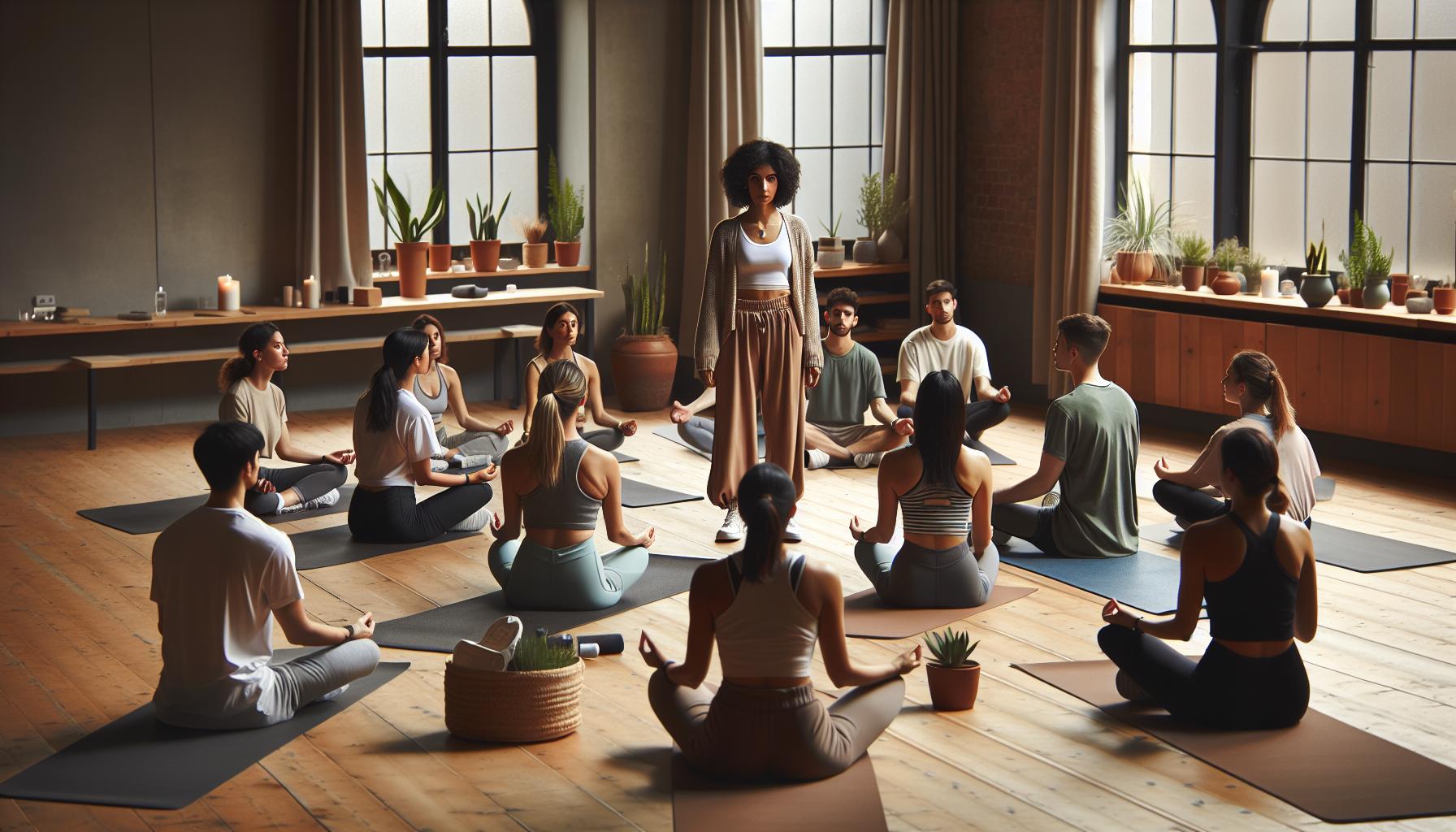
Certifications and Training for Yoga Retreat Careers
Acquiring the right certifications and training is crucial for anyone looking to build a successful career in yoga retreats. The wellness industry is becoming increasingly competitive, and formal qualifications can significantly assert your credibility. Many yoga retreats prefer applicants who have certifications that demonstrate their dedication and knowledge of yoga practices, wellness techniques, and overall health.
A common starting point for aspiring yoga retreat staff is to earn a Yoga Teacher Training (YTT) certification. This typically involves completing a program that meets the standards set by the Yoga Alliance, which often includes a minimum of 200 hours of training in yoga techniques, philosophy, anatomy, and teaching methodologies. Once certified, individuals can apply for various roles at retreats, from teaching classes to managing wellness programs.
In addition to YTT, there are several other certifications that can enhance your employability:
- First Aid and CPR Training: Essential for ensuring guest safety during physical activities.
- Holistic Health Coaching: Programs that cover nutrition, lifestyle management, and personal wellness can add value to your skill set.
- Meditation and Mindfulness Certification: These qualifications are beneficial for guiding guests through the mental aspects of wellness.
- Massage Therapy Certification: Providing on-site massage services can make you a more attractive candidate for retreats that offer holistic treatments.
Moreover, engaging in workshops and short courses focused on various wellness topics can help broaden your expertise. Areas such as nutrition, stress management, or alternative therapies are increasingly relevant in the wellness travel sector. Participating in these programs can also facilitate networking with industry professionals, opening doors to job opportunities and collaborations.
Finally, consider seeking experiential training through internships or volunteering at local wellness events. This hands-on training can provide practical insights into the operations of a retreat, further enhancing your skills and understanding of guest needs. By continually enhancing your skills and knowledge, you position yourself as a valuable asset in the growing field of wellness travel.
Top Destinations for Yoga Retreat Jobs
Finding the right destination for a yoga retreat job can greatly influence your experience and career trajectory. Various locations around the globe not only cater to yoga enthusiasts but also offer ample job opportunities in the wellness sector. Each destination presents unique characteristics, cultures, and professional environments that can help you grow and thrive in the field.
Popular Destinations for Yoga Retreat Employment
- Bali, Indonesia
Renowned for its natural beauty and wellness-focused community, Bali is a top choice for yoga retreats. The island’s tranquil atmosphere, lush landscapes, and vibrant culture attract numerous retreats that hire yoga instructors, wellness coaches, and support staff. Positions often include leading classes, planning wellness programs, and guest relations.
- Costa Rica
With its stunning beaches and rich biodiversity, Costa Rica is a favorite among wellness travelers. Many retreats here focus on holistic health, offering roles in yoga instruction, nutrition counseling, and eco-tourism. The laid-back lifestyle and commitment to sustainability make it an attractive place for those looking to immerse themselves in wellness practices.
- Tuscany, Italy
Combining the beauty of the Italian countryside with a strong emphasis on health and wellness, Tuscany provides opportunities to work at luxurious retreats that blend yoga with culinary experiences. Roles may involve teaching yoga, facilitating meditation, and managing wellness diets-perfect for those who appreciate gourmet food alongside their yoga practice.
- Sedona, Arizona, USA
Known for its scenic red rock formations, Sedona is a center for spiritual healing and wellness. The town offers numerous retreats focusing on yoga, meditation, and alternative therapies, attracting those seeking careers in yoga instruction, wellness coaching, and holistic therapies. The unique energy of Sedona enhances both the work environment and personal growth.
- Rishikesh, India
Often referred to as the “Yoga Capital of the World,” Rishikesh is steeped in spiritual significance and offers countless opportunities for aspiring yoga retreat staff. The area is famous for traditional yoga training and mediation practices, making it ideal for those wanting to deepen their understanding and teaching of yoga.
Finding Opportunities
When looking for yoga retreat jobs in these popular destinations, consider leveraging online resources, networking within the wellness community, and familiarizing yourself with local retreat centers. Many places also welcome internships or volunteer work, allowing you to gain experience while exploring the beauty of these regions.
Whether you’re an experienced instructor or just starting your journey, these vibrant locations not only expand your professional horizons but also enrich your personal wellness practice, creating a fulfilling career path in the wellness travel industry.
Networking Tips for Yoga Retreat Employment
Building a solid network is crucial for those seeking employment at yoga retreats. Connecting with like-minded individuals can open doors to job opportunities, collaborations, and invaluable advice in the wellness arena. Networking can often be the key to unlocking hidden job markets, especially in a niche field like yoga and wellness retreats. To effectively network, consider engaging with a mix of online and offline strategies that cater to different audiences and platforms.
Start by leveraging social media platforms, especially those like Instagram and Facebook, where wellness communities thrive. Follow yoga influencers, retreat centers, and wellness organizations, and engage with their content through comments and shares. Participate in group discussions or join relevant forums to expand your reach and introduce yourself to industry veterans. Attending local yoga classes or workshops can also provide networking opportunities-get to know instructors and fellow practitioners who may have leads on retreat positions.
Additionally, consider attending wellness festivals and conferences. These events are prime for networking and allow you to meet others within the industry face-to-face. Bring business cards and be prepared with an elevator pitch about your skills, experience, and enthusiasm for wellness. After making connections, maintain relationships through follow-up messages or connecting via LinkedIn, where you can stay updated on industry trends and potential job openings.
Finally, don’t underestimate the power of volunteer work or internships. Many yoga retreats are open to welcoming volunteers in exchange for experience. This not only provides hands-on knowledge of the industry but also allows you to build relationships within the retreat environment, making it easier to transition into paid positions later. By cultivating these connections and staying actively involved in the yoga community, you can significantly enhance your chances of finding the perfect retreat job.
Crafting a Compelling Resume for Retreat Roles
Crafting a standout resume when applying for roles at yoga retreats can make all the difference in landing that dream job. With the wellness industry growing, employers often sift through numerous applications to find the right fit. To ensure your resume captures attention, begin with a clear and concise format. Use professional fonts and maintain consistent spacing. Your resume should not only detail your qualifications but should also reflect your passion for wellness and yoga.
Start with a strong objective statement that highlights your career goals and your enthusiasm for the retreat environment. For example, “Dedicated yoga practitioner with a passion for holistic wellness seeking to contribute to a transformative yoga retreat experience.” This sets a positive tone from the outset. Next, focus on relevant experience. When listing your employment history, emphasize roles that showcase skills applicable to a yoga retreat, such as customer service, event planning, or wellness coaching. Highlight specific achievements and the benefits you brought to previous roles, using quantifiable data where possible, like the number of workshops organized or participants engaged.
### Essential Sections to Include
- Skills: Tailor this section to include both soft and hard skills relevant to retreat positions, such as communication, organization, and yoga certifications.
- Education: List any relevant degrees or certifications, such as a yoga teacher training (YTT) certification, wellness coaching qualifications, or degrees in health sciences.
- Volunteer Work: Many yoga retreats value experience over traditional employment. Listing any relevant volunteer work demonstrates your commitment to the wellness community and may showcase your hands-on skills.
- Personal Practice: Consider mentioning your personal yoga practice or any retreats you have attended, as this illustrates your dedication to the philosophy and lifestyle.
End with a strong conclusion that encourages potential employers to contact you for an interview. Include a professional-looking email and phone number. Tailor each resume to the specific retreat or organization by using keywords from their job description. This alignment can help your resume get past automatic screening systems and into the hands of decision-makers.
Taking the time to craft a compelling resume that reflects both your professional skills and your passion for yoga retreats could open the door to fulfilling and enriching career opportunities in the wellness travel industry.
Preparing for Interviews in the Wellness Sector
Preparing for an interview in the wellness sector, particularly for a role at a yoga retreat, can be both exhilarating and daunting. One compelling aspect of this industry is the emphasis on personal growth and alignment with the retreat’s mission and values. To stand out, applicants should first research the specific retreat, understanding its philosophy, offerings, and the types of experiences they curate for participants. This knowledge not only informs your answers during the interview but also demonstrates your genuine interest in their mission.
During the interview, it’s crucial to articulate how your skills and experiences align with the retreat’s goals. Highlight specific instances from your background, such as leading yoga classes, organizing wellness events, or providing exceptional customer service in a health-focused environment. Convey your passion for yoga and wellness by sharing personal stories that reflect your commitment to a holistic lifestyle. Consider discussing how you handle challenges in a retreat setting, such as managing group dynamics or ensuring a welcoming atmosphere for participants.
Another key area to focus on is the interpersonal skills that are essential in the wellness sector. Being personable, empathetic, and a strong communicator are traits that interviewers value highly. Prepare for common questions like, “How do you ensure guests feel comfortable and supported?” or “How would you handle a conflict between attendees?” Your responses should demonstrate not only your problem-solving capabilities but also your understanding of how a nurturing environment fosters healing and growth.
Finally, be prepared to ask insightful questions of your own. Inquire about the retreat’s approach to staff training and development, as well as how they engage with their community. Questions like these not only show that you’re invested in the role but also help you assess whether this environment aligns with your career aspirations and values. Remember, an interview is a two-way street, and finding a perfect fit is essential for both you and the retreat.
Maintaining Work-Life Balance at a Yoga Retreat
Maintaining a healthy work-life balance at a yoga retreat is essential for ensuring both staff well-being and guest satisfaction. The immersive nature of retreat environments, often characterized by long hours and a high level of emotional investment in guests’ experiences, can easily lead to burnout if boundaries are not clearly defined. Striking a balance allows staff to recharge and deliver the best possible care to participants seeking wellness and rejuvenation.
To effectively manage this balance, staff should establish clear schedules that differentiate between work hours and personal time. This could include designating specific times for breaks during the day and ensuring time off is respected and utilized fully. Engaging in revitalizing activities, such as personal yoga practice or meditation, can enhance personal well-being and serve as a reminder of the retreat’s purpose. Collaborating with colleagues to create support networks can also foster a positive work environment and help mitigate stress.
Another crucial strategy is practicing self-awareness. Staff members should continuously assess their physical and emotional states, recognizing the signs of fatigue or emotional overwhelm. Incorporating mindfulness practices into daily routines can aid this awareness and promote self-care. For instance, taking a few moments for deep breathing or brief meditative walks can provide a reset between session obligations.
Finally, it’s important for retreat staff to engage in open communication about workloads and boundaries. Regular check-ins with management can help ensure staffing levels are adequate and that employees feel supported. By prioritizing wellness for themselves, staff at yoga retreats can enhance the overall atmosphere, creating a more fulfilling experience for both themselves and the retreat participants.
Tips for Transitioning to Remote Yoga Retreat Work
Making the shift to remote work in the yoga retreat industry opens up exciting possibilities for staff who desire flexibility while still contributing to the wellness journey of others. Remote yoga retreats can be more accessible, allowing participants from diverse locations to engage in transformative experiences without the need for extensive travel. However, successfully transitioning to this model requires strategic planning and adaptability.
Establishing a strong online presence is crucial. Consider using platforms like Instagram, Facebook, and yoga-focused websites to market your retreats. Sharing dynamic content, such as live classes, wellness tips, and participant testimonials, can help build a community and attract potential attendees. Furthermore, utilize digital marketing techniques, such as SEO and targeted ads, to increase visibility. This online strategy not only promotes the retreat but also creates a sense of connection among participants, enhancing their overall experience.
Technical proficiency is another key area to develop. Familiarize yourself with various video conferencing tools and platforms specifically designed for hosting virtual retreats. Tools like Zoom or Microsoft Teams can facilitate live classes, while online learning platforms can house recorded sessions and supplementary materials. Additionally, ensuring a reliable internet connection and a user-friendly setup on your end can significantly improve the operational quality of your remote offerings.
Another important aspect is to actively engage with participants both during and after retreat sessions. Create supportive communities through discussion forums or private social media groups where attendees can share their experiences and insights. This not only fosters accountability but also encourages ongoing connections that extend beyond the retreat itself. Regular check-ins and follow-up sessions can sustain momentum and deepen the relationships formed during the retreat.
Lastly, emphasize the necessity of setting clear boundaries and routines while working remotely. Create a dedicated workspace that promotes focus and mindfulness, mirroring the serene environments of physical retreats. This distinction between work and personal time can help maintain your well-being and effectiveness in delivering quality experiences for participants.
Long-Term Career Growth in the Wellness Travel Industry
Creating a fulfilling career in the wellness travel industry, particularly within yoga retreats, involves more than just a passion for wellness; it requires strategic planning, ongoing education, and networking. As the demand for wellness-oriented travel continues to rise, so do the opportunities for professionals in this field. With a focus on long-term growth, those serious about their careers can forge paths that are not only rewarding but also impactful on the lives of others.
To cultivate a successful career in this sphere, consider the following strategies:
- Diversify Your Skills: Beyond basic yoga instruction, developing skills in areas such as nutrition, coaching, and mindfulness can enhance your value. This diversity allows you to contribute to a broader range of programs and attract different target markets.
- Continuous Learning: Enroll in workshops, online courses, or further certifications in yoga, wellness, or hospitality management. Being well-versed in the latest trends, techniques, and research will set you apart from others.
- Build a Personal Brand: Establish yourself as an authority in wellness travel through blogging, social media, or offering free online classes. Sharing your expertise can create an engaged audience and lead to potential job offers.
- Networking: Participate in wellness conferences, local yoga events, and professional associations. Forming connections with others in the industry can open doors to job opportunities and collaborations.
In addition, understanding the various niches within the wellness travel landscape-such as eco-tourism, digital detox retreats, or transformational travel-can enhance your appeal to a broader audience. Each niche has unique needs and trends worth exploring, allowing you to align your career development with market demands.
Career advancement in this sector often leads to more than just upward mobility; it can involve opportunities to lead and innovate. As you gain experience, consider taking on roles that allow you to design retreat programs, manage wellness facilities, or even launch your own retreats, thereby crafting a legacy in the wellness travel space. Engaging in such endeavors not only facilitates personal growth but also contributes to the evolving narrative of holistic wellness in travel.
Focusing on these areas will help ensure that your career in the wellness travel industry is not only sustainable but also fulfilling in the long run.
Frequently Asked Questions
Q: What qualifications do I need to work at a yoga retreat?
A: To work at a yoga retreat, it’s essential to hold relevant certifications, such as a Yoga Teacher Training (YTT) certificate, which demonstrates your proficiency in yoga practice and teaching. Additionally, having experience in wellness-related fields like nutrition or massage therapy can enhance your qualifications.
Q: How can I find job opportunities at yoga retreats?
A: To find job opportunities at yoga retreats, search online job boards, visit retreat websites, and leverage social media platforms. Networking within yoga communities and attending yoga festivals can also connect you with potential employers in the wellness travel industry.
Q: What is the typical salary range for staff at yoga retreats?
A: The salary for staff at yoga retreats varies widely based on position, location, and experience, typically ranging from $20,000 to $60,000 annually. Higher paid roles include management positions or specialized instructors, such as those offering private classes or therapies.
Q: Are there seasonal trends in yoga retreat employment?
A: Yes, yoga retreat employment can be seasonal. Many retreats peak in popularity during spring and summer months when travelers seek wellness experiences. Understanding these trends can help you time your applications for better chances.
Q: What are the benefits of working at a yoga retreat?
A: Working at a yoga retreat offers unique benefits such as personal growth, professional development, and the opportunity to connect with nature. Employees often enjoy yoga practice, wellness-centered living, and networking with like-minded individuals in a serene environment.
Q: How can I enhance my resume for a yoga retreat job?
A: To enhance your resume for a yoga retreat job, highlight relevant experience, such as teaching, wellness practices, and customer service skills. Tailor your resume to emphasize your understanding of yoga principles and your ability to create a welcoming environment for guests.
Q: What is the work-life balance like in yoga retreat jobs?
A: The work-life balance in yoga retreat jobs can vary. While you may work long hours during retreats, employees often have time off to practice yoga and relax in the beautiful setting. It also allows you to immerse yourself in wellness practices, enriching both personal and professional life.
Q: How important is networking for finding a job at a yoga retreat?
A: Networking is crucial for finding jobs at yoga retreats. Building relationships with yoga instructors, wellness professionals, and retreat organizers can open doors to job opportunities. Participate in yoga workshops and conferences to expand your network effectively.
Closing Remarks
Now that you’ve uncovered the pathway to a fulfilling career working at a yoga retreat, it’s time to take that first step toward your dream job. Remember, the world of wellness travel is expansive, offering numerous opportunities to connect your passion for yoga with the joy of helping others find their best selves. Dive into our resources on business planning for retreats and travel logistics to further equip yourself for this exciting journey.
Explore more articles on wellness retreats and travel preparation to deepen your knowledge and stay ahead in the industry. If you have questions or want to share your journey, join our community in the comments below. Don’t forget to sign up for our newsletter for the latest tips and insights to keep your travel and wellness aspirations flourishing! Your ideal career in the yoga retreat industry is within reach-take action today and start building the future you envision!
Get our latest guides, news, and insights highlighted in your Google Search & AI Overviews.