In today’s fast-paced world, finding a tranquil sanctuary can feel like a challenge, yet the comfort of your home can be transformed into a rejuvenating yoga retreat. Hosting a yoga retreat at home allows you to create a personal oasis for relaxation, mindfulness, and self-discovery. Imagine turning your living space into a calming environment that fosters wellness and community, where you and your guests can deepen your practice, connect with yourself, and cultivate meaningful relationships. This guide will provide you with step-by-step insights on how to transform your space into a serene sanctuary, ensuring that everyone who enters is welcomed by peace and tranquility. Continue reading to unlock the secrets to creating an enriching retreat experience right in the heart of your home.
Creating a Yoga-Friendly Atmosphere in Your Home
Crafting a serene and focused atmosphere is key to hosting a successful yoga retreat at home. The environment you cultivate will directly influence the mood and effectiveness of the retreat, making it essential to create a space that promotes tranquility and mindfulness. Start by decluttering your surroundings; a clean, organized space can significantly enhance clarity of mind and reduce distractions. Consider designating a specific area in your home as a yoga sanctuary, ideally with ample natural light and good ventilation. Adding personal touches like inspiring artwork or yoga-related quotes can uplift the space and reinforce a positive vibe.
Sound is another important aspect of your yoga environment. Incorporating soothing background music or nature sounds can help participants ease into their practice. Using soft lighting, such as candles or dimmable lamps, can create a cozy ambiance. Additionally, maintaining a comfortable temperature through natural ventilation or using fans can help participants relax deeply into their practice. The scent of the space also plays a crucial role; consider using essential oils or incense. Fragrances like lavender or eucalyptus are known to promote calmness and enhance focus.
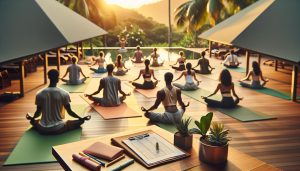
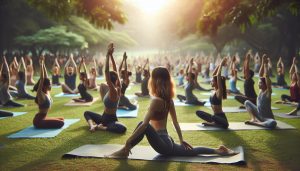
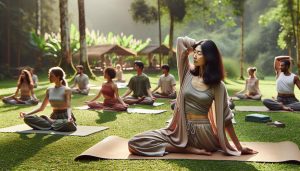
Lastly, think about the spatial layout and how it can facilitate connection among participants. Arrange yoga mats in a circle or semi-circle, fostering a sense of community and shared experience. Provide props such as blocks and straps to support different levels of experience and comfort, ensuring that every participant can engage with the practice. By thoughtfully considering these elements, you can transform your home into a calming oasis that nurtures both mind and body during your retreat.
Essential Equipment for Your Home Retreat
To create an enriching and inviting environment for your home yoga retreat, investing in the right equipment is essential. The tools you choose not only enhance the quality of the practice but also contribute significantly to participants’ comfort and overall experience. A well-equipped retreat serves to foster focus, relaxation, and connection, transforming your space into a sanctuary for healing and self-discovery.
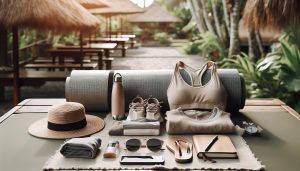
Begin with the most fundamental element: a quality yoga mat. Opt for mats that offer good grip and cushioning, as participants of varying skill levels will benefit from the support. High-density mats that are non-slip help prevent injuries and provide a comfortable experience during different poses. Additionally, consider including a variety of props such as blocks, straps, and bolsters. These tools are vital for accommodating differing abilities and enhancing the alignment and depth of the poses.
Essential Tools & Equipment
- Yoga Mat: Choose a mat that provides stability and comfort.
- Yoga Blocks: Ideal for stability, balance, and support in various positions.
- Yoga Straps: Helpful for stretching and achieving proper alignment.
- Bolsters: Excellent for restorative poses and added comfort.
- Blankets: Useful for added cushioning and warmth during savasana or meditation.
- Eye Pillows: Great for sensory blocking and enhancing relaxation.
- Cleaning Supplies: Ensure a hygienic environment with disinfecting wipes or sprays for equipment.
Moreover, consider enhancing the auditory experience with high-quality speakers or a Bluetooth sound system to play calming music or guided meditations. Sound not only sets the mood but also aids in grounding participants during their practice. Additionally, utilize calming elements such as essential oil diffusers or candles. Scents like lavender or sandalwood can greatly contribute to relaxation and focus, making the retreat feel more immersive.
Creating a serene and supportive atmosphere goes beyond physical equipment; it includes ensuring all participants have what they need. Provide ample space for each individual and consider offering accessible resources tailored to various experience levels. This not only enhances comfort but enables participants to fully engage in the retreat’s offerings, allowing for a more memorable and transformative experience. By thoughtfully equipping your retreat, you will foster a sense of community and shared purpose, enriching each participant’s journey inward while promoting stability, mindfulness, and well-being.
Guided Yoga Practices for Beginners and Experts
A successful yoga retreat at home necessitates a variety of guided practices that cater to diverse skill levels, from beginners to seasoned practitioners. Emphasizing inclusivity means curating a blend of sessions that address different needs and preferences, allowing everyone to experience the transformative benefits of yoga. Implementing a structured approach not only enhances participants’ learning but also provides an enriching and enjoyable experience.
For beginners, offering foundational classes focused on essential postures and breathing techniques can greatly enhance their confidence and understanding. Start with gentle sequences that prioritize alignment, such as Hatha yoga or Yin yoga, emphasizing participants’ ease in transition. These sessions can incorporate basic poses like Child’s Pose, Cat-Cow, and Downward Dog, complemented by cues on proper breathwork. Additionally, include moments of mindfulness to help beginners tune into their bodies and immediate environment.
Advanced practitioners, on the other hand, may thrive on more challenging styles such as Vinyasa Flow or Ashtanga yoga that incorporate dynamic movements and poses requiring balance and strength. Classes could include advanced variations of poses, such as Arm Balances and Inversions, along with options for personalizing sequences. Splitting the practice between dynamic flows and restorative holds can help advanced students deepen their practice while connecting with their breath and body.
Creating an engaging dynamic between these varying practices can foster a sense of community among participants. Allocate time for group discussions after each session, allowing participants to share experiences or ask questions. This not only encourages reflection but also cultivates a supportive atmosphere where sharing insights can enhance individual journeys. Integrating themed practices-like focusing on specific elements (earth, water, fire, air)-could inspire unique sessions, linking the practice to broader concepts in mindfulness and wellness.
Incorporating guided sessions with mindfulness or meditation components can unify the overall experience. Spend the last few minutes of each practice engaging in a short guided meditation or savasana to help participants internalize their practice, leaving them feeling rejuvenated and centered. By interlacing various guided practices and maintaining an open environment, your home yoga retreat can become a truly transformative sanctuary for exploration and growth.
Crafting a Balanced Yoga Retreat Schedule
A well-structured schedule can significantly enhance the experience of a home yoga retreat, creating a rhythm that balances activity with rest and reflection. involves a careful consideration of session types, pacing, and participant needs to ensure that everyone, from beginners to advanced practitioners, feels engaged and rejuvenated.
Begin your schedule by allocating ample time to morning yoga sessions, which set a positive tone for the day. These sessions can focus on energizing practices like Hatha or Vinyasa Flow, emphasizing breath coordination and body awareness. Multiple options should be available, allowing participants to choose based on their skill levels or preferences. Following yoga, include a nourishing breakfast that aligns with the retreat’s wellness theme-consider options like smoothies, oatmeal, or fruit bowls that provide energy without heaviness.
As the day progresses, incorporate a mix of activities such as workshops on yoga philosophy or meditation aimed at deepening participants’ understanding of their practice. Balance these with lighter elements, like journaling or nature walks, which encourage introspection and connection with the environment. The early afternoon can feature restorative yoga sessions, focusing on deep stretching and mindfulness to rejuvenate the body after more intense practices. Ensure that each segment has enough transition time to prevent participants from feeling rushed.
In the evenings, create a calming atmosphere with candlelit restorative practices or guided meditations. This timeframe is ideal for group discussions where participants can reflect on their experiences and insights. End the day with a communal dinner that highlights healthy, delicious cuisine, fostering a sense of community among participants.
To summarize, an effective schedule for a yoga retreat at home should feature a blend of dynamic and restorative practices, educational workshops, and communal activities. This variety not only enriches the experience but also allows participants to explore different facets of yoga and wellness, ultimately fostering a deeper connection to their practice and each other.
Incorporating Healthy Meals and Snacks
Nourishing the body is a fundamental aspect of any yoga retreat, as it complements the physical and mental wellness practices participants engage in. Providing healthy meals and snacks helps to fuel energy levels, support recovery, and enhance the overall retreat experience. When planning your menu, consider focusing on whole, unprocessed foods that are rich in nutrients and easy to digest, which in turn promotes clarity and well-being.
Start with a diverse breakfast selection that caters to various dietary preferences, including vegan and gluten-free options. Smoothie bowls topped with fresh fruits, nuts, and seeds can be a vibrant and energizing start to the day. Incorporate wholesome grains such as quinoa or oatmeal, paired with seasonal fruits and a drizzle of honey or maple syrup for natural sweetness. Additionally, prepare light, protein-packed snacks like hummus with vegetable sticks, energy balls made from dates and nuts, or yogurt parfaits layered with granola and berries. These options provide quick fuel between yoga sessions while keeping participants satisfied and energized.
During lunch and dinner, emphasize colorful salads featuring leafy greens, roasted vegetables, and a variety of protein sources such as chickpeas, tofu, or grilled chicken. These dishes not only encourage a balanced diet but also present a feast for the eyes, enhancing the communal dining experience. Don’t forget to include hydration in your retreat, offering infused waters or herbal teas that are both refreshing and beneficial for digestion. Creating a sense of togetherness around meal times can foster deeper connections among participants, making the dining experience an integral part of the retreat.
Lastly, consider hosting a cooking demonstration or a nutrition workshop. This engaging activity can teach participants simple, healthy recipes they can recreate at home. Incorporating this aspect can not only make meals more enjoyable but also empower participants with valuable skills and knowledge to carry their wellness journey beyond the retreat.
Creating a Meditation Space at Home
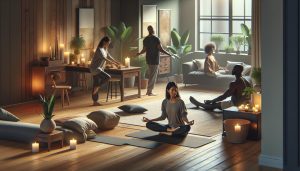
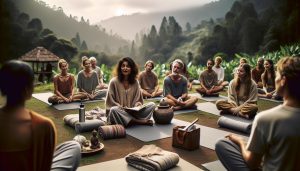
Creating a peaceful meditation space at home is essential for cultivating a sense of calm and focus, integral to practicing mindfulness and enhancing overall wellness. A dedicated area for meditation not only encourages regular practice but also serves as a sanctuary where participants can retreat from the hustle and bustle of daily life. Begin by selecting a quiet corner or room in your home that offers minimal distractions and is conducive to relaxation.
To enhance this space, consider the following elements:
Essential Components for Your Meditation Space
- Comfortable Seating: Choose a cushion, mat, or low chair that offers support while allowing you to maintain a relaxed yet alert posture.
- Soft Lighting: Use natural light when possible, or incorporate soft lamps or candles to create a gentle ambiance that encourages introspection.
- Nature Sounds or Silence: The presence of soothing sounds, like a small fountain or nature recordings, can help drown out distracting noise while enhancing tranquility.
- Aromatic Elements: Use essential oils or incense to stimulate your senses; scents like lavender or sandalwood can promote relaxation and concentration.
- Personal Touches: Incorporate items that resonate with you spiritually, such as crystals, photographs, or artwork that inspires peace and reflection.
Once your space is set up, consider establishing a routine that allows you to connect with this environment regularly. Dedicating certain times of the day, like early mornings or quiet evenings, can help reinforce the habit of mindfulness.
Finally, regularly assess and refresh your meditation space. Just as your practice evolves, your environment can benefit from changes that reflect your current state of mind or goals. Whether it’s changing the decor with the seasons or introducing new calming elements, keeping the space dynamic will enhance your meditation experience and invite deeper engagement. By making a few thoughtful adjustments, you can transform a simple area of your home into a sacred space that nurtures both your meditation practice and overall wellness journey.
Enhancing Your Space with Soothing Decor
Creating a space that nurtures serenity and tranquility is essential for a successful yoga retreat. The decor you choose plays a pivotal role in establishing an atmosphere that resonates with peace and mindfulness. By thoughtfully curating your environment, you can inspire a sense of calm and invite participants into a more profound experience of their practice.
One effective way to enhance your space is through the use of color. Soft, muted tones like pale blues, greens, or warm neutrals can create a soothing backdrop that helps diminish stress and anxiety. Consider painting the walls or incorporating large, calming artwork that reflects these colors. Additionally, textured fabrics such as soft blankets, cushions, or floor mats in these shades can help create comfortable lounging areas for participants to relax in between sessions.
Natural Elements
Incorporating natural elements can further enrich the ambiance. You might choose to use wooden furniture or decorations made from bamboo, which can add warmth and a connection to nature. Additionally, the strategic placement of plants not only enhances the aesthetics but also helps purify the air and promotes a sense of vitality. Choose low-maintenance options like succulents or peace lilies, which can thrive in indoor environments and signify growth and tranquility.
Lighting and Aroma
Lighting is another significant aspect of soothing decor. Aim for indirect lighting, such as soft lamps or candles, which can create a warm, inviting glow. You might even consider using Himalayan salt lamps, known for their gentle light and purported health benefits. Furthermore, engaging the senses through aroma can transform your space. Consider having essential oil diffusers with blends such as lavender or eucalyptus to promote relaxation and mental clarity.
By focusing on these elements-color, natural components, lighting, and scent-you can craft a yoga retreat space that not only feels inviting but also encourages deeper connection and mindfulness among participants. Each detail contributes to creating a sanctuary that supports the journey toward inner peace and wellness.
Inviting Nature Indoors: Plants and Aromas
Incorporating natural elements like plants and aromas into your home yoga retreat can vastly enhance the atmosphere, creating a sanctuary that resonates with tranquility. Research suggests that exposure to nature significantly boosts mood and reduces stress, making indoor greenery an essential aspect of your retreat setup. By bringing plants into your space, you not only improve air quality but also foster a sense of connection to the outside world, allowing participants to immerse themselves in a peaceful environment.
To effectively invite nature indoors, consider choosing low-maintenance houseplants such as snake plants, spider plants, or peace lilies. These varieties thrive in various lighting conditions and require minimal care, making them perfect companions for your retreat. Place them strategically around your yoga area to create a lush ambiance. Additionally, consider using aromatic elements to engage the senses. Essential oils, like those derived from lavender, eucalyptus, or bergamot, can be diffused to promote relaxation and inner peace.
Creating an Aromatic Atmosphere
Aromatherapy is a powerful tool for enhancing emotional well-being and can be easily integrated into your retreat experience. For instance, using an essential oil diffuser can fill the space with calming scents, setting a peaceful tone for sessions. Feel free to experiment with different blends; for instance, a mix of lavender for calmness and citrus for energy can help balance your participants’ moods throughout the day. You can also create a scent journey by incorporating various aromas into different areas of your space, allowing participants to explore how different scents affect their feelings during yoga practice.
In summary, the fusion of plants and aromas can not only enliven your home yoga retreat but also deepen participants’ experiences. By thoughtfully selecting greenery and aromatic elements, you’ll cultivate an atmosphere that encourages relaxation, mindfulness, and connection among attendees, making it a transformative experience for everyone involved.
Engaging Activities Beyond Yoga: Expanding the Retreat Experience
Engaging activities that complement yoga can significantly enrich participants’ experience during a home retreat. Incorporating diverse offerings fosters connection, creativity, and relaxation beyond mat practice. Whether it’s exploring mindfulness exercises, creative arts, or hands-on workshops, adding these elements can invigorate your retreat and provide a well-rounded wellness experience.
Mindfulness and Meditation Workshops
Begin your retreat with guided mindfulness sessions that help participants cultivate present-moment awareness. For instance, lead a simple “gratitude walk” where individuals take a silent stroll in nature, focusing on the sounds, sights, and sensations around them. You could also introduce mindfulness-based stress reduction (MBSR) techniques, where participants engage in breathing exercises to center themselves and reduce anxiety.
Creative Arts and Crafts
Incorporating creative activities such as painting, pottery, or journaling can be a refreshing addition to the yoga routine. Arts and crafts encourage self-expression and can be therapeutic; they allow participants to explore their feelings and creativity in tangible forms. For example, you might organize a session where participants create vision boards to visualize their goals, combining intention-setting with artistic expression. Such activities promote community and can further deepen the connections formed during yoga sessions.
Nourishing Cooking Classes
Healthy eating is a cornerstone of wellness. Consider hosting a cooking class focusing on simple, nutritious meals that resonate with the retreat’s calming atmosphere. Participants can learn how to prepare smoothies, nourishing bowls, or even herbal teas, focusing on seasonal ingredients. Sharing meals created by themselves fosters camaraderie and allows them to appreciate food’s role in well-being.
Nature-Based Activities
Leverage the natural surroundings by incorporating nature-centric activities. Guided forest bathing, which promotes therapeutic immersion in natural settings, is a powerful way to enhance relaxation and rejuvenation. You could also organize simple outdoor games or team-building exercises that cultivate teamwork and playfulness, further enriching the retreat experience while enjoying nature.
By diversifying the activities offered during your home retreat, you not only enrich the participants’ journey but also create a holistic environment where wellness can flourish. Tailoring your retreat to include various modalities ensures that everyone finds moments of peace, creativity, and connection, allowing for a truly transformative experience.
Tips for Marketing Your Home Yoga Retreat
Marketing a home yoga retreat requires a blend of creativity, authenticity, and strategic outreach. The unique appeal of a home-based retreat lies in its intimate atmosphere, which offers participants the chance to connect deeply with both the practice and the host. To effectively promote your retreat, consider the following strategies.
Leverage Social Media
Utilize platforms like Instagram, Facebook, and TikTok to share engaging content related to your retreat. Post photos and videos that showcase the beauty of your space, highlight unique features like calming decor and nature views, and provide glimpses into the activities planned. Use relevant hashtags, such as #YogaRetreat or #HomeYogaRetreat, to reach a broader audience. Consider hosting live sessions to answer questions and provide a sneak peek into what participants can expect, fostering a sense of community even before the retreat begins.
Build a Compelling Website or Landing Page
Create a dedicated website or landing page that provides comprehensive information about your retreat. Include details on dates, pricing, accommodation, and a clear outline of the schedule. Testimonials from past participants can build trust and credibility. Use visual elements like high-quality images and videos to engage visitors. Ensure that the registration process is seamless, with easy navigation and payment options. Implementing search engine optimization (SEO) practices can also help attract organic traffic to your page.
Offer Early Bird Discounts and Incentives
To encourage early sign-ups, consider offering a discount for those who book well in advance. This not only creates urgency but also helps you plan for the number of participants. You could also introduce referral incentives; for instance, if a participant refers a friend who signs up, both could receive a discount. This encourages word-of-mouth promotion, which is especially powerful in wellness communities.
Partner with Influencers and Local Businesses
Connect with influencers in the yoga and wellness niche who may be interested in collaborating. They can help amplify your reach through their followers by promoting your retreat on their channels. Additionally, consider partnering with local wellness businesses, such as health food stores or massage therapists, to cross-promote services. This can include co-hosting events or workshops that attract attention to your retreat and tapping into new audiences.
By adopting these strategies, you can effectively market your home yoga retreat, ensuring it resonates with potential participants and stands out in a competitive landscape. Emphasizing the unique and personal aspects of retreating in a home setting can create an inviting and exclusive atmosphere that prospective attendees will find hard to resist.
Maximizing Participant Engagement and Connection
Creating meaningful connections among participants is vital for a successful home yoga retreat. By fostering an atmosphere of inclusivity and engagement, attendees can not only deepen their practice but also enhance their overall experience. One effective way to achieve this is through icebreaker activities at the beginning of the retreat. Simple introductions paired with fun questions or shared experiences can help break down barriers and create a relaxed environment. This sets the stage for open dialogues and mutual sharing, enhancing the sense of community.
Incorporating group discussions can further enrich the dynamics of your retreat. Consider allocating time after each yoga session for participants to share insights or reflections on their practice. This encourages participants to engage with one another, exchange ideas, and support each other’s journeys. You may also facilitate smaller group discussions on topics related to mindfulness, wellness, and personal growth, allowing participants to connect on a deeper level.
Another effective strategy is to incorporate partner work or small group activities during yoga practice. This not only promotes collaboration but also builds trust and rapport among participants. Encouraging them to support one another in poses or share feedback fosters a sense of camaraderie that can last far beyond the retreat.
To enhance connection, consider organizing themed evenings that feature activities such as mindfulness workshops, cooking classes focused on healthy meals, or creative expression sessions like painting or journaling. These engagements allow for self-exploration and collective experiences, further binding participants together in their wellness journey.
Lastly, ensure that you are accessible and approachable as a host. Being present, actively listening, and inviting dialogue can make a significant difference in how participants connect with you and with one another. By cultivating an atmosphere of openness and encouragement, you can maximize participant engagement and create lasting connections during your home yoga retreat.
Feedback and Improvement: Enhancing Future Retreats
Gathering feedback is crucial to refining the experience for everyone involved in a yoga retreat. After each session, consider implementing a quick and effective feedback mechanism, such as anonymous surveys or feedback forms. This allows participants to express their thoughts on what resonated with them, what could be improved, and any additional ideas they might have for future retreats. Such insights not only highlight areas for improvement but also empower participants by making them feel their opinions matter in shaping the retreat experience.
It’s also valuable to invite open discussions on participant experiences during the retreat. Designate time either at the end of each day or after certain practices for participants to share their reflections. This promotes a sense of community and openness, allowing attendees to voice their feedback in an inclusive environment. Facilitate these discussions with guiding questions, such as “What was your favorite part of the day?” or “How did the yoga session make you feel?” This dialogue can unearth valuable insights and foster deeper connections among participants.
In addition to participant feedback, introspection as a host can prove beneficial. Take time to evaluate your own experiences and the overall flow of the retreat. After it concludes, jot down your observations on what worked well and what challenges you faced. Consider aspects like schedule adherence, engagement levels during activities, and the effectiveness of the provided materials. This self-assessment, alongside participant feedback, will equip you with a comprehensive understanding of the retreat’s success and areas that may need adjustment.
As you gather this information, don’t forget to act on it. Create an actionable plan that addresses the feedback. This might include refining your schedule for better pacing, incorporating new activities based on participant interests, or even adjusting the menu for health-conscious options. When participants see that their feedback leads to tangible changes, it fosters a sense of ownership and loyalty, making them more likely to return for future retreats.
Faq
Q: What are the essential steps to create a peaceful atmosphere for a home yoga retreat?
A: To create a peaceful atmosphere, start by decluttering your space and using soft lighting, like candles or fairy lights. Incorporate calming scents using essential oils or incense, and play soothing music. Consider adding elements of nature, such as plants, to enhance tranquility in your home yoga retreat.
Q: How can I include mindfulness activities in my home yoga retreat?
A: Incorporate mindfulness activities like guided meditations, journaling sessions, or mindful walking. These can deepen the retreat experience and help participants connect with their thoughts and feelings. Structuring these activities between yoga sessions will promote relaxation and reflection.
Q: What should I consider when planning meals for a yoga retreat at home?
A: Focus on wholesome, nutritious meals that enhance energy and wellness. Consider dietary preferences and restrictions of your participants. Meal planning that includes fresh fruits, vegetables, whole grains, and healthy fats can promote overall well-being. You can explore healthy meal ideas in the section on incorporating healthy meals and snacks.
Q: How can I effectively promote my home yoga retreat?
A: Use social media platforms to share details about your retreat, focusing on unique features like themes, location, and activities. Create engaging content, such as testimonials or photos from past events. For further strategies, refer to the tips for marketing your home yoga retreat section in the article.
Q: What activities can enhance a yoga retreat experience beyond yoga?
A: Engaging activities such as art and therapy journaling, group discussions, or nature hikes can enrich the retreat experience. Incorporating these into the schedule allows for creativity and connection, helping participants to bond and grow. Check out the section on engaging activities beyond yoga for more ideas.
Q: When is the best time to host a yoga retreat at home?
A: The best time to host a yoga retreat typically aligns with participants’ schedules, often during weekends or holidays. Consider seasonal factors like weather and availability, as these can enhance the retreat experience. Choose a time that allows for relaxation and commitment.
Q: How can I ensure participant engagement during my home yoga retreat?
A: To ensure engagement, foster a welcoming environment and encourage open communication. Plan structured discussions, encourage questions, and facilitate group activities that promote connection. Regularly seeking feedback can help adapt the schedule to meet participants’ needs, boosting overall involvement.
Q: What are the best practices for setting up a meditation space at home for a retreat?
A: Choose a quiet, comfortable area with minimal distractions. Use soft cushions for seating, and add calming elements like plants or candles. Set up a small altar with meaningful items to enhance the meditative atmosphere. Refer to the section on creating a meditation space at home for additional tips.
Concluding Remarks
Transforming your home into a sanctuary for a yoga retreat doesn’t just elevate your practice; it also nurtures a sense of inner peace and community. Remember, this is about creating a space that resonates with tranquility and inspires connection. Start now by exploring ways to enhance your environment and curate meaningful experiences. For more in-depth guidance, check out our articles on setting up wellness retreats and maintaining routines while traveling.
Take the next step towards your wellness journey-sign up for our newsletter for exclusive tips and insights, or dive into our resources on mindfulness practices. Your journey towards a serene home retreat starts today! Feel free to share your experiences in the comments below and connect with others on the same path. Together, let’s inspire growth and wellbeing in every space.
Get our latest guides, news, and insights highlighted in your Google Search & AI Overviews.