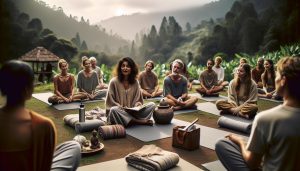
Did you know that wellness travel, particularly yoga retreats, has skyrocketed in popularity, with more people seeking tranquility and self-discovery through immersive experiences? Hosting a yoga retreat can be a transformative journey, not only for participants but also for you as the organizer. However, stepping into this realm can feel overwhelming, especially for beginners. This guide, “How to Host Yoga Retreat: Complete Beginner’s Blueprint for Success,” will equip you with the essential steps to create a memorable and impactful retreat. Whether you’re a seasoned yoga instructor or simply passionate about wellness, understanding the nuances of planning, logistics, and participant engagement is crucial. By the end, you’ll feel empowered to launch your own retreat, fostering relaxation, connection, and growth in a serene environment. Dive in and explore the exciting world of yoga retreats that not only nourish the body but also rejuvenate the spirit!
Understanding the Yoga Retreat Market: Opportunities and Trends
The yoga retreat market has seen significant growth in recent years, driven by an increasing consumer desire for wellness experiences that promote mental clarity and physical fitness. As wellness tourism continues to expand, retreats that offer a combination of yoga, mindfulness practices, and holistic health treatments are becoming particularly appealing. Understanding the opportunities and trends within this market is essential for anyone looking to host a successful yoga retreat.
One of the key trends is the shift towards niche retreats that cater to specific demographics or interests. For instance, retreats focused on wellness for women, corporate retreats highlighting stress management, or eco-conscious getaways are gaining traction. Incorporating local culture and sustainable practices can further attract participants who are eager to connect with the environment and support local economies. As potential attendees become more discerning, retreats that offer unique themes, such as a focus on mindfulness, nutrition, or even artistic expression alongside yoga, can differentiate themselves in an increasingly crowded market.
Moreover, the integration of technology into the retreat experience is another area of growth. More hosts are incorporating online elements, whether through pre-retreat webinars, virtual workshops, or related app content that allows for ongoing engagement. This hybrid approach not only increases accessibility but also provides participants with tools to maintain their yoga and wellness practices long after the retreat has concluded. Additionally, the feedback from these digital engagements can be invaluable for refining future programs and marketing strategies, ensuring future offerings meet the evolving needs of the yoga community.
Ultimately, those looking to enter or expand within the yoga retreat market should focus on understanding their target audience, adapting to emerging trends, and creatively leveraging technology to enhance the retreat experience. By prioritizing unique, engaging offerings that resonate personally with participants, hosts can significantly increase their chances of success in this dynamic space.
Essential Qualifications for Hosting a Yoga Retreat
To effectively host a yoga retreat, a combination of essential qualifications and personal attributes can significantly enhance the quality of the experience offered to participants. First and foremost, a strong foundation in yoga is vital. This means not only having a recognized teaching certification but also a substantial personal practice that reflects various styles and philosophies of yoga. Personal experience can imbue the instructor with a deeper understanding of participants’ needs, whether they are beginners or seasoned practitioners.
In addition to yoga expertise, possessing excellent organizational and planning skills is crucial. Hosting a retreat involves coordinating numerous logistics, from selecting the right venue to scheduling classes and activities. Establishing partnerships with local vendors-such as catering services, wellness practitioners, and accommodation providers-can enhance the overall experience and ensure smooth operations. It’s essential to communicate effectively with these partners, maintaining a collaborative relationship that aligns with the retreat’s goals.
Another key qualification lies in the ability to create a welcoming and inclusive environment. This entails being attuned to diverse participant backgrounds, fostering a culture of acceptance, and designing offerings that cater to various skill levels and physical abilities. Providing clear guidance on what participants can expect can help participants feel safe and encouraged to fully engage in the retreat activities.
Lastly, familiarity with marketing strategies cannot be overstated. Understanding how to reach the target audience through effective promotional methods-be it social media marketing, email newsletters, or partnerships with wellness influencers-can significantly affect attendance. Engaging storytelling about the retreat’s unique aspects can attract potential attendees, making them feel personally connected and more likely to register.
By blending these qualifications with a passion for wellness and community building, hosts can design enriching and memorable yoga retreats that resonate with participants long after the event concludes.
Choosing the Perfect Location for Your Retreat
Choosing the right location for a yoga retreat can profoundly impact participant satisfaction and overall success. The venue sets the tone, influences the ambiance, and contributes significantly to the experience of mindfulness and connection that retreats aim to foster. When selecting a site, consider not only the natural surroundings but also the accessibility and facilities available. Ideal locations often feature a serene environment, such as beaches, mountains, or quiet rural settings, where participants can immerse themselves in nature and find the tranquility that enhances their practice.
A few key factors should guide your decision-making process:
Accessibility
Participants should be able to reach the retreat location with relative ease. Consider proximity to airports, public transportation, and major roadways. A location that is too remote might discourage attendance, while one that is too easily accessible might not provide the sanctuary that attendees are seeking. Offering shuttle services from major transport hubs can help ease the logistical burden on participants.
Facilities and Amenities
The venue must be equipped to accommodate your planned activities and the comfort of your participants. Facilities should include yoga studios with natural light, quiet areas for meditation, and comfortable accommodations. Additional amenities, such as healthy dining options, spas, or outdoor spaces for leisure activities, can enhance the retreat experience. Before finalizing the location, visit the site to ensure it meets your requirements and aligns with the retreat’s vision.
Environment and Atmosphere
The natural environment plays a vital role in yoga practice and can amplify relaxation and mindfulness. Locations that provide scenic views, plenty of natural light, and a sense of peace can help participants disconnect from their daily stresses. Look for sites that offer unique features, such as a beachfront, forest backdrop, or hillside overlook. These elements help create a memorable atmosphere that encourages deeper engagement with the retreat experience.
Ultimately, selecting the perfect location requires a balance between logistical considerations and the desired ambiance. By thoughtfully evaluating these elements, hosts can create a sanctuary that not only facilitates yoga practices but also nurtures the mind and spirit, leading to a rewarding retreat for all involved.
Crafting a Compelling Retreat Theme and Schedule
Crafting a standout theme for your yoga retreat is essential for attracting participants and creating a memorable experience. A compelling theme not only sets the tone for the entire retreat but also resonates with attendees, ensuring they feel a strong connection to the purpose of the retreat. Unique themes might revolve around specific yoga practices, such as “Yoga and Mindfulness” or “Holistic Healing through Movement,” or could emphasize wellness aspects like “Detox and Recharge” or “Empowerment and Growth.” Selecting a relevant theme that aligns with your target audience’s interests can stimulate excitement and foster community among participants.
To effectively develop the retreat schedule, it’s crucial to balance structured activities with ample free time to allow for personal reflection and relaxation. A well-structured day might include morning yoga sessions to energize participants, followed by workshops that delve deeper into the theme. Consider incorporating a mix of activities, such as meditation, guided hikes, and creative expression workshops like journaling or art. This variety can enhance engagement and cater to diverse interests. Each day should conclude with a group circle or sharing session, fostering a sense of community and connection.
When forming your schedule, pay attention to flow-ensure that the sequence of activities creates a harmonious rhythm throughout the day. Be mindful to leave room for spontaneity, allowing for adjustments based on the group’s energy and needs. Providing options for participants to choose from can empower them and enhance their experience, leading to personal exploration and deeper practice.
In addition to mindful scheduling, ensure that your theme reflects the experience you wish to convey, incorporating relevant elements such as decor, music, and culinary offerings that align with your chosen focus. By weaving a cohesive narrative through both your theme and schedule, participants will be left with a lasting impression that transcends the retreat itself, encouraging them to build upon their experiences long after they go home.
Budgeting for Success: Costs and Pricing Strategies
When planning a yoga retreat, understanding your budget is crucial to ensure a successful event that meets both your financial goals and participant expectations. Effective budgeting not only helps you cover costs but also allows you to create an enriching experience that attracts attendees. It’s important to start with a comprehensive overview of potential expenses, which typically fall into several key categories.
Identifying Key Expenses
Begin by categorizing major costs associated with your retreat:
- Venue Rental: This is often the largest expense, encompassing everything from the actual space to amenities like yoga mats, sound equipment, and breakout areas.
- Accommodation: If the retreat spans multiple days, consider whether you will provide lodging or if participants will book their own. Pricing can vary significantly based on location and type of lodging.
- Food and Beverages: Healthy, nourishing meals can enhance the retreat experience but also add up quickly. Consider options like catering versus self-catering for cost efficiency.
- Instructor Fees: Hiring skilled instructors can elevate your retreat. Ensure you factor in their fees, travel expenses, and any accommodation needs.
- Marketing: To fill your retreat, dedicate a budget for marketing materials, online advertising, and promotions.
- Insurance: Protect yourself with event insurance, which can cover liability and potential cancellations.
Pricing Strategies
Once you have a clear understanding of your costs, you can start thinking about pricing strategies. A fundamental approach is to implement tiered pricing, which allows you to offer varying levels of accommodation or additional services, such as private sessions or wellness workshops. For instance, an early-bird discount can incentivize early registration, boosting initial interest.
Transparency is also key: clearly communicate what is included in the price so participants can see the value they are getting in return. This might include accommodations, meals, yoga sessions, workshops, and any extra amenities like spa services or guided hikes. Additionally, consider offering flexible payment plans, which can make the retreat more accessible to a broader audience.
By carefully budgeting and strategically pricing your retreat, you can create a balanced approach that maximizes attendance and enhances the overall experience for participants. This not only ensures that costs are covered but also promotes a sense of value that can lead to greater participant satisfaction and loyalty for future retreats.
Marketing Your Yoga Retreat: Strategies that Work
To effectively promote a yoga retreat, a multifaceted marketing strategy is essential, focusing on both online and offline channels to reach potential participants. Creating a strong online presence is crucial in the digital age; leveraging social media platforms enhances visibility and engagement with your target audience. Start with compelling content that tells the story of your retreat-sharing beautiful imagery, participant testimonials, and informative videos can capture attention and inspire interest.
Utilize platforms like Instagram and Facebook to create a sense of community by engaging your followers with regular updates, countdowns to registration, and sneak peeks of activities. Consider hosting a live Q&A session to address potential participants’ concerns and excitement about the retreat. Additionally, use targeted advertisements to reach specific demographics that align with your retreat’s theme and offerings.
Another impactful strategy is to partner with influencers in the yoga and wellness community. By collaborating with respected figures or local yoga instructors, you can leverage their audience and credibility, expanding your reach. Additionally, offering early-bird discounts or referral bonuses can incentivize word-of-mouth promotion among participants and their networks.
Incorporating email marketing remains an effective way to engage potential attendees. Build a mailing list through sign-up forms on your website or during local yoga events. Regular newsletters highlighting the retreat details, yoga tips, and preparations can keep your audience informed and excited. Be sure to include compelling calls to action that direct readers to your booking page.
Ultimately, creating a comprehensive marketing approach that combines social media, community engagement, influencer partnerships, and email outreach will help build momentum for your yoga retreat and ensure that it resonates with participants.
Creating an Engaging Retreat Experience for Participants
Creating a memorable retreat experience is crucial to ensuring that participants leave feeling rejuvenated and valued. Engaging attendees involves not just yoga classes but also holistic experiences that resonate with their desires for relaxation, learning, and connection. To facilitate this, it’s beneficial to curate a multi-dimensional itinerary that combines varied activities with plenty of opportunities for personal reflection and interaction among participants.
To begin with, consider integrating various wellness activities alongside yoga sessions. This could include guided meditation, mindfulness workshops, or even retreats into nature for hiking or silent reflection. Not only do these activities enrich the overall experience, but they also cater to different interests and energy levels, ensuring that every participant finds something that speaks to them. You might even incorporate guest speakers or specialists in wellness practices, such as nutrition, Ayurveda, or holistic health, to provide deeper insights and learning opportunities.
Creating spaces for community building is vital. Facilitate connections through group discussions, sharing circles, or collaborative activities that encourage participants to open up about their motivations and experiences. This sense of community can be further deepened through shared meals that emphasize healthy, locally-sourced ingredients, fostering a feeling of togetherness and collective nourishment. Consider also scheduling social events, such as bonfires or evening music sessions, where participants can bond in a relaxed setting.
Lastly, don’t underestimate the importance of personalization. Send out a pre-retreat survey to gain insights into participants’ preferences, goals, and any special requirements they might have. Tailoring experiences based on this feedback not only enhances their satisfaction but also demonstrates that their individual needs are valued. Follow up with a post-retreat evaluation to gather feedback, which can serve as a helpful guide for improving future retreats while reinforcing the sense of community even after the event has ended.
By thoughtfully designing each aspect of the retreat experience-from engaging activities and communal meals to personalized attention and feedback loops-you can create an environment that is not only transformative but also memorable for each participant.
Building Strong Relationships with Instructors and Vendors
can be one of the most significant factors in the success of your yoga retreat. The synergy between your team and the professionals you choose to collaborate with can create an enriching experience that resonates deeply with participants. When these relationships are nurtured effectively, they can lead to not only better outcomes for the retreat but also recurring partnerships that benefit future events.
To foster solid connections, start by clearly defining your goals and expectations with instructors. Engage in open dialogue about their teaching styles, areas of expertise, and how they align with your retreat’s philosophy and theme. Consider organizing a preliminary meeting or a workshop where all involved parties can explore their vision for the retreat together. This initial engagement helps ensure that everyone is on the same page and excited about the collaboration.
Additionally, extend this approach to your vendors-whether they provide meals, accommodations, or wellness services. Building a rapport will allow you to negotiate better terms and ensure that your retreat attendees receive high-quality service. Schedule regular check-ins leading up to the event and remain open to their suggestions. For instance, a vendor specializing in local cuisine might offer unique dish ideas that enhance the retreat experience or provide insights about sourcing ingredients sustainably.
Lastly, be sure to show appreciation for their efforts. A simple thank you, feedback on their contributions, or featuring them in your marketing materials can go a long way. Celebrating the team’s efforts not only reinforces good relationships but also cultivates a supportive network that can be advantageous for future retreats. By investing time and energy into these partnerships, you create a foundation that can elevate the overall experience for participants, leading to lasting memories and greater satisfaction.
Managing Logistics: Accommodations, Meals, and Transportation
Success in hosting a yoga retreat heavily relies on meticulous planning and management of essential logistics, including accommodations, meals, and transportation. The logistical elements of a retreat can significantly impact the overall experience, as they set the tone for comfort, convenience, and a seamless transition between activities.
One of the first considerations is selecting an accommodation that complements your retreat’s theme and caters to the needs of your participants. You will want to assess factors such as location, capacity, and amenities. Options could range from serene resorts and wellness centers to secluded lodges or beachside villas. It’s essential to visit potential venues beforehand, if possible, to evaluate whether they meet your standards for ambiance and comfort. Additionally, consider the number of participants when booking rooms, as shared accommodations can foster community, while private rooms may cater to guests seeking solitude.
When it comes to meals, catering can either enhance the retreat experience or compromise it, so planning nutritious and satisfying menus is pivotal. Collaborate with local chefs or caterers who can offer healthy, locally sourced options with flexibility for dietary restrictions. Highlighting fresh ingredients and nutritional balance will appeal to your attendees, and themed meals-such as a communal dinner under the stars-can create memorable experiences. Providing clear information about meal options in advance will also help participants feel more comfortable and welcomed.
Transportation logistics should not be overlooked, as smooth transitions between the airport, venue, and any planned excursions can greatly enhance the retreat experience. Organizing shuttle services or group transportation not only simplifies the travel process for your participants but also helps build community as they travel together. Ensure clear communication about pickup times and locations, and consider offering transportation options for local attractions or planned outings to enrich the retreat experience.
In summary, carefully managing accommodations, meals, and transportation creates a solid framework for a successful yoga retreat. Thoughtful planning in these areas allows participants to focus on rejuvenation and introspection without being distracted by logistical challenges.
Enhancing Participant Retention and Loyalty
Fostering participant retention and loyalty is essential for the long-term success of any yoga retreat. Engaging past attendees may help transform a single retreat experience into an ongoing relationship that benefits both the participants and retreat organizers. Strategies such as personalized follow-ups, community building, and offering ongoing support are key to nurturing these relationships.
One effective strategy is to create a nurturing environment during the retreat itself. This involves not only providing excellent instruction and engaging activities but also facilitating connections among participants. Encourage group discussions, sharing circles, or partner activities that promote camaraderie and connection. When participants feel valued and included, they are more likely to return for future retreats. Consider implementing a referral program or early-bird discounts for returning participants to incentivize loyalty.
Post-Retreat Engagement
Once the retreat concludes, maintaining communication is crucial. Use personalized follow-up emails to express gratitude for their participation and request feedback about their experience. This can include short surveys, which not only demonstrate that you value their opinions but also provide insights for improving future retreats. Additionally, curate a newsletter that shares tips for continued practice, upcoming events, and seasonal promotions tailored to the interests of past attendees.
Consider creating an online community through social media groups or forums where past participants can connect, share their journeys, and support one another. Hosting periodic online events or webinars can keep participants engaged in your brand and reinforce the sense of community built during the retreat. This consistent interaction will enhance participant loyalty and cultivate an enthusiastic following for your future retreats.
In conclusion, the path to lies in creating meaningful experiences that extend beyond the retreat itself. By fostering a supportive community, maintaining open lines of communication, and offering ongoing engagement, you can cultivate lasting relationships with participants, encouraging them to return and even refer others to your transformative retreats.
Post-Retreat Follow-Up: Building Community and Feedback
Following a yoga retreat, the journey does not simply end; it marks the beginning of lasting relationships and opportunities for growth. To cultivate a thriving community, it’s crucial to engage with participants post-retreat, ensuring they feel valued and connected. Personalized follow-up communication can make a significant difference in how attendees perceive their experience. Sending heartfelt thank-you notes along with brief surveys allows you to gather constructive feedback while strengthening the connection. This personalized touch not only encourages participants to reflect on their experience but also shows that their opinions matter.
Consider creating a newsletter to keep the conversation going. Include valuable content such as yoga tips, upcoming events, or transformational stories from past participants. This consistent outreach will serve to remind attendees of the retreat’s impactful moments and keep them excited about future events. Additionally, establishing online platforms-like social media groups or dedicated forums-can facilitate ongoing dialogue. These spaces encourage participants to share their journeys, celebrate their progress, and support one another, further building a sense of belonging that keeps them engaged with your offerings.
Incorporating regular online gatherings such as Q&A sessions or community challenges can enhance retention and continue the learning journey outside of structured retreats. Providing opportunities for participants to reconnect and share their experiences will not only foster loyalty but also create a vibrant community around your brand. This sense of connection, nurtured through effective follow-up strategies and engagement techniques, transforms your retreat from a one-time experience into a cherished part of participants’ ongoing wellness journey.
Measuring Success: Evaluating Your Retreat’s Impact
Measuring the success of a yoga retreat goes beyond mere attendance figures or immediate feedback; it involves evaluating how participants’ lives have been positively impacted by their experience. Gathering both qualitative and quantitative data can provide valuable insights into the effectiveness of your retreat. Consider implementing a structured feedback mechanism that includes post-retreat surveys with questions regarding participants’ experience, emotional well-being, skills learned, and any transformations they may have experienced. Aim for questions that allow for measurable responses, such as ratings on a scale from 1 to 5, alongside open-ended questions that invite deeper reflection.
To assess long-term impact, consider establishing a system to maintain communication with participants after the retreat. This could include follow-up surveys at three, six, and twelve months post-event. Ask participants about their continued yoga practice, any lifestyle changes they’ve adopted, and how the retreat has influenced their personal and professional lives. Such insights can offer a clearer picture of the retreat’s lasting effects and areas for improvement.
Another effective method to measure success is through social media and engagement metrics. Monitor participants’ interactions with your social media pages or online community groups post-retreat. Increased participation in discussions, sharing of personal progress stories, and inquiries for future events can indicate a strong connection to your brand. Additionally, track referrals or repeat bookings, as these often highlight a successful retreat experience that participants would recommend to others.
In summary, evaluating a yoga retreat’s impact requires a comprehensive approach that includes immediate feedback, ongoing communication, and engagement monitoring. By paying attention to both numerical data and personal stories, you can gain a nuanced understanding of your retreat’s effectiveness and how it contributes to the wellness journeys of participants. This information will not only enhance future retreats but also build a loyal community centered around the practice of yoga and holistic living.
FAQ
Q: What are the best locations for hosting a yoga retreat?
A: The best locations for a yoga retreat typically feature natural beauty, tranquility, and accessibility. Popular choices include beachfronts, mountains, and serene countryside settings. Ensure the location aligns with your theme and offers necessary amenities like accommodation and dining options. Consider places with wellness-focused facilities for an enhanced experience.
Q: How do I choose the right theme for a yoga retreat?
A: Choose a retreat theme by considering the interests of your target audience and your teaching style. Themes can range from mindfulness and stress relief to specific practices like Kundalini or Ashtanga. A compelling theme enhances the attendee experience and can guide your scheduling and marketing efforts.
Q: What should I include in my yoga retreat schedule?
A: A well-rounded yoga retreat schedule should incorporate daily yoga sessions, workshops, meditation, and personal reflection time. Include nourishing meals and free time for exploration or relaxation. Balance structured activities with personal space to allow participants to absorb their surroundings and engage with each other.
Q: How can I effectively market my yoga retreat?
A: Effective marketing for your yoga retreat can include utilizing social media platforms, creating a dedicated website, and leveraging email newsletters. Collaborate with influencers and offer early bird pricing to generate buzz. Sharing testimonials and visual content from past events can also enhance credibility and attract participants.
Q: What budget considerations should I have when planning a yoga retreat?
A: When budgeting for a yoga retreat, consider costs for the venue, accommodations, meals, transportation, marketing, and instructor fees. Include a buffer for unexpected expenses. Pricing strategies should reflect the value provided and ensure a sustainable profit margin. Transparency with participants about costs enhances trust.
Q: How do I build community among participants during a yoga retreat?
A: Building community during a yoga retreat can be achieved through group activities, icebreakers, and shared meals. Encourage open discussions in workshops and create opportunities for participants to connect personally. Developing a welcoming atmosphere fosters trust and enhances their overall experience.
Q: What logistical aspects need attention for hosting a yoga retreat?
A: Key logistical aspects include securing accommodation, planning meals, and arranging transportation. Coordinate with local vendors to provide services that support your retreat’s needs. Create detailed itineraries with timelines to ensure smooth operations and keep participants informed throughout the experience.
Q: What post-retreat strategies can improve participant retention?
A: Post-retreat strategies for participant retention include follow-up emails with personalized thank-you notes and surveys for feedback. Offer exclusive discounts for future retreats and encourage ongoing community interaction through social media groups. This builds loyalty and keeps your brand top-of-mind for attendees.
To Conclude
As you embark on your journey to host a transformative yoga retreat, remember that planning is key to creating meaningful experiences. Leverage the actionable insights provided in “How to Host Yoga Retreat: Complete Beginner’s Blueprint for Success” to confidently craft unique offerings that resonate with your audience. Don’t wait; start outlining your vision today to ensure a successful and impactful retreat.
Explore related articles on our site, like how to secure the perfect venue or tips on marketing your retreat effectively, to further enhance your strategy. We invite you to join our community by signing up for our newsletter, where you’ll receive exclusive resources and expert insights directly to your inbox. Elevate your wellness travel knowledge and inspire others by sharing your thoughts and experiences in the comments below. Your next step toward hosting a stellar retreat starts now!
Get our latest guides, news, and insights highlighted in your Google Search & AI Overviews.