Leading a yoga retreat is not just a fulfilling endeavor; it’s a transformative experience that can significantly impact the lives of participants. As interest in wellness travel continues to rise, understanding how to create an enriching environment for practitioners is essential. This guide will equip aspiring and seasoned yoga teachers with the insights needed to craft meaningful retreats that cater to diverse audiences. By addressing common concerns-such as planning itineraries, selecting the perfect location, and fostering a supportive community-this comprehensive resource will help you navigate the nuances of retreat leadership. Dive into the essential steps to ensure your retreat not only meets but exceeds expectations, creating lasting memories and profound personal growth for every participant.
How to Choose the Perfect Location for Your Yoga Retreat
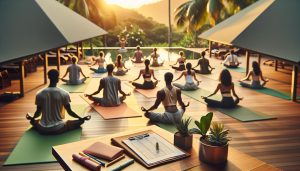
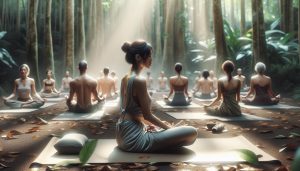
Choosing the right location for a yoga retreat can significantly influence the overall experience for participants, setting the tone for relaxation and rejuvenation. An ideal retreat location should not only align with the theme of the retreat but also cater to the needs of your attendees, enhancing their journey both physically and spiritually. Start by considering serene environments that foster mindfulness and introspection. Natural settings such as mountains, beaches, or lush forests provide a calming backdrop, promoting a deep connection with nature that can enhance meditation and practice.
When selecting a location, accessibility is key. Ensure that the venue is reachable for your participants, with convenient travel options available. This could mean choosing a site near major airports, or well-connected public transport, enabling attendees to focus on their retreat experience rather than travel logistics. Additionally, consider the atmosphere of the venue itself-does it have facilities that promote community and engagement? Spaces for group meals and shared activities can cultivate a sense of belonging, critical for deepening participant connections.
The facilities provided at the location are equally vital. Look for venues that offer suitable spaces for yoga practices, workshops, and other activities that complement the retreat’s objectives. Adequate accommodations, comfortable lodging, and access to healthy meal options should also be part of your checklist. Assess the venue’s amenities such as Wi-Fi access, breakout rooms for smaller sessions, and recreational facilities that participants may wish to use during their downtime.
Lastly, consider the climate and time of year for your retreat. Certain locations may offer ideal conditions for outdoor practices in specific seasons while others may be more suited for indoor sessions during inclement weather. Remember, the goal is to create an immersive experience that encourages participants to relax, reflect, and recharge, so choose a setting that embodies these qualities.
Essential Planning Steps for a Successful Yoga Retreat

Planning a successful yoga retreat goes beyond simply booking a location and arranging classes; it requires a holistic approach that encompasses every aspect of the participant experience. A well-executed retreat can transform participants’ lives, fostering not only personal growth but also community connections. Here are essential steps to ensure that your retreat is both impactful and memorable.
Begin with a clear vision and objectives for your retreat. What are you aiming to achieve? Is it to deepen participants’ yoga practice, promote relaxation, or build community? Clearly defined goals will guide all subsequent planning decisions and allow you to communicate effectively with potential attendees about what to expect. Additionally, consider the target audience and their needs. Tailor the retreat activities to cater to both beginners and seasoned practitioners. This inclusive approach ensures that everyone finds value, which can be crucial for fostering a sense of belonging.
Next, establish a detailed itinerary that balances structured activities with free time. While it’s important to provide a rigorous schedule that includes yoga sessions, workshops, and meditative practices, incorporating ample downtime is equally vital. Participants should have the chance to relax, explore the surroundings, and engage with one another. An ideal itinerary might include:
- Morning yoga and meditation sessions
- Workshops on wellness topics (e.g., nutrition, mindfulness)
- Time for personal reflection or journaling
- Group meals to enhance community
- Evening restorative yoga or sharing circles
Communication is key throughout the planning phase. Clearly outline what participants should expect regarding accommodations, meals, and the daily schedule. Consider creating a digital brochure or webpage that provides all necessary information, including packing lists, travel suggestions, and a detailed refund policy. This transparency helps in building trust and excitement among participants.
Finally, don’t underestimate the importance of feedback. After the retreat, reach out to participants for their thoughts on what worked well and what could be improved. This feedback will not only inform future retreats but also demonstrate to participants that their opinions are valued, fostering ongoing engagement and loyalty. By following these planning steps, you can create a transformative experience that leaves participants feeling uplifted and connected.
Crafting an Inviting Retreat Itinerary

An engaging itinerary can significantly enhance the experience of participants attending a yoga retreat, creating a sense of flow and the opportunity for profound transformation. A well-crafted schedule should not only provide a blend of activities that cater to varied interests and skill levels but also weave moments of connection and self-reflection throughout the retreat.
To start, consider incorporating a structured morning routine that fosters a calm and centered mindset. Begin each day with morning yoga sessions that can gradually increase in intensity, such as combining gentle hatha with invigorating vinyasa styles. This could be followed by guided meditation sessions emphasizing mindfulness and presence. Providing breathwork workshops or yoga philosophy discussions post-morning session can enrich participants’ understanding and deepen their practice.
Next, allocating time for both individual reflection and group interactions is crucial. You can offer a variety of wellness workshops on nutrition, mindfulness, or personal growth topics during the day to stimulate discussion and learning. Ensure to leave personal downtime for journaling or quiet reflection, allowing participants to absorb and process their experiences. Group meals can be intentionally planned to create community; communal dining not only fosters connection but also creates shared experiences.
In the evenings, consider restorative practices such as gentle yoga sessions or sound healing workshops. This time could be structured to include sharing circles where participants can express their thoughts or feelings in a supportive environment, enhancing the community bond. The key is to find balance; adequate free time between structured activities not only prevents burnout but encourages attendees to explore their surroundings, fostering a deeper connection to the retreat’s location.
By providing a thoughtfully structured itinerary, participants can feel supported, engaged, and inspired throughout their journey, creating a memorable and transformative retreat experience.
Building the Right Team: Instructors and Staff

Creating a successful yoga retreat is not just about the location or the itinerary; it heavily relies on assembling the right team of instructors and staff who can create an enriching environment for participants. The success of a retreat is greatly influenced by the caliber of guidance and support attendees receive throughout their journey. Therefore, choosing individuals who share a passion for yoga, wellness, and community building is essential.
When selecting instructors, look for those with diverse backgrounds and areas of expertise to cater to a wide range of participant needs. This can enhance the retreat experience by offering classes in different styles such as Hatha, Vinyasa, Yin, or Restorative yoga. Each instructor should not only be knowledgeable in their field but also approachable and capable of connecting with students on a personal level. Consider conducting a thorough vetting process that includes auditions or trial teaching sessions where potential instructors can showcase their style and ability to foster a supportive and engaging atmosphere.
Alongside yoga instructors, having a well-rounded support staff is equally important. This includes roles such as wellness coaches, nutritionists, and administrators who can assist with logistics. Each team member should possess skills that complement the retreat’s focus, enhancing the overall participant experience. For instance, having a nutritionist available for workshops can provide valuable insights into maintaining a healthy diet while on retreat, while wellness coaches may offer personalized guidance to help individuals set and achieve their own goals throughout the experience.
To ensure cohesive team dynamics, facilitate team-building activities prior to the retreat. This fosters a collaborative environment where everyone understands their roles and responsibilities. Open communication among staff is vital; regular meetings can help align teaching methods, share participant feedback, and adapt schedules based on real-time needs. A united team can work together to create a nurturing atmosphere, making the retreat not just an event, but a transformative experience for all involved.
In conclusion, the right team is foundational for a successful yoga retreat, providing not only expert instruction but also emotional and logistical support. Selecting diverse and skilled individuals who resonate with the retreat’s ethos, complemented by effective communication and teamwork, can create an environment where attendees feel valued, engaged, and inspired.
Effective Marketing Strategies to Attract Attendees
Captivating potential attendees is key when it comes to filling your yoga retreat. With the right marketing strategies, you can effectively showcase the unique benefits of your retreat while appealing to the desires and needs of your target audience. Understanding your ideal participants is the first step; conduct surveys or analyze your current clients to determine what they seek in a retreat experience, such as relaxation, challenge, or community.
Using a blend of digital and traditional marketing techniques can enhance your outreach. Start with a visually appealing website that highlights your retreat’s theme, itinerary, and location through rich imagery and engaging content. Utilize social media platforms like Instagram and Facebook to share testimonials, behind-the-scenes footage, and updates, creating a sense of community even before the retreat begins. Consider offering early bird discounts or referral bonuses to encourage attendees to share with their networks.
Collaboration and Partnerships
Partnering with local businesses or wellness influencers can also elevate your marketing efforts. Collaborate with wellness brands for giveaways or cross-promotion, and seek influencers who resonate with your retreat’s ethos to extend your reach. Hosting informational webinars or free introductory classes can be an excellent way to showcase your teaching style and build rapport with potential attendees.
Another effective strategy is to utilize email marketing campaigns to keep interested participants engaged. Share valuable content, such as tips for preparing for a retreat, mindfulness practices, or even recipes that align with the wellness theme. Building an email list not only fosters a sense of connection but allows for personalized communication, enhancing the likelihood of conversion.
By combining a deep understanding of your audience with innovative marketing strategies, you can create a compelling narrative that draws attendees to your yoga retreat. Implementing these strategies will not only increase visibility but help build a loyal community eager to join you on your next journey.
Creating an Immersive Experience with Mindfulness Practices
Creating an immersive experience that incorporates mindfulness practices is essential for the success of your yoga retreat. By fostering a serene atmosphere that encourages personal growth and self-awareness, participants can fully engage in their journey of transformation. Mindfulness practices can play a pivotal role in achieving this goal, affecting participants’ emotional and mental well-being long after the retreat has concluded.
Start by integrating daily mindfulness activities that complement your yoga sessions. These can include guided meditations designed to ground participants, helping them connect with their inner selves. For instance, consider morning meditation sessions that set positive intentions for the day, coupled with journaling time to reflect on personal insights and experiences. This combination can help cultivate an environment of introspection, allowing attendees to explore their thoughts and feelings deeply.
Moreover, sensory experiences can enhance mindfulness, making the retreat more memorable. Organize sensory walks in nature where participants can immerse themselves in the surroundings, focusing on sounds, smells, and sights rather than their busy minds. Encourage mindful eating practices during meals, where participants are invited to savor each bite, appreciating the flavors and textures, which not only aids digestion but also brings awareness to their nourishment.
Finally, create opportunities for group sharing sessions, where participants can express their thoughts and experiences openly. This not only fosters community but allows individuals to practice active listening and self-expression, vital elements of mindfulness. By embedding these practices throughout the retreat, you not only enhance the overall experience but help participants build valuable skills that can be integrated into their daily lives post-retreat.
Essential Logistics: Accommodation and Meals
The success of a yoga retreat significantly hinges on two . These factors are pivotal not only for the physical comfort of your attendees but also for creating an environment that enhances relaxation and wellness. The right accommodations can transform a simple retreat into an unforgettable experience, fostering a sense of peace and connection with both nature and fellow participants.
When selecting accommodation, consider the setting and amenities that will best support the retreat’s goals. Options might include tranquil resorts with spa facilities, charming bed-and-breakfasts, or eco-friendly lodges that emphasize sustainability. Each should provide comfortable sleeping arrangements, communal spaces for group activities, and areas for quiet reflection or solitude. Amenities such as natural surroundings, swimming pools, and spaces for yoga practice will enhance the overall experience. Communicating with the accommodation providers about your specific needs-like space for group sessions or dietary restrictions-ensures that everything aligns with the retreat’s vision.
Equally important is the meal plan. Nutritious, wholesome food is integral to maintaining energy levels and supporting the overall wellness of participants. Collaborate with caterers or in-house chefs who can provide balanced meals featuring fresh, seasonal ingredients. Including options that cater to various dietary needs-such as vegetarian, vegan, gluten-free, and dairy-free-is essential for inclusivity. It’s also beneficial to incorporate mindful eating practices, encouraging participants to savor each meal as part of the experience. Consider organizing cooking classes or nutrition workshops to deepen their connection to food and health during the retreat.
Ultimately, thoughtful logistics regarding accommodation and meals will not only enhance the retreat experience but also contribute significantly to the personal growth and well-being of all who attend. Creating a supportive environment fosters community, encourages relaxation, and helps participants connect more deeply with themselves and each other, making it memorable and transformative.
Developing Pricing Structures that Maximize Profit
Setting a pricing structure that maximizes profit while remaining attractive to participants is crucial for the success of any yoga retreat. Understanding your costs, target market, and value proposition will help you create an effective pricing strategy. Begin by itemizing all potential expenses, including accommodation, meals, instructor fees, transportation, and marketing. Calculating these costs will give you a baseline to determine the minimum price per attendee required to break even.
To enhance profitability, consider implementing tiered pricing models. This approach allows you to offer different pricing levels based on accommodation quality, room type, or added perks. For instance, you could offer basic, deluxe, and premium packages that include additional benefits like private sessions, exclusive workshops, or premium accommodation. Highlighting these differences can help justify higher prices while still providing value to attendees.
Moreover, early-bird discounts can incentivize early registration, providing you with upfront capital to manage initial expenses. You might also consider group discounts to encourage participants to attend with friends or families, as this not only increases the total number of attendees but also creates a more supportive community atmosphere during the retreat.
Value-Added Offerings
Another effective strategy is to incorporate value-added services into your retreat package. These could include wellness consultations, one-on-one yoga coaching, or guided local excursions that enhance the overall experience. By emphasizing these unique offerings, you can position your retreat as a premium experience, justifying a higher price point.
Ultimately, the key is to balance the need for profit while ensuring that your pricing remains competitive and appealing to your target audience. Conducting market research to understand what comparable retreats are charging can provide valuable insights and help you identify the optimal pricing strategy that attracts participants and secures your business goals.
Ensuring Safety and Well-Being for Participants
Creating a safe and supportive environment is paramount when leading a yoga retreat. Participants come seeking not only physical relaxation but also emotional and mental well-being. As a facilitator, establishing an atmosphere of security allows attendees to explore, connect, and deepen their practice without unnecessary distractions or fears.
Start by assessing the location you choose for the retreat. Ensure it has adequate facilities to handle various needs, such as first aid, cleanliness, and hygiene. For example, make certain there are accessible restrooms, emergency exits, and accommodations for participants with disabilities. Develop a clear set of safety protocols and communicate these to attendees upon arrival, ensuring everyone understands how to seek assistance if needed.
Incorporating mindfulness practices throughout the retreat can significantly enhance participants’ feelings of safety and well-being. This can include beginning each day with guided meditation or grounding exercises, which helps set a positive tone and fosters a sense of community. Encourage open communication among participants, allowing them to voice concerns or preferences about their experience. Facilitating discussions around personal boundaries and comfort levels can also empower participants to take charge of their well-being during the sessions.
Furthermore, consider having qualified medical personnel on hand, or at least access to nearby medical facilities. This preparation can make a significant difference in how safe participants feel. If you’re in a remote location, having a detailed emergency plan in place-including transportation options to healthcare facilities-can provide peace of mind.
Addressing Mental Health
Mental health should not be overlooked in your planning. Yoga is a powerful tool for emotional healing, but some participants might arrive with pre-existing issues that could be triggered during the retreat. Providing resources for mental health support, whether through workshops, access to a mental health professional, or simply creating space for personal reflection, can enrich the participants’ experience.
Ultimately, fostering an environment where participants feel secure, both physically and emotionally, will lead to a transformative retreat experience. Prioritizing these aspects demonstrates a commitment to the holistic well-being of your attendees, encouraging deeper engagement with the practice and connecting them to the retreat’s community.
Engaging Attendees: Creating Community and Connection
Creating a meaningful connection among attendees during a yoga retreat can be one of the most rewarding aspects of the experience. When participants feel a sense of belonging, they are more likely to engage deeply with the activities, share personal insights, and support one another’s journeys. Building this community begins even before the retreat officially starts. Establish an online group or forum where attendees can introduce themselves, share their intentions, and start conversations around topics related to yoga, wellness, and their personal goals for the retreat.
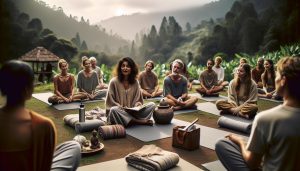
During the retreat itself, consider incorporating structured activities that encourage bonding. Group discussions, sharing circles, or partner yoga sessions can help participants connect on a personal level. Encourage everyone to share their stories and experiences, fostering an environment of trust and empathy. By creating safe spaces for sharing, attendees may feel more comfortable opening up and forming connections that extend beyond the retreat.
Emphasizing collaborative activities can also enhance the sense of community. Organize group meals or cooking sessions where participants prepare and share meals together, as this can encourage camaraderie and conversations around nutrition and lifestyle choices. You might even consider having a community project, such as a group meditation or a collective art installation, which gives everyone a shared goal and a tangible way to connect.
To maintain these connections after the retreat ends, provide attendees with resources such as newsletters, ongoing online meetups, or a private Facebook group. Regular communication keeps the community alive and fosters relationships that can continue to grow over time. By prioritizing community and engagement during the retreat, you create a supportive network that enriches the lives of participants long after they return home.
Post-Retreat Follow-Up and Customer Retention Strategies
Building a lasting relationship with attendees is crucial for the success of future retreats and the growth of your wellness community. The post-retreat phase is a prime opportunity to reinforce connections made during the experience and ensure participants remember the value they received. Implementing follow-up strategies can significantly enhance customer retention and nurture a supportive environment that encourages attendees to return for future offerings.
To begin, personalized follow-up communication is key. Send tailored emails thanking participants for joining, providing a recap of memorable moments, and sharing insights from the retreat. This can include quotes or reflections shared during the event, reinforcing the positive experiences they had. Additionally, consider including links to online resources, such as yoga practice videos, meditation guides, or further reading that aligns with the themes of the retreat. This not only adds value but keeps your teachings fresh in their minds.
Offering ongoing engagement opportunities can also solidify the community bond. Create a private online forum or social media group where participants can share their post-retreat experiences, ask questions, and continue discussions. Schedule monthly virtual meetups or workshops that provide continued learning and allow former attendees to deepen their practice together. You might consider offering a discount on future retreats or exclusive workshops for past participants, incentivizing them to return.
Lastly, actively seek feedback from attendees to refine future offerings. Utilize surveys to gather insights on what they enjoyed, what could be improved, and future topics they would like to explore. Implementing suggestions not only shows participants you value their input but also enhances the quality of your future retreats, making them feel more invested in the development of the community. By prioritizing post-retreat engagement, you create a nurturing cycle that keeps attendees connected, engaged, and eager for their next retreat experience.
FAQ
Q: What are the key benefits of leading a yoga retreat?
A: Leading a yoga retreat offers numerous benefits, including the opportunity to deepen connections with participants, enhance your teaching skills, and create a supportive community. Furthermore, it allows for personal growth and the chance to immerse yourself in a tranquil environment that enhances mindfulness and well-being.
Q: How can I market my yoga retreat effectively?
A: Effective marketing strategies for a yoga retreat include utilizing social media platforms, creating engaging content, offering early bird discounts, and leveraging testimonials from previous participants. Collaborating with influencers in the wellness space can also expand your reach and attract more attendees.
Q: What should I include in a yoga retreat welcome guide?
A: A welcome guide for your yoga retreat should include essential details like an itinerary, contact information, accommodation options, and wellness tips. Providing insights about local culture and activities can enhance the experience, making participants feel informed and welcomed.
Q: How do I set appropriate pricing for my yoga retreat?
A: To set appropriate pricing for your yoga retreat, consider expenses such as venue, accommodation, food, and instructor fees. Research competitor pricing, assess your target market, and ensure to balance affordability with profitability by offering tiered pricing options based on different experiences.
Q: What type of yoga styles should I include in a retreat?
A: Incorporating a variety of yoga styles can cater to diverse participant preferences. Consider including Hatha, Vinyasa, Yin, and restorative yoga sessions to offer a balanced and holistic experience. Tailoring styles based on participant skill levels can enhance their engagement and satisfaction.
Q: How can I ensure a safe environment for my participants during the retreat?
A: To ensure safety at your yoga retreat, create clear emergency protocols, provide health and safety guidelines, and ensure all instructors are certified. Regularly check the accommodation for safety features and maintain open communication with participants to address any concerns promptly.
Q: What are some ways to engage participants during the retreat?
A: Engaging participants can be achieved through interactive workshops, group discussions, and community-building activities like sharing circle reflections. Incorporating mindfulness practices and creative activities like journaling or art can also enhance interaction and connection among attendees.
Q: How should I follow up with retreat participants after the event?
A: Following up with retreat participants is crucial for retention and building community. Send personalized thank-you emails, share feedback surveys, and offer post-retreat resources, such as yoga videos or articles. You can also keep them updated about future retreats and wellness events to maintain engagement.
Wrapping Up
As you embark on your journey to lead a transformative yoga retreat, remember that the insights shared in “How to Lead a Yoga Retreat: Master Teacher’s Essential Guide” serve as your starting point. Embrace the opportunity to create a sanctuary for your participants, fostering both physical well-being and personal growth. Don’t let uncertainty hold you back; take action now to start planning your retreat with confidence and clarity.
Explore more about optimizing your wellness travel experience through our related articles on business planning and destination insights. Consider signing up for our newsletter to stay updated on the latest trends in yoga retreats and holistic travel. Engage with our community-share your thoughts or experiences in the comments below, and inspire others on their journey. Together, let’s cultivate a space where health, mindfulness, and exploration thrive.
Get our latest guides, news, and insights highlighted in your Google Search & AI Overviews.