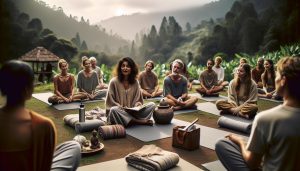
Leading a yoga retreat is not just about guiding participants through poses; it’s an opportunity to create transformative experiences that blend mindfulness, community, and personal growth. If you’ve ever dreamed of crafting a magical getaway that inspires and rejuvenates, this guide is for you. From honing your confidence to navigating logistics, mastering the art of leading retreats can unlock your potential as both a yoga instructor and a facilitator of wellness. As you dive into this journey, you’ll learn to overcome common challenges, connect deeply with your participants, and elevate their yoga experience in stunning locations around the world. Together, let’s explore how to infuse your unique vision into yoga retreats that resonate and leave lasting memories.
Understanding the Yoga Retreat Market: Trends and Opportunities
The yoga retreat market has experienced significant growth in recent years, driven by an increasing number of individuals seeking wellness and self-discovery. As people become more aware of the importance of mental health and spiritual well-being, the demand for immersive experiences that offer personal transformation has surged. A shift towards experiential travel has made retreats particularly appealing, allowing participants to disconnect from their daily routines and reconnect with themselves amidst tranquil settings.
Understanding current trends is crucial for anyone looking to lead a successful yoga retreat. First and foremost, the integration of wellness components such as meditation, nutrition workshops, and nature excursions is gaining traction. Retreat leaders who can offer a holistic experience that caters not only to yoga practices but also to mindfulness and holistic health will attract a wider audience. Additionally, the rise of digital nomadism has influenced the types of locations that appeal to retreat-goers; exotic and accessible destinations with reliable internet connectivity are on the rise, accommodating those who wish to blend work and wellness.
Another trend worth noting is the growing interest in environmentally sustainable practices. Participants are increasingly looking for eco-friendly retreats that prioritize sustainability, from using renewable resources to minimizing waste. Retreat leaders who can incorporate environmentally responsible practices, such as sourcing local organic food and utilizing eco-friendly accommodations, will resonate more with conscientious travelers.
To leverage these opportunities effectively, retreat operators should not only stay abreast of these trends but also actively engage with potential attendees through social media and informative content. Building a community online can provide insights into participants’ needs and preferences, helping to tailor retreats that deliver optimal value. By remaining adaptable and innovative, leaders can position themselves favorably in the evolving yoga retreat market, ensuring they create memorable experiences that foster lasting connections and personal growth.
Essential Skills for Leading a Yoga Retreat

To successfully lead a yoga retreat, possessing a combination of essential skills is paramount. As the landscape of wellness travel continues to evolve, retreat leaders must embrace roles that extend beyond merely guiding yoga practices. Strong communication skills are crucial; they help in establishing rapport with participants, clearly articulating schedules, expectations, and themes of the retreat. Effective communication creates an inclusive atmosphere where participants feel comfortable expressing their needs and concerns.
Equally important is the ability to design a diverse program that engages attendees, catering to varied skill levels and interests. A thoughtful blend of yoga sessions, meditation, workshops, and leisure activities can enhance the overall experience. For instance, incorporating nature walks or nutrition classes can elevate participants’ understanding of holistic wellness. Leaders should also possess adaptability, allowing them to respond thoughtfully to the group’s dynamics and unexpected challenges, whether weather-related or personal.
Creating a Supportive Community is another key aspect. Leaders should foster an environment where authentic connections can flourish. This can be achieved by encouraging group discussions, partner exercises, and shared experiences, thereby enhancing participants’ sense of belonging. Utilizing icebreakers or light-hearted activities at the start of the retreat can also facilitate openness among participants.
Lastly, a foundational understanding of wellness principles enhances the retreat experience. Leaders should be knowledgeable about various aspects of yoga philosophy, mindfulness practices, and wellness nutrition, allowing them to provide valuable insights and guidance throughout the retreat. This holistic approach not only builds trust but empowers participants on their personal journeys toward well-being, making the retreat a transformative experience. By honing these essential skills, retreat leaders can create meaningful impressions and lasting transformations for their participants.
Crafting a Transformative Retreat Experience

Crafting an unforgettable experience for participants is the hallmark of a successful retreat, allowing individuals to reconnect with themselves and each other amid serene surroundings. A transformative retreat is not just about practicing yoga; it’s about creating an environment where personal growth and self-discovery can flourish. Leaders can achieve this through a well-thought-out approach that integrates diverse activities, intentional themes, and mindful engagement with the participants.
To design an impactful retreat, begin by establishing a clear theme that resonates with the participants’ goals. Whether it’s focused on stress relief, personal growth, or deepening one’s yoga practice, the theme should guide all daily activities. Consider incorporating a mix of yoga sessions, mindfulness exercises, and workshops on related subjects such as nutrition or meditation techniques. This blend not only enriches the participant experience but also allows individuals to explore different dimensions of wellness. For example, a retreat centered around “mindfulness” could include guided meditations, journaling exercises, and discussions about daily mindfulness practices, complementing the physical yoga sessions.
Another crucial aspect is to maintain an open line of communication with participants before and during the retreat. Pre-retreat surveys can be invaluable, gathering insights about individual expectations and areas of interest. This information enables leaders to customize their programs, ensuring that content is engaging and relevant. During the retreat, encourage feedback after each session to gauge what participants are enjoying or finding challenging. This adaptability can make all the difference in achieving a transformative experience.
Creating a safe and supportive atmosphere is essential for transformation. Leaders should foster a sense of community through activities that encourage interaction and bonding among participants. Icebreakers, group discussions, and partner yoga exercises can break down barriers and help attendees feel more connected. Additionally, providing opportunities for reflection, such as sharing circles or quiet time for journaling, allows participants to process their experiences and deepen their self-awareness.
By thoughtfully weaving together thematic content, open communication, and community-building activities, retreat leaders can craft an experience that is not only memorable but also profoundly transformative. Participants will leave not only having practiced yoga but having embarked on a personal journey of growth and connection that resonates long after the retreat ends.
Selecting the Perfect Location for Your Retreat

Choosing the right location for a yoga retreat can make or break the experience, as the environment significantly influences participants’ ability to relax, reflect, and grow. A captivating setting not only enhances the physical practice of yoga but also supports emotional and mental wellness, creating an atmosphere ripe for transformation. When selecting a venue, it’s essential to consider accessibility, ambiance, and the unique experiences the location offers.
Accessibility
The ease with which participants can reach the retreat location is paramount. Look for places with convenient transportation options, such as proximity to major airports or well-connected transit systems. Moreover, consider the physical accessibility of the venue itself. Ensure there are appropriate facilities for all participants, including those with mobility challenges. A location that requires minimal travel stress often leads to a more relaxed and receptive mindset upon arrival.
Ambiance and Nature
Natural surroundings can create a serene and calming atmosphere, essential for a retreat aimed at rejuvenation and self-discovery. Consider locations nestled in nature, whether it’s by the beach, in the mountains, or amidst lush greenery. These settings promote mindfulness and connection to the environment. Venues that offer outdoor spaces for yoga sessions can enhance the experience, allowing participants to connect with nature while practicing.
Unique Local Experiences
Incorporating local culture or experiences can enrich the retreat experience and provide participants with a deeper sense of place. Think about locations that offer local wellness traditions, such as spa services, holistic healing practices, or native cuisine. Engaging local practitioners for workshops or classes can also provide a unique touch, allowing participants to explore their practice through different lenses.
Accommodation and Amenities
Comfortable and suitable accommodation is critical to ensure a restful stay. Evaluate the type and quality of lodging available, from simple communal spaces to luxurious private rooms. Amenities like healthy food options, relaxation areas, and spaces for meditation or group discussions can significantly enhance the participant experience. Collaborating with venues that prioritize holistic wellness will align more closely with the goals of the retreat.
Ultimately, selecting the perfect location involves a blend of practical considerations and the creation of a nurturing atmosphere. Leaders should engage participants during the planning phase, taking their preferences and expectations into account to ensure the retreat resonates with everyone involved. A thoughtfully chosen venue, harmonizing accessibility, ambiance, and local culture, will help set the stage for a truly transformative retreat experience.
Marketing Your Yoga Retreat Effectively
To attract participants to a yoga retreat, effective marketing is essential. With the wellness travel market expanding, prospective attendees are increasingly looking for unique experiences that resonate with their physical, mental, and spiritual well-being. Engaging and strategic marketing can make the difference between a sold-out retreat and one that struggles to meet participant numbers.
Build a Compelling Brand Story
Your retreat should have a clear and compelling narrative that communicates its unique value proposition. Discuss what makes your retreat special-be it the location, the instructors, or the focus of the sessions (like mindfulness, detox, or relaxation). Use storytelling techniques to connect emotionally with potential participants. For example, share testimonials or experiences from past retreats to illustrate the transformative journey they can expect.
Utilize Social Media and Online Communities
Social media platforms are powerful tools for reaching your target audience. Share visually appealing content, such as photos or videos of past retreats, behind-the-scenes glimpses, and engaging testimonials. Use targeted ads to reach specific demographics interested in yoga and wellness. Additionally, leverage online communities and wellness forums where potential participants might gather. Engage authentically in discussions, offer valuable insights, and create buzz for your retreat.
Email Marketing Campaigns
Build and utilize an email list of interested participants. Create a series of visually appealing emails that showcase the retreat’s highlights, schedule, and any early-bird discounts. Tailor content to include insights about wellness practices participants can start at home or share personalized messages to previous attendees who may be interested in returning. Segmenting your audience will allow for more targeted messaging, increasing the likelihood of conversions.
Collaborate with Influencers and Local Businesses
Partnering with wellness influencers or local businesses can significantly expand your retreat’s reach. Consider hosting a promotional event or offering a free workshop where local yoga instructors or health coaches can join forces. Influencers can share their experiences with their followers, providing invaluable word-of-mouth marketing that carries credibility and trust.
By implementing a multi-faceted marketing approach, from compelling storytelling and strategic social media use to email marketing and community engagement, you can effectively capture the interest of potential participants and ensure a successful yoga retreat.
Building an Engaged Community Before the Retreat
Before embarking on a yoga retreat journey, the foundation of an engaged community can significantly enhance the experience for participants. Building this community involves creating connections that extend beyond the retreat itself, establishing a sense of belonging and support that encourages participants to fully immerse themselves in the transformative process.
One effective strategy is to leverage social media platforms to create dedicated groups or pages where potential attendees can engage with each other and the retreat leaders. These spaces can facilitate discussions about yoga practices, wellness tips, or even personal stories related to participants’ journeys. Regular interaction through posts, live Q&As, or themed challenges can keep the community active and invested. For instance, consider hosting monthly virtual meet-ups focused on mindfulness or goal-setting, allowing community members to share their aspirations and experiences.
Another significant approach is to incorporate a mix of informative and inspirational content shared through newsletters and emails. Content should not only provide details about the upcoming retreat but also deliver valuable resources, such as yoga tutorials, meditation tips, or wellness articles that resonate with the participants’ interests. Highlighting past attendees’ testimonials can create a sense of trust and excitement, showcasing the value of the community and the retreat experience itself.
Additionally, encourage community members to invite friends to join, thereby expanding the network and enriching the collective experience. Utilize referral incentives or bring-a-friend discounts to motivate this expansion. As participants begin to form relationships with one another before the retreat itself, they will feel more comfortable and connected upon arrival, contributing to a cohesive and supportive environment that fosters personal growth during the retreat.
In summary, focusing on community building before the retreat takes proactive communication and engagement. By harnessing social media, providing ongoing value through emails, and encouraging referrals, you create a dynamic and inviting atmosphere that ensures participants feel welcomed, valued, and ready to embark on their transformative journey together.
Designing a Comprehensive Retreat Schedule
Creating a well-structured schedule is pivotal for a successful yoga retreat. It not only keeps activities organized, but also encourages participants to fully engage in the transformative experience you’re offering. A thoughtfully designed schedule balances yoga practices with leisure time, communal meals, and personal growth sessions, ensuring a holistic approach to wellness travel.
To begin with, consider incorporating various types of yoga sessions throughout the day. For instance, start each morning with a gentle sun salutation practice that awakens the body and mind. Later in the day, you might offer restorative yoga or yin classes that focus on deep relaxation and recovery. This variety caters to different energy levels and preferences, allowing participants to connect with their bodies at their own pace. Additionally, it’s beneficial to include workshops or discussions on topics such as mindfulness, nutrition, or philosophy, enhancing the participants’ understanding of yoga beyond the mat.
Another essential element to include in your retreat schedule is the integration of free time or personal reflection periods. Allowing some downtime helps participants recharge, process their experiences, and engage in self-care. This could be organized as unstructured time for journaling, nature walks, or simply relaxing by the pool. Organize optional group activities as well, like hiking or visiting local cultural sites, which can foster a sense of community while providing enriching experiences outside the yoga practice.
Consider utilizing the evening hours effectively as well. Hosting evening meditations, candlelight yoga sessions, or even guest speakers can create a reflective atmosphere that encourages connection and introspection. A communal meal shared under the stars or around a fire can enhance camaraderie, allowing participants to bond over shared experiences and stories.
Finally, always remain flexible. While it’s important to stick to your planned schedule, be prepared to adapt based on the group’s energy and feedback. Engaging with participants during the retreat can reveal their needs, leading to spontaneous sessions that resonate more deeply than what was initially planned. Ultimately, a comprehensive schedule should nourish the body and mind, creating an environment where transformation and community thrive.
Managing Logistics for a Seamless Experience
To ensure a truly transformative experience during a yoga retreat, effective logistics management is crucial. The seamless execution of every aspect, from arrival to departure, significantly enhances participants’ overall experience. Start by establishing clear communication with participants well before the retreat begins. This includes providing detailed information about what to expect, packing lists, travel advice, and contingency plans. For instance, consider sending out a packing checklist that includes essentials like yoga mats, comfortable clothes, and personal items, as well as suggestions for local cultural experiences and any specific preparations for food preferences or dietary restrictions.
Transportation and Accommodation
Securing reliable transportation can make or break a retreat’s logistics. If participants require transportation from an airport or train station, arrange shuttles or provide recommendations for car rentals that align with their travel schedules. Additionally, reviewing potential accommodation options for proximity to retreat activities is essential. Whether you choose a hotel, a yoga center, or even a shared lodge, ensure the environment aligns with the retreat’s ethos. Participants should feel comfortable and safe, which can be facilitated by offering a mix of private and shared accommodations based on attendee preferences and budget.
Supplies and Resources
Next, consider the resources needed for activities. Ensure that yoga mats, props, and other necessary supplies are available and in good condition. If you plan to incorporate workshops or outdoor activities, verify that all materials and equipment for these sessions are procured and prepared in advance. Consider creating a local resource guide with information on nearby wellness providers, sights to see, and emergency contacts; this will empower participants to feel more secure and engaged during their time away.
Flexible Problem-Solving
Flexibility is a vital component of logistics management. Unexpected changes, such as weather adjustments or participant needs, can arise at any moment. Establish a basic structure for your retreat, but remain open to improvisation and spontaneous changes to the schedule. Having a few backup plans for activities or alternative venues can keep the retreat flowing smoothly and maintain enthusiasm among participants. Engage participants in decision-making when changes occur, which can help to build a sense of community and shared experience.
Incorporating these logistical strategies will set the foundation for an empowering and fulfilling yoga retreat that not only focuses on physical practice but also fosters personal growth and lasting connections among participants.
Creating a Supportive Environment for Participants
Creating a nurturing atmosphere where participants feel safe and valued is essential for a successful yoga retreat. This can profoundly influence individuals’ willingness to explore personal wellness and engage fully in their practices. One effective strategy is to establish a clear intention at the outset of the retreat. By articulating a theme or purpose that resonates with the group’s collective energy, participants can share a common focus, forging deeper connections and enhancing their experiences together.
To foster openness, consider implementing activities that encourage sharing and vulnerability, such as group discussions or sharing circles. These moments allow attendees to express their thoughts and feelings while promoting a sense of community. Additionally, providing opportunities for one-on-one check-ins can help participants feel more supported. Cultivating a space where attendees can voice their needs ensures their individual wellness journeys are honored and can create lasting relationships beyond the retreat.
The physical environment also plays a critical role in establishing a supportive atmosphere. Select a venue that embodies tranquility and comfort; this might include aspects such as natural surroundings, soothing colors, and inviting communal spaces. Mindful arrangement of yoga and meditation areas can enhance relaxation and focus, making it easier for attendees to engage in their practice.
Lastly, incorporating diverse yoga styles and practices can cater to various skill levels and preferences. Offering workshops or classes that range from gentle restorative yoga to more intense flows ensures that every participant can find an approach that resonates with them. This inclusivity not only increases satisfaction but also empowers participants to explore new avenues of their practice, further nurturing their journey towards personal growth.
By integrating these strategies, you’re not just facilitating a retreat but fostering a transformative experience that supports participants physically, emotionally, and spiritually.
Harnessing Feedback for Continuous Improvement
Understanding participants’ experiences through feedback is essential for the evolution of any yoga retreat, transforming good programs into extraordinary journeys. Collecting insights from attendees not only highlights what worked well, but also sheds light on areas for growth, enabling you to fine-tune offerings for future retreats. By adopting a systematic approach to feedback, retreat leaders can cultivate a practice of continuous improvement that aligns with participants’ needs and expectations.
To effectively harness feedback, consider implementing a combination of quantitative and qualitative measures. Pre- and post-retreat surveys allow participants to share their thoughts on specific elements, such as scheduling, content, and the overall atmosphere. Questions can range from rating their satisfaction on a scale from 1 to 10, to open-ended queries that invite deeper reflection. For example, you might ask:
- What was your favorite part of the retreat and why?
- What aspects do you think could be improved for future retreats?
- How did the retreat meet your individual yoga or wellness goals?
In addition to structured questionnaires, creating informal opportunities for feedback can foster a more open dialogue. Consider hosting a closing circle where participants can share their experiences and expressions in real time. This not only captures the immediate reflections of attendees but also deepens the sense of community, as participants listen to one another’s stories and insights.
After collecting insights, the key is to analyze them thoughtfully. Look for trends-what consistently emerged as a strength or a pain point? Establish a feedback loop by not only acting on these insights but also communicating the changes implemented as a result of participant input. This can enhance trust and engagement, as attendees see their voices making a tangible impact on future retreats.
Engaging with feedback in this way not only elevates the quality of the experience, but also encourages a culture of collaboration and respect among participants. Ultimately, recipients of this nurturing feedback will feel valued, paving the way for their return and the potential growth of your retreats through word-of-mouth referrals. By committing to understanding and acting upon participant feedback, retreat leaders can foster an environment that continually evolves to meet the dynamic needs of wellness seekers.
Strategies for Enhancing Participant Satisfaction
Creating a truly memorable yoga retreat experience hinges on understanding and enhancing participant satisfaction. One of the fundamental aspects of achieving this goal lies in building a warm and inclusive atmosphere that encourages personal connections among participants. Consider kickstarting each day with a group sharing session, allowing individuals to express their thoughts, intentions, and feelings. This practice not only fosters a sense of belonging but also cultivates trust, making it easier for participants to engage deeply in activities throughout the retreat.
Another strategic approach is to customize the program based on participant preferences. Prior to the retreat, gather information about attendees’ backgrounds in yoga, preferred styles, and wellness goals. This insight enables you to tailor sessions that cater to varied skill levels and interests. For instance, offering a mix of challenging asanas alongside restorative practices allows participants to experience a balance of exertion and relaxation, catering to diverse expectations and enhancing overall satisfaction.
Engagement does not stop at the yoga mat; incorporating wellness activities like guided nature walks, cooking classes, or mindfulness workshops can significantly enrich the experience. These activities allow participants to connect not only with themselves but also with the beautiful surroundings and each other. Additionally, creating space for spontaneous moments-like a community bonfire at sunset or an unexpected dance party after dinner-can foster lasting memories and strengthen community bonds.
Lastly, consider implementing a feedback mechanism that encourages real-time reflections. This can be as simple as a daily check-in where participants share their experiences during the retreat. Such practices not only validate participants’ feelings but also provide valuable insights that can help you adjust future sessions and address any immediate concerns, ensuring that everyone leaves feeling heard and valued. By prioritizing participant satisfaction through these strategies, you can create truly transformative retreats that resonate long after they conclude.
Finding Your Unique Teaching Style and Voice
is essential for creating a meaningful and engaging yoga retreat experience. Every instructor brings a distinct perspective to their teaching, influenced by their training, personal practice, and life experiences. By tapping into this authenticity, you can forge deeper connections with your participants, making the retreat not just a series of classes, but a holistic journey that resonates with each individual.
To cultivate your unique voice, start by reflecting on your own practice. Consider the qualities that drew you to yoga in the first place and how they shape your teaching. Are you particularly passionate about alignment, mindfulness, or creative sequencing? Identifying these aspects can help you communicate your philosophy effectively. Additionally, seek feedback from peers and students to gain insights into what aspects of your teaching resonate most. This can guide you in emphasizing those elements that align with your core beliefs and preferences in your classes.
Another powerful method for developing your voice is to blend inspiration from diverse sources. Explore different styles of yoga and teachings from various traditions, and incorporate what resonates with you into your own classes. This doesn’t mean diluting your style; rather, it enhances it by providing a richer tapestry of influences. For instance, you might borrow elements from Vinyasa flow to add dynamism to your classes or principles from restorative yoga to foster relaxation. Emphasizing your unique approach will attract participants who seek what you have to offer, resulting in a more engaged group.
Furthermore, authenticity comes from self-awareness. Engage in continuous personal and professional development, whether through advanced trainings, workshops, or personal study. This not only enhances your skills but also allows you to evolve as a teacher. Share your journey with your participants; whether through storytelling during sessions or journaling prompts, this transparency fosters trust and helps participants connect with you on a personal level.
In summary, finding your unique teaching style involves introspection, exploration, and a commitment to growth. Embrace your individual journey, blend influences that inspire you, and cultivate authenticity in your approach. By doing so, you’ll not only enhance your own teaching experience but also create a retreat atmosphere that encourages participants to connect, reflect, and transform.
Q&A
Q: What are the most important qualities of a successful yoga retreat leader?
A: A successful yoga retreat leader should possess strong communication skills, empathy, and adaptability. They need to create a safe, inclusive environment, effectively manage a group, and demonstrate a deep understanding of yoga practices. Building confidence in participants through encouragement is also essential for a transformative experience.
Q: How can I effectively market my yoga retreat?
A: To effectively market your yoga retreat, utilize social media platforms to share engaging content, build connections with potential attendees, and collaborate with influencers in the wellness space. Creating a dedicated website with an easy booking process and including testimonials can enhance credibility and attract interest.
Q: What are some common challenges faced when leading yoga retreats?
A: Common challenges include managing group dynamics, dealing with unexpected logistical issues, and ensuring participants’ varying levels of yoga experience are accommodated. Proactive planning and open communication can help mitigate these challenges, ensuring a smoother experience for everyone involved.
Q: When is the best time to host a yoga retreat?
A: The best time to host a yoga retreat typically aligns with the local climate and peak travel seasons suitable for your target audience. Consider times when potential participants may seek relaxation or escape, such as weekends or during school holidays, to maximize attendance and engagement.
Q: How do I choose the right location for my yoga retreat?
A: Selecting the right location involves considering factors such as accessibility, natural beauty, and available facilities that enhance the retreat experience. Look for serene environments that inspire relaxation, and ensure proximity to necessary amenities like accommodation and food services to accommodate participants’ needs.
Q: What strategies can I implement to build community before the yoga retreat?
A: To build community before your yoga retreat, initiate interaction through online forums or social media groups where attendees can connect and share expectations. Organizing pre-retreat classes or meetups can foster relationships, creating a supportive environment even before participants arrive.
Q: How can feedback improve future yoga retreats?
A: Collecting feedback through surveys or informal discussions can provide valuable insights into participants’ experiences. Analyze this information to identify areas for improvement, adjust schedules, and enhance offerings for future retreats, thereby continuously elevating participant satisfaction and engagement.
Q: What techniques can help boost my confidence as a yoga retreat leader?
A: To boost your confidence as a yoga retreat leader, practice your teaching methods regularly, attend workshops, and engage with other instructors. Visualization techniques and positive affirmations can also help build self-assurance, enabling you to lead with authenticity and presence during the retreat.
Concluding Remarks
As you embark on your journey to lead unforgettable yoga retreats, remember that confidence and magic are at your fingertips. Utilizing the insights you’ve gained from “How to Lead Yoga Retreats: Build Confidence & Create Magic,” you’ll be equipped to transform not just your own practice but the experiences of all who join you. Don’t wait-start planning your perfect retreat today and consider exploring our related articles on crafting engaging retreat itineraries and tips for cultivating a welcoming group atmosphere.
If you’re eager to learn more about business planning for wellness travel, or need guidance on best practices for maintaining your routine while traveling, check out our resources on wellness travel and retreat logistics. Join our newsletter for the latest updates, expert advice, and exclusive insights that will help you create successful retreats! Engage with us in the comments below and share your thoughts or questions; your journey to inspire others has just begun!
Get our latest guides, news, and insights highlighted in your Google Search & AI Overviews.