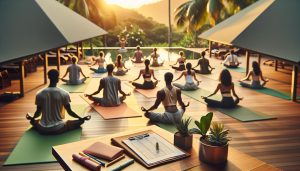
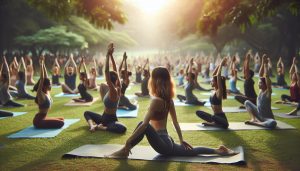
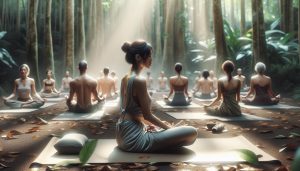
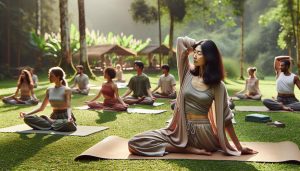
In today’s fast-paced world, taking a step back to recharge is more essential than ever. A DIY yoga retreat offers a personal, transformative escape tailored to your unique wellness goals. By crafting your own retreat, you can choose the setting, practices, and timeline that resonate with you, fostering a deeper connection to your mind and body. This guide will explore how to design your perfect yoga retreat, focusing on key elements like location, structure, and activities that nourish your spirit. Whether you’re seeking serenity in nature or a cozy space at home, creating your escape can rejuvenate your practice and restore balance in your life. Get ready to embark on a journey that nurtures your well-being, encourages mindfulness, and cultivates joy-let’s dive in!
How to Define Your Ideal Yoga Retreat Experience
To create a memorable yoga retreat experience, it is essential to define your vision by considering what resonates most with your personal aspirations and well-being goals. Start by reflecting on the purpose of your retreat. Are you seeking relaxation, rejuvenation, community engagement, or spiritual growth? Understanding your motivation will help shape every aspect of your retreat, from the type of yoga practiced to the overall ambiance.
Another crucial element is identifying the style of yoga and wellness practices you wish to explore. Whether you are drawn to vinyasa, hatha, yin, or restorative yoga, each style offers unique benefits. Consider including complementary practices such as meditation, breathwork, or holistic nutrition workshops to enrich the overall experience. Think about the duration of your retreat; a weekend can invigorate the spirit, while a week-long escape allows for deeper exploration and transformation.
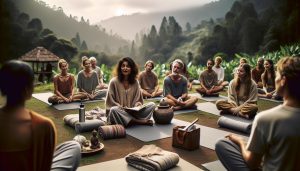
Next, ponder the community dynamics you desire. Are you interested in attending a retreat with like-minded individuals or prefer a more intimate, personalized setting? You may want to create a retreat that fosters connection through group activities or discussions, enhancing the social aspect of your experience. Remember to set intention for each day, allowing participants to engage fully in their journey while finding personal and collective purpose.
Lastly, visualize the environment you wish to create. A serene and peaceful location significantly influences the quality of the experience. Picture lush natural surroundings, beachside views, or tranquil mountain retreats that resonate with your vision. Ensure that the venue offers the amenities that will help elevate your experience, such as comfortable accommodations, healthy meals, and spaces for reflection and practice.
By thoughtfully considering these aspects, you can define an ideal yoga retreat experience that nurtures your body, mind, and spirit, providing the foundation for a fulfilling and transformative getaway.
Essential Elements of a DIY Wellness Escape

Creating a wellness escape that rejuvenates the body and soul requires thoughtful planning and attention to detail. Start by determining your core objectives for the retreat. Are you aiming for relaxation, personal growth, or a deeper connection with nature? Clarifying your purpose not only sets the tone for your activities but also influences your choice of location and daily schedule. Consider integrating a blend of yoga styles, meditation, and other wellness practices, ensuring a holistic approach that caters to diverse needs.
The logistics of your retreat are equally important. Identify a serene and inspiring location that resonates with your vision. Whether it’s a peaceful cabin in the woods, a beachside villa, or a serene retreat center in the mountains, the ambiance of your surroundings contributes to the retreat experience. Access to nature can enhance mindfulness practices, allowing participants to engage deeply with their environment and themselves.
When it comes to structure, a well-organized daily schedule blends movement, relaxation, and enrichment. Incorporate early morning yoga sessions followed by healthy breakfasts, workshops on mindfulness or nutrition, and evening reflections around a fire. Make room for flexibility, allowing guests to choose between structured activities and free time for self-exploration. This balance fosters a sense of community while respecting individual needs for quiet reflection or social interaction.
Additionally, the atmosphere you create plays a pivotal role. Use decor that inspires serenity, such as soft lighting, natural materials, and calming colors. Incorporate elements that appeal to the senses-aromatic candles, soothing music, and comfortable spaces for relaxation. When planning your meals, focus on nourishing and delicious options that participants can look forward to. Collaborative cooking sessions can also serve as enjoyable bonding experiences.
In summary, the stem from a clear vision, thoughtful logistics, an organized yet flexible schedule, and an ambiance that aligns with your goals. This comprehensive approach sets the foundation for a transformative retreat that nurtures the mind, body, and spirit.
Choosing the Perfect Location for Your Yoga Retreat

The right location can significantly influence the success and enjoyment of a yoga retreat. Imagine receiving the gentle caress of a sea breeze while stretching under the sun or finding tranquility in a secluded forest that envelops you in serenity. The choice of venue not only sets the physical stage but also influences the emotional and mental state of participants, making it pivotal for a fulfilling wellness escape.
When selecting a location, consider accessibility, the environment, and the local culture. Urban escapes may cater well to those who desire both the buzz of city life and the contrast of a quiet space to practice yoga. In contrast, rural settings offer a chance to connect deeply with nature, ideal for retreatants seeking to unplug from daily routines. Evaluate how far the venue is from major airports or transport hubs to ensure that logistics remain hassle-free for participants.
Environment and Amenities
Environments that promote relaxation, such as beachfronts, mountains, or lush landscapes, can enhance mindfulness practices. Check if the location includes necessary amenities conducive to yoga, such as spacious indoor areas for practice, natural light, outdoor spaces, and comfortable accommodation. Furthermore, assess the availability of local activities that participants can enjoy during their free time, be it hiking, diving, or visiting local markets-these experiences can complement the retreat.
Cultural Considerations
Delving into the local culture can enrich the retreat experience. Incorporating local dietary traditions into meal planning or inviting local instructors for workshops can provide participants with a more immersive experience. These cultural aspects can help foster community among retreat participants and broaden their wellness journey.
List of Ideal Locations
- Beachfront Villas: Perfect for sunrise yoga sessions and soothing sounds of the ocean.
- Mountain Retreats: Offers quietude, fresh air, and stunning views for deeper contemplation.
- Countryside Farmhouses: Allow connection to nature through walks in serene landscapes and fresh, local food.
Ultimately, the perfect location should resonate with the vision you have for your retreat. By choosing a space that aligns with the desired outcomes-whether that’s solace, adventure, or connection-participants will leave rejuvenated and inspired, ready to integrate their learnings back into daily life.
Budgeting for Your Personalized Retreat: Costs and Considerations

Budgeting for a personalized yoga retreat requires careful planning to ensure that the experience is both enjoyable and financially feasible. Whether you’re organizing a retreat for yourself or a group, understanding the various costs involved can help you make informed decisions that align with your wellness goals. Knowing what to anticipate and how to prioritize spending will lead to a more fulfilling escape.
Start by outlining the major categories of expenses. This typically includes venue rental, accommodations, food, transportation, and activities. Each of these factors can significantly influence your budget, so it’s essential to research and obtain quotes to get a clearer picture of costs. For instance, choose between a luxury resort or a more basic accommodation depending on your budget; while beachfront villas might provide a picturesque setting for sunrise yoga, they can also be on the pricier side.
Cost Breakdown
Consider this preliminary breakdown to help shape your budget:
- Venue Rental: Depending on location and amenities, this can range from $500 to $5,000+ for several days.
- Accommodations: Look for group discounts or shared lodging options to keep costs down; prices typically vary from $30 to $300 per night.
- Food: Meal planning can either be done through caterers or jointly prepared by participants; budget around $15-$50 per person per day.
- Transportation: Include travel to and from the retreat location; group transport options can save money.
- Activities: Additional costs for workshops and excursions can range from $20 to $150 per session.
Contingency Fund
Additionally, setting aside a contingency fund-about 10-15% of your total estimated costs-can help cover unexpected expenses that may arise during planning or hosting the retreat. This ensures you won’t face any stressful surprises and can maintain the relaxing atmosphere you aim to create.
Ultimately, the key to effective budgeting is flexibility and awareness of your personal priorities. With thoughtful planning and the right approach, your yoga retreat can provide a rejuvenating experience without financial strain.
Designing Your Daily Schedule and Activities
Creating a well-structured daily schedule for your retreat can significantly enhance the experience, allowing participants to achieve both physical and mental balance. A thoughtfully designed agenda not only accommodates various yoga practices but also integrates nourishment and relaxation, fostering a holistic wellness environment. Ideally, each day should blend active engagement with moments of tranquility, ensuring that attendees leave feeling rejuvenated.
To start structuring your daily itinerary, consider including the following elements:
Morning Practices
Kickstart the day with an invigorating morning yoga session, ideally scheduled for just after sunrise. This is the perfect time to tap into the serene energy of the morning, enhancing focus and setting a positive tone. A 60-90 minute practice can include various styles depending on the group’s experience level, such as Hatha for beginners or Ashtanga for a more vigorous session. If weather permits, consider holding this practice outdoors for added tranquility.
Nutritious Meals
Following the morning session, a wholesome breakfast featuring fresh, local ingredients can boost energy levels. Think smoothies, overnight oats, or vegetable omelets. Make sure to account for dietary restrictions and preferences to create an inclusive menu. A clear eating schedule post-yoga helps participants fuel up properly, optimizing their energy for the day’s activities.
Workshops and Activities
After breakfast, consider offering workshops that focus on different aspects of yoga and holistic living. These can range from mindfulness and meditation sessions to discussions on yoga philosophy or nutrition. Allocating 1-2 hours for these sessions encourages deeper engagement and learning. You can also integrate activities like nature walks or creative journaling to promote personal reflection and connection with the environment.
Afternoon Wind Down
As the day progresses, dedicate time for personal reflection, individual practices, or optional spa treatments. This can include longer meditation sessions, restorative yoga, or quiet time for reading and relaxation. Flexibility in the afternoon schedule allows participants to recharge and embrace self-care before an evening yoga session, perhaps focusing on restorative practices to guide them into a calming state.
Evening Rituals
Finish the day with a communal dinner, fostering connection among attendees. A gentle evening yoga class paired with a guided meditation will help to integrate the day’s experiences, promoting relaxation before bed. Consider closing the day with a gratitude circle or group sharing, which can enhance community spirit and deepen personal connections.
Incorporating these components can help create a balanced and fulfilling schedule that caters to both group dynamics and individual needs. Flexibility is key; being responsive to participants’ energy levels and preferences can transform your retreat into a more engaging and personalized experience.
Incorporating Mindfulness and Meditation Practices
In the sanctuary of a yoga retreat, mindfulness and meditation can serve as the cornerstones of a transformative experience. Incorporating these practices not only complements yoga sessions but also deepens participants’ connection to themselves and their environment. By weaving mindfulness and meditation into the fabric of your retreat, you can cultivate a space where attendees feel safe to explore their inner landscape, reduce stress, and enhance their overall well-being.
A dedicated time for mindfulness practice could be integrated into the daily schedule, perhaps starting with a brief morning meditation session before yoga. This allows participants to ground themselves and set intentions for the day ahead. Consider various techniques, such as guided meditations, breathwork, or visualization exercises that align with the day’s themes. For instance, if there’s a focus on self-acceptance during the retreat, incorporating loving-kindness meditation can help attendees foster compassion toward themselves and others.
In addition to scheduled sessions, facilitate mindfulness in everyday activities. Encourage participants to practice mindful eating during meals by savoring each bite and being fully present during the experience. You can also introduce mindful walking sessions, where participants engage with nature through their senses-feeling the earth underfoot, noticing the sounds around them, and observing the colors and textures of their surroundings. These practices can transform simple moments into profound experiences of awareness and connection.
Creating a calming atmosphere is essential for effective mindfulness and meditation practices. Consider utilizing tools such as aromatherapy diffusers with calming essential oils like lavender or chamomile to enhance relaxation. Soft music or nature sounds can also enrich the environment, allowing attendees to ease into their mindfulness practices more seamlessly. By integrating these elements thoughtfully, you will not only promote a state of calm but also inspire participants to cultivate their mindfulness practices long after the retreat concludes.
Creating a Relaxing Atmosphere: Decor and Ambiance
Creating a serene and inviting atmosphere is crucial for a successful yoga retreat. A thoughtfully designed environment not only enhances the experience of the participants but also facilitates relaxation and mindfulness throughout their stay. Start by considering the sensory elements that will make your retreat space feel harmonious and rejuvenating. Low lighting, for instance, can create a calming ambiance. Use soft lamps or candles to provide warm, gentle illumination that promotes tranquility. Natural light, when possible, should also be maximized to connect participants with the surrounding nature.
Incorporating natural elements into your decor can profoundly impact the overall vibe of your retreat space. Think about including indoor plants, flowers, or even a small fountain to add a dynamic aspect and a touch of nature. The presence of greenery not only purifies the air but also soothes the mind, making participants feel more grounded. Additionally, the choice of colors in your decor plays an essential role; soft, muted tones like pastels or earth shades can evoke peace, while natural materials such as wood and stone contribute to a rustic and organic feel.
Pay attention to the arrangement of space as well, ensuring that there’s plenty of open area for yoga practices and movement. Comfortable seating areas, equipped with soft cushions or bean bags, encourage relaxation and social interaction between sessions. Creating cozy corners where participants can unwind or read provides a welcoming space for reflection. To enhance ambiance further, sound plays a vital role; consider subtle background music or nature sounds that help envelop participants and create a peaceful environment.
Lastly, don’t underestimate the power of scent. Incorporate soothing fragrances using essential oil diffusers or scented candles. Scents like lavender, sandalwood, or eucalyptus can promote relaxation and create a signature scent for your retreat. By thoughtfully curating each element of the atmosphere, from lighting and color to decoration and scent, you will foster an environment that supports the well-being of participants, encouraging them to enter a state of deep relaxation and mindfulness essential for a transformative yoga retreat experience.
Marketing Your Yoga Retreat: Reaching Your Target Audience
Marketing your yoga retreat effectively is crucial to attract the right participants and ensure a fulfilling experience for both you and your attendees. A captivating one-liner associated with your retreat can make a lasting impression; studies show that enticing marketing messages can increase engagement by up to 70%. Utilizing various platforms to reach your target audience will enhance visibility and interest in your wellness escape, making it essential to have a solid plan in place.
Start by clearly defining your target audience. Are you aiming for beginners seeking relaxation, experienced yogis looking for advanced techniques, or perhaps professionals needing a break from their hectic lives? Understanding your audience helps tailor your marketing messages and create content that resonates with them. Consider using surveys or social media interactions to gather insights about what potential participants are looking for in a retreat experience.
Utilizing Digital Marketing Strategies
In today’s digital age, having a strong online presence is non-negotiable. Create a dedicated website or landing page that details your retreat’s offerings, schedule, location, and pricing. Optimize the site for search engines (SEO) by including relevant keywords related to wellness retreats, yoga, and mindfulness. Leverage social media platforms by sharing engaging content such as:
- Behind-the-scenes videos or images of the retreat location
- Testimonials from past participants
- Informational posts about the benefits of yoga and wellness
Additionally, consider online advertising on platforms like Facebook or Instagram to reach specific demographics. Sponsored posts can be tailored to interests, age groups, and locations, increasing the chances of attracting interested participants.
Building Partnerships and Community Engagement
Collaborating with local businesses or wellness influencers can amplify your reach. These partnerships can include cross-promotions or co-hosting events that promote your retreat to their audience. Think about hosting mini-classes or workshops prior to the retreat to build interest and community engagement. This not only showcases your teaching style but also creates a rapport with potential attendees.
Lastly, consider offering early bird discounts or referral incentives to encourage sign-ups. Creating a sense of urgency and exclusivity can prompt potential participants to make quicker decisions and spread the word among their networks.
By implementing these strategies and building a comprehensive marketing plan, you will effectively reach your target audience and create excitement around your DIY yoga retreat.
Engaging Programming: Workshops and Guest Instructors
Creating a vibrant and transformative experience for participants stems from the variety and depth of the programming offered during your retreat. Workshops and guest instructors not only enhance the learning environment but also introduce fresh perspectives and skills that can deepen attendees’ practice and overall well-being. Consider this: incorporating diverse methodologies can elevate the experience, making your retreat memorable and valuable to all who attend.
To begin, think about the different themes and areas of focus your workshops could cover. For instance, you might curate sessions on advanced yoga practices, yoga philosophy, or specialized techniques, such as aerial or restorative yoga. This approach allows participants to explore aspects of yoga they may not have encountered before, fostering a sense of curiosity and personal growth. Additionally, offering workshops on complementary modalities such as meditation, mindfulness, breathwork, or nutrition adds depth to the retreat’s offerings, addressing the holistic nature of wellness.
Guest instructors can also be a tremendous asset to your yoga retreat. Collaborating with diverse teachers allows participants to benefit from various teaching styles and philosophies. Consider inviting instructors who specialize in unique practices, such as Kundalini yoga, Vinyasa flow, or even culturally rich traditions like Bhakti yoga. These sessions can facilitate a unique exchange of ideas and techniques, enriching the participants’ learning experience. Ensure that guest instructors resonate with the ethos of your retreat, creating a cohesive and supportive atmosphere that encourages growth and connectivity among participants.
When selecting workshops and instructors, feedback from previous retreats or potential attendees can be invaluable. Conduct surveys to determine what topics participants are most interested in, ensuring alignment between your offerings and participant needs. This engagement not only builds excitement prior to the retreat but also cultivates a sense of community as participants know their preferences are being taken into account.
In summary, the key to developing engaging programming lies in diversity, collaboration, and responsiveness. As you plan your yoga retreat, prioritize a balanced mix of workshops and guest instructors that enrich the experience and foster personal growth for all participants. Embracing a variety of practices will create a dynamic environment where individuals can explore and deepen their yoga journey while nurturing connections with like-minded people.
Preparing Meals that Nourish and Inspire
Creating meals that not only nourish the body but also inspire the mind is an essential element of any successful yoga retreat. With a focus on wholesome ingredients and mindful preparation, your culinary offerings can enhance the overall experience, complementing the relaxation and rejuvenation your retreat aims to provide. Fresh, seasonal produce and simple yet flavorful recipes can energize participants, fostering an atmosphere of well-being and connection.
Start by emphasizing the incorporation of a variety of whole foods. Highlighting colorful fruits and vegetables, whole grains, nuts, and seeds can provide balanced nutrition while appealing to a range of dietary preferences, including vegan and gluten-free options. Here are a few ideas to consider:
- Breakfast: Energizing smoothies made with leafy greens, fruits, nut butter, and plant-based protein can kickstart the day. Overnight oats topped with seasonal fruits and chia seeds offer a nutritious and satisfying option.
- Lunch: Build-your-own grain bowls featuring quinoa or brown rice topped with roasted vegetables, beans, and a variety of dressings can cater to individual tastes and inspire creativity.
- Dinner: Offer comforting soups or stews made with lentils and seasonal vegetables, served alongside salads rich in leafy greens and topped with homemade vinaigrettes.
- Snacks: Provide healthy snacks such as energy balls made from oats, nuts, and dried fruits or a selection of fresh fruit and nut mixes to keep energy levels up throughout the day.
Mindful Meal Preparation
The act of preparing meals can also be a mindful practice. Inviting participants to join in cooking sessions allows for communal bonding while learning about healthy cooking practices. Consider organizing workshops where attendees can create their own meals or learn about food preparation techniques centered around nutrition and mindfulness. This hands-on approach fosters a sense of ownership over one’s food choices and encourages individuals to make healthy decisions beyond the retreat.
Creating a Relaxing Dining Atmosphere
The dining environment can greatly influence the overall experience. Arrange your eating space to be warm and inviting, using natural materials and soft lighting to enhance relaxation. Music can be a powerful addition; select calming tunes that promote tranquility during meal times. Encourage participants to practice gratitude before eating, sharing positive intentions or reflections on their day to deepen the connection to their meals and the community.
By carefully considering the meals you prepare, you can create an enriching culinary experience that nurtures participants’ bodies and spirits, ultimately enhancing the essence of your yoga retreat. The right food can elevate the practice, embodying the principles of wellness, connection, and mindfulness that your retreat seeks to foster.
What to Pack for Your DIY Yoga Retreat
Packing for a DIY yoga retreat requires thoughtful consideration to ensure you are equipped for relaxation, mindfulness, and personal growth. Preparing an adequate luggage list can enhance your experience, making it easier to embrace the practices you are set to explore. A well-packed bag not only safeguards essentials but also contributes to your overall comfort and mindset during the retreat.
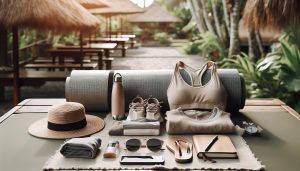
Start with the basics of your yoga practice. A sturdy yoga mat is non-negotiable, as it provides the foundation for your sessions, ensuring comfort and grip. Don’t forget to include a set of comfortable clothes designed specifically for yoga-choose breathable fabrics that allow for a full range of motion. Consider bringing a light shawl or blanket for meditation or relaxation sessions. For those who enjoy personalizing their practice, yoga props such as blocks, straps, and bolsters can be incredibly beneficial.
Alongside your practice essentials, prioritize wellness items that enhance your self-care routine. Pack personal hygiene items like biodegradable soap, essential oils for aromatherapy, and a reusable water bottle to maintain hydration. Natural skincare products will not only nourish your skin but can also create a spa-like experience during the retreat. Finally, include a journal for reflections and insights gained throughout the experience-you’ll want a space to document your thoughts and discoveries post-practice.
Additionally, consider your leisure time outside of yoga. A good book or a sketch pad can offer relaxation during downtime, while light snacks can keep your energy up between sessions. If your retreat includes hiking or outdoor activities, remember appropriate gear like sturdy shoes and sun protection. Packing mindfully allows you to focus on your journey toward wellness, making it easier to immerse yourself in the restorative practices your retreat will offer.
Tips for Maintaining Your Practice After the Retreat
After an immersive yoga retreat, the challenge often lies in carrying the tranquility and practices into your everyday life. To ensure that the benefits of your retreat linger long after you’ve returned home, consider establishing a consistent practice routine that resonates with your retreat experience. This may involve setting aside specific times each day dedicated solely to yoga and meditation, just as you would during a retreat. By creating sacred time slots in your calendar, you serve as a reminder of the commitment you made to yourself while away.
One effective strategy is to keep your practice space inviting and inspiring. Set up a dedicated area in your home, enhanced with calming elements like candles, plants, or artwork that speaks to you. Stock the space with your yoga tools-like mats and props-so you can easily transition into your practice whenever the mood strikes. This will not only encourage consistency but also evoke the peaceful feelings associated with your retreat. You might also consider incorporating a daily mindfulness practice, such as journaling about your experiences or setting intentions each morning, to deepen your connection to the work you did.
In addition to maintaining a personal practice, engaging with a community can further anchor your routine. Look for local studios that align with the styles you enjoyed during your retreat or find online classes that suit your schedule. Frequenting community classes fosters a sense of belonging and accountability among fellow yogis, which can help you stay motivated. Furthermore, participating in monthly workshops or retreats can provide fresh inspiration and renew your commitment to your practice.
Lastly, encourage integration by reminding yourself of the lessons learned during your retreat. Consider creating a vision board or list highlighting key insights, affirmations, or goals. Regularly revisiting these reminders can guide your actions and reinforce your commitment to wellness. By incorporating these practices into your daily life, you can foster a continued sense of peace and connection that enhances your overall well-being long after the retreat ends.
Faq
Q: How can I choose the best location for my DIY yoga retreat?
A: To choose the best location for your DIY yoga retreat, consider factors like accessibility, natural surroundings, and available amenities. Look for serene settings that inspire relaxation and offer spacious facilities for yoga sessions. Research local climate and cultural areas that enhance your retreat’s theme for an immersive experience.
Q: What are the key elements to include in a DIY wellness escape?
A: Key elements of a DIY wellness escape include structured daily schedules, engaging workshops, healthy meal planning, and designated relaxation times. Incorporate mindfulness practices and ensure your setting promotes tranquility through nature or calming decor. Prioritize guest experience by balancing activities with ample downtime for personal reflection.
Q: How do I budget effectively for my own yoga retreat?
A: Budgeting for your yoga retreat involves estimating costs for accommodation, food, activities, and promotional efforts. Factor in unexpected expenses and set aside a contingency fund. Use budgeting tools or spreadsheets to track your projected versus actual costs to ensure financial feasibility throughout the planning process.
Q: What activities can enhance a DIY yoga retreat experience?
A: Activities that enhance a DIY yoga retreat include guided meditation sessions, nature walks, creative workshops, and holistic health treatments like massages. Integrate fun, engaging workshops to balance mindfulness with creativity, ensuring attendees leave with both mental and physical wellness experiences.
Q: What should I pack for a successful DIY yoga retreat?
A: For a successful DIY yoga retreat, pack essentials such as yoga mats, comfortable clothing, personal hygiene products, and journal supplies for reflection. Don’t forget items that promote relaxation, like essential oils or calming playlists. Consider the climate and planned activities when finalizing your packing list.
Q: How can I maintain the benefits of my yoga retreat once it’s over?
A: To maintain the benefits from your yoga retreat, establish a consistent practice routine with set times for yoga and meditation. Incorporate learnings from the retreat into your daily life, like mindful eating or journaling. Networking with retreat attendees can also provide ongoing support and motivation.
Q: Why is marketing important for a DIY yoga retreat?
A: Marketing is essential for a DIY yoga retreat to reach your target audience and fill your spots. Utilize social media platforms, newsletters, and local wellness communities to promote your retreat. Create compelling content that highlights unique aspects, while ensuring SEO optimization to attract more participants.
Q: How can I create a relaxing atmosphere for my yoga retreat?
A: Create a relaxing atmosphere by selecting calming decor, using soft lighting, and incorporating natural elements like plants or water features. Arrange spaces to encourage tranquility and privacy, and consider background music or ambient sounds that promote relaxation during yoga sessions and mindfulness activities.
In Retrospect
As you embark on the journey of creating your own yoga retreat with the insights from “How to Make Your Own Yoga Retreat: DIY Wellness Escape Plan,” remember that the key ingredients are intention, planning, and authenticity. Take the leap now and explore your options, as the perfect wellness escape awaits! If you’re eager for more tips on wellness travel or need help with logistics, check out our guides on destination planning and maintaining routines while traveling.
Join our community by signing up for our newsletter to stay inspired and informed about the latest retreats and wellness trends. Your next adventure in mindfulness and wellness is just a plan away-let’s make it happen! Share your thoughts or experiences in the comments below; we love hearing from fellow wellness enthusiasts!
Get our latest guides, news, and insights highlighted in your Google Search & AI Overviews.