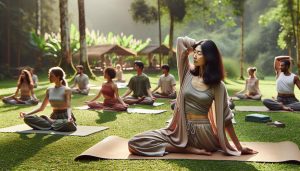
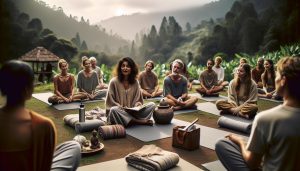
Imagine a serene escape where you and your friends can rejuvenate both body and mind, all while deepening your relationships. Planning a group yoga retreat is not just about practicing poses together; it’s an incredible opportunity for transformation, connection, and personal growth. Whether you’re a seasoned yogi or new to the practice, this journey fosters mindfulness, enhances overall well-being, and creates lasting memories. In this guide, we will explore essential tips and strategies for organizing a successful group retreat that prioritizes everyone’s needs, promotes harmony, and encourages collective wellness. Discover how to turn your shared desires for relaxation and rejuvenation into a rewarding experience that unites friends in a transformative journey. Ready to step onto the path of connection and empowerment? Let’s dive in!
Understanding the Benefits of a Yoga Retreat Experience
Participating in a yoga retreat offers a transformative experience that extends far beyond the physical practice of yoga itself. It serves as an opportunity for individuals to step away from their daily routines and immerse themselves in an environment dedicated to relaxation, reflection, and personal growth. Studies show that exposure to new surroundings and focused mindfulness can foster emotional healing and a clearer mind, encouraging practitioners to reconnect with their intentions and aspirations.
One of the most significant benefits of attending a yoga retreat is the chance to deepen one’s practice under the guidance of experienced instructors. Participants often find themselves engaged in a diverse range of yoga styles and complementary practices that may not be available in their usual routines. This exploration helps to enhance their skills while nurturing a holistic understanding of wellness. The supportive environment of a retreat setting also encourages connections among attendees, fostering bonds that can lead to lasting friendships and a sense of community.
In addition to physical and social benefits, yoga retreats often focus on mental well-being. Many retreat programs incorporate mindfulness practices such as meditation, breathwork, and journaling, creating a structured space for participants to explore their emotions and thoughts. This blend of physical activity and mental introspection aids in stress reduction and cultivates a sense of present-moment awareness, essential for personal development. By investing time in a retreat, individuals not only rejuvenate their bodies but also set the foundation for sustained well-being long after returning home.
Ultimately, a yoga retreat serves as a powerful catalyst for change and connection, inviting individuals to embark on a journey of self-discovery, support, and renewed purpose. Whether it’s addressing stress, seeking deeper connection with others, or simply desiring a break from the everyday hustle, these experiences leave a lasting impact on those who participate.
Choosing the Perfect Location for Your Group Retreat
Choosing the right location for a group retreat can significantly enhance the experience for participants, shaping both the atmosphere and the overall impact of the event. Ideal retreat venues should not only provide a serene environment conducive to relaxation and self-discovery but also offer amenities and features that support the goals of the retreat. With a few essential considerations, you can ensure that your chosen location resonates with the group’s needs and enhances their journey.
One of the fundamental aspects to evaluate is the natural setting. Locations surrounded by nature-be it coastal, mountainous, or forested-can foster tranquility and connection to the environment. Being in a peaceful setting encourages personal reflection and mindfulness, which are vital components of a yoga retreat. Additionally, consider accessibility; a remote location may enhance retreat goals but should still be reachable for participants traveling from various locations. Providing clear directions and ensuring that nearby transport options exist can alleviate potential travel anxieties.
Beyond ambiance, amenities will play a crucial role in the retreat’s effectiveness. Look for facilities that include spacious yoga studios, comfortable accommodations, and communal spaces where participants can gather and share experiences. Catering options should also align with wellness goals-offering nutritious, locally-sourced meals can enhance participants’ well-being while promoting a healthy lifestyle. If possible, choose a venue that also incorporates elements of sustainability, as this aligns with the ethos of many yoga practices.
Furthermore, consider what additional activities or amenities the location can offer. Environments that provide opportunities for outdoor adventures, such as hiking or swimming, can enrich the experience and allow for bonding opportunities outside yoga sessions. Including local cultural experiences can also add depth to the retreat, providing participants a chance to engage with the community and learn something new.
Ultimately, the perfect location will create a supportive framework for growth and connection among participants, aiding in their transformative journey. Prioritize venues that not only meet logistical requirements but also inspire and uplift, setting the tone for a truly memorable retreat.
Essential Planning Steps for a Successful Retreat
Planning a successful yoga retreat requires meticulous attention to detail and a clear understanding of your audience’s needs. Begin by defining the overall purpose of the retreat. Is it relaxation, rejuvenation, or perhaps a deeper exploration of yoga practices? Establishing a clear intention will guide your decisions around activities, themes, and locations, setting a cohesive tone for the entire experience.
Next, create a comprehensive checklist that outlines critical tasks leading up to the retreat. Consider the following key steps:
- Establish a timeline: Map out deadlines for securing the venue, promoting the event, and finalizing the schedule. Typically, allow at least three to six months for planning, depending on the scale of the retreat.
- Choose the right team: Involve fellow instructors or coordinators who can assist in executing the logistics, sharing responsibilities around leading classes, and organizing additional activities.
- Create an engaging schedule: Balance yoga sessions with opportunities for community-building and personal reflection. Include workshops, meditation sessions, and free time for participants to explore or rest.
- Budgeting: Outline all anticipated costs, including venue rental, food, accommodations, and marketing efforts. Be realistic in your estimates to prevent overspending.
- Promotion: Craft a compelling promotional strategy by utilizing social media, email newsletters, and your website. Highlight special features of the retreat to attract participants.
Additionally, engaging participants before arrival can enhance their investment in the retreat. Consider sending pre-retreat materials or resources that encourage them to prepare mentally and logistically. This might include worksheets for self-reflection, packing lists, or suggested readings related to the retreat theme.
Lastly, remain adaptable to changes. Flexibility in planning will allow you to respond effectively to unforeseen circumstances, whether it’s a last-minute schedule change, dietary needs, or participant inquiries. By establishing a clear structure while maintaining an openness to adjustments, you’ll create a supportive and nourishing environment that fosters growth, connection, and transformation.
Crafting an Inspiring Retreat Schedule
Creating a well-structured and inspiring retreat schedule can profoundly impact the overall experience of participants. A thoughtfully arranged timetable ensures not only that each day flows seamlessly but also allows for meaningful engagement with the core themes of the retreat. Balancing yoga practice with community-building activities, personal time, and exploration fosters a transformative environment where participants can fully immerse themselves in the experience.
To lay the groundwork for an engaging schedule, consider the rhythm of the day. Mornings can be dedicated to invigorating yoga sessions that awaken the body and spirit, followed by nourishing breakfasts that encourage connections among participants. Taking into account participants’ varying experience levels, include options like gentle yoga, meditation, or even workshops that dive deeper into specific practices or philosophies related to yoga.
Sample Daily Schedule
| Time | Activity |
|---|---|
| 7:00 AM – 8:00 AM | Sunrise Yoga Session |
| 8:00 AM – 9:00 AM | Nourishing Breakfast |
| 9:30 AM – 11:00 AM | Workshop: Exploring Meditation Techniques |
| 11:30 AM – 1:00 PM | Free Time / Nature Walk |
| 1:00 PM – 2:00 PM | Lunch |
| 2:30 PM – 4:00 PM | Afternoon Restorative Yoga |
| 4:30 PM – 6:00 PM | Group Discussion: Personal Growth Insights |
| 6:30 PM – 7:30 PM | Dinner |
| 8:00 PM – 9:00 PM | Evening Campfire & Reflection |
Incorporating themes for each day can enhance the participants’ journey, allowing them to either focus on particular aspects of yoga-such as mindfulness, strength, or balance-or delve deeper into self-exploration topics like intention setting or emotional release. Adding engaging activities beyond yoga, such as group discussions, cooking classes, or creative arts, can also develop connections among friends and foster a sense of community.
Lastly, always allow for flexibility within the schedule. While structure is key, some participants may benefit from additional free time or alternative sessions that suit their personal needs. Encouraging feedback during the retreat can further enhance the experience, allowing participants to feel valued and heard while collectively shaping their journey. By crafting a dynamic and thoughtful schedule, you create an enriching environment that nurtures transformation and connection among participants.
Engaging Activities Beyond Yoga for Connection
Building a strong community during a yoga retreat goes beyond the mats; it involves shared experiences that foster connection and trust among participants. Incorporating engaging activities outside of yoga sessions can significantly enrich relationships and enhance the overall transformational experience. By including diverse, interactive elements, you provide participants with opportunities to bond in unique and memorable ways.
Interactive Workshops
Consider hosting interactive workshops that encourage creativity and self-expression. Activities such as painting, pottery, or journaling allow participants to explore their inner selves while collaborating with others. These sessions promote open dialogue and strengthen bonds as attendees share their thoughts and creations. For instance, a guided journaling session focused on personal growth themes can inspire meaningful conversations that deepen connections.
Nature Immersion Activities
Utilizing the natural surroundings enhances the retreat experience. Organize group hikes, nature walks, or outdoor meditation sessions to immerse participants in the calming effects of nature. Such activities encourage participants to share stories and reflect collectively. A guided forest bathing experience, for example, allows for tranquility and connection as individuals engage with both the environment and each other while promoting mindfulness and relaxation.
Cooking Classes and Shared Meals
Food is a universal connector. Organize cooking classes where participants can learn to prepare healthy meals together. This not only teaches valuable skills but also creates a sense of teamwork and enjoyment. Sharing meals, especially those prepared as a group, allows for further social interaction and community building. Each meal can be a chance to highlight local ingredients, reinforcing themes of wellness and sustainability while creating a shared experience.
Evening Campfire Discussions
Incorporating evening gatherings around a campfire can foster a relaxed and intimate atmosphere. Use this time for storytelling, sharing personal experiences, or engaging in guided discussions around topics of transformation and self-discovery. The warmth of the fire and the openness of the environment encourage participants to express themselves more freely, strengthening communal ties and reinforcing the retreat’s supportive atmosphere.
Incorporating these activities not only adds vibrancy to the retreat but also ensures that participants leave with lasting connections and shared memories, enhancing their overall journey of transformation. This comprehensive approach creates an enriching environment that nourishes both personal growth and community bonds, laying the foundation for lasting friendships.
Budgeting Wisely: Costs and Considerations
When organizing a group yoga retreat, one of the crucial elements to consider is the budget. Proper budgeting ensures that you deliver a meaningful experience without financial strain. Carefully evaluating costs can help transform an idea into a reality, enabling participants to focus more on their wellness journey than on monetary concerns. It’s essential to break down the various components involved to create a well-rounded financial plan that accommodates everyone’s needs.
Identifying Core Expenses
As you begin to draft your budget, it’s important to identify the core expenses associated with the retreat. Common categories include:
- Location and Venue: Rent costs vary significantly based on the type of accommodation-whether it’s a luxury resort or a cozy cabin. Research venues that align with your vision and gather quotes early in the planning process.
- Food and Beverages: Nourishing meals are essential for energy and well-being. Decide if meals will be catered or if participants will share cooking responsibilities, affecting overall costs.
- Yoga Instruction: Hiring qualified instructors may be one of your largest expenses. Evaluate their experience and consider whether you’ll need multiple instructors for various yoga styles.
- Activities and Workshops: Additional engagement through nature immersion activities or creative workshops should factor into your budget.
- Transportation: If the retreat location requires travel, calculate costs for group transport or provide guidelines for carpooling.
Creating a Financial Cushion
In addition to core expenses, it’s prudent to create a financial cushion for unexpected costs. Even well-planned retreats can incur surprise expenses, such as last-minute venue changes or additional supplies for activities. Setting aside 10-15% of your total budget as a contingency fund can help absorb unforeseen expenses without stress.
Funding and Promotion Strategies
To ensure your retreat is financially viable, explore different funding strategies. Consider tiered pricing for participants based on accommodation options or early-bird discounts to encourage early sign-ups. You can also enhance financial support by:
- Collaborating with local businesses for sponsorships or discounts in exchange for advertising.
- Using social media platforms to promote the retreat, highlighting unique experiences that justify the cost.
- Establishing a referral program where participants receive discounts for attracting new friends.
Setting clear financial expectations from the outset will help ensure participants feel confident in their investment. By effectively planning and promoting the financial aspects of your retreat, you can create an enriching experience that nurtures both individual growth and community bonding.
How to Promote Your Group Yoga Retreat
When planning to promote a group yoga retreat, it’s crucial to craft a compelling narrative that resonates with potential participants. The key to successful promotion lies in effectively communicating the transformative benefits of the retreat beyond just yoga practice, emphasizing personal growth, connection, and relaxation in a serene environment. Sharing testimonials from past participants can reinforce the value of the experience, showcasing how participants have forged deeper connections with themselves and others through the retreat’s offerings.
Utilizing a multi-channel marketing strategy will enhance your outreach efforts. Social media platforms such as Instagram and Facebook are ideal for sharing vibrant imagery and engaging content about your retreat. Create visually appealing posts that highlight the beautiful location, daily activities, and nourishing meals, along with eye-catching videos of yoga sessions and testimonials. Additionally, consider using stories and reels to capture real-time engagement and behind-the-scenes glimpses of what attendees can expect. Regularly updating your community through a newsletter can keep interest alive, providing valuable insights and reminders about important dates, such as early-bird registration deadlines.
Another effective approach is utilizing partnerships with wellness influencers or local businesses that align with the retreat’s values. Collaborating with these entities can help spread awareness to a broader audience and lend credibility to your offering. Offering gift vouchers or discounts for classes at local studios can create additional routes for promotion. Hosting a pre-retreat event, such as a free community yoga class or meditation workshop, not only generates buzz but also allows potential participants to connect with you personally, experiencing your teaching style and the benefits in advance.
Finally, creating a dedicated website or landing page for your retreat serves as a central hub for information, including the retreat’s schedule, pricing, and sign-up details. Optimize this page for search engines to attract organic traffic. Incorporate an engaging blog section to share tips on wellness travel, packing essentials, or mindfulness practices, further establishing your expertise and keeping the audience engaged before the retreat even begins.
Accommodations and Logistics for Group Stays
Accommodating a group for a yoga retreat involves careful consideration of logistics, comfort, and communal experience. When selecting accommodations, prioritize whether to choose a dedicated retreat center, a hotel, or a shared house. Each option offers unique benefits: a retreat center typically provides an all-inclusive atmosphere tailored for wellness, while hotels can offer more flexible arrangements and amenities. Alternatively, renting a large house can foster a homely environment, ideal for encouraging close-knit bonding among participants.
When planning logistics, make sure to book accommodations that can comfortably house all attendees, with options for shared rooms or individual spaces depending on their preferences. Create a spreadsheet to track availability, costs, and amenities, which helps in making informed decisions. Ensure the venue has adequate spaces for yoga sessions, relaxation, and group activities, as well as facilities for dining and communal gatherings. An ideal setup includes natural light and outdoor spaces for a more immersive experience with nature.
Navigating transportation is another crucial aspect. Decide whether you will arrange group transport from a central location or guide participants on how to reach the venue. If participants are traveling from different locations, consider ensuring that the retreat’s schedule allows for seamless arrivals and departures, potentially utilizing carpooling options or shuttle services for ease.
Lastly, think about the additional comforts that can enhance the stay. These might include wellness-focused amenities such as spa services, nearby walking trails, or relaxation areas. Providing a welcome package with essentials, local maps, and schedules will also help participants feel settled and connected from the moment they arrive. By paying attention to these details, accommodations and logistics can significantly elevate the overall retreat experience, allowing for deeper transformation and connection among friends.
Creating a Wellness-Focused Menu for Retreat Participants
Creating a wellness-focused menu is essential in enhancing the overall experience of a yoga retreat, as food not only nourishes the body but also plays a pivotal role in setting the tone for relaxation and mindfulness. A thoughtfully curated menu can foster a sense of community among participants while supporting their journey towards wellness and transformation. It’s important to consider the diverse dietary preferences and restrictions of your group. Offering a variety of options encourages inclusivity and respects individual choices.
A good starting point is to focus on whole, natural foods that are rich in nutrients. Here’s an outline to guide you in crafting a menu that resonates with the theme of wellness:
Menu Planning Essentials
- Balanced Nutritional Focus: Incorporate a mix of macronutrients-carbohydrates, proteins, and fats. Aim for meals that include fresh fruits, vegetables, whole grains, lean proteins (like legumes, tofu, or fish), and healthy fats (such as avocados, nuts, and seeds).
- Seasonal and Local Ingredients: Whenever possible, use seasonal and locally sourced ingredients. This not only supports local farmers but also ensures freshness and enhances flavor.
- Mindful Eating Practices: Encourage participants to engage in mindful eating by creating an inviting dining atmosphere. Consider serving meals family-style to promote sharing and connection.
Sample Menu Ideas
To give you a better sense of what a wellness menu might look like, here’s a sample offering for a day at your retreat:
| Meal | Menu Options |
|---|---|
| Breakfast | Green smoothie bowls topped with granola, chia seeds, and fresh berries; mixed fruit salad; herbal teas. |
| Lunch | Quinoa salad with roasted vegetables, chickpeas, and tahini dressing; a side of mixed greens with lemon vinaigrette. |
| Dinner | Grilled salmon with a side of steamed asparagus and brown rice; vegan stuffed bell peppers; a light dessert of coconut yogurt with honey. |
| Snacks | Raw veggie platter with hummus; mixed nuts; herbal infusions. |
By crafting a menu that emphasizes wellness through nutritious ingredients and mindful presentation, retreat participants can indulge while nurturing their spirits and fostering connections. These meals support not just physical well-being but also create a shared experience that enhances the overall intention of the retreat-a transformative journey towards health and togetherness.
Incorporating Mindfulness Practices into Your Retreat
To enhance the transformative experience of a yoga retreat, incorporating mindfulness practices plays a crucial role in deepening the participants’ connection with themselves and each other. Mindfulness cultivates a sense of presence and awareness, allowing attendees to fully engage in the retreat’s activities while fostering a supportive and compassionate atmosphere. This can be achieved through various practices that encourage participants to slow down, reflect, and immerse themselves in the moment.
One effective way to integrate mindfulness is through scheduled meditation sessions at the beginning or end of each day. These sessions can include guided meditations focused on themes like gratitude, self-compassion, or intention-setting. Such mindfulness practices not only help participants center themselves but also lay the groundwork for a shared journey. Additionally, offering workshops on techniques such as mindful breathing can empower participants to utilize these tools beyond the retreat, enhancing their overall well-being.
Mindful Walking and Nature Immersion
Engaging with nature can amplify mindfulness experiences. Organizing mindful walking sessions-where participants pay close attention to their surroundings, breathing, and bodily sensations-encourages them to connect profoundly with the natural environment. Consider planning hikes or forest bathing sessions that promote awareness of sounds, sights, and smells. These activities foster a collective appreciation for nature while reinforcing the mindfulness theme of your retreat.
Creating Intention Circles
Facilitating intention circles during the retreat creates unique opportunities for participants to express their aspirations and share their journeys. This can take place in a cozy setting, where each person takes a moment to speak about what they hope to gain or contribute during the retreat. Such rituals not only enhance individual mindfulness but also build community and trust amongst participants, forming bonds that can last beyond the retreat.
Incorporating these mindfulness practices into your retreat can transform the experience, allowing participants to return to their daily lives with renewed clarity, connection, and a deeper understanding of themselves.
Building Community: Facilitating Bonding Among Friends
Creating deep, lasting connections among friends during a yoga retreat can significantly enhance the transformative experience. Retreats offer an ideal environment for fostering bonds that may have weakened over time or been overshadowed by everyday distractions. As participants engage in shared activities, they not only practice yoga together but also create memories that strengthen their friendship. A well-crafted retreat can unlock an extraordinary level of camaraderie and support among participants, making every moment spent together feel meaningful.
One effective strategy for building community is integrating collaborative workshops or group discussions into the retreat schedule. By encouraging participants to share their intentions and narratives in a safe space, you foster an environment of openness. For example, holding sharing circles where individuals express their thoughts can lead to vulnerability and connection. Creating activities that require teamwork, such as paired yoga sessions or group challenges, can also help solidify relationships. When friends work together toward a common goal, whether it’s mastering a challenging posture or completing a group meditation session, it promotes a shared sense of achievement and support.
Engaging in social activities that go beyond yoga can further enhance bonding. Consider organizing evening gatherings around a campfire, where participants can share stories or enjoy light-hearted games. These relaxed environments facilitate genuine interactions that might not occur in a more structured setting. Additionally, culinary activities, such as cooking classes focusing on healthy meals, can serve as both educational experiences and social platforms. When friends collaborate on meal preparation, they bond over shared tasks while learning about nutritious eating habits that complement their wellness journey.
Finally, encourage participants to engage in gratitude practices during the retreat. Setting aside time for individuals to express appreciation for each other can deepen connections. This could be as simple as taking turns sharing what they admire about each other or writing gratitude notes; both methods cultivate an atmosphere of positivity and mutual respect. Developing community through these mindful practices enhances the retreat experience, enabling friendships to flourish long after the participants return home.
Post-Retreat: Maintaining Connections and Growth
Maintaining connections after a yoga retreat is essential for transforming the rich experiences shared into lasting friendships and personal growth. The retreat environment fosters openness, vulnerability, and community, but translating that into everyday life can be a challenge. A few strategic approaches can help keep the retreat spirit alive long after the final om has been uttered.
One effective method is to establish a post-retreat communication plan. Creating a group chat or a dedicated social media group allows participants to share reflections, resources, and continued support. Regular virtual check-ins, whether via video calls or simple text updates, can help participants articulate their journeys, celebrate milestones, and offer encouragement. This ongoing dialogue can maintain the bonds formed during the retreat, providing each member with a sense of accountability and connection.
Incorporating regular group activities can also aid in maintaining momentum. Schedule monthly yoga sessions or wellness workshops, either in-person or online, to keep the practices alive. Sharing goals related to personal growth, whether they’re fitness targets or mindfulness practices, can keep everyone motivated. The idea is not just to reconnect but to grow together, fostering a sense of communal progress that links past experiences with future aspirations.
Another valuable strategy is to encourage the continuation of practices introduced during the retreat, such as journaling or meditation. Participants can share prompts or themes each month, allowing for personal reflection while also providing common ground to discuss during check-ins. This reinforces the core principles learned at the retreat and integrates them into daily life, ensuring that the retreat’s impact resonates well beyond its conclusion.
Lastly, consider creating a shared resource library that includes recommended readings, podcasts, or online classes related to yoga and wellness. This not only enriches the individual journeys but also ignites conversations that inspire deeper connections. By making a concerted effort to engage with one another regularly and support personal growth, participants can effectively bridge the gap between the transformative retreat experience and their everyday lives.
FAQ
Q: What is the best time of year to plan a group yoga retreat?
A: The best time to plan a group yoga retreat typically aligns with your participants’ availability and the destination’s climate. Spring and fall are often ideal for mild weather and natural beauty, which enhances outdoor activities and relaxation. Consider local holidays and peak tourist seasons to avoid crowds.
Q: How do I choose a yoga style that suits my group for the retreat?
A: To choose a yoga style for your retreat, assess the skill levels and preferences of your group. Options such as Hatha for beginners, Vinyasa for a more dynamic experience, or Yin for relaxation can cater to diverse needs. Offering a variety of styles can enhance the experience.
Q: What amenities should I look for in a retreat venue?
A: When choosing a retreat venue, look for amenities like adequate yoga space, comfortable accommodations, wellness facilities (such as spas), nutritious food options, and nearby natural attractions. Additionally, consider accessibility to ensure all group members can participate comfortably.
Q: How can I ensure that my yoga retreat meets everyone’s needs?
A: To ensure your yoga retreat meets everyone’s needs, conduct a survey before planning. Gather information on participants’ dietary preferences, fitness levels, and specific interests. This will help tailor the schedule and activities, providing a fulfilling experience for all.
Q: What are some effective ways to market a group yoga retreat?
A: Effective marketing strategies for a yoga retreat include creating a dedicated website or landing page, leveraging social media platforms, and utilizing email marketing. Engaging content like blogs about yoga benefits can attract interest. Consider offering early-bird discounts to motivate sign-ups.
Q: How can I incorporate meditation into a yoga retreat schedule?
A: Incorporate meditation into your retreat schedule by setting aside specific times each day, such as early morning or before meals. Offer guided sessions focusing on different techniques like mindfulness or loving-kindness meditation, providing variety and appeal to all participants.
Q: What should I include in a welcome packet for retreat participants?
A: A welcome packet can enhance your retreat experience by including an itinerary, details about amenities, health and safety guidelines, and a list of local attractions. Adding personalized elements like a welcome note can foster a sense of community among participants.
Q: How can I measure the success of a group yoga retreat?
A: To measure the success of your yoga retreat, collect feedback through surveys or informal discussions after the event. Evaluate participation levels in activities, overall satisfaction ratings, and any connections formed among participants. This data will inform future retreats and enhance your planning process.
Concluding Remarks
As you embark on the rewarding journey of planning a group yoga retreat, remember that the power of shared transformation can deepen connections and inspire lasting change. By focusing on collective experiences, you create a space where friendships flourish and wellness thrives. Don’t hesitate to explore essential resources that will guide you further, such as our articles on effective retreat marketing strategies and destination selection.
Ready to take the plunge? Start today by downloading our comprehensive retreat planning checklist, which will streamline your preparations and help ensure a successful event. Share your retreat experiences in the comments below, and connect with others on the same path. For more insights into wellness travel and group dynamics, check out our resources on maintaining routines while exploring new locations. Your adventure awaits-transform not just yourself but everyone around you!
Get our latest guides, news, and insights highlighted in your Google Search & AI Overviews.