Planning a yoga retreat can be an incredibly rewarding endeavor, not only for the instructor but also for attendees seeking respite from their daily lives. With the growing popularity of wellness travel, more people are eager to deepen their practice while exploring new destinations. However, organizing a successful retreat involves careful planning and consideration of various logistics, from selecting the right location to crafting a balanced schedule that fosters relaxation and personal growth. This guide will provide you with a step-by-step success formula, highlighting key strategies to ensure your retreat meets the needs and expectations of your participants. Whether you’re a seasoned yoga teacher or exploring this opportunity for the first time, understanding the essentials of retreat planning will empower you to create an unforgettable experience. Let’s dive into the details that will make your yoga retreat both successful and transformative.
Understanding the Basics of a Yoga Retreat
A yoga retreat offers participants an immersive experience that goes beyond the typical yoga class, providing a dedicated space for self-exploration, community connection, and rejuvenation. Attendees often seek these retreats as a way to deepen their practice, embark on a personal journey of wellness, or simply escape the stresses of daily life. Understanding the fundamentals of a yoga retreat is essential for organizers and participants alike, as it sets the tone for a transformative experience.
At its core, a yoga retreat combines regular yoga practice with an environment that fosters relaxation, introspection, and connection with nature. The retreat usually spans several days, allowing for ample time to engage in various styles of yoga, meditation, and wellness workshops. This duration enables participants to let go of everyday distractions and experience a profound sense of calm and clarity. The integration of healthy meals, group activities, and opportunities for personal reflection enhances this journey, helping attendees cultivate a sense of balance and well-being.
To ensure that a retreat meets the diverse needs of participants, it is crucial to incorporate a variety of offerings. These might include beginner to advanced classes, breathwork sessions, guided meditations, and opportunities for informal discussion. Variety not only caters to different skill levels but also encourages a holistic approach to wellness. Additionally, understanding the demographic and preferences of attendees can aid in crafting a program that resonates with their aspirations and intentions, making it a truly memorable experience.
Moreover, the setting of a yoga retreat plays a pivotal role in its success. Environments that are serene, scenic, and equipped with the needed facilities contribute significantly to the participants’ satisfaction and rejuvenation. Whether nestled in the mountains, by the ocean, or within a serene countryside, the location should enhance the overall theme of relaxation and reconnection both with oneself and the environment.
Key Elements for a Successful Yoga Retreat
Creating a truly enriching yoga retreat requires careful consideration of various elements that foster an atmosphere of peace, connection, and transformation. A successful retreat isn’t just a sequence of yoga classes; it’s an immersive experience designed to promote personal growth and holistic wellness. Here are several key components that play a significant role in making your retreat memorable.
To start, a clear theme is essential. This could focus on specific aspects of yoga, such as mindfulness, self-healing, or building strength and flexibility. Having a defined theme helps tailor the activities and presentations, making them more meaningful to participants. Diverse programming is also crucial. Incorporate a mix of yoga styles, meditation sessions, breathwork, and workshops that address holistic wellness topics like nutrition or stress management. By catering to various interests and skill levels, you create a more inclusive environment that encourages deeper personal exploration.
Another critical factor is the quality of instructors and facilitators. Skilled and compassionate teachers not only guide the physical practice but also nurture the emotional and spiritual aspects of yoga. Consider bringing in local experts for workshops or collaborations, enhancing the authenticity and richness of the experience. This provides attendees with the opportunity to deepen their practice while fostering a sense of community among participants.
Furthermore, attention to logistics can make or break a retreat. Ensure that the schedule allows for ample relaxation, meal times, and personal reflection. Too many activities crammed into a day can lead to burnout, counteracting the retreat’s purpose. Additionally, invest in quality accommodations and amenities, as these affect participants’ comfort and overall satisfaction. A serene setting, healthy food options, and comfortable lodging contribute significantly to the rejuvenation process.
Lastly, communication and marketing strategies are crucial for attracting attendees and setting clear expectations. Share detailed information about the retreat’s offerings, including daily schedules, teacher profiles, and the intended outcomes. Engaging potential participants through social media, informational webinars, or open Q&A sessions can build interest and foster a sense of community even before the retreat begins.
By carefully considering these elements, organizers can create a yoga retreat experience that resonates deeply with participants, promoting growth, healing, and lasting connections. The integration of these comprehensive strategies ensures that your retreat is not only successful but also transformative for everyone involved.
Selecting the Ideal Location for Your Retreat
Selecting the right environment for a yoga retreat is pivotal, as the location can deeply influence the overall experience and effectiveness of the retreat. An ideal venue does more than just provide a space for yoga practice; it fosters a conducive atmosphere for relaxation, exploration, and personal growth. This environment should resonate with the theme of the retreat, whether that be tranquility, adventure, or connection with nature.
When assessing potential locations, consider the following key factors:
- Accessibility: Participants will appreciate a retreat that is easy to reach, whether that means proximity to major airports or access to reliable transport options. Ensuring that your chosen destination is convenient minimizes stress and maximizes attendees’ ability to immerse themselves in the experience from the moment they arrive.
- Natural Surroundings: Seek locations that showcase the beauty of nature, whether it’s beachside, mountains, or lush forests. Natural backdrops not only enhance the aesthetic of the retreat but also provide a sensory connection that can elevate the practice of yoga and meditation.
- Space and Facilities: Verify that the venue has adequate space for various activities. This includes yoga studios, breakout rooms for discussions or workshops, and quiet areas for reflection. Consider the types of amenities available, such as healthy meal options, comfortable accommodations, and outdoor spaces for exercises or group activities.
- Climate: It’s crucial to evaluate the local weather patterns to ensure that the season aligns with your intended activities. A serene and pleasant climate can enhance outdoor practices, while unpredictable weather may lead to discomfort and disrupt the intended flow of the retreat.
A good example of thoughtful location selection is retreats held in coastal areas, where participants can seamlessly transition from yoga on the beach to guided meditations by the water. Such settings encourage a harmonious balance between movement and reflection, allowing attendees to connect more profoundly with their practice and the environment around them.
In summary, when determining the ideal location for a yoga retreat, it’s essential to prioritize factors that will enhance the participants’ experiences and facilitate the retreat’s goals. Choosing a venue that aligns with the overall theme, offers tranquility, accessibility, and promotes holistic well-being will undoubtedly contribute to a transformative experience for all involved.
Crafting a Comprehensive Retreat Itinerary
Designing a well-structured itinerary for a yoga retreat is paramount to creating a memorable experience. An effective itinerary not only guides attendees through daily activities but also fosters a sense of flow and connection among participants. Balancing yoga sessions, personal time, and engaging workshops is essential; this allows for both physical engagement and spiritual reflection.
To begin crafting a comprehensive itinerary, consider these key components:
- Daily Yoga Sessions: Schedule multiple yoga classes each day, incorporating a variety of styles (such as Hatha, Vinyasa, or Yin) to cater to different experience levels. Morning sessions can be energizing, while evening practices might focus more on relaxation.
- Workshops and Discussions: Intentionally include workshops that delve into topics such as mindfulness, nutrition, or the philosophy of yoga. These sessions should encourage interaction and exploration, allowing participants to deepen their understanding of yoga and its benefits.
- Free Time: Allocate ample free time for participants to rejuvenate. They might prefer to meditate, journal, explore the natural surroundings, or simply rest. This downtime is crucial for internal processing and individual growth.
- Meals and Nutrition: Plan daily meals that align with the retreat’s wellness focus. Consider offering locally sourced, nourishing foods that enhance the overall experience and connect attendees with the locale.
- Group Activities: Incorporate activities that foster connection among participants, such as guided nature walks, cultural excursions, or team-building exercises. These experiences can create lasting bonds and encourage community spirit.
As you draft the itinerary, aim for a rhythm that reflects the retreat’s overall theme. For instance, a retreat centered on meditation may prioritize quiet, contemplative sessions interspersed with gentle movement, while a retreat focused on physical prowess might feature more rigorous practices and fewer silent moments.
Finally, ensure that the itinerary is flexible. While structure is important, allowing for spontaneous moments can enhance the experience, letting participants adapt their schedules based on their needs and preferences throughout the retreat. A well-crafted itinerary not only keeps the event organized but also enriches the transformational journey of each attendee, making it a rewarding experience they will cherish long after returning home.
Essential Amenities and Accommodations for Attendees
Creating a transformative yoga retreat isn’t solely about the yoga practice; the experience is significantly enhanced through thoughtful accommodations and essential amenities. Providing a comfortable and supportive environment allows participants to fully engage in their journey towards wellness.
When selecting accommodations, it’s crucial to choose settings that reflect the retreat’s overall theme and purpose. Look for venues that offer serene environments, such as a beachfront villa, a mountain lodge, or a tranquil countryside retreat. Each participant should have their own personal space, whether that’s a private room or a shared accommodation, to facilitate rest and reflection. Comfortable bedding, quiet surroundings, and adequate ventilation contribute to a restful experience that is essential for yoga practice and personal growth.
In addition to comfortable lodging, consider providing essential amenities that cater to the holistic needs of attendees. This could include:
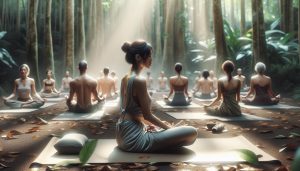
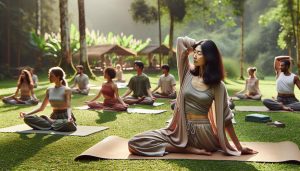
- Yoga and Meditation Spaces: Ensure dedicated areas for yoga and meditation that are equipped with mats, blocks, straps, and blankets. Outdoor options like gardens or beaches can enhance the connection to nature, while indoor studios should feel peaceful and inviting.
- Health and Nutrition: Schedule nutritious meals throughout the retreat, preferably focusing on organic ingredients. If possible, partner with local chefs or nutritionists to provide meals that align with health goals and dietary restrictions.
- Wellness Facilities: Incorporate amenities like a sauna, hot tub, or swimming pool, which can enhance relaxation and self-care. Access to massage or bodywork services should also be available to support physical well-being.
- Internet Access: While many people seek to disconnect, it’s helpful to provide Wi-Fi for those who may need it for personal or family reasons. A balance between digital detox and connectivity can cater to different preferences.
Finally, fostering a sense of community enhances the retreat experience. Organizing communal gatherings, such as welcome dinners or evening discussions, encourages interaction among participants. This can strengthen ties and align everyone toward common goals, making the retreat not just a personal journey but also a shared experience. A well-equipped retreat with thoughtful amenities will ensure participants feel nurtured, safe, and connected, ultimately enhancing their journey towards relaxation and renewal.
Marketing Your Yoga Retreat Effectively
Effectively promoting a yoga retreat is essential for attracting participants and ensuring a successful event. The marketplace for wellness travel is growing, making it increasingly important to distinguish your offering. Start by defining your target audience. Understanding who you want to attract-whether it’s beginners looking to unwind, experienced yogis wanting to deepen their practice, or specific demographics like corporate groups-will guide your marketing strategy.
Utilize multiple channels to reach this audience. Social media platforms such as Instagram and Facebook are effective for showcasing the serene settings and offerings of your retreat. Share visually appealing content, including photos of the accommodations, yoga spaces, and healthy meal options. Engaging storytelling can further connect potential attendees to the experience, allowing them to envision their transformative journey. Consider using video marketing-perhaps quick clips of past retreats or testimonials from attendees to build trust and excitement.
Leverage Email Marketing and Collaborations
Email marketing remains a powerful tool for communicating directly with interested parties. Create a mailing list from previous participants and interested inquiries. Send out newsletters featuring retreat details, early bird pricing, and special promotions. Offering discounts for group bookings can further incentivize attendees.
Collaborating with local wellness influencers or yoga instructors can amplify your reach. These partners can share your retreat with their followers, expanding your audience. Additionally, consider co-hosting events or workshops leading up to the retreat to build interest and community engagement.
Optimize Your Online Presence
Having a dedicated website or landing page for the retreat is crucial. This space should feature all relevant information, including the itinerary, pricing, instructor bios, and frequently asked questions. Implement Search Engine Optimization (SEO) techniques to ensure your retreat stands out in online searches. Use keywords that potential attendees may search for, such as “yoga retreat in [location].”
Create content that resonates with your audience, like blog posts on the benefits of yoga or personal testimonials. This not only positions your retreat as a valuable experience but also improves your website visibility on search engines.
By employing these strategies, you’ll create a comprehensive marketing plan that not only highlights the unique aspects of your yoga retreat but also connects deeply with potential participants, paving the way for a rewarding experience for all involved.
Pricing Strategies for Maximum Attendance
Setting the right price for your yoga retreat can significantly impact attendance and the overall success of the event. An effective pricing strategy not only reflects the value of the experience offered but also considers factors such as the target audience, location, and duration of the retreat. To maximize attendance, entrepreneurs in the wellness travel space should adopt a multifaceted approach that balances affordability with profitability.
Offering early bird discounts can entice potential attendees to commit to the retreat ahead of time. This strategy not only helps you gauge interest and secure initial bookings but also creates a sense of urgency among potential participants. Clear communication about these discounts and their expiration can boost engagement. Additionally, group pricing or referral discounts can incentivize attendees to bring friends or family, expanding your reach and filling up spaces quickly.
When determining the price point, it’s essential to evaluate the competition. Conduct market research to understand what similar retreats in your area are charging and what amenities they include. This insight allows you to position your retreat competitively while still conveying unique value propositions, such as personalized attention or specialized workshops. It might also be beneficial to offer tiered pricing options. For example, consider including a budget-friendly package that provides essential amenities alongside a premium option that includes extras like private accommodations or additional wellness activities.
Lastly, don’t underestimate the power of transparency in pricing. Clearly delineating what is included in the retreat package-such as meals, accommodation, yoga sessions, and additional activities-can enhance perceived value. A comprehensive overview can alleviate concerns about hidden costs, enabling attendees to feel confident in their investment. By adopting these pricing strategies, your yoga retreat can attract a broader audience while ensuring a rewarding experience for both participants and organizers.
Building an Engaged Community Around Your Retreat
Creating a vibrant community around your yoga retreat can enhance the experience for attendees and foster lasting connections, both during and after the event. A sense of belonging is pivotal in wellness environments; it encourages open expression, shared growth, and heightened engagement. Building this community begins even before attendees arrive, ensuring they feel welcomed and connected to the collective journey of exploration and wellness.
To establish rapport and connection, utilize digital platforms to create pre-retreat engagement. Consider setting up a private online group where potential attendees can interact, share their intentions, and discuss their yoga backgrounds. This environment allows for early bonding, giving participants a chance to know each other through shared interests or concerns about the retreat. Post regular updates about the retreat, such as details about accommodations or itineraries, to keep excitement levels high. Additionally, encourage participants to introduce themselves through shared stories or experiences related to their yoga journeys.
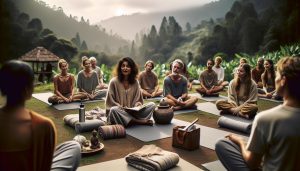
Once the retreat begins, focus on interactive and communal activities that promote bonding. Incorporate group exercises, partner yoga sessions, and shared meal times to facilitate personal connections. Hosting informal discussions or sharing circles can create safe spaces for participants to express themselves and learn from one another’s journeys. Consider structured activities, such as group challenges or collaborative art projects, that allow attendees to work together towards a common goal, fostering deeper relationships.
After the completion of the retreat, maintaining the community is essential for long-term engagement. Use follow-up communication channels, such as newsletters or social media groups, to keep the conversation going. Share photos, experiences, and testimonials from the retreat to ignite fond memories and encourage ongoing connections. Facilitate additional opportunities for attendees to reconnect, whether through virtual meet-ups, local gatherings, or announcements for future retreats. By fostering a community that thrives on shared experiences and continuous connection, your yoga retreat can leave a lasting impact on attendees, ultimately making it a truly transformative experience.
Partnering with Local Experts and Instructors
Building a successful yoga retreat involves more than just organizing classes and booking a venue; it requires leveraging the knowledge and expertise of local instructors and wellness experts. Forming partnerships with these individuals not only enhances the quality of your program but also provides attendees with unique insights into regional practices and traditions. By collaborating with local talent, you can create a richer, more immersive experience that resonates with participants.
When seeking local experts, consider individuals who have a deep understanding of not only yoga but also the cultural context of the area. This might include seasoned yoga instructors who can offer specialized classes in traditional styles native to the region, wellness coaches who can provide holistic health advice, or even local artisans who can offer workshops on meditation or mindfulness practices. Engaging these professionals showcases local culture and enhances the authenticity of your retreat.
Effective collaboration begins with clear communication. Discuss your vision for the retreat and how each partner can contribute to achieving its goals. Be specific about expectations, compensation, and roles. You might create a mixed schedule that integrates their exclusive workshops or classes with your planned sessions, allowing participants to dive deeper into local practices. This synergy can lead to memorable experiences that differentiate your retreat from others.
Additionally, consider incorporating local wellness practices into your offerings. This could involve traditional wellness rituals, cuisine made from locally-sourced ingredients, or excursions that promote exploration and connection with the surrounding environment. By infusing local knowledge into your retreat, you empower attendees to gain more than just yoga practice; they will leave with a holistic understanding of wellness that extends beyond the mat.
Sustainable Practices for Your Yoga Retreat
Implementing sustainable practices in yoga retreats not only elevates the experience for participants but also contributes positively to the environment and local communities. As more travelers seek eco-friendly options, adopting sustainable methods can enhance your retreat’s appeal and credibility. From energy conservation to waste management, these practices create a holistic experience that resonates with the core values of yoga and wellness.
One effective strategy is to choose accommodations that prioritize sustainability, such as those using renewable energy sources or engaging in eco-friendly practices. Encourage attendees to minimize their environmental footprint by organizing carpooling arrangements, providing local transportation, or suggesting that they opt for public transit when traveling to and from the retreat. In addition, using local produce for meals not only supports regional farmers but also reduces the carbon footprint associated with food transportation. Consider including plant-based dining options to align with the ethical values of many yoga practitioners.
It’s also important to integrate a sense of environmental responsibility into the retreat activities themselves. Organizing initiatives like beach clean-ups, tree planting, or guided nature hikes can foster a deeper connection to the surroundings and emphasize the importance of conservation. Offering workshops on sustainable living practices, such as zero-waste techniques or mindful consumption, can empower participants to adopt these principles beyond the retreat setting.
Finally, ensure that your marketing materials highlight your commitment to sustainability. Use recyclable or digital resources instead of printed brochures, and aim to maintain clear communications about your eco-friendly goals throughout the retreat. This dedicated approach not only attracts environmentally conscious attendees but also nurtures a community committed to mindfulness and respect for nature. By embedding sustainability into every aspect of your yoga retreat, you create a transformative experience that encourages both personal growth and global awareness.
Preparing Attendees for a Transformative Experience
Preparing for a yoga retreat is more than just packing a bag; it’s about setting the stage for a truly transformative experience. Attendees often come seeking not only relaxation but also personal growth and rejuvenation of the mind and spirit. To facilitate this, it’s crucial to prepare participants with the right mindset and practical tools before they arrive.
One of the first opportunities to enhance this journey is through pre-retreat communication. Sending out a welcome packet digitally can provide vital information about what to expect, packing suggestions, and tips for getting into the right mental space. Encourage attendees to engage in mindfulness practices such as journaling or meditation even before the retreat begins. This practice can help them clarify their intentions for the journey ahead.
To further enhance their readiness, offer a list of preliminary activities and resources. This could include recommended readings on yoga philosophy, breathwork techniques, or introductory videos on the styles of yoga that will be practiced during the retreat. By engaging with these materials beforehand, attendees create a foundation that helps them dive deeper into the planned sessions upon arrival.
During the retreat, it’s also beneficial to provide structured opportunities for participants to share their goals and personal aspirations. Creating small group discussions can foster a supportive environment where individuals feel comfortable opening up and connecting with one another. This sense of community can amplify the transformative aspects of the yoga experience, leading to lasting connections and insights.
Finally, remind attendees of the importance of self-care during their retreat. Encourage practices that extend beyond yoga, such as nourishing meals, journal sessions, and time for solitude or reflection. Promote a balanced scheduling approach that allows for both guided activities and personal downtime. This balance ensures that each attendee can cultivate their unique experience throughout the retreat, leading to a profound sense of renewal and transformation.
Post-Retreat Engagement and Feedback Collection
Engaging attendees after a yoga retreat is crucial for fostering lasting connections and ensuring continued growth. One effective approach is to follow up with participants shortly after the retreat concludes. This communication can take the form of personalized emails, where you thank attendees for their participation and inquire about their experiences. Opening lines of these messages could include specific highlights from the retreat, showing that you’re genuinely interested in their feedback.
Collecting feedback through structured surveys is also invaluable. Create a brief questionnaire that touches upon various aspects of the retreat such as the quality of the sessions, the effectiveness of accommodations, and the overall experience. Including questions like, “What was your biggest takeaway?” or “How can we improve for future retreats?” helps participants articulate their thoughts and provides you with actionable insights. This can be formatted simply as an online survey or a downloadable PDF to fill out and return.
Another important element in post-retreat engagement is to provide ongoing support and resources. Consider sharing recordings of retreat sessions, resources for maintaining a yoga practice, or even access to an online community for attendees to reconnect. Offering regular newsletters with tips, articles on wellness, or upcoming workshops can keep the momentum of transformation alive.
Building a sense of community is essential in the post-retreat phase. Create spaces for participants to share their journeys, struggles, and successes. This could be through a private social media group or regular online meet-ups. These interactions not only reinforce the bonds formed during the retreat but also encourage attendees to hold each other accountable for their personal growth.
Faq
Q: What are the key elements to include when planning a yoga retreat?
A: Key elements include a clear theme, well-structured schedules, suitable locations, engaging workshops, and sufficient amenities. Focusing on participant engagement through varied activities can enhance the overall experience. Consider referencing sections on “Key Elements for a Successful Yoga Retreat” in your planning.
Q: How do I choose the best location for a yoga retreat?
A: Selecting the ideal location involves considering accessibility, ambiance, tranquility, and availability of amenities. Research potential venues that resonate with your retreat theme and offer natural settings conducive to relaxation and practice. Consult “Selecting the Ideal Location for Your Retreat” for more details.
Q: What marketing strategies are most effective for promoting a yoga retreat?
A: Effective marketing strategies include leveraging social media, content marketing, and email campaigns. Share testimonials and engage with potential attendees through relevant content. Consult the “Marketing Your Yoga Retreat Effectively” section for in-depth strategies.
Q: What pricing strategies can maximize attendance at a yoga retreat?
A: Implement a tiered pricing strategy with early bird discounts, group rates, and payment plans to attract a broader audience. Ensure your pricing reflects the value offered, considering costs and profit margins. Check “Pricing Strategies for Maximum Attendance” for guidance.
Q: How can I ensure attendees have a transformative experience at the retreat?
A: To provide a transformative experience, incorporate diverse practices, personal development workshops, and opportunities for self-reflection. Ensure a supportive environment and create spaces conducive to connection. Explore “Preparing Attendees for a Transformative Experience” for actionable ideas.
Q: What are the benefits of partnering with local experts and instructors for a yoga retreat?
A: Partnering with local experts enhances authenticity, provides local insights, and attracts their following. These collaborations can also streamline logistics and add credibility to your retreat offerings. Refer to “Partnering with Local Experts and Instructors” for more details.
Q: How can I encourage post-retreat engagement with attendees?
A: Maintain engagement by following up with participants through newsletters, sharing retreat photos, and recommending continuous learning resources. You can create a community forum for alumni to connect. See “Post-Retreat Engagement and Feedback Collection” for additional strategies.
Q: What sustainable practices should I consider when planning a yoga retreat?
A: Implement sustainable practices such as minimizing waste, sourcing local food, and using eco-friendly materials. Educating attendees about sustainability can enhance their experience and commitment. Refer to “Sustainable Practices for Your Yoga Retreat” for more insights.
Key Takeaways
As you embark on your journey to craft the perfect yoga retreat, remember the key principles we’ve explored in this guide. Each step not only amplifies your planning success but also deepens the transformative experience you offer participants. Don’t wait-start implementing these strategies today to foster a nurturing environment that resonates with harmony and connection.
For further insights, check out our articles on Choosing the Right Yoga Retreat Destination and Creating a Memorable Retreat Experience. These resources will empower you to refine your approach and ensure your retreat stands out in the wellness travel market.
Embrace this opportunity, and don’t hesitate to reach out if you have questions or need tailored advice! By joining our newsletter, you’ll gain access to exclusive tips and resources designed to elevate your retreat planning. Let’s turn your vision into a rewarding reality!
Get our latest guides, news, and insights highlighted in your Google Search & AI Overviews.