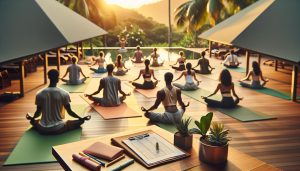
Imagine stepping into a serene environment where the soothing sounds of nature blend harmoniously with the gentle flow of yoga. Organizing a yoga retreat offers a unique opportunity to create transformative experiences, not just for attendees, but also for yourself as a facilitator. From choosing the right location to designing engaging sessions that resonate with participants’ wellness goals, each element plays a pivotal role in ensuring a successful retreat.
As wellness travel continues to gain popularity, the importance of thoughtfully crafted retreats has never been more pronounced. Whether it’s about enhancing mental clarity, fostering community, or simply escaping the daily grind, people seek retreats to rejuvenate their body, mind, and spirit. This guide will provide you with valuable insights and practical tips on how to put on a yoga retreat like a pro, ensuring that both you and your guests leave enriched and inspired. Ready to delve into the world of retreat planning? Let’s explore how to make your vision a reality.
Planning Your Yoga Retreat: Essential First Steps
The process of organizing a yoga retreat begins long before participants step foot in the serene surroundings you’ve chosen. Proper planning lays the foundation for a successful experience that nurtures both the body and mind. Focus on defining clear objectives from the outset; consider what you hope attendees will gain-be it stress relief, deep relaxation, or an exploration of yoga styles. Articulating these goals will guide every subsequent decision, from selecting a location to developing class schedules.
Additionally, consider your target audience carefully. Are you catering to seasoned practitioners, beginners, or a mix? This demographic insight will shape the entire retreat experience, influencing everything from the instructors you choose to the intensity of the classes offered. Engage with potential participants early on, perhaps through surveys or social media polls, to gather insights about their preferences and expectations. This can inform your planning and help tailor the retreat to better suit their needs.
As you delve deeper into logistics, ensure all critical details are addressed. This includes securing necessary permits, understanding local regulations, and sourcing reliable vendors for food and supplies. Drafting a preliminary timeline can help streamline your tasks and keep your planning on track. Use a shared document or project management tool to collaborate if you’re working with a team, ensuring all members are aligned on key actions and deadlines.
By prioritizing these essential first steps, you lay a solid groundwork for a retreat that offers more than just an escape; it becomes a transformative journey for attendees, fostering a deeper connection to their practice and to themselves.
Choosing the Perfect Destination for Your Retreat
Selecting the ideal destination for a yoga retreat can significantly enhance the overall experience for participants, providing both inspiration and tranquility. The right location sets the tone for the retreat, allowing attendees to immerse themselves fully in their practice and connect with nature. Consider destinations that are not only picturesque but also offer an environment conducive to relaxation and personal growth. Popular settings often include beach resorts, mountain lodges, or serene countryside locations, each of which can cultivate a unique atmosphere and vibe.
When narrowing down potential destinations, keep in mind the accessibility and comfort of participants. Locations that are easy to reach, whether by public transport or major airports, can facilitate higher attendance. Moreover, assess the availability of amenities such as yoga studios, outdoor spaces for classes, and comfortable accommodations that meet various budget levels. It’s also essential to evaluate local culture and environment; a retreat in a culturally rich area can provide attendees opportunities to explore new experiences, enhancing their journey.
Engage with potential attendees when choosing a location to better understand their preferences. Conduct surveys or polls to gather insights on their favorite environments or the type of setting they envision for a yoga retreat. This feedback can guide you toward a destination that resonates with your target audience while ensuring inclusivity and appeal.
Finally, consider the time of year and seasonal climate, as these factors can impact the experience significantly. Choose a location that aligns with the retreat goals, whether it’s a calming beach atmosphere for a restorative retreat or a lush mountain setting for an invigorating program. A thoughtful selection of destination can transform a yoga retreat into a deeply rewarding experience, promoting not just physical wellness but also mental and emotional resilience.
Creating a Compelling Retreat Theme and Agenda
Creating a captivating and inspiring theme is paramount to the success of a yoga retreat, as it sets the emotional landscape for the entire experience. A well-defined retreat theme not only attracts participants but also fosters a sense of community and shared purpose among attendees. Themes can range from rejuvenation and self-discovery to adventure and eco-consciousness. When brainstorming ideas, consider how the theme aligns with the intended goals, participant demographics, and the chosen location, as each element plays a crucial role in the overall narrative of the retreat.
Once your theme is established, crafting an engaging agenda is essential to maintain energy and interest throughout the retreat. A balanced schedule that includes a mix of yoga sessions, meditation, workshops, and leisure activities enhances the experience. Here’s a simple framework to structure your agenda:
Key Elements of a Retreat Agenda
- Cohesive Flow: Arrange activities in a way that complements the theme. For example, if your theme is “Awakening Energy,” the agenda could feature early morning energizing yoga sessions followed by workshops on nutrition and vitality.
- Variety: Incorporate different styles of yoga and meditation to cater to diverse preferences and skill levels, ensuring everyone feels included and engaged.
- Breaks and Free Time: Allowing downtime for personal reflection and exploration encourages attendees to digest their experiences, foster connections, and engage with their surroundings.
- Special Events: Include unique offerings like guest instructors, fire ceremonies, or nature hikes that can make the retreat memorable and align with the overarching theme.
Moreover, it’s advantageous to solicit input from potential participants during the planning process. Surveys or informal conversations can offer insights into what people are eager to learn or experience, allowing for a more tailored agenda that resonates with their interests. This collaborative approach not only enhances engagement but also encourages word-of-mouth marketing, as participants feel a sense of ownership over their retreat experience. By creating a compelling theme and meticulously planning your agenda, you lay the groundwork for a transformative yoga retreat that participants will cherish and remember long after they return home.
Budgeting Wisely: Costs and Pricing Strategies
Planning a yoga retreat involves navigating a myriad of financial considerations, and crafting a well-structured budget is essential for success. With costs that can vary significantly based on location, duration, and included amenities, understanding the fundamental components of your budget will help ensure a smooth retreat experience and maximize profitability.
To start, it’s crucial to itemize all potential expenses, which typically include venue rental, accommodation, meals, instructor fees, materials for workshops, marketing, and transportation. Some challenges may arise from unexpected costs, so it often helps to set aside around 10-20% of your overall budget as a contingency fund.
Key Budget Categories
- Venue and Accommodations: Determine whether you want a luxury resort, a local studio space, or an eco-friendly venue. Prices can range widely, so think about your target audience’s budget.
- Instructors and Staff: Factor in fees for teachers, guest instructors, and any additional staff needed for logistics or wellness activities.
- Food and Beverages: Consider whether you’ll provide meals or partner with local caterers. Healthy meal options can enhance the retreat experience, but they will also impact your budget.
- Marketing and Promotion: Allocate funds for online promotions, social media ads, and printed flyers to reach potential attendees.
- Activities and Materials: Include costs for any workshops, yoga props, or materials you plan to use during the retreat.
Determining pricing strategies is equally critical. When setting participant fees, consider offering early-bird discounts to encourage early sign-ups, or tiered pricing to cater to different budgets. To arrive at a suitable price point, calculate your total expenses and divide by the anticipated number of participants, then add in your desired profit margin. Transparency about what’s included in the retreat package can enhance perceived value and attract more participants.
As you prepare, remember that the financial aspects of your retreat extend beyond mere budgeting. They set the stage for an enriching experience that resonates with participants long after they leave, fostering loyalty and encouraging them to return. By understanding costs and thoughtfully pricing your retreat, you create a foundation for a sustainable and enjoyable event that attendees will look forward to.
Finding and Booking the Right Location
The right location can be the heart and soul of a transformative yoga retreat, serving as a sanctuary where participants can unwind, practice, and connect. The selection process involves considering not only the aesthetics and amenities of potential venues but also how the location enhances the overall experience. With the growing interest in wellness travel, finding a space that resonates with the ethos of your retreat can significantly impact the energy and connection that attendees feel.
When searching for a venue, you should evaluate factors such as accessibility, local culture, and natural surroundings. A destination that is easy to reach will streamline the travel experience, while one that offers breathtaking scenery-whether it be beaches, mountains, or forests-can enrich participants’ sense of peace and tranquility. Additionally, consider the availability of local amenities and activities; the proximity to nature walks, cultural sites, or organic markets can add value and depth to the retreat experience.
Venue Amenities
Beyond the stunning background, the venue’s facilities should meet the specific needs of your retreat. Look for spaces with:
- Yoga Studios: Ideally, the site should have spacious, well-lit studios equipped with yoga mats, props, and a serene ambience.
- Accommodations: Ensure comfortable lodging options are available for participants, whether in shared or private settings.
- Kitchen or Catering Services: Access to a kitchen or onsite catering can facilitate healthy meal preparation, a key aspect of wellness retreats.
- Outdoor Spaces: Areas for outdoor yoga sessions or mindfulness activities can offer participants a refreshing change of scenery and enhance their experience.
Once you have narrowed down potential locations, it’s important to reach out and discuss your retreat specifically to ensure they can cater to your needs. Ask about flexibility with scheduling, group discounts, and any additional services they might offer.
Additionally, consider scheduling a site visit if possible. This allows you to experience the space firsthand and visualize how the flow of your retreat will unfold. Taking these steps will help guarantee that the location you choose complements your overall vision for the retreat, creating an inviting atmosphere that encourages participants to immerse themselves fully in their wellness journey.
Marketing Your Retreat: Attracting Attendees
In today’s wellness-driven world, attracting attendees to your yoga retreat requires a thoughtful and strategic marketing approach that resonates with potential participants. An effective marketing strategy begins by identifying your target audience-consider factors such as age, lifestyle, and previous yoga experience. Tailor your messaging to speak directly to their needs and desires, creating a personal connection that draws them in. Utilize captivating visuals of the retreat location and activities, as imagery can evoke emotion and inspire potential attendees to envision themselves participating.
A strong online presence is essential for promoting your retreat. Leverage social media platforms like Instagram and Facebook to share engaging content, such as behind-the-scenes preparations, testimonials from past participants, or engaging posts about yoga practices and wellness tips. Creating an event page on Facebook can also help generate interest and provide pertinent information about your retreat. In addition, consider partnering with yoga influencers or bloggers who resonate with your retreat’s philosophy to reach a wider audience.
Email marketing remains a powerful tool for communicating directly with those interested in wellness experiences. Develop a mailing list by offering a free resource, such as a yoga guide or meditation tips, in exchange for email subscriptions. Regular newsletters can keep potential attendees engaged, providing updates on your retreat, early-bird discounts, or exclusive content that builds anticipation.
Lastly, don’t underestimate the power of word-of-mouth marketing. Encourage past attendees to share their experiences through testimonials and reviews, which can be featured on your retreat website and promotional materials. Hosting online webinars or free yoga classes can also serve as an introduction to your teaching style and the transformative experiences you offer, solidifying interest and encouraging sign-ups.
By implementing these strategies, you can create a compelling narrative around your retreat that not only attracts attendees but also builds a community of like-minded individuals eager for a life-enhancing experience.
Essential Partnerships: Collaborating with Instructors
Forming essential partnerships with experienced instructors can greatly enhance the quality and appeal of your yoga retreat. Not only do skilled instructors bring credibility to your event, but they also contribute unique teachings and perspectives that can enrich participants’ experiences. Collaborating with instructors who align with your retreat’s theme and philosophy ensures a cohesive atmosphere that resonates with attendees on multiple levels.
When seeking instructors, consider those who have a solid track record and a following in the yoga community. Look for individuals whose style complements your retreat’s focus, whether it leans toward restorative practices, vinyasa flows, or mindfulness sessions. Engage potential instructors early in the planning process to invite them into the creative aspects of your retreat. This level of collaboration can lead to tailored class formats and interactive workshops that offer deeper insights, making your retreat more appealing to participants.
Offering instructors a prominent platform to share their knowledge and connect with attendees can also be an attractive incentive. Highlight their expertise through marketing materials and social media, showcasing their previous works, achievements, and unique approaches to yoga. This not only benefits your retreat’s visibility but also helps build a sense of community among participants who may already admire the instructors before attending.
In return for their collaboration, ensure that your arrangements are clear and mutually beneficial. Discuss fee structures, travel arrangements, accommodations, and any promotional commitments upfront to foster a positive working relationship. By creating an environment of respect and mutual benefit, you lay the groundwork for a successful partnership, ultimately providing a richer, more transformative experience for retreat attendees.
Building Wellness Experiences: Activities and Classes
Creating a memorable yoga retreat goes beyond just the physical practice; it encompasses a holistic approach that nurtures mind, body, and spirit. Participants are on a journey for transformation and relaxation, making it essential to curate a range of wellness experiences that resonate with their needs and expectations. By incorporating diverse activities and classes, you can foster an enriching environment that encourages personal growth, relaxation, and connection.
To begin, consider integrating a variety of yoga styles that suit different skill levels and preferences. For instance, while some attendees may seek invigorating Vinyasa flows to energize their bodies, others might appreciate gentle Yin yoga sessions to promote deep relaxation. Offering workshops that delve into mindfulness practices, meditation, and breathing techniques can also enhance the overall experience. These sessions not only provide practical tools for participants to incorporate into their daily lives but also deepen their connection to the retreat’s mission.
In addition to yoga, explore complementary wellness activities that promote health and well-being. These can include guided nature walks, cooking classes featuring nutritious meals, or workshops on stress management and self-care practices. By creating a balanced schedule that alternates between physical activity and restorative experiences, attendees will be more inclined to engage and absorb the lessons offered.
Lastly, consider creating spaces for social interaction and community building among participants. Group discussions, sharing circles, and collaborative goal-setting exercises can enrich the experience, allowing attendees to form meaningful connections with one another. By curating a well-rounded schedule of activities and classes, you not only meet various participant needs but also enhance the overall atmosphere of your retreat, making it an unforgettable journey toward well-being and connection.
Managing Logistics: Transportation and Accommodation
When planning a yoga retreat, managing logistics related to transportation and accommodation is crucial for ensuring a smooth and enjoyable experience for all participants. A well-organized approach not only enhances the comfort of your attendees but also reflects the quality and professionalism of your retreat. Start by considering how participants will reach the retreat location. Offering detailed information on local airports, bus stations, and train options can ease travel anxiety. Create a comprehensive guide that includes transportation options, costs, and estimated travel times. Additionally, consider arranging a shuttle service if your venue is not easily accessible, which can help streamline arrivals and departures.
Choosing the right accommodation is equally significant. Participants should feel at home in a welcoming environment that complements the retreat’s purpose. Evaluate various lodging options-such as hotels, hostels, or private villas-for their amenities, atmosphere, and proximity to retreat activities. If your retreat focuses on wellness, seek accommodations that promote relaxation and provide access to nature or tranquil surroundings. Ensure that rooms are comfortable and conducive to rest, and consider offering different room types to cater to various budgets and preferences.
Make sure to communicate logistics effectively to retreat attendees. A dedicated section of your retreat website or an email with travel tips can be helpful. Include information about arrival schedules, what to expect upon arrival, and any preparatory steps required from participants. Providing a packed schedule with check-in and check-out times can also prepare guests for their journey. By proactively addressing transportation and accommodation, you not only enhance participant satisfaction but also create a seamless atmosphere that fosters relaxation and connection throughout the retreat.
Crafting a Memorable Retreat Experience
Creating a compelling and unforgettable retreat experience hinges on weaving together elements that nurture both body and spirit. An engaging environment will not only promote relaxation but also foster a deeper connection among participants. From thoughtfully designed activities to communal meals, each aspect should contribute to the overall mission of wellness and unity.
One effective approach to crafting your retreat experience is to integrate a variety of activities that appeal to different interests and skill levels. Consider incorporating workshops that delve into mindfulness, nutrition, or personal growth alongside daily yoga sessions. Offering options like guided nature walks, meditation circles, and creative expression classes-such as art or cooking-can deepen the experience and cater to the diverse needs of attendees. Having a clear daily agenda that balances structured activities with free time allows participants to find their own rhythm and explore personal practices.
Meal Planning is another essential component that can significantly enhance the retreat experience. Providing nourishing, locally sourced meals not only aligns with wellness goals but can also create a shared experience that brings people together. Organize communal dining settings where participants can engage, share stories, and forge connections, amplifying the sense of community. If feasible, consider including cooking classes or demonstrations that teach participants about healthy eating and sustainable practices, adding an interactive element to their culinary experience.
Lastly, remember to cultivate a welcoming atmosphere that encourages openness and vulnerability. This can be achieved through gentle welcome rituals upon arrival, creating spaces for quiet reflection, and encouraging group discussions that foster trust. A well-rounded experience not only engages participants during the retreat but also leaves them with lasting memories and valuable insights that they can carry into their everyday lives. By focusing on these elements, you can create a transformative experience that resonates long after the final day of the retreat.
Follow-Up Strategies for Post-Retreat Engagement
Engaging with participants after a yoga retreat is crucial for sustaining the transformative experiences they underwent and for fostering a sense of community that extends beyond the event itself. A well-structured follow-up strategy can enhance participants’ integration of the retreat insights into their daily lives, encouraging them to maintain their practices and stay connected with one another. Here are several actionable approaches to ensure meaningful post-retreat engagement:
Maintain Communication
Regularly communicating with attendees can help keep the retreat’s spirit alive. Consider sending out a follow-up email or newsletter several days after the retreat concludes. This communication can include:
- A thank you message expressing appreciation for their participation.
- Highlights from the retreat, such as memorable activities or shared insights.
- Links to photos or videos taken during the retreat to reminisce beautiful moments.
- Reminder of resources shared during the retreat, such as guided meditations or yoga playlists.
Create a Supportive Community
Building a community platform where participants can share their experiences, progress, and challenges helps nurture ongoing relationships. This could be a dedicated Facebook group, a WhatsApp chat, or a forum on your website. Establishing this space encourages dialogue and support, allowing group members to motivate one another in their wellness journeys. Additionally, consider scheduling monthly group calls or check-ins to foster deeper connections and reflect on shared growth.
Offer Post-Retreat Resources
To facilitate continued practice, provide easy access to resources such as online classes, meditation guides, or articles that align with the themes explored during the retreat. Perhaps develop a downloadable packet that includes yoga sequences, meditation techniques, or healthful recipes discussed during the event. This can serve as a tangible reminder of their time spent together and provide valuable tools for maintaining wellness routines.
Solicit Feedback
Gathering feedback from participants can prove invaluable for improving future retreats and can also invite them to reflect on their experiences. Consider sending a survey with questions about their favorite aspects of the retreat, suggestions for improvement, and insights about their personal growth. This not only helps you refine the retreat offerings but also reinforces their sense of involvement and connection.
By implementing these strategies, attendees can continue their journey of self-discovery and wellness, reinforcing the bonds formed during the retreat and cultivating a community that thrives long after the event has ended. Creating this environment not only elevates the overall experience but can also lead to increased interest and attendance for your future retreats.
Navigating Challenges: Common Issues and Solutions
Planning a yoga retreat is an exciting venture, yet it often comes with a unique set of challenges that can make or break the experience. Understanding these common issues and proactively addressing them is crucial for ensuring the retreat runs smoothly and participants leave satisfied.
One frequent challenge is managing participant expectations. Individuals may arrive with different levels of experience and personal goals. To mitigate this, set clear communication prior to the retreat about what participants can expect, including daily schedules, types of activities, and any physical requirements. Offering pre-retreat materials, such as a welcome packet or informational videos, can help unify expectations. Consider conducting a brief survey upon registration to gauge participants’ interests and concerns, allowing you to tailor the agenda to meet diverse needs.
Logistical hurdles also often arise, particularly regarding travel arrangements and accommodations. Overlapping schedules between transportation times and retreat activities can complicate the experience. To navigate this, provide a comprehensive schedule well in advance and offer assistance in booking travel and accommodation. Collaborating with local vendors or transportation services can also help streamline logistics, ensuring seamless transitions between locations.
Another challenge is dealing with unforeseen circumstances, such as inclement weather or last-minute cancellations. Having contingency plans is essential. For outdoor activities, always have an alternative indoor option prepared. Establish clear cancellation policies for participants so that they feel informed and valued, while also safeguarding your financial commitments. This may include considering mandatory insurance for both you and your participants, protecting everyone involved against unexpected events.
Navigating group dynamics can also be tricky. Conflicts may arise among participants due to varying personalities or expectations. Fostering a positive group environment is vital; facilitate ice-breaking activities early in the retreat and create spaces where attendees can voice their thoughts. Implementing a code of conduct can help set expectations for behavior and communication throughout the event, ensuring everyone feels respected and included.
By anticipating these common challenges and developing proactive solutions, you can enhance the quality of the retreat experience for participants and create a memorable event that resonates well beyond its conclusion.
Faq
Q: What are the key elements to consider when selecting a venue for a yoga retreat?
A: When choosing a venue, consider the location’s accessibility, ambiance, size, facilities, and amenities that support wellness (like meditation rooms). A serene environment that aligns with your retreat theme can enhance participants’ experiences. For more insights, check the section on finding the right location.
Q: How can I effectively market my yoga retreat to attract attendees?
A: Utilize social media, email marketing, and partnerships with local wellness influencers or studios. Creating compelling content, such as testimonials and a clear value proposition, can significantly boost your visibility. Refer to the marketing strategies section for detailed guidance.
Q: What are some common challenges faced when organizing a yoga retreat, and how can I overcome them?
A: Common challenges include managing logistics, weather issues, and varying participant needs. Develop contingency plans, maintain clear communication, and ensure flexibility in scheduling to adapt. Navigate these challenges effectively with strategies outlined in the related section.
Q: How can I incorporate wellness activities beyond yoga into my retreat?
A: Offer activities like meditation, healthy cooking classes, and outdoor excursions. Collaborating with wellness professionals can enrich the experience. For a comprehensive agenda, refer to the section on building wellness experiences.
Q: When is the best time to host a yoga retreat?
A: The best time typically depends on your target audience and location. Consider seasons with moderate weather and when potential participants are available, like post-holidays or during vacations. For seasonal insights, see the planning essentials section.
Q: What should I include in the post-retreat follow-up to maintain engagement with attendees?
A: Send personalized thank-you emails, gather feedback via surveys, and offer special discounts for future retreats. Staying in touch can help build a community and encourage repeat attendance. Explore more on follow-up strategies in the article.
Q: How can I create a compelling theme for my yoga retreat?
A: Identify your target audience’s interests and needs, then brainstorm ideas that resonate. A strong theme can enhance marketing efforts and participant engagement. See the section on retreat themes for additional tips.
Q: What budget considerations should I keep in mind for a yoga retreat?
A: Factor in space rental, instructor fees, marketing, food, and accommodations. Creating a detailed budget plan helps track expenses and pricing strategies efficiently. More detailed budgeting strategies can be found in the budgeting section of the article.
In Retrospect
As you embark on the journey of organizing your yoga retreat, remember that preparation is key to creating an unforgettable experience for your attendees. Leverage resources that provide insights into wellness travel and retreat logistics, and don’t hesitate to explore more about types of retreats such as yoga or Pilates to enhance your offerings.
Ready to take the next step? Dive deeper into our articles on effective business planning for retreats and tips for maintaining routines while traveling. Your dream of crafting a holistic sanctuary awaits – don’t let hesitation hold you back. Share your thoughts or any questions in the comments below, and explore our site for tools that can elevate your retreat planning game. Together, let’s create transformative experiences that resonate with your participants and inspire mindfulness and health.
Get our latest guides, news, and insights highlighted in your Google Search & AI Overviews.