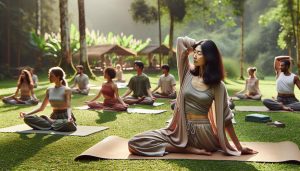
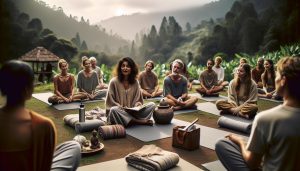
With the global wellness industry booming and an increasing number of individuals seeking rejuvenation and mindfulness, running a yoga retreat can transform your passion for yoga into a rewarding business. Not only do retreats provide a space for personal growth and connection, but they also offer transformative experiences that many are eager to embrace. However, organizing a successful retreat involves careful planning, an understanding of your target audience, and a clear vision of your goals. Whether you’re a seasoned instructor looking to expand your offerings or a wellness enthusiast dreaming of sharing your love for yoga in a serene setting, this guide will equip you with the essential strategies and insights needed to turn your yoga retreat vision into a profitable reality. Discover how to create moments of tranquility and connection while building a sustainable business that inspires others on their wellness journey.
How to Identify Your Target Yoga Retreat Audience
Understanding the audience for a yoga retreat is crucial for crafting an experience that resonates and meets participants’ needs. Identifying your target demographic can significantly impact the success of your retreat. Start by considering the goals and motivations behind yoga practice: are your potential participants seeking relaxation, personal growth, community connection, or physical wellness?
To narrow down your audience, utilize surveys or interviews with current clients to gather insights about their interests, preferences, and demographics. Consider factors such as age, fitness level, and geographic location. For instance, a retreat focusing on advanced yoga practices may attract a different crowd than one designed for beginners or those interested in mindfulness and holistic wellness.
Additionally, you might want to explore niche markets within the yoga community. For example, retreats designed for specific groups, like couples, teens, or corporate teams, can create a unique synergy that appeals to those looking for tailored experiences. Leveraging social media platforms can help gauge interests and trends; by analyzing interactions, you can better understand the types of content and activities your audience values most.
Finally, keep in mind the importance of community. Building a retreat brand that fosters a sense of belonging can attract participants who share similar values and aspirations. Engaging your audience through newsletters, blogs, or social media can maintain interest and create a loyal community that looks forward to your offerings.
Choosing the Perfect Location for Your Yoga Retreat
Selecting the right location for a yoga retreat can be the make-or-break factor for its success. A serene environment enhances the overall experience, allowing participants to connect deeply with their practice. When considering locations, think about the atmosphere that aligns with your retreat’s theme-whether it’s a lush forest, a tranquil beach, or a mountain sanctuary, the setting can evoke a specific energy that complements your program.
Several key factors come into play when choosing an ideal venue. Accessibility is crucial; your location should be easy for participants to travel to, ideally with nearby airports or transport links. Consider the amenities offered, such as comfortable accommodations, spaces for yoga practice, and healthy meal options. It’s essential to select a site that not only caters to the physical needs of participants but also enhances their emotional and spiritual journeys.
Furthermore, think about the local culture and environment. A location rich in natural beauty or cultural heritage can add depth to your program. Incorporating local excursions or experiences can provide participants with a unique perspective and foster a deeper connection to the surroundings. Building relationships with local businesses can also enhance your retreat by offering support services or complementary activities, enriching the overall experience for your guests.
Lastly, don’t overlook the importance of safety and comfort. Ensure that the chosen venue is secure and conducive to relaxation, providing necessary facilities and support. By thoughtfully considering these elements, you can create an inviting atmosphere that nurtures personal growth, well-being, and lasting memories for all participants.
Essential Planning Steps for a Successful Retreat
Planning a successful yoga retreat requires careful consideration and strategic steps that cater to both the logistical and experiential aspects of the event. It’s essential to have a comprehensive plan in place that touches on various components, ensuring that participants leave with transformative experiences that go beyond just yoga practice.
Define Your Retreat Goals
Begin by identifying the core objectives of your retreat. Are you aiming to promote relaxation, foster community, or deepen participants’ yoga practice? Having clear goals will guide every aspect of your planning, from choosing the right location to selecting yoga instructors and marketing your event. For instance, if the objective is to deepen the practice, consider workshops led by experienced teachers that provide personalized feedback.
Create a Detailed Itinerary
A well-structured itinerary is crucial for maintaining engagement and ensuring that participants experience a balanced mix of activities. A typical schedule might include multiple daily yoga sessions, meditation, and wellness workshops, as well as time for leisure activities. Be sure to allow for flexibility, as participants may appreciate the opportunity for personal reflection or social interaction. Here’s a sample daily outline:
- Morning: Sunrise yoga session followed by a nutritious breakfast.
- Midday: Workshop on a specific yoga technique or wellness theme.
- Afternoon: Free time for exploration, journaling, or relaxation.
- Evening: Group dinner followed by guided meditation or sharing circles.
Assemble a Support Team
Collaborating with a team of skilled professionals can greatly enhance the quality of your retreat. This could include co-instructors who specialize in different styles of yoga, nutritionists for meal planning, and wellness coaches. Establishing clear roles and responsibilities among your team will allow for a smooth operational flow during the retreat. Regular team meetings in the lead-up to the event will ensure everyone is aligned with the retreat’s vision and itinerary.
Gather Resources and Prepare Materials
Compile necessary resources well in advance. This includes yoga mats, props, and instructional materials, as well as promotional items for participants such as welcome bags. Offering practical items like reusable water bottles or yoga journals can enhance the retreat experience and provide memorable take-home gifts. Develop instructional handouts or digital materials that participants can refer to during and after the retreat.
By focusing on these essential planning steps, organizers can craft a rewarding experience that resonates with participants, fostering personal growth and a stronger community among attendees. Prioritizing thoughtful details and robust support structures will ultimately contribute to the success of the yoga retreat.
Creating a Unique and Compelling Retreat Theme
A well-conceived theme can elevate a yoga retreat from a simple getaway to a profound journey of self-discovery and growth. The perfect theme resonates with the intended audience, encapsulating the essence of what the retreat promises to deliver. For instance, themes such as “Finding Inner Balance,” “Mindfulness and Meditation,” or “Empowerment through Movement” can provide a cohesive narrative that guides participants through their experience, enhancing their engagement from start to finish.
To create a compelling theme, consider the specific needs and preferences of your target audience. Is your retreat aimed at beginners looking to explore yoga or experienced practitioners seeking advanced techniques? A theme like “Yoga for New Beginnings” could attract novices, while “Mastery of Asanas” might appeal to seasoned yogis. Incorporating local culture or natural elements can also enrich the theme. For example, if your retreat is set in the mountains, a theme that focuses on “Grounding and Connection to Nature” could inspire participants to deepen their practice while being mindful of their beautiful surroundings.
Diversity in activities and experiences is essential for reinforcing your theme. Plan workshops, sessions, and discussions that align with the chosen focus. If your theme is centered on wellness, include nutrition workshops, holistic healing practices, and mindfulness sessions. By providing a well-rounded experience that integrates various aspects of wellness, attendees will leave feeling nurtured and fulfilled.
Lastly, marketing your theme effectively is crucial in attracting participants. Use captivating visuals and testimonials that reflect the theme on your website and social media platforms. Engaging content, such as blog posts or videos that highlight the theme’s benefits, can further entice potential attendees and solidify their choice to join your retreat. Ultimately, a unique and compelling theme is not just about attracting participants; it’s about creating an unforgettable frame that guides them toward personal transformation and connection.
Marketing Your Yoga Retreat to Attract Participants
Engaging in the right marketing strategies can be the key to filling your yoga retreat with participants who resonate with your theme. A compelling aspect of marketing is storytelling-narrate the essence of the experience participants can expect, highlighting transformation, relaxation, and community. Use vivid imagery and authentic testimonials from previous retreats to create emotional connections.
Utilizing Digital Platforms
To reach a broader audience, leverage social media platforms such as Instagram, Facebook, and Pinterest. Post high-quality photos showcasing previous retreats, serene locations, and glimpses of yoga sessions. Utilize hashtags related to yoga travel and wellness to enhance visibility. Collaborate with influencers in the yoga and wellness space who can authentically endorse your retreat to their followers.
Email Marketing
Building an email list of interested participants can be an invaluable tool. Send out newsletters that provide valuable content, such as yoga tips, wellness advice, or insights into your retreat’s theme and location. Emails allow you to maintain contact with potential participants and remind them of the approaching retreat, providing them with exclusive early-bird pricing or bonuses for signing up.
Creating a Landing Page
A dedicated landing page for your retreat can effectively capture interest and registrations. Ensure it is visually appealing and contains essential information such as the schedule, costs, location, and unique offerings. Include a clear call-to-action button that makes signing up easy. This page should also feature glowing testimonials and highlight any included experiences, like workshops, meals, or group activities.
Engagement through Content
Creating valuable content can set you apart. Consider writing blog posts or making videos related to the themes of your retreat. For example, if your retreat focuses on mindfulness, share articles about mindfulness practices or benefits. This content not only showcases your expertise but also helps in driving organic traffic to your website.
By combining storytelling with effective digital marketing strategies, you can create a magnetic presence that draws participants to your yoga retreat, enriching their lives while helping turn your passion into a successful business venture.
Developing a Balanced and Engaging Retreat Schedule
Developing a well-structured retreat schedule is crucial for creating a fulfilling experience that resonates with participants. An effective schedule not only serves to guide the day-to-day flow of activities but also balances rigorous yoga practice with ample downtime for relaxation and reflection. Incorporating a mix of activities allows attendees to engage in both physical and mental wellness while fostering community interaction, which can enhance the retreat experience.
Begin by defining key elements to include in your schedule. These might consist of:
- Daily Yoga Sessions: Morning sessions can focus on energizing practices, while evening sessions might emphasize relaxation and restorative techniques.
- Meditation Practice: Set aside time for group meditations, either before or after yoga classes, to deepen the participants’ mindfulness and self-awareness.
- Workshops and Discussions: Offer specialized workshops on themes like nutrition, personal growth, or yoga philosophy. These activities can provide valuable knowledge and promote deeper engagement.
- Free Time: Allocate time for participants to unwind, explore the area, or simply enjoy solitude. This flexibility is essential for personal reflection and integration of their experiences.
- Group Activities: Consider including outdoor excursions or communal meals to strengthen bonds among participants, fostering a sense of belonging.
Sample Schedule Structure
Here’s a basic framework to inspire your scheduling process:
| Time | Activity |
|---|---|
| 7:00 AM – 8:00 AM | Morning Yoga & Meditation |
| 8:00 AM – 9:00 AM | Breakfast |
| 9:30 AM – 11:00 AM | Workshop: Yoga Philosophy |
| 11:15 AM – 12:30 PM | Free Time / Personal Reflection |
| 12:30 PM – 1:30 PM | Lunch |
| 2:00 PM – 3:30 PM | Afternoon Yoga Class |
| 4:00 PM – 5:00 PM | Group Activity or Nature Excursion |
| 6:00 PM – 7:00 PM | Dinner |
| 7:30 PM – 9:00 PM | Evening Circle: Sharing & Reflection |
This kind of schedule offers a rhythm that can help participants maintain energy while providing structured opportunities for growth and connection. Adapt your timetable based on participant feedback and the retreat’s overarching theme to ensure that it remains aligned with attendees’ needs and goals. By thoughtfully curating these elements, you can foster an enriching atmosphere that supports transformative experiences.
Budgeting Wisely for Your Yoga Retreat
Creating a successful yoga retreat requires meticulous financial planning, as a well-designed budget allows you to balance expenses with income, ensuring a sustainable and profitable venture. Many first-time retreat organizers overlook the myriad of costs involved, which can lead to unexpected financial pressures that undermine the overall experience. By approaching budgeting with foresight and precision, you can enhance both the quality of the retreat and your attendees’ satisfaction.
Start by identifying core expenses, which may include venue rental, instructor fees, food and beverage costs, marketing, and transportation. Consider also the costs related to insurance, permits, and any additional amenities you wish to provide, such as yoga mats or wellness workshops. Here’s a brief overview of common budget categories to track:
- Venue: Rental fees vary significantly based on location and amenities.
- Staffing: Include costs for instructors, massage therapists, and administrative support if needed.
- Food: Catering services can be expensive, so plan meals that are both nutritious and cost-effective.
- Marketing: Allocate funds for social media advertising, print materials, and website updates.
- Miscellaneous: Always have a contingency fund for unexpected expenses.
To help visualize the budget, consider creating a table that outlines estimated costs versus expected income from participants. For example, anticipate your potential number of attendees based on marketing efforts and adjust your pricing strategy accordingly.
| Category | Estimated Costs | Potential Income |
|---|---|---|
| Venue Rental | $2,000 | |
| Instructor Fees | $1,500 | |
| Food & Beverage | $1,000 | |
| Marketing | $500 | |
| Miscellaneous | $750 | |
| Total Costs | $6,500 | |
| Participant Fees (20 participants @ $400 each) | $8,000 | |
| Profit | $1,500 |
This financial framework not only aids in visualizing the retreat’s financial landscape but also allows for adjustments in pricing based on potential occupancy rates. Be prepared to adjust your estimates as the date approaches-sometimes costs fluctuate, or additional expenses arise, requiring prompt revisions to your budget.
By grappling with the intricacies of your budget ahead of time, you reduce the likelihood of financial stress later on and can focus on creating an enriching experience for your attendees. A well-budgeted retreat not only meets participants’ expectations but can also establish a loyal following that supports future gatherings.
Building Partnerships with Local Businesses and Instructors
Establishing strong partnerships with local businesses and instructors can significantly enhance the quality and appeal of your yoga retreat. These collaborations not only provide valuable resources and knowledge but also contribute to a sense of community and authenticity that participants seek in wellness travel experiences. By integrating local expertise and offerings, you create unique opportunities for your attendees while bolstering your retreat’s credibility.
Start by identifying local businesses that align with your retreat’s goals and values. This could include wellness centers, spas, organic cafes, or health-focused shops that offer products or services relevant to your participants. Approach these businesses with a proposal highlighting the mutual benefits of collaboration, such as cross-promotion and shared marketing efforts. For example, a local yoga studio could provide classes or workshops at your retreat, while you offer them promotion through your marketing channels. This synergy not only enhances the retreat experience but can also expand your reach to their customer base.
Another essential aspect is to forge relationships with local instructors who can bring specialized knowledge, such as mindfulness practices, nutrition workshops, or holistic therapies. These collaborations diversify the retreat schedule and attract participants looking for comprehensive wellness experiences. Offer them a competitive compensation structure or an opportunity for profit-sharing, which can motivate top-notch instructors to partner exclusively with you. Moreover, consider hosting networking events with local wellness practitioners, creating a community-oriented event that benefits all parties involved.
Lastly, enhancing the guest experience can be achieved by integrating local culture and products into your retreat. Collaborate with local businesses to provide welcome packages that include items such as artisanal snacks, organic teas, or handmade yoga accessories. Such thoughtful details not only enrich the participants’ stay but also support the local economy. By weaving local partnerships into the fabric of your retreat, you turn a simple getaway into a deeply transformative and culturally enriching experience for every attendee.
Enhancing the Guest Experience Through Thoughtful Details
Crafting an unforgettable experience for yoga retreat participants often lies in the thoughtful details that enhance their stay. From personalized welcome gifts to unique local cultural activities, every element contributes to a sense of connection and well-being that attendees seek. All successful retreats know that the essence of the experience transcends beyond yoga classes and structures, creating a memorable journey for each guest.
Start by considering the arrival experience. A personalized welcome package is an excellent way to convey appreciation and set a positive tone right from the start. This could include locally sourced goodies like handmade soaps, organic snacks, herbal tea blends, or even thoughtful items like yoga mats or journals that participants can use throughout the retreat. Such details make guests feel special and provide them with tangible memories to take home.
Incorporating local culture into the retreat can also captivate participants. Organize workshops featuring local artisans or chefs, offering guests a taste of regional crafts or cuisine. This not only enhances the experience but also supports the local community. For example, a cooking class led by a local chef can immerse attendees in the culinary traditions of the area and create lasting bonds among participants as they share in the process together.
Furthermore, create opportunities for personal connection and reflection within your schedule. Introduce communal circles where participants share their intentions or experiences. This fosters a deeper sense of community and belonging, encouraging guests to form friendships that can last beyond the retreat. Incorporating mindfulness practices such as journaling or guided meditation sessions can help participants process their experiences and enhance their overall well-being during the retreat.
Lastly, focusing on follow-up can continue the enhanced experience even after attendees leave. Sending thank-you emails that include resources like yoga recordings, meditation guides, or exclusive discounts for future retreats can nurture ongoing relationships and encourage feedback. Such thoughtful gestures not only enhance the participant’s experience but also contribute to a loyal customer base that may return time and again.
Leveraging Social Media to Promote Your Retreat
Harnessing the power of social media can significantly elevate the visibility and appeal of your yoga retreat. With billions of users globally, platforms like Instagram, Facebook, and Pinterest offer a vast audience to showcase your offerings and connect with potential participants. Begin by creating visually appealing content that embodies the essence of your retreat. High-quality images and videos of serene landscapes, engaging yoga sessions, and personal testimonials can create an inviting narrative that resonates with your target audience.
Utilize Instagram Stories and Reels to provide sneak peeks of what attendees can expect, such as daily schedules, featured instructors, or thematic activities. Regularly sharing behind-the-scenes moments not only builds excitement but also fosters a sense of transparency and authenticity, crucial for establishing trust with potential attendees. To enhance engagement, consider hosting live Q&A sessions where interested individuals can ask questions and interact directly with you or the instructors. This openness can significantly lower barriers to entry for potential participants who may be indecisive.
Social media isn’t just about showcasing your retreat; it’s also a powerful tool for community building. Create a dedicated hashtag for your retreat, encouraging participants to share their experiences and connect with one another before, during, and after the retreat. This sense of community amplifies word-of-mouth marketing, as attendees will likely share their unique experiences with their own networks. Additionally, you can explore collaborations with related wellness influencers or local businesses, tapping into their audiences to broaden your reach and attract diverse participants.
Don’t underestimate the effectiveness of targeted advertising on platforms like Facebook and Instagram. Utilize demographic and interest-based targeting to craft ads that speak directly to your ideal attendees. A thoughtfully designed ad campaign can yield impressive results, driving traffic to your retreat’s website and increasing registration numbers. Lastly, always ensure to engage with your audience by responding to comments, sharing user-generated content, and providing updates to keep your community connected and informed. This interaction not only nurtures relationships but also cultivates loyalty among attendees, encouraging them to return for future retreats.
Tips for Managing Retreat Operations Smoothly
Managing a yoga retreat can be both exciting and challenging, requiring meticulous attention to detail and thoughtful planning. One of the most crucial factors for a successful operation is to establish clear communication channels among all participants, including staff, instructors, and attendees. Create a detailed schedule that outlines daily activities-from yoga sessions to meal times-ensuring that everyone knows what to expect. Utilize digital tools, such as shared calendars and messaging apps, to keep everyone informed and engaged.
Another essential aspect is preparing for unexpected situations. Having contingency plans in place can make a significant difference. For instance, if the weather turns unfavorable, have alternative activities or indoor spaces ready to ensure the schedule remains uninterrupted. Additionally, equip your team with problem-solving skills by hosting a pre-retreat briefing to discuss potential scenarios and how to address them smoothly.
Incorporating guest feedback in real-time can also enhance operational flow. Consider using anonymous feedback forms or digital surveys during the retreat to gauge attendee satisfaction. This information can be invaluable for making quick adjustments, whether to enhance the yoga classes or improve meal options, ensuring participants feel heard and valued.
Furthermore, the ambiance of the retreat environment plays a significant role in guest experience. Invest time in setting up a welcoming space that promotes relaxation and mindfulness. Utilize appropriate lighting, calming scents, and comfortable seating areas to create an inviting atmosphere. Remember, the goal is not only to manage operations effectively but also to cultivate a transformative experience for attendees, encouraging them to return for future sessions or recommend the retreat to others.
Evaluating Success and Gathering Feedback Post-Retreat
To truly understand the impact and effectiveness of your yoga retreat, evaluating success and gathering feedback from participants is crucial. This process not only highlights areas for improvement but also reinforces what worked well, ultimately assisting in refining future retreats for a more fulfilling experience. Engaging with your guests after the event can yield valuable insights that enhance both operational practices and guest satisfaction.
Start by implementing a structured approach to gather feedback. Send out a comprehensive post-retreat survey that includes both qualitative and quantitative questions. Utilize rating scales to assess various aspects of the retreat, such as the quality of yoga sessions, accommodations, and meal offerings. Complement these with open-ended questions to allow guests to express their thoughts and experiences in their own words. For added engagement, consider incorporating an incentive, such as a discount on future retreats, to encourage higher response rates.
In addition to surveys, facilitate personal follow-up conversations with select participants. This direct interaction not only demonstrates your commitment to their experience but can also uncover nuanced feedback that surveys may miss. Ask specific questions about what they loved and what could be improved. These discussions can also help build a sense of community and encourage repeat attendance.
Once you have collected and analyzed the feedback, it’s vital to act on this information. Share with your attendees how their insights will shape future retreats-this transparency fosters trust and loyalty. Additionally, consider creating a ‘lessons learned’ document for internal use, summarizing what worked, what didn’t, and actionable steps for improvement. This continuous cycle of evaluation and adaptation will not only enhance the quality of your retreats but can also lead to an increase in referrals and returning guests, transforming a one-time experience into lasting connections.
FAQ
Q: What are the essential qualities of a successful yoga retreat leader?
A: A successful yoga retreat leader should possess strong communication skills, empathy, and adaptability. They should have a deep understanding of yoga practices and principles, along with the ability to create a welcoming and supportive environment for participants. Continuous learning about health and wellness trends is also beneficial.
Q: How can I keep my yoga retreat participants engaged throughout the event?
A: To keep participants engaged, offer a variety of classes and workshops that cater to different experience levels and interests. Encourage interaction through group activities and discussions. Providing opportunities for personal reflection, as well as integrating local culture, can make the experience more enriching.
Q: What are effective ways to promote a yoga retreat?
A: Utilize social media platforms, create a professional website, and engage in email marketing to promote your retreat. Collaborating with influencers in the wellness community can also extend your reach. Offering early bird discounts may incentivize sign-ups and build excitement around your event.
Q: How do I determine the right pricing for my yoga retreat?
A: To determine pricing, consider all associated costs such as venue, food, activities, and materials. Research similar retreats to gauge market rates, and ensure your pricing reflects the overall value participants will receive. Offering tiered pricing can cater to different budgets and encourage wider participation.
Q: What types of activities should I include in my yoga retreat schedule?
A: Include a balanced mix of yoga classes, meditation sessions, and workshops focusing on wellness topics like nutrition or mindfulness. Activities like nature hikes, group discussions, and reflective journaling can enhance the experience and foster community among participants.
Q: How can feedback improve my future yoga retreats?
A: Collecting feedback through surveys or informal conversations allows you to identify strengths and areas for improvement. Ensure to ask specific questions about the event’s organization, content, and overall experience. Analyzing this feedback will help tailor future retreats to better meet participant expectations.
Q: What considerations should I have for dietary needs at a yoga retreat?
A: It is crucial to gather information about participants’ dietary restrictions well in advance. Offering a variety of meal options, including vegetarian, vegan, and gluten-free choices, ensures everyone feels accommodated. Collaborating with a catering service experienced in handling diverse dietary needs is also advisable.
Q: How do I select the best venue for my yoga retreat?
A: When selecting a venue, consider accessibility, ambiance, and amenities. Look for locations that promote relaxation and connection with nature, alongside spaces suitable for practice. Evaluate accommodations and examine any additional facilities such as kitchens or meeting rooms that will support a successful retreat experience.
To Wrap It Up
Congratulations on taking the first steps to transform your passion for yoga into a thriving business with your own retreat! As you venture forth, remember that every great journey begins with a single step. Whether you’re planning logistics, securing a perfect location, or designing impactful experiences, each element contributes to an unforgettable retreat that will keep participants coming back year after year.
To deepen your knowledge, explore related resources on effective business planning and destination insights that can help you refine your offerings. Check out our insights on managing retreat types, like wellness and Pilates, or learn how to maintain your routines while traveling. Don’t forget to subscribe to our newsletter for updates and tips to enhance your yoga business journey.
Your dream of a successful yoga retreat is within reach-embrace this opportunity, and turn your vision into reality today. Engage with fellow entrepreneurs in the comments below, and don’t hesitate to share this valuable guide with others in your network who are also looking to create their own path in wellness travel!
Get our latest guides, news, and insights highlighted in your Google Search & AI Overviews.