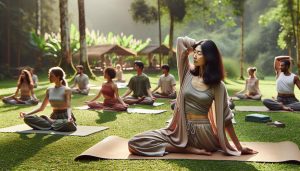
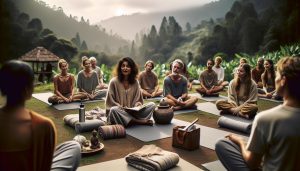
Running your own yoga retreat can be a transformative experience that merges passion with profitability. Many yoga instructors yearn for the independence of leading their own retreats, yet fear the logistical challenges. This guide will illuminate how to design, plan, and execute a retreat that not only uplifts participants but also generates income. Imagine guiding a group through rejuvenating practices in a serene setting, all while fostering a sustainable business model. As you explore the essential steps and tips, you’ll discover how to overcome common obstacles and create an unforgettable experience for both you and your attendees. Dive in to learn how to turn your vision into reality, enhancing your teaching journey and financial wellness along the way.
How to Define Your Yoga Retreat Vision
Defining a yoga retreat vision is a crucial step in creating an experience that resonates with participants and fulfills your objectives as a leader. Start by reflecting on your personal motivations: What inspired you to host a retreat? Understanding your passion can help shape the core of your retreat. Articulating a clear vision involves identifying the themes and values that matter most to you and your intended audience. For instance, if community wellness and mindfulness are at the forefront of your mission, ensure these principles are intricately woven into every aspect of the retreat.
Consider the unique experiences you wish to offer. Will your retreat focus on a specific type of yoga, meditation practice, or wellness theme? By curating a niche, such as a holistic health retreat that combines yoga with nutritional workshops, you can attract a dedicated audience that shares your interests. Make it a point to visualize not just the activities, but also the atmosphere you want to cultivate-be it serene and introspective or vibrant and energetic. Write down your ideas and create a vision board or a mind map to visualize your vision clearly and keep you inspired throughout the planning process.
Ultimately, a well-defined vision serves as a compass throughout the entire retreat journey. It guides your decisions on location, activities, and marketing strategies, ensuring everything aligns with your core intentions. As you adapt and refine your concept, remember to remain open to feedback from your community, allowing the vision to evolve in a way that best serves your participants and fosters a transformative experience.
When your vision is clear, it not only enhances your planning process but also radiates authenticity, encouraging interest and commitment from future attendees. A committed vision enables participants to connect deeply with the experience, fostering a sense of belonging and purpose that can lead to lasting personal and communal growth.
Essential Skills for Leading a Successful Retreat
Leading a yoga retreat involves much more than guiding participants through poses; it requires a diverse set of essential skills to create a transformative and meaningful experience. Strong leadership capabilities are paramount, as you will need to inspire and motivate attendees, creating an atmosphere that encourages personal growth and open communication. Cultivating effective communication skills is key, as it allows you to convey your vision clearly and engage with participants, addressing their needs, questions, and concerns throughout the journey.
In addition to leadership and communication, organizational skills play a vital role in the successful execution of a retreat. Everything from managing schedules, coordinating activities, and ensuring logistical details are seamlessly handled relies on your ability to stay organized. Implementing tools like checklists and a well-structured itinerary can help you keep track of various aspects, ensuring a smooth flow of events. Aspects of wellness travel logistics, such as booking accommodations and transportation for participants, also fall under this umbrella.
Another critical skill is adaptability. The dynamic nature of group retreats means that unforeseen challenges may arise, such as changes in weather or last-minute cancellations. Being able to adjust your plans while maintaining a positive and calm demeanor helps to keep the atmosphere balanced, ensuring that participants feel supported regardless of the situation. This flexibility extends to being attuned to the energy and needs of the group, allowing you to modify the schedule or activities as necessary to enhance the overall experience.
Finally, possessing a strong background in yoga and wellness practices is fundamental. This expertise not only boosts your confidence as a leader but also reassures participants that they are in capable hands. Whether it’s leading a meditation session, adjusting a yoga pose, or discussing wellness principles, your knowledge will enhance participants’ trust and commitment to the retreat, fostering an environment that is both safe and enriching. By developing these essential skills, you’ll be well-equipped to lead a successful yoga retreat that resonates deeply with attendees, creating lasting memories and growth.
Choosing the Perfect Location for Your Retreat
Selecting the ideal location for your yoga retreat is a pivotal factor that can enhance the overall experience and appeal to potential participants. The right setting can transform a standard retreat into a memorable journey of self-discovery and relaxation. When choosing your destination, consider elements such as natural beauty, accessibility, and the overall vibe of the location. A serene environment, perhaps near mountains, oceans, or tranquil forests, can greatly influence the atmosphere of the retreat and create an immersive experience for attendees.
Another key aspect is accessibility. Look for locations that are relatively easy for participants to reach, considering both local and international travel options. Proximity to major airports and availability of ground transportation can make a significant difference in enabling participants to join your retreat. Additionally, ensure that the location can comfortably accommodate the number of attendees you expect. This includes checking for adequate accommodation and facilities for conducting yoga sessions, workshops, and other activities.
Creating a unique and compelling experience often involves integrating local culture or activities. Whether it’s guided nature hikes, meditative beach walks, or opportunities to learn about local wellness practices, incorporating regional elements can enhance the retreat’s appeal. Research the area’s attractions and consider partnering with local businesses to offer exclusive experiences that participants wouldn’t find anywhere else. This not only enriches the retreat experience but also supports the local community.
Cost considerations are also fundamental in selecting a location. Some areas may offer stunning scenery and amenities at a premium price, while others might provide a budget-friendly option that doesn’t compromise on quality. It’s essential to strike a balance between affordability and the desired experience. By doing thorough research and possibly visiting locations beforehand, you can ensure that the chosen site aligns with both your vision for the retreat and the budget of your participants.
Creating a Compelling Yoga Retreat Itinerary
Creating a structured and engaging itinerary is essential for a successful yoga retreat. A well-thought-out schedule not only maximizes the retreat experience but also helps participants understand what to expect, enhancing their overall enjoyment and satisfaction. This itinerary should blend a variety of activities, allowing for yoga practice, personal reflection, and community interaction, ensuring all attendees leave feeling rejuvenated and connected.
Start by balancing structured sessions with free time. For example, a day might include early morning meditation followed by a dynamic yoga class, which provides a solid foundation for participants. After these sessions, allocate time for breakfast and reflection; this allows attendees to digest not only their food but also the insights gained during practice. Consider incorporating workshops or guided activities throughout the day such as lessons on nutrition, mindful eating, or even local cultural experiences. Each of these elements adds depth to the retreat and creates opportunities for personal growth and learning.
It’s also important to include elements that foster community and connection among participants. Evening gatherings can be a cherished time for sharing experiences, discussing personal breakthroughs, or simply enjoying each other’s company. Activities like bonfires, group dinners, or sharing circles offer participants the chance to bond and forge lasting friendships.
Finally, remember to be flexible. While having a structured itinerary is beneficial, remaining open to spontaneity can lead to some of the best memories. Consider leaving evenings free for participants to create their own activities, but also be prepared to introduce a surprise practice or a guest speaker if the moment feels right. By crafting a compelling itinerary that promotes balance, fosters connection, and allows for spontaneity, you set the stage for a transformative and memorable yoga retreat experience.
Budgeting for Your Yoga Retreat: Costs and Pricing
Budgeting adequately for a yoga retreat is crucial to its success and sustainability. An effective budget ensures not only that all expenses are covered but also that the retreat can generate a profit while providing participants with unparalleled value. Begin by carefully assessing all potential costs associated with the retreat, as these will form the backbone of your pricing strategy. Common costs to consider include venue rental, accommodations, food, transportation, insurance, marketing, and the fees for instructors or guest speakers.
Cost Breakdown
To maintain clarity and transparency, a detailed cost breakdown helps identify how much each component of the retreat will contribute to overall expenses. Here are some common cost categories to include:
- Venue Rental: Costs can vary significantly based on location and amenities offered. Consider whether you need to include recreational facilities or specific yoga setups.
- Accommodations: Decide whether your retreat will offer shared or private accommodations, and plan for extra costs such as linens or room cleaning services.
- Food and Beverage: Healthy nutrition is a cornerstone of the retreat experience. Budget for meals, snacks, and any special dietary needs you may be required to accommodate.
- Activities and Workshops: These may include excursions, special classes, or wellness activities. Be sure to factor in materials and instructor fees.
- Marketing: Allocate funds for promoting your retreat, whether through social media campaigns, ads, or partnerships.
- Insurance: Proper coverage protects against unforeseen circumstances, which can be financially damaging.
Setting Your Pricing
Once you have a comprehensive view of your costs, the next step is determining a pricing strategy. Pricing should reflect the total costs while also considering the value provided to participants. To create a profitable pricing model, consider:
- Markup on Costs: A common method is to add a percentage markup on the total estimated expenses. This approach can range from 20% to 50%, depending on the level of exclusivity offered.
- Competing Retreats: Research similar retreats in your chosen location to understand their pricing structure. This insight can help position your offerings competitively.
- Value Proposition: Highlight features that distinguish your retreat-be it unique yoga styles, special guest instructors, or distinctive amenities. These aspects justify a higher price point.
- Early Bird Discounts: Encourage upfront commitment from attendees by offering discounted rates for early registrants. This not only breeds excitement but helps secure early funding.
- Flexible Payment Options: Offering flexible payment plans can also facilitate higher attendance. Consider breaking the total amount into manageable installments.
Effective budgeting for a yoga retreat is more than just calculating costs; it is about creating a roadmap for a thriving experience that resonates with participants while ensuring profitability. With thoughtful planning, your yoga retreat can flourish, transforming your vision into a reality.
Marketing Strategies to Attract Participants
To create a successful yoga retreat, it’s essential to harness effective marketing strategies that not only reach your target audience but also resonate with them. In a world where wellness and self-care are increasingly prioritized, capturing the attention of potential attendees requires thoughtful engagement and creativity. Begin by defining your unique value proposition-what makes your retreat special or different from others? This could range from featuring a notable instructor, offering a unique theme, or providing specialized nutrition tailored to specific dietary needs.
Utilizing social media is a powerful way to showcase your retreat and connect with interested participants. Platforms like Instagram and Facebook allow you to share captivating visual content, such as photos of the retreat location, testimonials from past attendees, or short videos of yoga sessions. Additionally, consider incorporating a blog or podcast where you share insights on wellness practices, which can further establish your expertise and create a community around your brand.
Another effective strategy involves leveraging email marketing campaigns. Build a mailing list by encouraging website visitors to subscribe for updates or exclusive content. Regularly sharing engaging newsletters that include tips on yoga, nutrition, and mindfulness can keep your audience engaged and eager to sign up for your retreat when the time comes. Offering early bird discounts through this channel can also incentivize commitment, ensuring you generate interest early in your planning phase.
Don’t overlook the power of partnerships when promoting your event. Collaborating with local businesses, wellness influencers, or even other retreat leaders can enhance visibility and broaden your reach. You might create co-hosted workshops or offer cross-promotion incentives that benefit all parties involved, making it easier to tap into their audience bases and add value for potential participants.
By combining these techniques, you can build a robust marketing strategy that not only attracts attendees but also fosters a sense of community and ongoing engagement throughout their journey with your retreat.
Building Partnerships with Local Businesses
Building a successful yoga retreat requires more than just designing an inviting program and picturesque location; cultivating relationships with local businesses can significantly enhance your offerings and broaden your reach. Local partners can provide invaluable resources, including venues, catering, wellness services, and even promotional support that can help your retreat gain traction in the community.
Collaboration is key. Start by identifying businesses that align with your retreat’s values and target audience. For instance, partnering with a local organic café can provide healthy meal options for your participants, while a nearby wellness center may offer spa treatments or yoga classes that complement your itinerary. By creating package deals with these partners, you can add value to your retreat while promoting their services, fostering mutual benefit.
Co-Hosted Events
Consider organizing co-hosted workshops or events that allow guests to experience both your retreat and local offerings. If a nearby hotel or wellness center has facilities to accommodate extra guests, they can help you reach a larger audience. Moreover, co-hosting events can introduce new participants to both your yoga practice and the local business, effectively expanding your community. Such collaborations can also be leveraged for social media promotions, where both parties can tag and share content, thus increasing visibility.
Cross-Promotion Opportunities
Utilize digital marketing strategies to cross-promote with your local partners. Sharing each other’s events on social media platforms or through email newsletters can create a win-win situation that brings traffic to both your retreat and the local businesses involved. You could also offer joint giveaways, where participants need to follow all partners on social media to enter. This strategy not only enhances community engagement but also builds a network of businesses supporting each other, which can lead to long-term collaborations.
Community Engagement
Finally, participating in local events or fairs can be an effective way to promote your retreat while solidifying partnerships within the community. Setting up a booth at a health fair or attending community wellness events allows you to interact directly with potential attendees and build relationships with other local businesses, paving the way for future collaborations. By showing genuine interest in the local scene and actively participating, you create a strong brand presence that resonates with both your attendees and local partners.
Incorporating these strategies not only amplifies your marketing reach but also positions your retreat as an integral part of the local wellness community, enhancing the overall experience for your attendees.
Legal Considerations for Hosting a Retreat
When organizing a yoga retreat, understanding the legal landscape is not just a formality; it’s crucial for safeguarding your business and ensuring a smooth experience for your participants. From liability waivers to insurance requirements, the legal considerations can significantly impact both the planning and execution phases of your retreat.
One of the primary legal concerns is liability. Accidents can happen, and having comprehensive insurance coverage is essential. This may include general liability insurance to protect against injuries that occur on your retreat. Additionally, it’s wise to incorporate a waiver that participants must sign, acknowledging the inherent risks associated with physical activities like yoga. This document can serve to mitigate your liability, although it’s important to ensure it’s written clearly and reviewed by a legal professional.
Another critical aspect involves understanding the local laws and regulations specific to the area where your retreat will be held. For instance, some regions may have particular requirements regarding permits for hosting events or special zoning laws. Researching the Seller of Travel Laws is also necessary, as these may apply depending on how you structure your retreat offerings.
Key Legal Documents Include:
- Liability Waivers
- Insurance Policies
- Contractual Agreements with Local Vendors
- Terms and Conditions for Participants
Moreover, having solid contracts with local vendors-such as accommodation providers, caterers, and wellness practitioners-can protect you from disputes and ensure clarity regarding responsibilities. A well-defined agreement can help foster trust and cooperation while outlining the terms of collaboration.
Finally, consider documenting all communications and agreements to avoid misunderstandings and ensure that all parties are aligned. Establishing clear policies on cancellations, refunds, and participant behavior creates a more professional atmosphere, setting expectations for both you and your attendees.
Navigating the legal aspects of hosting a yoga retreat may seem daunting, but being proactive about these considerations can lead to a more secure and enjoyable experience for everyone involved. Always consult with a legal advisor to tailor these aspects to your specific situation and locale, ensuring compliance and thorough protection.
Enhancing Attendee Experience with Special Amenities
Creating an unforgettable yoga retreat experience goes beyond just the daily classes and beautiful surroundings; it involves enhancing attendee satisfaction through thoughtful amenities that cater to their overall well-being and comfort. From personalized touches to practical conveniences, the right amenities can elevate the experience and foster a sense of community among participants.
Consider introducing wellness-focused amenities such as yoga mats, blocks, and straps for each participant, ensuring they have the right tools for their practice. Additionally, offering a variety of equipment for different skill levels can help everyone feel included, regardless of their experience with yoga. Providing access to wellness resources like guided meditation sessions, sound healing workshops, or even nutritional seminars can add depth to the retreat, allowing attendees to explore aspects of wellness beyond physical practice.
Special Extras that Delight
Incorporating extra elements like welcome kits can make attendees feel valued from the very moment they arrive. These could include personalized water bottles, journals for reflection, or herbal teas-items that not only enhance their stay but also promote healthy habits. Furthermore, ensuring hassle-free transportation options to and from the retreat location can alleviate stress, allowing participants to focus on their experience.
Organizing community-building activities such as group hikes, cooking classes featuring local cuisine, or evening bonfires can significantly enhance attendee engagement. These experiences not only foster connections among participants but also create lasting memories associated with the retreat. Offering unique local excursions or opportunities to immerse in the local culture can also enhance the overall value of the retreat.
In essence, a careful blend of practical considerations and thoughtful extras can greatly enrich the attendee experience, leading to higher satisfaction rates and more robust post-retreat connections within the community. By being attentive to the needs and desires of your participants, you can create a transformative retreat that resonates well beyond its conclusion.
Sustainable Practices for Yoga Retreats
In an era where environmental consciousness is at the forefront of many travelers’ minds, implementing sustainable practices in yoga retreats is not merely an option – it has become an essential aspect of planning a successful retreat. By focusing on eco-friendly initiatives, you not only attract a growing demographic of eco-conscious participants but also contribute to the preservation of the very environments that provide the serenity and inspiration your attendees seek.
One effective way to promote sustainability is by choosing accommodations that prioritize green building practices and operate on renewable energy sources. Seek out venues that implement solar power, utilize energy-efficient systems, and practice water conservation. In addition, consider partnering with local vendors who use organic farming methods for meals, ensuring that food served is not only fresh but ethically sourced. This event-centered sustainability can elevate your retreat’s appeal while supporting local economies.
Moreover, incorporating practices that minimize waste can significantly enhance the ecological footprint of your retreat. Implementing a zero-waste policy, such as using refillable water bottles and composting organic materials, can foster a culture of environmental respect among participants. Providing educational sessions on sustainability or incorporating activities like beach clean-ups or forest restoration projects can not only raise awareness but also engage attendees in meaningful interactions with the local ecology.
Lastly, consider offsetting your carbon footprint by supporting environmental initiatives or conservation projects. This could involve planting trees for every participant or contributing to ocean cleanup efforts. By integrating these sustainable practices, your yoga retreat stands to create more than just an experience; it becomes a journey that resonates with attendees long after they leave, deepening their connection to you and their commitment to the environment. By aligning your values with those of your participants, you’re fostering a community centered on health-both for individuals and the planet.
Post-Retreat Follow-Up: Building Community and Income
After the intensive and transformative experience of a yoga retreat, the journey should not conclude with the final Namaste. Instead, an effective post-retreat follow-up can nurture the connections formed during the retreat and cultivate a lasting community, while also opening avenues for future income. Implementing a structured follow-up strategy can enhance participant satisfaction, lead to repeat business, and foster referrals.
A key to building community post-retreat is to maintain engagement through various channels. Consider setting up a private online group or forum where participants can share experiences, continue discussions, and support one another in their wellness journeys. Regular posts with valuable content-like yoga tips, mindfulness practices, or healthy recipes-can keep the community active. You can also encourage participants to share photos or testimonials from their retreat experiences, which can deepen their sense of belonging and serve as powerful marketing tools for future retreats.
Additionally, thoughtful email follow-up can significantly contribute to both community building and income generation. Sending a personalized thank-you email can express gratitude and reinforce their holistic experience. Including a link to a post-retreat survey can gather feedback, allowing you to improve future offerings while demonstrating your commitment to participant satisfaction. In this communication, consider introducing new services or offerings, such as online yoga classes, wellness workshops, or merchandise that aligns with the values established during the retreat.
To maximize income, you can also create loyalty programs that incentivize return attendees. For instance, offer early-bird pricing for future retreats or exclusive discounts on additional services to participants who sign up for a follow-up class series. This not only encourages them to invest in their personal growth but also reinforces their connection to your brand as a trusted wellness facilitator.
Fostering continued relationships with local businesses can further enhance community connection and provide additional income opportunities. Collaborations can include co-hosting events or unique activities that align with the retreat ethos, benefiting both participants and the local economy. By integrating these strategies into your follow-up process, you will be better positioned to create an engaged community that feels valued, leading to sustained relationships and increased profitability in your retreat business.
Maximizing Income Through Additional Services
To thrive in the yoga retreat space, it’s crucial to explore various avenues that can enhance income beyond the initial retreat package. By offering additional services, organizers can not only increase profitability but also enrich the overall participant experience. Think of these added offerings as extensions of the core retreat, designed to provide ongoing value and deeper engagement with attendees.
Online Classes and Workshops are a natural next step after a yoga retreat. By providing access to virtual sessions, participants can continue their practice and maintain the momentum they built during the retreat. Consider offering themed workshops that delve deeper into specific aspects of yoga, such as mindfulness, meditation techniques, or specialized yoga styles. For instance, a series on “Restorative Yoga for Stress Relief” can resonate well with a retreat focused on relaxation.
Merchandise and Wellness Products can also serve as significant income boosters. Creating a line of branded merchandise-like yoga mats, clothing, or eco-friendly water bottles-can not only generate revenue but also enhance brand recognition. You might also consider partnering with local artisans to sell handmade products that align with the retreat’s ethos-think organic essential oils, herbal teas, or wellness journals.
Private Coaching or Mentorship Programs present additional earning possibilities. For participants looking for personalized guidance, offering one-on-one sessions or curated coaching packages post-retreat can meet their continued need for growth while providing you with a steady income stream. This can include not just yoga guidance, but also nutrition advice, wellness coaching, or lifestyle management tailored to individual goals.
Lastly, consider hosting Seasonal Retreats or specialized events throughout the year. These can attract past attendees back for a fresh experience and draw in new participants eager to explore your offerings. By varying themes-such as a women’s retreat, a family-focused event, or an adventure yoga retreat-you can tap into different markets and expand your audience.
Incorporating these additional service streams fosters a more sustainable business while enhancing the retreat experience. By creating rich, interconnected offerings, organizers can build a dedicated community that values and returns for future experiences. Each layer you add lays the foundation for a resilient retreat business that thrives on connection and holistic well-being.
Frequently asked questions
Q: What is the first step to take when planning a yoga retreat?
A: The first step in planning a yoga retreat is to define your vision. Consider your target audience, the type of yoga you want to teach, and the overall experience you wish to create. This foundational work sets the stage for all subsequent planning.
Q: How do I choose the right location for my yoga retreat?
A: Choosing a location involves considering factors like accessibility, ambiance, and natural surroundings. Look for tranquil spots that resonate with the retreat’s theme, while ensuring the venue accommodates your group’s size and offers necessary amenities.
Q: What should I include in a yoga retreat itinerary?
A: Your yoga retreat itinerary should balance scheduled yoga sessions, meditation, group activities, and free time for personal reflection. Incorporate local excursions or wellness workshops to enhance the experience while allowing flexibility for participants to recharge.
Q: How can I ensure a successful marketing strategy for my yoga retreat?
A: Develop a comprehensive marketing strategy that leverages social media, email campaigns, and partnerships with local businesses. Share engaging content that highlights the retreat’s benefits, such as stress relief and personal growth, to attract your target audience.
Q: What are common legal considerations when hosting a yoga retreat?
A: Key legal considerations include obtaining necessary permits, insurance coverage, and waivers for participants. Familiarize yourself with local regulations and liability issues to ensure compliance and protect both you and your attendees.
Q: How can I enhance the attendee experience during my retreat?
A: To enhance the attendee experience, consider offering personalized amenities such as welcome kits, healthy meals, and guided journaling sessions. Creating a supportive community atmosphere through group discussions and activities also fosters deeper connections.
Q: What sustainable practices can I implement in my yoga retreat?
A: Implement sustainable practices by choosing eco-friendly venues, minimizing waste through digital materials, and sourcing local, organic food options. Encourage participants to engage in sustainability efforts, such as beach cleanups or plant-based meals, to promote environmental awareness.
Q: How can I build community after the retreat?
A: Post-retreat, stay connected by creating a Facebook group or sending regular newsletters with tips and resources. Organize follow-up virtual sessions or local meetups to nurture relationships, fostering a sense of community and continued support.
Future Outlook
Ready to turn your dream of hosting a yoga retreat into reality? By mastering the principles of independence and income outlined in “How to Run Your Own Yoga Retreat,” you’re well on your way to creating transformative experiences for yourself and your participants. Don’t let hesitation hold you back-now is the perfect time to act! Whether you’re looking to expand your yoga practice or seeking new revenue streams, start planning today.
For deeper insights, explore our articles on crafting the ideal retreat theme and the essentials of wellness travel. These resources will further empower you in your journey. Have questions or ideas? We encourage you to share your thoughts in the comments below and connect with our community of like-minded individuals. Together, we can elevate the world of yoga and wellness travel. Your next step awaits-let’s embark on this rewarding path!
Get our latest guides, news, and insights highlighted in your Google Search & AI Overviews.