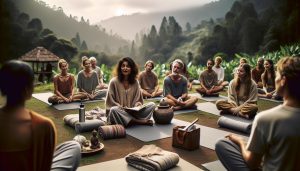
Have you ever dreamed of combining your passion for yoga with the joy of helping others? Starting a yoga retreat can be a transformative journey, not just for you, but for the participants who seek peace, healing, and rejuvenation through mindful practices. In this guide, we’ll explore the essential steps to launch your dream yoga retreat, from choosing the perfect destination to creating a nurturing environment that promotes wellness and connection. Whether you are a seasoned instructor or a yoga enthusiast wanting to inspire others, this comprehensive overview will address key concerns about logistics, planning, and marketing your retreat. Dive in and discover how to turn your vision into a reality, empowering both yourself and others on their path to wellness.
How to Define Your Yoga Retreat Concept
Defining the concept of your yoga retreat is crucial for attracting the right participants and ensuring a successful experience for everyone involved. Start by identifying the core intention behind your retreat. Is it to promote relaxation and rejuvenation, deepen participants’ yoga practice, or perhaps focus on a specific theme, such as mindfulness or wellness? Clarifying the retreat’s purpose will guide all other planning elements and help communicate the retreat’s value to potential attendees.
Next, consider the unique aspects that set your retreat apart from others. This could include specialized yoga styles or teaching methods, the integration of holistic wellness practices (like nutrition workshops or meditation sessions), or a specific location that enhances the retreat experience. Think about the ambiance you want to create-whether it’s a serene oceanfront setting, a tranquil mountain retreat, or an immersive cultural experience.
Once you’ve outlined the concept and unique features, determine the demographics of your ideal participants. Understand their motivations, interests, and skill levels. Are you targeting beginners, seasoned practitioners, or a mixed group? Gathering this information aids in crafting marketing messages that resonate and attract the right audience. It’s also helpful to create a preliminary itinerary that aligns with your concept, as this will provide a clearer vision of the overall experience you’re aiming to deliver.
Lastly, ensure that the concept reflects your personal values and expertise. Potential participants are often drawn to retreat leaders whose philosophies align with their own. By genuinely expressing your passion and knowledge, you can create a memorable experience that fosters connection and encourages ongoing engagement long after the retreat concludes.
Identifying Your Target Audience for Success
Identifying your ideal attendees is a pivotal step in launching a successful yoga retreat. Understanding the demographics and preferences of your target audience can significantly enhance your planning and execution, ensuring that the experience resonates with participants. To begin with, consider the motivations that drive individuals to seek out yoga retreats. Are they seeking stress relief, community connection, personal growth, or perhaps a deeper understanding of their yoga practice?
Gathering insights into potential participants’ backgrounds, such as their experience level, age, and lifestyle choices, will provide clearer guidance on how to tailor your retreat. For example, a retreat designed for active young professionals may emphasize high-energy yoga sessions combined with workshops on work-life balance, while a retreat focused on seniors might prioritize gentle practices and mindfulness. Understanding your audience also allows you to select appropriate marketing channels. Younger participants might engage more through social media, while an older demographic might prefer email newsletters or community events.
Consider conducting surveys or focus groups to collect information directly from prospective attendees. Ask about their interests, preferred retreat formats (intensive workshops versus relaxed vacations), and what they hope to gain from the experience. This targeted approach will not only inform your retreat planning but also create a deeper connection with your audience, as they will feel their needs and desires are being prioritized.
Lastly, don’t overlook the power of niche markets. Specializing your retreat, whether it’s through themes like wellness, mindfulness, or specific yoga styles, can attract a dedicated audience. By carving out a unique space in the wellness landscape, you cultivate a loyal participant base that may return for future offerings and recommend your retreat to like-minded friends. This strategy not only enhances your retreat’s appeal but also lays a solid foundation for sustainable growth in the future.
Essential Business Planning for Yoga Retreats
The success of a yoga retreat hinges not just on the transformative experience offered but also on the meticulous planning that precedes it. A solid business plan acts as your roadmap, guiding you through logistics while keeping your vision intact. Start with defining your mission statement-what do you hope to achieve with this retreat, and how will it impact participants? A clear mission sets the tone and guides all decisions that follow, from logistics to marketing.
Next, outline the financial aspects of your retreat. This includes estimating costs for venue rental, instructor fees, materials, and marketing. Create a detailed budget that anticipates both expected expenses and potential income. Consider the pricing structure; will you offer tiered pricing for different accommodation levels or early-bird discounts? Ensure your pricing not only covers costs but also reflects the value of the experience you provide.
You should also conduct a SWOT analysis (Strengths, Weaknesses, Opportunities, Threats) to assess your retreat’s position in the market. Identify what sets your retreat apart from others-perhaps a unique location, specialized yoga styles, or renowned guest instructors. Understanding your competition enhances your strategy, allowing you to carve out a niche that attracts your target demographic effectively.
Finally, consider operational logistics. This includes crafting an itinerary that balances yoga practice, relaxation, and personal growth activities. Engage potential participants early in planning by soliciting feedback on what they would value. By intertwining solid business planning with participant engagement, you can create a yoga retreat that is not only profitable but also deeply fulfilling for everyone involved.
Choosing the Perfect Location for Your Retreat
Selecting the ideal location for your yoga retreat is one of the most crucial decisions you will make, as it can significantly influence the overall experience of your participants. The perfect setting not only elevates the practice but also enhances relaxation, connection, and rejuvenation. Consider locations that are serene, beautiful, and offer a sense of peace away from daily distractions. Natural surroundings, such as mountains, beaches, or tranquil countryside, foster a deep sense of connection to self and nature, which is integral to a transformative retreat experience.
When evaluating potential venues, think about accessibility. A location that is easy to reach, whether through major airports or scenic drives, ensures that participants can attend without much hassle. Additionally, consider the amenities and accommodations that the venue can provide. Look for spaces with well-equipped yoga studios, comfortable lodging, nourishing food options, and outdoor areas for practice and reflection. Depending on your theme, you might want to include facilities for other activities such as meditation, hiking, or workshops.
Another key factor is the local culture and environment. Ensure that the location resonates with the values and aesthetics of your intended audience. For instance, if your retreat emphasizes sustainability and wellness, a venue known for eco-friendly practices would be a perfect match. Collaborating with local practitioners can also enrich the experience, bringing in authentic activities like traditional cooking classes or local artistry.
Finally, consider the season and climate. Research the best times to run your retreat based on weather patterns, as you want participants to enjoy their surroundings comfortably, whether indoors or outdoors. Understanding the seasonal dynamics of your chosen area can also guide your programming, allowing for exciting activities like sunrise beach yoga in warmer months or cozy indoor practices during cooler seasons. By thoughtfully selecting an inviting location that aligns with your retreat’s goals and your audience’s interests, you can create an unforgettable sanctuary for self-discovery and connection.
Legal Considerations and Permits for Retreats
Navigating the legal landscape for a yoga retreat is essential to ensure your event runs smoothly and complies with local regulations. This process can seem daunting, but understanding the necessary legal considerations and permits can help set the foundation for a successful retreat. Each location may have different requirements, so it’s crucial to research and be prepared. Engaging local experts or legal advisors can save you time and effort in understanding specific local laws.
Essential Permits and Licenses
First, consider the permits you may need to secure for your retreat. Common permits include:
- Business License: Most states require a business license to operate legally. Research your local business administration to understand the specific requirements.
- Event Permits: Depending on your venue and the number of participants, you might need a special event permit, especially if you plan to hold activities in public spaces.
- Liability Insurance: Protect yourself and your attendees by obtaining liability insurance. This can cover potential accidents or injuries that may occur during the retreat.
Compliance with Local Regulations
It is important to understand and comply with local laws regarding health and safety. Depending on your activities, this might include:
- Health Code Regulations: If you are providing food or beverages, ensure compliance with health codes, which may involve inspections.
- Occupancy Limits: Ensure your venue adheres to occupancy limits to maintain safety and abide by fire codes.
- Noise Ordinances: Be mindful of any local noise ordinances, especially if your retreat involves outdoor practices or late-night activities.
Contracts and Agreements
Finally, consider drafting clear contracts with your venue, instructors, and any other vendors. These contracts should outline the responsibilities, payment terms, and cancellation policies for each party to prevent misunderstandings. Ensure that your contracts include clauses that address liability, force majeure events, and any specific guidelines related to the yoga practices you intend to offer.
By taking the time to address these legal considerations and obtaining the necessary permits, you can create a secure and welcoming environment for participants to enjoy their yoga retreat. Thorough preparation not only protects you legally but also enhances the overall experience for your attendees, allowing them to focus on their wellness journey.
Creating an Engaging Yoga Retreat Itinerary
Creating a well-structured and engaging itinerary is key to the success of any yoga retreat. A thoughtfully curated schedule not only serves to guide participants through their experience but also enriches their journey, allowing them to tap into physical, mental, and spiritual benefits at every turn. To map out your itinerary, it’s essential to strike a balance between scheduled activities and free time, ensuring that attendees have opportunities for both structured practice and personal reflection or exploration.
Craft your schedule around core themes that resonate with your target audience and support the retreat’s overall mission. For example, if your retreat focuses on mindfulness and stress relief, incorporate a mix of yoga sessions geared toward relaxation, such as restorative or yin yoga, alongside guided meditation periods. Consider adding workshops on breathing techniques, nutrition for wellness, or even journaling sessions, which can deepen the participants’ connection to their experience.
Sample Daily Itinerary
| Time | Activity |
|---|---|
| 7:00 AM | Morning Yoga Session (Gentle Flow) |
| 8:30 AM | Breakfast (Healthy & Organic Options) |
| 10:00 AM | Workshop: Introduction to Mindfulness |
| 12:00 PM | Free Time (Optional Hiking/Swimming) |
| 2:00 PM | Afternoon Yoga Session (Yin Yoga) |
| 4:00 PM | group Reflection or Sharing Circle |
| 6:00 PM | Dinner (Group Meal with Local Ingredients) |
| 8:00 PM | Evening Meditation under the Stars |
By mixing various types of activities, you’ll cater to a range of interests within your group. Remember to leave ample blank spaces in your itinerary; this flexibility allows participants to digest their experiences at their own pace, which is vital for mindfulness. Additionally, capturing feedback throughout the retreat can provide real-time insights into how participants are engaging with the schedule, allowing for adjustments if needed.
Ultimately, an engaging itinerary is that which flows seamlessly while acknowledging the diverse needs and desires of your attendees. By keeping activities varied yet harmonious, you’ll foster a supportive environment conducive to personal and communal growth, ensuring that your yoga retreat is both memorable and transformative.
Marketing Strategies to Attract Retreat Participants
To create a successful yoga retreat, attracting the right participants is paramount. With wellness tourism on the rise, there are countless individuals seeking opportunities for rejuvenation and personal growth. To effectively reach and engage potential attendees, it’s essential to implement targeted marketing strategies that resonate with your specific audience.
One effective approach is to leverage social media platforms. Visual platforms like Instagram and Pinterest are particularly beneficial for sharing the serene landscapes, calming atmospheres, and transformative experiences that embody your retreat. High-quality imagery coupled with engaging captions can tell a story that draws viewers in. Consider starting a dedicated blog or vlog that showcases pre-retreat content, such as meditation tips, healthy recipes, or insights into your yoga philosophy. By establishing yourself as a thought leader in the wellness space, you’ll build credibility and trust among potential participants.
Additionally, email marketing remains a powerful tool for direct communication. Build an email list by offering incentives such as downloadable yoga guides or free meditation resources. Regular newsletters can keep your audience informed about upcoming retreats, highlight testimonials from previous attendees, and provide valuable wellness content. Through personalized emails, you can convey the essence of your retreat and encourage potential attendees to take action.
Creating strategic partnerships is another valuable tactic. Collaborating with local businesses, wellness influencers, or yoga studios can expand your reach. Joint promotions, co-hosting workshops, or offering exclusive discounts can attract diverse groups of attendees who may not have discovered your retreat otherwise. Explore affiliate marketing opportunities, allowing partners to earn a commission for every sign-up they generate, thus incentivizing them to promote your retreat enthusiastically.
Lastly, don’t underestimate the power of participant testimonials and word-of-mouth marketing. Encourage previous attendees to share their experiences on social media or leave reviews on travel platforms. Consider offering referral discounts or bonuses for those who bring friends to your retreat. Authentic experiences shared by previous guests can significantly influence the decision-making process for new participants, making them more likely to choose your retreat.
By employing these marketing strategies, you will not only attract diverse participants but also create a community of wellness-focused individuals looking to enrich their lives through your carefully curated retreat experiences. A well-rounded approach combining social media engagement, email outreach, partnership, and personal endorsements will set the foundation for your retreat’s success.
Budgeting and Pricing Your Yoga Retreat
Determining the right budget and pricing for your yoga retreat is crucial, as it directly influences the success and sustainability of your event. Balancing the costs associated with running a retreat with what participants are willing to pay requires careful planning and consideration. A well-thought-out budget not only ensures you cover your expenses but also allows for a profit margin that supports future retreats.
Start by listing all potential costs associated with your retreat. This includes venue rental, accommodations, food and beverages, instructor fees, transportation, marketing, and materials (like yoga mats or wellness kits). Don’t forget to account for any permits or insurance required, as these can vary significantly based on your location. Organizing these costs into categories can help provide a clearer picture of your overall financial landscape.
Next, consider your pricing strategy. Research similar retreats in your area to gauge what participants are willing to pay. Factors that often influence pricing include the duration of the retreat, the quality of the accommodations, the reputation of instructors, and any additional experiences (like excursions or workshops) you may offer. Setting tiered pricing-such as early-bird rates, standard rates, and last-minute deals-can encourage early sign-ups while still accommodating those who may book later.
Additional considerations should include establishing a clear cancellation policy and potential refund options, which can affect participant trust and your retreat’s reputation. Engaging potential attendees through feedback during the early planning stages can provide valuable insights on what they value most, allowing you to align your offerings and pricing more closely with their expectations.
Ultimately, creating a detailed budget that reflects both your expenses and the perceived value of your retreat can lead to a pricing model that satisfies both you and your participants. By being transparent about your cost structure and emphasizing the unique benefits of your retreat, you can foster a sense of trust and excitement, making it easier to attract the right audience.
How to Collaborate with Instructors and Staff
Collaborating effectively with instructors and staff is vital for the success of a yoga retreat. Your participants will benefit tremendously from a well-rounded team of professionals who can offer diverse skills and insights, enhancing the overall experience. As a retreat organizer, it’s important to establish a cohesive team environment where everyone feels valued and motivated to contribute to the collective vision of the retreat.
Begin by clearly defining roles and responsibilities for each instructor and staff member. This might include yoga instructors, wellness coaches, nutritionists, massage therapists, and support staff. Having defined roles helps streamline operations and ensures that each team member knows what is expected of them. Additionally, foster open communication by creating regular check-in meetings. This allows for collaboration on logistics, sharing insights on participant feedback, and addressing any challenges as they arise.
- Choose Qualified Instructors: When selecting instructors, look for those who not only possess the necessary credentials but also resonate with your retreat’s theme and values. It’s important that their teaching style aligns with what you want to offer.
- Encourage Team Collaboration: Creating collaborative opportunities encourages creativity and allows staff to bring unique ideas forward for workshops and events that can enrich the retreat experience.
- Incorporate Staff Training: Before the retreat begins, conduct a staff training session to ensure that everyone is on the same page concerning the retreat’s schedule, objectives, and participant expectations.
Involve your instructors in creating the retreat itinerary, which not only promotes their investment in the event but also allows them to incorporate their unique expertise, resulting in a more enriching experience for the participants. When all staff members have a say in the planning process, they can better understand how their contributions fit into the larger picture.
Finally, after the retreat, gather feedback from both participants and staff. This will not only provide insights into how to improve future retreats but also help build a foundation of trust and respect among your team. Keeping everyone engaged throughout the process and recognizing their contributions can lead to a more harmonious and productive retreat environment, ultimately enhancing the overall experience for attendees.
Ensuring a Memorable Experience for Attendees
Creating an unforgettable experience for attendees at a yoga retreat goes beyond simply scheduling classes and activities; it involves crafting a holistic journey that resonates on physical, mental, and emotional levels. The essence of a memorable retreat lies in the details-immersive practices, nurturing environments, and meaningful connections.
To start, consider the sensory aspects of the experience. This includes everything from the aromas of healthy meals to the sounds of nature or soothing music that accompany yoga sessions. These elements can create a calming atmosphere that enhances relaxation and mindfulness. Integrating local culture into the retreat, whether through local cuisine or authentic wellness practices, can also deepen guests’ experiences and provide them with unique, memorable moments.
Engaging Activities Beyond Yoga
Incorporate a variety of activities that encourage participants to explore and unwind. Workshops such as guided meditation, breathwork sessions, or creative arts like painting can cater to different interests and skill levels. You might also consider adding optional outdoor excursions like hiking or paddleboarding, allowing guests to connect with nature and foster a sense of adventure.
Building Community
Encouraging connections among participants is essential. Facilitate group discussions or sharing circles to cultivate trust and openness, helping attendees feel like part of a supportive community. Implement activities that require teamwork or collaboration, such as group yoga sessions or team-building exercises, to encourage interaction and forge lasting friendships.
Personal Touches
The small gestures can make a significant impact on the overall experience. Providing personalized welcome kits that include essentials like yoga mats, essential oils, or journals can help guests feel valued. Additionally, hosting one-on-one check-ins can help you address individual needs and preferences, ensuring that every participant feels acknowledged and catered to throughout their journey.
A successful yoga retreat is one that nurtures attendees’ well-being and allows them to leave feeling rejuvenated and inspired. By focusing on creating a holistic environment, engaging activities, community connection, and personal touches, you can ensure that every moment spent at the retreat is memorable and enriching, encouraging participants to return and share their experiences with others.
Post-Retreat Follow-Up Strategies for Engagement
After the transformative experience of a yoga retreat, maintaining engagement with participants becomes crucial for fostering a lasting connection. A well-thought-out post-retreat follow-up strategy not only enhances participants’ sense of community but also encourages them to return in the future. This engagement can be realized through various methods that resonate with the principles of wellness and mindfulness cultivated during the retreat.
Firstly, sending personalized thank-you emails can go a long way. These emails should express gratitude for attending and invite feedback on their experience. This not only shows participants that their opinions matter but also provides valuable insights for future retreats. Alongside the email, consider including a *feedback survey* to gather detailed thoughts, preferences, and suggestions. This approach reflects a genuine interest in improving and adapting the experience to better suit future participants.
Building Community Online
Creating an online community platform, such as a Facebook group or a dedicated WhatsApp chat, encourages participants to stay connected. This space can serve as a lively environment for sharing insights, posting questions about yoga practices, and hosting challenges that align with the retreat’s themes, such as *mindfulness exercises or daily gratitude journaling*. Regularly scheduled virtual meet-ups can also maintain momentum, allowing participants to reconnect and share personal progress or struggles since the retreat.
Offering Continued Learning
Leveraging content-driven approaches can keep the community engaged. Share educational materials, such as *newsletters, blog posts, or recorded yoga sessions*, directly related to the retreat’s themes. This could include topics like nutrition, meditation techniques, or new yoga practices. These resources not only keep participants informed but also encourage them to continue their personal growth journey outside of the retreat environment.
Finally, consider implementing a referral program that rewards past participants for bringing new attendees to future retreats. This incentivizes them to share their positive experiences with others, potentially widening your reach and enhancing enrollment for upcoming events. By investing time in these follow-up strategies, you create a nourishing support network that not only values the retreat experience but also promotes ongoing engagement and connection among participants.
Measuring Success and Growth for Future Retreats
To gauge the effectiveness of your yoga retreats and ensure continual improvement, it’s essential to implement a robust system for measuring success and growth. Understanding what works and what needs adjustment not only enhances participant satisfaction but also builds a sustainable business model. Key performance indicators (KPIs) such as participant feedback, retention rates, and financial metrics can provide a tangible framework for assessment.
Begin by collecting detailed feedback from participants through surveys distributed post-retreat. Focus on aspects such as the quality of the yoga classes, accommodations, and overall experience. Questions can range from satisfaction ratings to open-ended responses that allow participants to share their thoughts in their own words. By analyzing this data, you can identify trends, strengths, and areas for improvement, ensuring that each retreat builds on previous successes.
Tracking Attendance and Retention
Another critical metric is the retention rate of participants. Engage past attendees to understand their motivations for returning (or not) and assess how many individuals joined a subsequent retreat. Tracking how often participants return can highlight the effectiveness of your offerings and the emotional connection attendees feel towards your retreats. Consider utilizing tools such as customer relationship management (CRM) systems to effectively keep track of participant history and preferences.
Financial Performance Metrics
Financial metrics also play a crucial role in assessing success. Calculate total revenue, expenses, and profit margins to ensure a healthy business model. Evaluating pricing strategies in relation to the value offered can help align your offerings with participant expectations. Furthermore, consider implementing a budget for marketing and outreach efforts to ensure you’re attracting a diverse and engaged audience.
Finally, establish a regular review process to revisit these metrics. Schedule quarterly assessments to analyze the data collected and to strategize for future retreats. Maintaining a flexible approach, keenly attuned to participant desires and industry trends, will enable you to consistently elevate the quality and reach of your yoga retreats. By effectively measuring success and growth, you create an adaptive framework that allows your retreats to evolve and flourish over time.
Frequently Asked Questions
Q: How do I identify my target market for a yoga retreat?
A: To identify your target market for a yoga retreat, conduct surveys and research to understand your potential participants’ demographics, interests, and needs. Consider factors such as age, skill level, and wellness preferences. Tailor your retreat offerings accordingly to attract your ideal audience.
Q: What should I include in a yoga retreat itinerary?
A: A yoga retreat itinerary should include daily yoga sessions, meditation times, meals, workshops, and leisure activities. Ensure a balance between structured activities and free time, allowing participants to relax and absorb the experience. Refer to the “Creating an Engaging Yoga Retreat Itinerary” section of the article for more details.
Q: How can I effectively market my yoga retreat?
A: To effectively market your yoga retreat, utilize social media, email newsletters, and collaborations with wellness influencers. Create visually appealing content, such as videos and blog posts, that highlight the benefits of your retreat. Implement SEO strategies and consider paid advertising for broader reach.
Q: What factors should I consider when choosing a location for my yoga retreat?
A: When choosing a location for your yoga retreat, consider accessibility, natural surroundings, ambiance, and available facilities. Ensure the venue aligns with your retreat theme and provides a peaceful environment conducive to relaxation.
Q: How do I handle legal considerations and permits for a yoga retreat?
A: Legal considerations for a yoga retreat include acquiring necessary permits, insurance coverage, and compliance with local laws. Consult legal experts to ensure all aspects are covered, especially regarding participant safety and liability protection.
Q: What budget considerations should I keep in mind for a yoga retreat?
A: Budget considerations for a yoga retreat include venue costs, instructor fees, marketing expenses, food, and materials. Create a detailed budget plan and explore various pricing models to ensure profitability while remaining attractive to participants.
Q: How can I enhance the experience for participants in my yoga retreat?
A: Enhance participants’ experience by offering personalized attention, comfortable accommodations, and high-quality meals. Incorporate diverse activities like guided hikes or wellness workshops to enrich their stay, focusing on creating a holistic wellness experience.
Q: What are effective post-retreat follow-up strategies?
A: Effective post-retreat follow-up strategies include sending personalized thank-you emails, gathering feedback through surveys, and offering resources for continued practice. Maintain engagement by creating a community platform for participants to connect and share their experiences.
In Retrospect
Ready to transform your passion for yoga into a thriving retreat business? Now is the time to take action! By following the insights shared in “How to Start a Yoga Retreat: Launch Your Dream Business Today,” you’ll be equipped to create a unique experience that resonates with your audience. Remember, the journey begins with your vision and commitment-don’t let hesitation hold you back.
For more actionable advice, explore our articles on effective wellness business planning and destination tips. Don’t forget to check out our resources on travel preparation and maintaining routines while on the go. If you have any questions or want to share your progress, leave a comment below!
Start your journey today and join a community dedicated to wellness travel and enriching experiences. Your dream retreat awaits!
Get our latest guides, news, and insights highlighted in your Google Search & AI Overviews.