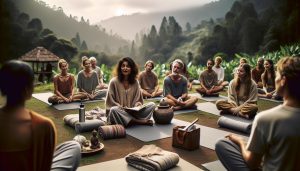
Planning a yoga day retreat can transform an ordinary day into a revitalizing experience that promotes mindfulness and connection. Creating the perfect schedule is key, as it ensures participants enjoy a harmonious blend of practice, relaxation, and community engagement. Whether you’re a retreat organizer or someone seeking to deepen your practice, understanding how to structure your day is essential. From balancing meditation sessions with invigorating classes to incorporating wellness breaks, crafting a well-thought-out agenda can enhance the overall atmosphere and impact of your retreat. Join us as we explore a comprehensive schedule template that will help you create an unforgettable day of rejuvenation and self-discovery.
How to Choose the Perfect Retreat Location for Your Yoga Day
Choosing the right location for your yoga day retreat is a critical first step that can greatly enhance the overall experience for participants. An ideal setting not only complements the practice of yoga but also provides a serene environment conducive to relaxation and mindfulness. Consider venues that offer natural beauty, such as proximity to mountains, lakes, or gardens, which can evoke a sense of tranquility and connection to nature. Locations that have ample outdoor space can also facilitate activities such as group sessions and meditative walks in a refreshing open-air setting.
Accessibility is another crucial factor in your decision-making process. The venue should be convenient for participants to reach while also providing essential amenities. Venues located near airports or major transportation hubs can alleviate travel stress for attendees. It’s equally important to ensure that the facilities provide basics like clean restrooms, ample parking, and areas for relaxation or social interaction. This attention to logistical details demonstrates thorough planning and enhances the overall experience.
Moreover, think about the ambiance and energy of the space. Look for venues that resonate with the ethos of yoga: calm, peaceful, and inviting. Consider places that can facilitate various aspects of the retreat, including spaces for yoga classes, meditation rooms, and areas for meals or workshops. The interior setup should also align with a holistic experience, allowing ample daylight and comfort. As you search for the perfect location, don’t hesitate to include local elements or cultural experiences that can enrich the retreat for participants, making it a more meaningful and memorable event.
Essential Elements of a Successful Yoga Day Retreat

A transformative yoga day retreat hinges on a few essential elements that together create a balanced and enriching experience. To start, the planning phase should focus on identifying a clear theme or intention for the retreat. This focus allows for a cohesive schedule and helps participants set personal goals, making the journey more meaningful. Themes could range from ‘Renewal Through Nature’ to ‘Cultivating Inner Peace’, guiding the type of sessions and activities included throughout the day.
Next, it’s vital to incorporate a variety of session types and break times to keep participants engaged and refreshed. A well-structured schedule could comprise several yoga classes, meditation sessions, and even time for self-reflection or journaling. For instance, a typical day might include:
- Morning yoga session to set intentions
- Mindfulness meditation midway through the day
- Workshops on topics like breathwork or self-care
- Afternoon restorative yoga
- Closing circle to share experiences and insights
Additionally, creating moments for organic connection is crucial. Encouraging participants to share their thoughts or experiences helps foster a sense of community. These connections can be facilitated through group discussions or activities that promote interaction, such as partner yoga or small group exercises.
A final but equally important element is the consideration of logistics and amenities. Ensuring comfortable spaces for yoga practice, quiet areas for meditation, and inviting setups for meals enhances the overall experience. Attention to these details can make participants feel valued and cared for, reinforcing the calming atmosphere essential for their journey towards wellness. Embracing these elements can elevate any yoga day retreat and transform it into a truly unforgettable experience.
Crafting an Inviting Schedule: Key Time Blocks

An engaging yoga day retreat is all about the flow-not just of the yoga sessions, but of the entire day’s schedule. Crafting an inviting schedule is critical in maintaining energy levels and ensuring participants feel both rejuvenated and connected. A well-structured timetable not only maximizes the benefits of each session but also provides participants with a comforting sense of rhythm throughout the day. Here’s how to create a schedule that harmonizes rest and activity while fostering a seamless experience.
To kick off the day, consider starting with a gentle morning yoga session, ideally set outdoors if possible, to harness the natural energy of the environment. This initial practice could last about 60 minutes, incorporating breathwork and mindfulness to help participants set their intentions for the day. Following this, a nourishing breakfast session can be included, emphasizing wholesome food choices that support energy without overwhelming the digestive system.
As the morning progresses, allocate time for workshops or guided activities that delve deeper into specific themes, such as mindfulness or self-care practices. These interactive sessions could range from 45 minutes to an hour, providing participants with valuable insights and techniques they can take home. After this engaging segment, a restorative practice or meditation is ideal for allowing participants to absorb what they’ve learned and to reflect-this could last anywhere from 30 to 45 minutes.
The afternoon should build upon this momentum with a mix of invigorating and calming practices. A more physically demanding yoga class can follow lunch, encouraging participants to build strength and endurance. Concluding with a soothing restorative yoga session or guided relaxation helps digest both the food and the experiences of the day. A closing circle can be beneficial, where participants share insights and feelings, creating a sense of community and closure.
Finally, don’t forget to intersperse breaks throughout the day-short 10 to 15-minute pauses between sessions allow participants time to hydrate, reflect, or connect without feeling rushed. This structure invites participants to remain present and engaged while honoring their individual needs, ultimately crafting a heart-centered retreat experience that encourages growth, connection, and rejuvenation.
Incorporating Mindfulness and Meditation Practices
In the realm of wellness retreats, into your yoga day retreat can significantly enhance the overall experience for participants. These practices not only promote relaxation but also foster a deeper connection with oneself, allowing individuals to leave behind everyday distractions and embrace the present moment. With the right strategies, you can create a peaceful environment that encourages mindfulness throughout the day.
Start by weaving mindfulness into the fabric of your retreat schedule. Consider offering short mindfulness sessions or guided meditations at various points during the day. For instance, after the morning yoga session, a brief 10 to 15-minute meditation can help participants consolidate their practice and set intentions for the day. Similarly, after lunch, a mindful eating exercise can be introduced, encouraging attendees to savor their meals while engaging their senses. This can lead to greater appreciation for the food and the moment, enhancing the overall experience.
Utilizing the natural surroundings of your retreat location can also enrich mindfulness practices. If your venue is surrounded by nature, schedule outdoor meditations or mindful walking sessions. Encourage participants to pay attention to the sounds of nature, the feel of the ground beneath their feet, and the beauty of their surroundings. This engagement with the environment can amplify feelings of peace and presence, making the retreat more memorable.
Lastly, incorporate elements of mindfulness into all yoga sessions. Teach participants to focus on their breath, encouraging them to notice shifts in their body and mind throughout their practice. This attention to breath and body awareness cultivates a strong foundation for mindfulness that they can carry beyond the retreat. By emphasizing the importance of being present in each pose and transition, you create an atmosphere of mindfulness that permeates the entire day.
By thoughtfully integrating mindfulness and meditation practices, your yoga day retreat can transform from a simple gathering into a deeply nourishing experience that fosters personal growth and connection. This holistic approach not only enhances the quality of the retreat but also equips participants with tools they can implement in their daily lives for ongoing well-being.
Designing Engaging Yoga Sessions for All Levels

Designing yoga sessions that cater to all skill levels is essential for creating an inclusive and enjoyable experience during a yoga day retreat. With participants likely ranging from beginners to experienced practitioners, carefully structuring sessions can enhance participation and foster a sense of community. A considered approach ensures everyone feels valued and supported, encouraging them to fully engage in the retreat experience.
Start by incorporating a variety of yoga styles and approaches within your sessions. Offering a mix of gentle Hatha yoga for beginners, along with more dynamic Vinyasa or Ashtanga sessions for intermediate to advanced practitioners, can create balance. It’s also beneficial to include modifications for poses, allowing participants to adapt their practice according to their comfort and ability levels. For example, during a sun salutation, provide variations for common poses like Downward Dog, offering a modified version on the knees for those who may struggle with wrist pressure or balance.
Encouragement of personal exploration should be a fundamental aspect of your sessions. Emphasize that yoga is not about achieving perfection but rather about cultivating awareness and self-discovery. Use prompts that guide participants to focus on their breath, sensations, and thoughts throughout the practice. Encourage them to listen to their bodies, take breaks when needed, and explore different expressions of their practice, whether that means adjusting their alignment or trying a more restorative variation of a pose.
To further enhance engagement, consider incorporating themes or intentions into your classes. Themes can revolve around concepts such as gratitude, strength, or breath awareness, which can be introduced at the beginning of a session and briefly revisited throughout. This intentional framing helps participants connect on a deeper level to their practice and fosters a sense of purpose, making the experience more enriching for everyone involved.
Lastly, ensure that your sessions include group activities that promote community building. Partner poses or group flows can create a supportive and fun environment, allowing participants to connect with others while still respecting their individual practice levels. These collaborative elements not only enhance the overall experience but also foster friendships and a sense of belonging, making your retreat memorable and impactful.
Nutritional Planning: Meal Ideas and Dietary Considerations
Creating a memorable yoga day retreat goes beyond practice; it includes thoughtful consideration of nutritional planning. The meals served can greatly enhance the overall experience, providing energizing sustenance and fostering an atmosphere of wellness. When planning your menu, consider a variety of dietary preferences and restrictions, ensuring that offerings are both nutritious and delicious.
Start with a balanced approach to meals, focusing on whole foods that are rich in vitamins and minerals. Offering a range of options such as fresh salads, whole grains, lean proteins, and healthy fats can cater to diverse dietary needs. Consider these meal ideas:
- Breakfast: Smoothie bowls topped with fruits, nuts, and seeds; whole-grain oatmeal with fruit and honey.
- Lunch: Quinoa salad with roasted vegetables and chickpeas; wraps made with whole-grain tortillas filled with hummus, greens, and sliced turkey or tofu.
- Dinner: Grilled salmon or baked tofu with steamed broccoli and brown rice; vegetable stir-fry with a variety of colorful vegetables and a ginger-garlic sauce.
- Snacks: Energy balls made with oats, peanut butter, and seeds; fresh fruit or vegetable platters with hummus for dipping.
It’s also essential to consider hydration throughout the retreat. Encourage participants to stay hydrated with infused waters-adding fruits such as lemon, cucumber, or berries can make ordinary water more enticing and refreshing. Herbal teas can also be offered, particularly after sessions, helping to promote relaxation.
In addition to dietary options, offering clear labeling for meals is critical. Allergen information should be readily available so participants can make informed choices without concern. This transparency promotes comfort and inclusivity, allowing everyone to enjoy their meals without worry.
Lastly, consider incorporating brief discussions or workshops about nutrition tailored to the retreat. These sessions could cover topics like mindful eating, the benefits of various foods for physical and mental health, or simple recipes to recreate at home. This approach adds educational value, encouraging participants to carry these healthy habits even after the retreat concludes.
Creating a Relaxing Atmosphere: Decor and Setup Tips
Creating a serene and inviting atmosphere is paramount for a successful yoga day retreat. The right decor and setup can enhance participants’ relaxation and mindfulness, helping them immerse themselves fully in the experience. Think about the sensory aspects of the space-what people see, hear, smell, and feel all contribute to the overall ambiance.
Start by choosing a location that embodies tranquility. If possible, select a venue with natural light and beautiful views, such as nearby gardens or scenic landscapes. Incorporate calming colors into your decor, like soft blues, greens, and earthy tones, to promote a sense of peace and connection to nature. Soft textiles, such as cushions, blankets, and rugs, can provide comfort and warmth, encouraging participants to relax before and after sessions.
Setting the Mood with Aromatherapy
Aromatherapy can play a significant role in creating a calming environment. Consider using essential oil diffusers or candles with soothing scents like lavender, eucalyptus, or sandalwood. These aromas can help reduce anxiety and enhance the overall retreat experience. Additionally, incorporating soft background music-gentle instrumental sounds or nature sounds-can create a peaceful auditory backdrop, encouraging participants to deepen their practice.
Organizing Space for Flow
The physical arrangement of the space is also crucial. Ensure that yoga mats are comfortably spaced to allow for free movement while fostering a sense of connection among participants. Create separate areas for different activities, such as meditation, yoga practice, and relaxation breaks. Clearly marked zones can facilitate smooth transitions throughout the day.
Additionally, consider providing a relaxation area with comfortable seating and ambient lighting, where participants can gather, reflect, or have informal discussions during breaks. This space should feel welcoming and supportive, inviting attendees to connect with themselves and each other.
Ultimately, the atmosphere you curate should reflect the core values of your retreat-mindfulness, wellness, and community. By thoughtfully considering decor elements, sensory experiences, and spatial organization, you can craft a memorable environment that leaves a lasting impact on participants and encourages them to return for future retreats.
Activities Beyond Yoga: Enhancing the Retreat Experience
Incorporating enriching activities beyond yoga is essential for creating a memorable experience at a yoga day retreat. These activities can provide balance to the day, foster community, and deepen participants’ engagement with the retreat’s themes. By offering diverse experiences, you not only enhance the overall atmosphere but also cater to varying interests among attendees, making the event more appealing and holistic.
Mindfulness Workshops
Mindfulness workshops can serve as a powerful complement to yoga practice. These sessions might include guided meditation, breathwork exercises, or discussions on the principles of mindfulness. Facilitating a deeper understanding of these concepts can help participants integrate mindfulness into their daily lives. You might schedule a workshop right after a challenging yoga session to help attendees relax and reflect on their experiences, reinforcing the themes of self-awareness and presence.
Nature Walks or Outdoor Activities
Taking participants outdoors can rejuvenate their spirits and deepen their connection with nature. Organize a guided nature walk or simple outdoor yogic practices, such as yoga in the park or mindfulness walking. These activities give participants a chance to enjoy the tranquility of the surroundings while practicing grounding techniques. Consider introducing a scavenger hunt that encourages mindfulness, prompting participants to observe the beauty around them closely.
Creative Expression Sessions
Engaging in creative outlets can be cathartic and refreshing. Consider offering sessions such as art therapy, journaling, or even cooking classes that focus on healthy meals. This not only provides a break from physical activity but also allows participants to express their thoughts and feelings creatively. These sessions can foster connections among attendees as they share their creations and inspirations, enhancing the sense of community.
Evening Relaxation Activities
Capping the day with calming activities is crucial for helping participants wind down. Plan sessions like sound healing, guided imagery, or a group reflection circle. These activities can deepen participants’ sense of relaxation and facilitate meaningful conversations about their experiences throughout the day. Incorporating gentle restorative yoga or a mindfulness meditation practice can also help reinforce the retreat’s themes of relaxation and self-care.
By diversifying the retreat program with these enriching activities, you not only promote a comprehensive wellness experience but also ensure that attendees leave with lasting memories and tools they can take home. The goal is to foster a supportive environment where individuals feel nurtured and engaged, encapsulating the essence of a transformative day retreat.
Marketing Your Yoga Day Retreat: Reach Your Audience
Effective marketing strategies are crucial for ensuring your yoga day retreat reaches the right audience and attracts participants who will benefit most from the experience. With the wellness tourism industry flourishing, it’s essential to understand how to tap into this growing interest. By leveraging a mix of digital and community-based marketing strategies, you can create a compelling invitation that resonates with potential attendees.
To kickstart your marketing efforts, harness the power of social media platforms such as Instagram, Facebook, and Pinterest. Sharing high-quality images and engaging videos from past retreats or yoga sessions can create an inviting image of your event. Utilizing relevant hashtags-like #YogaRetreat, #WellnessJourney, and location-specific tags-will help increase visibility. Consider hosting live sessions or Q&A events to engage directly with your audience, fostering a community that feels connected to your retreat’s vision.
In addition to social media, creating detailed content on your website can be incredibly beneficial. Write blog posts about the benefits of yoga retreats, offer tips for participants on how to prepare, and share testimonials from previous attendees. Optimize this content for search engines (SEO) by using keywords related to yoga retreats and wellness. This strategy will not only increase traffic to your site but will also establish you as an authority in the wellness space.
Building Partnerships
Collaborating with local wellness businesses, such as health food cafés, fitness centers, or holistic practitioners, can also expand your outreach. Create partnerships where mutual promotions can occur-offer to host a free class or workshop at their venue in exchange for them promoting your retreat. Additionally, submitting your retreat to local event calendars or wellness directories can further increase your reach.
Lastly, consider offering early bird specials or group discounts to incentivize sign-ups. These strategies not only make your retreat more accessible but also create urgency for potential participants. By weaving together a thoughtful marketing plan and ensuring consistent messaging across platforms, you will effectively reach your audience and fill your yoga day retreat with like-minded individuals seeking transformation and connection.
Gathering Feedback to Improve Future Retreats
To create a successful yoga day retreat, gathering feedback from participants is an essential practice that can significantly enhance future events. Collecting insights from attendees not only helps recognize what elements of the retreat resonated well but also identifies areas needing improvement, ensuring that each subsequent retreat continually meets the expectations and desires of participants.
Utilizing various methods to gather feedback can lead you to comprehensive insights. Consider implementing post-retreat surveys that include both quantitative rating scales and open-ended questions. This dual approach allows participants to express their thoughts in numerical terms and provides room for detailed feedback. Questions can touch on aspects like the quality of yoga sessions, venue comfort, schedule pacing, and overall satisfaction. Additionally, one-on-one conversations after classes can yield valuable immediate feedback, creating a welcoming space for participants to share their experiences.
It’s also beneficial to analyze patterns over multiple retreats. For instance, if feedback consistently highlights the desire for more meditation sessions or specific types of yoga practices, it can guide you in refining future offerings. Furthermore, openly communicate to participants that their opinions are valued and directly influence the structure of future retreats. This transparency fosters a sense of community and connection, making participants feel more invested in the evolution of your retreats.
Lastly, consider implementing a feedback loop by informing past attendees about the changes made based on their suggestions. This not only shows that you take their feedback seriously but also strengthens their connection with your brand. Engaging participants in this way can encourage repeat attendance and foster a loyal community around your yoga events. By systematically harnessing participant feedback, you can enhance the quality and appeal of your yoga day retreats, ensuring they are both enjoyable and transformative experiences.
Maximizing Profits: Pricing and Packages Strategy
Creating a profitable yoga day retreat requires a well-thought-out pricing strategy that balances accessibility for attendees with the sustainability of your business. The pricing model you choose can greatly influence the perceived value of your retreat, driving both participation and profitability. A good starting point is to analyze your costs, including venue rental, instructor fees, marketing, and materials. This foundational knowledge allows you to set pricing that covers your expenses while still appealing to your target audience.
One effective approach is to offer tiered pricing structures. For instance, you could have an early bird discount to encourage early sign-ups, which helps with your planning and cash flow. Another tier might include the standard rate, while a premium tier could offer additional perks such as one-on-one sessions, premium meal options, or exclusive merchandise. This encourages attendees to invest more for added benefits while making the base price accessible. Consider including packages that cater to different levels of involvement, from basic attendance to comprehensive wellness experiences.
Flexible Payment Options
Offering flexible payment plans can also enhance accessibility. Many participants may struggle with a one-time payment-the option of installment payments can alleviate this concern. Additionally, consider implementing loyalty programs or discounts for returning participants, as this can reinforce customer retention. A clear understanding of your audience’s preferences will inform your pricing strategy. Engage with them through surveys or social media to gather insights on what they value and how much they are willing to pay.
Maximizing Value
Ultimately, your goal should be to maximize perceived value while ensuring profitability. This can be achieved by bundling services-such as incorporating meals, wellness workshops, or guided nature walks into your offerings. The retreat experience should feel like a worthwhile investment, and emphasizing the unique aspects of your retreat can help justify the cost. Clear communication about what attendees will gain, both physically and mentally, plays a crucial role in your pricing strategy.
In summary, a well-structured pricing strategy that reflects the value of your offerings, considers audience preferences, and incorporates attractive payment options will not only maximize profits but also cultivate a loyal community around your yoga day retreats. Balancing affordability with sustainability can create an enriching experience for both participants and organizers, ultimately leading to thriving retreat offerings.
Frequently asked questions
Q: How long should a yoga day retreat last for optimal experience?
A: A yoga day retreat typically lasts between 4 to 8 hours. This duration allows participants to fully engage in multiple yoga sessions, meditation, and relaxation without feeling rushed. Aim for a balanced schedule that includes breaks and nourishing meals to enhance the overall experience.
Q: What type of yoga should be included in a day retreat schedule?
A: Include a variety of yoga styles such as Hatha for beginners, Vinyasa for flow, and Yin for deep stretching. This variety caters to different skill levels and preferences, promoting inclusivity and ensuring that all participants find something enjoyable.
Q: How can you promote mindfulness during a yoga day retreat?
A: Promote mindfulness by incorporating guided meditations and breathing exercises throughout the day. Designate specific times for participants to reflect and journal about their experiences, enhancing their connection to the practice and deepening their relaxation.
Q: What activities can complement yoga sessions in a retreat?
A: Complementary activities include mindfulness workshops, nature walks, or creative sessions like journaling or art. These activities provide a holistic approach to wellness, fostering community and personal growth outside formal yoga practice.
Q: How should meals be planned for a yoga day retreat?
A: Plan nutritious, light meals that emphasize fresh fruits, vegetables, and plant-based proteins to sustain energy. Consider dietary restrictions of participants and include options for vegan, gluten-free, and dairy-free meals to ensure everyone is accommodated.
Q: When is the best time to host a yoga day retreat?
A: The best time for a yoga day retreat is during spring or fall, when weather conditions are generally mild, encouraging outdoor activities. Check local calendars for events to avoid scheduling conflicts and enhance attendance.
Q: How can feedback improve future yoga day retreats?
A: Gather feedback through surveys or one-on-one conversations post-retreat to understand participant preferences better. This data helps refine schedules, improve meal options, and enhance the overall retreat experience, leading to increased satisfaction in future events.
Q: Why is it important to create a relaxing atmosphere at a yoga retreat?
A: A relaxing atmosphere fosters a sense of safety and openness, encouraging participants to fully engage in their practice. Use calming decor, gentle lighting, and soothing music to enhance the environment, allowing guests to immerse themselves in relaxation and mindfulness throughout the retreat.
The Conclusion
As you plan your yoga day retreat, remember that a well-structured schedule is key to creating a transformative experience for your participants. By incorporating diverse activities, mindful breaks, and enriching sessions, you’ll foster deeper connections and enhance overall satisfaction. Don’t wait-put your newfound knowledge into action and start crafting a memorable retreat that attendees will rave about!
Explore our additional resources on yoga poses for beginners and free yoga videos to enhance your offerings. Whether you’re seeking inspiration for your next event or tips on maintaining wellness while traveling, we’ve got you covered. Dive deeper into our blog for insights on business planning, travel logistics, and best practices for yoga retreats. Your journey toward a successful yoga retreat starts now-let’s make it unforgettable!
Get our latest guides, news, and insights highlighted in your Google Search & AI Overviews.