Are you ready to deepen your impact as a yoga instructor while offering transformative experiences to your students? Teaching a yoga retreat is not just about guiding poses; it’s about creating a sanctuary for personal growth and healing. This journey allows you to elevate your teaching skills, connect authentically with participants, and enhance your business practice in the wellness industry. As more people seek the rejuvenating benefits of yoga amidst their busy lives, the demand for retreat experiences continues to rise. In this guide, you’ll discover essential strategies for planning, executing, and promoting your retreat effectively, so you can lead with confidence and enrich your students’ lives. Get ready to explore the art of teaching a yoga retreat and unlock new dimensions in your practice!
How to Choose the Perfect Location for Your Yoga Retreat

Choosing the right location for a yoga retreat can be transformative, not just for participants but also for the overall ambiance and effectiveness of the experience. The perfect retreat setting should evoke a sense of peace, connection, and inspiration, facilitating deep practices and personal exploration. When considering potential sites, it is essential to prioritize accessibility, safety, and the natural environment, as these factors significantly influence participants’ comfort and ability to engage fully in the retreat.
Natural Elements and Tranquility
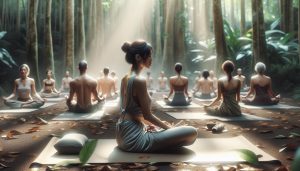
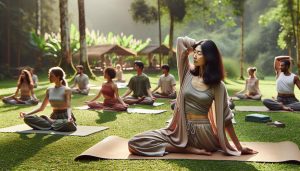
When evaluating locations, look for venues that integrate natural surroundings-mountains, beaches, forests, or serene lakes can enhance the spiritual and physical aspects of yoga. The sound of waves or the quiet of a forest can serve as a backdrop for practice, aiding in relaxation and mindfulness. Consider spots that allow for outdoor classes, as nature can deeply enrich the yoga experience.
Accessibility and Amenities
Accessibility is another critical factor. Ensure that your chosen location is easy to reach, especially for those traveling from afar. Proximity to an airport, ample parking, and reliable transportation options are crucial. Additionally, evaluate the amenities available on-site, including comfortable lodgings, healthy meal options, and spaces for both group activities and individual reflection. Make sure the infrastructure supports the specific needs of a yoga retreat, such as quiet rooms for meditation, studio space for yoga sessions, and areas for communal gathering.
Cultural and Local Influence
Consider the cultural aspects of the location. Engaging with local traditions, foods, and wellness practices can enrich the retreat experience and create a deeper connection to the place. Research local attractions or activities that can complement your yoga offerings and provide participants with opportunities to explore and integrate their experience beyond the mat-whether through local excursions, workshops, or cultural classes.
By balancing all these elements, you can create a nurturing environment that not only supports yoga practice but also encourages personal growth and connection among participants. Choosing the perfect location is vital for fostering an unforgettable yoga retreat experience that resonates long after the participants return home.
Crafting a Memorable Yoga Retreat Curriculum

Crafting a meaningful and engaging curriculum for a yoga retreat is essential for creating a transformative experience that resonates with participants long after they return home. A well-thought-out curriculum not only addresses the physical aspects of yoga but also fosters emotional and spiritual growth. As you design your retreat’s program, consider several key elements that can help create a memorable journey for all involved.
Begin with defining clear themes or intentions for the retreat. This sets the tone for each day and can help participants focus on specific aspects of their practice. For example, one day could center around mindfulness, while another might explore the concepts of compassion or self-acceptance. Tailoring daily practices to align with these themes can create a cohesive experience that encourages participants to reflect deeply on their intentions.
Consider incorporating a diverse range of activities that complement the yoga sessions. This could include workshops on meditation, breathwork, or yoga philosophy, providing participants with tools to deepen their understanding and practice. Complementing physical yoga sessions with restorative practices like yoga nidra or gentle yin classes can also help participants integrate their experiences, allowing for necessary relaxation and introspection. Additionally, offering group discussions or journaling sessions can foster connection and facilitate sharing among participants, enhancing the sense of community.
Creating a balanced daily schedule is crucial. Aim for a blend of structured activities and free time. Participants will appreciate the opportunity to recharge, explore the retreat environment, or engage in personal practices. Flexibility is key; consider allowing room for spontaneous activities or discussions that emerge naturally. This adaptability fosters an organic growth experience, allowing participants to delve as deeply as they wish into their personal journeys.
Building engaging content around each session is vital for maintaining interest and enthusiasm. Use varied teaching methods, such as storytelling, experiential exercises, or guest speakers, to enrich participants’ learning. Setting up opportunities for participants to set personal goals or intentions at the beginning of the retreat can help them stay motivated and focused throughout their experience.
By blending thoughtful themes, accessible content, and a mix of activities with sufficient free time, your yoga retreat curriculum can significantly impact participants’ journeys. This approach not only elevates their practice but also fosters a supportive community, creating lasting memories that encourage growth and transformation.
Essential Skills for Effective Yoga Instruction
Effective yoga instruction is an art that transcends mere physical practice; it involves creating a nurturing environment that encourages personal growth and community connection. In the context of a yoga retreat, this skill set becomes even more essential, as the immersive experience amplifies the impact of teaching. An instructor’s ability to adapt, communicate, and inspire can significantly enhance participants’ journeys, leading to profound experiences that stay with them long after the retreat ends.
To excel in teaching during a retreat, it’s crucial to foster an engaging atmosphere. This can be achieved through clear communication of intentions and expectations at the outset. Instructors should outline not only the daily schedule but also the underlying themes and goals of the retreat. Creating space for questions and encouraging open dialogue can significantly enhance participants’ comfort and trust, allowing them to engage more fully in their practice. Incorporating active listening skills helps instructors identify the needs and challenges of participants, enabling them to tailor their teachings accordingly.
In addition to communication, a deep understanding of various yoga styles and adjustments is vital. An effective instructor should be knowledgeable about different practices, from Vinyasa to restorative yoga, and understand the unique benefits each brings. This enables them to modify classes so that they are inclusive for all skill levels, addressing the varied needs of participants. Moreover, teachers should cultivate an ability to provide safe and effective adjustments, fostering confidence among participants while enhancing their overall experience.
Lastly, promoting a sense of community within the group can elevate the retreat experience. Instructors can achieve this by integrating group activities that encourage bonding, such as partner exercises or sharing circles. Such experiences not only build trust but also create a supportive network among participants, enriching their journey and emphasizing the communal aspect of yoga.
In summary, effective yoga instruction during a retreat hinges on communication, adaptability, and community-building. By honing these essential skills, instructors can create an unforgettable retreat experience that fosters growth, connection, and transformation among participants.
Marketing Your Yoga Retreat: Strategies for Success

Crafting a unique marketing strategy for your yoga retreat is essential to attract participants in a competitive wellness travel landscape. The key to successful marketing lies in appealing to the aspirations and needs of potential attendees while showcasing the distinct benefits of your retreat experience. Utilizing a multi-faceted approach can significantly enhance your visibility and draw interest.
Identify Your Target Audience
Begin by identifying your ideal attendees. Are they busy professionals seeking relaxation, fitness enthusiasts wanting to deepen their practice, or beginners looking for an introduction to yoga? Understanding your audience allows you to craft tailored marketing messages that resonate with their specific motivations and expectations. Engage with potential participants through surveys or social media polls to gather insights about their interests, preferred retreat styles, and desired locations.
Create Compelling Content
Content marketing is a powerful tool to showcase the unique value of your retreat. Develop blog posts, videos, or social media content that highlights various aspects of your retreat, such as the beautiful location, exceptional instructors, and the transformative experiences participants can expect. Consider sharing testimonials from past participants to build credibility and trust. Engaging content not only informs potential attendees but also enhances your search engine visibility, driving traffic to your registration page.
Utilize Social Media and Online Communities
Leverage social media platforms such as Instagram, Facebook, and Pinterest to reach a wider audience. Visually appealing posts that capture the serene environments and group activities of your retreats can create a compelling narrative that inspires action. Additionally, engaging with online yoga or wellness communities can help to cultivate relationships and spread the word about your retreat. Collaborating with yoga influencers for sponsored posts or giveaways can also significantly increase your outreach.
Offer Early Bird Discounts and Referral Incentives
Consider implementing pricing strategies like early bird discounts to encourage early sign-ups. This approach not only secures attendees in advance but also creates a sense of urgency. Additionally, a referral program that rewards past participants for bringing friends can foster a community feel and drive enrollment.
In conclusion, a successful marketing strategy for your yoga retreat requires understanding your audience, creating engaging content, leveraging social media, and implementing effective pricing incentives. By thoughtfully combining these elements, you can elevate your retreat’s visibility and appeal, ultimately encouraging more participants to embark on a journey of wellness and transformation.
Creating an Inviting Atmosphere for Participants
Creating an inviting atmosphere is essential for enhancing the overall experience of participants at a yoga retreat. A welcoming environment fosters connection, relaxation, and openness, which are critical for personal growth and transformation. It not only supports the physical practice of yoga but also nurtures the mental and emotional aspects of wellness travel.
To begin, consider the sensory elements of your retreat space. Create a soothing ambiance through the use of natural lighting, soft colors, and calming scents. For instance, incorporate elements like essential oil diffusers or aroma candles to engage the sense of smell, while soft music or nature sounds can enhance the auditory experience. Comfortable seating in communal areas is also important, encouraging participants to gather and connect.
Another crucial component is the arrangement of your physical space. Design distinct areas for different activities-such as yoga practice, meditation, and group discussions-while ensuring that these spaces facilitate interaction and flow. Use unobtrusive dividers or natural elements like plants to create intimate settings within larger spaces. This encourages participants to fully engage in the experience while feeling safe and at ease.
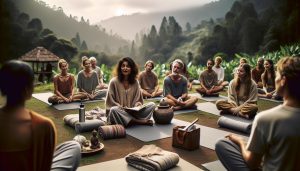
Encouraging participant interaction before and after sessions can also significantly enhance the atmosphere. Organizing small group activities, icebreakers, or community meals helps build rapport among attendees. Consider implementing a welcome circle on the first day, where everyone shares their intentions for the retreat. Such practices foster a sense of belonging and encourage deeper connections among participants.
Lastly, be mindful of the details that contribute to the overall comfort and well-being of your guests. From providing healthy snacks and beverages to ensuring proper ventilation and comfortable temperatures, these small acts demonstrate care and attention. Make it easy for participants to relax and rejuvenate by offering spaces for quiet reflection or casual socializing, allowing them the freedom to recharge at their own pace. By consciously crafting an inviting atmosphere, you’ll not only enrich the retreat experience but also create lasting memories that participants will cherish long after they return home.
Incorporating Wellness Practices Beyond Yoga
can significantly enrich the experience of participants at a retreat, offering a holistic approach to wellness that nurtures both body and mind. While yoga serves as a foundational practice, blending in additional disciplines fosters a more comprehensive environment for healing and growth. By diversifying the curriculum, you can cater to a wider range of interests and needs among participants, enhancing their overall experience.
Complementary Practices
Consider integrating practices such as meditation and mindfulness sessions into your retreat schedule. These practices help participants cultivate mental clarity and emotional resilience. Guided meditations led by experienced instructors can provide participants with tools to manage stress effectively. Including breathwork workshops can also deepen the connection between body and mind, helping individuals harness their breath as a powerful tool for relaxation and focus.
Additionally, incorporating physical activities like Pilates or Tai Chi can offer participants alternative forms of movement that complement their yoga practice. These disciplines emphasize alignment and core strength while promoting flexibility and balance, enhancing physical well-being. Furthermore, workshops on nutrition and healthy cooking can empower participants to make informed dietary choices, encouraging them to adopt healthier habits post-retreat.
Holistic Healing Techniques
Integrating holistic healing modalities such as aromatherapy, sound healing, or energy work can also elevate the retreat experience. Setting up mini-sessions for participants to explore these techniques allows them to discover new forms of self-care. For example, using essential oils during yoga or meditation can enhance relaxation and focus, while sound baths create calming environments that encourage deep introspection.
Nature-based activities are another excellent way to round out the wellness offerings. Guided nature walks or forest bathing experiences can help participants reconnect with the earth and their inner selves. Activities such as journaling in serene outdoor settings can also promote self-reflection and personal growth, enriching the overall journey of each participant.
By thoughtfully integrating these diverse wellness practices, you not only enhance the retreat’s offerings but also create a transformative environment that supports individuals in their wellness journey. A well-rounded experience will encourage participants to embrace their learning and healing long after they leave, fostering a deeper connection with the community you’ve built.
Building A Community: Engaging Participants Before and After
Creating a nurturing and engaging community around your yoga retreat can significantly enhance the experience for participants, both before they arrive and after they leave. A thriving community fosters connections among participants that can transform a week of practice into lasting friendships and support networks. To effectively build this sense of community, it’s essential to focus on engagement throughout the entire journey of the retreat, starting with outreach before the event and maintaining connections post-retreat.
To begin with, effective communication before the retreat can set the stage for a strong community. Utilize platforms like social media groups, newsletters, or dedicated online forums to keep participants informed and connected. Share inspirational content related to yoga, wellness, and mindfulness to ignite excitement and cultivate relationships among participants. Encourage them to introduce themselves, share personal goals for the retreat, and perhaps even start discussions about what they hope to explore or learn. This proactive engagement not only creates a sense of belonging but also allows you to gauge participants’ interests, enabling you to tailor aspects of the retreat to meet their collective needs.
Once the retreat begins, implement community-building activities that encourage interaction and collaboration. Consider organizing small group activities, such as partner yoga or sharing circles, where participants can express themselves and learn from one another. Designing spaces for informal bonding, whether through meals, community hikes, or guided group reflections, helps to enhance the atmosphere of connection and support. Create opportunities for participants to share their insights and lessons from their yoga practice, fostering deeper connections that echo beyond the retreat’s timeframe.
After the retreat concludes, maintaining the momentum is crucial for community continuity. Establish a post-retreat follow-up plan, which could include sending out monthly newsletters featuring resources, guided classes, or inspirational stories that participants can relate to. Creating an online community space where participants can continue to share their experiences, updates, and challenges invites ongoing dialogue and keeps the spirit of the retreat alive. This way, not only do participants feel valued, but they also have a supportive network as they integrate their learning and new practices into their daily lives.
By focusing on these strategies, you can create an environment where community flourishes-before, during, and after your yoga retreat. This sense of belonging not only enhances the individual experiences of participants but also fosters a shared commitment to personal growth and wellness. As they continue to connect, your retreat community can become a beacon of inspiration, encouragement, and friendship long after the physical event has ended.
Managing Logistics for a Seamless Retreat Experience
In the world of wellness travel, the success of a yoga retreat often hinges on how well the logistical aspects are managed. A seamless experience can significantly enhance participants’ enjoyment and satisfaction, allowing them to focus on their practice and personal growth instead of worrying about minor details. Attention to logistics can transform a potentially chaotic situation into a well-orchestrated retreat that flows effortlessly.
Firstly, understanding and organizing key logistical components is critical. This includes securing the right location, planning accommodations, and managing transportation for participants. Start by choosing a facility that fits the needs of your retreat-consider factors such as group size, available amenities, and proximity to nature or other attractions. Once you have a venue, coordinate lodging that accommodates all participants comfortably, ensuring that dietary needs or preferences are addressed during meal planning.
Effective communication also plays a vital role in logistics management. Create a detailed schedule that outlines daily activities, session times, and any optional excursions, and ensure all participants have access to this information before arrival. Consider utilizing a dedicated app or online platform where participants can view the schedule, interact with one another, and receive real-time updates during the retreat. This not only helps keep everyone informed but also fosters a community atmosphere where participants feel connected.
Additionally, anticipate potential challenges by crafting contingency plans. For instance, have alternative session plans ready in case of unexpected weather conditions or special needs considerations that may arise with the group. Recognizing and preparing for possible issues can alleviate stress and allow for a more enjoyable experience for everyone involved.
Overall, by strategically managing logistics, you can create a supportive and organized environment that enhances the overall experience of your yoga retreat, encouraging participants to immerse themselves fully in their practice and make the most of their time together.
The Importance of Feedback: Improving Future Retreats
Understanding participant feedback is crucial for the evolution and success of any yoga retreat. Collecting and analyzing feedback not only enhances future experiences for attendees but also provides invaluable insights into aspects like curriculum structure, instructor effectiveness, and overall atmosphere. For instance, a survey filled out at the end of a retreat can reveal what participants valued most, whether it was the diverse yoga styles offered, the quality of the meals, or the guided meditation sessions. These insights empower organizers to fine-tune their approach and cater to their audience’s preferences better.
To effectively gather feedback, create an easily accessible method for participants to share their thoughts. This could include digital surveys or comment cards that respect participant anonymity, thereby encouraging honest feedback. Consider asking specific questions regarding what worked well and what could be improved. Here’s a simple strategy to format your survey:
- What was your favorite part of the retreat?
- How did you feel about the variety of yoga sessions provided?
- Were there any logistical issues you experienced?
- What suggestions do you have for future retreats?
Listening and acting upon the feedback creates a sense of community and shows participants that their opinions matter. If previous attendees suggest new wellness practices, such as mindfulness workshops or cooking classes, consider incorporating these elements into future retreats. Additionally, personalized follow-up emails thanking participants for their insights and informing them of any changes inspired by their suggestions can foster lasting relationships, enhancing your brand loyalty.
An iterative approach to feedback allows retreat organizers to create a cycle of continuous improvement. By regularly evaluating and refining your offerings based on participant experiences, you can establish a reputation for delivering exceptional retreats, thus attracting new participants and retaining loyal attendees.
Pricing Your Retreat: Finding the Right Balance
Setting the price for a yoga retreat can be one of the most challenging aspects of planning, yet it’s also one of the most crucial for attracting the right participants. Balancing affordability for attendees while ensuring that your costs are covered-and ideally that you’re making a profit-requires careful consideration. It’s important to understand the value you’re offering, as this helps in determining a price point that resonates with potential participants.
Start by thoroughly calculating all expenses involved in the retreat, including venue rental, instructor fees, meals, materials, and marketing. Creating a comprehensive budget will give you a clearer picture of your break-even point. For example, if your total expenses amount to $10,000 and you expect 20 participants, you know that each attendee must contribute at least $500 to cover costs. Adding a margin for profit or additional services can further inform your pricing strategy.
Next, consider your target audience and their willingness to pay. Research similar retreats to gauge market rates in your chosen location, paying attention to factors such as duration, accommodation quality, and included amenities. Offering tiered pricing can also be effective; you might have a standard package and an option that includes extra services like private sessions or luxury accommodations. This approach can cater to different budgets while enhancing your retreat’s appeal.
Lastly, continually evaluate and adjust your pricing based on feedback and attendance rates. After each retreat, analyze how your pricing structure impacted participation and whether participants felt they received good value. This iterative process will help you find the sweet spot for pricing, ensuring your retreats remain both profitable and fulfilling for attendees.
Financing Your Yoga Retreat: Tips and Strategies
Financing a yoga retreat can be a daunting task, yet it’s vital for ensuring both the success of the event and the sustainability of your business. Without proper financial planning and strategies, even the most well-organized retreat can falter. Many yoga instructors wonder whether their passion for teaching can translate into a profitable business. With the right approaches, it absolutely can.
To begin with, conducting a thorough budget analysis is essential. Start by listing all possible expenses associated with the retreat, including venue rental, instructor fees, marketing costs, printed materials, meals, and accommodations. Once you have a comprehensive breakdown, you can establish a clear financial foundation. For instance, if your total anticipated costs are $12,000 and you aim to host 25 participants, you’ll know each participant must pay at least $480 just to cover costs, not accounting for a profit margin.
Another effective strategy is to explore multiple financing options. Consider offering early bird pricing to encourage early sign-ups, which can help you generate some initial cash flow. Additionally, think about partnerships with local businesses, which might provide sponsorship or services in exchange for promotional opportunities. Crowdfunding platforms can also be an innovative and engaging way to raise funds by rallying a community who believes in your vision for the retreat.
Lastly, don’t overlook the power of offering diverse payment plans. By allowing participants to pay in installments, you can make your retreat accessible to a broader audience. This not only helps participants manage their finances but also increases your potential enrollment. Monitoring and adjusting your budgeting and pricing strategies based on participant feedback can create a more financially sustainable model in the long run.
Remember, successful financing isn’t just about crunching numbers; it’s about creating a plan that resonates with your audience and meets their needs while aligning with your vision as a yoga instructor.
Creating a Sustainable Yoga Retreat Business Model
Creating a successful yoga retreat business model is crucial for ensuring long-term sustainability and profitability. A well-defined model helps yoga instructors align their passion for teaching with effective business strategies. It’s essential to recognize that a yoga retreat isn’t just a series of classes; it’s an experience that requires careful planning, marketing, and execution.
To build a robust business model, start by identifying your unique value proposition-what makes your retreat stand out in a crowded market? This could range from the type of yoga offered, specialized themes (such as wellness, mindfulness, or personal growth), or unique locations. Once you’ve established what sets your retreat apart, create a detailed marketing plan utilizing both online and offline channels. Engage potential participants through social media, email newsletters, and workshops or classes leading up to the retreat to generate interest and build a community.
Moreover, consider incorporating a diverse range of pricing options to cater to different budgets. Offering tiered pricing-such as early bird discounts or special rates for groups-can attract a wider audience while improving cash flow prior to the event. Additionally, think about providing add-on services like wellness consultations, guided excursions, or workshops on nutrition and mindfulness. These can enhance attendees’ experiences while contributing additional revenue to your retreat.
Lastly, maintain a feedback loop with your participants. After each retreat, send out surveys to understand what they loved and what could be improved. This information is invaluable for refining your offerings and can help you build a loyal customer base. Regularly evaluate your business model to adapt to changing market trends and participant needs, which will ensure your retreat business remains both resilient and responsive.
Frequently Asked Questions
Q: What are the key components of a successful yoga retreat?
A: A successful yoga retreat typically includes a well-planned itinerary, a serene location, skilled instructors, diverse activities, and opportunities for personal reflection. Consider incorporating opportunities for wellness practices alongside yoga, as elaborated in the article’s section on “Incorporating Wellness Practices Beyond Yoga.”
Q: How can I attract participants to my yoga retreat?
A: Attracting participants involves effective marketing strategies such as engaging social media campaigns, email newsletters, and networking within yoga communities. Highlight unique aspects of your retreat, as mentioned in the “Marketing Your Yoga Retreat: Strategies for Success” section.
Q: What are the benefits of offering different types of yoga styles at a retreat?
A: Offering various yoga styles caters to diverse participant needs, enhancing the overall experience. It helps attract a broader audience and keeps the sessions interesting. For a deeper understanding, refer to the section on “Essential Skills for Effective Yoga Instruction” in the article.
Q: How do I create a sustainable yoga retreat business model?
A: A sustainable yoga retreat business model includes budgeting accurately, setting reasonable prices, and implementing eco-friendly practices. Explore the “Creating a Sustainable Yoga Retreat Business Model” section in the article for detailed strategies and examples.
Q: What logistical considerations are important when planning a yoga retreat?
A: Key logistical considerations include transportation, accommodation, meal arrangements, and timing for activities. Ensure smooth operations by closely following the “Managing Logistics for a Seamless Retreat Experience” section for practical tips.
Q: How important is feedback in improving future yoga retreats?
A: Feedback is crucial for continuous improvement. It provides insights into participant experiences and expectations, allowing you to make informed adjustments. Refer to “The Importance of Feedback: Improving Future Retreats” for guidance on gathering and implementing feedback effectively.
Q: When is the best time to schedule a yoga retreat?
A: The best time to schedule a yoga retreat depends on your target audience and location. Consider seasonal climate, local events, and holidays to maximize participation. More insights can be found in the article’s section on planning logistics.
Q: What wellness practices beyond yoga can be integrated into a retreat?
A: Integrating practices such as meditation, mindful eating, and nature walks can enhance the overall wellness experience. For more ideas, check the section “Incorporating Wellness Practices Beyond Yoga” in the article for diverse options.
Feel free to explore further details in the main article for a comprehensive guide to successfully elevating your yoga retreat teaching skills!
The Way Forward
As you embark on your journey to teach a yoga retreat, remember that the knowledge you’ve gained will not only enhance your teaching skills but also create transformative experiences for your participants. Don’t miss out-start planning your retreat today to maximize its impact! For further inspiration, explore our articles on yoga poses and sequences at Yoga Journal and discover how you can deepen your practice through the latest online classes available through Yoga International.
Your ambition to elevate your teaching skills sets you apart. Whether you’re curious about wellness travel logistics or want insights into effective business planning for retreats, our resources are here to support you. Join our community by signing up for our newsletter to receive exclusive tips and strategies tailored specifically for yoga instructors. Share your thoughts in the comments below and connect with fellow retreat leaders; your insights could inspire others! Keep the momentum going-your next step awaits!
Get our latest guides, news, and insights highlighted in your Google Search & AI Overviews.