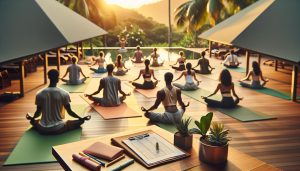
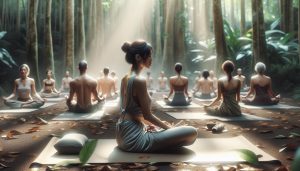
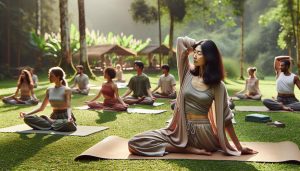
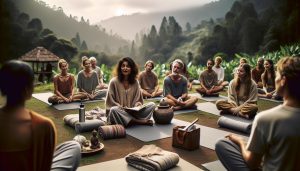
Yoga retreats have gained immense popularity as a means to rejuvenate the mind and body, but is hosting a long weekend retreat the best approach? These immersive experiences offer participants the chance to deepen their practice, connect with like-minded individuals, and escape the hustle of everyday life. However, there are both advantages and challenges to consider when planning such events. This article delves into the pros and cons of long weekend yoga retreats, helping organizers make informed decisions while addressing the desires and needs of potential attendees. Whether you’re a seasoned retreat planner or just exploring the idea, understanding these factors can enhance the experience for everyone involved and provide insight into creating a successful and impactful getaway.
Benefits of Long Weekend Yoga Retreats
Long weekend yoga retreats have gained popularity as a means to rejuvenate the mind and body, offering a perfect blend of relaxation and spiritual growth. These retreats typically span three to four days, making them accessible for busy individuals who seek a temporary escape from their hectic lifestyles. By engaging in daily yoga practices, meditation, and wellness activities, participants can cultivate a greater sense of awareness and connection to themselves. This immersive experience often leads to significant mental clarity and stress reduction, positively impacting overall wellbeing.
Attending a short retreat also allows for deeper connection and bonding with like-minded individuals. The intimate environment fosters community, encouraging meaningful conversations and support among participants. For many, these shared experiences create lasting friendships that extend beyond the retreat, enriching their personal and social lives. Furthermore, hosting such retreats can yield significant benefits, including increased guest loyalty and the potential for returning participants. Offering a well-structured program that balances yoga sessions with leisure activities ensures that attendees feel both restored and energized.
Moreover, the compact duration of a long weekend retreat means that it can easily fit into a variety of schedules. Whether it’s a group of friends, a corporate team, or individuals looking for personal enrichment, the short timeframe lowers the barrier to entry for those who might find an extended retreat daunting or unfeasible. As participants return home, they carry with them the tools and techniques learned during the retreat, enabling them to incorporate wellness practices into their daily routines, fostering a sustainable approach to health and mindfulness.
Challenges of Hosting Yoga Retreats
Hosting a yoga retreat can be an exciting venture, but it comes with its share of challenges that require careful consideration and planning. One major hurdle is navigating logistical arrangements, which can significantly impact the retreat experience. From securing a suitable venue to coordinating meals and transportation, the details can become overwhelming. A retreat operates best in a serene, inspiring location; finding a space that fits this requirement and can accommodate participants’ needs can be a complex task. Moreover, it’s essential to establish relationships with local suppliers and services, which can take time and effort.
Another challenge lies in developing a program that appeals to a diverse audience. Participants may have varying levels of experience with yoga, different wellness goals, and unique preferences for activities. Striking the right balance between yoga sessions, meditation, group activities, and free time is crucial for satisfaction. Additionally, facilitators must be skilled at keeping the energy levels appropriate while ensuring that everyone feels included. This means being adaptable and ready to modify the schedule based on real-time feedback from participants.
Marketing the retreat effectively poses yet another obstacle. In a crowded wellness industry, standing out requires creativity and strategic planning. It’s essential to identify and target the right demographics, utilizing platforms like social media, email newsletters, and wellness blogs to reach potential attendees. Building a strong brand presence and showcasing testimonials from past retreats can help in attracting interest, but this process requires consistent effort and engagement.
Ultimately, creating a nurturing and comfortable environment is vital, yet it presents its own set of challenges. Considerations include ensuring a supportive atmosphere, managing group dynamics, and addressing any individual concerns that arise during the retreat. For many organizers, understanding the nuances of different personalities and fostering community can be a complex aspect of the experience. Thoughtful preparation and proactive communication are key strategies to navigate these challenges, allowing both hosts and attendees to benefit from a transformative retreat experience.
Understanding Your Target Audience for Retreats
Understanding the unique needs and preferences of your target audience is crucial for the success of a long weekend yoga retreat. Tailoring the retreat experience not only enhances participant satisfaction but also maximizes the likelihood of positive feedback and return attendees. Start by gathering insights regarding potential participants. This could involve conducting surveys, engaging with yoga communities, or utilizing social media platforms to ask questions about what they seek in a retreat experience, such as specific styles of yoga, wellness themes, or dietary preferences.
Demographics and Experience Levels
It’s essential to consider the demographics of your audience. Young professionals might seek stress relief and social connections, while older participants may prioritize physical wellness and gentle practices. Additionally, understanding the varying levels of yoga experience is paramount. Offering a mix of beginner-friendly sessions along with more advanced workshops can create an inclusive atmosphere. For instance, including basic yoga classes and mindfulness sessions alongside advanced prāṇāyāma techniques ensures that everyone can find something valuable, enhancing the overall experience.
Common Interests and Preferences
Explore common interests that align with yoga practices but also resonate with participants’ lives outside of the studio. Many attendees may appreciate activities that promote holistic wellness, such as mindfulness meditation, nutrition workshops, or self-care practices like journaling or hiking. Highlighting these complementary offerings in your marketing materials can significantly enhance the appeal of your retreat. For instance, a workshop focusing on healthy meal prep or guided nature walks can attract a broader audience looking for enriching, multifaceted experiences.
Ultimately, the key to successfully understanding your target audience lies in active engagement and flexibility. Consider establishing an early-bird sign-up list to create a direct line of communication, allowing potential attendees to express their interests and concerns. Adapting and evolving the retreat program based on this feedback can lead to a more personalized experience that not only attracts participants but also cultivates a loyal community eager to return for future events.
Key Factors in Planning a Successful Retreat
Planning a successful yoga retreat requires a perfect blend of detail-oriented preparation and a deep understanding of participants’ needs. One key factor is choosing the right location, which can significantly influence the overall experience. Look for serene environments that promote relaxation and introspection, ideally with scenic views, quiet surroundings, and easy access to nature. Accessibility is also crucial; ensure that transportation options are convenient for attendees to minimize travel stress.
Another important consideration is the schedule. A well-structured itinerary that balances active sessions with downtime will keep participants engaged without overwhelming them. Including various types of yoga sessions, meditation practices, workshops, and leisure activities can cater to diverse interests. Aim to create a rhythm that allows for deepening practice and personal reflection, while also encouraging social interaction among participants.
Engagement of Quality Instructors is another critical element. Selecting knowledgeable, inspiring instructors who can connect with participants on a personal level enhances the learning experience. Consider hosting a mix of styles-such as Hatha, Vinyasa, and restorative yoga-to attract a broader audience. It’s also beneficial to schedule opportunities for attendees to engage with the instructors outside of formal sessions, fostering a sense of community and support.
Lastly, think about the amenities and accommodations provided. Comfortable lodging, healthy meals, and thoughtful touches, like access to wellness activities (e.g., massage therapy or nature walks), can significantly impact attendees’ perceptions of value. Ensuring that all logistical components operate smoothly, from registration to feedback collection, will help facilitate a positive experience that leads to memorable retreats and continued loyalty.
How to Market Your Yoga Retreat Effectively
Marketing a yoga retreat effectively is crucial for attracting participants and ensuring a successful event. In today’s digital age, leveraging online platforms and social media can significantly enhance your outreach. Start by creating an engaging website that outlines the retreat’s details, including the schedule, activities, accommodations, and testimonials from past attendees. Use high-quality images and clear descriptions to convey the tranquil environment and unique experiences awaiting participants.
Social media is a powerful tool for building awareness and community around your retreat. Utilize platforms like Instagram and Facebook to share inspiring content, such as short videos of yoga sessions or peaceful landscapes of the retreat location. Create dedicated hashtags and encourage previous participants to share their experiences, creating a buzz that can draw in new attendees. Consider hosting live Q&A sessions or interactive webinars where potential participants can ask questions directly, helping to foster engagement and interest.
Targeted Advertising can also be a game-changer. Use platforms like Facebook and Google Ads to reach specific demographics interested in wellness, yoga, and personal development. Tailor your ads to highlight key benefits of attending a long weekend retreat, such as relaxation, skill-building, or community connection. Incentives like early bird pricing or referral discounts can further entice potential participants to register.
It’s also important to build relationships with wellness influencers or bloggers who align with your retreat’s values. These partnerships can help amplify your reach and lend credibility to your offering. Guest posts, collaborations, or social media shout-outs can significantly enhance visibility and encourage bookings. Engaging with communities both online and offline, through workshops or local events, can provide further exposure and establish your retreat as a sought-after experience in the wellness travel space. By combining these strategies, you can effectively market your yoga retreat and create a compelling narrative that resonates with potential attendees.
Costs Involved in Organizing Long Weekend Retreats
Organizing a long weekend yoga retreat can be a fulfilling venture, but it comes with a variety of costs that need to be carefully considered to ensure both a successful experience for participants and a profitable outcome for organizers. Understanding these costs upfront can greatly influence the planning process and help set realistic pricing for attendees.
Accommodation is often the largest expense involved in hosting a retreat. Depending on the location, quality, and type of lodging (such as hotels, cabins, or shared accommodations), prices can vary significantly. It’s essential to liaise with multiple venues to negotiate group rates or packages that could accommodate your budget while providing comfort for your attendees. Additionally, meals are another crucial expense; offering catered meals or partnering with local food vendors can enhance the experience but will also factor into overall costs.
Another significant area of expenditure is the hiring of qualified instructors or facilitators. Ensuring that your retreat is led by experienced yoga teachers can be a worthwhile investment, as this directly influences the quality of the sessions and participants’ overall satisfaction. You should also consider costs associated with wellness activities like workshops, meditation sessions, or nature hikes, which may require additional facilitators or resources.
Marketing expenses shouldn’t be overlooked. A well-targeted marketing campaign could involve budget allocations for social media ads, website development, and outreach to wellness bloggers or influencers. These efforts aim to maximize registration numbers, but they also contribute significantly to your overall financial outlay. Furthermore, you should prepare for miscellaneous expenses, such as insurance, permits, or transportation, which can arise unexpectedly.
By planning and budgeting for these diverse costs, organizers can set a clear financial framework that helps in determining the retreat’s pricing structure while ensuring all necessary aspects of the event are covered, ultimately providing an enriching experience for all involved.
Tips for Creating a Comfortable Retreat Environment
Creating a welcoming and comfortable environment is essential for the success of a long weekend yoga retreat. Participants often seek a space that encourages relaxation, connection, and introspection. By focusing on the aspects that promote comfort and tranquility, organizers can significantly enhance the overall experience, transforming a standard retreat into a rejuvenating escape.
One of the most impactful factors is the selection of the venue. Opt for locations that provide both indoor and outdoor spaces conducive to yoga practice and relaxation. Natural settings, such as retreat centers near mountains, beaches, or forests, not only offer stunning views but also imbue participants with a sense of peace. Ensure that the indoor spaces are well-ventilated and have adequate lighting, as these elements contribute to a calm atmosphere. Additionally, consider logistics like proximity to local attractions or nature trails, allowing for balanced schedules that include both structured activities and personal downtime.
Creating a cozy atmosphere within the retreat space involves thoughtful decor and amenities. Use soft colors and natural materials to promote tranquility. Incorporating comfortable seating areas with cushions, throw blankets, and low lighting can encourage participants to unwind and socialize during downtime. Additionally, consider providing essential amenities tailored to comfort, such as yoga mats, props, and even essential oil diffusers. These small details can significantly enhance the participants’ comfort levels, making them feel valued and cared for throughout their stay.
Meal planning is another critical aspect of creating a comfortable retreat environment. Offer nutritious, well-balanced meals that cater to various dietary preferences, including vegetarian, vegan, and gluten-free options. This attention to dietary needs not only demonstrates care for attendees’ well-being but also fosters a communal dining experience that can deepen connections among participants. To add an element of comfort, consider organizing cooking classes or communal cooking sessions, allowing guests to engage with the preparation process and enjoy the fruits of their labor together.
Finally, fostering a sense of community and support within the group can significantly enhance participants’ comfort levels. Encouraging sharing circles or group activities can facilitate connections, allowing attendees to express themselves and support one another. Providing opportunities for casual interactions, like group walks or guided meditation sessions, can effectively break down barriers and create a warm, accepting atmosphere, indispensable for a fulfilling retreat experience. Employing these strategies, organizers can create not just a temporary getaway, but a nurturing sanctuary that resonates long after participants return home.
Essential Wellness Activities to Include
To create a truly enriching experience during a long weekend yoga retreat, incorporating a variety of wellness activities is essential. These activities not only deepen the participants’ connection to the practices of yoga and mindfulness but also foster a sense of community and personal growth. A well-rounded schedule of wellness activities can cater to different interests and enhance the overall retreat experience.
One effective approach is to include guided meditation sessions. Meditation helps participants cultivate mindfulness and inner peace, allowing them to explore their thoughts and emotions in a supportive environment. Whether it’s through traditional techniques or innovative practices such as sound bathing or guided visualization, these sessions can set a reflective tone for the retreat.
In addition, nourishing group meals that focus on healthy, wholesome foods are vital. Planning cooking classes where participants can learn how to prepare nutritious meals not only elevates their dining experience but also encourages interaction and bonding among attendees. Consider offering a range of dietary options to cater to different preferences, ensuring everyone feels included and valued during meal times.
Another beneficial activity is to incorporate nature walks or hiking excursions. Being in nature enhances relaxation and allows participants to disconnect from their daily stresses. Provide guided hikes that emphasize mindfulness, encouraging attendees to immerse themselves in their surroundings-paying attention to the sounds, smells, and sights of nature. This experience can bring a refreshing change from indoor practices and rejuvenate the spirit.
Lastly, create opportunities for creative expression through workshops like yoga journaling, art therapy, or even music sharing. Such activities can help participants express their feelings and insights from their yoga practice in new and exciting ways. Facilitating a space where individuals feel comfortable sharing their creations enhances community spirit and fosters deeper connections within the group.
By thoughtfully including diverse wellness activities, organizers can create a balanced and engaging environment that nurtures a holistic retreat experience, promoting healing and growth for all participants.
The Impact of Retreat Location on Experience
The choice of location for a yoga retreat significantly influences the overall experience for participants. Whether set in a tranquil forest, a serene beach, or a lively urban environment, the surroundings can either enhance or detract from the objectives of relaxation, mindfulness, and personal growth. A well-chosen location helps create an atmosphere that complements the retreat’s goals and supports attendees in their journey toward wellness.
When selecting a venue, consider the natural environment’s impact on the retreat’s ambiance. Retreats held in nature-rich areas, such as mountains or by the sea, tend to foster a deeper connection with oneself and the earth. Activities like outdoor yoga sessions, forest bathing, or beach meditation can encourage participants to immerse themselves in their surroundings, promoting mindfulness and a sense of peace. Alternatively, urban retreats can offer unique cultural experiences and the chance to engage with local wellness practices but might also come with distractions that detract from relaxation and introspection.
Accessibility is another crucial factor. A location that is easy to reach can maximize attendance and minimize the stress associated with travel. Ensuring that participants can arrive without extensive travel complications can enhance their overall experience, making the transition into retreat mode smoother. Additionally, consider the amenities available in the area. Proximity to healthy dining options, wellness centers, or natural attractions can supplement the planned activities and provide participants with enriching experiences beyond scheduled sessions.
Moreover, the retreat’s theme should align with the location. For example, hosting a detox retreat in a location known for its organic farming and healthy cuisine can enhance the experience by providing fresh, local produce, while a rejuvenation retreat might benefit from a peaceful seaside setting conducive to meditation and relaxation. Ultimately, the synergy between the retreat’s location and its goals can be the defining factor that transforms a good retreat into a truly memorable and impactful experience.
Gathering Feedback to Improve Future Retreats
To continually enhance the quality and effectiveness of long weekend yoga retreats, gathering feedback from participants is essential. Feedback provides invaluable insights into the attendees’ experiences, expectations, and any areas for improvement. This input can serve as a cornerstone for refining future retreats, making them more attuned to participants’ needs and preferences.
One effective method for collecting feedback is through structured surveys. These can be distributed at the end of the retreat or shortly after attendees return home. Questions may include:
- What aspects of the retreat did you enjoy the most?
- Were there any activities or sessions that you found particularly impactful?
- What would you like to see improved or changed for future retreats?
- How satisfied were you with the accommodations and meal options?
In addition to surveys, informal discussions during or after the retreat can yield spontaneous, candid feedback. These conversations can often reveal real-time emotions and insights that participants might not articulate in written form. Creating a supportive atmosphere where attendees feel comfortable sharing their thoughts will encourage a more open exchange of ideas.
It’s also beneficial to analyze trends in feedback over multiple retreats. If certain suggestions appear consistently, it may indicate areas needing immediate attention. For example, if many participants express a desire for more variety in yoga classes or additional wellness activities, these trends should guide planning for future retreats. By demonstrating responsiveness to feedback, you build trust and foster a sense of community that encourages repeat attendance.
Finally, consider implementing a follow-up strategy post-retreat, such as a thank-you email that revisits participants’ feedback and outlines any changes planned for future retreats. This approach not only shows appreciation but also commits to continual improvement, reinforcing the idea that participant experiences are valuable and taken seriously. By actively engaging in this feedback loop, hosts can create more fulfilling and successful yoga retreat experiences that resonate well beyond the weekend.
Comparing Long Weekend Retreats to Other Formats
The appeal of long weekend yoga retreats has surged as a convenient way for travelers to immerse themselves in wellness without having to commit to a week or more away. These shorter formats allow both hosts and participants to enjoy many of the benefits of traditional retreats-such as relaxation, connection, and rejuvenation-while accommodating busy schedules. Long weekend retreats typically span three to four days, which is often just enough time for participants to unwind, engage in yoga and mindfulness practices, and build connections with fellow attendees.
When compared to longer retreats, the compact nature of a long weekend retreat presents pros and cons. On one hand, they transcend logistical challenges such as time off work or extensive travel that longer retreats often entail. Participants can achieve significant personal growth and relaxation within a brief but comprehensive schedule that includes various yoga classes, workshops, and activities tailored for different skill levels. For many attendees, this shorter duration is less intimidating, making it easier to step into the experience.
In contrast, longer retreats, often lasting one week or more, tend to foster deeper engagement and more substantial personality transformations. The extended time enhances the ability to delve into advanced practices and provides opportunities for more intimate group bonding. However, these retreats require greater commitment in terms of time, financial investment, and potential travel, which can deter potential participants. Moreover, they may be overwhelming for beginners who are still finding their footing in their yoga journey.
Ultimately, the choice between long weekend retreats and traditional formats will depend on the specific goals of both organizers and participants. Hosts should evaluate their target audience’s preferences and availability while considering their capacity to offer engaging activities within the chosen timeframe. Meanwhile, travelers should reflect on their personal wellness objectives and constraints to select the retreat format that aligns best with their needs.
In conclusion, the essence of any retreat-whether long or short-lies in creating a transformative experience that nurtures personal growth, community, and wellness. The choice ultimately hinges on the delicate balance of time, intimacy, and depth of experience desired by participants.
Case Studies of Successful Yoga Retreats
One standout example of a successful long weekend yoga retreat is the “Unplug and Recharge” retreat held at a rustic lodge in the Catskills, New York. This retreat attracted participants from diverse backgrounds, offering a blend of yoga, meditation, and outdoor activities. The schedule was thoughtfully curated to maximize engagement while allowing ample time for relaxation; attendees participated in three yoga sessions, guided hikes, and mindfulness workshops. Feedback revealed that many guests appreciated the chance to disconnect from technology and immerse themselves in nature, which fostered deeper connections with one another.
Another compelling case is the “Mindful Escape” retreat in Austin, Texas, which ran seamlessly from Friday to Sunday. This retreat focused on mindfulness practices intertwined with yoga, including sessions on breathwork and journaling. The organizers effectively marketed the event through social media and local wellness communities, successfully drawing in participants looking for a short yet impactful rejuvenation experience. Notably, the majority of attendees reported feeling revitalized and better equipped to manage stress upon returning home, demonstrating the efficacy of a focused, intensive weekend.
In addition to these, the “Wellness Weekend” in Sedona, Arizona, illustrated the value of location in enhancing retreat experiences. Nestled amidst stunning red rock formations, this retreat combined yoga sessions with guided meditations that utilized the surrounding landscape to deepen participants’ connection to nature. The integration of local elements, such as healthy, organic meals sourced from nearby farms, contributed to an overall sense of well-being, leaving attendees eager to return for future retreats.
These case studies highlight that successful long weekend yoga retreats hinge on thoughtful planning, targeted marketing, and the ability to create a unique atmosphere. By focusing on participants’ needs and leveraging the benefits of the chosen location, organizers can create transformative experiences that resonate long after the retreat has concluded.
Q&A
Q: What are the key benefits of hosting long weekend yoga retreats?
A: Long weekend yoga retreats offer participants a condensed yet rejuvenating experience, fostering relaxation and community. They provide a focused environment for deepening yoga practice, promoting mental clarity, and enabling bonding with like-minded individuals. This format also appeals to those with busy schedules, making it a convenient option for many.
Q: How can I assess if a long weekend yoga retreat is profitable?
A: To assess profitability, analyze costs like venue, instructor fees, and marketing against expected revenue from participant fees. Create a budget forecast and consider factors such as location appeal and retreat theme to enhance attractiveness. Monitoring participant feedback can also inform future profitability assessments.
Q: What challenges should I anticipate when organizing a long weekend yoga retreat?
A: Key challenges include managing logistics, such as venue selection, scheduling activities, and ensuring adequate marketing exposure. Additionally, balancing participants’ diverse needs and maintaining a smooth experience are crucial. Developing a robust plan and preparing for potential issues can mitigate these challenges effectively.
Q: What should I include to market my long weekend yoga retreat effectively?
A: Effective marketing should highlight unique aspects like yoga styles, experienced instructors, and serene locations. Utilize social media, wellness blogs, and email newsletters to reach your audience. Testimonials from previous participants and early-bird discounts can also enhance engagement and registration rates.
Q: Where is the best location for hosting a long weekend yoga retreat?
A: The best location combines tranquility, accessibility, and natural beauty, ideally near mountains, beaches, or forests. A serene environment enhances the retreat experience, promoting relaxation and focus. Ensure the venue is equipped with adequate facilities for yoga classes and accommodations.
Q: Can long weekend yoga retreats cater to beginners?
A: Yes, long weekend yoga retreats can successfully cater to beginners by offering classes that accommodate different skill levels. Including clear communication about the session structure and providing beginner-friendly activities ensures a welcoming atmosphere, encouraging newcomers to engage comfortably.
Q: How do participants typically benefit from the community aspect of a yoga retreat?
A: Participants experience a sense of belonging and support through shared activities and experiences during retreats. This community aspect fosters connections, enhances motivation, and strengthens friendships, creating lasting bonds among attendees, which can be beneficial for their overall well-being.
Q: What wellness activities can complement a long weekend yoga retreat?
A: Complementary wellness activities might include meditation sessions, guided nature walks, healthy cooking classes, and wellness workshops. These activities can enhance the retreat experience, allowing participants to explore holistic health practices and deepen their relaxation and rejuvenation journey.
The Way Forward
As you weigh the pros and cons of hosting long weekend yoga retreats, it’s clear these experiences can offer profound benefits for both hosts and participants. By creating a space for relaxation and growth, you not only establish a unique community but also enhance your brand’s visibility in the wellness scene. Don’t let hesitation hold you back-consider the potential transformation a retreat can bring to your offerings.
For deeper insights, explore our articles on effective retreat planning and maximizing wellness travel opportunities. Ready to take the next step? Join our newsletter for exclusive tips and resources tailored to your wellness business, or contact us for personalized consultation. As you embark on this journey, remember that engaging with like-minded individuals can amplify your impact-share your thoughts in the comments below! Your experience could inspire someone else’s path to wellness.
Get our latest guides, news, and insights highlighted in your Google Search & AI Overviews.