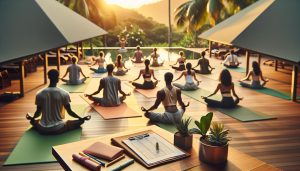
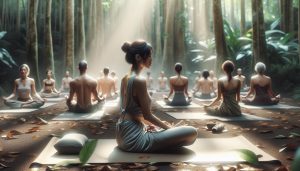
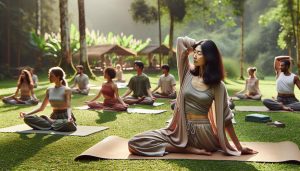
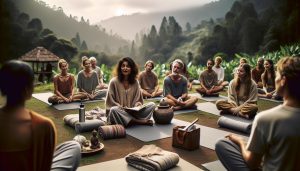
As the wellness travel industry continues to flourish, the appeal of long weekend yoga retreats grows among both seasoned practitioners and curious newcomers. These retreats offer a unique opportunity to unwind, reconnect with oneself, and foster community, making them an attractive option for those seeking a break from their hectic routines. However, is it truly advantageous to run these condensed escapes? In this analysis, we will explore the benefits and challenges of organizing long weekend yoga retreats. By understanding what travelers seek from these experiences, we can better grasp how to create rewarding environments that not only rejuvenate the body and mind but also align with their increasingly busy lives. Whether you’re a retreat organizer or someone considering attending, the insights shared here will be invaluable in navigating the world of wellness retreats.
Is Yoga Retreat Duration Important for Success?

The duration of a yoga retreat plays a significant role in its overall success, influencing both the depth of participants’ experiences and the potential for lasting impact. While weekend retreats often attract busy professionals seeking a quick escape, extended retreats provide a deeper immersion into yogic practices, allowing participants to disconnect from daily stressors and truly focus on personal growth and healing. Research indicates that the more time individuals spend in a dedicated environment, the more likely they are to achieve transformative experiences, fostering a stronger connection to their body and mind through continuous practice.
Engaging in longer retreats, typically lasting a week or more, enables participants to establish and deepen their routines. This extended period allows for gradual adjustments and enhancements in their yoga practice, meditation, and wellness routines. Participants can also benefit from additional activities and workshops, such as nutrition sessions or mindfulness practices, enriching their time away. Additionally, these longer formats can facilitate deeper community bonds among attendees, creating lasting friendships and support systems that extend beyond the retreat setting.
However, it’s essential to recognize the challenges that come with organizing longer retreats, including higher costs and extended commitments from participants. A thorough understanding of your target audience is crucial; many may prefer short, intense experiences, while others seek comprehensive journeys into wellness. Recognizing the diverse needs and motivations of potential attendees will allow retreat organizers to strike a balance between weekend offerings and more extended programs, catering to a wider audience and ensuring successful outcomes for both participants and hosts.
In conclusion, while weekend yoga retreats can be effective for quick rejuvenation, longer retreats have the potential to offer transformative experiences that facilitate deep healing, community building, and lasting change. The choice of duration should be thoughtfully considered, aligning the retreat’s goals with the expectations of attendees to maximize success.
Expert Insights on Long Weekend Retreats
In the fast-paced modern world, the allure of a long weekend yoga retreat offers an inviting escape from daily routines and stressors. Such retreats hold the potential for participants to deepen their practice, rejuvenate their spirits, and cultivate personal growth within a shorter time frame. Expert insights suggest that while these retreats may not provide the comprehensive experience of a week-long program, they still offer significant benefits that can enhance participants’ overall well-being.
One of the primary advantages of a long weekend retreat is the opportunity for immersive practice without the extensive time commitment of longer retreats. Participants can engage in yoga sessions, meditation, and mindfulness workshops geared toward immediate rejuvenation. For example, the structure of a long weekend retreat often allows for continuous practice over several days, helping participants to build momentum and establish a routine. This format also permits the integration of diverse activities, such as wellness workshops and group discussions, promoting community and connection among attendees.
Moreover, the psychology of a weekend retreat can contribute to heightened participant satisfaction. Many find that a focused, condensed experience allows for significant mental resets, making it easier to disconnect from stressors while still maintaining their regular commitments. Shorter retreats often attract those who may be hesitant to commit to longer durations, making it an excellent entry point for newcomers exploring yoga and wellness travel. As participants experience the benefits of yoga in this supportive environment, they may be encouraged to pursue more extended retreats in the future.
However, retreat organizers must navigate the fine balance between offering experiences that feel enriching yet concise. Tailoring the retreat’s offerings to meet the participants’ needs-whether through diverse yoga styles, nutrition classes, or mindfulness practices-will enhance their experience and encourage future attendance. By understanding the motivations and preferences of their target audience, organizers can create compelling long weekend retreats that resonate and foster growth, setting the stage for transformative experiences within a manageable timeframe.
Benefits of Extended Yoga Retreats

Extended yoga retreats offer a unique opportunity to delve deeper into personal practice, wellness, and community connection. Unlike shorter weekend getaways, these longer experiences foster an environment conducive to profound transformation. Participants often find that the extended duration creates a space for not only physical rejuvenation but also mental and emotional healing, promoting a holistic approach to well-being.
One significant benefit of these retreats is the ability to engage in a more varied and intensive yoga practice. With additional time, organizers can incorporate comprehensive teaching methods, allowing for deeper exploration of different yoga styles, philosophies, and therapeutic practices. For instance, participants can take part in daily workshops focused on alignment, breath work, or meditation techniques. The chance to practice consistently over several days also facilitates muscle memory and skill development, enabling attendees to achieve more significant progress compared to a condensed schedule.
Moreover, extended retreats offer a unique setting for community building and personal reflection. The shared experience of slower-paced days can lead to meaningful connections among participants, forming bonds that often last beyond the retreat. Evening discussions, group meals, and shared activities further enhance this sense of community, creating a supportive environment where individuals feel safe to express themselves. This collective journey not only enriches the individual experience but also strengthens the overall energy of the group, promoting a sense of belonging.
In addition, the immersive nature of these retreats encourages participants to disconnect from daily distractions and reconnect with themselves. With fewer external pressures, individuals often report increased clarity, focus, and a renewed sense of purpose. This mental reset can be particularly beneficial for those experiencing burnout or looking to reset their routines and priorities. Such profound experiences often inspire participants to integrate lessons learned during the retreat into their daily lives, fostering sustainable well-being practices that extend far beyond the retreat itself.
In conclusion, while shorter retreats have their appeal, the provide participants with a richer, more transformative experience. With the opportunity for deeper practice, community engagement, and personal reflection, these retreats can serve as a powerful catalyst for long-term change and growth in one’s yoga journey.
What Makes a Long Yoga Retreat Special?

Longer yoga retreats possess a distinct charm that sets them apart from their shorter counterparts. One of the primary aspects that makes these retreats special is the depth of immersion they offer. Participants embark on a multi-day journey that extends beyond physical practice, inviting them to explore various dimensions of well-being, including emotional, spiritual, and communal aspects. This comprehensive approach fosters an environment where individuals can truly disconnect from their everyday life, reduce stress, and embark on a profound personal journey.
The extended duration allows for a more varied and enriching curriculum. Organizers can incorporate diverse activities such as morning yoga flows, afternoon workshops, and evening meditations, giving participants a chance to engage in a broader spectrum of practices. The flexibility in scheduling means that each session can connect more intuitively, reinforcing concepts and practices throughout the retreat. This layered learning experience promotes a deeper understanding of yoga principles and encourages enhanced participation, as attendees have ample time to practice, digest, and assimilate their experiences.
Moreover, the slower pace of long retreats facilitates genuine connection and community building. Participants are often encouraged to share their stories and experiences, which cultivates an atmosphere of support and vulnerability. This sense of belonging enhances not only the individual experience but also fosters a collective energy that enriches the retreat environment. Evening gatherings, meals shared together, and informal discussions forge meaningful relationships that can last well beyond the retreat, creating a supportive network that continues to uplift participants long after they return home.
In essence, the unique blend of immersive practice, comprehensive learning opportunities, and strong community ties shape a long yoga retreat into a transformative experience. These elements contribute to a lasting impact on participants, encouraging them to carry the lessons learned into their daily lives and ultimately paving the way for ongoing personal growth and well-being.
Common Challenges of Weekend Yoga Retreats

While weekend yoga retreats offer a condensed experience for participants, they often come with their own set of challenges that can impact the overall effectiveness and enjoyment of the retreat. One of the significant hurdles is time constraint. With only a short duration, the opportunity for deep engagement can be limited. Participants may arrive with high expectations for transformation but find that the time isn’t sufficient to foster the same level of introspection and growth that extended retreats typically allow. As a result, some individuals may leave feeling as if they barely scratched the surface of their personal journeys.
Another challenge is the diverse skill level of attendees. Weekend retreats generally attract a mixed group of practitioners, from beginners to advanced yogis. This variation can lead to difficulties in catering sessions that satisfy everyone’s needs. Instructors may struggle to balance advanced techniques with foundational practices, which could leave some participants feeling underwhelmed or overwhelmed. Creating an inclusive atmosphere that addresses varying levels of experience while maintaining a cohesive schedule demands careful planning and skillful execution.
Logistics can also pose a challenge during a short retreat. Organizers must ensure that meals, accommodations, and activities are tightly coordinated to maximize the limited timeframe. Unexpected delays-such as travel issues or scheduling conflicts-can disrupt the flow and contribute to stress, detracting from the retreat’s relaxation purpose. It’s essential to build in cushion times for transitions and to communicate effectively with participants about expected schedules and any changes.
Lastly, the structure of weekend retreats may inadvertently lead to social dynamics that can be less open than those in longer retreats. Because the timeframe is short, participants may not feel fully comfortable sharing personal stories or engaging deeply with one another. This could result in a less supportive environment and diminish the opportunity for community building, an important aspect of any retreat that fosters connection and belonging. Organizers should employ strategies-such as ice-breaking activities or structured sharing sessions-to encourage openness and interaction among attendees, helping to create a more inclusive and supportive atmosphere despite the condensed timeframe.
How to Plan a Successful Long Weekend Retreat
Planning a successful long weekend yoga retreat requires a careful balance of logistics, participant engagement, and a harmonious atmosphere conducive to growth and relaxation. To set the foundation for an enriching experience, it’s vital to start with a clear vision of the retreat’s goals. Consider what you want your participants to take away. This could range from heightened mindfulness to deeper yoga practices or enhanced community connections. Understanding your audience’s needs will drive the planning process and help tailor activities that resonate.
Once you’ve defined your objectives, the next step is choosing the right location. The environment can significantly affect both the physical and emotional well-being of participants. Opt for a serene venue that aligns with your retreat’s theme and offers amenities like comfortable accommodations and natural scenery. Whether it’s a secluded cabin in the woods or a beachfront property, ensure that the surroundings inspire tranquility and focus.
Logistics play a critical role in retreat success. Create a detailed itinerary that balances scheduled activities with free time, allowing participants to absorb the experience. Integrate a variety of yoga styles and workshops to cater to different skill levels. Consider the inclusion of themed sessions, such as mindfulness practices or nutrition workshops, to enhance the overall experience. Additionally, meal planning should cater to dietary preferences, offering nutritious yet appealing options that keep participants energized.
To foster a welcoming and supportive environment, structure group activities that promote connection. Icebreakers, guided sharing sessions, and integrated partner or group practices encourage friendships and deeper conversations among participants. Remember to set up a comfortable space for participants to unwind and reflect, creating areas for quiet meditation or communal gatherings.
Finally, effective communication is essential throughout the retreat. Prepare participants in advance with a welcome packet that outlines logistics, what to bring, and what to expect. Engaging with them before the retreat fosters anticipation and ensures everyone feels prepared and excited for the journey ahead. Following these guidelines will not only maximize the participant experience but also enhance the overall effectiveness of your long weekend yoga retreat, making it a memorable and transformative event.
Essential Elements for an Engaging Retreat
Creating an engaging yoga retreat is both an art and a science, blending various elements to create an atmosphere conducive to relaxation, learning, and personal growth. A well-structured retreat not only captivates participants but also fosters a sense of community and well-being. Engaging retreats are characterized by attention to detail, a thoughtful selection of activities, and a supportive environment that encourages participants to embrace the experience fully.
Start by establishing a clear schedule that balances structured activities with free time. This allows participants to explore their own interests while still benefiting from guided sessions. Consider integrating a mix of yoga styles-such as Hatha, Vinyasa, or restorative yoga-to cater to different ability levels and preferences. Each session should have a purpose, whether fostering relaxation, building strength, or enhancing mindfulness. In addition to yoga, complement the practice with workshops on topics such as nutrition, meditation, or yoga philosophy. These elements promote holistic wellness and give participants tools they can apply beyond the retreat.
Creating a welcoming atmosphere is crucial for participant connection. Incorporate intentional icebreaker activities during the first day to foster familiarity and comfort among attendees. Group discussions, partner exercises, or shared meals can deepen bonds and enhance collective energy. Additionally, consider designing contemplative spaces for quiet reflection or meditation, allowing participants to process their thoughts and feelings privately. Such spaces can be as simple as a designated corner with cushions or a more serene outdoor area surrounded by nature.
Lastly, effective communication is key to an engaging retreat. Provide comprehensive information before the event, including what participants should expect and how to prepare. Maintaining an open line of communication during the retreat encourages feedback and adapts to participants’ needs in real-time, enhancing their overall experience. By combining these essential elements-structured activities, a supportive community, thoughtful environments, and clear communication-you can create a fulfilling retreat that leaves lasting impressions and inspires further growth among participants.
Best Locations for Yoga Retreats: A Comparative Analysis
Choosing the right location for a yoga retreat can significantly influence the success and impact of the experience you want to provide. Not all destinations offer the same benefits; factors such as scenery, climate, community, and additional amenities can shape participants’ overall satisfaction. For those contemplating long weekend retreats, the benefits of selecting the right geographic spot become even clearer. Below is a comparative analysis of various highly-regarded locations, summarizing their distinctive advantages.
Top Yoga Retreat Destinations
- Sedona, Arizona: Known for its breathtaking red rock formations and energy vortexes, Sedona provides a tranquil setting ideal for spiritual awakening and deep relaxation. The natural beauty enhances outdoor yoga sessions and meditation, making it a coveted choice for many retreat organizers.
- Bali, Indonesia: With a blend of stunning landscapes and rich cultural heritage, Bali offers an array of wellness-focused resorts that specialize in yoga retreats. Its lush surroundings, combined with a focus on holistic well-being, make it an alluring destination for extended retreats.
- Tulum, Mexico: Famed for its white-sand beaches and healing energy, Tulum is a popular spot for retreats that emphasize mindfulness and natural living. The proximity to the ocean allows for immersive experiences that connect participants with nature.
- Napa Valley, California: While known for wine, Napa Valley also offers serene landscapes ideal for rejuvenating yoga sessions. Retreats here can combine yoga with elements of culinary wellness, making it unique for participants focused on both body and palate.
- Rishikesh, India: Revered as the ‘Yoga Capital of the World,’ Rishikesh provides a culturally rich environment steeped in yoga tradition. Those seeking authentic experiences that resonate with ancient practices often find Rishikesh incredibly enriching.
When selecting a location for a long weekend yoga retreat, consider the specific desires and needs of your target audience. Some participants may seek an immersive experience steeped in the local culture, while others may prioritize natural beauty and serenity. Accessibility is also vital; ensuring that your chosen destination is easy to reach will enhance participation and satisfaction.
Moreover, look for locations that offer complementary activities to yoga, such as hiking, meditation workshops, or holistic treatments. Such options enrich the retreat experience, allowing participants to explore various avenues of wellness while maintaining the opportunity for deep connection with themselves and others.
Yoga Styles and Themes for Weekend Retreats
When planning a yoga retreat, the choice of styles and themes can significantly shape the experience for participants, especially during a succinct weekend format. Different styles cater to a wide range of preferences and wellness goals, making it crucial to define what your retreat offers. From immersive Kundalini sessions designed to awaken spiritual awareness to restorative Yin yoga aimed at promoting deep relaxation, the diversity of yoga styles allows facilitators to tailor experiences that resonate with participants’ needs.
Harmonizing yoga practices with specific themes can further enhance engagement and fulfillment. For instance, a retreat focused on mindfulness can integrate meditation, breathwork, and nature walks, weaving a comprehensive journey of self-discovery and presence. Alternatively, a wellness retreat could combine yoga with nutrition workshops, cooking classes, and holistic healing practices, appealing to attendees interested in overall health and lifestyle changes. Such thematic coherence ensures that participants leave not only having practiced yoga but also having absorbed valuable life skills and insights.
The benefits extend beyond the mat; selecting themes can foster a sense of community among participants. For example, a retreat themed around “Unlocking Creativity” could incorporate art and self-expression workshops alongside yoga sessions, allowing attendees to bond over shared experiences and exploration. This multidimensional approach to yoga retreats deepens relationships and creates a supportive environment for personal growth.
Ultimately, the styles and themes chosen for a yoga retreat should align with the interests and expectations of the target audience, balancing introductory classes for beginners with challenging sessions for more experienced yogis. To maximize turnout and satisfaction, it’s essential to communicate what participants can expect and how the retreat can enhance their well-being, encouraging them to embark on this transformative journey.
Target Audience: Who Attends Long Retreats?
People seeking a transformative experience often gravitate toward long yoga retreats, where they can immerse themselves deeply in their practice and personal growth. Participants usually include a broad spectrum of individuals, from seasoned yogis looking to deepen their skills and understanding to beginners wanting to kickstart their wellness journey. This diversity creates a rich, collaborative environment, encouraging shared learning experiences that can enhance personal and collective growth.
Typically, long weekend retreats attract professionals, busy parents, and wellness enthusiasts, all of whom share a common goal: to disconnect from daily stressors and reconnect with themselves. These individuals might be searching for balance, physical well-being, or spiritual enlightenment. Many are looking to regain a sense of calm in their busy lives, using the retreat as an opportunity to step back and reflect on their personal goals, practice mindfulness, and explore new aspects of their yoga journey.
### Demographics of Participants
Among these participants, you might find:
- Corporate Professionals: Often seeking stress relief and work-life balance, they attend retreats to recharge and return with renewed focus and energy.
- Health and Wellness Advocates: Individuals who are already active in the wellness community may attend to deepen their practice and learn new techniques to apply in their own teaching or personal routines.
- Retreat Newcomers: Those who may have never attended a yoga retreat before but are curious about the experience often benefit from the supportive environment of a longer retreat.
- Aging Populations: Seniors are increasingly participating in yoga retreats, drawn by the benefits of gentle movement and mindfulness.
The appeal of long yoga retreats also lies in the opportunity to engage in community-building experiences. Attendees often forge meaningful connections, sharing personal stories and insights that enrich the retreat experience. This sense of belonging can enhance their journey, making them more likely to participate in future retreats and maintain their practice at home. As such, understanding the diverse backgrounds and motivations of your target audience is essential for tailoring an engaging and successful retreat that meets the varied needs of participants.
Marketing Your Long Weekend Yoga Retreat
To successfully market a long weekend yoga retreat, it’s crucial to highlight the unique benefits that participants can gain from immersing themselves in a focused practice away from their everyday lives. One effective approach is to create compelling narratives around transformative experiences that former attendees have enjoyed. For instance, sharing testimonials or stories of individual journeys can evoke emotions and attract prospective participants who are seeking similar growth or healing. Visual content, such as videos and photographs that showcase the serene environments and engaging activities, also plays a significant role in capturing attention and interest.
Targeted Outreach Strategies
Understanding your target audience is essential for effective marketing. Create buyer personas that detail the demographics, interests, and motivations of potential participants, which can help tailor your marketing strategies. Utilize platforms where your target audience is most active, such as Instagram, Facebook, and wellness blogs. Consider offering early bird discounts or referral programs to encourage word-of-mouth marketing. Email newsletters can also serve as a means to keep your audience informed about upcoming retreats while providing value through wellness tips and resources.
In addition, consider partnerships with local businesses or wellness influencers who can help promote your retreat to their audiences. Co-hosting events or workshops leading up to the retreat can build excitement and provide a taste of what participants can expect, thereby converting interest into registrations.
Engaging Content and Communication
Your marketing content should emphasize the experiential aspect of retreats. Highlight the variety of activities participants will engage in-such as yoga classes, meditation sessions, and nature walks-that foster both personal and communal growth. Use clear and inviting language that addresses common concerns or questions potential attendees may have, such as suitability for all skill levels, dietary options, and the overall retreat ambiance.
Include comprehensive details such as location, accommodations, and schedule to help attendees envision their experience. Think about crafting a blog series leading up to the retreat that covers different aspects such as the styles of yoga offered, tips for preparing physically and mentally, and personal reflections from past attendees. By building a connection through informative and engaging content, you can create a community around your retreat that sparks genuine interest and participation.
Ultimately, successful marketing of a long weekend yoga retreat hinges on a clear understanding of your audience, effective storytelling, and engaging content that resonates with the needs and desires of potential participants.
Maximizing Participant Experience and Satisfaction
Creating a memorable and impactful yoga retreat experience hinges on understanding the needs and desires of participants. As retreat leaders or organizers, prioritizing participant satisfaction can significantly enhance the overall effectiveness of a retreat. Engaging programming and a supportive atmosphere play crucial roles in helping attendees feel valued and connected. Research shows that when participants feel integrated into a community and immersed in meaningful practices, their overall experience improves, fostering a sense of belonging and fulfillment.
To maximize participant experience, consider offering a diverse range of activities that cater to various interests. Integrating daily workshops-from meditation to yoga philosophy-can deepen participants’ understanding and engagement. Additionally, organizing social evening events or communal meals allows attendees to forge connections, share experiences, and enhance the communal spirit. Ensure that your schedule accommodates time for self-reflection and personal practice, which many participants cherish. This balance of guided activities and personal time creates a more holistic experience.
Effective communication plays a key role in facilitating participant satisfaction. Clearly outline the retreat schedule, locations, and any preparatory actions needed prior to arrival. Consider setting up a pre-retreat survey to gauge participants’ interests and expectations, which can help tailor experiences to their preferences. Providing opportunities for feedback during and after the retreat can foster continuous improvement and show attendees that their insights are valued.
Furthermore, consider the physical environment of your retreat. Choosing a serene, nature-rich location can significantly influence participants’ experiences. Ensure that accommodations are comfortable, safe, and conducive to relaxation. Offering amenities like healthy cuisine options and wellness facilities can enhance satisfaction and provide a more comprehensive retreat experience. By paying attention to these nuances, retreat organizers can create an atmosphere that not only meets but exceeds participant expectations, ultimately leading to transformative experiences and lasting memories.
Faq
Q: What are the advantages of long weekend yoga retreats compared to traditional week-long retreats?
A: Long weekend yoga retreats allow participants to recharge quickly without committing to an extended stay. They cater to those with limited time, while still offering deep relaxation and community engagement. This flexibility can attract more participants who may not be able to take a full week off.
Q: How can I ensure participants fully engage during a long weekend yoga retreat?
A: To maximize engagement, incorporate varied activities, such as yoga sessions, meditation, and workshops. Offer opportunities for social interaction and individual reflection. Create a balanced schedule that allows for both structured and free time, which can enhance the overall experience.
Q: What types of yoga styles work best for weekend yoga retreats?
A: Popular yoga styles for weekend retreats include Hatha, Vinyasa, and Restorative yoga. Each style offers unique benefits, appealing to different audience preferences. Consider blending multiple styles to cater to participants’ varying interests, ensuring an inclusive retreat experience.
Q: How do I market a long weekend yoga retreat effectively?
A: Utilize social media platforms, email newsletters, and wellness blogs to reach your target audience. Highlight unique offerings, local attractions, and flexible scheduling in your marketing materials. Engaging testimonials from past participants can also significantly boost interest and registrations.
Q: What are common challenges faced when organizing a long weekend yoga retreat?
A: One common challenge is scheduling activities that maximize participant satisfaction while allowing for rest. Additionally, managing accommodations and catering to diverse attendee needs can be complex. Start early and communicate clearly to alleviate these concerns and enhance the retreat experience.
Q: When is the best time to host a long weekend yoga retreat?
A: The best time for a long weekend yoga retreat typically aligns with holiday weekends or seasonal transitions, as people are more inclined to take short breaks then. Consider local climate and participant availability to choose the ideal dates for maximum attendance.
Q: What should be included in a long weekend yoga retreat itinerary?
A: A successful retreat itinerary should include daily yoga sessions, meditation, healthy meals, and group discussions. Incorporate relaxation activities, like nature walks or art sessions, to ensure a well-rounded experience. Keeping a flexible schedule helps participants feel relaxed and engaged.
Q: How can I create a unique theme for my long weekend yoga retreat?
A: Select themes based on location, seasonal aspects, or wellness trends. Ideas could include “Nature Connection” with outdoor activities, or “Mindfulness Retreat,” focusing on stress reduction. Unique themes engage participants and provide a memorable experience, enhancing the appeal of your retreat.
Wrapping Up
As you consider the insights from our analysis on long weekend yoga retreats, remember that the right retreat can enhance both personal well-being and business success. Whether you’re looking to deepen your practice or expand your offerings, take action today to explore the plethora of available options. Check out our articles on planning effective yoga retreats and creating immersive wellness experiences to guide you further in this journey.
Don’t forget to subscribe to our newsletter for the latest trends in wellness travel, unique destination highlights, and tips on how to maintain your routines while traveling. Your path to a rejuvenating escape is just a click away! Join the conversation; we invite you to share your thoughts and experiences in the comments below, and let’s continue the journey toward holistic wellness together.
Get our latest guides, news, and insights highlighted in your Google Search & AI Overviews.