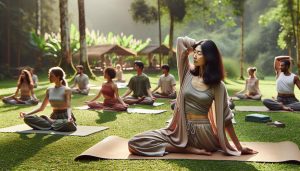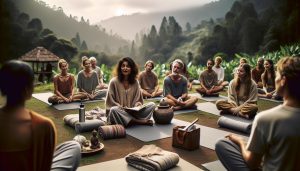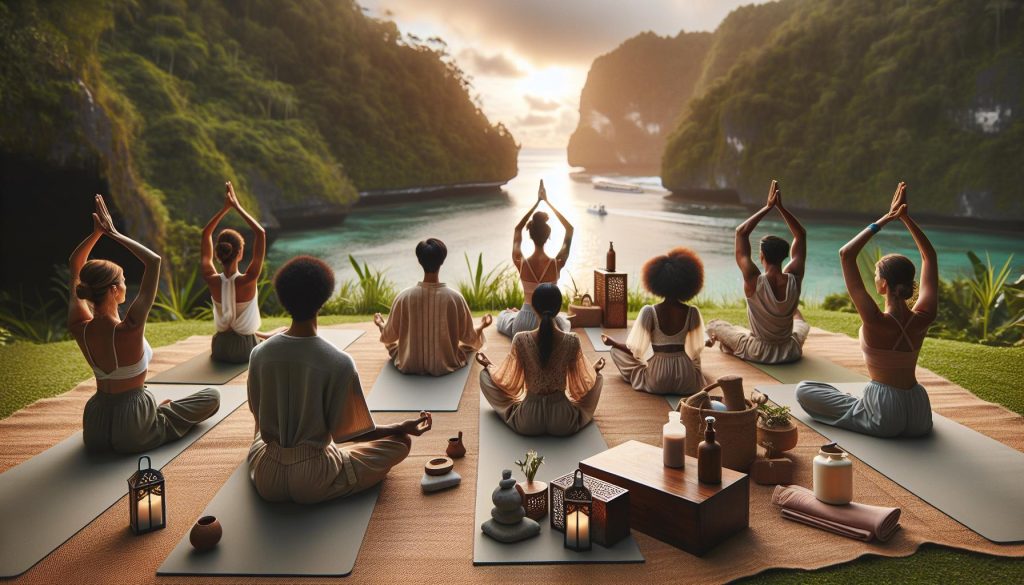
Choosing the right venue for a yoga retreat can dramatically impact the experience for participants, creating a serene space that fosters connection, relaxation, and personal growth. With the rising popularity of wellness travel, many are seeking retreats that not only provide yoga practice but also align with their holistic health goals. From tranquil beaches to lush mountain settings, selecting the perfect location requires thoughtful consideration of various factors, including accessibility, ambiance, and available amenities. Are you ready to uncover the best venues for your next yoga retreat? This guide reveals key insights to help you find the ideal space that caters to both instructors and attendees, ensuring a rejuvenating experience that promotes wellness and community.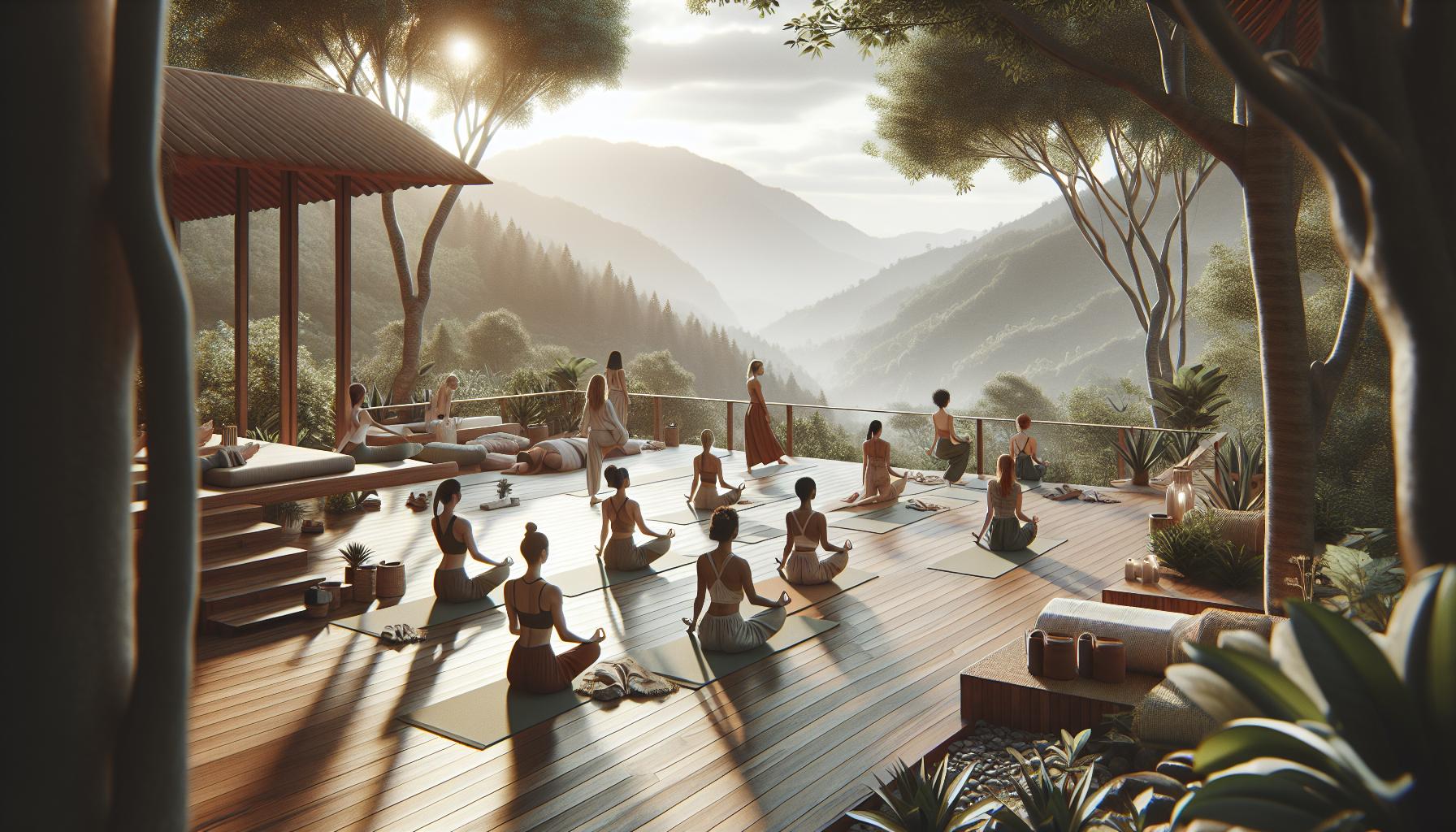
Where to Host a Yoga Retreat: Finding the Ideal Venue
Finding the perfect venue for a yoga retreat is a nuanced process, essential for creating an atmosphere conducive to relaxation, personal growth, and community bonding. A well-chosen location can enhance participants’ experiences, allowing them to fully immerse themselves in the practices of yoga, meditation, and wellness. Start by identifying settings that resonate with your retreat’s theme-whether that be serene countryside escapes, tranquil beach resorts, or city-based studios rich in culture. The aim is to select a space that supports the retreat’s objectives while providing solitude and inspiration.
Consider the top features that an ideal location should offer. These include natural surroundings that promote peace, facilities that cater to varied yoga practices, and spaces for communal gatherings and personal reflection. Look for venues equipped with ample room for classes, such as studios with hardwood floors and natural light. Outdoor spaces can complement indoor practices, offering the chance to connect with nature-an important aspect of yoga. Accessibility is also vital; ensure that the venue is easy to reach, with options for participants traveling from various locations.
To better evaluate potential venues, engage in thorough research and visits if possible. Create a checklist of essential amenities such as sleeping arrangements, availability of healthy meal options, wellness facilities like spas or meditation rooms, and recreational areas for downtime activities. Additionally, gauge the atmosphere by considering the venue’s design and aesthetics-spaces should feel inviting and rejuvenating. A welcoming environment fosters openness and encourages deeper connections among attendees, enhancing the retreat’s overall vibe.
Ultimately, aligning the venue’s features with the goals of your retreat is key. Whether you are focused on healing, fitness, or spiritual growth, the right space can elevate the experience. You might also consider unconventional options, such as converting a local community center or utilizing a unique property, giving your retreat a distinctive flavor. The journey of selecting the ideal venue should be as enriching as the retreat itself, allowing you to cultivate a transformative experience for all participants.
Top Features of Perfect Yoga Retreat Locations
Finding a location that embodies tranquility and flexibility can significantly enhance the experience of a yoga retreat. The perfect venue should not only inspire peace but also cater to varying needs and preferences of attendees. A harmonious blend of natural beauty, functional facilities, and welcoming ambiance creates an environment that fosters relaxation, personal growth, and community bonding among participants.
Key features to look for in an ideal yoga retreat location include:
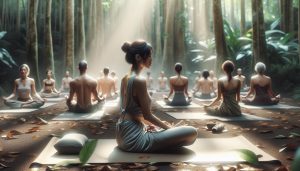
- Natural Surroundings: Venues set in serene landscapes, such as mountains, forests, or beaches, provide a calming backdrop that helps participants disconnect from daily distractions. The beauty of nature can enhance mindfulness practices and complement the yoga experience.
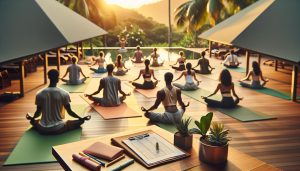
- Spacious Studios: Adequate space for yoga classes is essential. Look for studios with hardwood floors, large windows for natural light, and good ventilation. The layout should allow for diverse styles of yoga and accommodate various group sizes.
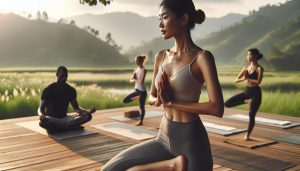
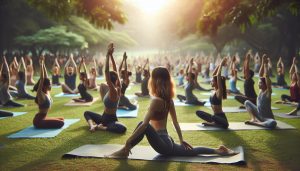
- Outdoor Spaces: Access to outdoor areas allows for practices in fresh air, where participants can connect with the environment. Gardens, decks, or serene fields can serve as ideal spots for sessions, meditation, or group discussions.
- Communal Areas: Spaces for social interaction, such as lounges or dining areas, are vital for fostering community. Shared meals and informal gatherings encourage connections among participants, enriching their overall retreat experience.
- Wellness Amenities: Additional facilities such as a spa, fitness center, or meditation room enhance the retreat atmosphere, providing options for relaxation and self-care beyond yoga sessions.
Accessibility should also be considered. Select venues that are easy to reach, preferably located near transportation hubs while maintaining a feeling of seclusion. This balance ensures that participants can travel conveniently without feeling rushed. Having nearby accommodations or the option for on-site lodging can further enhance convenience.
Ultimately, the choice of venue should resonate with the goals and themes of the retreat. Whether the focus is on wellness, fitness, or spirituality, aligning the location’s features with the retreat’s objectives transforms the experience, making it truly transformative for every participant.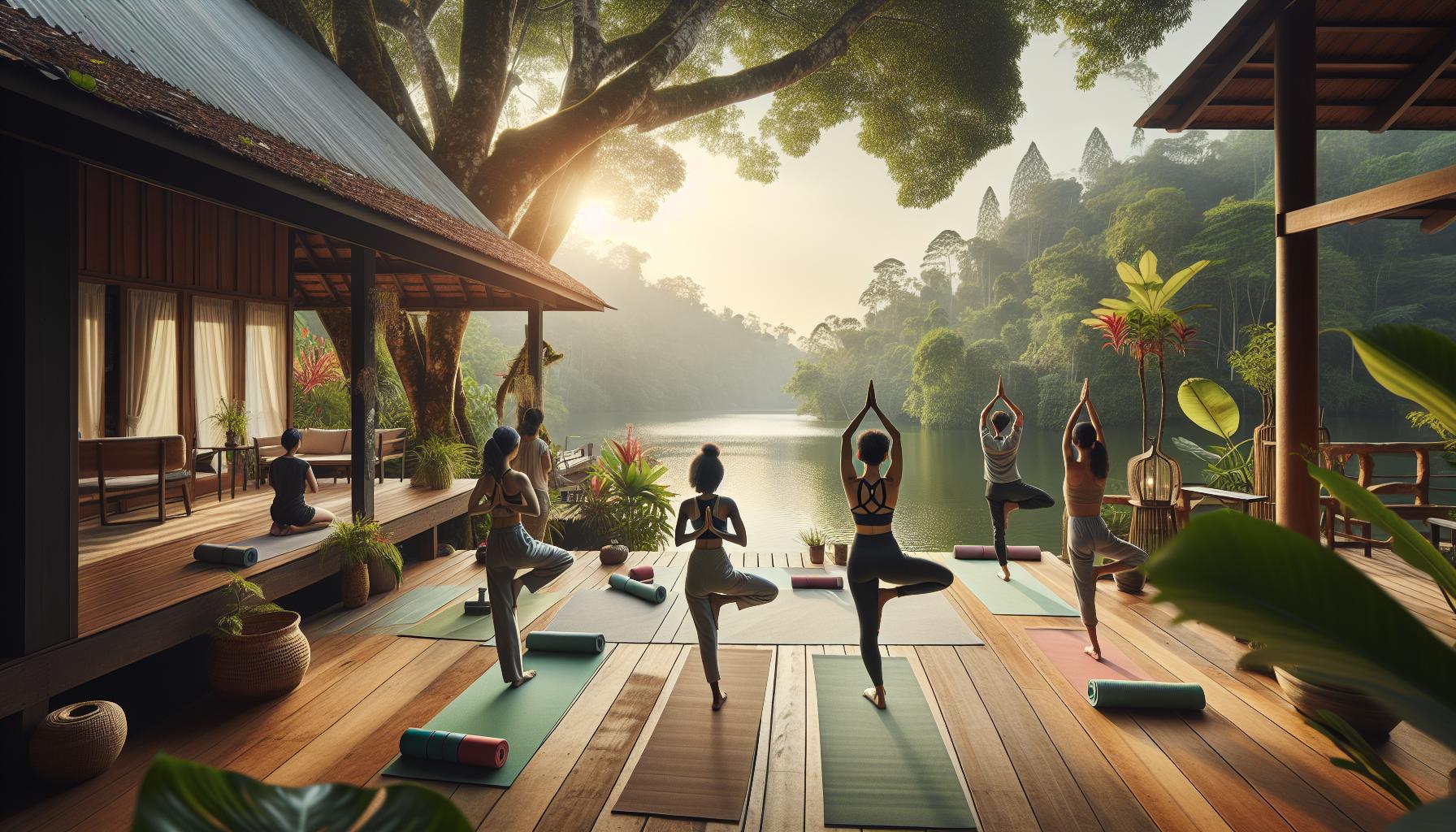
Best Types of Venues for Yoga Retreats
Finding the right venue for a yoga retreat can dramatically influence the experience, enriching participants’ connection to their practice and to each other. Various types of venues cater to different retreat themes and goals, each providing unique advantages. Here are some ideal choices for retreat locations that can enhance relaxation, community bonding, and mindfulness.
Destination Resorts
Destination resorts often offer all-inclusive packages that simplify logistics. Typically situated in serene locations-like tropical beaches, mountains, or lush landscapes-they provide luxurious accommodations alongside wellness amenities such as spas and healthy dining options. These venues often feature expansive yoga studios equipped with natural light, allowing participants to fully immerse themselves in their practice. Examples include wellness resorts in Costa Rica or Bali known for their holistic approaches and tranquil atmospheres.
Retreat Centers
Specialized retreat centers focus exclusively on wellness programs, making them ideal for yoga practitioners. These centers usually boast dedicated spaces for yoga, meditation, and various workshops, ensuring a comprehensive experience. Many emphasize sustainability and self-discovery, integrating nature into their practices through hiking trails and organic farm-to-table meals. Locating a retreat center in a quiet, remote area can significantly enhance the serene experience.
Eco-Lodges
Eco-lodges provide a unique opportunity to blend yoga with environmental consciousness. These venues are designed to minimize their ecological impact, using sustainable materials and promoting renewable energy. Nestled in natural settings, they often encourage outdoor yoga, allowing participants to reconnect with nature. This venue type appeals to those seeking a mindful experience that aligns with eco-friendly values.
Urban Studios
For those looking to host a city-based retreat, urban studios can be highly appealing. These venues, often located in vibrant neighborhoods, provide a mix of yoga spaces and the exhilarating energy of city life. Plus, they often accommodate a more diverse range of activities, such as workshops and cultural excursions. Choosing a city studio allows participants to engage in their practice while exploring local attractions, creating a well-rounded retreat experience.
Each venue type presents a distinct opportunity to tailor the retreat to specific goals, whether that’s fitness, relaxation, or community engagement. Selecting the appropriate location will depend on understanding the participants’ desires and the overall theme of the retreat, ensuring a transformative and memorable experience for all involved.
Understanding Different Retreat Styles and Settings
When planning a yoga retreat, understanding the various styles and settings can significantly enhance the participant experience. Each choice comes with its own unique atmosphere and potential benefits, providing the opportunity to align the retreat’s goals with participants’ expectations. Retreats can be tailored to focus on relaxation, intensive practice, or community building, all of which affect the selection of the venue.
Wellness-Focused Retreats
These retreats emphasize holistic health, combining yoga with nutrition, meditation, and other wellness practices. They often take place in tranquil settings such as destination resorts or specialized wellness centers. Attendees can expect a schedule packed with diverse offerings-from morning yoga sessions to cooking classes focused on healthy eating. This immersive approach not only enhances physical well-being but also allows for personal growth and mindfulness.
Themed Retreats
Themed retreats provide a unique twist, integrating specific practices or philosophies into the schedule. Examples include detox retreats, yoga and creativity workshops, or retreats focused exclusively on restoring balance through restorative yoga. Such retreats may take place in rural environments, allowing participants to fully disconnect from their daily routines. By focusing on a particular theme, these retreats can attract individuals seeking specific outcomes, often enhancing the community atmosphere among attendees.
Adventure Retreats
For those who enjoy blending physical activity with yoga, adventure retreats are an excellent choice. These retreats often incorporate activities like hiking, kayaking, or climbing along with yoga sessions, appealing to individuals who prefer a dynamic experience. Locations in mountainous or coastal regions are ideal for this style, as they provide stunning backdrops and opportunities for exploration. Participants benefit from both the physical exertion and opportunities for mindfulness while immersed in nature.
Luxury Retreats
Luxury retreats cater to those looking for an indulgent experience intertwined with their yoga practice. These settings typically offer high-end accommodations, gourmet meals, and spa services, creating a pampered atmosphere that enhances relaxation. Resorts with private beaches or serene mountain views provide a tranquil space for participants to unwind. Although these retreats might come at a higher cost, they can attract individuals seeking a rejuvenating experience where both wellness and comfort meet.
Selecting the appropriate retreat style and setting requires understanding the desires of the participants as well as the overarching goals of the retreat. A well-crafted experience that caters to these aspects will not only enhance participants’ connection to their practice but also enrich their overall journey.
How to Choose a Location Based on Your Retreat Goals
Choosing the right location for a yoga retreat is a crucial step that can significantly influence the overall experience and outcomes for participants. The process begins with a clear understanding of the specific goals and objectives of the retreat. For instance, if the aim is to foster relaxation and mindfulness, then serene settings such as coastal resorts or secluded mountain lodges might be ideal. Conversely, for retreats emphasizing physical activity or adventure, locations that offer natural landscapes conducive to exploration, such as national parks or hilly terrains, would be more appropriate.
When evaluating potential venues, consider the demographics and preferences of your participants. This includes their level of yoga experience and personal goals. Are they looking to deepen their practice, engage in a community experience, or seek personal rejuvenation? Tailoring the location to align with these desires will enhance satisfaction. Additionally, think about the amenities that will support your retreat’s objectives; for example, accommodations with wellness facilities like spas might be essential for luxury-oriented retreats, while settings that provide ample outdoor space may be preferred for active retreats.
Accessibility is another vital factor in choosing a retreat location. Ensure the venue can accommodate travel from major airports or cities, making it easy for participants to arrive. A location closer to urban centers may appeal to those with tight schedules, while more remote options could offer a much-needed escape from daily routines. Always assess transportation options, including local shuttle services or public transit, to minimize travel stress.
Lastly, the atmosphere of the venue plays a critical role in cultivating the desired environment for a yoga retreat. Look for locations that exude tranquility and beauty, whether through natural landscapes or thoughtfully designed indoor spaces. Choosing a venue with scenic views, calming decor, and peaceful surroundings can significantly enhance participants’ ability to unwind and connect with their practice. Engaging with venues that prioritize sustainability and mindfulness can further align with the overall ethos of yoga, reinforcing the participants’ commitment to harmonious living.
Assessing Accessibility: Travel Considerations for Guests
Selecting a location for a yoga retreat encompasses several crucial logistical considerations, especially regarding accessibility. Effective planning in this regard can greatly enhance the experience for participants, ensuring they arrive stress-free and ready to engage fully with their practice. For example, venues located near major airports can be a significant advantage, allowing guests to save time and energy upon arrival. Furthermore, the availability of direct flights increases convenience, especially for those traveling from long distances.
Travel considerations extend beyond just airport proximity. It’s important to evaluate local transportation options, including shuttle services, public transport, and rental car availability. Consider offering participants detailed information about getting to the venue, including transit schedules and local taxi services. This transparency helps guests plan their journeys better and can alleviate anxiety about travel logistics. Providing an easy-to-navigate map or travel guide can reinforce this, enabling guests to visualize the logistics before departure.
Communication about potential local attractions can also add value to the overall experience. Highlighting nearby points of interest, such as parks, nature trails, or cultural sites, can encourage participants to extend their stay or explore on their day off. These activities can enhance the retreat experience, giving visitors a chance to unwind and connect with the local environment.
Lastly, think about the physical accessibility of your venue itself. Consider the needs of all participants, including those who may have mobility challenges. Ensure that the retreat space is equipped with ramps, accessible accommodations, and facilities that can cater to everyone. Creating an inclusive environment not only aligns with yoga’s principles of acceptance and growth but also fosters a more unified and supportive community among attendees.
The Importance of Atmosphere in Yoga Retreat Venues
Creating the right atmosphere is crucial for a successful yoga retreat, as it significantly enhances participants’ experiences and their connection to the practice. This environment goes beyond just physical surroundings; it encompasses elements that support relaxation, mindfulness, and a sense of community among attendees. Whether nestled in a serene forest, perched atop a tranquil beachfront, or tucked away in a cozy mountain lodge, the retreat venue should foster a peaceful mindset conducive to reflection and growth.
The choice of location can have a profound effect on the mood of the participants. Natural settings typically impart a sense of calm and connection to the Earth, while urban retreats might offer energy and vibrancy yet risk some distractions. Incorporating natural light, calming colors, and comfortable spaces for both yoga practice and leisure can contribute substantially to the atmosphere. Essential elements to consider include:
- Sound: Choose venues that are quiet and away from disruptive noises like traffic.
- Natural surroundings: Locations surrounded by nature tend to enhance peace and mindfulness.
- Cleansing rituals: Incorporating rituals that cleanse and ground participants can enhance the overall experience.
Creating a welcoming energy is equally important. Factors such as the friendliness of the staff, the presence of communal spaces, and opportunities for social interaction can help foster a sense of belonging. Retreats that encourage shared meals or group activities can further strengthen bonds among participants, enhancing their engagement and overall experience.
In addition, incorporating elements that appeal to the senses, such as fragrant flowers, soothing music, and aesthetically pleasing decor, can help establish an inviting atmosphere that resonates with the essence of yoga: tranquility, focus, and connection. When each aspect of the venue harmonizes, the retreat becomes a transformative space where participants can dive deep into their practice, reflect on their journeys, and cultivate lasting relationships with themselves and others.
Essential Amenities and Facilities for Yoga Retreats
To create a truly transformative yoga retreat experience, selecting the right amenities and facilities is essential. This not only contributes to the overall comfort and enjoyment of participants but also supports their practice and personal growth. A well-equipped venue will cater to various aspects of the retreat, enhancing both individual and communal experiences.
Key amenities to consider include spacious and well-ventilated yoga studios designed for movement and comfort. These spaces should be equipped with high-quality mats, props, and sound systems for guided practices. Additionally, access to natural light and outdoor areas can further elevate the experience, allowing participants to connect with nature during their sessions. Accommodations play a crucial role too; comfortable lodgings with privacy encourage restful sleep, while communal areas foster a sense of community and sharing among attendees.
Essential Facilities for Relaxation and Nourishment
Participants at a yoga retreat often seek holistic wellness, making access to nourishing food and relaxation facilities vital. Kitchens that provide healthy, vegetarian or vegan meal options can significantly enhance the retreat experience, allowing guests to refuel with wholesome meals after intensive sessions. Common dining areas that encourage social interaction help build a sense of community among participants.
Wellness amenities such as spas or meditation gardens can offer restorative experiences that complement yoga practices. Features like saunas, hot tubs, or massage services provide opportunities for deep relaxation, helping attendees process their experiences and unwind fully. It’s beneficial for the venue to incorporate spaces for quiet reflection, such as cozy reading nooks or outdoor seating that overlooks serene landscapes.
Support Services and Accessibility
Consideration for support services adds immense value to a retreat environment. On-site practitioners like nutritionists, massage therapists, or yoga instructors can provide personalized care, ensuring that each participant feels catered to and supported. Easy access to these services can enhance the overall experience and help individuals achieve their personal wellness goals.
Accessibility should not be overlooked; venues that are easy to reach and navigate are more likely to accommodate a diverse group of attendees. Factors such as transportation options, nearest airports, and local attractions can greatly influence participants’ convenience and overall satisfaction with the retreat. By ensuring a focus on these crucial amenities and facilities, venues can foster an environment promoting growth, relaxation, and connection for all participants.
Cost Considerations for Yoga Retreat Venues
When planning a yoga retreat, understanding the cost considerations associated with various venues is crucial to ensure a successful and enjoyable experience for participants. Costs can vary significantly depending on the location, facilities, and services offered, making it important to develop a budget that aligns with your vision and goals for the retreat.
One of the primary factors influencing the cost is the type of venue selected. For instance, a luxury resort with premium amenities will typically charge more than a simple community center or a less upscale retreat facility. It’s essential to weigh the benefits of high-end options against the available budget. Consider venues that offer package deals, which can often include accommodations, meals, and studio space, providing a more streamlined (and sometimes discounted) approach to budgeting. Here are some aspects to keep in mind:
- Venue Type: Research different types of venues-such as hotels, wellness centers, or nature lodges-as they have different price ranges.
- Peak vs. Off-Peak Pricing: Costs can fluctuate based on the time of year. Booking during off-peak seasons can lead to significant savings.
- Hidden Costs: Be aware of additional fees that may not be immediately apparent, including cleaning fees, deposits, or charges for equipment rentals.
- Group Discounts: If you’re organizing a retreat for a larger group, inquire about special rates that might be available.
Another important consideration is the inclusivity of meals and activities in the retreat package. Venues that provide comprehensive wellness options-such as meal preparation, wellness workshops, and on-site yoga sessions-may come at a higher cost but can ultimately enhance the retreat experience.
Overall, careful comparison and thorough planning will help you navigate the financial aspects of hosting a yoga retreat. By ensuring clarity around what is included in venue costs, you can align your facility choice with the overall goals of your retreat and maintain a healthy budget that supports both the organizational side and the participant experience.
Best Destinations for Yoga Retreats Around the World
Finding the right destination for a yoga retreat can significantly enhance the experience for participants, offering serene surroundings that complement the practice. Whether you’re looking for lush tropical beaches, tranquil mountains, or cultural landmarks, the world is brimming with ideal spots that cater to all types of yoga practitioners. Some regions are particularly renowned for their yoga offerings, thanks to favorable climates, wellness-focused amenities, and rich cultural experiences.
### Popular Global Destinations
Many retreat planners gravitate towards specific regions known for their yoga culture and tranquil environments. Here are some of the best:
- Bali, Indonesia: Famous for its vibrant spiritual energy, Bali offers numerous retreat centers surrounded by stunning rice paddies and serene beaches. The laid-back atmosphere, local wellness practices, and availability of holistic therapies make it a favorite for yoga enthusiasts.
- Rishikesh, India: Considered the birthplace of yoga, Rishikesh holds immense spiritual significance. Participants can engage in traditional yoga practices, visit sacred temples, and attend meaningful workshops by revered instructors along the banks of the Ganges River.
- Sedona, Arizona, USA: Known for its stunning red rock formations and energy vortexes, Sedona offers a unique setting for yoga retreats. The area’s natural beauty fosters deep connection and reflection, drawing those seeking both adventure and healing.
- Costa Rica: With its lush tropical rainforests and beautiful beaches, Costa Rica is a prime location for wellness retreats. Many venues incorporate eco-conscious practices, attracting environmentally aware participants looking for connection with nature.
- Montauk, New York, USA: This coastal haven provides a picturesque backdrop for yoga retreats, especially during the warmer months. The tranquil ocean views and beachy environment contribute to a refreshing retreat experience.
Choosing the right destination goes beyond just the location; it involves understanding the unique offerings that each place presents. Factors such as local culture, available activities, dietary options, and accommodation types should all align with the goals of your retreat. For a more culturally rich experience, opt for locations that allow participants to immerse themselves in local traditions and practices while engaging in yoga.
The best destinations provide not only stunning landscapes but also a supportive community of like-minded individuals seeking growth, relaxation, and rejuvenation through yoga. By carefully considering these factors, retreat organizers can choose a venue that not only meets logistical needs but also enhances the overall retreat experience for all involved.
Tips for Negotiating Venue Contracts and Bookings
Negotiating venue contracts and bookings for a yoga retreat can significantly impact the overall success and enjoyment of the experience. Understanding key elements of negotiation can help ensure that you secure a venue that not only meets your logistical needs but also enhances the participants’ connection to the practice. It’s essential to approach this process with clarity and confidence, as a well-negotiated contract lays the foundation for a successful retreat.
One of the first steps in negotiation is to establish a clear understanding of your needs and priorities. Identify the type of venue that best suits your retreat’s theme, size, and ambiance. Consider factors such as the number of participants, preferred amenities (like yoga mats, props, and rooms for workshops), and dietary requirements. When you have a solid grasp of what you want, you can communicate effectively with venue managers.
When initiating discussions, don’t hesitate to ask about flexible payment options or discounts for bulk bookings. Venues may offer reduced rates for certain dates, early reservations, or for retreats that fill up multiple dates in a calendar year. Additionally, inquiring about package deals that include accommodation, meals, and usage of facilities might result in substantial cost savings. Establishing a rapport with the venue staff can also work in your favor; personal connections often lead to more favorable terms.
As you review the contract, pay attention to critical details like cancellation policies, deposit requirements, and liability coverage. Ensure that all agreed-upon aspects-such as access to spaces during the retreat times, included facilities, and any additional fees-are documented. Once you feel comfortable with the terms, don’t hesitate to request adjustments to fit your retreat’s specific requirements. A well-defined agreement that protects both parties fosters a positive working relationship and sets the stage for a successful event.
Showcasing Unique and Unconventional Yoga Retreat Venues
Finding the right venue for a yoga retreat can dramatically influence the experience, infusing it with a sense of peace and inspiration. For those looking to step outside the conventional offerings of standard yoga studios or resorts, unique and unconventional venues provide distinct environments that can elevate the retreat experience. Imagine hosting a retreat in a rustic barn surrounded by fields, or on a serene beach where the sound of waves syncs with the breath of practitioners. Such settings not only enhance the ambiance but also inspire deeper connections with oneself and nature, which is pivotal in yoga practice.
When exploring atypical venues, consider locations like:
- Converted Warehouses: These spaces often boast high ceilings and open floor plans, making them ideal for movement and flow. The industrial aesthetic combined with customizable decor brings a unique urban flair.
- Artistic Retreat Centers: Venues that double as art installations or community projects can provide stimulating surroundings. They can inspire creativity in your sessions, attracting participants who appreciate creativity and innovation.
- Nature Reserves or National Parks: Retreating into nature allows participants to immerse themselves fully in the environment. Open-air classes amidst trees or on hilltops can be profoundly grounding and transformative.
- Sunny Rooftops: Imagine practicing under the sky amidst the cityscape. Rooftop venues offer a blend of urban energy and tranquility, especially as sunsets provide a stunning backdrop for evening sessions.
These unconventional venues can not only accommodate large groups but can also provide more personalized experiences, making participants feel like they are part of something special. The key to selecting such locations lies in ensuring they meet essential needs: quiet spaces for practice, comfortable accommodations, and access to nature or inspiring views.
In addition to the physical space, think about how these venues reflect the theme of your retreat. For example, if your focus is on detoxification and renewal, a venue surrounded by lush nature could enhance that overall experience. Furthermore, consider what local cultural or holistic practices you could incorporate, broadening the retreat’s appeal and deepening participants’ experiences.
Overall, unique and unconventional venues can create memorable and impactful yoga retreats that resonate with attendees long after they’ve left, offering not just yoga practice but also powerful experiences that nourish the spirit.
Q&A
Q: What is the best location for a yoga retreat?
A: The best location for a yoga retreat depends on your group’s preferences and goals. Coastal areas offer scenic views and tranquility, while mountainous regions provide a serene atmosphere. Consider factors like climate, accessibility, and local wellness facilities to enhance the retreat experience.
Q: How do I choose a yoga retreat venue?
A: To choose a yoga retreat venue, assess its layout, amenities, and atmosphere. Look for spaces that accommodate group activities, have private areas for meditation, and offer essential facilities like healthy meals. Venues close to nature or with views can significantly enhance the overall experience.
Q: What types of venues work best for yoga retreats?
A: The best types of venues for yoga retreats include boutique hotels, guesthouses, wellness centers, and nature lodges. Each offers unique benefits, such as quiet settings and holistic services. Prioritize venues that promote relaxation and focus on community for a successful retreat.
Q: When is the best time of year to host a yoga retreat?
A: The best time of year to host a yoga retreat varies based on location. Spring and fall tend to have moderate weather, attracting more participants. Avoid extreme weather seasons and consider local events or holidays that could impact attendance and facility availability.
Q: How do you assess the cost of a yoga retreat venue?
A: Assessing the cost of a yoga retreat venue involves understanding base rates, additional fees, and included services. Compare different venues, consider group discounts, and factor in amenities like meals and wellness services to ensure a transparent budget and avoid unexpected expenses.
Q: What amenities should I look for in a yoga retreat venue?
A: Look for amenities such as yoga studios, healthy dining options, accommodation, and outdoor spaces for nature activities. Additional services like spa treatments, transportation, and on-site instructors can enhance the retreat experience. Prioritize venues that align with your retreat’s goals and ethos.
Q: How can I ensure the environment supports my yoga retreat goals?
A: To ensure the environment supports your yoga retreat goals, choose a venue that aligns with your theme, such as tranquility or adventure. Additionally, evaluate the venue’s layout, surroundings, and overall atmosphere. A peaceful, inviting environment fosters relaxation and deepens participants’ practice.
Q: What are unconventional venues for hosting yoga retreats?
A: Unconventional venues for yoga retreats include barns, art galleries, or urban rooftops. These unique settings can offer inspiring backdrops and create memorable experiences. Look for venues with space for yoga, breakout areas, and opportunities for nature-inspired activities to engage participants fully.
In Retrospect
As you embark on your journey to host the perfect yoga retreat, remember that selecting the right venue is crucial for creating a peaceful and rejuvenating experience for your participants. From serene studios to breathtaking outdoor spaces, the options are vast, catering to every vision and budget. Don’t wait-start exploring these ideal locations today to give your retreat the transformative ambiance it deserves!
For more insights, check out our articles on effective retreat planning and maintenance tips while traveling, which are designed to help you maximize both your own and your attendees’ experiences. Ready to take the next step in organizing your retreat? Subscribe to our newsletter for exclusive resources and updates that will keep you inspired and informed. Join the conversation by sharing your thoughts or experiences in the comments below, and let’s continue to elevate the world of wellness travel together!
Get our latest guides, news, and insights highlighted in your Google Search & AI Overviews.