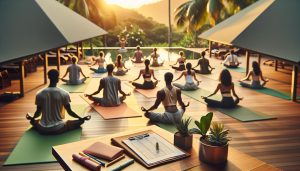
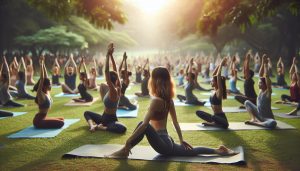
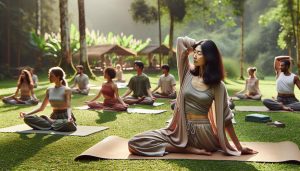
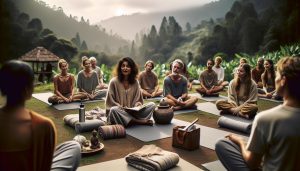
In recent years, yoga retreats have surged in popularity, offering transformative experiences that combine relaxation, wellness, and personal growth. However, many individuals wonder about the safety of these retreats-both in terms of physical well-being and the general environment. Addressing these concerns is vital for anyone looking to embark on a journey toward peace and rejuvenation. Understanding the potential risks and necessary precautions ensures that you can fully enjoy the benefits of a yoga retreat without compromise. This guide will equip you with essential safety tips and insights, empowering you to make informed decisions and embrace your wellness journey with confidence. Read on to uncover how you can ensure a safe and enriching yoga retreat experience.
Understanding the Safety Standards of Yoga Retreats
Ensuring that your yoga retreat adheres to recognized safety standards is essential for a peaceful and rejuvenating experience. Typically, reputable retreats will follow guidelines that encompass health and safety protocols, instructor qualifications, and facility standards. Key safety indicators can include the venue’s emergency preparedness, cleanliness, and adherence to local health regulations. For instance, retreats located in serene, natural environments might prioritize safety measures like first aid training for staff and emergency exit protocols, which are vital for participants to feel secure.
In addition to physical safety, psychological well-being is paramount. A well-structured retreat should promote a safe emotional environment, encouraging open communication and support among participants. This includes facilitating a culture where participants feel comfortable voicing any concerns or discomfort with exercises or practices being offered. Methods for fostering a supportive atmosphere may involve pre-retreat surveys to gauge participant expectations and individual needs, ensuring that the program accommodates a diverse group in terms of experience and comfort levels.
Moreover, evaluation of instructors’ qualifications is crucial in understanding the safety standards at any yoga retreat. Certified instructors typically undergo training that not only covers yoga techniques but also includes elements of anatomy, injury prevention, and emergency response. Checking instructors’ backgrounds can offer insights into their experience and commitment to maintaining a safe, supportive learning environment. Look for retreats that provide information about their teaching staff’s credentials, which can often be found on their websites or in promotional materials.
Lastly, good safety standards include providing proper information and support for participants managing health conditions or medications. Retreats should have staff knowledgeable about participants’ individual needs, ensuring that appropriate modifications and safety measures are in place. This holistic approach to safety creates an environment where mindfulness and personal growth can flourish, allowing individuals to engage deeply with their practice while feeling secure and supported.
Common Safety Concerns for Yoga Retreat Participants
While attending a yoga retreat can be a rejuvenating experience, there are numerous safety concerns that participants should keep in mind to ensure a fulfilling journey. Understanding these common issues can help individuals navigate their retreat experience with greater confidence and peace of mind.
One crucial safety concern is the physical risks associated with yoga practice itself. Many participants may be new to yoga or are returning after a long break, which increases the likelihood of injuries from overexertion or improper technique. It’s vital to communicate openly about any pre-existing conditions or injuries to instructors and seek modifications as needed. Choosing a retreat that prioritizes safety by offering classes tailored to various skill levels can significantly reduce these risks.
Another important aspect to consider is personal safety within the retreat environment. Participants should be aware of their surroundings, including local health regulations and emergency protocols at their retreat location. For example, retreats situated in remote areas should have clear communication regarding access to medical facilities. Additionally, knowing how to contact local authorities and understanding the emergency response system are essential steps for personal safety.
Lastly, psychological safety must not be overlooked. Participants may have different comfort levels regarding vulnerability and emotional openness in group settings. Clear guidelines for respectful communication and confidentiality among group members can help foster a safe emotional environment. Pre-retreat surveys can also be a helpful tool for organizers to gauge participants’ needs and preferences, allowing them to create a supportive atmosphere that encourages sharing and connection.
By addressing these common safety concerns, participants can engage more fully in their retreat experience, focusing on personal growth and well-being amid the beautiful but sometimes unpredictable backdrop of wellness travel.
How to Choose a Safe Yoga Retreat Destination
When it comes to embarking on a yoga retreat, the venue plays a pivotal role in your overall experience and safety. Selecting a destination that prioritizes wellness and safety can cultivate an atmosphere conducive to personal growth and healing. With myriad options available, it’s essential to evaluate various factors to ensure a safe and enjoyable retreat experience.
Start by researching the location’s safety record. This includes crime rates, political stability, and health care accessibility. Environmental factors, like natural disasters or health hazards (such as endemic diseases), can also impact your safety during the retreat. Opting for well-established retreat centers with positive reviews and testimonials from past participants can further enhance your peace of mind.
Consider the retreat’s amenities and emergency protocols. Does the location have access to medical facilities or emergency services? Are there clear protocols for handling medical emergencies or safety concerns? Look for retreats that provide detailed information about their safety measures, including evacuation plans and first-aid resources. A backup plan for shelter and support in case of unforeseen events can make a significant difference in your overall sense of security.
Cultural and language familiarity is another crucial element. Understanding local customs and being respectful of cultural practices can help participants navigate any potential misunderstandings. Seek retreats where the instructors and staff are familiar with the local culture and can communicate effectively with participants. This connection can foster a greater understanding of the environment and enhance your comfort level.
Lastly, carefully evaluate the retreat’s focus and philosophy. An environment that emphasizes holistic well-being, mindfulness, and community support can contribute to a safe emotional setting. Look for retreats that offer opportunities for participants to share their needs and preferences, fostering a culture of respect and understanding among participants and instructors alike. Engaging in these practices increases the likelihood of a transformative experience where safety and personal well-being are seamlessly prioritized.
Evaluating the Experience and Credentials of Instructors
When attending a yoga retreat, the experience and credentials of the instructors play an integral role in ensuring a safe and effective practice. Many participants may overlook this aspect, but evaluating your instructors can significantly influence your overall experience and wellness. A skilled instructor not only brings expertise in yoga techniques but also provides a supportive environment that fosters personal growth while prioritizing safety.
Start by researching the instructors’ qualifications. Certified yoga instructors typically have undergone extensive training, often completing at least 200 hours of yoga teacher training, which includes studying anatomy, philosophy, and teaching methodologies. In addition to basic teaching credentials, consider instructors who hold further certifications in specialized areas, such as trauma-informed yoga, restorative yoga, or advance teacher training. This specialized knowledge can be critical in addressing diverse participant needs and accommodating specific health considerations.
It’s also worth examining the instructor’s teaching experience and style. Reach out to past participants or consult online reviews to gauge the instructor’s effectiveness and approachability. An experienced instructor usually possesses a wealth of knowledge about safely modifying poses and offering various options for different skill levels. This inclusivity ensures that both beginners and advanced practitioners feel comfortable and supported during each session. Observing sample classes-available through videos, social media, or yoga platforms-can provide additional insight into their teaching style and how they interact with students.
Lastly, the ability of instructors to create a welcoming community is vital. Since yoga retreats often emphasize deep connection and collective experiences, instructors who prioritize building a sense of community can significantly enhance your retreat experience. Look for instructors who encourage participant interaction, facilitate group discussions, and cultivate an atmosphere of openness and acceptance. This focus not only ensures physical safety but also mental and emotional well-being, allowing participants to fully engage with their practice and each other throughout the retreat.
By thoroughly evaluating the experience and credentials of yoga instructors, you can choose a retreat that aligns with your personal goals while ensuring a safe environment conducive to holistic growth and healing.
Health Considerations: Managing Medications and Conditions
When embarking on a yoga retreat, managing your health, especially if you have specific medical conditions or are on medication, is crucial for a safe and enjoyable experience. Knowing how to approach your health needs can empower you to fully engage in the retreat while avoiding unnecessary complications. Many retreat locations may differ in terms of access to medical facilities or knowledge about managing health conditions. Thus, preparation is key to ensuring that your wellness journey remains uninterrupted.
It’s essential to communicate your health concerns with the retreat organizers prior to your arrival. They can provide insights into how the retreat is structured and whether they can accommodate special health requirements. Prepare a comprehensive list of your medications, allergies, and any other health conditions to share with the staff, enabling them to assist you should any issues arise. Additionally, consider carrying a copy of your prescriptions and use a pill organizer to keep everything sorted by time and dosage.
- Stay Hydrated: Ensure you have access to clean water throughout the retreat. Hydration can affect how your body reacts to physical activities, particularly if you are taking medications that require water or can cause dehydration.
- Dietary Considerations: If you have dietary restrictions due to medical conditions-such as diabetes, hypertension, or food allergies-communicate them in advance to ensure the meal options suit your needs. Many retreats are flexible and can accommodate dietary preferences.
- Listen to Your Body: A yoga retreat is an opportunity to tune into your body, especially if you are managing a condition. Pay attention to how your body feels during practice, and don’t hesitate to modify poses or take breaks as needed.
Being proactive about these considerations not only safeguards your health but also enhances your overall experience. For instance, it’s beneficial to research the nearest medical facilities in case of emergencies, ensuring you have the necessary contacts saved on your phone or written down. Embracing this level of awareness can allow you to immerse yourself in the transformative journey that yoga retreats embody while prioritizing your well-being above all else.
Emergency Preparedness During Your Yoga Retreat
When embarking on a yoga retreat, the serenity and rejuvenation that await are often accompanied by the need for readiness to confront unexpected situations. Preparing for emergencies doesn’t dampen the spirit of relaxation; instead, it enhances your peace of mind so you can fully engage in your experience. Ensuring that you have actionable emergency preparedness strategies can significantly safeguard your well-being, allowing you to focus on your journey of self-discovery.
It’s crucial to familiarize yourself with the retreat destination and its surroundings. Research the nearest medical facilities, including hospitals and urgent care centers, before your arrival. Keep the contact information for these places readily available on your phone or as a physical note in a convenient location. If possible, inquire about the retreat’s own emergency protocols, including staff training in first aid or CPR, which can be reassuring.
Additionally, maintain a well-stocked personal first aid kit with basics such as adhesive bandages, antiseptic wipes, pain relievers, and any specific items that cater to your personal health needs. If you have particular medical conditions, include related supplies like an inhaler for asthma or extra insulin for diabetes. Not only will this kit prepare you for minor incidents, but it will also save time in case of urgent situations.
Communication is another key factor in emergency preparedness. Make sure that someone outside the retreat knows your itinerary, contact information, and any relevant health information. Establish a trusted buddy system within the group, connecting with fellow participants who can provide support in case of emergencies. Sharing health concerns or specific needs with them can foster a sense of community, where everyone looks out for each other.
Lastly, discuss any potential travel insurance options that cover health emergencies and trip cancellations, providing an extra layer of security. Remember, the goal of a yoga retreat is to unwind and explore your inner self, but being well-prepared opens the door to a truly transformative experience, free from worries about unforeseen events.
Creating a Personal Safety Plan for Yoga Retreats
Creating a personal safety plan for a yoga retreat is a proactive measure that can significantly enhance both your peace of mind and the overall experience. Before you embark on your journey, take some time to outline your safety strategies. This way, you can immerse yourself in the retreat activities without lingering worries about unforeseen situations.
Start by assessing your personal needs and preferences. Consider any medical conditions that may require special attention, such as allergies, asthma, or diabetes. Make a detailed list of your medications, including dosages and a schedule for administering them, and ensure you bring enough supply for the entire retreat, along with any necessary paperwork, such as prescriptions.
Additionally, staying connected with your support system can be vital. Share your itinerary, contact details, and emergency procedures with close friends or family members who are not attending the retreat. Establish a plan for regular check-ins, whether through text or video calls, so that someone is aware of your whereabouts and well-being at all times. This is especially important if you are traveling alone.
Another crucial component of your safety plan should involve familiarizing yourself with the local emergency services and healthcare facilities. Research nearby hospitals, clinics, and urgent care centers before you arrive. Create a contact list that includes relevant numbers and addresses, and save it on your phone for quick access. Also, inquire about the retreat center’s contingency plans for emergencies and whether staff members have training in first aid or CPR.
Finally, ensure you have a buddy system in place. Connecting with other participants can foster a sense of community and mutual support. During the retreat, identify a fellow participant to partner with who can help you stay safe, whether it’s checking in on each other during activities or addressing any concerns that may arise during your stay. Building these connections ahead of time enhances your retreat experience, making it not only a journey for personal growth but also a shared adventure marked by safety and mindfulness.
Cultural Sensitivity and Safety in Global Destinations
Traveling to global destinations for yoga retreats can be a transformative experience, but it necessitates an awareness of cultural sensitivities and safety practices. Engaging with local customs and traditions respectfully not only enriches your journey but also promotes a safe environment for both participants and hosts. Many cultures view yoga as a spiritual practice, intricately tied to their heritage; understanding this context can prevent misunderstandings and foster mutual respect.
Before embarking on your retreat, invest time in researching the local culture. Familiarize yourself with social norms, dress codes, and etiquette. For example, in many Asian countries, modest dress is appreciated, particularly when visiting temples or sacred sites. In addition, being aware of local customs surrounding greetings, dining, and interpersonal interactions can enhance your experience. Consider adding to your knowledge base by reading up on the history of yoga and its significance in the retreat’s location, which can help you appreciate the practice on a deeper level.
It’s also essential to prioritize personal safety while exploring these new environments. Stay informed about the local security situation and heed any travel advisories issued by your government. Utilize reputable services for accommodations and transportation, and make sure that your retreat center adheres to local safety protocols. Consider carrying an identification card with emergency contacts and important addresses written in the local language-this can be a lifesaver in unfamiliar surroundings.
Fostering connections with fellow retreat participants can also bolster your sense of security. Encourage group outings or shared excursions, as traveling with a buddy can minimize risks. This camaraderie allows for shared experiences and provides an extra layer of safety while navigating new settings. Ultimately, a respectful and informed approach to cultural engagement not only enhances your safety but also celebrates the rich traditions that make your yoga retreat journey meaningful.
Solo Travelers: Tips for Staying Safe on Retreats
Traveling solo for a yoga retreat can be an empowering experience, offering both personal growth and deep relaxation. However, it is crucial to prioritize safety in unfamiliar environments. Here are some essential tips to help you navigate your solo journey with confidence while maximizing the benefits of your retreat.
First and foremost, conduct thorough research before committing to a retreat. Validate the retreat center’s reputation by reading reviews from previous participants and ensuring they have proper credentials and safety protocols in place. Reach out to the organizers with any questions about safety measures or participant support systems. When you arrive, familiarize yourself with the layout of the retreat center and its surroundings, noting emergency exits and first-aid facilities.
Establishing connections early can greatly enhance your sense of security. Take the initiation to introduce yourself to fellow retreat participants. Forming relationships can lead to shared experiences, making excursions safer and more enjoyable. Consider organizing activities like group meals or outings to explore the local area together. Not only will this provide companionship, but it can also foster a sense of collective vigilance.
Being aware of your environment is key to personal safety. Remain mindful of local customs and practices, which can affect how you interact with locals and fellow travelers. Maintain a balance between participating in group activities and ensuring you have personal downtime. Always keep essential items-such as identification, cash, and emergency contacts-secure but accessible. It is advisable to carry a small phone charger and a power bank in case your phone runs low on battery, especially if you need it for navigation or emergency communication.
Lastly, trust your instincts. If something feels off, prioritize your comfort and safety. Don’t hesitate to communicate your needs with retreat leaders or fellow participants; they are there to support you. Prepare a personal safety plan that includes emergency contacts, local emergency numbers, and the location of nearby medical facilities. By being proactive and aware, you can enjoy the transformative experiences of a yoga retreat while ensuring your safety and well-being.
What to Know About Physical Safety in Yoga Practice
Participating in a yoga retreat can be a rejuvenating experience, but it is essential to prioritize physical safety during practice to maximize the benefits of your journey. The dynamic nature of yoga can sometimes lead to strains or injuries if not approached with awareness and care. Familiarizing yourself with the various aspects of physical safety in yoga practice can make all the difference in enjoying a fulfilling retreat.
Start by understanding your body and its limits. Before engaging in any yoga session, take time to assess your level of flexibility, strength, and balance. Communicate openly with your instructor about any pre-existing injuries or concerns you may have. A good instructor will be aware of your limits and can propose modifications to poses, ensuring you achieve the maximum benefit without risking injury. Incorporate warm-up stretches to prepare your body for more intense postures, which can help prevent sprains and strains.
Another crucial aspect of physical safety is being conscious of your surroundings. Ensure that the space where you practice is devoid of any hazards such as uneven flooring or obstacles. Bring your own mat if possible, as personal equipment typically feels more comfortable and allows for a consistent practice setup. If you are new to yoga or are practicing in a foreign environment, don’t hesitate to ask questions and seek guidance on proper techniques and alignment from instructors and fellow participants.
Moreover, pay attention to your hydration and nutritional needs. Retreats often involve a mix of yoga classes, meditation sessions, and potentially challenging hikes or activities. Proper hydration and nutrition will keep your energy levels up and improve your overall performance during practice. Remember to listen to your body-if you start feeling lightheaded or fatigued, take a break and consult your instructor about the best course of action.
In summary, by being mindful of your body, maintaining a safe practice environment, and adhering to proper hydration and nutrition, you can significantly enhance your safety during yoga sessions at a retreat. This proactive approach not only helps prevent injuries but also enriches the overall experience, allowing you to focus on relaxation and personal growth throughout your journey.
Balancing Relaxation with Safety: Essential Tips
Participating in a yoga retreat often invites a unique blend of relaxation and introspection, but creating a safe environment to unwind is equally paramount. Harmful situations can arise when participants become overly relaxed or distracted, leading to risks that could potentially mar an otherwise transformative experience. Thus, striking the right balance between tranquility and vigilance is crucial for a fulfilling retreat.
One essential practice is to establish a clear awareness of your surroundings. When attending outdoor sessions, watch for uneven terrain or obstacles that might go unnoticed while in a meditative state. Opting for a well-maintained mat can enhance comfort and stability. If you are in a new setting, take a moment to familiarize yourself with the space, including emergency exits and the locations of first aid kits. This awareness can help foster a sense of control and reassure your mind, allowing you to focus on the present moment.
Additionally, it’s vital to prioritize your individual wellness needs throughout the retreat. Make a habit of checking in with yourself-mentally and physically-before, during, and after scheduled activities. If you’ve recently engaged in an intense yoga session, don’t hesitate to modify future classes or take a break when needed. Hydration and nutrition play crucial roles here; aim to drink water regularly and consume healthy snacks that keep your energy levels steady, thus avoiding fatigue which could lead to injury.
Engaging with fellow retreat participants can further enrich the environment and solidify a safety net. Establishing a buddy system-informal partnerships among participants-can help create support structures. Together, you can share experiences, monitor each other’s wellbeing, and encourage open discussions about your limits and experiences with yoga. Additionally, participating in group activities can strengthen these bonds and enhance the protective atmosphere during your retreat.
Practical Safety Tips
- Observe your surroundings: Look for potential hazards before beginning any session.
- Stay hydrated: Ensure access to clean water and balance your snacks.
- Communicate openly: Share any concerns or limitations with instructors and fellow participants.
- Team up: Form informal partnerships to promote mutual care and safety.
- Practice mindfulness: Regularly check in with yourself to assess your physical and mental state.
Integrating these practices not only safeguards your health but allows you to encounter the profound peace that a yoga retreat offers fully. An attitude of awareness and openness fosters a nurturing space, empowering participants to explore their personal journeys without compromising their safety.
Connecting with Fellow Retreat Participants for Support
Building connections with fellow participants can significantly enhance the safety and overall experience of a yoga retreat. This collective environment fosters a sense of community and support, which is essential for personal growth and security. Engaging in conversations and sharing personal experiences can help you find common ground, allowing you to feel more comfortable and connected. For instance, establishing a simple daily check-in with a buddy can create a supportive network where participants can share how they’re feeling, discuss challenging yoga poses, or talk about wellness experiences. This mutual understanding creates a safety net that can buffer the intensity of shared experiences and bolster emotional wellbeing.
Participating in group activities, such as collaborative workshops or team-building exercises, can further strengthen these bonds. When everyone is engaged in shared experiences, it reduces feelings of isolation and vulnerability that often accompany retreats. Not only does this enhance the enjoyment of activities, but it also promotes vigilance among group members. For example, someone may notice if a fellow participant is struggling during a session and can offer assistance or a simple word of encouragement, which is invaluable in maintaining a supportive atmosphere.
Moreover, forming informal partnerships or small groups can make navigating the retreat less daunting. Traveling, particularly in foreign or unfamiliar settings, can elicit anxiety. Having a go-to person for exploring the area, dining, or relaxing creates a sense of security, making it easier to manage any unexpected situations, both social and practical. To enhance this bond, consider establishing a group chat or forum where participants can discuss plans, share insights, or alert each other of any concerns regarding safety and wellbeing.
In essence, connecting with fellow participants not only enriches the retreat experience but also contributes to a safer environment. By fostering open communication, support systems, and shared adventures, participants can navigate their journeys with greater confidence, returning home transformed and empowered. Embracing this sense of community aligns perfectly with the core philosophy of yoga, which encourages connection-not just to oneself, but to others as well.
Frequently asked questions
Q: Are yoga retreats safe for beginners?
A: Yes, yoga retreats can be safe for beginners if the instructors are qualified and the environment is supportive. Always choose retreats that prioritize safety standards and accommodate various skill levels. Consider reading reviews and checking the credentials of instructors to ensure a positive experience.
Q: What should I do if I feel unsafe at a yoga retreat?
A: If you feel unsafe at a yoga retreat, trust your instincts and speak to a staff member immediately. You may also want to create a personal safety plan, which includes emergency contacts and safe spaces. If necessary, consider leaving the retreat for your comfort and well-being.
Q: How do I find safe yoga retreat locations?
A: To find safe yoga retreat locations, research online reviews, check travel forums, and seek recommendations from trusted sources. Analyze the retreat’s safety measures, instructor qualifications, and participant feedback to ensure a secure and positive environment.
Q: What health precautions should I take before a yoga retreat?
A: Before attending a yoga retreat, consult with your healthcare provider about any pre-existing conditions or medications. Ensure you have necessary prescriptions and consider dietary needs. Inform your retreat instructor of any health concerns for personalized guidance during sessions.
Q: Is it safe to travel alone to a yoga retreat?
A: Traveling alone to a yoga retreat can be safe, especially if you choose well-reviewed retreats that promote inclusivity and community. Familiarize yourself with the retreat’s safety protocols and connect with other participants before arrival for additional support.
Q: How can I ensure my belongings are safe during a yoga retreat?
A: To keep your belongings safe during a yoga retreat, use secure luggage locks and avoid bringing valuables. Inquire about available safe storage options and consider using a money belt or pouch for personal items. Always be mindful of your surroundings and secure your things when not in use.
Q: Are yoga retreats safe for people with health conditions?
A: Yes, many yoga retreats accommodate participants with health conditions. It’s vital to communicate your specific needs to the instructor and evaluate the retreat’s ability to cater to health requirements. Look for retreats that offer specialized programs or support for individuals with health concerns.
Q: What emergency services should I look for at a yoga retreat?
A: When choosing a yoga retreat, verify that they have emergency protocols in place, including access to first aid and nearby medical facilities. Confirm whether staff are trained in emergency response and find out the communication methods for emergencies to ensure a safe environment.
To Wrap It Up
As you embark on your yoga retreat journey, remember that safety is paramount to your peace of mind and overall experience. By being informed and prepared, you can fully embrace the transformative benefits these retreats offer. If you’re eager to learn more about selecting the perfect retreat, explore our article on “Choosing the Right Yoga Retreat for Your Needs” or dive into “Essential Tips for Staying Healthy While Traveling.”
Don’t let any lingering doubts hold you back-take that leap toward rejuvenation today. Sign up for our newsletter for ongoing tips and inspiration on wellness travel, or check out our resource section for comprehensive guides on various retreat types, including Pilates and wellness-focused experiences. Your adventure awaits, and with the right knowledge, you can embark on this journey with confidence. Join our community, share your thoughts, and let’s explore the path to wellness together!
Get our latest guides, news, and insights highlighted in your Google Search & AI Overviews.