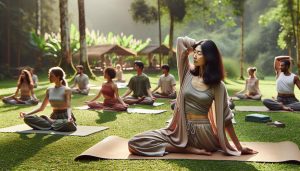
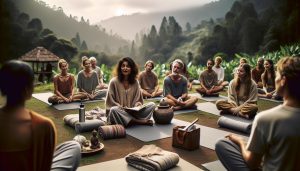
As yoga retreats gain popularity among students seeking relaxation and mindfulness, understanding travel requirements becomes essential. One key consideration is whether a student visa is necessary for participation in these transformative experiences. Many travelers are often unsure about the legalities involved, which can lead to confusion and hinder their wellness journey. Without the right visa, plans for rejuvenation may quickly turn into a logistical nightmare. In this article, we will explore the types of visas required for yoga retreats, outline the specific needs based on destination, and provide valuable tips to ensure that your journey is as smooth as your morning sun salutation. Whether you’re looking to deepen your practice or simply unwind, being informed about travel requirements can empower you to focus on what truly matters: your journey toward well-being.
Do You Need a Visa for a Yoga Retreat?
When planning a yoga retreat, understanding whether you need a visa is crucial to ensuring a smooth journey. Various countries have different regulations regarding visa requirements for travelers engaging in yoga retreats. Typically, if you are attending a yoga retreat that does not require academic credit or formal study, you may not need a student visa; however, some retreats, especially those that include comprehensive training programs such as a Yoga Alliance-certified teacher training, may have specific student visa requirements.
Many countries allow visitors to enter without a visa for short stays, particularly for tourism. However, if your retreat spans several weeks and includes a certification course, you might need to apply for a student visa to comply with immigration laws. It’s essential to check the specific regulations of the country hosting your retreat, as these can vary significantly and change frequently.
To best prepare, research the visa requirements well in advance of your trip. Gather necessary documentation such as your retreat confirmation and any correspondence with the organizers that might clarify your purpose of visit. If you do need to apply for a visa, ensure you do so early enough to accommodate processing times that can range from days to weeks, depending on the country’s regulations. Always have a backup plan and be aware of what to do should your visa application face any issues, as this can help mitigate unforeseen challenges during your travel planning.
Understanding Student Visa Requirements
When planning your yoga retreat, understanding the requirements for a student visa can make a significant difference in how smoothly your journey unfolds. Many individuals do not realize that the nature of the retreat-whether it is a standard vacation or a training-focused program-plays a crucial role in determining the type of visa required. If your retreat includes structured classes that lead to a certification or academic credit, you’ll likely need to apply for a student visa; otherwise, a visitor visa or no visa at all may suffice.
It’s important to carefully consider the length and content of your retreat. Student visas are commonly required for programs lasting longer than a few weeks, especially those offering yoga teacher training courses endorsed by recognized bodies like Yoga Alliance. Here are some key factors to keep in mind:
- Nature of the Program: Courses that provide certification or require formal study typically necessitate a student visa.
- Duration of Stay: Check the specific entry regulations for the country you’re visiting, as some may allow short-term visits without a visa.
- Documentation: Be prepared with necessary documents, such as proof of enrollment, details of the training program, and evidence of financial support.
Understanding these requirements is critical in planning your retreat effectively. Take the time to research specific visa guidelines for the country where your retreat will take place, as regulations can change and may differ from one destination to another. Always allow sufficient time for visa processing, as this can vary widely depending on the location and the current immigration climate. As a proactive measure, consider contacting the retreat organizers for any guidance they might provide regarding visa applications, as they often have experience assisting participants through the process.
Types of Visas for Yoga Retreats
When preparing for a yoga retreat abroad, understanding the types of visas available can significantly impact your travel experience. The nature of your retreat-whether it includes structured classes, certifications, or intensive training-will dictate the visa requirements. Below are the primary visa types to consider when planning your journey.
Student Visa
If your retreat is designed as a formal educational program, particularly one that lasts several weeks or more and leads to certification, you’ll likely need to apply for a student visa. This visa allows you to partake in a course of study, making it suitable for yoga teacher training programs or retreats offering academic credit. Requirements for a student visa usually include proof of enrollment, financial stability, and sometimes a basic understanding of the host country’s language.
Visitor Visa
For shorter retreats that do not include formal educational components, a visitor visa may be sufficient. This type of visa allows tourists to enter the country for leisure and relaxation, enabling participation in yoga classes without the rigorous documentation required for a student visa. While many countries offer visa-free entry for short stays, regulations vary greatly, so it’s essential to check specific entry requirements based on your destination.
Work Visa
If you plan to work during your yoga retreat, such as teaching at a studio or helping organize the retreat, a work visa might be required. This visa is more challenging to obtain since it typically necessitates sponsorship from an employer in the host country and adherence to local labor laws.
Special Category Visas
Certain countries offer specialized visas tailored to wellness and holistic retreats. These may encompass a range of activities, including yoga. Depending on the host country’s regulations, applying for this visa type can simplify the process, as it may combine elements of both student and visitor visas.
Being informed about these options will not only help you select the appropriate visa for your yoga retreat but also ensure a more enjoyable and stress-free experience. Always verify the latest immigration regulations and requirements for your specific destination, as these can frequently change.
The Difference Between Student and Visitor Visas
Understanding the distinctions between student and visitor visas is crucial for anyone planning to attend a yoga retreat abroad. While both visa types facilitate entry into a country, their purposes and requirements vary significantly, which can greatly influence a participant’s experience and compliance with local laws.
A student visa is designed for individuals enrolling in educational programs that provide formal instruction-this includes yoga teacher training or retreats that offer certification. Typically, obtaining a student visa requires proof of acceptance into a recognized program, financial documentation to show you can support yourself during your stay, and sometimes evidence of language proficiency in the host country. These rigorous requirements highlight the commitment to a structured learning experience, making it essential for those looking to deepen their practice or gain professional qualifications.
In contrast, a visitor visa caters to tourists seeking leisure and relaxation, allowing them to participate in yoga classes without the burden of extensive documentation. This type of visa is ideal for shorter retreats that focus on wellness and personal enhancement rather than formal education. Many countries facilitate this process by offering visa-free entry or simpler applications for short stays. However, it’s crucial for travelers to confirm specific entry requirements, as these can vary by destination.
Ultimately, choosing between a student and visitor visa depends on the nature of your yoga retreat. If your goal is educational, especially in a structured setting, a student visa is necessary. Conversely, for a more relaxed retreat experience that emphasizes personal growth without formal academic structure, a visitor visa will suffice. Understanding these differences ensures you select the appropriate visa, helping you navigate your journey smoothly and avoid any complications with immigration regulations.
Common Travel Requirements for Yoga Retreats
Participating in a yoga retreat can be a transformative experience, offering a chance to deepen your practice and connect with like-minded individuals. However, to fully enjoy this journey, it’s essential to familiarize yourself with the common travel requirements that may impact your plans. These requirements often include obtaining the appropriate visa, ensuring your passport is valid, and being aware of health precautions.
When considering travel for a yoga retreat, the first step is to check the specific visa requirements for your destination country. Some countries may allow entry without a visa for short stays, while others require a visitor or student visa depending on the nature of the retreat. For student retreats that offer certification, a student visa may be essential, while a visitor visa suffices for leisure-focused retreats. It’s wise to verify the specifics well in advance to avoid any last-minute surprises.
In addition to visa considerations, travelers should ensure their passport is valid for at least six months beyond their intended stay. Many countries enforce this rule strictly, which can lead to denied entry if not adhered to. It’s advisable to also carry copies of important documents, such as your itinerary, insurance details, and proof of accommodation, which may be requested at immigration checkpoints.
Health precautions are another vital aspect of travel preparation. Depending on your destination, certain vaccinations may be required or recommended, particularly for tropical and developing regions. Carrying necessary medications and being aware of local health care facilities can further ensure a smooth experience. In today’s travel environment, also consider checking any COVID-19 protocols or entry restrictions that may be in place.
By arming yourself with this essential travel information, you can focus on what truly matters: enjoying your yoga retreat and embracing the journey towards inner peace and wellness.
How to Apply for a Student Visa
Applying for a student visa can seem overwhelming, but understanding the process is vital for a smooth journey to your yoga retreat. First, gather essential documents that demonstrate your purpose for studying, such as an acceptance letter from the retreat program, proof of payment, and any educational credentials. You may also need to show financial statements that confirm you can afford the retreat’s costs and living expenses during your stay.
Most countries require you to complete a specific visa application form, which can typically be found on the website of the embassy or consulate of the country you plan to visit. Be sure to fill out the application accurately and completely, as any discrepancies may lead to delays or denial. Alongside the application, you will usually need to submit a passport-sized photo, a copy of your passport, and any additional documentation specified by the visa authority.
Once your application is submitted, processing times can vary by country and season. It’s advisable to apply well in advance of your intended departure date to account for any potential delays. Keep track of your application status through the embassy or consulate’s website if such an option is available. If, during this period, you need to respond to any additional requests for information or interviews, do so promptly to ensure your visa is processed without issues.
After you receive your visa approval, ensure that you check entry requirements as they may include proof of accommodation or travel health insurance. Double-check all details on your visa for accuracy since any errors could pose problems when entering the country. By being well-prepared and organized, you’ll pave the way for a fulfilling and enriching yoga retreat experience.
Alternatives to a Student Visa for Yoga Retreats
Sometimes, a student visa may not be the best choice for attending a yoga retreat, especially if you’re looking for a more flexible and hassle-free option. Many participants have successfully attended these retreats without the need for a student visa by considering alternatives that align with their travel intentions and the nature of the retreat.
For shorter retreats or workshops, a tourist visa or visitor visa can be a viable option. Many countries allow travelers to enter for a limited duration-typically 30 to 90 days-under a tourist visa, which often suffices for yoga retreats. It’s important to check the specific requirements and duration of stay allowed in the destination country. Always ensure that the activities permitted under the tourist visa include attending classes or workshops to avoid any mishaps.
In some cases, Visa Waiver Programs may be available, which allow travelers from certain countries to enter a destination without a visa for short stays. This could be an excellent option for spontaneous retreats, enabling quick travel arrangements without the lengthy visa application process. Just remember to check the validity and any conditions tied to this program.
For those who may be interested in longer stays or more immersive retreats, some participants opt for working holiday visas or volunteer visas, allowing them to engage in work or service related to yoga or wellness during their stay. This can not only enhance the retreat experience but may also provide a unique opportunity to explore the local culture and community.
When considering alternatives to a student visa, always keep communication open with the retreat organizers. They may provide specific guidance on visa requirements and can assist in ensuring compliance with local immigration regulations. Planning ahead and selecting the appropriate visa type will ensure your yoga retreat is both enriching and free of administrative hurdles.
Planning Your Yoga Retreat in Compliance with Visa Rules
Planning for a yoga retreat can be a life-changing experience, but navigating the intricacies of visa regulations can add layers of complexity. Understanding the specific requirements for your destination is crucial, as various countries impose different rules for yoga-related activities. It’s essential to consider not just the type of visa that you might need but also the duration of your stay and the specific purposes permitted under that visa.
One common route for attending yoga retreats is through a tourist or visitor visa, which allows for short-term stays typically ranging from 30 to 90 days. This type of visa is often flexible, enabling you to partake in yoga classes or workshops without the added burden of a student visa. Before you finalize your retreat plans, check the visa application guidelines for your chosen country to ensure that participating in a yoga retreat is allowed under that visa.
Check with Retreat Organizers
Before committing to a visa type, reach out to the organizers of your yoga retreat. Many retreat centers are well-versed in the visa requirements for their locations and can provide valuable insights. They may also offer documentation that can aid your application process, such as an invitation letter or proof of accommodation. Staying in communication with them throughout your planning phase can simplify the visa acquisition process and help you avoid potential pitfalls.
Documentation and Compliance
To ensure compliance with visa rules, it’s important to gather all necessary documentation well in advance. Some documents you may need include your passport, visa application forms, proof of accommodation, and evidence of financial means to support yourself during your stay. Additionally, keep in mind any specific health requirements, such as vaccinations or travel insurance policies that may be mandated by the country you’re visiting. By preparing these materials ahead of time, you can alleviate some of the stress associated with the visa application process and focus more on your upcoming transformative experience on the yoga mat.
Ultimately, careful planning and awareness of the pertinent visa regulations will make your journey to a yoga retreat not only relaxing but also seamlessly aligned with legal travel requirements, allowing you to immerse yourself fully in your practice and personal growth.
Tips for a Smooth Visa Application Process
Navigating the visa application process for a yoga retreat can be daunting, but with strategic planning and attention to detail, you can ensure a smoother experience. To start, it’s crucial to organize and understand the required documentation long before your intended travel dates. Creating a checklist can streamline this process and help you keep track of essential items such as your passport, visa application forms, and proof of accommodation. This method not only reduces stress but also mitigates the risk of missing critical documents.
One often-overlooked aspect is the timing of your application. Each country has different processing times for visa applications, ranging from days to several weeks. It’s advisable to apply well in advance-typically 2 to 3 months prior to your travel-to accommodate any potential delays. Additionally, verify whether an in-person appointment is necessary; if so, scheduling it early will further smooth the path to obtaining your visa.
Communicating with retreat organizers can provide valuable insights into specific visa requirements for the destination. Many retreat centers offer resources, such as invitation letters or guidance on local regulations, that can significantly bolster your application. Consider reaching out early in your planning process to clarify any queries you may have.
Finally, remain prepared for unexpected issues. It’s wise to have contingency plans, including alternative accommodation options or flexible travel dates, just in case your visa is delayed or denied. Being proactive in your preparations and maintaining a comprehensive approach will help you focus on what matters most: enjoying your yoga retreat.
Immigration Regulations for Yoga Retreat Participants
Engaging in a yoga retreat abroad can be a transformative experience, but navigating immigration regulations can often feel overwhelming. Each country has unique rules that govern the entry of foreign travelers, particularly when it comes to participating in activities such as yoga retreats. Understanding these regulations is essential for ensuring a smooth travel experience, so it’s crucial to familiarize yourself with the specific requirements and processes relevant to your destination.
When planning to attend a yoga retreat, it is important to determine whether you will need a visa based on the duration and nature of your stay. Most countries require travelers to have a valid visa if they are staying for an extended period or engaging in paid activities. For yoga retreats, many participants may consider applying for a student visa, particularly if the retreat includes structured classes over several weeks or months. However, some countries allow short-term retreats under a tourist visa, which can often be easier to obtain. It is advisable to confirm the visa requirements with the consulate of the country you plan to visit, as regulations can vary widely.
In addition to visa specifics, travelers should be aware of general immigration regulations that may apply. These can include proof of accommodation, return flight tickets, and sometimes even evidence of financial means to cover your stay. Some countries might require vaccination documentation or health insurance as prerequisites for entry. It’s prudent to gather all necessary documents well in advance of your departure, as failing to comply with local immigration policies can result in delays, denial of entry, or even deportation.
Finally, keep in mind that circumstances may change rapidly due to political, health, or environmental factors. Staying informed about current visa and immigration policies, especially close to your planned travel dates, will enhance your preparedness. Continuously monitor any advisories from your government or the local authorities of your destination. By doing so, you not only safeguard your travel plans but also ensure that your focus remains on deepening your yoga practice during the retreat.
What to Do if Your Visa is Denied
Experiencing a yoga retreat is often accompanied by the anticipation of personal growth and relaxation. However, when faced with a visa denial, this excitement can quickly turn to frustration and confusion. Understanding the steps to take if your visa application is rejected can help mitigate stress and create a plan for moving forward.
First and foremost, review the denial letter carefully, as it typically includes the reasons for your application’s rejection. Common reasons might include insufficient documentation, failure to demonstrate ties to your home country, or not meeting specific eligibility criteria. Understanding these reasons is crucial for addressing the issues in a subsequent application. Make a checklist of all required documents and ensure that you have provided adequate evidence to support your application, including proof of funds, accommodation, and the purpose of your visit.
Once you have a clear understanding of why your visa was denied, you may choose to appeal the decision. Many countries allow applicants to appeal within a certain timeframe, often accompanied by additional evidence that addresses the issues raised in the original application. Carefully prepare your appeal, ensuring that all documentation is accurate and sufficiently detailed. Alternatively, if appealing seems daunting or unlikely to succeed, consider reapplying for the visa after addressing the reasons for denial, as this might improve your chances of approval.
In some instances, it might be beneficial to consult with an immigration lawyer or a visa expert, especially if the denials are complex or involve significant issues. They can provide personalized advice and assist with navigating the appeals process or reapplication. Alongside this, explore other options that may allow you to participate in your yoga retreat without the need for the particular visa if the situation permits, such as transitioning to a tourist visa or participating in local retreats that do not require visa documentation.
Staying flexible in your travel plans and considering alternative options will help keep your yoga journey intact, even if faced with visa challenges. Remember, the goal is to enrich your practice and experience, and overcoming these hurdles can often lead to deeper insights before you embark on your wellness journey.
Frequently Asked Questions About Yoga Retreat Visas
Understanding the nuances around visas for yoga retreats is crucial, as regulations can significantly affect your travel plans. Here are some common questions that often arise regarding yoga retreat visas, helping to clarify your options and obligations.
One of the most frequently asked questions is whether a student visa is necessary for attending a yoga retreat. Generally, if the retreat is not classified as an educational program that grants credits or certificates, a visitor visa or even a tourist visa may suffice. However, if the retreat includes extensive training or is formally recognized as a course, a student visa might be essential. It’s essential to check the specific visa requirements of the country hosting the retreat.
Another common inquiry revolves around the documentation needed for visa applications. Essential documents typically include proof of enrollment in the retreat, your travel itinerary, proof of accommodation, and sometimes financial statements that demonstrate your ability to support yourself during your stay. Additionally, a letter of invitation from the retreat organizers can strengthen your application.
Many travelers wonder about the duration of stay permitted with various visas. Visitor visas often allow for shorter stays, typically ranging from a few weeks to a couple of months, depending on the country’s immigration policies. In contrast, student visas can provide longer stays but come with additional responsibilities, such as maintaining attendance in educational activities.
Finally, it’s vital to stay updated on any changes in immigration regulations. Different countries have varying rules that can change with little notice, particularly in the aftermath of global events like pandemics. Regularly checking with both your home country’s government travel resources and the website of the country you plan to visit will help ensure compliance with all necessary requirements.
By anticipating and understanding these common concerns, you can focus on the enriching experience a yoga retreat offers, rather than the complexities that may come with travel regulations.
Q&A
Q: Do I need to apply for a student visa for a yoga retreat abroad?
A: It depends on the country you are visiting and the nature of the retreat. Most yoga retreats do not require a student visa if you attend as a tourist. However, if the retreat offers formal coursework or certifications, you may need a student visa. Check the specific entry requirements for your destination.
Q: What type of visa is required for long-term yoga training?
A: For long-term yoga training, you typically need a student visa, especially if you plan to study yoga professionally or enroll in an accredited program. Be sure to verify the visa requirements based on the nature of your training and destination.
Q: Can I combine a vacation with a yoga retreat without needing a visa?
A: Yes, you can combine vacation with a yoga retreat without needing a visa if the retreat qualifies under tourist activities and the country permits stays within the tourist visa duration. Always confirm the local visa restrictions before booking.
Q: What documents do I need to provide for a student visa for a yoga retreat?
A: For a student visa, you typically need a valid passport, proof of enrollment in the yoga program, financial statements, and sometimes, health insurance. Requirements can vary widely by country, so check the specific regulations.
Q: How can I check if my yoga retreat qualifies for a tourist visa?
A: You can check by reviewing the retreat’s program details to ensure it does not involve formal certification or extensive coursework. Additionally, consult the immigration regulations of the country where the retreat is held to confirm eligibility for a tourist visa.
Q: Are there any countries that allow yoga retreats without a visa?
A: Yes, many countries allow visitors from certain countries to engage in yoga retreats without requiring a visa for short stays. Destinations like Bali and Thailand often provide visa-on-arrival options for tourists. Always check specific entry requirements based on your nationality.
Q: What is the best way to handle visa applications for multiple countries during a yoga tour?
A: Plan ahead by researching visa requirements for each country on your itinerary. Apply for visas well in advance, as processing times can vary. Consider using a visa service or consulting with travel agencies specializing in yoga-focused travel for streamlined assistance.
Q: What should I do if my student visa for a yoga retreat is denied?
A: If your visa is denied, review the reason provided by the authorities carefully. You may appeal the decision or apply again with the required documentation. Consult an immigration expert for tailored advice, and explore alternative visa options if applicable.
Future Outlook
As you plan your transformative journey to a yoga retreat, understanding the travel requirements, including whether a student visa is necessary, is crucial. Remember to check the specific regulations of your destination and remain proactive about any documentation you might need. To deepen your travel knowledge, explore our articles on essential preparation tips and the best wellness retreats around the world.
Don’t hesitate-start your journey today! Subscribe to our newsletter for the latest wellness travel insights and updates. Whether you’re uncovering the soul-soothing aspects of yoga or exploring other wellness retreats, we have the resources you need. If you have any lingering questions or need support with your travel plans, feel free to share your thoughts in the comments below. Your adventure awaits!
Get our latest guides, news, and insights highlighted in your Google Search & AI Overviews.