Holidays are a special time for kids, but they can also lead to habits that stray from healthy routines. Did you know that engaging children in fun wellness activities can enhance their physical health and mental well-being? In “A Healthy Holiday for Kids: 7 Fun Wellness Activities That Work,” we explore exciting ways to keep children active and engaged while nurturing a lifelong love for healthy living. By incorporating these playful and interactive activities into your holiday plans, you not only foster enjoyment but also create meaningful memories and positive habits that can last a lifetime. Read on to discover how simple adjustments can make your holiday healthier and more fulfilling for the entire family!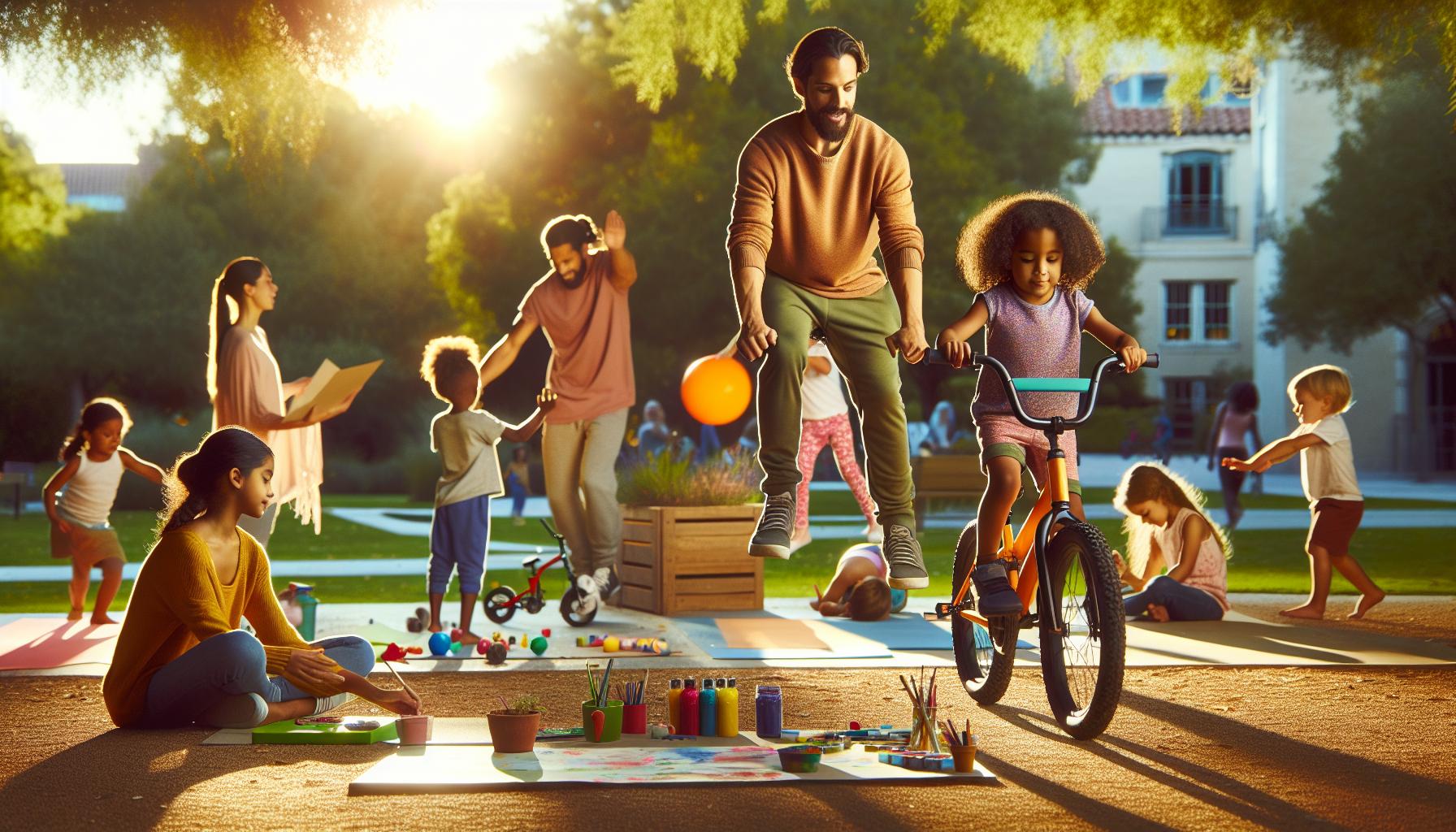
Healthy Holiday Activities: Why Wellness Matters for Kids
Amid the hustle and bustle of the holiday season, it’s essential to prioritize wellness for kids, as their health and happiness lay the foundation for lifelong habits. Engaging in wellness activities not only keeps children physically active but also nurtures their emotional and social development. With the right blend of activities, the holidays can transform into an opportunity to cultivate healthy habits that resonate well beyond the season itself.
One of the key benefits of integrating wellness into holiday activities is that it helps children develop a positive relationship with health. Activities such as group sports or family hikes encourage teamwork and communication, fostering friendships and social skills. Moreover, incorporating mindfulness practices, such as yoga or meditation, provides kids with tools to manage stress and enhance focus, leading to improved emotional health. These experiences can instill a sense of balance that children can carry with them into the new year.
Additionally, engaging in creative cooking projects not only promotes healthy eating but also turns meal prep into a fun family bonding experience. Kids can learn about nutrition as they prepare healthy dishes, making it easier to choose wholesome foods even after the holiday celebrations end. Drawing on these experiences can create a framework for setting health-related goals that children can feel excited about achieving. By making wellness a priority, families can cultivate an environment where kids are more likely to embrace healthy choices and practices throughout their lives.
Engaging Physical Activities for Active Play
The holiday season offers a fantastic opportunity to integrate physical activity into children’s daily routines, ensuring they remain active while enjoying festive fun. Engaging in regular physical activities not only promotes fitness but also enhances mood and boosts energy levels, making it an essential component for a holistic approach to wellness during this joyful time.
Creating playful challenges is an exciting way to encourage movement. Organize friendly family competitions that include activities such as relay races, obstacle courses, or scavenger hunts in your backyard or a local park. These activities not only get children moving but also foster teamwork and problem-solving skills. Incorporating festive themes-like decorating a holiday tree while racing or searching for holiday-themed items-adds an extra layer of excitement.
Additionally, taking advantage of winter weather can lead to unique outdoor experiences. Activities such as sledding, ice skating, or building snowmen combine physical exertion with the joy of being outdoors. Kids love these seasonal sports, and they can be wonderful family bonding activities. Remind families to bundle up appropriately to ensure everyone enjoys their time outside safely and comfortably.
Don’t overlook the importance of incorporating organized sports. Sign up for local youth leagues that may have holiday-themed games or practices. This not only keeps kids active but also helps them develop social skills and build friendships through teamwork. Whether it’s soccer, basketball, or even martial arts, the focus on physical activity during the holidays can lead into lifelong healthy habits and a love for fitness.
Ultimately, providing varied and purposeful opportunities for physical activity ensures that children stay engaged and active throughout the holiday season, setting a positive tone for health as they step into the new year. By encouraging active play, families can create cherished memories while promoting lasting wellness habits.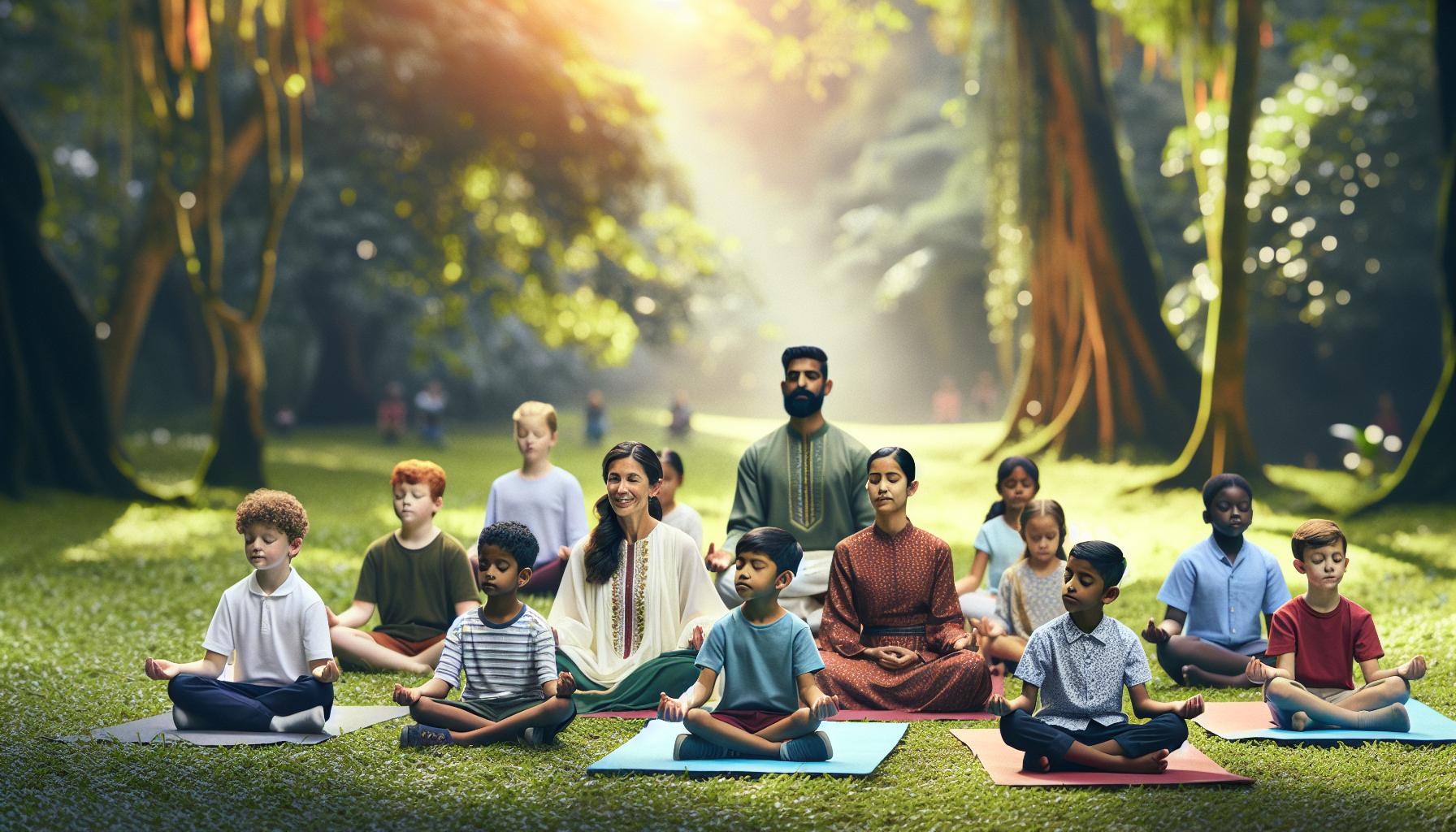
Mindfulness and Relaxation Techniques for Children
The hustle and bustle of the holiday season can be both exciting and overwhelming for children. Amid the festivities, introducing mindfulness and relaxation techniques offers a valuable opportunity to help kids cultivate inner peace and emotional resilience. Engaging in simple practices can empower children to navigate stress, enhance focus, and foster a sense of calm amidst the holiday chaos.
One effective technique is deep breathing exercises. Encourage children to sit comfortably, close their eyes, and take slow, deep breaths. Inhale for four counts, hold for four counts, and exhale for six counts. This method not only calms racing thoughts but also helps them become aware of their breath, promoting a sense of relaxation. You can enhance this experience by inviting them to visualize a peaceful scene-perhaps a quiet snowy landscape or a cozy room filled with twinkling lights.
Mindfulness activities like yoga or friendly stretching can also be wonderfully beneficial. Play calming music in the background as kids follow simple poses that promote relaxation, such as Child’s Pose or Cat-Cow. Integrating storytelling into these sessions can enrich the experience. For instance, while fluttering into butterfly pose, let them imagine their journey through a magical garden, fostering creativity and tranquility simultaneously.
Additionally, guiding kids in gratitude journaling can have profound effects. Provide them with a notebook decorated for the holidays and ask them to jot down three things they are thankful for each day. This simple practice encourages positivity and reflection, helping children appreciate the joyful moments of the season while cultivating a mindful outlook.
Encouraging family mindfulness moments can also enhance bonding. Set aside time each week for a “Mindfulness Minute” where everyone gathers to practice relaxation techniques together. Activities such as guided imagery or body scans can be engaging and promote a collective sense of calm, strengthening family connections during this joyous time.
By fostering these mindfulness and relaxation practices, families can not only enjoy a more peaceful holiday season but also equip children with lifelong skills for managing stress and enhancing their emotional well-being. Integrating these simple yet effective techniques can create a harmonious atmosphere during the holidays, making memories that last far beyond this festive season.
Creative Cooking: Fun and Healthy Recipes Kids Love
Cooking can be a delightful way for children to engage with healthy eating, especially during the holiday season when family traditions often revolve around food. By introducing kids to creative cooking activities, you not only encourage them to develop a taste for nutritious meals but also foster a sense of accomplishment and joy in preparing food. These experiences can become special moments that strengthen family bonds while promoting healthy habits.
You can start by organizing a mini cooking class at home where kids take the lead in crafting their meals. Here are some ideas that are both fun and healthy:
Easy and Fun Recipes
- Rainbow Fruit Skewers: Kids love assembling their own colorful skewers using a variety of fruits. Provide an array of fruits such as strawberries, grapes, pineapple, and blueberries. This not only makes for a healthy snack but also encourages creativity as they design their own fruit art.
- Mini Veggie Pizzas: Use whole-wheat pita bread or English muffins as a base. Let kids spread tomato sauce and sprinkle their choice of cheese and various vegetables. Cooking them together can turn a simple meal into an interactive experience.
- Yogurt Parfaits: Kids can layer their favorite yogurt with granola and mixed berries. This simple yet satisfying treat allows them to personalize their dessert, making it a healthier option to sugary holiday treats.
Cooking Tips for Parents
While enjoying the cooking process, it’s essential to provide guidance on healthy choices. Explain the nutritional benefits of each ingredient, turning the cooking session into a learning opportunity. For instance, talk about the importance of consuming a variety of colorful vegetables and how they contribute to overall health. Additionally, involving them in meal planning can empower kids to make healthier choices throughout the season.
Encouraging creativity in the kitchen can lead to lasting habits. Let children make their own decisions on flavor combinations and ingredient substitutions, which fosters independence and confidence in their cooking abilities. This approach not only enhances their culinary skills but also nurtures their interest in healthy eating-an excellent foundation for building lifelong habits that prioritize well-being during the holidays and beyond.
Outdoor Adventures: Exploring Nature for Wellness
Exploring the great outdoors offers children invaluable opportunities for physical activity, mental refreshment, and emotional well-being. Nature has a remarkable ability to engage kids’ senses, promote curiosity, and encourage movement. Whether it’s a simple walk in the park or a more adventurous hike, outdoor activities not only cultivate a love for nature but also help children build a solid foundation for a healthy lifestyle.
One effective way to incorporate outdoor exploration into holiday plans is through guided experiences that inspire teamwork and communication. Organizing a scavenger hunt can ignite excitement and add an element of challenge. Provide children with a list of natural items to find-such as pine cones, specific leaves, or interesting rocks-and encourage them to explore different environments, fostering a sense of adventure and curiosity about the world around them. This can also spark discussions about ecology and the importance of preserving natural habitats.
Another worthwhile pursuit is to plan family hikes or nature walks. Choose trails that are suitable for all age groups, allowing everyone to participate without feeling overwhelmed. As you walk, take time to pause and observe nature, discussing the various plants and animals you encounter. Incorporating simple nature-related activities, such as identifying bird calls or collecting interesting stones, can enhance the learning experience and deepen children’s connection with their environment.
Being outside not only promotes physical health but also serves as a powerful antidote to stress and anxiety, which can be particularly beneficial during the often hectic holiday season. Consider dedicating time for mindfulness practices outdoors, such as meditation or yoga in the park, allowing children the space to breathe deeply and appreciate their surroundings. Engaging in these outdoor adventures lays the groundwork for an active lifestyle while fostering a love for nature and mindfulness that resonates far beyond the holiday season.
Arts and Crafts: Boosting Mental Health through Creativity
Engaging in arts and crafts is not just about creating beautiful objects; it’s a powerful avenue for enhancing mental health and emotional well-being, especially for children during the holiday season. Creative activities can serve as a delightful outlet for self-expression, allowing kids to articulate their feelings without the constraints of traditional communication. The act of making-whether it’s painting, drawing, or crafting-can stimulate the brain’s reward centers, releasing dopamine and enhancing mood. This is particularly beneficial during the holidays, a time that can sometimes be overwhelming for younger ones.
To incorporate arts and crafts as a wellness activity this holiday, consider providing diverse materials that encourage exploration and self-expression. Items like colored paper, markers, glue, and natural materials such as leaves and twigs can be combined in limitless ways. Engaging in group projects can foster collaboration, enhancing social bonds among peers or family members. For example, creating a family mural or a community canvas can instill a sense of belonging and achievement. Moreover, creating holiday-themed crafts like ornaments or gifts can provide a sense of purpose and connection to tradition.
Benefits of Arts and Crafts for Kids
- Stress Relief: Crafting offers a calming effect, acting as a mindful distraction that can help alleviate anxiety and stress, especially useful during the busy holiday season.
- Improved Focus: Engaging in detailed activities fosters concentration and can help kids improve their attention spans.
- Enhanced Fine Motor Skills: Many crafts involve cutting, gluing, and assembling, which develop coordination and dexterity.
- Boosted Self-Esteem: Completing a project provides a sense of accomplishment, bolstering children’s confidence in their abilities.
Encouraging the exploration of various mediums can also deepen children’s engagement with their craft. From painting and sculpting to weaving, each method can help them discover what resonates most with their unique expression. Parents can facilitate this by creating an inviting crafting space that promotes creativity. As kids create, they often enter a state of flow where time slows down, allowing them to immerse themselves in their work, enhancing both their joy and relaxation.
Incorporating arts and crafts into holiday routines not only entertains kids but also equips them with essential emotional tools. Encouraging creativity during the holidays fosters an environment where mental well-being flourishes, building a foundation for healthy emotional habits long after the season has passed.
Social Connection: Building Friendships with Group Activities
Creating strong social connections is vital for children’s emotional health, particularly during the holiday season when feelings of togetherness and joy are amplified. Engaging in group activities not only fosters friendships but also helps children develop essential social skills like empathy, cooperation, and communication. By participating in fun and interactive experiences, kids learn how to navigate social dynamics in a supportive environment, setting the stage for lifelong friendships.
One excellent way to build social bonds is through team-based activities, such as holiday-themed games or sports. Organizing friendly competitions, such as a scavenger hunt or a group challenge, encourages collaboration and teamwork while making physical activity enjoyable. These activities can be tailored to different age groups to ensure everyone is included and able to contribute. For instance, younger children might enjoy a simple treasure hunt, while older kids might relish a more complex escape room challenge.
Holiday crafts can also promote social interaction. Host a crafting party where children can work together to create decorations or gifts. This collaborative effort not only enhances their creative skills but also nurtures a sense of shared accomplishment. As children brainstorm ideas, negotiate roles, and celebrate each other’s contributions, they cultivate deeper connections in a relaxed and festive atmosphere.
Moreover, integrating community service projects into holiday traditions can further enrich these social experiences. Organizing group activities such as preparing meals for those in need or making care packages can instill a sense of purpose and priority for kindness in children. Bonding over a shared mission reinforces their ability to work together while imparting valuable life lessons about empathy and giving back.
In summary, holiday group activities serve as a powerful mechanism for children to forge connections, learn valuable social skills, and have fun. By prioritizing these experiences, we equip kids with the tools to build relationships that enhance their overall well-being, making the holiday season a truly memorable time for all.
Setting Goals: Encouraging Healthy Habits After the Holiday
Setting goals after the holidays can be a transformative step for children, helping them to not only maintain the positive habits they may have developed during this festive season but also to embrace a healthier lifestyle moving forward. By involving kids in the goal-setting process, parents can foster a sense of ownership and motivation. Research shows that children who set specific, realistic goals are more likely to engage in healthy behaviors, such as regular physical activity and balanced eating.
One effective approach is to encourage children to set SMART goals- goals that are Specific, Measurable, Achievable, Relevant, and Time-bound. For instance, instead of saying, “I want to eat healthier,” a SMART goal would be, “I will eat at least one serving of vegetables with dinner five nights a week.” This not only makes the goal clear but also provides a tangible way to track progress.
To support goal-setting, establish a family check-in routine. This can be a weekly or bi-weekly meeting where everyone shares their goals and progress, discusses any challenges they’re facing, and celebrates achievements, no matter how small. Creating a visual tracker, such as a chart or a sticker board, can also add an element of fun and accountability.
Moreover, integrate physical activity into daily routines by making it a family affair. Set collective goals like walking a certain number of steps each day or trying a new outdoor activity on the weekends. This collective effort not only reinforces healthy habits but also strengthens family bonds, making the pursuit of wellness a shared journey. By laying down these personalized and actionable goals, children can transition seamlessly into a post-holiday routine that emphasizes the importance of health and well-being year-round.
Family Wellness Challenges: Making Health a Family Affair
Creating a culture of wellness at home can transform health from a chore into a cherished family tradition. Engaging in family wellness challenges not only promotes physical fitness but also strengthens familial bonds. By participating in fun and interactive activities, families can foster healthier habits together, making wellness a shared journey rather than an isolated effort.
Consider organizing a monthly wellness challenge that encourages every family member to contribute ideas. This could include a variety of physical activities such as daily step counts, yoga sessions, or cooking healthy meals together. Setting friendly competitions, like who can prepare the healthiest dinner or who can get the most steps in on family walks, can add an element of excitement. Utilize simple tracking methods such as charts or apps to visualize goals and celebrate each other’s progress.
Incorporating nature is another way to enhance family wellness challenges. Plan outdoor adventures like hiking, biking, or gardening, which not only promote physical activity but also allow families to reconnect with nature. These experiences can lead to deeper conversations, a sense of togetherness, and an understanding of environmental stewardship.
Moreover, prioritizing mental health is crucial. Create mindfulness moments by setting aside time for family meditation or relaxation techniques. Activities like guided breathing, yoga, or even family game nights can help alleviate stress and foster a positive atmosphere at home. The aim is to create a balanced approach that addresses both physical and mental wellness, ensuring that health becomes a fun, integral part of family life rather than a reaction to holiday excess. Ultimately, these wellness challenges can empower families to support one another in achieving their health goals while cultivating memories that will last a lifetime.
Tips for Parents: Supporting Healthy Habits at Home
Supporting healthy habits at home is essential for nurturing lasting wellness in children, especially during the holiday season when routines can be disrupted by festivities and indulgence. Parents play a crucial role in creating an environment that promotes well-being and encourages children to engage in healthy practices. Here are effective strategies to make that happen.
One powerful approach is to establish a daily routine that includes wholesome meals, physical activity, and relaxation time. Consider designating specific times for family activities, such as cooking healthy dinners together or going for evening walks. This not only builds a sense of structure but also presents opportunities for bonding. Use these practices to introduce children to nutritious foods and fun ways to stay active, reinforcing the idea that wellness can be enjoyable rather than a chore.
Incorporating mindfulness and relaxation techniques into family life can also significantly enhance mental wellness. Create a designated “quiet time” each day where everyone can engage in calming practices like reading, meditation, or even yoga. You could introduce fun mindfulness exercises tailored for kids, such as a “mindful minute” where the family focuses on their breathing or engages in a simple stretching routine together. This not only helps in managing stress but also teaches children valuable coping mechanisms.
Encourage creativity and self-expression through arts and crafts, which can serve as an excellent outlet for children, promoting mental health. Set aside time for projects that align with seasonal themes, such as making decorations from natural materials or creating personalized greeting cards. These activities not only foster creativity but also provide a platform for children to share their feelings and thoughts while keeping their minds engaged.
To reinforce these habits, involve children in setting health-related family goals. By allowing them to contribute to discussions about healthy cooking options or active play ideas, they feel empowered and responsible for their choices. Celebrating victories, no matter how small-like trying a new vegetable or completing a week of family workouts-can be a motivating factor.
Finally, lead by example. Demonstrate healthy habits in your daily routine and remain consistent, as children often imitate their parents. Whether it’s choosing nutritious snacks, engaging in physical activities, or practicing mindfulness, showing commitment to these practices can inspire kids to adopt similar behaviors. Creating a culture of health within the home not only benefits everyone but also fosters enduring family connections centered around wellness.
Balancing Fun and Health: The Key to Enjoyable Holidays
Creating a joyful holiday experience while prioritizing wellness can sometimes seem challenging, but striking the right balance is key to ensuring that kids enjoy themselves without sacrificing their health. The holiday season is often filled with indulgent treats and a departure from regular routines, which can leave parents wondering how to incorporate fun without compromising healthy habits. By creatively integrating wellness into holiday festivities, families can cultivate an environment that promotes both enjoyment and well-being.
One effective strategy is to plan engaging physical activities that the entire family can enjoy. Integrating outdoor games, such as tag or scavenger hunts, can not only provide essential exercise but also foster a sense of togetherness. Consider arranging friendly family competitions or themed obstacle courses that encourage kids to move while having fun. Another great way to make movement delightful is through family dance parties, allowing children to burn off energy and express themselves.
Incorporating fun and healthy cooking sessions can also enhance the holiday spirit while teaching kids the importance of nutrition. Transform cooking into an adventure by letting kids choose ingredients and create their own healthy snacks or festive treats. This hands-on approach not only cultivates healthy eating habits but also invites creativity and excitement into the kitchen. For example, try making colorful fruit kebabs or decorating whole-grain pizzas with a variety of toppings to engage their taste buds and foster healthy choices.
Mindfulness practices can seamlessly fit into holiday routines as well. Encourage your family to take time out amidst the excitement for relaxation techniques. Activities like guided family meditations or simple breathing exercises can help children manage the overstimulation that often accompanies holiday festivities. Emphasizing these calming moments contributes to their emotional well-being and teaches valuable coping strategies for stress.
The holidays are also an ideal time for social connections, enabling kids to build friendships through group activities. Organizing playdates or group challenges, like relay races or arts and crafts competitions, emphasizes the importance of teamwork while keeping everyone active and engaged. Pairing these activities with goal-setting discussions reinforces the idea that maintaining wellness can be a shared journey.
In summary, balancing fun and health during the holidays benefits children by embedding wellness practices into their celebrations. Through engaging physical activities, creative cooking, mindfulness practices, and social connections, families can ensure that their holiday season is both enjoyable and health-promoting. This balanced approach not only fosters a memorable festive experience but also lays the groundwork for lifelong healthy habits.
Q&A
Q: What are some easy wellness activities for kids during the holidays?
A: Simple wellness activities include nature scavenger hunts, yoga sessions, cooking healthy snacks together, and crafting projects. Engaging in these activities helps kids enjoy the holidays while promoting physical health and mental well-being. For more ideas, check out the section on Engaging Physical Activities for Active Play.
Q: How can I encourage mindfulness in my children during the holidays?
A: To foster mindfulness, involve kids in relaxation practices like guided meditation or deep-breathing exercises. Creating a calm space for these activities can enhance focus and reduce holiday stress. Learn more about mindfulness techniques in the Mindfulness and Relaxation Techniques for Children section.
Q: Why are wellness activities important for children during the holidays?
A: Wellness activities help children manage stress, maintain healthy habits, and promote emotional well-being during the typically busy holiday season. This foundation encourages a balanced approach to holiday fun and health, as discussed in Why Wellness Matters for Kids.
Q: What are some family-friendly cooking ideas that promote health?
A: Healthy cooking ideas include making smoothies, decorating whole grain pizzas with vegetables, or baking fruit-based desserts. These activities not only encourage healthier eating but also create lasting memories. For more details, see Creative Cooking: Fun and Healthy Recipes Kids Love.
Q: When should I start planning wellness activities for the holidays?
A: It’s best to start planning wellness activities at least a few weeks in advance, allowing time to organize supplies and schedules. This preparation helps families incorporate these practices seamlessly into their holiday routine.
Q: How can group activities promote social connections among kids during the holidays?
A: Group activities, such as team sports or collaborative art projects, enhance social skills and foster friendships. They also create opportunities for teamwork and communication, essential elements for healthy relationships. Explore more in the Social Connection section.
Q: What are some effective ways for families to maintain healthy habits after the holiday season?
A: Families can set realistic wellness goals together, create a monthly activity schedule, and enjoy regular health challenges. This encourages ongoing healthy habits and keeps family members motivated and engaged long after the holidays. Refer to Setting Goals: Encouraging Healthy Habits After the Holiday for more insights.
Q: How do arts and crafts contribute to kids’ mental health?
A: Engaging in arts and crafts allows children to express their feelings and improve focus, which contributes to their emotional health. It also enhances fine motor skills and creativity, promoting overall mental wellness. For ideas, see the Arts and Crafts section.
Concluding Remarks
As we wrap up “A Healthy Holiday for Kids: 7 Fun Wellness Activities That Work,” remember that integrating wellness into your family’s holiday can create lasting memories and foster healthier habits. By engaging your kids in activities that combine fun and fitness, you not only boost their physical well-being but also nurture their mental health. Don’t wait-start planning your next wellness adventure today!
For more tips, check out our articles on fun family fitness ideas and healthy holiday recipes to keep the momentum going. If you have questions or want to share your experiences, feel free to leave a comment below. Explore our site for additional resources tailored to wellness travel and retreat tips that will help your family thrive on every holiday. Together, let’s create a healthier, happier holiday!
Get our latest guides, news, and insights highlighted in your Google Search & AI Overviews.