Traveling doesn’t have to mean sacrificing your health or breaking the bank. It’s a common misconception that enjoying a nutritious diet while on vacation will cost a fortune. In reality, with thoughtful planning and a few savvy strategies, you can eat cheap and healthy while savoring new destinations. This article will delve into practical tips for maintaining a wholesome diet without overspending, catering to both health-conscious travelers and budget-minded adventurers. From exploring local markets to preparing simple meals, you’ll discover ways to nourish your body and wallet on your next getaway. So, if you’re ready to embark on a journey that enhances your wellbeing without derailing your budget, read on to unlock your ultimate guide to budget wellness hacks for your travels.
How to Prepare for Healthy Eating on Vacation
Preparing for healthy eating while on vacation is essential to maintaining your wellness goals. Travel can disrupt routines, but with some planning, you can enjoy your trip without compromising your health. Start by researching your destination’s food culture, which can offer insights into local dining habits and highlight healthier options. Familiarizing yourself with local grocery stores beforehand can also be beneficial, allowing you to stock up on nutritious snacks and ingredients for easy meals.
Creating a travel meal plan is an effective way to stay on track. Consider bringing a reusable shopping bag to carry items from local markets and avoid single-use plastics. Make a list of healthy snacks, such as nuts, dried fruits, and whole-grain crackers, that travel well and can stave off hunger between meals. For more substantial options, think about easy-to-pack items like nut butter, protein bars, or overnight oats. Having these available reduces the temptation to indulge in less nutritious convenience foods while traveling.
Lastly, connect with fellow travelers or locals online to gather tips on healthy eating options available at your destination. Social media platforms and travel forums can offer recommendations on restaurants with nutritious menus. This preparation sets the foundation for a balanced vacation where you can explore new cuisines without straying from your health objectives. By integrating these strategies into your travel plans, you’re not only prioritizing your well-being but also ensuring a more enjoyable experience on your trip.
Choosing Budget-Friendly Destinations for Healthy Eating

Choosing the right destination can make a significant difference in your ability to eat healthily and on a budget while traveling. Countries known for their strong agricultural traditions and local markets often provide more affordable and healthy food options. For instance, many Mediterranean countries like Greece and Italy not only boast delicious local cuisine that emphasizes fruits, vegetables, and grains, but also have vibrant markets where fresh produce can be purchased at reasonable prices.
Another approach is to look for destinations with lower costs of living, as this often translates to cheaper and healthier food options. Southeast Asia, including countries like Thailand and Vietnam, is famous for its street food culture, which frequently offers fresh, healthy meals at a fraction of the cost of dining in restaurants. Exploring local markets, you can discover authentic dishes made with locally sourced ingredients that are both affordable and nourishing.
It’s also beneficial to consider destinations that prioritize health and wellness tourism. Cities that host wellness retreats or health-focused festivals often feature restaurants and cafes that cater to health-conscious travelers. Not only do these places provide nutritious dishes, but they often use local ingredients, making eating out both economical and beneficial for your health. Researching local dining options and their menus ahead of time can help you identify budget-friendly favorites that align with healthy eating.
Travelers are encouraged to seek out accommodations that include kitchen facilities. This allows for flexibility in meal preparation using fresh, local ingredients. Booking a stay in budget-friendly hostels, guesthouses, or vacation rentals with kitchen amenities can enhance your ability to control your diet and spending while exploring different cuisines. Engaging with local cooking classes can also deepen your connection to the local food culture while learning to prepare healthy meals at home or on the go.
In summary, being strategic about your travel destination can help you maintain healthy eating habits while sticking to a budget. Explore local markets, choose areas with lower living costs, consider health-oriented locales, and opt for accommodations with kitchen facilities to maximize both health and savings during your travels.
Top Tips for Finding Affordable Local Cuisine

Finding affordable local cuisine is one of the most enjoyable aspects of traveling, as it not only supports local economies but also allows you to immerse yourself in the culture. To uncover budget-friendly meals, start by exploring bustling local markets, which often offer a variety of fresh produce, street food, and ready-to-eat dishes at lower prices compared to restaurants. Vendors typically use locally sourced ingredients, providing authentic flavors and helping you stay healthy while indulging in the local cuisine.
Engaging with locals is another effective strategy. Striking up conversations with residents can lead you to hidden gems that are popular within the community but not heavily advertised to tourists. Ask about their favorite eateries or street food vendors; these recommendations often lead to delicious, affordable meals that allow you to experience the destination from a local’s perspective. Utilizing social media platforms and food blogs can also guide you to well-reviewed local spots that fit your budget.
Utilizing Apps and Online Resources can significantly simplify your search for affordable dining options. Platforms such as Yelp, TripAdvisor, or Google Maps can help identify restaurants that offer healthy choices within your price range. Additionally, food delivery apps often feature promotions and discounts that can make sampling local dishes even easier on your wallet.
Lastly, consider time-of-day strategies like eating lunch instead of dinner, as many places offer specials during lunch hours. Utilizing the early bird specials or happy hour promotions can fill your plate while keeping your budget intact. Dining during off-peak hours can also lead to quieter experiences, allowing you to fully enjoy your meal without the hustle and bustle of dinner rushes. By staying open to the local dining culture and exploring various techniques and resources, you can savor the culinary diversity your destination has to offer without breaking the bank.
Packing Smart: Snacks and Meals for Travel
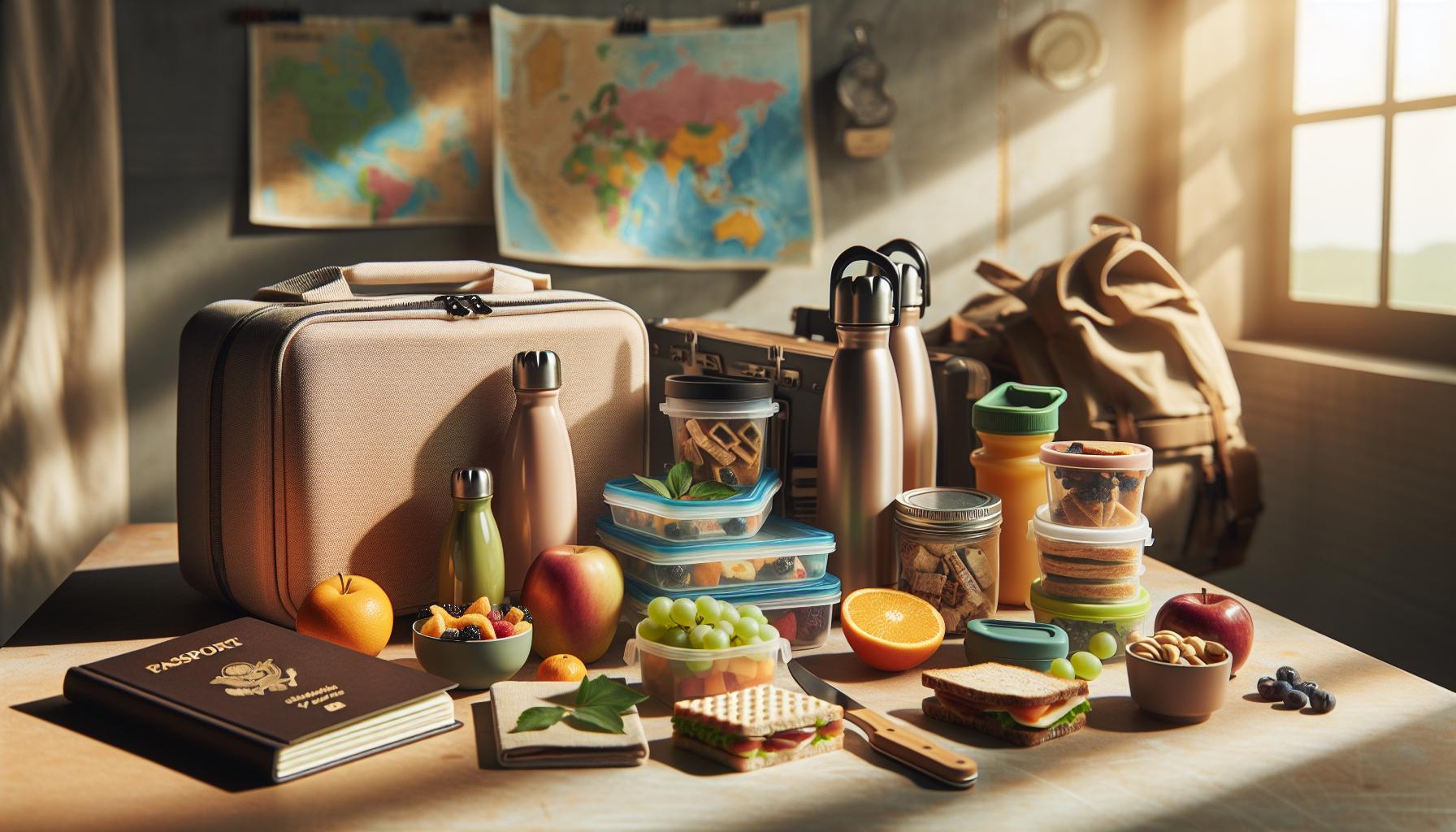
Packing nutritious snacks and meals can significantly enhance your travel experience, ensuring you remain energized and healthy while also saving money. Preparing in advance not only allows you to control your nutritional intake but also spares you from the often inflated prices of airport food and convenience stores. When planning your travel snacks, focus on items that are portable, non-perishable, and require no preparation.
Smart Snack Choices
Consider filling your travel bag with a variety of snacks that provide both energy and satisfaction. Here are some excellent options:
- Nut mixes: A blend of nuts, seeds, and dried fruits is packed with protein and healthy fats to keep you satiated.
- Granola or protein bars: Choose bars with minimal added sugars and natural ingredients. They make for a quick snack or a meal replacement in a pinch.
- Fresh fruit: Apples, bananas, or citrus fruits are easy to pack and deliver essential vitamins along with hydration.
- Rice cakes or whole-grain crackers: These can serve as a crunchy base for toppings like nut butter or hummus.
Pre-Made Meals on the Go
For longer journeys, consider preparing simple, balanced meals. Dishes that can be enjoyed cold or at room temperature are ideal. Here are some meal ideas:
- Quinoa salad: Mix cooked quinoa with chopped vegetables, canned beans, and a light dressing for a filling meal.
- Wraps: Whole grain tortillas filled with lean proteins (like turkey or hummus), veggies, and a spread; easy to assemble and eat.
- Overnight oats: Combine oats, yogurt, and fruits in a jar for a nutritious breakfast that’s ready to go.
Investing in high-quality containers can make packing easier. Insulated lunch bags are great for keeping your meals fresh, and small resealable bags can help separate snacks to minimize mess.
With smart packing, you can enjoy tasty, healthy options throughout your travels while adhering to your budget. Not only does this prepare you for the unexpected (such as delayed flights), but it also offers a comforting reminder of home, contributing to a more enjoyable travel experience.
Navigating Restaurant Menus: Healthy Options on a Budget
Navigating restaurant menus can often feel overwhelming, especially when trying to maintain a budget while still making nutritious choices. One of the best strategies is to be intentional and informed about your options, turning potential pitfalls into opportunities for healthy eating without breaking the bank.
Start by scanning the menu for lighter fare or dishes that highlight vegetables, whole grains, and lean proteins. Look for items labeled as “grilled,” “baked,” or “steamed,” as these preparations typically use less oil and butter than fried options. For instance, a grilled chicken salad loaded with fresh veggies often delivers nutrition and satisfaction, compared to a heavier pasta dish that may not offer the same health benefits.
Another useful tactic is to share larger plates or ask for smaller portions. Many restaurants allow customers to choose half portions or share dishes, which can save money and make it easier to explore a greater variety of meals. When ordering sides, opt for healthier choices like steamed vegetables or a side salad rather than fries or creamy dips. Not only does this keep your meal lighter, but it can also stretch your budget further by providing more balanced options without excessive calories.
Finally, don’t hesitate to ask questions. Restaurant staff can often provide information about how dishes are prepared and may offer substitutions to make your meal healthier. A simple request like swapping out dressing for olive oil and vinegar can significantly enhance the nutritional profile of a salad.
With these strategies in mind, dining out can become a rewarding part of your travel experience, allowing you to savor local flavors while still sticking to your health goals and budget.
Grocery Store Hacks for Eating Cheap and Healthy
When you’re traveling on a budget, knowing how to navigate grocery stores can transform your eating habits from expensive takeout to healthy, home-cooked meals, giving you more control over your diet without breaking the bank. Grocery stores provide a treasure trove of affordable, nutritious options that can keep you energized and healthy throughout your trip. Here are some essential hacks to make the most of your grocery store visits while traveling.
Start by identifying the local grocery stores upon arrival. Major chains often offer a wide variety of healthy options at reasonable prices. Utilize maps and local recommendations to pinpoint locations, especially those that are known for fresh produce. Once there, consider the following tips:
Smart Shopping Tips
- Shop the Perimeter: Most grocery stores are designed with fresh produce, meats, and dairy along the perimeter, while processed items tend to fill the aisles. Stick to the outer edges for healthier shopping.
- Buy in Bulk: If possible, purchase bulk items, like grains or nuts, that you can snack on throughout your trip. This not only reduces costs per serving but also helps minimize waste.
- Look for Sales and Discounts: Check the week’s flyer for discounts on fresh fruits, veggies, and protein sources. Take advantage of clearance items that are close to expiration but still perfectly good to eat.
Incorporating these shopping strategies not only helps you eat well but also enhances your travel experience by exploring local ingredients and meals. A picnic with fruits and whole grain snacks can be a delightful and budget-friendly way to enjoy local parks and landmarks.
Meal Ideas and Preparation
Consider doing some light meal prep when you get back to your accommodation. Items like pre-washed salad greens, canned beans, and whole grain wraps can combine to create quick and balanced meals. For instance, preparing simple wraps filled with veggies and lean protein can prove delicious and hearty. Additionally, try to keep snack portions manageable, filling reusable bags or containers with your favorite healthy snacks to stave off hunger between meals without resorting to pricier options.
Using grocery stores wisely can significantly enhance your travel experience by allowing you to enjoy nutritious meals on a budget while immersing yourself in local culture through food. By planning shopping trips and utilizing these grocery hacks, you can keep your wellness goals on track as you explore new places.
Meal Prep Ideas for Vacation: Stay on Track
When traveling, convenience can often overshadow health, leading many to indulge in less nutritious options. One effective way to stay on track with your dietary goals without overspending is through meal preparation. By taking a little time to plan your meals, you can enjoy delicious, healthy food at a fraction of the price you’d pay at restaurants.
Start your vacation off right by packing a variety of versatile ingredients that can form the basis for multiple meals. Consider items such as whole grain wraps, brown rice, quinoa, and canned beans, which are not only affordable but also easy to store. Fresh vegetables like bell peppers, cucumbers, and leafy greens can add vital nutrients and flavor to any meal. Additionally, having fruits such as apples, bananas, or oranges on hand makes for a healthy, portable snack option.
Simple Meal Ideas
One of the easiest meal prep strategies is to create customizable bowls or wraps. On your first day, you might chop up an assortment of fresh veggies, mix them with protein sources (like hummus or grilled chicken), and serve them over rice or as a wrap. By varying your ingredients throughout the week, you can create different flavor profiles. For instance, a Mediterranean-style bowl would include chickpeas, cucumber, tomatoes, and tzatziki, while an Asian twist could combine quinoa, edamame, and sesame dressing.
Snack Preparation
Don’t forget about snacks! Portioning out servings of nuts, trail mix, or yogurt can help you avoid the temptation of overpriced mini-bar snacks. Utilize resealable bags or small containers to pack these snacks for easy access during your adventures. Consider also preparing energy bars at home before your trip, made with oats, nut butter, and honey, which can provide a quick energy boost between meals.
By incorporating these meal prep techniques, you remain in control of your nutrition while traveling, allowing you to enjoy your vacation without compromising your health. Balancing convenience and wellness becomes effortless when you approach meal preparation with creativity and foresight, making your travels not just economically sound but also a delight to your palate.
Creating a Daily Budget for Food While Traveling
To ensure a worry-free dining experience while traveling, creating a daily budget for food is paramount. This approach not only protects your wallet but also helps you maintain a healthy diet amidst the indulgences of vacation. Start by estimating what you can comfortably spend each day based on your overall budget for the trip. It’s often helpful to include a little wiggle room for unexpected treats or experiences.
Begin by breaking down your budget into meal categories: breakfast, lunch, dinner, and snacks. A good guideline might allocate around 20-30% of your food budget for breakfast, 30-40% for lunch, and 30-40% for dinner, depending on your plans for dining out or preparing your meals. For example, if your daily food budget is $50, you might designate $10 for breakfast, $15 for lunch, and $25 for dinner, allowing for a balance of healthy options and occasional splurges.
Consider Local Costs
The cost of food can vary widely depending on your destination. Researching average prices in the area can provide guidance on what to expect. Cities often have numerous budget-friendly eateries, food stalls, and markets that offer local dishes at reasonable prices. For instance, in places like Southeast Asia, you can enjoy nutritious street food for just a few dollars. Utilizing apps like Yelp or local food blogs can help highlight affordable options in your vicinity.
Track Your Spending
Keeping track of your actual food expenditures can prevent overspending. Use a simple notebook or a budgeting app to jot down your daily meal costs. This practice will help you stay accountable and adjust future meals if you find yourself exceeding your budget in the first few days. For example, if you spend more on dinner than planned, scale back on your lunch the next day.
Incorporating these budgeting strategies will empower you to enjoy delicious meals while prioritizing both health and finances. With a bit of planning and awareness, you can relish the culinary experiences of your travels without the sting of post-trip debt.
Mindful Eating Practices to Stay Healthy on Vacation
Traveling can often lead to mindless eating, as new experiences and distractions take center stage. Embracing mindful eating practices while on vacation can help maintain a healthy diet without sacrificing enjoyment. By being conscious of your food choices and eating habits, you not only optimize your nutrition but also enhance your overall travel experience.
One effective method is to take a moment before each meal to assess your hunger level. Are you really hungry or just eating out of boredom? By tuning into your body, you can avoid overeating. Consider implementing the “5-minute rule”: if you feel hungry, wait five minutes before deciding to eat. This brief pause can help differentiate between genuine hunger and cravings triggered by emotions or surroundings.
Additionally, prioritize the experience of eating. Engage your senses by savoring each bite – notice the flavors, textures, and aromas. Setting aside distractions such as your phone or TV can transform mealtime into a more mindful ritual. Eating slowly and chewing thoroughly not only enhances digestion but also allows you to enjoy your food more, leading to greater satisfaction and potentially smaller portion sizes.
Incorporating local produce and traditional dishes into your meals can also enrich your journey. When eating out or shopping at local markets, opt for colorful fruits and vegetables that reflect the region’s culinary identity. Explore street food as a budget-friendly option, but choose wisely to find healthier choices. This approach not only supports local economies but also makes your meals more enjoyable and fulfilling.
In summary, adopting mindful eating practices while traveling encourages a balanced approach to diet and can significantly enhance your vacation experience. By being intentional about your food choices and embracing the eating process, you can maintain your health while enjoying the diverse culinary offerings around the globe.
Incorporating Physical Activity into Your Travel Plans
Traveling often disrupts our regular routines, making it easy to overlook physical activity as we indulge in new culinary experiences. However, incorporating exercise into your travel plans not only helps balance the effects of vacation eating but also enhances overall enjoyment and exploration. Engaging in physical activities while traveling can keep energy levels high, boost mood, and even provide unique ways to experience your destination.
To maintain an active lifestyle on the go, consider utilizing the opportunities your surroundings provide. Many cities offer stunning parks and scenic areas ideal for jogging or walking. Exploring a new locale on foot can serve dual purposes: it allows you to take in the sights and stay active. If you’re visiting a coastal area, swimming or beach sports like volleyball or frisbee also provide fantastic ways to incorporate movement while enjoying the outdoors. Hiking trails, often free and accessible, can offer a vigorous workout with the added benefit of breathtaking views.
Striking a balance between itinerary and wellness can also be achieved through group activities. Look for local fitness classes, whether it’s yoga in the park or a group cycling tour, which not only keep you active but also connect you with fellow travelers and locals. Sometimes, accommodations may offer gym facilities or suggest nearby fitness centers that provide day passes, ensuring you have access to workout equipment even when you’re away from home.
Lastly, don’t forget the small victories; everyday activities like taking stairs instead of the elevator or walking during breaks amplify your physical activity levels. Simple strategies can lead to staying active while remaining within budget, all while allowing you to savor your travel experiences without compromising your health.
Healthy Eating Apps and Resources for On-the-Go
Effective planning can be a game-changer when it comes to maintaining healthy eating habits during travel. With the right tools at your fingertips, navigating unfamiliar food landscapes becomes not only manageable but also enjoyable. Various mobile apps and online resources can enhance your culinary experience on the road, making it easier to discover nutritious options, plan meals, and track spending.
Essential Apps for Healthy Eating
One popular app is MyFitnessPal, which allows users to log food intake and exercise routines effortlessly. It features a vast database of both store-bought and restaurant foods, helping you stay mindful of your calorie consumption while on vacation. For those keen on exploring local dining options, Yelp is invaluable. You can filter searches to find restaurants that cater to specific dietary needs, such as gluten-free or vegetarian, ensuring you enjoy meals that align with your health goals.
Another excellent resource is HappyCow, which focuses on finding vegetarian and vegan restaurants worldwide. This app not only highlights menus but often includes user reviews that provide insight into meal preparation, helping you make informed choices. Additionally, leveraging Google Maps can uncover nearby grocery stores where you can stock up on healthy snacks, saving both money and time.
Budget-Friendly Meal Planning
When it comes to meal planning, apps like Mealime or Paprika allow you to create shopping lists based on healthy recipes that suit your dietary preferences. By having a plan in place, you’re less likely to reach for expensive, unhealthy options when hunger strikes. These tools can also help you utilize ingredients efficiently, minimizing food waste during your trip.
Taking advantage of local grocery stores or markets can further enhance your budget-friendly eating strategy. Many stores offer pre-packaged meals or salad bars, allowing for quick and nutritious options that are often less costly than dining out. Pair this with IBotta, an app that provides cash back on grocery purchases, and you can save even more money by planning to buy simple, whole foods during your travels.
Utilizing these apps and resources not only fosters a commitment to healthy eating but can create memorable food experiences while exploring new places. By staying organized and informed, you’ll find that maintaining your nutrition isn’t just feasible on vacation; it can also be enjoyable and fulfilling.
Real-Life Success Stories: Budget Wellness on Vacation
Traveling on a budget doesn’t mean you have to compromise on your health and well-being. Many travelers are now sharing their success stories about maintaining a balanced diet without breaking the bank. One such traveler, Sarah, a self-proclaimed health enthusiast, embarked on a three-week trip across Southeast Asia while sticking to her wellness goals. By leveraging local markets for fresh produce and cooking in hostel kitchens, she was able to enjoy a variety of nutritious meals for a fraction of the price of restaurant dining.
Another inspiring case is Mark, who visited Europe with friends. He emphasized the importance of planning his meals while on the road. By using apps like MyFitnessPal and Google Maps, he mapped out grocery stores in cities they visited. Mark’s group often purchased simple staples like whole grains, beans, and seasonal vegetables to prepare their own meals. This approach not only saved them money but allowed them to enjoy communal cooking experiences, which enhanced their travel camaraderie.
To inspire others, here are some key strategies from real-life success stories that can lead to budget wellness while traveling:
- Utilize Local Markets: Seek out local farmers’ markets or grocery stores to stock up on fresh, affordable ingredients.
- Plan Ahead: Create meal plans and lists before traveling to minimize impulsive and expensive dining choices.
- Engage in Communal Cooking: Stay in hostels or Airbnbs that allow cooking, fostering shared meals that save money and provide opportunities for social interaction.
- Embrace Cultural Cuisine: Learn about local foods that are healthy and budget-friendly, often found in street vendors’ offerings.
By implementing these practical approaches, travelers can not only enjoy their adventures without financial strain but also maintain a focus on their health and nutrition, proving that wellness and budget travel can go hand in hand.
Faq
Q: How can I find healthy food options while traveling on a budget?
A: To find healthy food while traveling on a budget, research local markets and grocery stores where you can buy fresh produce or prepared meals. Use food apps like Yelp or TripAdvisor to discover affordable restaurants with healthy menus. Check out the section on “Finding Affordable Local Cuisine” for additional tips.
Q: What are some tips for eating healthy at roadside stops?
A: When stopping at roadside eateries, choose small portions, opt for grilled options over fried, and focus on salads or vegetable sides. Carry portable snacks, like nuts or fruit, to avoid unhealthy convenience store options. For more on packing smart, see the “Packing Smart: Snacks and Meals for Travel” section.
Q: What are budget-friendly meal prep ideas for vacation?
A: Simple meal prep ideas include preparing overnight oats, mason jar salads, or pre-packed snack bags with nuts and fruits. Use multi-purpose ingredients to create various meals. Check out our “Meal Prep Ideas for Vacation” section for specific recipes and planning tips.
Q: How can I navigate restaurant menus for healthy eating?
A: To navigate menus effectively, look for items that are grilled, baked, or steamed. Ask for dressings and sauces on the side to control portions. Review restaurant menus online beforehand to plan healthy selections. This ties back to our “Navigating Restaurant Menus” tips.
Q: Are there mobile apps that help find healthy budget meals while traveling?
A: Yes, several apps like MyFitnessPal, Yelp, and HappyCow can help locate healthy budget meals. They provide nutritional information and user reviews for better choices. See the “Healthy Eating Apps and Resources for On-the-Go” section for more recommendations.
Q: What snacks should I pack for healthy eating on vacation?
A: Ideal travel snacks include mixed nuts, whole-grain crackers, dried fruit, or protein bars. These options are nutritious and convenient. Refer to “Packing Smart: Snacks and Meals for Travel” for more snack ideas that keep you energized while on the go.
Q: How can I estimate my food budget while traveling?
A: To estimate your food budget, calculate daily meal costs based on local prices and your eating habits. Include snack allowances and potential dining out expenses. Insight into “Creating a Daily Budget for Food While Traveling” can further guide your budgeting efforts.
Q: What are some mindful eating practices to adopt on vacation?
A: Mindful eating practices include savoring each bite, eating without distractions, and listening to hunger cues. This helps maintain a healthy relationship with food. For an in-depth guide, refer to “Mindful Eating Practices to Stay Healthy on Vacation.”
Final Thoughts
Thank you for exploring how to eat cheap and healthy on vacation with our budget wellness hacks! By applying these strategies, you can enjoy delicious, nutritious meals without breaking the bank or sacrificing your well-being. Don’t forget to check out our additional resources on meal prepping for travel and tips for finding local healthy eateries, linked below.
If you found this information helpful, consider subscribing to our newsletter for more insights on maintaining wellness while traveling. Have questions or tips of your own? We’d love to hear from you in the comments! For more resources on retreat planning and maintaining health on the go, dive into our articles on yoga retreats and travel preparation. Remember, making mindful choices on vacation not only enhances your experience but fosters lasting well-being.
Get our latest guides, news, and insights highlighted in your Google Search & AI Overviews.