Traveling through Europe offers a tantalizing array of culinary delights, but it can also pose challenges for those looking to maintain a healthy diet. Did you know that incorporating local, fresh ingredients into your meals can enhance not only your enjoyment but also your overall wellness? This guide is designed to help you navigate the vibrant food landscapes of Europe while making health-conscious choices. By understanding how to balance indulgence with nutrition, you can savor every moment and bite during your adventure. Whether you’re a devoted foodie or simply aiming to avoid vacation weight gain, you’ll find practical tips and strategies to ensure that your travels nourish both your body and soul. Ready to explore how to eat healthy on vacation while indulging in the best local flavors? Let’s dive in!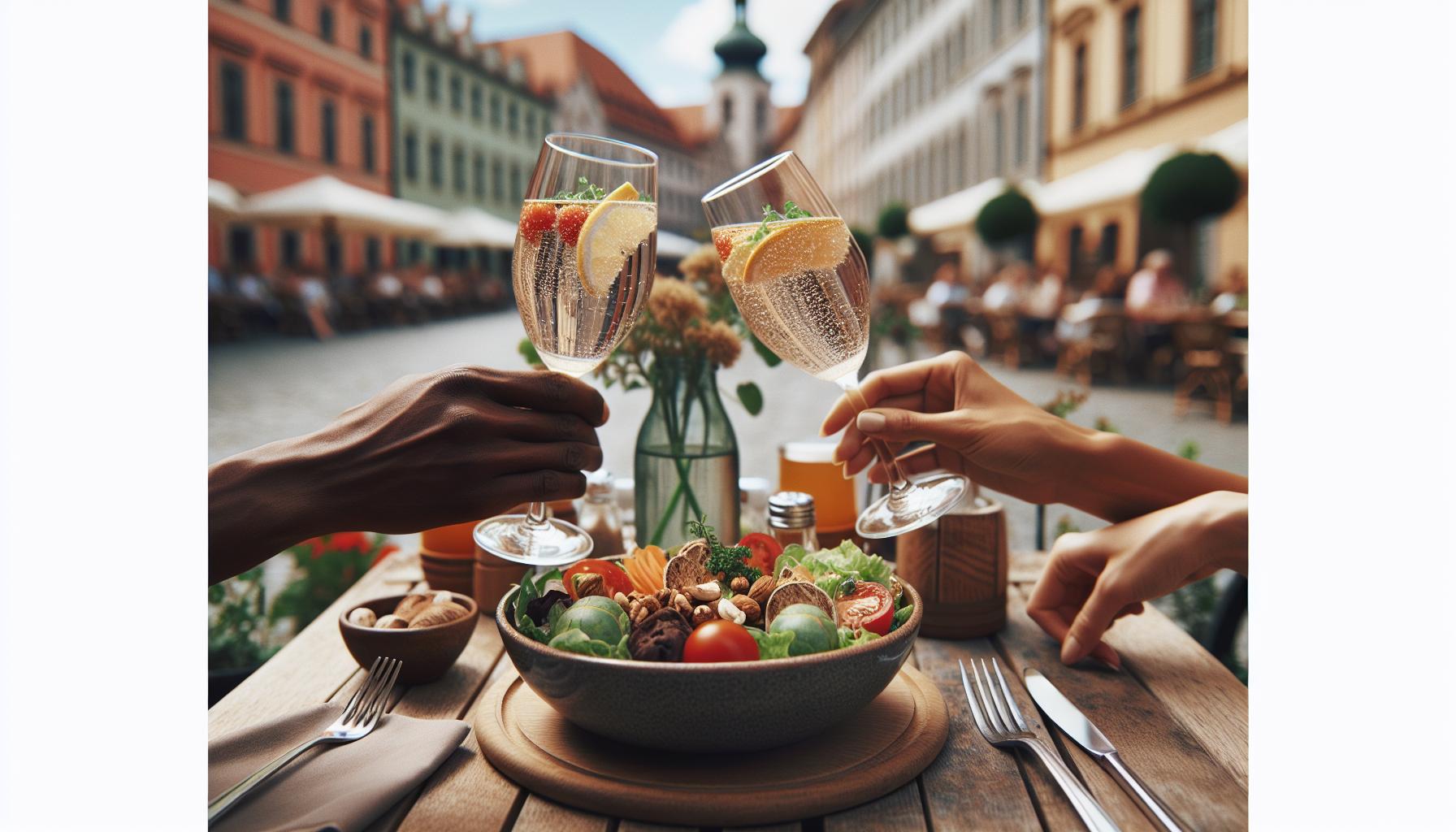
Understanding the Balanced Diet Options While Traveling
Traveling presents a unique opportunity to explore diverse cuisines and incorporate healthier dietary practices into your routine. Understanding how to maintain a balanced diet while on the go can enhance your travel experience and promote overall well-being. A balanced diet, even while enjoying the culinary delights of different cultures, involves a variety of foods that provide essential nutrients-including carbohydrates, proteins, fats, vitamins, and minerals.
When traveling, it’s vital to prioritize whole, minimally processed foods whenever possible. Look for opportunities to incorporate fruits and vegetables in every meal, which can help boost your vitamin intake, improve digestion, and provide fiber for sustained energy. Consider local specialties that are rich in nutrients. For example, Mediterranean countries often feature dishes laden with fresh veggies, olive oil, and whole grains, making it easier to stick to a balanced diet. Additionally, choosing grilled or baked proteins over fried options can significantly impact your overall health.
To simplify maintaining a balanced diet, planning ahead can be tremendously beneficial. Research the local dining scene to identify restaurants that emphasize fresh ingredients or farm-to-table concepts. Familiarize yourself with the local markets where you can buy fresh produce, nuts, and whole grains. This not only supports local economies but also allows for healthier snacking options throughout the day.
Incorporating local food traditions can also enhance your dining experience while promoting balance. Engaging with the culture through food can lead to discovering traditional dishes that align with a nutritious diet. For example, dishes like ratatouille from France or minestrone from Italy not only offer great flavor but are also composed of wholesome ingredients that can fuel your travels.
Top Healthier Food Choices in European Countries
When exploring the culinary landscapes of Europe, travelers can discover a wealth of healthier food choices that not only tantalize the taste buds but also align with a balanced diet. Many European cuisines are built around fresh, seasonal ingredients that emphasize natural flavors and nourishing components, making it easier to make nutritious decisions while savoring local traditions.
In Mediterranean countries such as Italy and Greece, meals are often centered around vibrant vegetables, whole grains, and lean proteins. Consider indulging in dishes like a Greek salad, packed with tomatoes, cucumbers, olives, and feta cheese, drizzled with heart-healthy olive oil. Similarly, whole grain pasta dishes featuring fresh veggies and herbs provide a wholesome and satisfying option. In Spain, tapas made with legumes, seafood, and vegetables can be a delightful way to sample several small, nutritious plates at once.
Northern European countries offer their own healthful fare, often highlighting seasonal produce and fish. The Scandinavian diet, for example, emphasizes sustainable seafood, root vegetables, and whole grains, often accompanied by fermented foods rich in probiotics, like sauerkraut and kefir. A dish like Swedish salmon with dill and boiled potatoes provides lean protein while being low in saturated fat, promoting both health and sustainability.
Regional Delights to Try:
- France: Ratatouille-stewed vegetables that capture the essence of Provence.
- Germany: Fresh salads with ingredients like kale, apples, and nuts, often topped with vinegars made from local fruits.
- Portugal: Grilled sardines served with a side of salad, epitomizing the fresh seafood tradition.
- Netherlands: Haring (raw herring) served with onions and pickles, a quick, nutritious snack.
Navigating European pastries can be a challenge for those maintaining a balanced diet. Instead of indulging in heavy desserts, seek out fruit-based options such as tarts made with seasonal fruits or sorbets made from natural ingredients. Many bakeries also offer whole grain or gluten-free variations that can satisfy sweet cravings without compromising nutritional goals.
By immersing yourself in the diverse and health-conscious food choices throughout Europe, you can enrich your travel experience while supporting your well-being. The emphasis on fresh, local ingredients combined with traditional cooking methods not only aids in maintaining a balanced diet but also allows for a truly authentic taste of European culture.
Navigating Restaurant Menus: Smart Ordering Strategies
Eating out while traveling can be daunting, especially for those looking to maintain a healthy diet. With enticing menus and regional specialties, making mindful choices is essential yet entirely feasible. Understanding how to navigate restaurant menus effectively allows you to enjoy local cuisine while keeping your health goals intact.
One of the first strategies is to look for key terms that indicate healthier options. Seek out dishes labeled as grilled, roasted, or steamed rather than fried or breaded. These cooking methods often retain more of the food’s nutrients and flavor while reducing excess fat. Additionally, many European restaurants feature seasonal and local ingredients, which tend to be fresher and more nutrient-dense. Opting for a dish that emphasizes these ingredients-from fresh vegetables to locally sourced seafood-can provide both flavor and health benefits.
Another effective approach is to start your meal with an appetizer like a soup or salad. These options can be lighter and filled with fiber, helping to curb hunger and prevent overeating during the main course. When ordering salads, be mindful of dressings; request them on the side to control portion sizes better. Similarly, many restaurants offer the possibility to customize your dish, allowing you to substitute heavier ingredients with more nutritious choices such as adding extra vegetables, replacing creamy sauce with vinaigrette, or opting for whole grain alternatives.
Lastly, pacing yourself during the meal is crucial. Take the time to enjoy each bite-savoring the rich flavors of European cuisine not only enhances your dining experience but can also lead to better digestion and satisfaction. Remember to hydrate throughout your meal; choosing sparkling water or herbal teas can be a delightful alternative to sugary beverages.
By employing these smart ordering strategies, you can discover the best of European cuisine while staying true to your health-conscious goals, transforming each meal into an enjoyable and nutritious experience.
Essential Tips for Staying Active on Vacation
Staying active while traveling can enhance your overall wellness and ensure you return home feeling invigorated rather than fatigued. European cities often encourage movement, thanks to their walkable streets, scenic parks, and abundant opportunities for outdoor activities. Embracing this physical engagement during your vacation not only helps in maintaining your fitness levels but also allows you to explore new environments in a unique way.
One effective strategy is to integrate walking into your daily itinerary. Consider exploring cities on foot or renting a bicycle to navigate through stunning landscapes, historical sites, and quaint neighborhoods. Walking tours can be a fantastic way to learn about local culture while staying active. Many European cities also have public parks and walking paths where you can engage in lighter exercises like jogging or yoga, so be sure to pack a mat if you enjoy your morning routine outdoors. Pair this with visits to local markets or festivals, which often require more walking than you might expect.
Another option is to seek out local fitness classes or group activities that correspond to your travel schedule. Many cities offer outdoor yoga sessions, dance classes, or even community fitness events that allow you to meet locals and fellow travelers while breaking a sweat. Apps and websites are available to help identify such classes, ensuring you have the latest information on what’s happening nearby.
Utilizing Technology to Stay Active
Modern technology plays a key role in promoting an active lifestyle while abroad. Fitness tracking apps can help you set goals, track daily steps, and monitor your progress, including workouts you might enjoy during your trip. Consider wearing a fitness tracker to motivate yourself to hit daily activity targets, even amid a busy sightseeing schedule. Engage friends or family in fitness challenges through these apps to keep each other motivated.
Ultimately, the essence of staying active on vacation lies in your willingness to seize every opportunity for movement. Whether it’s taking the stairs instead of the elevator, participating in local recreational sports, or simply exploring new neighborhoods on foot, every little bit counts toward your health and wellness goals. Enjoy the adventure of keeping fit while indulging in the beauty and culture that European destinations offer.
Packing Healthy Snacks for Your European Adventure
Packing nutritious snacks for your travels in Europe can dramatically improve your overall eating experience and help pave the way for healthier choices. Not only does it save time and money, but it also ensures that you are never caught off guard during those busy sightseeing days. Selecting the right snacks can support your wellness goals, sustain energy levels, and even satisfy cravings without the need for impulse purchases of less nutritious options.
Focus on portable and non-perishable items that pack well and offer a balance of protein, healthy fats, and fiber. Some great options include:
- Nuts and Seeds: Almonds, walnuts, sunflower seeds, and pumpkin seeds offer healthy fats and protein and are easy to snack on.
- Nut Butter Packs: Single-serving packets of almond or peanut butter can offer a quick protein boost when spread on fruit or whole-grain crackers.
- Whole Grain Snacks: Look for whole grain crackers or rice cakes for a satisfying crunch that complements nut butters or cheese.
- Dried Fruit: Choose fruit with no added sugars, such as apricots, mangoes, or raisins, for a natural sweetness that provides energy.
- Granola or Protein Bars: These can be convenient for fulfilling snack cravings while keeping nutrition in check-opt for bars low in sugar.
For an added nutritional benefit, consider preparing homemade energy balls or trail mix before your trip. These can be customized to include your favorite ingredients, ensuring you’re equipped with not only a healthy but also personalized snack choice.
Tips for Packing
When packing your snacks, opt for a durable, compact bag or container that is easy to carry. This will help keep items fresh and prevent any potential mess. Trash bags are also helpful for ensuring you can dispose of wrappers responsibly, maintaining your commitment to being eco-friendly while traveling. Lastly, remember to check customs regulations for any food items, as different countries may have restrictions on certain products.
By curating a selection of these healthy snacks, you can enjoy your European adventure without compromising your wellness goals. Having nutritious options readily available throughout your travels not only enhances your culinary experiences but also supports your overall well-being.
How to Locate Local Farmers’ Markets and Health Food Stores
Exploring local farmers’ markets and health food stores during your travels in Europe can transform your culinary experience and enrich your understanding of regional produce and ingredients. These markets not only offer fresh, seasonal items but also provide insight into local food culture, allowing you to engage more deeply with the places you visit. You’ll likely find a diverse array of organic fruits and vegetables, artisanal products, and frequently, the opportunity to interact directly with local growers and producers.
To locate these markets and stores, start by utilizing online platforms and applications that specialize in mapping local food sources. Websites like LocalHarvest and apps such as Farmstand can help identify nearby farmers’ markets and health food stores in your destination city. Most European cities also have official tourism websites that list markets operating throughout the week. Additionally, a simple search on Google Maps with keywords like “farmers’ market” or “health food store” can yield helpful results.
Once at a local market, take note of peak hours for the freshest selection, typically in the morning or early afternoon. Markets can vary greatly from week to week, so checking in advance can help ensure a fruitful visit. When selecting items, engage with the vendors to learn about the local agricultural practices and their recommendations. This interaction not only enriches your experience but can also enhance your meal planning with fresh ideas and recipes.
Lastly, consider joining a local food tour or workshop that focuses on sustainability and local eating. Such experiences often include visits to farmers’ markets, allowing you to connect with local producers while gaining practical insights on how to shop healthily. By immersing yourself in these local food scenes, you’re more likely to maintain your wellness routines while enjoying the vibrant flavors of Europe.
Adapting Your Meal Prep Routine While Traveling
Traveling across Europe offers a fantastic opportunity to explore new cuisines, but it can also disrupt your usual meal prep routines. Adapting to a new environment doesn’t mean compromising your health goals; instead, it can be a rewarding experience that allows you to engage with local ingredients and cooking methods.
To start, consider the resources available in your destination. Most accommodations, whether hotels, hostels, or vacation rentals, come equipped with at least basic kitchen amenities. Utilize these facilities to prepare simple meals. Stock your pantry with local staples from nearby markets, like whole grains, legumes, and fresh produce. This not only ensures you have control over your meal ingredients but also gives you a taste of the local culture. For instance, you might find fresh pasta in Italy or locally sourced cheeses in France, both of which can be incorporated into nutritious meals.
Incorporating seasonal and regional ingredients into your meal prep can elevate your culinary experience. Prepare a simple, balanced meal by mixing local vegetables with protein sources like beans or fish. Utilize local spices and herbs to enhance flavor without adding excessive calories. Don’t shy away from experimenting; trying new recipes or variations on familiar dishes can be a delightful aspect of your travels.
When planning your meals, keep in mind that portion control is vital, especially during vacations where rich foods are abundant. Pre-portion snacks like nuts, fruit, or yogurt in containers to help manage intake between meals. This approach not only promotes healthy eating habits but also prevents excessive indulgence when you’re tempted by local treats.
Finally, consider your daily schedule and create a flexible meal plan that fits your activities. Whether you’re out exploring a city or indulging in a leisurely day at a café, have a rough plan for your meals and snacks. Equip yourself with a reusable water bottle to stay hydrated throughout your adventures, helping maintain your energy levels and supporting overall wellness. By infusing your travel meals with local flavor while focusing on wholesome choices, you can enjoy a balanced diet and create memorable culinary experiences during your European journey.
Cultural Considerations: Eating Mindfully in Europe
Eating in Europe offers a delightful mix of culinary traditions and flavors, making it essential to approach your meals with mindfulness and intention. With food being an integral part of social interactions across various cultures, being aware of local dining customs can enhance your experience while promoting healthier choices.
Cultural Dining Practices
Many European countries emphasize the importance of meal times as opportunities for relaxation and socialization. For instance, in France and Italy, meals are often leisurely affairs that encourage savoring each bite. This cultural aspect can be beneficial for those looking to enjoy their food mindfully. Take the time to appreciate the textures and flavors of what you’re eating, which can lead to greater satisfaction and help prevent overeating. Remember to partake in traditions like using fresh, local ingredients and focusing on seasonal produce, which can often be lower in calories and higher in nutrients.
Everyone’s Welcome at the Table
Additionally, being mindful extends to dietary considerations. In many regions, there is a growing trend towards accommodating various dietary needs-vegan, gluten-free, and other specialty diets are increasingly recognized. Research local restaurants in advance to discover places that offer suitable options, or consider participating in cooking classes that cater to specific diets. Engaging with local chefs or markets can yield unique recipes that incorporate traditional foods in a healthier manner.
Building Connections through Food
Moreover, dining is often a communal experience. Join locals at eateries or markets to share meals, enhancing not only your culinary journey but also your social network. Engaging in these experiences allows you to ask for recommendations on healthy dishes or local specialties prepared in lighter styles.
Practical Tips for Mindful Eating
- Practice Portion Control: European servings can be generous, so consider sharing dishes or ordering smaller plates.
- Choose Wisely: Opt for dishes that feature vegetables, legumes, and whole grains rather than heavy, cream-based sauces or fried foods.
- Stay Hydrated: Drink water before meals to help regulate your appetite and maintain energy levels throughout the day.
By embracing local customs and being intentional about meal choices, you can create meaningful memories while maintaining a balanced diet during your travels in Europe. This mindful approach not only enhances the culinary adventure but also supports your overall wellness goals.
Exploring Plant-Based and Vegetarian Options Abroad
Traveling through Europe offers an exciting opportunity to explore a diverse range of plant-based and vegetarian options that cater to health-conscious travelers. Many European countries are increasingly embracing plant-based diets, making it easier than ever to find nutritious and delicious meals that fit a vegetarian lifestyle. From local markets to gourmet restaurants, the continent is filled with unique flavors and seasonal ingredients that can make your culinary journey both satisfying and healthy.
One of the most vibrant places to experience plant-based cuisine is in Mediterranean countries such as Italy and Greece. Here, fresh vegetables, legumes, and grains form the backbone of many traditional dishes. For instance, Mediterranean salads often feature chickpeas or lentils, drizzled with olive oil and complemented by seasonal vegetables – making them both hearty and nutritious. Additionally, exploring the local markets can yield an assortment of fresh produce that can inspire your meals, whether you’re picnicking in a park or preparing a light dinner in your accommodation.
When dining out, look for restaurants that focus on farm-to-table concepts, which often emphasize fresh, local ingredients. Many restaurants now include vegetarian or vegan sections in their menus, showcasing dishes that highlight seasonal vegetables and innovative cooking techniques. In places like Berlin and Amsterdam, the plant-based dining scene is thriving, with numerous establishments dedicated solely to vegetarian or vegan cuisine. Trying local twists on dishes, like a vegan take on the traditional French Ratatouille or a plant-based version of Spanish paella, can enhance your traveling experience.
To navigate your options effectively, consider using smartphone apps that locate vegetarian restaurants or review platforms that filter for dietary preferences. Social media can also be a great resource – searching for hashtags related to plant-based dining in your destination can yield recommendations and personal experiences from fellow travelers. Another option is to participate in cooking classes that focus on vegetarian cuisine. Not only will you learn how to prepare local recipes, but you’ll also discover tips for sourcing local ingredients that can be easily recreated at home.
In summary, Europe is a treasure trove of plant-based culinary delights awaiting your exploration. Whether you prefer trying traditional dishes with a veggie twist or seeking out innovative vegan restaurants, you’ll have no trouble maintaining a balanced diet while enjoying the rich flavors and gastronomic diversity Europe has to offer. Embrace the local culture by experimenting with new ingredients and flavors, and you’ll return home with unforgettable memories and new recipes to share.
Staying Hydrated: Importance and Tips on the Go
Staying properly hydrated while traveling is essential, especially when exploring the vibrant sights and activities that Europe has to offer. Dehydration can lead to fatigue, headaches, and decreased focus, impacting the enjoyment of your adventure. Interestingly, a study found that even mild dehydration can negatively affect mood and cognitive performance, making it crucial to prioritize fluid intake, particularly in warmer climates or when engaging in physical activities such as sightseeing.
Carry a reusable water bottle with you to stay mindful of your hydration needs. Many European cities have public water fountains where you can refill your bottle, helping you stay hydrated without accumulating plastic waste. Additionally, restaurants and cafes often provide tap water upon request, so don’t hesitate to ask. For those wanting to enjoy something beyond plain water, consider infusing your drink with local fruits like citrus or berries, which not only add refreshing flavors but also essential nutrients.
When dining out, pay attention to both the menu and your drinks. Opt for water instead of sugary sodas or cocktails, as this can help maintain your energy levels without the added sugar crash. It’s also helpful to watch your alcohol intake; while indulging is part of the travel experience, alcohol can be dehydrating. Pairing drinks with water or alternating between them can help mitigate these effects.
To enhance your hydration strategy, include water-rich foods in your meals. Options such as salads, fruits like watermelon, and broths can contribute to your overall fluid intake. Being proactive about hydration will not only support your health but also ensure that you’re ready to fully embrace the diverse experiences Europe has to offer. Whether wandering through cobblestone streets or lounging in a park, keeping a hydration mindset will enhance your travel enjoyment and wellness.
Dealing with Dietary Restrictions in European Destinations
Navigating dietary restrictions while traveling in Europe can be challenging, yet it’s crucial for ensuring a pleasant culinary experience without compromising your health. Many European countries take dietary needs seriously, and understanding how to communicate these can immensely enhance your travel experience. Whether you are gluten-free, vegetarian, vegan, or have food allergies, being proactive can lead to enjoyable dining experiences.
Before you embark on your journey, familiarize yourself with local cuisine and typical food ingredients in the countries you plan to visit. This knowledge will empower you to ask relevant questions and make informed choices when dining out. For instance, in Italy, traditional pasta can often be replaced with gluten-free options, and many restaurants offer vegetable-focused dishes. Researching local dishes and their preparations helps you identify safe options and alternatives, easing the fear of unknown foods.
When dining at restaurants, it’s beneficial to communicate your dietary restrictions clearly. Carrying a translation card that states your allergies or dietary preferences in the local language can be invaluable. Many online resources provide printable cards that you can show to restaurant staff. This not only minimizes confusion but also maximizes your chances of receiving a meal that meets your dietary needs. Furthermore, many restaurants across Europe are increasingly accommodating; staff are often trained to handle requests concerning dietary restrictions.
To broaden your options, consider exploring local markets and grocery stores. Many European cities boast a variety of health food stores and farmer’s markets that cater to specific dietary requirements. Not only will you find fresh, local produce, but also packaged goods marked as gluten-free, vegan, or organic. Taking the time to shop at these venues can help you stock up on healthy snacks and ingredients, ensuring you have nutritious options on hand during your travels.
Lastly, don’t forget to adapt your meal prep routine while on the go. Many accommodations offer kitchenettes or communal kitchens where you can prepare simple meals. Stock your fridge with fruits, vegetables, and protein sources that fit your dietary needs. Planning a couple of meals yourself not only alleviates stress over finding suitable options but also allows you to experiment with local ingredients. Enjoying the local culinary culture while ensuring your dietary preferences are maintained leads to a fulfilling and health-conscious European adventure.
Maintaining Your Wellness Routine While on Vacation
To truly enjoy your vacation while maintaining a wellness routine, it’s essential to integrate health-conscious habits into your travel plans. It’s important to remember that traveling doesn’t mean you have to abandon your fitness goals or healthy lifestyle. With some planning and creativity, you can easily keep your wellness activities in check while indulging in new culinary experiences.
Start by establishing a realistic daily routine. The joy of travel often invites spontaneity, but setting aside specific times for exercise, meditation, or personal reflection can provide a sense of structure. Consider waking up a bit earlier to engage in yoga or a brisk walk around your accommodation. Many cities in Europe are pedestrian-friendly, offering wonderful opportunities to explore on foot. Another great alternative is to investigate local fitness classes or workshops. Many cities feature open-air yoga sessions or group runs in scenic parks, which can be an excellent way to merge socializing and staying active.
Food habits are also a crucial component of maintaining wellness while traveling. Seek out local produce markets or grocery stores where you can stock up on healthy snacks like fruits, nuts, and yogurt. Preparing simple, nutritious meals in your accommodation-when possible-can ensure you’re not solely reliant on restaurant food. Use local ingredients to get a taste of the culture while being mindful of your nutritional needs.
Stay Hydrated: Don’t underestimate the importance of hydration, especially when you’re on the go. Carry a reusable water bottle and take advantage of free tap water available in most European countries. This not only helps maintain your energy levels but also reduces waste from single-use plastic bottles.
Lastly, embrace downtime and relaxation. Traveling can be exhilarating but also exhausting, so it’s essential to listen to your body and allow for rest. Incorporating mindfulness practices, such as deep breathing techniques or guided meditations, can help you recharge mentally and emotionally, ensuring you return home feeling revitalized.
By integrating these practical tips into your travel plans, you’ll create a balanced approach to wellness that complements your culinary adventures across Europe.
Frequently Asked Questions
Q: How can I find healthy restaurants while traveling in Europe?
A: Use mobile apps like HappyCow or Yelp to search for healthy dining options nearby. Look for keywords like “vegan,” “organic,” or “locally sourced.” Additionally, reading local food blogs can provide insights into the best health-focused eateries in various European cities.
Q: What are some healthy breakfast options available in Europe?
A: Healthy breakfast options in Europe include Greek yogurt with honey and fruit, oatmeal topped with nuts and seeds, or avocado toast. Countries like Spain offer ‘tostada con tomate,’ a healthy choice with wholemeal bread and fresh tomatoes, making breakfast nutritious and satisfying.
Q: When is the best time to shop for fresh produce in Europe?
A: The best time to shop for fresh produce in Europe is typically early morning or after local farmers’ markets open, which vary by region. Visiting markets on weekends allows you to find the freshest fruits and vegetables. Always check local schedules for market days in your area.
Q: How do I navigate dietary restrictions while eating in Europe?
A: To navigate dietary restrictions, always communicate your needs clearly in local languages; using phrasebooks or translation apps can help. Research restaurants with accommodating menus and look for those that offer vegetarian, gluten-free, or allergy-friendly options to ensure a safe dining experience.
Q: What are some tips for maintaining hydration while traveling in Europe?
A: To stay hydrated, carry a reusable water bottle and refill it at public fountains, common in many European cities. Opt for herbal teas or sparkling water when dining. Be mindful of your hydration needs, especially during long sightseeing days, to avoid fatigue.
Q: Why is it important to eat local foods while traveling in Europe?
A: Eating local foods supports regional agriculture and allows you to enjoy fresh ingredients typically not available elsewhere. Local dishes reflect cultural identity, providing a richer travel experience. Plus, these foods often align better with your destination’s seasonal availability.
Q: How can I adapt my meal prep while on vacation?
A: To adapt your meal prep while traveling, consider short meal kits with non-perishable items or utilize local markets for fresh produce. Prepare simple meals like salads or stir-fries that require minimal cooking, allowing you to maintain healthy eating without extensive kitchen facilities.
Q: What are healthier snack options for long flights or train rides in Europe?
A: Healthier snack options include nuts, dried fruits, whole grain crackers, or protein bars. Packing fresh fruit like apples or bananas is also a great idea. These choices are nutritious and portable, helping you avoid unhealthy inflight snacks.
Final Thoughts
As you embark on your European adventure, remember that eating healthy doesn’t mean sacrificing flavor. Embrace local cuisines while making mindful choices, turning every meal into a delightful experience that nourishes your body. If you’re unsure about where to start, consider checking out our articles on “10 Healthy Eating Tips for Travelers” and “Top Plant-Based Restaurants in Europe” for more inspiration.
Don’t wait to put these strategies into action! As you prepare for your journey, explore our site for additional resources that will enhance your wellness travel experience. By taking simple steps towards a balanced diet, you’ll return with lasting memories rather than regret about your choices. Share your thoughts and experiences in the comments below-your fellow travelers are eager to hear your tips! Keep exploring to discover how to maintain your healthy routine even while on the go, and subscribe to our newsletter for ongoing support and advice tailored to your wellness journey. Happy travels!
Get our latest guides, news, and insights highlighted in your Google Search & AI Overviews.