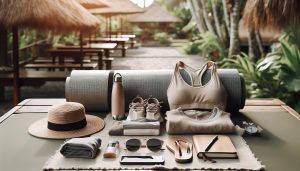
Eating healthy while on vacation can often feel like a daunting challenge, but it doesn’t have to be. With a little planning and the right mindset, you can enjoy delicious meals and maintain your wellness goals. Many travelers worry that indulgent treats and diverse cuisines will derail their diet, but community-proven strategies can help you navigate culinary delights without compromising on nutrition. In this guide, we’ll explore practical tips shared by fellow travelers on Reddit to help you strike the perfect balance between enjoying your destination and staying committed to healthy eating. Whether you’re looking for quick snacks, mindful dining options, or simply ways to incorporate more fruits and veggies into your travel routine, we’ve got you covered. Let’s dive in and discover how you can savor your vacation while nourishing your body!
How to Make Healthy Meal Choices While Traveling

Making healthy meal choices while traveling can significantly enhance your overall experience, allowing you to maintain your wellness goals while indulging in new cuisines. One effective strategy is to prioritize fresh, whole foods. Wherever possible, seek out local markets or grocery stores that offer fresh fruits, vegetables, lean proteins, and whole grains. This not only supports your health but also gives you a taste of local culture.
Another crucial aspect is being mindful of portion sizes. When dining at restaurants, consider sharing dishes or opting for smaller portions to avoid overeating. Many places offer appetizer sizes that can satisfy your cravings without leading to excess. Additionally, always have a plan when it comes to snacking. Pack portable, nutritious snacks such as nuts, yogurt, or fruit to keep you energized and prevent unhealthy choices during long travel days.
It’s also helpful to familiarize yourself with the menu options before dining out. Many restaurants now provide their menus online, which allows you to identify healthier choices in advance. Look for items that are grilled or baked instead of fried, and don’t hesitate to ask for dressings and sauces on the side to control calorie intake. By preparing ahead of time and making conscious choices, you can enjoy a fulfilling travel experience without compromising your health.
In summary, making intentional meal choices while exploring new destinations can keep you on track with your health goals. By seeking out fresh foods, understanding portion sizes, and planning ahead, you can enjoy your culinary adventures without the guilt. Your body will thank you for these mindful decisions, allowing you to fully experience every moment of your travel.
Essential Snacks for Health-Conscious Travelers
When traveling, maintaining your health can be challenging, especially when you’re surrounded by tempting local cuisines and unfamiliar food options. One way to stay on track is by packing essential snacks that nourish rather than derail your dietary goals. Choosing snacks that are both portable and nutritious allows you to enjoy your adventure without sacrificing your wellness.
Here are some smart snack options that health-conscious travelers can easily pack:
- Nuts and Seeds: A handful of almonds, walnuts, or pumpkin seeds can provide a satisfying crunch along with healthy fats and protein. Look for unsalted varieties to keep sodium intake in check.
- Nut Butters: Individual packets of almond or peanut butter are perfect for pairing with apple slices or whole-grain crackers, providing a protein boost between meals.
- Dried Fruits: Options like apricots, figs, or unsweetened cranberries offer natural sweetness and essential nutrients. Just remember to watch portion sizes, as dried fruits are calorie-dense.
- Whole Grain Snacks: Choose whole grain crackers or rice cakes that can be easily packed and enjoyed on the go. Pair them with hummus (in a portable container) for added flavor and nutrition.
- Popcorn: Air-popped popcorn is a lightweight, whole grain snack that can be seasoned to your taste. It’s low in calories and high in fiber, making it a great option for curbing cravings.
- Vegetable Chips: For a crispy alternative to traditional chips, consider veggie chips made from kale, sweet potatoes, or beetroot. These can add variety while keeping you mindful of your health.
- Protein Bars: Keep some healthy protein bars on hand for when you need a quick energy boost. Look for bars that contain whole ingredients and minimal added sugars.
- Fresh Fruits: Apples, bananas, and portable citrus fruits like tangerines are excellent choices for snacking. They provide hydration and vitamins without needing refrigeration.
Incorporating these snacks into your travel routine will help you maintain energy levels and satisfy your hunger without resorting to unhealthy airport fast food or convenience store options. Preparing ahead not only enhances your travel experience but also aligns with your wellness goals, allowing you to savor local flavors without compromising your health.
Planning Ahead: Smart Grocery Shopping Tips

When planning for healthy eating during your travels, grocery shopping can become an essential skill, especially in foreign destinations where familiar options might be limited. A strategic approach to grocery shopping can mean the difference between nutritious meals and falling victim to unhealthy temptations. Start by making a list of essential healthy items you’d like to have on hand, focusing on whole foods that are both satisfying and nutritious.
Consider exploring local markets or grocery stores upon arrival, as these venues often carry fresh produce and regional specialties that can enhance your meals. Prioritize items like fresh fruits, vegetables, whole grains, and lean protein sources. When shopping, aim for a colorful variety of produce-think vibrant greens, reds, yellows, and oranges-which not only makes meals visually appealing but also ensures you receive a broad spectrum of nutrients. Choosing whole grains, such as quinoa or brown rice, can provide sustained energy for your adventures, while fresh or canned tuna can be an excellent source of protein for quick salads or sandwiches.
Additionally, consider bringing along sturdy containers for meal prep, allowing you to create balanced meals even in your accommodation. Look out for versatile ingredients, like eggs, which can be hard-boiled for snacks or used in various dishes. Keep an eye on labels to avoid hidden sugars and unhealthy fats, and choose unsweetened beverages, such as sparkling water or herbal teas, to stay hydrated without unnecessary calories.
Finally, don’t shy away from local deli sections, where you might find wholesome pre-made dishes showcasing the local cuisine-these can be great for a quick lunch while sightseeing. With thoughtful grocery shopping, you can enjoy the local culinary culture while maintaining your health-conscious eating habits, ensuring that your travel experience is as enjoyable as it is nourishing.
Navigating Restaurant Menus for Healthier Options

When dining out during your travels, navigating restaurant menus can often feel overwhelming, especially with the multitude of enticing options available. However, with a few strategic approaches, you can make informed and health-conscious choices that align with your dietary goals while still enjoying the local culinary scene.
Start by familiarizing yourself with common menu terms that indicate healthier options. Words like grilled, baked, steamed, or roasted generally suggest cooking methods that use less fat than frying. Conversely, dishes described as crispy, breaded, or creamy may be higher in calories and unhealthy fats. When available, opt for dishes marked as fresh or seasonal, which are often made with whole ingredients and fewer preservatives.
It’s also beneficial to look for dishes that come with plenty of vegetables. Salads, stir-fries, or sides of steamed veggies not only increase the nutritional value of your meal but also add volume, helping you feel satisfied with less. If you’re eyeing a heavier entree, consider splitting it with a fellow traveler or asking for a half portion. This practice allows you to sample more dishes without overindulging.
Another useful tip is to ask your server about preparation methods or any opportunities to customize your meal. A simple request for dressing on the side or substituting a side of fries for a salad can elevate the healthiness of your meal. Additionally, keep an eye out for portion sizes; in many restaurants, servings can be larger than necessary. Selecting appetizers or sharing plates can help you enjoy a variety of flavors without excessive portions.
Lastly, make hydration a priority by choosing water, herbal teas, or sparkling water instead of sugary drinks or excessive alcoholic beverages. Not only does this keep you hydrated while traveling, but it also reduces calorie intake significantly. With these strategies, you’ll not only nourish your body but also immerse yourself in the rich flavors of local cuisine, making your travel experience both delightful and healthful.
Staying Hydrated: Tips for Drinking Enough Water
Maintaining proper hydration while traveling can be challenging, especially amidst the hustle and bustle of exploring new places. Staying well-hydrated is crucial not just for physical performance but also for maintaining overall well-being. Dehydration can lead to fatigue, headaches, and a general sense of malaise, which can quickly dampen the joy of your travels. Here are some practical tips to ensure you drink enough water wherever your journey takes you.
Begin by setting a hydration goal for the day, such as consuming at least eight glasses of water daily. Carry a refillable water bottle as your trusty travel companion-it’s environmentally friendly and makes it easier to track your water intake. Many airports and tourist attractions now offer water refill stations, so you’re never too far from a source. Consider adding flavor with slices of lemon, cucumber, or mint leaves if plain water feels dull. This simple enhancement can make hydration more enjoyable and refreshing.
Another effective strategy is to integrate water breaks into your daily itinerary. Set reminders on your phone or use a hydration app to alert you when it’s time to drink. Pair these breaks with meal times or short rests, making it a habit to sip water whenever you pause. For example, whenever you find a café for a snack or lunch, grab a glass of water to accompany your meal.
While enjoying local cuisine, opt for water or herbal teas instead of sugary drinks or excessive alcohol. This small change can significantly reduce your calorie intake and keep you hydrated. If you’re planning to engage in physical activities such as hiking or sightseeing, remember that you may need even more fluids. Packing an extra bottle of water for such excursions can help ensure you have enough to drink, especially in warmer climates.
Finally, listen to your body. If you start feeling thirsty or fatigued, take it as a cue to drink. Hydration can also be enhanced by consuming foods with high water content, such as fruits and vegetables. Consider snacks like watermelon, cucumbers, or oranges that not only provide hydration but also essential nutrients.
Implementing these simple yet effective hydration strategies can help ensure you stay energized and healthy throughout your travels, allowing you to focus on creating wonderful memories rather than dealing with the uncomfortable effects of dehydration.
Incorporating Local Foods into Healthy Eating
Exploring local foods can be one of the most rewarding aspects of any vacation. Not only do these foods offer a taste of the region’s culture, but they can also serve as healthy meal options that keep your diet on track while traveling. Embracing local cuisine allows you to engage with your surroundings and experiment with flavors you might not typically encounter.
A great way to incorporate local foods into your diet is to visit farmers’ markets and local grocery stores. These venues often feature fresh produce, artisanal products, and regional specialties that you won’t find in typical tourist-oriented shops. By choosing seasonal produce, you not only enjoy the freshest flavors but also support local agriculture. For instance, if you’re in Italy, try ripe tomatoes and fresh basil to produce a simple Caprese salad that highlights local ingredients, or in Thailand, opt for a fresh papaya salad packed with nutrients and flavor.
When dining out, make a point to seek out restaurants that prioritize local ingredients in their menu. Many places emphasize farm-to-table practices which guarantee freshness and nutrient density. Don’t hesitate to ask your server about the ingredients and their sources. Look for dishes that are rich in vegetables, whole grains, and lean proteins, avoiding items that are deep-fried or laden with heavy sauces. For instance, in Mexico, consider ordering a ceviche made from locally caught fish, accompanied by fresh avocado and vegetables for a nutritious meal.
Another helpful tip is to be open to trying traditional meals that are naturally healthier. Many cultures have their own health-conscious dishes that use local produce and lean proteins. For example, Mediterranean diets often base meals around whole grains, fresh fruits, and vegetables, enhanced with olive oil and herbs. Engaging with these traditional meals not only expands your palate but also provides balanced nutrition.
Prioritizing local foods on your travels is a delicious and practical strategy for maintaining a healthy diet while enjoying diverse culinary experiences. By consciously selecting meals that reflect the local culture and utilizing fresh, in-season ingredients, you can create a fulfilling balance between enjoying new tastes and sticking to your wellness goals.
Balancing Indulgence and Nutrition on Vacation
Finding the right balance between indulging in new experiences and making nutritious choices can enhance your travel experience without compromising your wellness goals. Many travelers struggle with the temptation of local delicacies while maintaining a healthy diet, but blending the two can create an enjoyable and enriching journey. The key lies in moderation and being conscious of your choices throughout your travels.
When it comes to planning your meals, consider adopting a flexible approach that allows for indulgence without overindulgence. For example, when dining out, you might opt for a shared appetizer that features local ingredients, allowing everyone at the table to taste something new while keeping portion sizes reasonable. This not only introduces you to the flavors of a region but also prevents any one dish from overwhelming your diet. Pairing a heavier dish with lighter sides-such as a fresh salad or steamed vegetables-can further support this balance.
Mindful Eating Habits
Practicing mindful eating can significantly enhance your ability to enjoy meals while maintaining focus on nutrition. Take the time to savor each bite, appreciating the flavors and textures of the food. This approach encourages you to listen to your body’s hunger and fullness signals, helping you avoid the pitfalls of mindless snacking or overeating during social gatherings. As you explore local cuisines, set intentions to try everything that interests you, but maybe indulge in a couple of dishes each day rather than overloading on everything at once.
To further blend pleasure with nutrition, choose local foods that are inherently healthier. Many regions have traditional dishes that incorporate whole grains, fresh vegetables, and lean proteins. For instance, in regions abundant in seafood, opting for grilled or steamed dishes can be both a delicious indulgence and a healthier choice. Additionally, when enjoying a leisurely breakfast or brunch, consider nutrient-packed options like yogurt and fresh fruit, which can give you energy for your adventures without the heaviness of traditional fried morning meals.
Balancing indulgence and nutrition during your travels doesn’t mean depriving yourself. It’s about making informed choices and celebrating local culture while keeping your well-being in mind. By approaching meals with intention, practicing moderation, and exploring the healthier options that local cuisine offers, you can nourish your body while fully enjoying your travel experiences.
Physical Activity Dos and Don’ts When Traveling
Staying active while traveling can often feel like a daunting task, especially when your routine is disrupted by new surroundings. However, incorporating physical activity into your travel plans can enhance your overall experience, helping you maintain energy levels, reduce stress, and enjoy your vacation more fully. Here’s how to make the most of your physical activities while avoiding common pitfalls.
One of the best ways to ensure you stay active on the road is to plan ahead. Pack workout gear that is versatile and comfortable, and consider booking accommodations that offer fitness amenities, such as gyms or yoga classes. Additionally, take advantage of the local environment; for instance, walking or biking can be a fantastic way to explore a city or countryside. Many destinations offer walkable attractions, and opting for a walking tour can be both a form of exercise and a fun way to learn about the area.
While you aim to stay active, be mindful of overexerting yourself. It’s easy to get swept up in the excitement of travel and push your limits, which can lead to fatigue or injury. If you’re participating in intense activities such as hiking or cycling, listen to your body and take breaks when needed. Alternating between high-intensity workouts and restorative practices, like stretching or yoga, can help maintain balance in your routine.
When dining at restaurants or trying local delicacies, account for the increased energy expenditure if you’re planning physical activities. Choosing lighter meals or snacks before a workout can provide you with the necessary fuel without making you feel sluggish. Remember that small bursts of activity throughout the day can also be beneficial; consider incorporating short walks or bodyweight exercises into your schedule.
In summary, physical activity while traveling should be flexible, enjoyable, and supportive of your overall well-being. By planning deliberately and remaining mindful of your energy levels, you can maintain a healthy routine that complements your travel experiences.
Mindful Eating Practices to Maintain Wellness
Vacations are a fantastic opportunity to explore new cultures and indulge in local culinary delights, but they can also derail your healthy eating habits if you’re not mindful. Adopting mindful eating practices can help maintain your wellness while traveling, allowing you to enjoy the experience without compromising your health. By focusing on how and what you eat, you set yourself up for a fulfilling vacation that supports your well-being.
One of the core principles of mindful eating is to pay attention to hunger cues. Before diving into a meal, take a moment to assess your actual hunger levels. A simple practice is to ask yourself, Am I really hungry, or is this just an emotional or situational cue to eat? This reflection can help prevent overeating and guide you toward making healthier choices, especially when temptations abound. When you do eat, strive to savor each bite. This means putting your utensils down between bites, chewing slowly, and appreciating the flavors and textures of your food. Not only does this enhance your dining experience, but it also gives your body time to signal when it’s full.
Strategies for Mindful Eating on the Go
- Create a Balanced Plate: When choosing meals, attempt to fill half your plate with non-starchy vegetables, a quarter with lean protein, and a quarter with whole grains. This balanced approach helps minimize excessive calorie intake while ensuring you receive essential nutrients.
- Stay Present During Meals: Whether you’re dining in a café or at a bustling food market, try to minimize distractions. Put away your phone and focus on your meal and conversation companions. This habit encourages you to enjoy your food more and helps you listen to your body’s fullness signals.
Staying Hydrated and Choosing Wisely
Don’t underestimate the power of hydration in maintaining wellness during your travels. Carry a reusable water bottle and aim to drink water consistently throughout the day. This practice not only helps control hunger but also supports your energy levels and overall health.
When navigating local eateries, look for options that prioritize fresh, whole ingredients. Many cultures emphasize seasonal produce, so embracing local specialties can lead to healthier choices. For instance, if you’re in a region known for its fresh seafood and salads, consider making those your go-to meals. Remember, it’s all about balance. Allow yourself the occasional indulgence, but try to complement it with lighter, nutrient-rich meals throughout your trip.
By incorporating these mindful eating strategies, you can enjoy your travel experiences while maintaining a focus on your health. Embrace the local flavors, listen to your body, and savor each moment. Such practices not only contribute to your physical well-being but also enrich your overall travel experience.
Planning Active Adventures: Fitness on the Go
Exploring new destinations doesn’t have to mean sidelining your fitness goals. Engaging in physical activities while traveling can enhance your experience, keep your energy levels high, and prevent the sluggishness that often accompanies indulgent vacations. With a little planning, you can seamlessly integrate exercise into your itinerary, ensuring that your mind and body remain aligned with your wellness goals.
The key to maintaining a fitness routine lies in flexibility and creativity. Consider activities that allow you to explore your surroundings while getting a workout in. Hiking trails, local parks, and city walking tours can provide unique opportunities to stay active. For example, if you’re visiting a coastal area, renting a bike or going for a jog along the beach can offer both exercise and breathtaking views. Similarly, many destinations have fitness classes that cater to tourists, such as yoga sessions on the beach or outdoor boot camps in public parks, allowing you to blend fitness with fun.
To make the most of your travel workout routine, pack lightweight exercise gear and look for lodgings that offer fitness amenities, such as gyms or pools. If you prefer to exercise in privacy, consider a short routine you can do in your hotel room-think bodyweight exercises like squats, push-ups, or yoga sequences. Many fitness apps and online videos can guide you, providing routines tailored to small spaces and limited equipment.
Lastly, integrate movement into your everyday activities. Opt for stairs instead of elevators, walk to nearby attractions instead of taking public transport, or schedule physical activities during the day, such as a morning run or an afternoon hike, to maximize your explorations. By prioritizing fitness while traveling, you not only stay healthy but also deepen your connection to the places you’re visiting, creating more memorable experiences along the way.
Community Recommendations: What Works for Vacationers
Exploring new destinations while maintaining a healthy diet can be a challenge, but travelers on platforms like Reddit have shared invaluable insights on how to eat well without sacrificing the joy of vacation. Focus on the community’s grassroots wisdom to navigate this delicate balance, allowing you to indulge in local flavors while keeping nutrition in check.
One widely embraced strategy is to research local grocery stores or farmers’ markets before arriving. Many vacationers recommend buying fresh, local ingredients to prepare simple meals in your accommodation. Items like fruits, vegetables, nuts, and whole grains can serve as nutritious snacks or wholesome additions to any meal. This not only helps you eat healthily but also encourages you to sample local produce. Engaging with local vendors can deepen the travel experience, offering insights into regional cooking methods and food traditions.
When dining out, savvy travelers often suggest opting for restaurants with customizable menus or those that prioritize health-conscious options. Looking for places that offer vegetarian or whole-food dishes can ensure you get plenty of nutrients. Additionally, consider sharing dishes or ordering appetizers instead of full entrees. This allows you to sample various flavors without overindulging. Communities recommend discussing dietary preferences with your server; they’re often willing to accommodate adjustments, such as dressing on the side or substituting sides for healthier options like salads.
Incorporating hydration is another crucial recommendation. Many travelers emphasize the importance of carrying a reusable water bottle, especially in warmer climates. Not only does this keep you hydrated, but it also minimizes the temptation to buy sugary drinks. Travelers have also highlighted the community experience of joining local walking tours or outdoor activities, which not only helps in maintaining physical fitness but also encourages mindful, conscious eating when combined with local cuisine.
Lastly, travelers advocate for a balanced approach to indulgence. It’s about savoring local delicacies without guilt-there’s a consensus that moderation is key. Allow yourself treats that are unique to your destination, perhaps a famous pastry or regional dish, but balance this with healthier meals throughout the day to maintain overall wellness. Enjoying food should enrich your travel experience, so listen to your body and make choices that feel right for you. Embrace the journey with the understanding that vacation is a time for balance, enjoyment, and exploration.
Successful Strategies for Maintaining Healthy Routines
Traveling doesn’t have to mean abandoning your healthy habits; in fact, maintaining routines while on the road can enhance your overall experience. Many frequent travelers share their personal strategies for keeping a balanced lifestyle during their trips, showcasing that it’s both possible and rewarding to stick to healthy practices while exploring new destinations.
One key tactic is to set a flexible schedule that incorporates time for physical activity, just as you would at home. Whether it’s a morning jog, a quick workout session, or yoga on the balcony, making a conscious effort to include exercise helps sustain energy levels and improves mood. Many travelers recommend utilizing hotel gyms or exploring local parks. Community insights suggest that joining a class – be it a dance lesson or a group hike – not only helps maintain fitness but also provides a fun way to engage with locals.
Planning meals ahead of time can also be impactful. Creating a plan that includes a mix of healthy restaurants and local specialties allows for both nutrition and culinary exploration. Look for meal prep options where possible, like cooking simple dishes in your rental kitchen or finding local recipes that utilize fresh produce from markets. Frequent visitors often establish a routine of purchasing fresh fruits and snacks to have handy throughout the day, allowing them to resist the temptation of processed options.
Staying connected with home routines lends familiarity amid new surroundings. Engage in daily practices that ground you, such as mindful eating and meditation. Allocate time for reflection on your experiences at the end of each day, which many community members find invaluable for mental wellness. By prioritizing these strategies, travelers can enjoy their adventures while staying health-conscious, ultimately enhancing both their personal well-being and the joy of discovery.
Q&A
Q: How can I find healthy food options while traveling?
A: To find healthy food options while traveling, use apps like Yelp or TripAdvisor to search for restaurants with healthy menu items. Additionally, look for local farmers’ markets or grocery stores for fresh produce. For more tips, refer to the section on “Navigating Restaurant Menus for Healthier Options” in the article.
Q: What are some healthy travel-friendly snacks?
A: Healthy travel-friendly snacks include nuts, seeds, protein bars, and dried fruits. These are nutritious, easy to pack, and perfect for curbing hunger on the go. For more ideas, check out the “Essential Snacks for Health-Conscious Travelers” section of the article.
Q: How can I maintain my healthy eating habits on vacation?
A: To maintain healthy eating habits on vacation, plan your meals ahead, prioritize whole foods, and stay aware of portion sizes. Engaging in mindful eating practices can also help you enjoy your food without overindulging. For detailed strategies, see the “Successful Strategies for Maintaining Healthy Routines” section.
Q: What are some tips for grocery shopping while traveling?
A: When grocery shopping while traveling, make a list of healthy items, choose stores with local produce, and consider buying ready-to-eat meals. This can save time and help you stick to your diet. Review our “Planning Ahead: Smart Grocery Shopping Tips” for more guidance.
Q: How to balance indulgences when eating out on vacation?
A: Balancing indulgences while eating out can be achieved by sharing dishes, choosing smaller portions, or opting for one indulgent meal per day. Enjoying local specialties while being mindful of overall nutrition can enhance your experience without compromising health. For more on this, explore the “Balancing Indulgence and Nutrition on Vacation” section.
Q: Where can I learn about healthy local food options?
A: To learn about healthy local food options, ask locals for recommendations, use food blogs, or check social media for health-conscious food influencers in the area. Exploring local cuisine can lead to nutritious discoveries. Check the “Incorporating Local Foods into Healthy Eating” section for more tips.
Q: How can I stay hydrated while traveling?
A: Staying hydrated while traveling involves carrying a reusable water bottle and setting reminders to drink water regularly. Opt for water-heavy foods, such as fruits and salads, to help maintain hydration. For additional tips, see the “Staying Hydrated: Tips for Drinking Enough Water” section.
Q: What are effective ways to exercise while on vacation?
A: Effective ways to exercise while on vacation include walking tours, hiking, pool workouts, or joining local fitness classes. Carry resistance bands for quick workouts in your hotel. For more practical advice, refer to the “Planning Active Adventures: Fitness on the Go” section.
To Conclude
Eating healthy while on vacation doesn’t have to be a struggle; with the right mindset and preparation, it can enhance your travel experience. Remember to prioritize nutritious choices, explore local healthful cuisines, and keep active during your trips. For more tips, check out our articles on healthy eating habits and superfoods to incorporate into your diet at any time, whether at home or away.
Feeling inspired? Don’t miss out on future insights-subscribe to our newsletter for more wellness travel tips and strategies to maintain your healthy lifestyle on the go. Join the conversation in the comments below; we’d love to hear your favorite healthy vacation hacks! Engage with our community and discover new resources to make your next getaway as enjoyable and nourishing as possible. Together, let’s revolutionize the way we travel!
Get our latest guides, news, and insights highlighted in your Google Search & AI Overviews.