
Thanksgiving, often celebrated with indulgent feasts, can lead to a post-holiday slump as we grapple with the consequences of overindulgence. Did you know that the average American consumes around 4,500 calories on Thanksgiving Day? This year, why not revolutionize your holiday gathering by focusing on healthier, wholesome options that maintain tradition without sacrificing enjoyment? In “How to Make Thanksgiving a Healthier Holiday: Family Feast Fix,” we’ll explore simple, tasty alternatives that can transform your family feast into a nourishing experience. By integrating fresh ingredients and mindful preparation methods, you can delight your loved ones with flavorful dishes that promote well-being. Join us as we delve into practical tips and creative recipes that ensure everyone leaves the table satisfied-without the guilt.
How to Create Healthier Thanksgiving Dishes
Thanksgiving is a time for family and friends to gather around a table adorned with delicious food and cherished traditions. However, with a little creativity, you can transform these beloved dishes into healthier options without sacrificing flavor. By making strategic ingredient swaps and adopting lighter cooking methods, your Thanksgiving feast can be both nourishing and indulgent.
One effective way to create healthier dishes is to focus on incorporating whole foods and minimizing processed ingredients. For example, replace traditional white flour with whole grain alternatives in stuffing or baked goods to increase fiber and nutrients. Consider using Greek yogurt instead of sour cream in your creamy dishes-it adds tanginess with less fat. Also, try roasting or steaming vegetables rather than frying them, which preserves their nutrients and enhances their natural flavors.
Incorporating fresh herbs and spices can elevate the flavor profile of your dishes while reducing the need for added salts and sugars. Herbs like rosemary, thyme, and sage can enhance the taste of classic turkey roasts or vegetable sides, while spices like cinnamon and nutmeg can provide warmth and depth to your desserts. Additionally, consider reducing portion sizes and offering a variety of smaller dishes-such as a vegetable platter with hummus or a light salad featuring seasonal ingredients-to encourage moderation and increase nutritional variety.
Ultimately, creating healthier Thanksgiving dishes is about balance and mindful substitutions. By focusing on fresh ingredients, whole foods, and light cooking methods, you can enjoy a festive holiday that supports your health without compromising the joy of the season.
Essential Nutritional Swaps for Traditional Recipes
Thanksgiving is notorious for its indulgent fare, but with a few strategic swaps, you can transform traditional dishes into healthier options that still honor the holiday spirit. The key to a heart-healthy feast lies in choosing ingredients that enhance flavor and nutrition without compromising the celebratory atmosphere.
One of the simplest yet most impactful swaps is to substitute high-calorie ingredients with lighter alternatives. For instance, in your mashed potatoes, consider replacing heavy cream with low-sodium vegetable broth or unsweetened almond milk. This not only cuts calories but also adds a depth of flavor. For stuffing, instead of using white bread, opt for whole grain or gluten-free bread, boosting fiber and nutrients while providing a satisfying texture.
When it comes to desserts, traditional recipes can often load up on sugar and fats. Instead of using refined sugar in pumpkin pie, try maple syrup or mashed bananas for natural sweetness. You can also use coconut oil instead of butter for a dairy-free option that brings a unique flavor profile. Incorporating pureed fruits into pies or cakes can also reduce the need for more fats while adding moisture and sweetness.
To further enhance the nutritional value of your Thanksgiving dishes, focus on adding vegetables to your spread. A classic green bean casserole can be lightened by using fresh green beans, sautéed with garlic and topped with a sprinkle of almonds instead of cream of mushroom soup. Incorporating roasted or steamed vegetables as sides not only diversifies your menu but also adds vibrant colors that can invigorate the table setting.
These swaps not only align with health-conscious choices but also show that nutritious food can be festive and delicious. By rethinking traditional recipes with fresh, wholesome ingredients, you create a Thanksgiving feast that everyone can enjoy, guilt-free.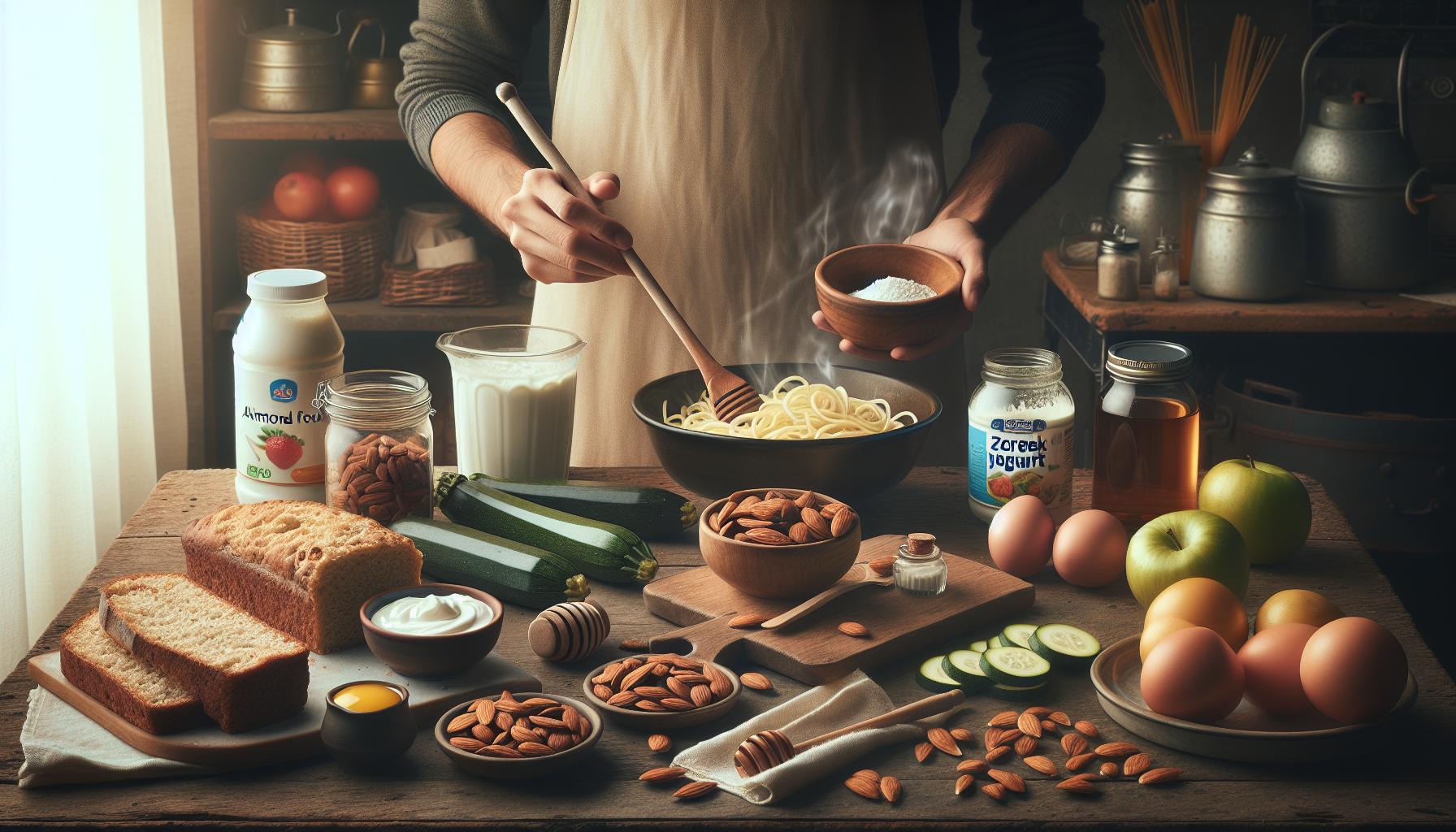
Mindful Eating Practices for the Holiday Feast
Mindful eating during the Thanksgiving feast can transform the way you experience the holiday, allowing you to savor each bite while making healthier choices. With abundance around every table, it’s easy to fall into the trap of overeating or mindlessly munching on your favorite dishes. By incorporating mindful eating practices, you can enjoy the celebration without compromising your health goals.
Begin by cultivating an awareness of your hunger and fullness cues. Before diving into the feast, take a moment to assess your hunger levels. Are you genuinely starving, or are you merely tempted by the aroma of roasted turkey and freshly baked pies? By acknowledging your physical cues, you can make more conscious decisions about when and how much to eat. During the meal, take smaller bites and chew slowly to enhance the flavors, allowing yourself the time to appreciate the meal and recognize when you’re satisfied.
Setting a pleasant atmosphere can also enhance your mindful eating experience. Consider the dining environment-dim the lights, play soft music, and encourage conversation among guests. Creating a calm space fosters enjoyment and mindfulness, making you less likely to rush through your meal. You might also choose to serve food family-style rather than buffet-style, which can reduce the tendency to over-serve yourself and encourage everyone to take their time.
Don’t forget to align mindful eating with the joy of Thanksgiving. Engage your family in discussing what they’re thankful for before the meal begins or share stories associated with traditional dishes. This not only fosters gratitude but can also distract from the urge to overindulge.
Incorporating these mindful eating practices can transform your Thanksgiving from a potentially unhealthy feast into a more balanced celebration that honors both tradition and well-being. By paying attention to your body and your environment, you make each bite matter and enjoy a more fulfilled holiday experience.
Incorporating Fresh Ingredients into Your Menu
Fresh ingredients can elevate your Thanksgiving menu from traditional to nutritious, all while capturing the vibrant flavors of the season. A well-planned integration of fresh vegetables, fruits, and herbs not only enhances the nutritional profile of your dishes but also delights the senses with color and taste. By prioritizing seasonal produce, you tap into the optimal flavors and health benefits, ensuring your family enjoys a festive meal that nourishes both body and soul.
To start, consider crafting a centerpiece salad that features leafy greens, such as kale or arugula, topped with roasted squash and pomegranate seeds. This combination not only adds a festive pop of color but also packs a nutritional punch with fiber and antioxidants. Incorporating a variety of textures, like crunchy nuts or creamy goat cheese, will keep your guests satisfied and introduce new tastes they may not expect to find on a Thanksgiving table.
Integrating fresh herbs can also transform the flavors of your traditional dishes. For instance, adding rosemary and thyme to roasted potatoes or parsley to a homemade stuffing can enhance natural flavors without the need for excess salt or fat. Fresh herbs release essential oils that provide depth and complexity, making even the simplest of sides feel gourmet.
Utilizing Seasonal Produce
Choosing ingredients that are in-season not only supports local farmers but ensures maximum freshness and flavor. Here are some seasonal produce options to consider:
- Root Vegetables: Carrots, parsnips, and sweet potatoes can be roasted or mashed for warm, comforting side dishes.
- Cruciferous Vegetables: Kale, Brussels sprouts, and cauliflower provide hearty options that can be sautéed, steamed, or roasted.
- Fruits: Apples, pears, and cranberries can be included in salads, sauces, or desserts, adding a sweet yet tart balance.
By embracing these ingredients, you allow your Thanksgiving feast to celebrate the bounty of the harvest season while significantly boosting the health value of your meals. Not only will you feel better about what you serve, but your family will also appreciate the effort put into making their holiday feast a healthier celebration.
Lightening Up Classic Side Dishes
Classic side dishes often steal the spotlight at Thanksgiving, but they can also pack a heavy caloric punch. By lightening up these beloved staples, you can create a delicious yet healthier spread that satisfies both the palate and the waistline. Simple substitutions and tweaks can significantly reduce calories while enhancing flavors, allowing everyone to enjoy the feast guilt-free.
One of the easiest ways to lighten classic dishes is by adjusting cooking methods. Instead of traditional creamy mashed potatoes, consider making a flavorful mashed sweet potato. Sweet potatoes are naturally sweeter and packed with nutrients. Simply steam or bake them and mash with a splash of almond milk, a sprinkle of cinnamon, and a dash of salt for a comforting side that’s rich in vitamins without the added butter and cream.
When it comes to green bean casserole, swap the cream of mushroom soup for a homemade version using low-sodium vegetable broth thickened with a bit of whole wheat flour or cornstarch. Sauté fresh green beans with garlic and shallots for extra flavor, and top with crispy shallots made in the oven instead of fried for a crunchy finish that won’t derail health goals.
To up the fiber content while maintaining texture, consider incorporating legumes into your dishes. For instance, adding chickpeas to your stuffing not only boosts nutrition but also provides a satisfying crunch. Furthermore, using cauliflower rice instead of traditional rice in side dishes can reduce carbohydrates while adding a hearty texture.
Finally, don’t forget to play with herbs and spices to enhance flavors without adding calories. Fresh herbs like parsley, thyme, and sage can elevate roasted vegetables, making each bite more aromatic and appealing without the need for heavy sauces or dressings. By focusing on these substitutions and preparations, Thanksgiving side dishes can remain delicious while embracing a healthy makeover.
Low-Calorie Dessert Options to Enjoy
To indulge in delicious desserts without the guilt this Thanksgiving, consider swapping traditional high-calorie options for lighter, healthier alternatives. Many beloved sweets can be reinvented using natural ingredients that not only reduce calorie counts but also increase nutritional value. For instance, you can explore using Greek yogurt and fresh fruit as a base for creamy desserts, providing protein and beneficial probiotics while satisfying your sweet tooth.
A delightful idea for a low-calorie dessert is a pumpkin parfait. Layer Greek yogurt, pureed pumpkin, and a sprinkle of cinnamon for a tasty and visually appealing treat. This combination offers the seasonal flavors of pumpkin pie without the heavy crust and sugar. Additionally, you can top it with a handful of granola or nuts for added texture and crunch, making it a crowd-pleaser that caters to health-conscious guests.
Another excellent option is to create chocolate avocado mousse. Blend ripe avocados with cocoa powder, a natural sweetener like honey or maple syrup, and a touch of vanilla extract. This rich dessert not only provides healthy fats but also delivers a satisfying chocolate flavor. Serve it chilled and garnish with berries to enhance the presentation and add a refreshing note.
For a festive twist, try baked apples stuffed with nuts and oats. Core apples and fill them with a mix of oats, chopped nuts, and a sprinkle of cinnamon. Bake until tender for a warm dessert that celebrates the flavors of fall while being low in refined sugars. Pair this with a drizzle of honey or a dollop of yogurt on top for extra indulgence without overloading on calories.
By choosing these creative and healthier dessert options, you can ensure that everyone at the table enjoys sweet treats without compromising their health goals. Embrace the opportunity to make Thanksgiving desserts that are both satisfying and nourishing, allowing your family to indulge while still feeling great.
Hosting a Health-Conscious Thanksgiving
Hosting a Thanksgiving celebration that prioritizes health doesn’t mean you have to skimp on flavor or festivity. In fact, with thoughtful planning and a little creativity, you can create an inviting atmosphere that fosters wholesome eating habits while still allowing your guests to enjoy the season’s traditional flavors. Start by curating a menu filled with nourishing options, such as roasted seasonal vegetables, whole grain stuffing, and herb-infused proteins that not only satisfy but also nourish.
When it comes to planning your meal, consider the presentation as much as the ingredients. A vibrant display of fresh produce and healthy options can be just as tempting as more indulgent offerings. Use decorative platters to present dishes like a colorful autumn salad featuring kale, cranberries, walnuts, and a light citrus vinaigrette. This not only appeals to the eye but encourages guests to opt for healthier choices first. You might even create a “build-your-own” station for salads or grain bowls, which provides personalization and fun while ensuring everyone has the opportunity to customize their plate with nutrient-dense ingredients.
Engagement is key when hosting a health-conscious event. Involve your family and friends in the cooking process by hosting a pre-Thanksgiving gathering to prepare some dishes together. This not only creates a sense of community but also allows you to educate friends and family about healthier cooking methods and ingredient choices. Consider incorporating flavors through fresh herbs and spices instead of relying on rich sauces or excessive salt. A little workshop on how to make simple swaps, like using Greek yogurt in place of sour cream, can empower your guests to make healthier choices beyond the holiday.
Lastly, remember that the holiday is about more than just food. Create opportunities for physical activity whether that’s a short walk before dinner or a post-feast yoga session in the living room. Encouraging movement helps to balance the indulgences of the meal and fosters a sense of well-being among your guests. By focusing on health without sacrificing enjoyment, you can craft a Thanksgiving that truly embodies the spirit of gratitude and wellness.
Engaging Family in Healthy Cooking Activities
Engaging family members in healthy cooking activities can transform the Thanksgiving experience from a routine gathering into a memorable event that nurtures both health and relationships. One effective way to kick off this positive interaction is through a “cooking party” in the days leading up to the holiday. Gather family members of all ages and assign them specific tasks in meal preparation. This not only lightens the load for the host but also instills a sense of contribution and pride in everyone involved. Whether it’s chopping vegetables, prepping stuffed squash, or mixing a wholesome pie filling, collaborative cooking creates a vibrant atmosphere filled with laughter and learning.
To make this cooking experience educational, consider incorporating cooking demonstrations that highlight healthier ingredient substitutions. For instance, show how to use whole grain options in stuffing, or blend avocado instead of butter in recipes. Providing a small workshop on seasoning with fresh herbs rather than relying on heavy sauces or salts can empower family members to appreciate the nuances of flavor while enhancing nutritional value. Participants can take turns picking a dish and modifying it with their own healthier twist, offering an engaging way to explore creativity in the kitchen.
Interactive Recipe Sharing
Encourage family members to share their own healthy recipes. This could take the form of a “family recipe book” created together, where each participant submits their favorite dish along with any modifications they’ve made to make it healthier. Over time, this resource becomes a cherished family keepsake that can evolve with each Thanksgiving gathering.
Lastly, make the cooking process fun and interactive by incorporating a little friendly competition. Host a “healthy dish challenge” where family members are divided into teams and asked to create dishes that fit certain health criteria. Not only does this foster teamwork, but it also sparks creative thinking. Reward the winners with small prizes or the honor of being the “healthy dish champion” for the next holiday celebration, making healthy cooking a game that everyone looks forward to year after year.
By implementing these engaging activities, Thanksgiving can become a celebration of both health and togetherness, creating lasting memories that extend beyond the holiday itself.
Tips for Managing Portion Sizes at the Table
Managing portion sizes during Thanksgiving can be a delicate balance, especially when faced with an array of delicious dishes meant for celebrating togetherness. However, cultivating awareness around portion control not only enhances the meal experience but also supports healthier eating habits. Employing a few strategic methods can help guests serve themselves in a mindful way without feeling deprived.
One effective approach is to utilize smaller plates and bowls. Research has shown that people tend to fill their plates regardless of size, so opting for smaller serving dishes can naturally reduce the quantity of food on each plate. Additionally, serving family-style can encourage portions to be better managed since diners can take smaller amounts of various dishes instead of being tempted to overload their plates with larger servings. Creating a buffet-style setting can also be beneficial, allowing individuals to consciously select portions that align with their appetite rather than indulging in oversized servings.
Encouraging a take-it-slow mentality can significantly impact how much guests consume. Prompt your family to savor each bite, and engage in conversations before going back for seconds. This not only enhances the enjoyment of the meal but also allows time for the body to recognize fullness cues. Another tactic is to designate half of the plate for vegetables and salads. Filling up on fiber-rich options can provide essential nutrients and decrease the desire for larger portions of more calorically dense items.
To foster an environment of mindfulness, you might consider introducing a “portion-size guide” at the table, which illustrates appropriate serving sizes for different food types. This can serve as a gentle reminder to eat judiciously while still enjoying the festive meal. By implementing these practices, Thanksgiving can transform into a healthier celebration that honors both tradition and wellness.
Staying Active During the Thanksgiving Weekend
can be both fun and beneficial for your health. Many people view this time as an opportunity to indulge in rich foods, but incorporating physical activity into your holiday plans can help balance your caloric intake and enhance your overall well-being. The holiday season doesn’t have to be synonymous with an inactive lifestyle; instead, consider ways to stay engaged physically while enjoying time with family and friends.
One enjoyable activity to consider is a family walk or hike. After the Thanksgiving feast, invite your family to explore a local park or nature trail. Walking not only aids digestion but also provides an excellent opportunity for conversation and bonding. If you can, pick a scenic route to enhance the experience, making the walk feel like an adventure. Furthermore, this can be a chance for everyone to get some fresh air and admire the beauty of fall foliage.
In addition to walking, organizing a friendly family sports game can get everyone moving. Whether it’s a game of touch football in the backyard or a more casual basketball match, these activities are not only great exercises but also encourage teamwork and laughter. Rotating between different games can keep the energy high and ensure everyone participates, regardless of skill level. Additionally, consider setting up a morning yoga session-this is a peaceful way to kick-start the day before the festivities, promoting relaxation and mindfulness.
Keeping track of your activity can also motivate you to stay engaged. Many apps allow you to set goals and track your steps or exercise throughout the weekend. Challenge family members to see who can accumulate the most steps, adding a competitive and fun twist to your holiday. By integrating movement into Thanksgiving traditions, you transform the holiday into an opportunity for health and wellness, fostering habits that can extend well beyond the season. Staying active not only benefits your physical health but also uplifts your mood, contributing to an enjoyable holiday experience for all.
Planning Ahead for a Healthier Celebration
Planning a healthier Thanksgiving celebration starts long before the big day arrives. By taking the time to prepare ahead, you can create an environment that encourages nutritious choices while still being festive and enjoyable. One effective strategy is to outline your menu in advance, focusing on recipes that are naturally lighter or that can be modified in healthier ways. For instance, consider incorporating more plant-based dishes or using whole grains in place of refined products. Curate a meal that features vibrant seasonal vegetables, lean proteins, and wholesome sides that everyone can enjoy.
When planning your shopping list, prioritize fresh ingredients that bring both flavor and nutrition to your table. Local farmers’ markets or grocery stores often stock a variety of fresh produce during the fall season, offering fruits and vegetables that are in their prime. Incorporating ingredients like butternut squash, Brussels sprouts, and cranberries not only enhances the nutritional profile of your meal but also adds seasonal flair. Aim for a colorful plate; a diverse range of hues typically indicates a variety of nutrients, making for a visually appealing and healthier feast.
It’s also beneficial to involve your family in the preparation process. Engaging everyone in cooking activities not only fosters teamwork but also provides a wonderful opportunity to educate about nutrition. You might set up a “healthy cooking” night where everyone brings a recipe to share and prepare together. This not only adds a fun element to your gathering but also promotes healthier cooking practices that are enjoyable for all ages.
Lastly, consider how you’ll manage portions during the meal. Serving smaller portions or using smaller plates can help control serving sizes and encourage mindful eating. It can be helpful to create a buffet-style setup where guests can serve themselves and savor what they truly want, rather than feeling compelled to pile their plates high. Planning ahead with these tips can transform your Thanksgiving celebration into an occasion that balances holiday enthusiasm with health-conscious choices.
Balancing Indulgence with Healthy Choices
during Thanksgiving is all about striking the right chord between flavor and nutrition, allowing everyone to fully enjoy the holiday spirit without sacrificing their health goals. One effective strategy is to reimagine traditional dishes by integrating healthier ingredients and cooking methods. For example, you can prepare mashed potatoes using Greek yogurt instead of cream for a creamy texture that reduces fat content, or bake sweet potato fries instead of frying them to achieve that satisfying crunch with fewer calories.
Creative Substitutions and Portions
Another approach is to make deliberate substitutions that retain the essence of the traditional recipes. Consider swapping refined white flour with whole wheat or almond flour in your baked goods. Reducing sugar can also make a notable difference – using mashed bananas or unsweetened applesauce in recipes can provide natural sweetness while extending nutritional benefits. When it comes to desserts, opting for fruit-based options can satisfy sweet cravings without the guilt, such as fresh fruit salad or baked apples with a sprinkle of cinnamon.
To further enhance the holiday feast while keeping it health-conscious, controlling portion sizes plays a critical role. Encouraging guests to sample smaller amounts of each dish can create an enjoyable experience without the overindulgence often associated with holiday meals. A family-style setting where everyone serves themselves can also encourage controlled portions. Providing an assortment of salads and roasted vegetables as starter options can help fill plates with wholesome choices before the heartier items, enabling families to balance indulgent and nutritious selections easily.
Mindful Eating During the Feast
Mindful eating practices are crucial during Thanksgiving gatherings. Encourage guests to savor their food, appreciating flavors and textures rather than rushing through meals. This habit not only enhances the dining experience but also allows for better digestion and satisfaction. To extend this practice, incorporate talking points about gratitude, focusing discussions on the joys of gathering together and the effort put into preparing the meal.
By embracing these practices and creatively adjusting traditional dishes, Thanksgiving can become a celebration of indulgence without compromising health. It’s about fostering an environment where rich food meets mindful choices, making the feast satisfying and memorable for everyone involved.
Faq
Q: How can I make traditional Thanksgiving dishes healthier?
A: To create healthier versions of traditional dishes, consider using ingredients like Greek yogurt as a substitute for sour cream, whole grain bread for stuffing, and fresh herbs instead of heavy sauces. These swaps reduce calories and enhance flavor without sacrificing the holiday spirit.
Q: What are some low-calorie dessert options for Thanksgiving?
A: Low-calorie dessert options include fruit-based dishes like poached pears or a berry compote, and alternatives like pumpkin yogurt parfaits. Using natural sweeteners, like honey or maple syrup, can also help reduce added sugars while keeping the desserts delicious.
Q: How can I incorporate more fresh ingredients into my Thanksgiving menu?
A: Include seasonal fruits and vegetables such as roasted butternut squash, green beans, or leafy salads. Highlighting these fresh ingredients not only enhances flavor but also boosts nutritional value, making your holiday feast both vibrant and healthy.
Q: What mindful eating practices can I adopt during Thanksgiving?
A: Mindful eating practices include savoring each bite, eating slowly, and paying attention to hunger cues. Take breaks between servings to assess your fullness level, which can help prevent overeating and enhance your enjoyment of the meal.
Q: How can I engage my family in healthy cooking activities for Thanksgiving?
A: Involve your family by assigning them tasks in meal prep, such as chopping vegetables or mixing ingredients. Host a healthy cooking competition or create DIY stations for personalized dishes, making the cooking experience fun and collaborative.
Q: What tips can help manage portion sizes at the Thanksgiving table?
A: To manage portion sizes, use smaller plates, fill half your plate with vegetables, and serve yourself lighter options first. Encourage everyone to enjoy a little of everything to satisfy cravings without overloading on calories.
Q: How can I stay active during the Thanksgiving weekend?
A: Plan family activities like a group walk after dinner, a friendly game of touch football, or a hike. Incorporating movement helps counterbalance festive indulgences and creates lasting memories with loved ones.
Q: What are effective strategies for planning a healthier Thanksgiving celebration?
A: Effective strategies include creating a menu in advance that features balanced dishes, sourcing fresh local ingredients, and preparing healthier versions of classic recipes. Planning ahead can alleviate last-minute stress and ensure a wholesome gathering.
Closing Remarks
As you plan your Thanksgiving celebrations, remember that incorporating healthier options can enhance not only your holiday feast but also your overall wellness. Embrace delicious, nutritious alternatives that bring joy to your table without compromising flavor. Don’t wait-start implementing these ideas today to create lasting memories for your family. For more tips, explore our articles on healthy holiday recipes and mindful eating during celebrations.
If you’re looking for more ways to maintain a healthy lifestyle while enjoying your favorite traditions, check out our resources on wellness travel and how to keep your routine even while you’re on the go. We’d love to hear how you make your holiday healthier, so share your traditions in the comments! Being proactive about your health this Thanksgiving not only benefits you but sets a great example for others. Don’t miss the chance to make this holiday season truly fulfilling-Happy Thanksgiving!
Get our latest guides, news, and insights highlighted in your Google Search & AI Overviews.