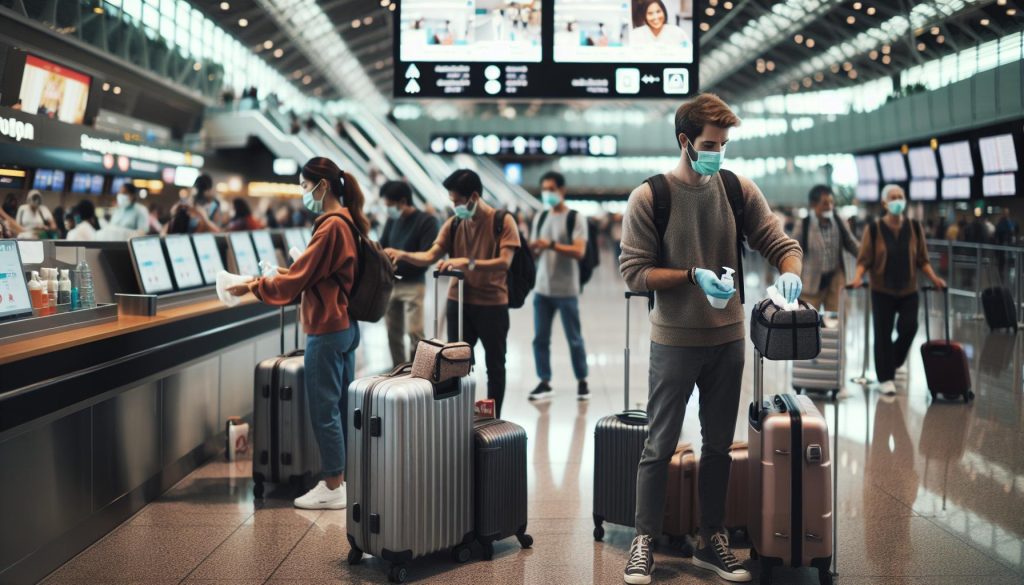
Traveling during the holidays can be both exciting and stressful, often leaving us vulnerable to wellness slip-ups. With busy airports, long flights, and days packed with celebrations, it’s easy to neglect our health. Understanding how to maintain your well-being from the moment you leave your home until you reach your destination is crucial not just for your physical state but also for your mental clarity. In this guide, we’ll explore practical strategies for staying healthy while navigating travel challenges, ensuring that you arrive feeling refreshed and ready to enjoy your holiday experience to the fullest. Stay with us to discover tips that cater to your travel concerns and help you prioritize your well-being on the go.
How to Prepare for Healthy Travel
Preparing for travel requires thoughtful consideration, particularly when it comes to maintaining health and wellness. Whether embarking on a vacation or a business trip, establishing a solid plan in advance can significantly enhance your experience. A well-prepared traveler is not only better equipped to manage potential health challenges on the road but can also enjoy their journey more fully.
Begin by packing essential wellness items that cater to your individual needs. Consider bringing supplements, vitamins, or any regular medications to ensure you don’t miss doses while away. Additionally, a small first aid kit including items like band-aids, antiseptic wipes, and any prescription medications can be invaluable. Packing healthy snacks, such as nuts, protein bars, or dried fruit, helps maintain energy levels and prevents unhealthy impulse eating while traveling.
Next, familiarize yourself with the destination’s health resources, including the nearest medical facilities and pharmacies. Having this information handy can provide peace of mind and allow for quicker responses to any health issues that may arise. Arriving at your destination feeling prepared can significantly reduce stress and enhance your overall travel experience. Furthermore, setting realistic health goals during your travels-such as maintaining a consistent sleep schedule or committing to daily physical activity-can help you stay balanced while still enjoying local cuisine and attractions.
In summary, the key to healthy travel is proactive preparation that incorporates personal wellness routines and knowledge of available resources. This way, you can embark on your journey with confidence, fully equipped to enjoy all the experiences that await you.
Essential Nutrition Tips for Your Journey
Traveling, especially during holiday seasons, presents unique challenges to maintaining good nutrition. With irregular meal times, tempting snacks, and unfamiliar food options, embarking on a journey may compromise your dietary commitments. However, a well-thought-out nutrition plan can make your travels enjoyable and healthy, helping you stay energized and focused. Below are key strategies to keep your nutrition on track while on the go.
Start by packing nutritious snacks that can easily fit into your travel bag. Consider items such as mixed nuts, granola bars, dried fruits, or whole-grain crackers. These snacks are not only portable but also provide essential nutrients and energy between meals. Having these options on hand reduces the temptation to indulge in unhealthy airport snacks, ensuring that you maintain your energy levels throughout the journey.
In addition to snacks, it’s wise to plan your meals ahead of time. Research the food options available at airports and see if you can find healthier alternatives. Many airports now feature a range of restaurants that offer salads, fresh fruits, and lean proteins. Choosing grilled rather than fried items and opting for water or herbal teas instead of sugary drinks can significantly boost your dietary intake while traveling. Aim for a balanced diet that includes protein, healthy fats, and carbohydrates to keep your energy stable.
Focus on Mindful Eating
When you do have the opportunity to eat, practice mindful eating. This means slowing down and savoring your meals rather than rushing through them. This practice not only enhances your eating experience but also helps you to recognize satiety signals, preventing overeating. Take a moment to appreciate the flavors and textures of your food, which can also enrich your travel experience.
Lastly, stay informed about food safety, especially when trying new cuisines. Make sure any cooked food is hot, and be cautious with raw foods if you’re unsure of their preparation methods. Adhering to these nutritional guidelines can lead to a healthier travel experience, allowing you to fully enjoy your journey while keeping fatigue and digestive issues at bay.
Stay Hydrated: The Importance of Water
When traveling, particularly during long flights or road trips, staying hydrated is pivotal for maintaining your overall well-being. Dehydration can lead to fatigue, headaches, and diminished concentration, all of which can turn an exciting journey into a challenging experience. In the dry environment of an airplane cabin, where humidity levels can drop significantly, drinking enough water becomes essential. Aim to drink at least eight ounces of water every hour while traveling, adjusting according to your activity level and the climate of your destination.
To make hydration easier, consider carrying a reusable water bottle. Many airports now have water refill stations, making it convenient to stay hydrated without relying on expensive bottled water. You might also want to opt for electrolyte-enhanced drinks, especially after a long flight, to help replenish lost minerals and keep your energy levels up. Snacks with high water content, such as cucumbers, oranges, and strawberries, can also contribute to your hydration needs while providing essential nutrients.
Signs of Dehydration
Recognizing the signs of dehydration can help you take early action to mitigate its effects. Common indicators include:
- Dry mouth and lips
- Dark yellow urine
- Dizziness or lightheadedness
- Fatigue and irritability
If you notice these symptoms, it’s crucial to increase your fluid intake immediately.
Staying Hydrated Post-Arrival
Once you reach your destination, the importance of hydration does not diminish. Factors such as climate, altitude, and activity level can affect your hydration needs. To combat any potential jet lag or travel-induced fatigue, continue to prioritize water consumption. Proper hydration is not only about replenishing fluids but also about supporting your body’s natural processes as it adjusts to new time zones and environments.
In essence, making a conscious effort to stay hydrated during your travels can enhance your overall experience, reduce travel-related stress, and keep you feeling your best, allowing you to fully enjoy your holiday adventures.
Maintaining Exercise Routines While Traveling
Whether you’re hopping on a plane or driving cross-country, maintaining your exercise routine while traveling can be a challenge. Despite the often hectic schedule of travel, prioritizing physical activity is crucial not just for your physical health but also for your mental well-being. Engaging in regular exercise can help combat the effects of long periods of inactivity, improve your mood, and enhance your overall travel experience.
Planning ahead is key. Before embarking on your journey, scout out accommodations that offer fitness facilities or are located near parks and recreational areas. Many hotels now feature gyms, swimming pools, and even wellness programs, making it easier for you to stick to your routine. If your accommodations lack fitness options, consider bringing along simple, portable equipment such as resistance bands or using bodyweight exercises that can be performed in a hotel room.
Simple Workouts on the Go
Incorporating short workouts can be a great way to maintain your fitness without a lot of time or equipment. Here are a few quick exercises that can easily fit into your travel schedule:
- Bodyweight Exercises: Push-ups, squats, lunges, and planks require no equipment and can be done anywhere.
- Stairs: Use staircases in your hotel or at airports for a quick cardio and strength workout. Taking the stairs can elevate your heart rate and build muscle.
- Walking or Jogging: Explore your destination on foot. Consider scheduling some time for a brisk walk or jog to take in the local scenery while getting your cardio in.
Set Goals and Stay Accountable
Establish realistic fitness goals tailored to your travel itinerary. Whether it’s committing to a certain number of workout sessions per week or targeting a daily step count, setting clear objectives can help you stay motivated. Using fitness apps or wearable technology can also aid in maintaining your exercise discipline by tracking your progress and providing reminders.
Ultimately, adapting your fitness routine to fit your travel schedule doesn’t mean sacrificing your health. With a little preparation and flexibility, you can enjoy your travels while keeping active and energized, ensuring you return home feeling great both physically and mentally.
Mental Wellness Strategies for Holiday Travel
Travel can be both exhilarating and stressful, especially during the holiday season when everything feels accelerated. It’s not uncommon to feel overwhelmed by the hustle and bustle of airports, unfamiliar environments, and the pressures of holiday expectations. Prioritizing mental wellness during your travels is essential for enjoying the journey and arriving at your destination feeling refreshed and ready to celebrate.
To maintain mental wellness while traveling, first, consider practicing mindfulness techniques. Simple exercises such as deep breathing, meditation, or grounding techniques can help ease anxiety and promote a sense of calm. Even just a few minutes of focused breathing or a short meditation session can provide a mental reset, particularly in stressful environments like airports. Utilizing apps like Headspace or Calm during travel can guide you in these practices, transforming your waiting time into a moment of tranquility.
Another effective strategy is to prepare for potential stressors by creating a travel plan that includes ample breaks. Whether it’s a layover or long car ride, scheduling time for short walks, journaling, or just enjoying a quiet moment can break the cycle of rushing and panic. Incorporate enjoyable activities during your journey, such as listening to uplifting podcasts or audiobooks. These engaging distractions can transform the travel experience into a more pleasant one.
Additionally, staying connected with loved ones can enhance your emotional well-being while on the move. Set aside time to check in with friends or family via video calls or messages. This connection can provide reassurance and warmth, reminding you of the joy of being together during the holidays. Consider making plans to share experiences from your travels, whether it’s through virtual meetups or posting updates on social media, fostering a sense of community even when physically apart.
In summary, focusing on mental wellness during your holiday travels can turn potential stress into an opportunity for enrichment. By incorporating mindfulness practices, allowing for breaks, and maintaining social connections, you can navigate the chaos of holiday travel and arrive at your destination feeling rejuvenated and ready to embrace the festivities.
Navigating Airport Foods: Healthy Choices
Navigating the array of food options at airports can feel overwhelming, especially when trying to maintain a healthy diet while traveling. With the prevalence of fast-food outlets and convenience stores, it’s easy to veer off course from your wellness goals. However, making informed food choices can maximize your energy levels and keep your body feeling great throughout your journey.
To find healthier options in airport eateries, focus on meals that are rich in lean proteins, whole grains, and fresh fruits and vegetables. Look for salads with grilled chicken or fish, wraps made with whole grain tortillas filled with vegetables, and brown rice bowls topped with protein and greens. Many airports are increasingly accommodating health-conscious travelers by offering fresh juice bars and organic snack kiosks. If you have the opportunity to pack some snacks before your trip, consider items like mixed nuts, protein bars, or cut-up fruits which can save you from settling for less nutritious airport fare.
Here are some practical tips to help you navigate airport food successfully:
- Read the labels: When selecting pre-packaged meals or snacks, take a moment to read the nutrition labels for hidden sugars, unhealthy fats, and high sodium content.
- Choose water over sugary drinks: Avoid sugary sodas and opt for water or herbal teas. Staying hydrated aids digestion and helps maintain your energy levels.
- Mind the timing: Eating smaller meals or snacks every few hours can keep your energy stable and prevent overeating during long layovers.
- Plan ahead: Familiarize yourself with the airport’s dining options by checking the map or visiting the airport’s website before you travel. Knowing where healthier options are located can reduce stress and optimize your time.
In addition to these strategies, don’t hesitate to ask the staff about healthier menu modifications. Many restaurants will accommodate requests for including extra vegetables or substituting whole grain options. With a little thought and preparation, you can successfully navigate airport foods and make choices that support your journey toward better health-even while on the go.
Tips for Sleeping Well During Travel
After a long journey, the ability to get quality sleep can significantly impact how refreshed and ready you feel upon arrival. Sleep during travel, especially on flights or car rides, can be elusive due to discomfort, anxiety about the trip, or changing time zones. Implementing effective sleep strategies can help enhance your rest, paving the way for a more enjoyable holiday experience.
Creating a conducive sleep environment is essential. If you’re flying, consider investing in travel-specific items like a neck pillow, eye mask, and noise-canceling headphones or earplugs to block out distractions. These simple additions can make a significant difference in how well you sleep during transit. When booking accommodations, prioritize comfort by selecting hotels known for their quality bedding or consider properties that offer soundproof rooms to enhance your chances of uninterrupted sleep upon arrival.
In addition to physical comfort, managing your sleep cycle proactively is crucial. Try to adjust your sleep schedule gradually a few days before departure to align more closely with your destination’s time zone. On travel days, aim to take short naps rather than long ones to avoid grogginess and maintain a consistent sleep routine. If you feel fatigued during travel, allowing yourself a brief rest can help, but be mindful not to oversleep, as this can compound jet lag when you reach your destination.
Lastly, being mindful of your pre-sleep habits can aid in achieving better rest. Avoid heavy meals, caffeine, and alcohol close to bedtime, as these can disrupt your ability to fall asleep. Instead, opt for light snacks and herbal teas that promote relaxation. Engaging in calming activities such as reading or practicing mindfulness exercises can also prepare your mind for restful sleep. By adopting these tips, you can navigate the challenges of sleeping while traveling and arrive at your holiday destination rejuvenated and ready for new adventures.
Managing Stress and Anxiety on the Go
Travel can be an exhilarating experience, but it often brings about stress and anxiety, particularly during busy holiday seasons. Navigating crowded airports, flight delays, and unfamiliar environments can create a sense of overwhelm. Understanding effective strategies to manage stress while traveling is essential for maintaining your well-being and enjoying your journey to the fullest.
One effective approach is to adopt mindfulness techniques throughout your journey. Simple practices, such as deep breathing exercises, can help calm your nerves. As you wait in line or sit on a plane, take a moment to focus on your breath: inhale deeply through your nose, hold for a moment, and exhale slowly through your mouth. This practice can lower stress levels and provide a sense of calm amidst the chaos. Additionally, consider downloading meditation apps or calming music playlists before your trip to create comforting audio environments during travel lulls.
Preparation is another key aspect of managing anxiety while on the move. Having a well-organized travel itinerary can alleviate stress associated with uncertainty. Make sure to confirm your travel arrangements, understand security protocols, and choose accommodations that promote relaxation. Packing a travel-friendly wellness kit that includes items like herbal teas, essential oils, or stress-relief balls can provide quick support when anxiety strikes. Remember, ensuring ample time for check-ins and transitions between platforms can also reduce the frantic pace and help keep your emotions in check.
Lastly, social connections can be a powerful buffer against travel-induced stress. Engage with fellow travelers, whether by striking up conversations while waiting for your flight or making small talk with airport staff. Connecting with others can not only distract you from anxiety but may also lead to enjoyable interactions and shared experiences that enhance your journey. Techniques such as visualizing positive scenarios before they unfold can further reinforce your sense of control, allowing you to transition smoothly from one phase of travel to the next. By implementing mindfulness, preparation, and social connections, you can navigate the stresses associated with travel and focus on the excitement of your holiday adventure.
Post-Arrival Health: Adjusting to Time Zones
Adjusting to new time zones can be one of the biggest challenges travelers face, especially when crossing multiple time zones during holiday travel. Jet lag, characterized by sleep disturbances, fatigue, and difficulty concentrating, can dampen the excitement of your trip. Understanding how to ease this transition is crucial for maintaining your health and allowing you to fully enjoy your travels.
One effective strategy to combat the effects of jet lag is to gradually adjust your sleep schedule before your departure. If you’re traveling to a destination with a significant time difference, try going to bed and waking up one hour earlier or later each day (depending on the direction of your travel) until you align more closely with the new time zone. This gradual adjustment helps your body clock adapt much more comfortably. Once you arrive, exposing yourself to natural light can further assist in resetting your internal clock. Aim to spend time outdoors during daylight hours, as sunlight inhibits melatonin production, thereby promoting wakefulness during the day.
Nutrition also plays a vital role in how well you adjust post-flight. Consuming a balanced meal rich in proteins and complex carbohydrates can help stabilize your energy levels. Staying hydrated is equally important; dehydration can intensify feelings of fatigue. Avoid excess caffeine and alcohol, as these substances can disturb your sleep patterns and increase dehydration. Instead, opt for water or herbal teas to keep your fluid levels in check.
Finally, consider incorporating light exercise into your post-arrival routine. Engaging in gentle activities, such as walking or stretching, can enhance blood circulation, reduce fatigue, and improve your mood. Aim for at least 15-30 minutes of physical activity shortly after you arrive, as this can help energize your body and drive out the sluggishness often associated with long flights. By implementing these strategies, you can help your body adapt more swiftly, ensuring you make the most of your holiday travels.
Creating a Personal Wellness Kit for Travel
can be a game-changer in maintaining your health and well-being during your journey. A well-thought-out kit not only supplies essential items you’ll need on the go but also serves as a reminder to prioritize your health even in unfamiliar environments. When packing your wellness kit, consider including a mix of physical health items, mental wellness tools, and nutritional snacks that align with your lifestyle.
Essential Items for Physical Health
Start by including basic health and hygiene products. Essentials may include:
- Hand sanitizer – A must-have to reduce the risk of infections in crowded airports.
- Travel-sized first aid kit – Band-aids, antiseptic wipes, and any personal medications.
- Reusable water bottle – Staying hydrated is critical, particularly during air travel.
Additionally, pack a pair of comfortable shoes for walking, as exploring new places often involves more activity than you anticipate. Light exercise gear, such as yoga mats or resistance bands, can also encourage a quick workout wherever you are.
Tools for Mental Wellness
Don’t overlook mental health. Stress can easily escalate during travel, so consider including items that promote relaxation and meditation:
- Meditation apps or podcasts – Download guided meditations or calming music to help during downtime.
- Journaling materials – Writing down thoughts can be therapeutic and helps bring clarity.
- Travel-friendly relaxation items – A compact aromatherapy roll-on or stress ball helps re-center you in stressful moments.
Nourishing Snacks on the Go
Packing healthy snacks can prevent unhealthy eating choices, especially when travel delays strike. Choose non-perishable items that can tide you over until you can find healthier meals. Consider:
- Nuts and seeds – Great sources of healthy fats and protein that provide lasting energy.
- Dried fruits – These are rich in vitamins and help satisfy sweet cravings without added sugars.
- Protein bars – Look for ones low in sugar and high in protein for a quick nutritional boost.
By personalizing your wellness kit with these practical items, you will not only support your physical health but also nurture your mental well-being, ensuring that your travel experience becomes enjoyable and refreshing rather than exhausting and stressful.
Tips for Staying Active at Your Destination
Exploring a new destination doesn’t have to mean sacrificing your fitness routine. In fact, staying active while traveling can enhance your overall experience by allowing you to connect more deeply with your surroundings. Whether you’re visiting a bustling city or enjoying a peaceful retreat, there are countless ways to integrate movement into your holiday.
To start, prioritize walking or biking instead of using taxis or rideshares. Not only does this allow you to see more of your destination, but it also provides an excellent cardiovascular workout. Many cities offer bike rentals or have dedicated bike paths that make it easy to explore. Additionally, consider downloading fitness or walking apps that provide local routes or guided tours, transforming exercise into a delightful adventure.
Local gyms or fitness studios can also be great options for maintaining your workout routine. Many establishments offer day passes, while some might even have classes tailored to travelers. Alternatively, check if your hotel has a gym or pool to help you keep up your exercise regimen. If you prefer outdoor activities, research nearby parks or trails for running or hiking, which can be a refreshing break from typical sightseeing.
Lastly, build some spontaneity into your travel agenda. Participate in local activities such as dance classes, yoga sessions on the beach, or even a group hike. These experiences not only keep you active but also immerse you in the local culture, making your journey even more memorable. By creatively incorporating these activities, you’ll find that staying active while traveling is not only achievable but also enriching.
Setting Realistic Health Goals for Holiday Trips
Traveling can be a whirlwind of new experiences, but setting realistic health goals can help ensure that you stay on track and feel your best during the journey. The excitement of exploring new locales often leads to oversights in nutrition and exercise, but by establishing a balanced approach, you can enjoy your trip while maintaining your wellbeing.
When planning your trip, consider outlining specific, achievable health goals adapted to your travel schedule. For example, instead of aiming for daily workouts typical of your home routine, focus on integrating movement into your day-to-day activities. This could include committing to a daily 30-minute walk while exploring the city or using stairs instead of elevators. Additionally, you might set nutritional goals, such as including at least one serving of fruits or vegetables in every meal. These small, manageable targets can make a significant impact on your overall health without adding pressure.
It’s also essential to remain flexible and adjust your goals based on your travel itinerary. If your days are packed with sightseeing, consider short bursts of exercise, like morning yoga or stretching routines, to keep energy levels high. At the same time, plan downtime to recuperate. Utilize apps to track your steps or meals, helping to maintain awareness of your progress and motivating you to stick to your objectives.
Lastly, don’t forget the importance of mental wellness. Set personal goals related to mindfulness or relaxation, such as meditating for five minutes each day or indulging in a quiet evening to reflect on your travels. Balancing physical activity, nutrition, and mental health will ultimately lead to a more fulfilling and healthier travel experience. By approaching your holiday with realistic health goals, you can enjoy your adventures while still caring for your body and mind.
Faq
Q: How can I boost my immunity while traveling during the holidays?
A: Boost your immunity by maintaining a balanced diet rich in fruits and vegetables, staying hydrated, and getting adequate sleep. Consider taking immune-boosting supplements like vitamin C and zinc. Refer to the section on “Essential Nutrition Tips for Your Journey” for specific food suggestions.
Q: What should I pack in my travel wellness kit?
A: Your personal wellness kit should include hand sanitizer, disinfectant wipes, necessary medications, a water bottle, healthy snacks, and a sleep mask. This ensures you’re prepared for various situations during travel. Check out our section on “Creating a Personal Wellness Kit for Travel” for more tips.
Q: How do I handle jet lag effectively after traveling?
A: To manage jet lag, gradually adjust your sleep schedule before departure, stay hydrated, and get sunlight exposure upon arrival. Engage in light exercise to boost your mood and energy. For more tips, refer to “Post-Arrival Health: Adjusting to Time Zones.”
Q: What are some quick exercises I can do at the airport?
A: Simple exercises like stretching your back, leg raises, and seated ankle rolls can be done at the airport to improve circulation. Walking around the terminal is also beneficial. For exercise routines while traveling, see “Maintaining Exercise Routines While Traveling.”
Q: How can I stay mentally healthy during holiday travel?
A: To maintain mental wellness, incorporate relaxation techniques such as deep breathing exercises, mindfulness, or short meditation sessions. Bringing a book or listening to calming music can also help. Explore “Mental Wellness Strategies for Holiday Travel” for additional techniques.
Q: When is the best time to sleep on a flight?
A: Sleep during the flight when it’s nighttime at your destination to help your body adjust to the new time zone. Use a sleep mask and earplugs for better rest. For related sleep tips, visit “Tips for Sleeping Well During Travel.”
Q: How do I navigate healthy eating options at the airport?
A: Look for fresh salads, whole-grain snacks, and lean protein options at airport eateries. Avoid fried and high-sugar foods. For more on making healthy choices, check the “Navigating Airport Foods: Healthy Choices” section.
Q: Why is hydration important during flight travel?
A: Hydration is crucial during flights as the cabin air is dry, which can lead to dehydration, fatigue, and headaches. Drink water frequently instead of sugary or caffeinated beverages. Learn more in “Stay Hydrated: The Importance of Water.”
Key Takeaways
Staying healthy during holiday travel is crucial for your overall well-being. As you prepare to navigate the airport and arrival process, remember to prioritize hydration, nutrition, and rest. Consider keeping healthy snacks on hand and engaging in light exercises during layovers to maintain your energy levels.
For more tips, explore our guides on healthy travel habits and wellness retreats to help you sustain your routine on the go. Don’t forget to sign up for our newsletter for ongoing advice on wellness travel. Your health should always be a priority, so take action today to ensure a balanced journey ahead! Share your thoughts on this topic in the comments below, and feel free to bookmark our site for future reference on all things wellness.
Get our latest guides, news, and insights highlighted in your Google Search & AI Overviews.