
Vacation is often seen as a time to indulge, but making healthy eating choices is essential for maintaining your well-being while traveling. Did you know that many travelers feel overwhelmed by the abundance of food options available at resorts and restaurants? By planning ahead and being mindful of your choices, you can enjoy delicious meals that nourish your body and enhance your travel experience. This article will explore practical suggestions to help you eat healthy on vacation, ensuring you remain energized and happy throughout your journey. Whether you’re lounging by the pool or exploring new cities, these tips will empower you to make choices that support your health goals without sacrificing enjoyment.
Healthy Eating Strategies for Travelers
Eating healthy while traveling doesn’t have to be a challenge; it can actually enhance your travel experience. Approaching meals with a proactive mindset can empower you to maintain your nutritional goals even on the go. One effective strategy is to embrace meal prepping before your trip. Preparing snacks like homemade trail mix, cut-up vegetables, or whole fruit can ensure you have nutritious options readily available, making it easier to resist unhealthy temptations along the way.
When dining out, researching menus in advance can guide you in making healthier choices. Many restaurants now offer nutrition information on their websites, highlighting healthier options like salads, grilled proteins, and whole grains. Don’t hesitate to customize your order-ask for dressings on the side, substitute fried sides for steamed vegetables, or request modifications to lower calorie counts. Making informed choices not only benefits your health but also allows you to enjoy local cuisines without derailing your nutritional goals.
Mindful eating practices can further enhance your travel experience. Pay attention to how your body responds to different foods and try to eat at a leisurely pace to savor your meals. This approach can prevent overeating and help you feel more satisfied. Also, staying hydrated is crucial; carrying a reusable water bottle while traveling is a simple way to remind yourself to drink enough water throughout the day.
Overall, prioritizing your health on vacation involves preparation, informed decision-making, and mindfulness. By incorporating these strategies, you can enjoy your travels while nourishing your body and maintaining your wellness goals.
Top Nutrient-Dense Foods to Pack
Packing the right foods can make a world of difference when you’re traveling, ensuring that you stay energized and satisfied while sticking to your health goals. Nutrient-dense foods are essential choices for any traveler; they’re packed with vitamins, minerals, and other essential nutrients to keep your body running smoothly. Consider these options to include in your travel snacks.
| Food Item | Nutritional Benefits |
|---|---|
| Almonds | Rich in healthy fats, protein, and fiber; helps maintain energy levels. |
| Carrot sticks | High in beta-carotene and fiber; great for snacking without added calories. |
| Greek yogurt | Packed with protein and probiotics; supports gut health and maintains muscle mass. |
| Whole-grain crackers | Provides complex carbohydrates and fiber; helps to keep you feeling full. |
| Hard-boiled eggs | Excellent source of protein and healthy fats; very portable and satisfying. |
| Fresh fruit (e.g., apples, bananas) | High in vitamins, fiber, and antioxidants; ideal for a quick, nutritious snack. |
These foods require minimal preparation and are easily portable, making them ideal for travel. Nutritious snacks like almonds or fresh fruit can help curb unhealthy cravings, while protein-packed items, such as hard-boiled eggs or Greek yogurt, provide longer-lasting satiety. Having a variety of options ensures that you maintain energy levels while avoiding reliance on convenience store offerings high in sugar and unhealthy fats.
Furthermore, consider incorporating some spices like cinnamon or turmeric in your snacks, as they offer additional health benefits, including anti-inflammatory properties. By selecting a few of these nutrient-dense options to pack for your adventures, you create opportunities for better choices that nourish your body, ultimately enhancing your travel experience.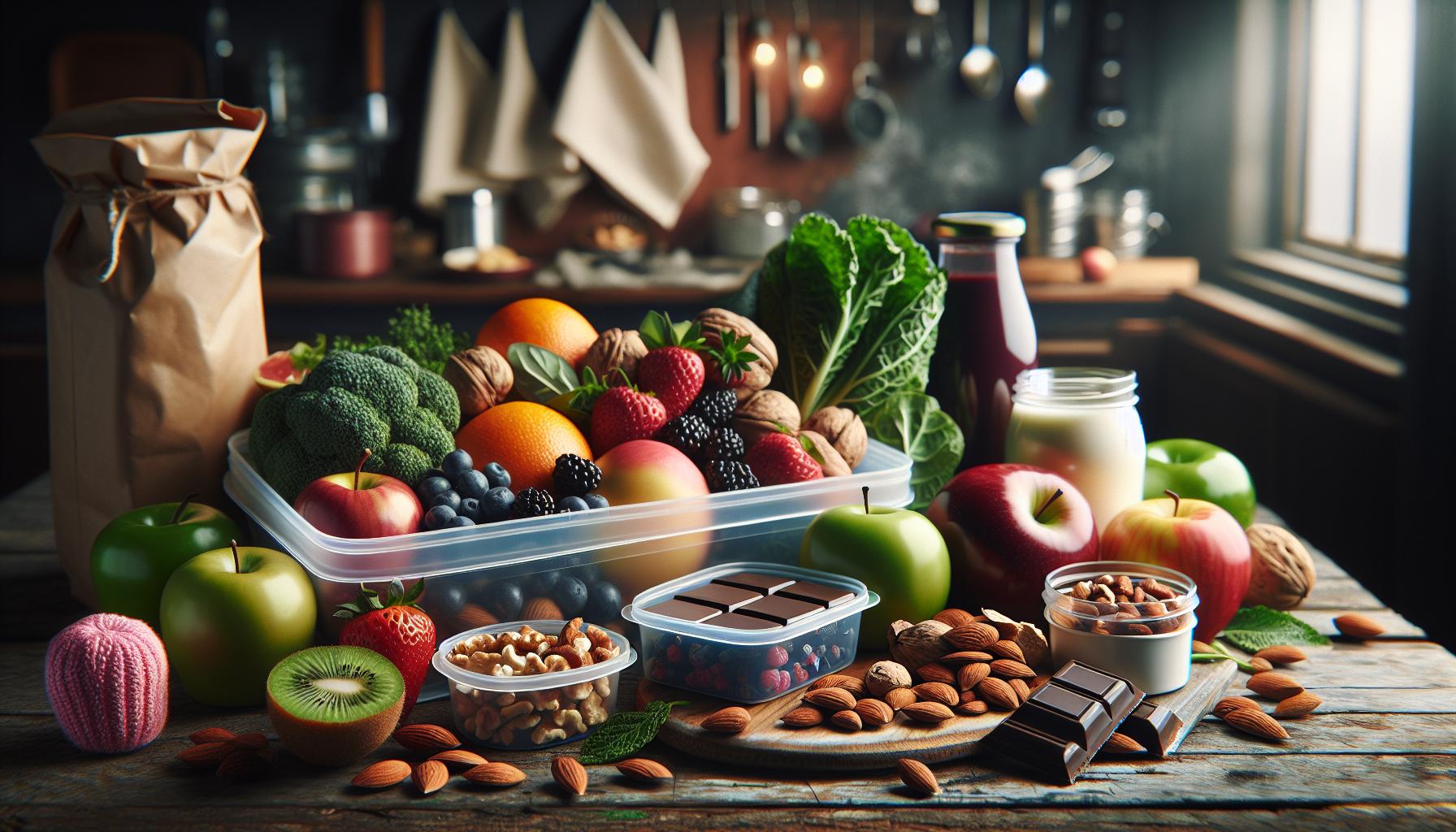
Dining Out: Making Healthy Choices
When dining out while traveling, making healthier choices can enrich your experience and help maintain your wellness goals. The myriad of culinary delights available in different regions can be tempting, but with a few strategies, you can enjoy local cuisine while still favoring your health. One effective approach is to research restaurant menus ahead of time. Many establishments provide their menus online, allowing you to identify healthier options before setting foot inside. Look for dishes that emphasize vegetables, lean proteins, and whole grains, as these typically offer better nutritional profiles.
When the moment of decision arrives, consider adopting the practice of portion control. Many restaurants serve larger portions than necessary, so sharing dishes or opting for appetizers can be a great way to manage intake while still experiencing a variety of flavors. If you’re craving something indulgent, such as a rich entree or dessert, consider ordering them to share. This not only allows you to enjoy the taste but also minimizes the impact on your daily calorie intake.
Additionally, don’t shy away from asking your server about ingredient preparations or substitutions. Many establishments are willing to accommodate requests, such as steaming vegetables instead of frying or opting for a salad instead of fries. Such modifications can significantly reduce calories and enhance the dish’s health benefits without compromising flavor.
Finally, always remember to stay mindful during meals. Savoring each bite can lead to greater satisfaction with smaller servings. This practice not only enhances your dining experience but can also help prevent overeating. By employing these strategies, you can navigate restaurant menus confidently, enjoy local flavors, and maintain a balanced approach to your diet while traveling.
Mindful Eating While Exploring New Destinations
When traveling to new destinations, the culinary landscape can be mesmerizing, featuring a plethora of flavors and dishes that invite exploration. However, as you indulge in these new experiences, practicing mindful eating can enhance both your enjoyment and health. Being present during meals not only maximizes your taste but also helps you make conscious choices that align with your wellness goals.
To cultivate a mindful eating practice, start by slowing down during meals. Aim to engage all your senses-notice the colors, smells, and textures of the food on your plate. By taking smaller bites and thoroughly chewing each morsel, you not only appreciate the flavors more but also give your body time to signal fullness, which can prevent overeating. Setting aside distractions, like phones or television, can further encourage focus on your dining experience.
Additionally, consider recognizing hunger and fullness cues. When you feel hunger, take a moment to assess how hungry you truly are before diving into your meal. This brief pause can help you avoid mindless eating, as can paying attention to your body’s signals while eating. If you start to feel full, don’t hesitate to leave food on your plate; the flavors of local cuisine will still be there for you to savor later.
Seeking opportunities to connect your meals with the surrounding environment can also enhance mindfulness. For instance, opt for restaurants that source local ingredients or dine al fresco to embrace the atmosphere of your destination. By consciously choosing where and how you eat, you further enrich your experience, making snacks and meals a cherished part of your travel memories. This approach fosters a healthier relationship with food, allowing indulgences to be enjoyed without the common guilt associated with travel eating.
How to Stay Hydrated on Vacation
Traveling often immerses you in new experiences and flavors, but it’s easy to overlook the vital need to stay hydrated amidst the excitement. Adequate hydration is crucial not just for your overall health but also for maintaining energy levels and optimal physical performance while exploring new environments. Especially in warmer climates or during physically demanding activities, hydration can make a significant difference in how you feel throughout the day.
To help you stay hydrated on your travels, start by making a habit of carrying a reusable water bottle. This practice not only encourages you to drink more water regularly but also helps you save money and reduce plastic waste. Fill your bottle with fresh water before heading out for the day. If you’re in an area where tap water is safe to drink, refilling throughout the day is an easy way to ensure you’re getting enough fluids. Many airports, cafes, and public spaces now offer water stations specifically designed for this purpose.
Incorporating hydrating foods into your diet is another effective strategy. Fresh fruits and vegetables, such as cucumbers, oranges, watermelon, and strawberries, contain high water content and can contribute to your fluid intake. Consider packing snacks that include these foods or seek them out at local markets or restaurants. Additionally, soups and broths can provide hydration while being a nourishing option on colder days or when you’re feeling under the weather.
Don’t forget to adjust your hydration strategy based on your activities and environment. If you’re engaging in exercise or spending time in the sun, aim to increase your fluid intake accordingly. Pay attention to signs of dehydration, such as dry mouth, fatigue, or dizziness. Being proactive about your hydration can help you enjoy your travel experiences more fully and keep you feeling your best.
Preparation Tips for Healthy Snacks on the Go
Packing healthy snacks before you travel can dramatically improve your eating habits on the go, ensuring you remain energized and satisfied without making poor dietary choices. With a little preparation, you can avoid the often unhealthy options available at gas stations and airports. Opt for nutrient-dense snacks that require minimal effort to prepare and pack. Fresh fruits and vegetables, such as apple slices and carrot sticks, not only provide essential vitamins but also satisfy your cravings for crunch.
To streamline your snack preparation, consider creating a designated snack bag filled with a variety of items. Here are some suggestions to get you started:
- Nuts and seeds: Almonds, walnuts, or pumpkin seeds offer healthy fats and protein, making them perfect for staving off hunger.
- Trail mix: Create your blend with nuts, dried fruits, and a few dark chocolate chips for a sweet treat.
- Nut butter packets: Easy to transport, these can be paired with apple slices or whole-grain rice cakes.
- Popcorn: Popcorn is a whole grain, and when unsalted and unbuttered, it serves as a light, fiber-rich snack.
- Whole grain crackers: These can be a good source of fiber and pair well with cheese or hummus.
Another effective strategy is to prepare homemade snacks in advance. Consider batch-cooking healthy options like energy balls made from oats, nut butter, and honey. These no-bake snacks are compact, easy to eat, and packed with energy-boosting nutrients. Investing a little time before you travel to prepare snacks can save you from making impulsive food choices that might not align with your health goals.
Remember to pack your snacks in portion-controlled servings to help you stay mindful. Use small containers or resealable bags to keep your snacks organized and accessible. By prioritizing preparation, you can enjoy your travels while maintaining a balanced diet, no matter where your journey takes you.
Navigating Grocery Stores While Traveling
When venturing away from home, visiting local grocery stores can be an invaluable experience that not only enhances your travel budget but also supports your commitment to healthy eating. Instead of resorting to fast food or convenience store snacks, grocery shopping allows for a wide selection of fresh ingredients, which can help you maintain a balanced diet. Consider this a chance to explore regional foods and nourishing options that can be easily incorporated into your meals.
Start by making a list of essential items that align with your dietary preferences. This may include fresh produce, lean proteins, whole grains, and healthy fats. Here are some top selections to look for:
- Fruits and Vegetables: Opt for seasonal and local produce, enhancing the freshness and flavor of your meals.
- Grains: Look for options like quinoa, brown rice, or whole grain pasta to provide long-lasting energy.
- Proteins: Choose lean meats, fish, or plant-based proteins such as beans and lentils, which are versatile and nutritious.
- Dairy or Alternatives: Yogurt or plant-based alternatives can serve as great sources of calcium and probiotics.
- Snacks: Search for healthy snack options like nuts, seeds, or air-popped popcorn to keep you satisfied between meals.
As you navigate the store, don’t hesitate to ask locals about their favorite ingredients or traditional dishes. This can offer insight into unique products you might not have considered, supporting both your culinary adventures and healthier choices. If you’re unsure about new foods, consider sampling small portions to find out what you enjoy most.
When you return to your accommodation, put your groceries to good use by preparing simple meals. Cooking your food not only gives you control over ingredients but also can be a fun way to experiment with local flavors. Whether you’re grilling vegetables, sautéing protein, or making hearty salads, you’ll find that you can easily tailor meals to your nutritional goals.
By integrating grocery shopping into your travel itinerary, you’re taking a proactive approach to nutrition that can make your trips more enjoyable and successful, both for your palate and your well-being.
Local Cuisine: Discovering Healthy Dishes
Exploring local cuisine can be one of the most rewarding aspects of any travel experience, particularly when you prioritize healthy eating. Each destination boasts unique dishes that reflect its culture, climate, and agricultural bounty, providing travelers with an opportunity to indulge in flavors while staying aligned with nutritional goals. By approaching local foods with curiosity and an open mind, you can discover a range of healthy dishes that satisfy both your taste buds and wellness objectives.
When seeking out healthy options, consider choosing dishes that feature fresh ingredients, which are typically abundant in local markets. Look for meals centered around lean proteins, such as grilled fish or poultry, which are often staples in coastal regions or areas rich in agriculture. Pair these proteins with a variety of vegetables-roasted, steamed, or even pickled-that showcase local produce. Another smart choice is to seek out traditional preparations that utilize whole grains, such as quinoa or brown rice, commonly found in many international cuisines.
Engaging with Local Food Cultures
Engaging with local food cultures can enhance your experience and provide valuable insights into healthy eating practices. Consider taking a cooking class that focuses on regional dishes or visiting farmers’ markets to learn about seasonal ingredients. This can help you make more informed choices when dining out, as you become familiar with what’s available and in season. Additionally, don’t hesitate to ask locals for their favorite dishes that emphasize healthy ingredients, as personal recommendations can lead to delightful discoveries.
Lastly, balancing indulgence with nutritional awareness is key. It’s entirely possible to enjoy traditional treats while making conscious choices about portion sizes or the frequency of indulgent meals. Embrace the local flavors without compromising your health-after all, wellness also includes savoring the experience of travel. By choosing local, healthy dishes, you’ll nourish not only your body but also your spirit, making your journey memorable in every way.
Balancing Indulgence and Nutrition
Embracing the culinary experiences of your travel destination can often feel at odds with maintaining a healthy diet. However, finding the sweet spot between indulging in local flavors and adhering to nutritional goals is entirely attainable with a little strategy. The key lies in understanding that indulgence doesn’t equate to surrendering your health commitment; rather, it can complement it when approached thoughtfully.
One effective method to balance indulgence and nutrition is to prioritize mindful eating. This involves being aware of your food choices and portion sizes while savoring the experience. Instead of mindlessly consuming an entire dessert, consider sharing it with fellow travelers. This allows you to enjoy the flavor without overindulging. Additionally, when dining out, opt for smaller meals or appetizers. This enables you to taste a greater variety of dishes without committing to large portions.
Another valuable tactic is to look for healthy upgrades to traditional foods. Many cuisines offer lighter versions of classic dishes, such as grilled over fried proteins, or dishes that incorporate more vegetables and whole grains. When ordering, you could choose side salads or vegetable-based dishes that provide nutrients without adding excessive calories. Moreover, ask about preparation methods-steamed or grilled options often present healthier choices compared to fried varieties.
Creating a Balanced Plate
Visualize your plate as a rainbow of nutrients. Aim for a mix of lean proteins, whole grains, and colorful vegetables. For instance, if you’re trying local seafood, pair it with a side of quinoa and a vibrant vegetable medley. This approach not only satisfies cravings but also enhances your nutritional intake, keeping you energized for your travel adventures.
Lastly, don’t forget to allow for flexibility. Enjoying local delicacies is part of the journey; rather than feeling guilty about indulging, embrace it as a special occasion. When you strike a balance between nutritious options and the occasional treat, you’ll enhance both your travel experience and overall wellbeing, ensuring that your vacation is as satisfying for your taste buds as it is for your health.
Meal Planning for Wellness Retreats
Planning your meals for a wellness retreat can significantly enhance your overall experience, allowing you to rejuvenate both your body and mind while exploring new culinary landscapes. Establishing a nutritious meal plan is essential, especially since many retreats focus on holistic well-being through balanced nutrition. By incorporating fresh, whole foods, you’ll not only support your health goals but also enjoy the vibrant flavors of local ingredients.
Begin by researching the local cuisine and available options at your destination. Many wellness retreats offer meals prepared with fresh, seasonal produce but knowing beforehand can help you identify specific dishes that align with your dietary preferences. For instance, if you’re traveling to a coastal retreat, emphasize meals rich in seafood, such as grilled fish or seafood salads, which can provide essential omega-3 fatty acids. Coveted for their high nutrient density, these meals can contribute positively to your overall wellness journey.
When developing your meal plan, focus on including a variety of macronutrients to keep your energy levels stable. Aim for servings that combine high-quality proteins, healthy fats, and plenty of fiber-rich vegetables. Consider packing snacks like nuts, seeds, and dried fruits for a healthful boost between activities. These options are portable and provide nourishment without the heaviness of processed snacks. A sample daily plan could include a breakfast of overnight oats topped with fresh berries, a lunch of quinoa salad with mixed vegetables, and a dinner featuring lean protein accompanied by steamed greens or a colorful stir-fry.
Lastly, harmonize your meal schedule with retreat activities, such as yoga or meditation sessions. Ensure that your meal timing allows you to digest appropriately before participating in physical activities-this will enhance both your comfort and performance. Being mindful of portion sizes and employing techniques such as listening to your body’s hunger cues can also contribute to a more fulfilling culinary experience during your retreat. By thoughtfully planning your meals, you can indulge in delightful flavors while prioritizing your health, ultimately creating a balanced retreat experience that nurtures both wellness and exploration.
Best Apps for Healthy Eating on Vacation
Finding healthy food options while traveling can be a challenge, but the right apps can make this task more manageable and enjoyable. With the proliferation of technology, travelers now have access to a variety of applications designed specifically to help them maintain a nutritious diet even when far from home. These apps not only assist in locating nearby healthy dining options but also offer meal planning tools, track nutritional intake, and provide valuable food-related insights.
One of the standout apps is Start Simple with MyPlate, which guides users in setting healthy eating goals tailored to their preferences. The app includes features for tracking meals and celebrating progress, making it perfect for those who want structure while exploring new foods [[1]]. Another excellent choice is HUM Nutrition, which uses GPS technology to help users discover nearby healthy eateries, such as juice bars and farmer’s markets. This app caters to various dietary needs, ensuring travelers can find vegan or gluten-free options conveniently [[2]].
In addition to dining apps, resources that focus on nutrition education can enhance your travel experience. The FoodKeeper app provides guidance on food safety and storage, helping you understand the best ways to maintain the freshness of your snacks while on the road [[1]]. Furthermore, for international travelers, there are specific apps designed to help you target healthy food choices abroad. These applications offer food guides tailored to various countries, ensuring that you can navigate local cuisines without compromising your health goals [[3]].
Utilizing these innovative tools can significantly enhance your ability to make health-conscious choices while traveling, allowing you to enjoy new culinary experiences without the guilt.
Tips for Maintaining a Workout Routine While Traveling
Keeping up with a workout routine while traveling can be challenging, yet it’s not impossible. In fact, maintaining physical activity is essential for both physical wellness and mental clarity during trips. It’s important to remember that even short workouts can have significant benefits. By being intentional about incorporating exercise into your day, you can enhance your travel experience and maintain a sense of routine.
Make Use of Your Environment
One of the best ways to stay active while traveling is to explore your surroundings on foot. Consider walking or jogging in new locations to take in the scenery while getting your workout in. Many cities offer walking tours that combine sightseeing with exercise. Additionally, utilize local parks or trails for outdoor workouts. If you’re staying in a hotel, many have fitness centers. If not, look for nearby gyms that offer day passes.
Incorporate Bodyweight Exercises
No gym? No problem! Bodyweight exercises are a fantastic way to maintain your fitness level without needing any equipment. Simple movements such as squats, lunges, push-ups, and planks can be done in your hotel room or park. Creating a 20-30 minute workout that combines these exercises can effectively keep your fitness on track. Consider also doing yoga or stretching routines to relieve any stress from travel.
Plan Ahead
To ensure you make time for exercise, plan your workouts just like you would any other activity. If you have a busy schedule with meetings or tours, set aside specific times during the day for your workouts. Early mornings are often a quiet time to exercise, and you’ll also have the rest of the day free to enjoy. Look up local exercise classes, running groups, or community events that promote an active lifestyle while you’re away; they can be a great way to meet locals and travelers alike.
By implementing these strategies, you can successfully sustain your workout routine while also enjoying the exploration and unique experiences that travel offers. The key is to remain flexible and adaptable while prioritizing your well-being.
Q&A
Q: What are some healthy snacks to pack when traveling?
A: Packing healthy snacks like almonds, trail mix, or homemade energy bars can help you maintain your nutritional goals while on vacation. These options are rich in protein and fiber, keeping you satisfied between meals. For more suggestions on snacks, visit the section on Preparation Tips for Healthy Snacks on the Go.
Q: How can I make healthier choices at restaurants while on vacation?
A: To make healthier choices when dining out, opt for grilled instead of fried items, choose whole grain options, and ask for dressings on the side. You can also share dishes or order smaller portions. For additional strategies, check the Dining Out: Making Healthy Choices section.
Q: What are the best ways to stay hydrated on vacation?
A: Staying hydrated is crucial while traveling. Always carry a reusable water bottle and aim to drink water before feeling thirsty. Include hydrating foods like fruits and vegetables in your meals. For more tips on hydration, see the How to Stay Hydrated on Vacation section.
Q: How can I maintain healthy eating habits while indulging on vacation?
A: Balance indulgence by incorporating healthy meals with small treats. Focus on nutrient-dense options and limit indulgent foods to special occasions. This approach allows you to enjoy local cuisine while staying aligned with your health goals. Check out Balancing Indulgence and Nutrition for more insights.
Q: What should I look for when shopping at grocery stores while traveling?
A: When shopping at grocery stores during your travels, seek out whole foods like fresh fruits, vegetables, lean proteins, and low-fat dairy. Avoid processed snacks and sugary beverages. For further guidance, refer to the Navigating Grocery Stores While Traveling section.
Q: How can I eat healthily while exploring new destinations?
A: Mindful eating is vital when exploring new areas. Pay attention to your hunger cues and savor local cuisine. Look for healthy cooking methods like steaming or grilling. Explore more on this topic in the Mindful Eating While Exploring New Destinations section.
Q: What are the top nutrient-dense foods to include when traveling?
A: Include foods like quinoa, lentils, chia seeds, and leafy greens in your travel meals. These ingredients are high in nutrients and can be easily incorporated into many dishes. For an in-depth list, review the Top Nutrient-Dense Foods to Pack section.
Q: How can apps help me eat healthily while traveling?
A: Various apps can assist you in making healthy food choices on the go by locating nearby healthy restaurants, tracking your nutritional intake, and even offering meal prep ideas. Explore the Best Apps for Healthy Eating on Vacation section for recommendations.
To Conclude
Eating healthy while on vacation doesn’t have to be a challenge. By planning ahead and incorporating fresh, local ingredients into your meals, you can enjoy delicious dishes that fuel your adventures. Remember, exploring nearby markets and restaurants that prioritize health can transform your travel experience and keep you feeling energized. Don’t wait-start implementing these strategies on your next trip and feel the difference!
For more insights on maintaining wellness while traveling, check out our guides on healthy travel tips and nutritional meal planning for trips. While you’re here, consider signing up for our newsletter to receive the latest updates on wellness retreats and travel resources straight to your inbox. Your journey to healthier travel starts now-explore our content and empower yourself with knowledge for your next vacation!
Get our latest guides, news, and insights highlighted in your Google Search & AI Overviews.