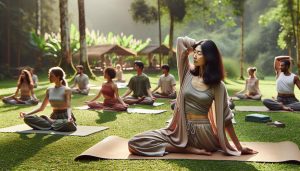
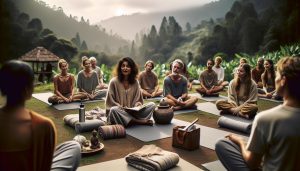
After a transformative three-week yoga retreat, many participants find themselves grappling with how to sustain the rejuvenation and insights gained during their experience. The post-retreat period can be a vulnerable time as the magic of daily practice fades into the hustle of everyday life. Understanding how to keep the energy, mindfulness, and community alive is crucial for maintaining the benefits achieved in those serene surroundings. This guide explores practical steps and strategies to integrate yoga practices into daily routines, fostering a lasting connection to the bliss experienced during your retreat. By prioritizing this transition, you not only honor the journey you’ve embarked on but also cultivate a sustainable path toward wellness and peace in your everyday life. Continue reading to discover ways to embrace your post-retreat journey and keep the magic alive!
Finding Your Everyday Practice: Beyond the Retreat
Finding a consistent daily practice after a transformative yoga retreat can be challenging but rewarding. Embracing the routines you’ve developed during your retreat is essential for maintaining that sense of peace and connection to yourself. Consider starting each day with a short, refreshing routine that includes gentle stretches or a few favorite poses. This not only helps you stay connected to the mindfulness you’ve cultivated but also sets a positive tone for the rest of your day.
Incorporating mindfulness into your daily life can be seamlessly integrated through small, intentional practices. Begin by integrating mindful moments into everyday tasks. For example, while sipping your morning tea or coffee, focus solely on the taste and aroma, rather than multitasking. Engaging fully with the present moment strengthens your awareness and enhances the calming effects of mindfulness. Additionally, consider practicing mindful walking-take a few minutes to consciously walk without distractions, paying attention to each step and your breath.
To sustain your yoga journey, establishing a personalized practice schedule can help ensure consistency. Whether it’s committing to a certain number of classes each week or setting aside time each day for a 15-minute home practice, consistency will keep the benefits of your retreat alive. You might also explore online classes or yoga apps that offer varied styles to keep your practice dynamic and engaging.
Lastly, create opportunities for community support, which can include joining local yoga groups or online forums. Sharing your experiences and challenges with others not only reinforces your commitment but also helps to enrich your practice with diverse perspectives. The connection and shared goals can be a source of inspiration and motivation to keep you moving forward on your wellness journey.
Incorporating Mindfulness into Daily Life

In today’s fast-paced world, finding moments of peace and presence can be a challenge, yet integrating mindfulness into daily life is critical for sustaining the tranquility and insights gained during a yoga retreat. One effective method to begin incorporating mindfulness into your routine is through everyday activities that often become mindless habits. Consider the simple act of eating; take time to engage fully with your meals, savoring each bite, and paying attention to flavors, textures, and aromas. This practice not only enhances enjoyment but also fosters a deeper connection to your body’s needs.
Another powerful opportunity lies in mindful commuting. Whether you’re driving, cycling, or using public transport, use this time to engage your senses and practice awareness. Notice the colors around you, the rhythm of your breath, and even the sounds of your environment. This form of mindfulness transforms what may feel like a mundane part of the day into a nourishing practice.
For those moments when you’re at home, establishing a routine can enhance mindfulness even further. Set aside a few minutes each morning for a mindfulness meditation practice; simply sitting in silence, focusing on your breath, or utilizing guided sessions can ground you and prepare you for the day ahead. As suggested in the Harvard Health article, just 15 minutes a day can significantly impact your overall mindfulness level[1[1].
Incorporating these habits consistently may seem daunting at first, but remember the mantra: small steps lead to significant changes. Think of integrating mindfulness as an evolving process rather than a checklist. Creating intentional spaces for reflection or mindful moments throughout the day will help maintain the uplifted energy from your retreat and keep you aligned with your wellness goals. Explore local mindfulness groups or online courses to continue your education and connect with like-minded individuals who can offer support and inspiration on your journey[2[2][3[3].
Creating a Personalized Yoga Schedule

Creating a regular yoga practice after your retreat is a crucial step toward maintaining the sense of peace and transformation you experienced. However, it can feel overwhelming to recreate the immersive experience of a three-week retreat in the busy pace of everyday life. The key to sustaining this newfound inner peace lies in tailoring a personalized yoga schedule that suits your lifestyle, preferences, and goals.
To start, assess how much time you can realistically dedicate to your yoga practice each week. While some may aim for daily sessions, others might prefer shorter, more frequent practices. Consider including a variety of styles and durations in your schedule. For example, you could designate certain days for longer sessions, such as Hatha or Vinyasa yoga, while reserving shorter ones for restorative or gentle yoga practices. Incorporating different styles not only keeps your practice fresh and engaging but also addresses various physical and emotional needs.
Next, reflect on what time of day aligns best with your energy levels. Are you an early riser who thrives in the morning, or do you find your flow later in the day? Establishing specific time slots for your practice can help cultivate consistency. You might create a weekly overview that looks something like this:
| Day | Morning Session | Evening Session |
|---|---|---|
| Monday | Hatha Yoga (30 mins) | Meditation (15 mins) |
| Tuesday | Vinyasa Flow (45 mins) | Gentle Yoga (30 mins) |
| Wednesday | Restorative Yoga (30 mins) | Journaling (15 mins) |
| Thursday | Power Yoga (30 mins) | Meditation (15 mins) |
| Friday | Hatha Yoga (30 mins) | Free Flow (30 mins) |
| Saturday | Outdoor Yoga (30 mins) | Rest Day |
| Sunday | Family Yoga (30 mins) | Reflection and Planning (15 mins) |
Incorporating fun, goal-oriented themes can also make your practice more enjoyable. For instance, you might focus on flexibility one week, strength the next, or even mindfulness techniques interwoven throughout your sessions. Engaging with online platforms or local studios can provide access to new classes and instructors who offer fresh insights and techniques, enhancing your ongoing journey.
Lastly, don’t forget to revisit your intentions from the retreat. Allow these goals to inspire and drive your practice. As you evolve, your personalized schedule can be adjusted to better fit your changing needs and insights gained through practice. With commitment and creativity, you can keep the magic of your yoga retreat alive, enriching your daily life with mindfulness and well-being.
Tools and Resources for Sustaining Your Journey
Maintaining the transformative experience of a yoga retreat long after you’ve returned home requires commitment and the right tools. By integrating effective resources into your daily routine, you can ensure that the practices and insights gained during your retreat remain a vibrant part of your life. One of the most valuable tools is a digital or physical planner, where you can schedule your practice, track your progress, and reflect on your journey.
Another essential resource is online platforms that provide access to a range of classes and workshops. Websites and apps dedicated to yoga and wellness offer various styles and levels, allowing you to experiment and find what resonates with you. Consider platforms like YogaGlo or Glo, which provide subscription-based access to numerous classes led by experienced instructors. Additionally, YouTube is a treasure trove of free content where you can find specific sequences tailored to your needs, whether you’re focusing on flexibility, strength, or relaxation.
Building a Personalized Library
Creating a personalized library of books or online courses related to yoga and mindfulness can deepen your understanding and inspire your practice. Look for titles that explore various styles, philosophies, or meditation techniques. Books such as “The Heart of Yoga” by T.K.V. Desikachar can offer insights into patience and absorption in your practice. Websites like Udemy or Coursera also provide courses that can enhance your knowledge in these areas.
Connecting with Community
Sustaining your journey is also about connection. Seek out local yoga studios or community centers that offer classes, workshops, or events. Joining a yoga group can provide camaraderie and accountability, helping to keep you motivated. Many communities also embrace online forums or social media groups where enthusiasts share experiences, advice, and support. Engaging regularly with these communities can create a network of support that reinforces your commitment to your practice.
By incorporating these tools and resources into your daily life, you’ll not only sustain the magic of your retreat but also cultivate a deeper, more meaningful practice that enriches your everyday existence.
Building a Supportive Community Post-Retreat
The feeling of unity and support often experienced in a yoga retreat can seem elusive once you return to the busyness of everyday life. However, actively fostering a supportive community is crucial for maintaining the growth and connection you cultivated during your retreat. Building a network with fellow yogis can provide accountability, encouragement, and a shared space to explore your practices further, ensuring that the transformative experience continues long after the retreat has ended.
Start by seeking out local studios or wellness centers that align with the values you embraced during your retreat. Many yoga studios offer ongoing classes, workshops, and events that encourage community participation. Consider joining a recurring class where you can meet like-minded individuals who are also on their wellness journeys. This consistent interaction not only strengthens your commitment but also fosters relationships that can support you in staying motivated and inspired. If geographical limitations exist, online platforms can also serve as viable alternatives. Virtual classes, forums, or webinars enable you to connect with practitioners globally, creating a diverse and enriching community experience.
To deepen these connections, consider organizing or participating in group activities such as yoga circles or themed workshops. These gatherings can encourage exchanges of ideas, techniques, and personal experiences, creating a richer understanding of the practice. Engage in discussions around specific topics such as meditation techniques, wellness tips, or nutrition, which can help solidify your learning and application of practices. Facilitating community events, either virtually or in person, can reinforce bonds and create an environment of mutual support.
Strong community ties can also emerge from online spaces, such as social media groups or dedicated forums. These platforms can serve as safe spaces where you share insights, challenges, and achievements, enriching both your practice and others. Regularly contributing to these discussions helps maintain connections, and you might find that others provide inspiration or guidance based on their own journeys.
Ultimately, actively engaging with a supportive community, whether physically or virtually, is essential for prolonging the magic of your retreat. This connection provides a space to not only share and celebrate successes but also support one another through challenges, reinforcing your commitment to personal growth and wellness.
Exploring New Yoga Styles and Techniques
Exploring diverse yoga styles and techniques is a wonderful way to keep the magic of your recent retreat alive and deepen your practice. By broadening your horizons, you not only enhance your skills but also discover new aspects of yoga that resonate with your body and mind. Whether you are drawn to the physical challenges of Ashtanga, the mindfulness of Yin, or the playful spirit of Kundalini, each style offers something unique that can enrich your journey.
One effective approach to exploring new styles is to set aside time each week to try different classes, either in local studios or through online platforms. Many virtual yoga platforms offer a range of classes across various styles, so you can sample different techniques from the comfort of your home. This flexibility allows you to experiment and find what truly speaks to you. Consider these styles:
- Vinyasa Flow: Known for its dynamic sequences, Vinyasa flows synchronize breath with movement, creating a dance-like experience that can be both invigorating and meditative.
- Restorative Yoga: Focused on relaxation, restorative yoga uses props to support the body in restful poses, promoting deep relaxation and stress relief-ideal for unwinding after a busy week.
- Power Yoga: A vigorous style that emphasizes strength and flexibility, Power Yoga can be a great way to build core strength and stamina while still maintaining an element of mindfulness.
- Yin Yoga: This slower-paced practice involves holding poses for longer periods, targeting deep connective tissues and enhancing flexibility; it’s perfect for reflection and introspection.
Engaging with various styles not only keeps your practice fresh but also presents an opportunity to connect with different instructors and communities. Each teacher brings their own philosophy and energy, thus enriching your understanding of yoga. As you explore, pay attention to how different techniques affect your body and mental state. Keeping a journal can be invaluable for reflecting on how each practice influences your overall well-being, helping you to identify which styles truly resonate with you.
To further enhance your exploration, consider attending workshops or yoga festivals where you can immerse yourself in a variety of practices and connect with instructors and fellow enthusiasts. These experiences can serve as a bridge between your retreat experience and your daily practice, helping you to cultivate a deeper understanding of yoga’s many dimensions while fostering a sense of community.
Incorporating new styles into your regular routine cultivates not only physical flexibility but also mental adaptability. As you discover what works best for you, embrace the journey without pressure-allow your practice to evolve naturally, reinforcing the magic you felt during your retreat as you continue to grow on and off the mat.
Enhancing Your Home Yoga Space
Creating a dedicated space in your home for yoga can significantly enhance your practice, making it easier to incorporate mindfulness and movement into your daily routine. An inviting yoga space not only encourages you to practice regularly but also helps cultivate a mindset conducive to tranquility and focus. Start by selecting a quiet area that feels peaceful and uplifting, ideally with natural light and ventilation.
To design your home yoga sanctuary, consider the following elements:
- Flooring: Use a soft yet firm surface such as yoga mats or carpets to provide comfort while maintaining stability. Ensure that the space remains free from clutter to promote focus.
- Lighting: Opt for adjustable lighting that allows you to create a calming atmosphere. Soft, warm lights can evoke a relaxing environment, while brighter lighting can be useful during more energetic practices.
- Sound: Background sounds can enhance your experience. Use calming music, nature sounds, or even a gentle essential oil diffuser to create an invigorating atmosphere. You may also wish to invest in a good speaker system to facilitate guided sessions or calming audio during your practice.
- Decor: Personalize your space with items that inspire you, such as plants, tapestries, or artwork. Consider adding calming elements like candles or crystals to promote peace and mindfulness.
- Tools: Keep essential tools organized and within reach. Your yoga mat, blocks, straps, and blankets should be easily accessible to encourage spontaneous practice. A designated basket or shelf can help keep your equipment tidy and inviting.
As you arrange your space, reflect on what inspires you and helps you feel connected to your practice. Each time you step onto your mat, let this space be a reminder of the dedication and mindfulness you cultivated during your retreat. By consistently returning to this oasis, you’ll find it easier to integrate yoga into your everyday life, preserving the sense of magic and transformation experienced during your retreat.
Remember, the goal is to create a nurturing environment that resonates with you personally, supporting your journey of self-discovery and wellness. Over time, adjusting and evolving your space will help sustain your motivation and deepen your relationship with yoga, ultimately keeping the spirit of your retreat alive long after it has ended.
Integrating Meditation into Your Routine
Integrating meditation into your daily routine can transform not just your practice but also your overall approach to life. By committing to even a few minutes a day, you can cultivate a sense of calm, clarity, and presence that enhances your yoga practice and daily activities. Many people find that a consistent meditation practice helps them navigate the challenges of everyday life with more resilience and awareness.
Start by carving out a specific time each day for your meditation practice. It could be first thing in the morning, during lunch, or before bed-find a time that feels comfortable and achievable. To begin, choose a quiet spot where you can sit or lie down comfortably. Create an inviting atmosphere by incorporating calming elements like incense, soft lighting, or soothing music, which can help signal to your mind that it’s time to focus inward.
To ease into your practice, consider simple techniques such as focusing on your breath or using guided meditations. Apps like Headspace or Insight Timer offer a range of options from brief five-minute sessions to longer meditations that guide you in enriching your mindfulness practice. Additionally, embodying mindfulness throughout your day-being present while eating, walking, or in conversation-can help reinforce the meditative mindset.
As your practice deepens, you might explore different forms of meditation that resonate with you. Techniques such as loving-kindness meditation or body scans can provide varied experiences that keep your practice engaging and fulfilling. For example, incorporating a body scan can enhance the connection between your mind and body, improving your awareness during yoga sessions and beyond. By weaving meditation into the fabric of your daily routine, you’re not just preserving the magic of your retreat; you’re building a sustainable practice that enriches your entire life.
Nutrition Tips for Lasting Energy and Well-being
To maintain the energy and well-being you’ve cultivated during your yoga retreat, adopting mindful eating practices is essential. Many people leave retreats feeling lighter and more in tune with their bodies, but sustaining that feeling requires intentional choices regarding your nutrition. By focusing on nourishing your body with energizing foods and adopting a non-judgmental approach to your eating habits, you can preserve the magic of your retreat journey.
Begin by prioritizing whole, unprocessed foods that are rich in nutrients. Incorporating a variety of fruits, vegetables, whole grains, lean proteins, and healthy fats into your meals not only supports physical energy but also mental clarity. For instance, foods like leafy greens, berries, nuts, and seeds provide essential vitamins and minerals that bolster overall health. Aim to fill half your plate with colorful vegetables at each meal to ensure you are getting a wide range of nutrients.
Practice Mindful Eating
Mindful eating is a powerful tool that can profoundly enhance your dining experience and overall well-being. It encourages you to slow down and fully appreciate each bite while paying attention to your body’s hunger and fullness cues. A few practical strategies include:
- Eat without distractions: Set aside your phone, television, or other distractions during meals, allowing you to focus entirely on your food.
- Chew thoroughly: Take your time to chew each bite, allowing the flavors and textures to awaken your senses, which enhances digestion.
- Listen to your body: Tune into how your body feels as you eat. Stop when you feel satisfied rather than overly full, creating a balance that promotes lasting energy.
Hydration and Healthy Snacking
Staying hydrated is another critical component of maintaining energy levels. Drinking enough water throughout the day prevents fatigue and can improve cognitive function. Aim for at least 8 cups (64 ounces) of water daily, and consider carrying a reusable water bottle as a reminder to hydrate frequently.
Additionally, healthy snacks can provide that necessary boost between meals. Opt for snacks that combine protein and healthy fats, such as apple slices with almond butter or Greek yogurt with berries. These snacks can stabilize blood sugar levels and sustain energy throughout your day.
By integrating these nutritional practices into your daily life, you can successfully carry the vibrance and clarity you achieved during your retreat into your everyday existence, thereby enhancing both your physical health and emotional well-being.
Tips for Staying Motivated and Inspired
Maintaining the inspiration and tranquility cultivated during a yoga retreat can often feel like a daunting task once you’re back in the hustle and bustle of daily life. Still, it’s not only possible but also essential for keeping that transformative energy alive. One effective approach is to establish a structured routine that integrates the habits and practices learned during your retreat. Create a daily schedule that includes dedicated time for yoga, meditation, and mindful eating to help reinforce the habits that contributed to your well-being during your retreat.
To enhance motivation, consider setting specific, achievable goals that resonate with your values. For instance, aim to practice yoga three times a week or incorporate a five-minute meditation session into your morning routine. Write these goals down and place them somewhere visible as a constant reminder of your commitment to maintaining your wellness journey. Additionally, keep a journal to reflect on your experiences and progress; jotting down your thoughts can provide insight into your journey and foster a deeper connection with your goals.
To create a supportive environment, reach out to fellow retreat participants or local yoga enthusiasts to form a community. Engaging with others who share similar interests can provide accountability, inspiration, and motivation. Organize regular meet-ups or virtual sessions to practice yoga together, share your experiences, and encourage one another to stay committed. This built-in support system can make a significant difference in helping you stay inspired and connected.
Lastly, continually explore new techniques and yoga styles to keep your practice fresh. Trying out different classes, whether online or in-person, can reignite your passion for yoga and deepen your understanding of its various aspects. Experimenting with practices like restorative yoga, aerial yoga, or even Pilates can enhance your routine and keep you engaged. By diversifying your approach and seeking out new challenges, you will not only keep the magic of your retreat alive but also nurture your growth and evolution on your wellness journey.
Setting Long-term Wellness Goals After the Retreat
Setting clear and actionable long-term wellness goals after a yoga retreat can significantly enhance your journey towards a balanced and fulfilling life. These goals serve not only as benchmarks for self-improvement but also as motivational tools that help maintain the peace and clarity you gained during your retreat. By outlining specific areas of focus, you can cultivate a practice that feels meaningful and aligned with your wellness aspirations.
To begin, assess the insights and practices that resonated most with you throughout the retreat. Consider establishing goals across various aspects of your wellness journey, such as:
- Yoga Practice: Set a goal of practicing yoga at least three times a week, perhaps by incorporating different styles such as Hatha, Vinyasa, or Restorative. You might also designate one day a week for exploring new techniques or visiting local classes.
- Meditation: Aim to meditate daily, even if for just five to ten minutes. Use apps or guided sessions to explore different forms of meditation, such as mindfulness or loving-kindness, enhancing your ability to stay present.
- Nutrition: Commit to mindful eating practices by planning weekly meals that incorporate whole, nourishing foods. Setting a goal to try one new healthy recipe each week can make this exciting and sustainable.
- Mindfulness Off the Mat: Integrate mindfulness practices into your daily routine-perhaps dedicating a few moments each day to focus on your breath during moments of stress.
Documenting your goals in a journal or planner can help you stay accountable and celebrate your progress. Consider breaking larger goals into smaller, manageable milestones, such as tracking your yoga frequency or meditation duration weekly. This will create a sense of achievement and encourage you to reflect on how these practices enrich your life.
To keep the momentum going, sharing your objectives with friends or fellow retreat-goers can deepen your commitment. Establish a support group to meet regularly, either virtually or in person. Such community interactions foster a sense of connection, making it easier to motivate one another and exchange ideas or challenges that arise during your journey.
By thoughtfully crafting your long-term wellness goals and cultivating a supportive network, you can maintain the transformative energy gained from your retreat and continue to thrive in your holistic practices moving forward.
Frequently Asked Questions
Q: What are some effective ways to maintain mindfulness after a yoga retreat?
A: To maintain mindfulness post-retreat, incorporate short daily meditation sessions, practice gratitude journaling, and use mindfulness apps. Engaging in mindful breathing exercises throughout the day can also reinforce your mindful state and help you stay connected to your retreat experience.
Q: How can I keep my yoga practice fresh after a retreat?
A: To keep your yoga practice fresh, explore different styles, attend local classes, or join online workshops. Setting specific goals for your practice and varying your routine can prevent stagnation and reinvigorate your enthusiasm.
Q: What strategies can I use to build a supportive community after a yoga retreat?
A: To create a supportive community, join local yoga studios or community classes, engage on social media platforms, or establish a regular meetup group with retreat companions. Building these connections can provide motivation and accountability in your wellness journey.
Q: How do I integrate the lessons learned from my yoga retreat into daily life?
A: Integrate lessons by setting up reminders of your retreat experiences, such as daily affirmations or motivational quotes. Incorporate practices like mindful eating or scheduled yoga sessions into your daily routine to reinforce what you learned.
Q: What are some simple tools to sustain my yoga practice at home?
A: Essential tools include a quality yoga mat, props like blocks and straps, and access to online classes or tutorials. Setting up a dedicated space at home can also enhance your practice environment and maintain focus.
Q: Why is it important to set long-term wellness goals after a yoga retreat?
A: Setting long-term wellness goals helps maintain motivation and direction after a retreat. Clear goals provide structure, facilitate progress tracking, and ultimately lead to sustained health improvements and personal growth in your yoga practice.
Q: How can I stay inspired in my yoga journey post-retreat?
A: To stay inspired, follow yoga influencers on social media, read relatable books, and keep practicing new techniques. Regularly revisiting your retreat experiences can also rekindle passion and drive your progress.
Q: When should I reassess my personal yoga practice after a retreat?
A: It’s advisable to reassess your personal yoga practice a few weeks after returning from the retreat. Evaluate your progress and experiences, adjusting your routine and goals as needed to ensure continued growth and satisfaction in your practice.
Closing Remarks
As you transition from your three-week yoga retreat back into daily life, remember that this journey doesn’t end here. Integrate the practices you’ve learned into your everyday routines to maintain the magic and mindfulness you experienced. Explore more resources, such as insights on sustaining your retreat journey in our article on keeping that transformative energy alive, and delve into our yoga retreat guide to plan your next escape.
Don’t hesitate to share your experiences in the comments below or subscribe to our newsletter for continued inspiration and tips on wellness and travel. Your path to balance and rejuvenation is just beginning-let’s keep the momentum going! By incorporating these practices, you will cultivate lasting change and wellness. Explore our numerous articles on online wellness resources and travel preparation to further enrich your journey.
Get our latest guides, news, and insights highlighted in your Google Search & AI Overviews.