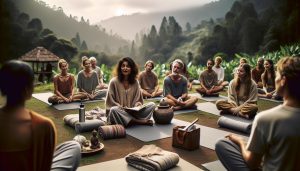
Yoga retreats offer a unique opportunity to rejuvenate the mind, body, and spirit, but planning your days can be daunting. A thoughtfully crafted time schedule template can transform this process, ensuring you make the most of each moment while balancing relaxation and activity. With a clear schedule, you can immerse yourself in transformative practices, connect deeper with instructors and fellow participants, and truly embrace the wellness journey. Whether you’re seeking a peaceful morning meditation, invigorating yoga sessions, or moments of reflection, a structured time plan allows for a harmonious blend of activities. As you read this guide, prepare to discover not only the essentials of scheduling a perfect yoga retreat day, but also insights that will help you maintain this sense of balance in your daily life. Let’s explore how to create a fulfilling experience that nurtures your well-being and serenity.
Choosing the Right Yoga Retreat for Your Needs

Choosing the right yoga retreat can be a transformative experience, but with so many options available, it can also feel overwhelming. A well-chosen retreat not only enhances your personal practice but also aligns with your intentions for rejuvenation, healing, or exploration. Consider what you most hope to gain from the retreat-whether it’s deepening your yoga skills, experiencing a new culture, or simply finding a sanctuary from everyday stresses.
When selecting a retreat, evaluate your needs and preferences carefully. Look for retreats that cater to your experience level, whether you’re a beginner or a seasoned yogi. Factors such as the type of yoga offered (Hatha, Vinyasa, restorative), the instructor’s qualifications, and the retreat’s atmosphere all play crucial roles. Additionally, assess the location: a serene beachside villa, a mountain sanctuary, or an urban wellness center may all offer unique benefits but appeal to different personal styles.
Another important element is the retreat duration and schedule. Some retreats last a weekend, while others may span several weeks, each with varying daily structures. Review the daily itinerary to ensure it includes a balanced mix of yoga sessions, relaxation time, and opportunities for exploration. Finally, don’t overlook the importance of community; engaging with like-minded individuals can significantly enhance your experience. By taking the time to align your goals with the retreat offerings, you can embark on a journey that is both fulfilling and refreshing.
Essential Components of a Yoga Retreat Schedule

A well-structured schedule can make your yoga retreat a truly enriching experience, allowing you to fully immerse yourself in the practice while reaping the benefits of mindfulness and self-care. Each component of your retreat schedule serves a specific purpose and contributes to your overall sense of well-being. Here are the essential components that can help you create a harmonious retreat day.
Key Elements of a Yoga Retreat Schedule
- Morning Rituals: Starting your day with intention sets a positive tone. Incorporating elements like gentle stretching, breathwork, or journaling can prepare your mind and body for the day ahead.
- Yoga Sessions: Dedicating time to practice different styles of yoga enhances your physical and mental health. Whether it’s a vigorous Vinyasa class or a calming Hatha session, ensure there’s a blend that suits all levels.
- Mindfulness Practices: Integrating meditation or mindfulness sessions can deepen your connection to yourself. Consider having guided meditations or silent reflection time to allow for inner peace.
- Nourishing Meals: Plan for healthy and delicious meals that align with dietary preferences and restrictions. Sharing meals together fosters community and vitality.
- Workshops and Learning Sessions: Include educational opportunities where participants can explore topics related to yoga, wellness, or personal development, enabling deeper insight and engagement.
- Relaxation and Free Time: It’s essential to have periods of downtime. Encourage participants to read, explore nature, or simply relax, providing space for personal reflection and rejuvenation.
- Evening Reflections: Ending the day with a session for sharing experiences or insights can enhance group cohesion and internal processing. This could be in the form of journaling, sharing circles, or even creative expressions like art.
By weaving these components together, you create a balanced daily rhythm that fosters personal growth, connection, and wellness. Each aspect contributes uniquely to a fulfilling retreat experience, ensuring that participants return home not only with new skills but also with lasting memories and a deeper sense of self.
Morning Rituals: Starting Your Day with Intention
Waking up in a serene environment, surrounded by nature, offers a wonderful opportunity to start your day with mindfulness and intention. Morning rituals at a yoga retreat set the tone for the day ahead, helping participants cultivate a sense of peace and purpose. These rituals can be simple yet powerful, engaging both the mind and body to prepare for the experiences that lie ahead.
Incorporating gentle activities into your morning routine can dramatically enhance your state of mind. Consider starting with breathwork, which can ground you and establish a calm focus. A few minutes of deep breathing can help clear your mind and create a feeling of presence. Following breathwork, engage in gentle stretching or yoga practices such as Sun Salutations to awaken your body. These movements can alleviate stiffness and encourage energy flow, allowing participants to feel more connected with their physical selves.
Additionally, dedicating time to journaling can be a reflective practice that helps articulate intentions and goals for the day. Writing down your thoughts can foster self-awareness and clarity, enhancing the personal aspect of the retreat experience. Encourage participants to set a specific goal or intention for their yoga practice or other activities, which can serve as a guiding light throughout the day.
As you plan these morning rituals, consider creating a tranquil atmosphere: soft music, candles, or nature sounds can enhance the experience. Engaging in these mindful activities collectively can also build a sense of community among retreat participants, encouraging conversations about personal growth and shared experiences. By prioritizing intention in the morning, attendees set the stage for a fulfilling and enriching day of yoga and self-discovery.
Mindful Practices: Integrating Meditation Sessions
Integrating meditation sessions into a yoga retreat can profoundly enhance the overall experience, creating an opportunity for participants to connect deeply with their inner selves. Meditation serves as a vital component of wellness travel, providing the clarity and mental stillness necessary to reflect and rejuvenate. The blend of yoga and meditation helps attendees cultivate a balanced mind and body, making each retreat day more enriching and transformative.
To make the most of meditation sessions, consider varying the styles and durations to cater to different levels of experience and preference. For instance, beginners might benefit from guided meditations that offer clear directions and support, while seasoned practitioners could explore mantra chanting or silent meditation to deepen their practice. A recommended schedule could include a short 10-15 minute meditation in the morning to set intentions, followed by longer sessions in the afternoons or evenings, lasting up to 30 minutes. This structure allows participants to integrate the insights gained during these moments of stillness throughout their day.
Creating a serene atmosphere can significantly enhance the meditation experience. Use calming elements like incense, soft lighting, and gentle background music or nature sounds to create a peaceful environment. Additionally, encourage participants to find comfortable seating arrangements, whether on cushions, mats, or chairs, to facilitate relaxation and focus. Incorporating mindful breathing exercises at the start can also help individuals transition from their busy minds to a more centered state.
To further enrich the retreat experience, consider adding workshops focused on meditation practices. These could include topics such as mindfulness techniques, the benefits of breathwork, or the art of visualization. By offering insights and tools during these sessions, participants can foster new skills that they can carry home. This approach not only promotes active engagement during the retreat but also empowers attendees to maintain a regular meditation practice post-retreat, bridging the gap between their retreat experience and daily life.
Physical Activities: Balancing Yoga and Fitness
Engaging in physical activities during a yoga retreat enhances the holistic experience and promotes a sense of well-being that extends far beyond the mat. By balancing yoga practice with various fitness activities, participants can cultivate strength, flexibility, and endurance while also nurturing their mental and emotional health. Incorporating a diverse array of physical pursuits not only helps attendees to challenge themselves but also keeps the retreat dynamic and enjoyable.
To achieve this balance, consider integrating activities such as hiking, swimming, or even dance classes into the retreat schedule. These complementary activities can serve to invigorate the body and provide a refreshing change of pace from traditional yoga sessions. For instance, a morning yoga class could be followed by an invigorating nature hike that encourages participants to connect with their environment. This not only aids in physical fitness but also allows for deep, mindful engagement with nature, enhancing the overall experience of the retreat.
Additionally, it’s beneficial to vary the intensity of physical activities throughout the schedule. Some days can feature high-energy sessions like group fitness classes or circuit training, while others might focus on restorative activities such as gentle yoga or Tai Chi. By alternating between vigorous and soothing workouts, participants can naturally tune into their bodies’ needs and recover more effectively. This approach fosters a deeper connection to personal wellness and encourages individuals to explore the limits of their physical capabilities.
Creating a well-rounded schedule with various physical activities helps ensure that all participants, regardless of fitness levels, can find enjoyment and challenge in the offerings. To facilitate this, retreat organizers might provide options for different skill levels, ensuring that beginners feel welcomed and supported while also offering advanced practitioners the chance to deepen their practice. For example, incorporating fitness workshops that focus on strength or flexibility training can serve to educate and empower attendees with new techniques they can take home. This thoughtful balance of physical activities enriches the retreat experience, allowing for a comprehensive journey towards well-being that resonates long after the final session concludes.
Nutritious Meals: Planning Healthy Group Dining
Nutritious meals are a cornerstone of any successful yoga retreat, as the right diet not only nourishes the body but also supports mental clarity and emotional stability. A well-planned dining experience enhances the overall retreat atmosphere, creating an environment where participants can thrive. The focus should be on providing balanced, wholesome meals that accommodate diverse dietary preferences and restrictions while also being flavorful and satisfying.
Planning Balanced Menus
To ensure that every meal is nutritious, consider a menu that includes a variety of ingredients. Emphasize the incorporation of fresh fruits and vegetables, whole grains, lean proteins, and healthy fats. Here’s a simple approach to crafting your menu:
- Breakfast: Start the day with options like oatmeal topped with seasonal fruits, smoothies packed with greens and protein, or whole-grain toast with avocado.
- Lunch: Offer hearty salads with leafy greens, quinoa, and grilled vegetables, alongside a choice of lean protein or plant-based alternatives.
- Dinner: Plan dishes that include a balance of complex carbohydrates and protein; for instance, brown rice with stir-fried tofu and steamed broccoli.
- Snacks: Provide healthy snacks such as nuts, yogurt, or hummus with raw vegetables to keep energy levels stable throughout the day.
This approach not only supports physical well-being but also encourages mindfulness around food choices, fostering a deeper connection to the body.
Considering Dietary Restrictions
Accommodating dietary restrictions is vital in creating an inclusive dining experience. To address this, survey retreat participants ahead of time to learn about their dietary needs and preferences, such as vegetarian, vegan, gluten-free, or specific allergies. A menu that reflects this diversity might include:
- Vegan options for plant-based diets
- Gluten-free grains such as quinoa and rice
- Dairy alternatives like almond or coconut milk
This thoughtful planning ensures all participants feel cared for and included, enhancing their overall experience.
Creating a Communal Dining Atmosphere
The dining experience at a retreat should foster connection and community. Arrange seating to encourage interaction among participants, allowing them to share their experiences and bond over meals. Implementing cooking or nutrition workshops can also be a unique way to engage everyone and promote healthy eating habits. For example, a group cooking class that highlights the preparation of vibrant salads or smoothie bowls can be both fun and educational.
Incorporating mindfulness into mealtime can further enrich the experience. Encourage participants to engage in gratitude practices before meals, taking a moment to appreciate the food they are about to enjoy. This not only promotes a sense of presence and enjoyment but also cultivates a deeper appreciation for nourishment.
By thoughtfully planning nutritious meals that cater to all participants, creating an inclusive dining environment, and fostering community connection, you enhance the retreat experience and support individuals on their wellness journeys.
Workshops and Learning Sessions: Expanding Your Knowledge
Engaging in workshops and learning sessions during a yoga retreat can significantly enrich your experience, allowing you to dive deeper into your practice while expanding your knowledge of health, wellness, and holistic lifestyles. These sessions provide participants with the opportunity to learn from experts, explore new techniques, and engage in interactive discussions, which can enhance your understanding of yoga beyond physical postures.
Diverse topics can be covered in these workshops, catering to a wide range of interests and experience levels. For instance, sessions focused on anatomy can help practitioners better understand how their bodies move and function in various poses. Similarly, workshops on breathwork and meditation can introduce techniques that facilitate a deeper connection between the mind and body, essential for a holistic yoga practice. Moreover, incorporating classes on nutrition, mindfulness, or chakra balancing can empower participants to adopt healthier lifestyles that extend beyond the scope of the retreat.
In addition to practical skills, workshops foster community and connection among participants. Shared learning experiences can create bonds that enhance the retreat’s communal atmosphere. Consider including collaborative activities such as group discussions, where attendees can share their insights and experiences, thus enriching the collective wisdom of the group. Creating space for feedback allows participants to voice their interests and preferences, ensuring that the offerings are aligned with their expectations and enhancing overall satisfaction.
Planning a balanced schedule that includes ample time for these learning sessions is crucial. While it’s important to maintain a rhythm of yoga and meditation, integrating workshops at key times can diversify the retreat experience, keeping engagement high and catering to various learning styles. A well-rounded program not only nourishes the body through asana practice but also feeds the mind and spirit, paving the way for a truly transformative retreat experience.
Relaxation and Free Time: Prioritizing Self-Care
Amid the hustle and bustle of daily life, the concept of taking time for relaxation and self-care might seem like a luxury. However, during a yoga retreat, this downtime is not only beneficial but essential for a holistic experience. Allowing ample time for relaxation and free moments fosters a deeper connection to oneself, enabling participants to rejuvenate their bodies and minds, ultimately enhancing their overall retreat experience.
To make the most of your relaxation time, consider creating a personal regimen that aligns with your needs. This could involve finding a serene spot for solitary reflection, diving into a book that inspires you, or simply enjoying the natural beauty surrounding the retreat. For those interested in more structured activities, options like gentle walks in nature, creative journaling, or participating in guided meditations can also promote inner peace and clarity. Maintaining a balance between structured activities and free time is key; you don’t want to feel rushed or overwhelmed.
Integrating Self-Care Practices
During your relaxation periods, think about incorporating practices that rejuvenate the spirit. Here are a few ideas:
- Meditation and Mindfulness: Spend a few minutes in meditation, focusing on your breath and being present in the moment. This practice can reduce stress and sharpen your awareness.
- Breathwork: Engage in breathing exercises that promote relaxation and mental clarity. Even brief sessions can significantly impact your mood.
- Nature Immersion: Step outside to take in your surroundings. Whether it’s a quiet garden or a lively forest, nature has a way of refreshing the mind.
- Creative Expression: Use this time for artistic activities such as painting, drawing, or crafting, allowing your creative energy to flow without judgment or expectations.
Remember, these moments of pause are your opportunity to reconnect with yourself away from everyday distractions. Embrace the quietude; this is where true self-reflection and healing often occur. Prioritizing time for relaxation and self-care is not just about minimizing stress; it’s about fostering a deeper awareness and appreciation for your practice as you prepare to dive back into structured activities with renewed energy and focus.
Evening Reflections: Wrapping Up Your Day
As the sun sets and the day draws to a close, the evening is the perfect time for reflection and integration during a yoga retreat. This is a sacred opportunity to process the experiences of the day, allowing participants to fully absorb their yoga practice and its impact on their well-being. By setting aside time for evening reflections, individuals can connect more deeply with their thoughts and feelings, fostering a sense of gratitude and clarity.
Engaging in personal reflection can take various forms, such as journaling, verbal sharing in a group, or solitary contemplation. A structured journaling session can be especially beneficial-participants might consider writing about their insights from the day’s activities, noting any physical sensations, emotional shifts, or new understandings gained during yoga sessions. This practice not only consolidates learning but can also illuminate aspects of personal growth and areas for further exploration.
Sharing Moments
Consider including a guided sharing circle where participants can express their thoughts and feelings with one another. This communal aspect not only enriches the individual experience but also fosters a sense of community and connection, which is vital in a retreat setting. Sharing insights encourages vulnerability and support among group members, often leading to valuable discussions and deepening relationships.
Setting Intentions for Tomorrow
Before the evening concludes, setting intentions for the following day can be transformative. Encourage participants to articulate what they hope to achieve or explore in their next day of yoga practices and activities. Whether it’s focusing on a particular posture, enhancing mindfulness during meditation, or embracing new challenges, setting these intentions cultivates a mindset conducive to growth and discovery.
Evening reflections are not just about winding down; they are a powerful tool for integrating the day’s lessons into one’s life and practice. Embracing this ritual can lead to profound insights, reinforcing the overall experience of the retreat and enriching personal journeys long after the retreat concludes.
Creating a Tailored Schedule: Personalizing Your Retreat Experience
Creating a personalized schedule for a yoga retreat is essential for optimizing your experience and ensuring it aligns with your specific needs and expectations. A well-structured retreat schedule allows you to engage deeply with both the practice of yoga and your individual wellness goals. By taking the time to tailor your daily activities, you cultivate a supportive environment that fosters mindfulness, growth, and connection.
To begin, it’s important to reflect on your personal objectives for the retreat. Consider what you wish to achieve, whether it’s improving specific yoga skills, engaging in meditation, exploring new wellness practices, or simply finding more relaxation. Once you have clarity about your intentions, assess the components of the retreat schedule available to you.
Essential Elements to Personalize Your Schedule
Focus on incorporating various elements that meet your desires for balance and wellness. Here are some key components to include in your tailored schedule:
- Morning Rituals: Start your day intentionally with activities such as breathwork or gentle stretching to awaken both body and mind.
- Mindful Practices: Integrate meditation sessions into your routine, allowing for periods of quiet reflection and mindfulness.
- Physical Activities: Choose yoga classes that resonate with your experience level and preferences, whether it’s gentle Hatha or more intense Vinyasa.
- Workshops and Learning Sessions: Participate in workshops that pique your interest, such as yoga philosophy, nutrition, or holistic health topics.
- Relaxation and Free Time: Prioritize downtime for self-care activities like journaling, nature walks, or simply soaking in the atmosphere.
Engaging with these elements not only enriches your experience but also ensures you maintain a dynamic balance of physical activity and self-reflection throughout your retreat.
Crafting Your Ideal Day
As you plan each day, consider creating a visual timetable that includes your chosen activities. Here’s an example of how to layout your schedule:
| Time | Activity |
|---|---|
| 7:00 AM – 8:00 AM | Morning Yoga Session |
| 8:15 AM – 9:00 AM | Healthy Breakfast |
| 9:30 AM – 10:30 AM | Meditation Practice |
| 11:00 AM – 12:30 PM | Workshop on Yoga Philosophy |
| 12:45 PM – 1:30 PM | Lunch |
| 2:00 PM – 3:30 PM | Free Time/Relaxation |
| 4:00 PM – 5:30 PM | Evening Yoga Session |
| 6:00 PM – 7:00 PM | Dinner & Sharing Circle |
| 7:30 PM – 8:30 PM | Journaling/Reflection Time |
This kind of structure allows you to visualize your day, ensuring you allocate time effectively for each aspect of the retreat. Remember, flexibility is key; it’s okay to modify your schedule as you go, allowing for spontaneity and deeper engagement with practices that resonate most with you.
By nurturing your unique preferences and intentions within your retreat schedule, you cultivate not only a fulfilling experience but also a journey toward deeper self-awareness and well-being.
Tips for Staying Present During Your Retreat
During a yoga retreat, being fully present enhances the transformative experience that this immersive practice offers. Engaging completely with your surroundings and the activities on your schedule allows you to deepen your understanding of yoga and wellness. However, in a world filled with distractions and busy thoughts, staying present can be a challenge. Here are some effective tips to help you embrace the moment throughout your retreat.
Start by establishing a consistent mindfulness practice. This could be as simple as dedicating a few minutes each morning to set an intention for the day. As you gather for group activities-whether it’s a yoga session, a workshop, or a communal meal-take a moment to consciously breathe and connect to the present. Focus on each breath, ground yourself in your body, and let go of any lingering distractions. This creates a mental space for clarity and openness, allowing you to fully engage in each experience.
Another essential technique is to minimize digital distractions. While it’s tempting to document every moment for social media or catch up on messages, setting boundaries with technology can significantly enhance your retreat experience. Consider designating specific times for checking devices, allowing yourself to immerse entirely in the retreat’s offerings without interruptions. By prioritizing presence over virtual connectivity, you pave the way for deeper reflection and connection with fellow participants.
Additionally, embrace spontaneity within the structured schedule. While having a plan is beneficial, allowing time for flexibility can lead to unexpected joys and deeper connections with other participants. If a particular workshop catches your interest or a spontaneous group activity arises, don’t hesitate to join in, even if it wasn’t part of your original plan. Such moments are often the most enriching and may provide the insights and experiences you didn’t anticipate.
Incorporating mindful eating into your retreat can also enhance your presence. During meals, take the time to savor each bite, appreciating the flavors and textures of the nutritious offerings. Engage in conversation with your tablemates without distractions to foster a sense of community and shared experience. This attention to mindfulness during meals not only enhances enjoyment but also reinforces your commitment to remaining present throughout the retreat.
By utilizing these tips, you’ll cultivate a deeper connection to your yoga retreat experience. The journey is as much about personal growth and self-discovery as it is about the practices themselves, and staying present will amplify all that you learn and experience during your time away.
Post-Retreat Integration: Maintaining Your Practice at Home
Returning to daily life after a rejuvenating yoga retreat can sometimes feel challenging, as the tranquil environment and the deep sense of connection to self and community may seem a world away. However, maintaining the momentum gained during your retreat is essential for continued growth and integration of these practices into your everyday life. Establishing a regular routine that incorporates elements of your retreat can help you stay grounded, centered, and connected to that transformative experience.
To transition smoothly back into your daily routine, consider creating a structured schedule that includes specific times for yoga and meditation. Aim to set aside at least 15-30 minutes each day for your practice, whether that’s through online videos, attending local classes, or using guided apps. Consistent scheduling not only reinforces your commitment but also helps embed these practices into your lifestyle. You might also find it helpful to write down your intentions or goals related to your practice, allowing you to track your progress and motivate yourself.
Another essential aspect is to integrate the mindful eating practices you learned during the retreat into your home life. Start by planning your meals around whole, nourishing foods and dedicating time to enjoy them without distractions. Create a ritual around your meals, such as setting a table mindfully or eating in a quiet space, to cultivate a sense of presence during your dining experiences. Engaging in this practice as you did during the retreat can enhance your appreciation for nourishment and help foster a deeper connection with your body.
Don’t forget to stay connected with the communities and friendships formed during your retreat. Utilize social media groups, messaging apps, or even regular meet-ups to share experiences and maintain those valuable connections. Regular communication with fellow participants can help you stay inspired and accountable, encouraging everyone to share knowledge, resources, and personal insights that can enrich your practice.
Lastly, remain open to exploring new workshops and learning opportunities that cultivate the depth of your yoga journey. Whether local or online, seek classes in different styles or related disciplines such as mindfulness, pilates, or nutrition. This continual education will not only keep your practice fresh but also empower you to deepen your understanding of wellness as a holistic journey.
By consciously integrating these practices into your routine, you can create a sustainable flow that allows the benefits of your retreat to blossom long after you’ve returned home, fostering a deeper connection to yourself and your yoga practice.
Q&A
Q: What should a typical daily schedule look like for a yoga retreat?
A: A typical daily schedule for a yoga retreat may include early morning meditation, followed by a yoga session, a healthy breakfast, workshops or educational sessions, leisurely lunch, afternoon yoga or mindful activities, relaxation time, a nutritious dinner, and evening discussions or reflections. This balance promotes well-being and contentment throughout the day.
Q: How do I plan my yoga retreat day effectively?
A: Plan your yoga retreat day by prioritizing key activities such as meditation, yoga classes, meals, workshops, and personal downtime. Allocate specific times for each activity to ensure a balanced experience. Consider including activities that resonate with your personal wellness goals for a fulfilling retreat. Refer to the section on creating a tailored schedule for more details.
Q: What time of day is best for yoga during a retreat?
A: The best time for yoga during a retreat is typically early morning, as the mind is clear, and the body is refreshed. Morning sessions help set a positive tone for the day. However, balancing morning and evening sessions can enhance relaxation and energy levels throughout your retreat experience.
Q: How can I incorporate free time into my yoga retreat schedule?
A: Incorporate free time into your yoga retreat schedule by designating periods after meals or between sessions. Use this time for personal reflection, nature walks, journaling, or simply unwinding. This is crucial for mental rejuvenation and helps integrate your experiences, fostering deeper relaxation and self-discovery.
Q: What activities can I include in my yoga retreat schedule besides yoga?
A: Besides yoga, consider including meditation sessions, wellness workshops, nature hikes, creative activities like art or journaling, and nutritious meal gatherings. These activities enrich your experience and promote holistic well-being. For more ideas, you may refer to the workshops and learning sections of the article.
Q: How do meals fit into a yoga retreat time schedule?
A: Meals should be thoughtfully planned in a yoga retreat schedule, ideally positioned between yoga and mindfulness sessions. Aim for nutritious options that support energy levels and overall well-being. Group dining can also foster community and shared experiences among participants, enhancing the retreat atmosphere.
Q: What should I do during my downtime at a yoga retreat?
A: During downtime at a yoga retreat, engage in activities that nourish your body and mind, such as reading, journaling, enjoying nature, or practicing self-care rituals. This time is also perfect for reflecting on your experiences and integrating lessons learned throughout the retreat.
Q: How can I ensure my yoga retreat schedule suits my personal needs?
A: To ensure your yoga retreat schedule suits your personal needs, take time to assess your wellness goals and preferences. During initial planning, adjust the schedule to incorporate favorite activities, sufficient relaxation, and moments for personal reflection. Personalization is key to making the experience truly fulfilling.
Final Thoughts
As you embark on planning your perfect day at a yoga retreat, remember that a well-structured schedule is key to maximizing relaxation and rejuvenation. By following the insights from our time schedule template, you can create an enriching experience that harmonizes your mind, body, and spirit. To enhance your journey, explore our articles on essential yoga methods and types that you might integrate into your retreat activities. Don’t miss out-download our retreat planning checklist now to ensure you’re fully prepared for this transformative experience.
Stay connected with us for more valuable content on wellness travel, including tips on maintaining your yoga practice while traveling and the best destinations for your next retreat. Your journey toward a balanced life continues, and we’re here to guide you every step of the way! Share your thoughts and experiences in the comments below, and let’s build a community dedicated to holistic wellness together.
Get our latest guides, news, and insights highlighted in your Google Search & AI Overviews.