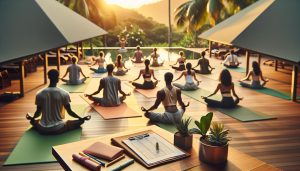
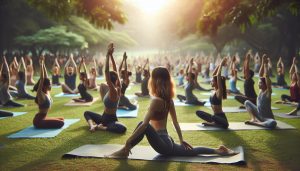
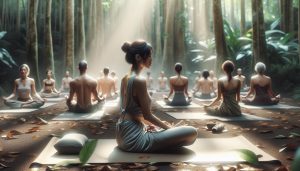
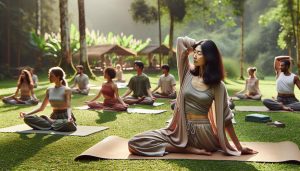
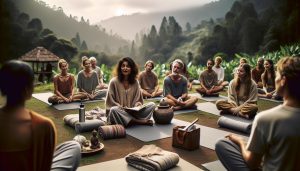
In our fast-paced world, finding balance and peace can feel like an elusive dream. A yoga retreat offers a transformative escape, combining the calming power of yoga with the opportunity to disconnect from daily stressors. This guide will explore how a well-structured yoga retreat can facilitate profound mind-body transformation, helping you reconnect with yourself and harness the benefits of mindfulness. Whether you are seeking to deepen your practice, destress, or simply rejuvenate, understanding what to expect from a yoga retreat is essential for maximizing your experience. Join us as we delve into what makes these retreats an invaluable part of wellness travel, supporting your journey toward a more centered, harmonious life. Prepare to discover the insights and practical tips that will empower you to embark on this enriching adventure.
Choosing the Right Yoga Retreat for You
Choosing the perfect yoga retreat can feel overwhelming, given the multitude of options available worldwide. However, taking the time to clarify your intentions and preferences can lead to a transformative experience that resonates deeply with your personal journey. Begin by reflecting on what you hope to achieve during your retreat. Are you seeking a deep dive into your yoga practice, relaxation, spiritual growth, or perhaps a combination of these? Identifying your primary goals will help in narrowing down the extensive selection.
When evaluating potential retreats, consider the following factors:
Location and Environment
Your retreat’s setting plays a vital role in the overall experience. Destinations can range from serene beach locales to lush mountains or tranquil forests. For instance, retreats in India often offer spiritual and meditative settings, surrounded by nature, making it easier to connect with your inner self. Investigate the surrounding area and the accommodations available to ensure they align with your comfort needs.
Retreat Style and Schedule
Different retreats offer various yoga styles and daily schedules that could greatly influence your experience. Perhaps you are drawn to a specific discipline like Hatha, Vinyasa, or Yin Yoga. Look for retreats that specialize in these areas or those that provide a mix of styles to enhance your experience. Also, check the daily itinerary to see if it includes adequate free time for reflection, personal practice, or exploration of the local culture.
Instructor Qualifications
The experience and teaching style of the instructors can greatly impact your retreat journey. Research the backgrounds of the yoga teachers leading the sessions to ensure their philosophy and approach resonate with your expectations. Engaging with knowledgeable and supportive teachers can deepen your practice and make the experience more enriching.
Community and Atmosphere
The sense of community at a retreat can create lasting connections and a supportive environment for your personal growth. Read reviews or testimonials to gauge previous attendees’ experiences and the sense of camaraderie fostered at the retreat. A welcoming atmosphere can help you feel more comfortable and open to transformation.
By carefully considering these aspects and aligning them with your personal goals, you can select a yoga retreat that not only suits your needs but also enriches your journey toward mind-body transformation.
Transformative Benefits of Yoga Retreats
Participating in a yoga retreat offers a unique opportunity for profound personal transformation, far beyond what a typical yoga class can provide. Immersed in a supportive and serene environment, individuals can delve into their practice, fostering deep self-reflection and connection with their inner selves. The transformative benefits of these retreats are vast, impacting both mental and physical well-being while promoting a sense of community and support.
One of the most significant advantages of attending a yoga retreat is the opportunity for intensive practice. Retreats typically include daily yoga sessions that allow participants to explore various styles, deepen their techniques, and build strength and flexibility. This focused practice not only enhances physical capabilities but also fosters greater awareness of one’s body and breath, fostering a more mindful approach to everyday life. Participants often leave with a renewed sense of vitality and health as physical discomfort diminishes and energy levels rise.
In addition to the physical practice, retreats provide a conducive environment for mental and emotional healing. Participants can engage in meditation and mindfulness practices, which can lead to reductions in stress, anxiety, and depression. The combination of yoga and structured reflection time encourages individuals to process their thoughts and emotions in a supportive setting. Engaging with nature-often an integral part of retreat locations-can further enhance well-being, as studies have shown that nature exposure significantly lowers stress levels and promotes clarity of thought.
Equally important is the sense of community fostered at yoga retreats. Participants often form deep connections with fellow attendees, sharing experiences and insights that enhance personal growth. This collective journey creates a nurturing atmosphere where individuals can feel safe to express themselves and challenge their boundaries. Building relationships in such a space can lead to lasting friendships and support networks that extend well beyond the retreat itself.
Overall, yoga retreats offer a holistic approach to personal transformation, combining physical practice, mental clarity, and community support. By fully engaging in this immersive experience, individuals come away with valuable tools for maintaining a balanced mind-body connection and a clearer understanding of their paths forward in life.
Essential Techniques for Mind-Body Connection
The journey toward achieving a profound mind-body connection is both an art and a science, especially in the tranquil setting of a yoga retreat. Engaging deeply with your body through yoga postures, coupled with intentional breathwork and mindfulness practices, can significantly enhance your awareness and strengthen the bond between your mind and body. This holistic approach nourishes your mental, emotional, and physical states, making it integral to your retreat experience.
Breath Awareness
One of the most fundamental techniques for cultivating a strong mind-body connection is breath awareness. Paying attention to your breath not only helps calm the mind but also anchors you in the present moment. During yoga practice, focus on deep, diaphragmatic breathing, allowing the breath to flow naturally with each movement. This practice not only enhances your physical performance but also aids in relieving stress and anxiety, fostering a sense of peace and well-being. Consider integrating practices such as pranayama, which involves various breathing techniques, to deepen your experience during your retreat.
Mindful Movement
Mindful movement is another key technique that allows participants to connect with their bodies on a deeper level. As you progress through different yoga postures, take the time to notice how each pose feels in your body. Pay attention to sensations, strengths, and areas of tension. This awareness can lead to greater self-acceptance and promote healing. Incorporating slow, deliberate movements into your practice-such as flow yoga or restorative yoga-can enhance this connection, encouraging you to listen to your body’s needs and respond accordingly.
Journaling and Reflection
Incorporating journaling and reflection into your retreat experience is a powerful way to foster a mind-body connection. Set aside time each day to reflect on your thoughts and feelings in relation to your practice. Ask yourself questions like, “What did I notice during today’s poses?” or “How did my breath pattern change with my emotions?” Writing down your experiences not only contextualizes your journey but also facilitates deep self-discovery. This technique ties in well with yoga’s emphasis on self-awareness and holistic health.
Engaging with Nature
Nature often plays a crucial role in enhancing your mind-body experience during retreats. Take advantage of opportunities to practice yoga outdoors, surrounded by natural beauty. Engaging with the elements can sharpen your senses, heightening your awareness of your surroundings and your inner experience. Nature walks, meditative hikes, or even simply sitting in silence outdoors can significantly contribute to grounding you in the present and nurturing your connection to both body and mind.
By integrating these essential techniques into your retreat experience, you set a strong foundation for a deeper mind-body connection, ultimately enriching your overall transformation during and beyond your time at the retreat.
Preparing for Your Yoga Retreat Experience
To fully embrace the transformative journey of a yoga retreat, it’s essential to prepare adequately, both physically and mentally. The richness of the experience often hinges on how well you set the stage for your time away. Start by considering your goals: Are you seeking relaxation, rejuvenation, or perhaps an escape from the daily grind? Clarifying your intentions will help you choose the right retreat and get the most out of your time there.
Begin with practical arrangements, including travel logistics and accommodation. Ensure your travel documents are up-to-date and familiarize yourself with the retreat’s location. It’s wise to pack light, focusing on essentials such as comfortable yoga attire, a reusable water bottle, and any personal items like medications or journals for reflection. A yoga mat might be provided, but bringing your own can enhance your comfort and familiarity. Additionally, consider including items that promote relaxation, such as a lightweight blanket for meditation or a favorite book to enjoy during downtime.
Emotional preparation is equally important. As you anticipate your getaway, think about setting aside distractions-be it work emails or social media-so you can immerse yourself fully. Practicing mindfulness or short meditation sessions leading up to your retreat can help ease any pre-trip anxiety and bring clarity to your expectations. Engage in conversations with fellow attendees or retreat leaders if available; this can create a sense of connection before you even arrive.
Lastly, nutritional readiness can enhance your retreat experience. Pay attention to your diet in the days leading up to your departure, opting for nourishing foods that will energize you for a week of yoga and discovery. Staying hydrated is crucial, too, so make it a habit to drink plenty of water. This conscious approach to preparing not only sets a positive tone for your retreat but also amplifies the benefits you’ll take home with you, helping the mind-body transformation last well beyond the closing ceremony.
Daily Schedules: What to Expect on Retreat
Embarking on a yoga retreat offers participants a unique opportunity to immerse themselves in a structured environment designed for holistic wellness. Typically, daily schedules are thoughtfully constructed to balance yoga practice, meditation, and personal reflection with leisure and community bonding. Understanding what to expect each day can help you soak in the full benefits of your retreat experience.
Most days begin early, often around dawn, to allow participants to enjoy a serene morning practice. Meditation or gentle yoga sessions might start the day, giving attendees a chance to center themselves before breakfast. This tranquil time sets a positive tone and prepares the mind and body for the day’s activities. After the morning session, a nutritious breakfast featuring fresh, local ingredients often follows, promoting healthy eating habits while at the retreat.
The mid-morning may include more intensive yoga classes that cater to various skill levels. These sessions often focus on different styles or themes, allowing participants to explore what resonates with them. Workshops or talks from experienced instructors may also be scheduled, integrating theoretical aspects of yoga, such as philosophy and mindfulness practices, into the day’s itinerary. Following the lunch break, which usually emphasizes wholesome, nourishing meals, attendees might partake in outdoor activities or self-exploration sessions, such as journaling or nature walks.
Afternoons typically conclude with restorative or yin yoga practices designed to unwind and release accumulated tension from earlier sessions. As the day wraps up, evening gatherings may take place, such as group discussions or community sharing circles, fostering connections among participants. The day usually ends with a light dinner and sometimes a guided meditation to assimilate the day’s experiences.
Preparing for an array of activities can enhance your retreat experience. Being open to the schedule and adaptable to potential changes ensures a fulfilling journey that honors both personal practice and community engagement.
Nutrition and Wellness During Your Stay
Nutrition plays a vital role in enhancing your overall experience during a yoga retreat, promoting not just physical wellness but also mental clarity and emotional stability. A well-curated dietary plan can help you maximize the benefits of yoga practice, providing the necessary fuel for both body and mind. Typically, retreats focus on healthful, locally sourced meals that are not only nutritious but also seasonal, allowing participants to indulge in fresh produce that nourishes the body and aligns with their wellness goals.
Meal Types and Preparation
Meals at a yoga retreat are usually designed with balance and nutrition in mind. Expect to enjoy:
- Breakfast: Often a mix of energizing options such as smoothies, oatmeal, or fresh fruit, designed to kickstart your day after early morning sessions.
- Lunch: Typically includes hearty salads, whole grains, and plant-based proteins, offering ample nutrients needed for afternoon yoga sessions and activities.
- Dinner: Generally lighter but nourishing, featuring dishes that promote digestion and relaxation.
Many retreats also accommodate dietary restrictions and provide alternatives such as gluten-free or vegan options, ensuring that all participants can enjoy meals without compromising their health needs.
Snacking and Hydration
Snacking is encouraged throughout the day to maintain energy levels during rigorous yoga sessions. Retreats typically offer wholesome snacks like nuts, seeds, and fruits to keep energy levels steady. Staying hydrated is equally essential; expect opportunities to refill your water bottle frequently and enjoy herbal teas that aid digestion and relaxation after meals.
Mindful eating practices are promoted during meals, allowing participants to connect more deeply with their food. This not only enhances the dining experience but also aids digestion and fosters appreciation for the nourishment provided.
Integrating Wellness Techniques
Many retreats incorporate workshops or sessions focused on nutrition education, teaching you how to maintain a balanced diet beyond the retreat. These can include cooking classes that emphasize healthy recipes and meal preparations. Emphasizing a holistic approach, retreats often explore the relationship between food, mindfulness, and yoga practice, encouraging participants to adopt more conscious eating habits.
By focusing on , you not only support your physical health but also enhance your yoga practice, creating a lasting impact that extends beyond the retreat. Embracing these practices will leave you feeling rejuvenated and better equipped to maintain a balanced lifestyle after you return home.
Integrating Mindfulness into Your Practice
Mindfulness is not simply a practice; it’s a way of engaging with life that deepens the experience of yoga and nurtures a profound mind-body connection. Integrating mindfulness into your yoga practice during a retreat can enhance self-awareness, improve focus, and facilitate a greater sense of peace. By consciously cultivating this presence, participants can foster a more enriching and transformative experience throughout the retreat.
One of the simplest ways to incorporate mindfulness is through awareness of breath. Paying attention to your inhalations and exhalations can ground you in the moment, especially during yoga sessions. Practicing mindfulness breathing techniques, such as counting breaths or focusing on the sensation of air entering and leaving your body, can anchor your focus and minimize distractions. Consider this: before each yoga session, take a few moments to sit quietly, close your eyes, and center yourself through breath awareness. This can set a clear intention for your practice, enhancing both physical and mental benefits.
Another vital aspect of mindful practice involves cultivating awareness of your body and its movements. During each pose, take the time to notice how your body feels and how your muscles engage. Instead of rushing through transitions, allow yourself to feel the process, be it stretching, holding, or transitioning between asanas. This heightened awareness can help prevent injuries and deepen your understanding of how each pose affects your body.
Incorporating mindfulness into meal times can further enrich your retreat experience. Practicing mindful eating allows participants to connect with the food, appreciating flavors, textures, and the nourishment provided. When enjoying meals, focus on the colors and aromas of each dish, chew slowly, and reflect on the journey of the food from the earth to your plate. This practice not only enhances the overall dining experience but also promotes digestion and fosters gratitude for the sustenance received.
Lastly, consider sharing your mindfulness journey with fellow retreat participants. Engaging in discussions about your experiences and insights can forge deeper connections and create a sense of community. Activities such as group meditations, mindfulness workshops, or guided reflections can enhance your experience, offering different perspectives on integrating mindfulness into daily life.
By intentionally weaving mindfulness into your yoga practice, meals, and interactions, you’re not just participating in a retreat; you’re cultivating a holistic approach to well-being that can last long after the retreat concludes. Embracing this mindset not only enriches your experience but also equips you with valuable tools for sustaining your practice and awareness in your everyday life.
Exploring Different Yoga Styles: Which is Right for You?
When it comes to yoga retreats, the available choices can be overwhelming. With various styles of yoga practiced around the world, understanding which one resonates most with you can significantly enhance your retreat experience. Each style offers unique benefits and approaches to mindfulness, physical fitness, and spiritual development. By identifying your personal goals and preferences, you can select a yoga style that aligns perfectly with your retreat aspirations.
Common Yoga Styles
- Hatha Yoga: A gentle introduction focused on physical poses, breathing exercises, and basic meditation. Ideal for beginners or those looking to ease into deeper practices.
- Vinyasa Yoga: Often referred to as “flow” yoga, this dynamic style links breath with movement, creating a smooth transition between poses. It caters to those who enjoy a creative and more active practice.
- Ashtanga Yoga: A rigorous style that follows a fixed sequence of poses performed in a specific order. It appeals to those seeking a structured yet challenging workout.
- Bikram Yoga: Conducted in a heated room, this style consists of a set series of 26 poses. It’s designed to promote detoxification and improve flexibility, perfect for participants looking for an intense physical experience.
- Yin Yoga: A slower-paced style that involves holding poses for extended periods, perfect for cultivating a meditative practice and improving joint flexibility.
- Kundalini Yoga: Focused on awakening your energy through breath work, chanting, and specific postures. It’s ideal for those interested in the spiritual aspect of yoga.
- Restorative Yoga: Designed to relax and rejuvenate, this gentle style uses props to support the body in restful poses. It’s excellent for stress relief and recovery.
Choosing Your Style
Consider your personal goals and physical abilities when selecting a style. For instance, if you’re new to yoga or seeking relaxation, Hatha or Restorative styles might be a good fit. If you crave a more energetic and challenging practice, Vinyasa or Ashtanga may suit you better. Moreover, reflect on how each style connects with your wellness journey. Those exploring deeper spiritual practices might gravitate towards Kundalini yoga, while individuals focused on flexibility may benefit from Yin or Bikram yoga.
By understanding the core principles and benefits of various yoga styles, you can make an informed decision that complements your retreat experience. Engage with instructors ahead of time or during the retreat to gain insights, ask questions, and even try different styles to see which resonates most with you. This exploratory approach not only enhances your practice but also contributes to a more enriching and transformative retreat experience.
How to Maintain Your Practice After the Retreat
Returning to your regular routine after a transformative yoga retreat can be daunting, but implementing mindful practices can ease this transition and help you maintain the benefits you gained. Emphasizing consistency over intensity, consider setting a daily commitment to your practice, even if it’s just a few minutes each day. This could involve dedicating a specific time for your yoga or meditation practice, which can help keep the clarity and calmness from the retreat alive in your day-to-day life.
One effective way to sustain momentum is by creating a structured routine that incorporates various elements of your retreat experience. Here are some practical tips to maintain your practice:
- Establish a Home Practice Area: Designate a specific space in your home for yoga and meditation. This physical space will serve as a reminder of your retreat, allowing you to create a similar ambiance for your practice.
- Utilize Online Resources: Take advantage of the wealth of online yoga classes and meditation guidance available. Platforms like YouTube or dedicated apps offer a variety of styles and lengths that can easily fit into your schedule.
- Connect with a Local Community: Seek out local yoga studios or groups that resonate with the style you practiced on your retreat. Engaging with fellow practitioners can keep you motivated and provide a sense of accountability.
- Set Reminders and Goals: Use reminders on your phone for designated practice times, and set achievable goals-like practicing three times per week. This structured approach can help develop a long-lasting habit.
- Journal Your Experience: Keep a journal to reflect on your thoughts and progress. Writing about your feelings or insights gained during your retreat can deepen your understanding and reinforce your commitment to your practice.
Cultivating a mindset of patience is just as crucial. You may find that your practice evolves over time, and it’s important to remain flexible and open to these changes. Celebrate small victories, whether mastering a pose or simply carving out time for mindfulness. By integrating these practices into your daily life, you can honor the journey you started at the retreat and continue on your path of mind-body transformation.
Buddhist Practices: Meditation and Reflection
Engaging in Buddhist practices such as meditation and reflection can profoundly enhance the experience of a yoga retreat, providing a deeper connection to the mindfulness cultivated through physical practice. These practices focus on the cultivation of awareness, presence, and compassion, which are essential components for mind-body transformation. Engaging in mindfulness meditation helps clear the distractions of daily life, allowing participants to delve deeper into their inner selves during the retreat.
One effective form of meditation often practiced in Buddhist traditions is insight meditation, or Vipassana. This practice encourages participants to observe their thoughts and emotions without attachment or judgment. During a retreat, practitioners might dedicate time each day to sit in silence, focusing on their breath or performing a body scan. This practice can lead to profound insights about habitual responses and emotional patterns, paving the way for personal growth and greater emotional resilience.
Reflective practices, such as journaling, can also be an integral part of the retreat experience. Journaling allows individuals to document their feelings, insights, and experiences throughout the retreat, providing an outlet for processing thoughts and observations. This practice of self-reflection not only helps in integrating the teachings learned during the retreat but also reinforces mindfulness. Participants may find specific prompts beneficial, such as “What am I grateful for today?” or “What challenges did I face, and how can I embrace them?”
To deepen the experience further, engaging in group discussions or sharing circles can create a supportive space for connection among participants. These discussions often center on themes of compassion, acceptance, and inner peace, mirroring the communal aspect of Buddhist practice. The act of sharing one’s journey while hearing others’ experiences fosters a sense of community and shared purpose, enriching each person’s individual path toward transformation.
Incorporating these Buddhist practices of meditation and reflection during a yoga retreat not only enhances personal insight but also cultivates an environment of growth and acceptance, reinforcing the overall objectives of wellness and holistic healing. Embracing these techniques can facilitate a more profound and lasting transformation that persists long after the retreat concludes.
Building Community: Connecting with Fellow Retreaters
Building connections with fellow retreaters can transform your yoga retreat experience into one of profound personal and shared growth. These retreats often bring together individuals from diverse backgrounds, united by the common goal of wellness and self-discovery. During your stay, embracing the opportunity to forge new friendships can enhance your journey both within and beyond your time on the mat.
One way to foster community is through shared meals and social activities. Many retreats include communal dining, allowing participants to gather over healthy, nourishing food. This setting often invites conversations about personal practices, favorite yoga styles, and even light-hearted stories that create bonds. Engaging in group activities like hiking, dance, or collaborative yoga sessions can also break the ice and lead to meaningful connections. Consider scheduling one or two informal meet-and-greet sessions during your retreat, where attendees can share their intentions and experiences in a relaxed environment.
Active participation in group exercises and discussions can further strengthen these connections. Workshops focusing on personal development topics-such as mindfulness, stress management, or holistic health-encourage participants to share their insights and learn from one another. These environments often cultivate vulnerability and openness, allowing for deeper interactions. Establishing thought-provoking prompts or questions for group discussions can facilitate a focused dialogue that adds richness to the experience.
Finally, maintaining these new relationships after your retreat is essential. Consider creating a dedicated group chat or forum where participants can share post-retreat reflections, continue discussions, or even plan future meet-ups. Sending out periodic check-in messages or sharing resources can help carry the spirit of community forward, making the experience last well beyond the retreat’s duration. Ultimately, the relationships formed during a yoga retreat can become a vital support system as you navigate your ongoing journey of self-discovery and transformation.
Travel Logistics: Planning Your Retreat Journey
Planning your journey to a yoga retreat can be as transformative as the retreat experience itself. The right preparation not only eases travel stress but also sets the tone for a rewarding escape focused on self-discovery and rejuvenation. From choosing the ideal location to packing the essentials, thoughtful logistics can enable a more profound engagement with your practice and the community around you.
Begin by researching potential retreat locations that resonate with your personal goals. Consider the ambiance-do you prefer a tranquil coastal setting, a serene mountain escape, or a vibrant cityscape? Each environment offers unique benefits. Also, investigate the style of yoga and complementary activities featured in the retreat. Many retreats specialize in various yoga styles, such as Hatha, Vinyasa, or Kundalini, along with meditation, breathwork, or nature hikes. Aligning the retreat’s offerings with your interests enhances the overall experience.
Travel logistics also involve practical considerations like flights, accommodations, and transportation. Booking flights in advance can help secure better rates, and it’s wise to confirm shuttle services provided by the retreat center to ease the arrival process. When packing, prioritize comfort and flexibility. Bring clothing suited for yoga sessions, suitable attire for relaxation, and personal comfort items, such as a yoga mat if recommended by the retreat organizers. Don’t forget essentials like a refillable water bottle and sunscreen, especially if your retreat is in a sunny location.
Lastly, consider the timing of your retreat concerning your personal and work commitments. Many travelers find that scheduling retreats during slower periods in their work life or after completing significant projects allows them to fully immerse themselves in the experience. Planning your itinerary to accommodate both travel time and any post-retreat processing or self-care can amplify the benefits you gain during your stay. By taking these factors into account, you can create a pathway that leads to a deeply enriching and transformative yoga retreat experience.
Q&A
Q: What should I pack for a yoga retreat?
A: Pack comfortable clothing suitable for yoga, a good quality yoga mat, water bottle, and personal toiletries. Don’t forget essentials like sunscreen, insect repellent, and any required medications. Check your specific retreat guidelines for additional items to bring, focusing on maintaining your comfort and well-being.
Q: How long is a typical yoga retreat?
A: A typical yoga retreat lasts from a weekend to two weeks. Shorter retreats usually focus on specific themes or styles, while longer ones provide an immersive experience with deeper practices. Consider your schedule and goals when selecting the duration that best suits your needs.
Q: What kind of food is usually served at yoga retreats?
A: Yoga retreats often feature healthy, vegetarian meal options emphasizing whole foods. Meals are typically designed to nourish the body and support yoga practice, including fresh fruits, vegetables, grains, and protein sources. Check with the retreat for specific dietary accommodations.
Q: Can beginners attend yoga retreats?
A: Yes, many yoga retreats welcome beginners. It’s essential to choose a retreat that offers classes tailored to all skill levels. Look for those that emphasize personal growth and learning, ensuring a supportive environment for new practitioners.
Q: How do I choose the best yoga retreat for my needs?
A: To choose the best yoga retreat, consider your goals, preferred style of yoga, location, and duration. Research different retreats, read reviews, and evaluate the schedules to find one aligning with what you hope to achieve. Personal recommendations can also be helpful.
Q: What are the benefits of attending a yoga retreat?
A: Attending a yoga retreat provides a dedicated space for self-discovery, relaxation, and rejuvenation. Benefits include improved mindfulness, enhanced physical flexibility, and a deeper connection to your practice, alongside the opportunity to build a supportive community.
Q: How does yoga enhance the mind-body connection?
A: Yoga enhances the mind-body connection through breath control, meditation, and intentional movement, allowing for deeper awareness of physical sensations and emotional states. This practice fosters a harmonious relationship between mental and physical health, leading to overall well-being.
Q: What is unique about group energy in yoga retreats?
A: The unique group energy at yoga retreats fosters a sense of community and shared intention. Practicing alongside others can enhance motivation, deepen emotional experiences, and create lasting connections. This communal environment can amplify transformation and personal growth during your retreat.
Closing Remarks
As you embark on your journey with “A Yoga Retreat: Your Complete Guide to Mind-Body Transformation,” remember that the path to holistic wellness begins with a single step. Embrace the transformative power of yoga to harmonize your mind and body. Don’t wait-now is the time to prioritize your well-being. Explore our articles on maintaining your wellness routine while traveling and discover the best yoga poses for beginners to deepen your practice.
For ongoing support and inspiration, consider signing up for our newsletter and check out our guides on wellness retreats and travel logistics. Engaging with these resources not only enriches your retreat experience but also fosters a lasting connection to your wellness journey. Your transformation awaits-join us and start making life-changing choices today!
Get our latest guides, news, and insights highlighted in your Google Search & AI Overviews.