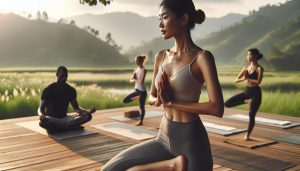
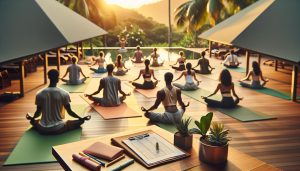
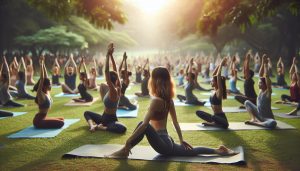
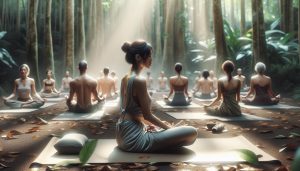
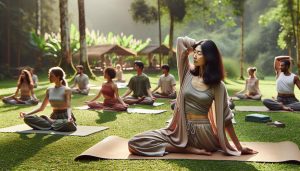
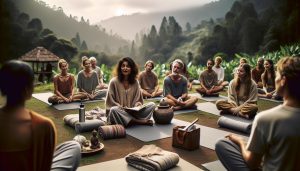
In today’s fast-paced world, where stress often overshadows our daily lives, Vedic Yoga Meditation Retreats offer a transformative escape that reawakens the inner self. Rooted in ancient Indian traditions, these retreats draw inspiration from the Vedic religion, an influential spiritual framework that not only shaped Hinduism but also emphasizes a holistic approach to wellness. Participants have the opportunity to engage in mindful practices that nurture not just the body, but also the mind and spirit, creating a pathway to greater harmony and self-discovery. Whether you seek rejuvenation or enlightenment, the sacred journey through these retreats promises to cultivate mindfulness and foster deeper connections within yourself and with nature. Join us as we explore how this enriching experience can not only refresh your spirit but also enhance your well-being and resilience in everyday life.
Exploring Vedic Yoga: Origins and Principles
Exploring the rich tapestry of Vedic Yoga reveals a profound blend of ancient philosophy and practical techniques aimed at enhancing both physical and spiritual well-being. Rooted in the Vedic texts, which date back to around 1500 to 500 B.C.E., Vedic Yoga emphasizes a holistic approach to personal development, harmonizing mind, body, and spirit. The principles of this practice extend beyond mere physical postures; they encompass meditation, breath control (pranayama), and ethical living, forming a path toward self-realization and enlightenment.
At its core, Vedic Yoga is about connection-the connection between the individual and the universe, between the mind and body, and between the self and the divine. This integrative practice emphasizes the use of sacred sound (mantras) and contemplation, allowing practitioners to explore the deeper layers of consciousness. Engaging with Vedic texts, such as the Upanishads and the Bhagavad Gita, practitioners gain insights into the nature of reality and the self, fostering a sense of purpose and belonging within the cosmic order.
Additionally, Vedic Yoga encourages practitioners to cultivate a balanced lifestyle that includes ethical principles like non-violence (ahimsa), truthfulness (satya), and moderation. This ethical framework not only enriches one’s practice but also contributes to personal transformations that extend into everyday life. Whether seeking stress relief, personal growth, or spiritual awakening, Vedic Yoga provides a foundational philosophy designed to guide individuals on their unique journeys.
In summary, embracing Vedic Yoga means embarking on a sacred journey that harmonizes ancient wisdom with modern wellness practices. It invites individuals to not only deepen their connection with themselves but also to understand their place within the greater universe, making it an invaluable approach for those attending meditation retreats seeking transformation and profound inner peace.
Benefits of Attending a Vedic Yoga Meditation Retreat
Attending a Vedic Yoga meditation retreat offers participants a unique opportunity to immerse themselves in an enriching environment designed for holistic growth. These retreats are crafted not only for relaxation but also for deep exploration of personal well-being through ancient practices rooted in Vedic philosophy. As the external distractions fade away, individuals can focus on nurturing their mind, body, and spirit, harnessing the full benefits of Vedic teachings.
One of the standout advantages of these retreats is the structured environment that encourages participants to engage deeply with meditation and yoga practices. This leads to several benefits:
- Stress Reduction: Immersion in a serene setting, away from everyday responsibilities, allows participants to unwind, alleviating stress and cultivating a sense of tranquility.
- Enhanced Focus and Clarity: Regular practice of Vedic techniques like meditation and pranayama improves concentration, helping individuals gain clarity in their thoughts and emotions.
- Connection to Community: Retreats foster a sense of belonging; sharing experiences with like-minded individuals can lead to lasting friendships and support networks.
- Spiritual Growth: Engaging deeply with Vedic texts and practices guides individuals on a path of self-discovery, facilitating profound emotional and spiritual transformations.
Moreover, the expert guidance provided by experienced instructors during the retreat helps participants to tailor their practice according to their unique needs and aspirations. This individualized attention encourages a deeper understanding of Vedic principles and their application in daily life, instilling a sense of confidence and self-awareness.
Ultimately, participating in a Vedic Yoga meditation retreat can serve as a catalyst for long-lasting change, where attendees often leave with new perspectives and tools that significantly enhance their everyday lives. By dedicating time to inner exploration and reflection, individuals are better equipped to face life’s challenges with resilience and a renewed sense of purpose.
What to Expect from Your Retreat Experience
Entering a Vedic Yoga meditation retreat is akin to stepping into a sanctuary where ancient wisdom meets contemporary wellness practices. Participants can expect a carefully curated experience that nurtures not just relaxation but personal transformation. The retreat environment is meticulously designed to prioritize tranquility and inner exploration, often set in serene natural surroundings that enhance the overall experience. A key feature of these retreats is their structured schedule, which balances guided practices with time for personal reflection, allowing individuals to delve deeply into their inner selves.
Daily activities typically include yoga sessions that incorporate Vedic principles, meditation practices that align mind and body, and discussions centered around sacred texts. Engaging with astute instructors, who often have profound roots in Vedic philosophy, provides an invaluable opportunity for personalized guidance. This mentorship helps participants understand the nuanced applications of practices like pranayama (breath control) and dhyana (meditation), ensuring that individuals of all skill levels can find a suitable approach to their personal journey.
Moreover, a sense of community is central to the retreat experience. Sharing this sacred journey with like-minded individuals fosters deep connections that often transcend the retreat itself. Participants can share their experiences, engage in open dialogues about their insights, and build friendships that extend beyond the time spent together. This communal aspect not only enriches the retreat experience but also provides support and encouragement for continuing the journey of personal growth.
Overall, attendees should anticipate leaving the retreat not only with enhanced tools for daily life but also with a renewed sense of purpose and a deeper understanding of themselves and their connection to the universe. Whether through the calming rituals of meditation or the invigorating practice of yoga, each moment in a Vedic retreat is an invitation to awaken and enrich one’s own spiritual journey.
Choosing the Right Vedic Yoga Retreat for You
Choosing the perfect Vedic yoga retreat can significantly influence your transformational journey, making it essential to align your personal goals with the retreat’s offerings. With an array of options available – from serene mountain settings to beachside sanctuaries – it’s crucial to consider various factors to ensure your experience is both fulfilling and enriching.
Start by reflecting on your primary intentions for attending the retreat. Are you seeking deep meditation experiences, physical yoga practice, or spiritual insights? Understanding your objectives will help narrow down your choices. Research the specific practices emphasized at each retreat; for example, some may focus on traditional Vedic meditation techniques, while others may offer a broader mix of yoga styles.
Next, consider the retreat’s location and environment. A tranquil setting can greatly enhance your experience. Look for places surrounded by nature, such as forests or oceans, which can offer an immersive backdrop for reflection and growth. Additionally, the accommodations and amenities should align with your comfort level and preferences. If you value luxury, seek retreats that provide creature comforts; for a more rustic experience, consider options that offer simple, natural living conditions.
Another vital aspect is the instructors’ qualifications and philosophies. Investigate the backgrounds of the retreat leaders to understand their expertise in Vedic traditions and teaching styles. Engaging with seasoned instructors can deepen your practice and provide valuable insights, making it easier to grasp complex concepts and techniques.
Lastly, pay attention to community dynamics. A good retreat fosters a supportive atmosphere, encouraging connections among participants. Look for testimonials or reviews that speak to the communal experience and how previous attendees felt during and after the retreat. Finding a retreat that resonates with your personal values and fosters a sense of belonging can vastly enhance your spiritual journey.
In summary, choosing the right Vedic yoga retreat involves a careful consideration of your goals, the retreat’s focus, location, instructor quality, and community environment. By taking the time to evaluate these elements, you’ll set the stage for a profoundly transformative experience that aligns with your spiritual aspirations.
Essential Preparations for a Successful Retreat
Preparing for a Vedic yoga meditation retreat can significantly enhance your experience and deepen your transformation. Before embarking on this sacred journey, consider taking the time to prepare both physically and mentally. This preparation will not only help you navigate the retreat with greater ease but also allow you to maximize the benefits of the practices offered.
Start with your physical wellness by establishing a routine that aligns with the retreat’s activities. If you intend to engage in daily yoga, it’s beneficial to begin practicing regularly before your retreat. Focus on developing flexibility and strength through asanas that will be similar to those taught during the retreat. Additionally, consider incorporating mindfulness practices such as meditation or breathwork into your daily routine to ease your mind into the retreat’s rhythm. Another practical step is to adapt your diet; consuming lighter, whole foods can help you feel more energized and receptive to the transformative practices.
Mental preparation is equally crucial. Setting clear intentions for your retreat experience can create a focused mindset. Reflect on what you hope to achieve-whether it’s spiritual growth, emotional healing, or simply a break from everyday stress. Write down your intentions and revisit them during the retreat, allowing your goals to guide your practice. It’s also useful to research the specific meditation and yoga techniques you may encounter during the retreat. Familiarity with these practices can enhance your understanding and enable you to engage more deeply.
Lastly, ensure logistical arrangements are in place to minimize stress upon arrival. Confirm travel and accommodation details, and create a travel checklist that includes essentials like comfortable clothing, personal meditation props, and any necessary travel documents. If participating in a silent retreat, consider packing items that aid quiet reflection, such as a journal or a book on Vedic philosophy. Taking these steps fosters a smoother transition into the retreat environment, allowing you to fully immerse yourself in the sacred journey ahead.
With thoughtful preparation, you will be primed to embrace the rich experiences of a Vedic yoga meditation retreat, unlocking pathways to profound inner peace and connection.
Daily Schedule: Typical Activities at Vedic Yoga Retreats
The daily schedule at Vedic yoga retreats is often carefully crafted to immerse participants in a holistic experience that nurtures both body and mind. From sunrise to sunset, each moment is intentionally designed to promote relaxation, self-reflection, and spiritual growth. Attendees can expect a blend of physical practices, meditation, and discussions that together form the foundation of their transformative journey.
Typically, the day begins with an early morning session, often around sunrise, known for its tranquil energy. Participants gather for morning yoga, which may include asanas specifically chosen to enhance flexibility and strength while aligning the body with nature’s rhythms. Following the yoga, a guided meditation allows participants to delve into mindfulness, setting a peaceful tone for the day ahead. This serene start is crucial for cultivating a sense of presence and intention.
After morning practices, a nourishing breakfast featuring wholesome, often locally sourced foods is served. This meal not only provides necessary sustenance but also reflects the philosophies of Ayurvedic nutrition, emphasizing balance and vitality. Throughout the morning, participants might engage in workshops or discussions led by seasoned instructors, covering topics like Vedic philosophy, meditation techniques, or the principles of Ayurveda. These sessions offer valuable insights and cultivate a deeper understanding of the practices being explored.
The afternoon typically includes more yoga sessions, potentially focusing on different styles or aspects of practice, such as restorative yoga or advanced techniques. Participants may also have opportunities for personal reflection, journaling, or quiet time in nature, enhancing the meditative experience. The day culminates with an evening practice that often includes chanting, kirtan (devotional singing), or a group meditation, encouraging a shared sense of community and spiritual connection among participants.
As the day winds down, participants may share a communal dinner, further fostering relationships and community spirit, before concluding with evening rituals or contemplative practices designed to assist in integration of the day’s experiences. Such a structured yet flexible schedule helps people transition from their daily lives into a contemplative state, promoting lasting emotional and spiritual growth throughout their retreat experience.
Mindfulness Practices to Enhance Your Journey
Mindfulness is the cornerstone of any enriching Vedic yoga meditation retreat, offering participants tools to cultivate awareness and presence both during and after their journey. Engaging in mindfulness practices deepens the experience of self-discovery and enhances your ability to connect with the environment and fellow participants. Embracing these techniques can transform the retreat into a sacred journey, nurturing both emotional and spiritual growth.
One effective practice is breath awareness. By focusing on your breath, you can anchor yourself in the present moment. This simple yet profound technique encourages you to observe thoughts without judgment, enabling a clearer mind and a calmer spirit. Incorporating short, guided breathing exercises into your daily routine during the retreat can help ground you, especially during transition times between activities. Consider practicing Nadi Shodhana, or alternate nostril breathing, to harmonize the body’s energy and promote mental clarity.
Another essential mindfulness practice involves body scanning. This technique encourages you to mentally examine different parts of your body, promoting relaxation and heightened awareness of physical sensations. Start at the top of your head and move down to your toes, noticing tension or discomfort while consciously releasing it. This can be especially beneficial after yoga sessions when the body is receptive to release and reflection.
In addition to these individual practices, creating a mindfulness group can further enrich your experience. Gather fellow retreat participants to share experiences, mindfulness exercises, or even engage in silent walks in nature. This communal practice fosters a sense of belonging and enhances the collective energy of the group, making the retreat feel even more transformative.
To effectively integrate mindfulness into your journey, consider keeping a retreat journal. This allows you to reflect on your daily experiences, insights gained from practices, and personal revelations. Set aside time each evening to jot down thoughts, gratitude, or lessons learned that day, reinforcing the significance of your sacred journey and helping you carry these insights forward into daily life post-retreat.
Incorporating these mindful practices will not only enhance your retreat experience but also cultivate skills that can be transposed into your everyday life, leading to a more grounded and fulfilling existence long after the retreat concludes.
Integrating Meditation into Your Daily Life
Meditation is not just a practice to be reserved for retreats; it can be seamlessly woven into the fabric of daily life. Many participants return from their Vedic yoga meditation retreats with a renewed sense of peace and clarity but often find it challenging to maintain these heightened states of awareness in their everyday routines. Setting aside just a few minutes each day for meditation can create meaningful shifts in how you approach stress, relationships, and your overall sense of well-being.
One effective way to incorporate meditation into your daily life is by establishing a consistent routine. Designate a specific time each day-be it morning, during your lunch break, or before bed-when you can dedicate yourself to your practice without interruptions. Start with brief sessions, around 5 to 10 minutes, and gradually extend the duration as you become more comfortable. This commitment to consistency not only reinforces the habit but also makes it easier to experience the benefits of meditation over time.
Additionally, creating a dedicated space for your practice can enhance your experience. It doesn’t need to be elaborate; a quiet corner in your home with a comfortable cushion, some candles, or even a small plant can signal your mind that it’s time to enter a meditative state. Each time you sit in this space, your body and mind will begin to recognize it as a cue for relaxation and mindfulness, setting the stage for deeper exploration within your practice.
Lastly, integrating mindfulness into everyday activities can be incredibly beneficial. Try practicing mindful eating, where you focus on the flavors and textures of your food, or mindful walking, paying attention to the sensations of your feet touching the ground. Incorporating these practices into mundane tasks transforms them into opportunities for presence and awareness, enhancing your overall meditation practice outside of those designated times.
By intentionally incorporating meditation into your daily life, you will not only maintain the sense of peace cultivated during your retreat but also foster a deeper connection to yourself, allowing you to navigate life’s challenges with greater ease and clarity.
Travel Tips for Attending a Retreat Abroad
Traveling abroad for a Vedic yoga meditation retreat can be a transformative experience, but successful planning is key to ensuring that you make the most of this sacred journey. Selecting a destination renowned for its spiritual ambiance and vibrant culture will enhance your time spent in retreat. Whether you’re heading to the foothills of the Himalayas or a serene beach setting in Bali, familiarizing yourself with the local culture, customs, and traditions can enrich your experience.
Before your trip, make sure to check the visa requirements and any health advisories for your destination. Pack thoughtfully with an emphasis on comfort and convenience, keeping in mind the environment of your retreat. Essential items may include yoga mats, comfortable clothing, travel-sized toiletries, a reusable water bottle, and any personal items that support your meditation practice.
Arriving early can offer additional benefits; it allows you to acclimate to the new environment. Consider giving yourself a day or two to explore the local area, practice mindfulness, and gently transition into the retreat mindset. This period of adjustment can help cultivate a deeper connection with the retreat’s goals, as well as establish a sense of place.
To get the most out of your retreat, establish a daily routine that aligns with your practice. Even while traveling, maintaining a structured approach to meals, meditation, and rest can cultivate a state of presence and awareness. Plan ahead by downloading pertinent travel applications for language translation, navigation, and local attractions should you find a moment for exploration outside your scheduled activities. Embracing the local culture, cuisine, and people can deepen your spiritual journey and foster meaningful connections.
Always remember to remain open-hearted and flexible during your retreat. Travel can sometimes entail unexpected changes or adjustments, but viewing these moments as part of your personal growth can lead to valuable insights and a more enriching experience. Whether you’re embarking on this journey for relaxation, self-discovery, or spiritual growth, proper travel preparation can set the stage for profound transformation.
Finding a Community: Networking at Vedic Retreats
Connecting with others at Vedic yoga meditation retreats can profoundly enhance your experience, transforming a solitary journey into a collective adventure of self-discovery and spiritual growth. Retreats often attract like-minded individuals who share a commitment to personal development and mindfulness practices, fostering a unique environment conducive to networking and building lasting relationships. Engaging with fellow participants allows you to exchange insights, share stories, and establish friendships that can support your journey long after the retreat has concluded.
Ways to Connect
Building connections during a retreat can be as simple as initiating a conversation during shared meals, group activities, or silent meditation sessions. Consider making the first move: introduce yourself to fellow participants, ask about their journeys in yoga and meditation, and engage in discussions about experiences and expectations. Many retreats also incorporate group activities such as discussions, yoga classes, or workshops designed specifically to encourage interaction, providing a natural setting to cultivate relationships.
In addition, social media platforms can serve as a valuable tool after the retreat. Creating a private group or chat allows participants to share their thoughts, reflections, and resources, ensuring continued support and connection. This virtual space can become a sanctuary for motivation, where you can celebrate each other’s progress and maintain a sense of community.
Building a Lasting Network
The connections formed at a retreat can extend beyond personal friendships to professional networking opportunities. Participants often come from diverse backgrounds, ranging from wellness coaches and yoga instructors to artists and entrepreneurs. Don’t hesitate to discuss your professional aspirations and explore collaborative opportunities. You may discover shared interests or complementary skills that can lead to future partnerships or projects.
After returning home, consider organizing reunions or online gatherings to keep the momentum going. This not only helps in nurturing relationships but also serves as a reminder of the shared goals and insights acquired during the retreat. Remember that the community you build can be a powerful support system, assisting you in sustaining your practice and personal development journey long after the retreat is over. Embrace the opportunity to connect, learn, and grow alongside others on a similar path, as these experiences can enrich your life in meaningful and lasting ways.
Emotional and Spiritual Growth Through Vedic Practices
Participating in Vedic yoga meditation retreats offers a unique opportunity for profound emotional and spiritual growth. These retreats immerse individuals in practices rooted in ancient traditions that emphasize mindfulness, self-awareness, and inner peace. The deep meditative states achieved during guided sessions can lead to heightened emotional clarity, enabling participants to process feelings and experiences that may have been buried or ignored in daily life. This journey inward fosters a sense of tranquility and can transform one’s emotional landscape, providing the tools to navigate life’s challenges with a greater sense of ease.
Vedic practices promote a holistic approach to well-being, integrating mind, body, and spirit. Participants engage in various activities such as yoga, breathwork, and meditation that help in grounding their thoughts and experiences in the present moment. This mindful presence cultivates a deeper connection with oneself and encourages the release of negative patterns, fears, and anxieties. As participants learn to listen more closely to their inner voices, they can identify their true desires and aspirations, fostering a sense of purpose and direction.
Moreover, the communal aspect of these retreats enhances emotional growth. Sharing experiences with fellow participants who are on a similar path creates a supportive environment where vulnerability is welcomed. Engaging in group discussions, sharing personal stories, and participating in collective meditation sessions can build a profound sense of belonging and connection. This support system can be transformative, encouraging individuals to confront emotional barriers and celebrate personal breakthroughs in a safe and nurturing space.
Finally, incorporating the wisdom gained during a retreat into daily life is crucial for maintaining emotional and spiritual growth. Practicing gratitude, compassion, and mindfulness in everyday situations can help sustain the clarity and insights achieved during the retreat. Simple actions, such as keeping a journal to reflect on one’s feelings or joining a local meditation group, can ensure the integration of Vedic practices into daily routines, reinforcing the advancements made during the retreat experience.
Testimonials: Transformative Retreat Experiences
Personal experiences shared by participants of Vedic yoga meditation retreats provide profound insights into the transformative power these journeys offer. Many attendees describe their time at retreats as life-changing, citing breakthroughs in emotional healing, enhanced mindfulness, and the development of a deeper connection with themselves and others. One participant reflected on her experience, noting, “In just a week, I felt layers of stress and anxiety peeling away. Every meditation session left me feeling lighter and more aware. I finally understood what it meant to be present.”
The communal aspect of these retreats often amplifies individual transformations. Participants bond over shared experiences, leading to deep discussions and collective healing. As one attendee put it, “I came to the retreat feeling isolated and fearful of opening up. But sharing my story with others and hearing theirs created a powerful sense of belonging. It was a reminder that I’m not alone in my struggles.” This sense of community not only fosters emotional vulnerability but also encourages personal growth through shared wisdom and support.
Moreover, feedback about retreat activities showcases their effectiveness in fostering lasting changes. Many participants highlight daily routines, such as morning meditation and group yoga classes, as pivotal for their personal development. A man who attended a retreat shared, “Engaging in daily practices helped me cultivate consistency. The teachings I received were not just for that week; they became tools I used to navigate my busy life after the retreat.” Such testimonials illustrate how participants integrate these practices into their daily routines, enhancing their wellbeing long after the experience ends.
As attendees reflect on their journeys, they often express gratitude for discoveries made about themselves and their paths. One individual stated, “I came seeking clarity in my life decisions and found a renewed sense of purpose. The combination of yoga, meditation, and insightful discussions reshaped my perspective entirely.” These transformative experiences not only illustrate the potential for personal and spiritual growth at Vedic yoga meditation retreats but also highlight the enduring impact these practices can have on one’s life long after returning home.
FAQ
Q: What is Vedic yoga meditation?
A: Vedic yoga meditation is a holistic practice rooted in ancient Indian traditions, focusing on the mind-body connection. It combines physical postures, breath control, and meditation techniques aimed at achieving spiritual growth and self-awareness. This practice emphasizes alignment with Vedic philosophies and can enhance overall well-being.
Q: How can I prepare for a Vedic yoga meditation retreat?
A: To prepare for a Vedic yoga meditation retreat, it’s essential to engage in personal reflections on your goals and expectations. Practice basic yoga and meditation techniques beforehand to ease your transition. Also, consider packing comfortable clothing, personal meditation items, and any necessary travel documents.
Q: What are the benefits of attending a Vedic yoga meditation retreat?
A: Attending a Vedic yoga meditation retreat offers numerous benefits, including stress relief, enhanced focus, and spiritual renewal. Participants often experience improved mental clarity and emotional well-being, as well as the opportunity to connect with like-minded individuals in a serene environment.
Q: How do Vedic yoga practices differ from other yoga styles?
A: Vedic yoga practices differ from other yoga styles by emphasizing ancient Vedic texts and holistic approaches. While many yoga traditions focus solely on postures, Vedic yoga integrates philosophy, rituals, and meditation, fostering a deeper understanding of life and the self. This comprehensive approach can lead to profound personal transformations.
Q: What should I expect during a Vedic yoga meditation retreat?
A: During a Vedic yoga meditation retreat, expect a structured daily schedule filled with yoga classes, meditation sessions, and philosophical discussions. Participants will often have time for personal reflection and community activities, all within a serene atmosphere that supports inner peace and self-discovery.
Q: Are Vedic yoga meditation retreats suitable for beginners?
A: Yes, Vedic yoga meditation retreats are suitable for beginners. Many retreat centers offer classes tailored to various skill levels, ensuring that newcomers can learn at their own pace. A supportive environment fosters growth, making it an ideal setting for those new to yoga or meditation.
Q: How do I choose the right Vedic yoga meditation retreat for me?
A: To choose the right Vedic yoga meditation retreat, consider your goals, preferred location, duration, and the instructors’ qualifications. Research different retreat centers, read reviews, and participate in consultation calls when possible to ensure the experience aligns with your personal needs and expectations.
Q: What travel tips should I keep in mind when attending a Vedic retreat abroad?
A: When attending a Vedic retreat abroad, ensure your travel documents are up-to-date and check visa requirements. Research local customs and the retreat location, and plan your arrival well in advance. Connecting with fellow participants beforehand can also enhance your experience and ease potential travel anxieties.
Closing Remarks
As you embark on your journey towards inner peace and self-discovery with our Vedic Yoga Meditation Retreats, remember that this sacred experience is just a step away. Don’t let hesitation hold you back-seize this opportunity to rejuvenate your mind, body, and spirit today. Explore our resources on travel logistics and wellness tips to ensure you maximize your retreat experience, and consider joining our newsletter for insightful articles that will guide you in maintaining your practices even after you return home.
Are you ready to transform your life? Take the next step now by discovering our retreat packages or connecting with our community for shared experiences and inspiration. Your path to wellness awaits-dive deeper into the world of yoga retreats and wellness travel, and let us help you create unforgettable memories. Join us on this journey, and share your thoughts in the comments below. Together, we can cultivate a vibrant community dedicated to growth and healing.
Get our latest guides, news, and insights highlighted in your Google Search & AI Overviews.