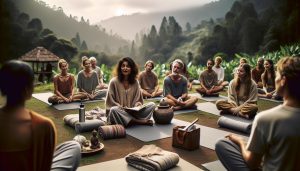
When considering a yoga retreat, many aspiring participants wonder, “Can my body cope with this experience?” It’s not just about yoga poses; it’s about nurturing your mind and body in a supportive environment. Preparing adequately can make a significant difference in how you enjoy and benefit from the retreat. By understanding your body’s needs and potential limitations, you can embrace the transformational journey yoga retreats offer without fear or hesitation. This guide will help you assess your fitness level, identify necessary adjustments, and provide tips for physical and mental preparation. Dive in, and discover how to make the most of your retreat experience, ensuring that both your body and mind are ready for rejuvenation and growth.
Understanding the Benefits of Yoga Retreats
Immersing yourself in a yoga retreat can be a transformative experience, offering myriad physical, mental, and spiritual benefits. For many, these retreats serve as both an escape from the daily grind and a sanctuary for personal growth and healing. Participants often find that stepping away from their usual environments allows them to reconnect with their bodies and minds in ways they never thought possible.
One of the primary advantages of attending a yoga retreat is the opportunity to deepen your practice. With dedicated time to explore different styles and techniques, participants can refine their skills under the guidance of experienced instructors. This concentrated focus not only enhances physical flexibility and strength but also cultivates mindfulness and body awareness. For instance, many retreats incorporate workshops that cover various aspects of yoga philosophy and anatomy, helping attendees gain valuable insights that they can carry into their everyday lives.
Moreover, the communal aspect of a retreat fosters connections with like-minded individuals, creating an environment of support and encouragement. Sharing this journey with others often enhances the experience, as participants can inspire each other and build lasting friendships. The shared commitment to personal wellness not only helps in maintaining motivation but also instills a sense of belonging, which is particularly beneficial in today’s fast-paced, often isolating world.
Finally, yoga retreats often prioritize holistic well-being, integrating approaches such as mindfulness, meditation, and nutrition into the schedule. This multi-faceted focus helps individuals cultivate healthier habits and practices that extend beyond the retreat. By learning to incorporate these elements into their daily routines, participants can maintain a greater sense of balance and harmony long after returning home.
Assessing Your Physical Readiness for Yoga
Before diving into the transformative world of yoga retreats, it’s essential to reflect on your physical readiness. Assessing your body’s current capabilities and limitations can ensure a more enjoyable and beneficial experience. Many attendees arrive enthusiastic but may not fully consider how their bodies might react to an intensive schedule of yoga classes and activities.
Start by evaluating your overall fitness level. Consider how often you practice yoga and the types of classes you typically attend. If you are new to yoga, or have not practiced consistently, it may be wise to begin with gentler classes leading up to your retreat. This gradual approach helps to build strength, flexibility, and familiarity with yoga postures, reducing the risk of injury during more challenging sessions. Keep in mind that retreats often feature multiple classes each day, some of which may challenge your endurance and require a solid foundation in both strength and flexibility.
In addition, pay attention to any pre-existing health conditions or injuries. Consult with a healthcare professional or your yoga instructor to understand what modifications may be necessary during practice. Most retreats accommodate various skill levels, and being open about your physical limitations can help instructors provide the appropriate adjustments to ensure you engage safely and effectively. Additionally, consider your comfort with different styles of yoga, as some may be more physically demanding than others.
Lastly, it’s beneficial to assess your diet and hydration leading up to the retreat. Proper nourishment will enhance your physical readiness, enabling your body to cope better with the increased activity. Aim for a balanced diet rich in whole foods, and ensure you are properly hydrated before and during the retreat. Remember, the goal is to embrace the journey, allow yourself to grow without pushing too hard, and ultimately enjoy this holistic experience tailored for your well-being.
Essential Preparations Before Attending a Retreat
Before embarking on a transformative yoga retreat, thoughtful preparation can greatly enhance your experience, making it both enjoyable and rewarding. The hustle and bustle of daily life can often be overwhelming, leading to stress and disconnection from oneself. A yoga retreat offers a unique opportunity to unplug, recharge, and reconnect with your inner self. Adequate preparations can help you maximize the benefits and enjoyment of your retreat.
To start, it’s crucial to understand the specifics of the retreat you plan to attend. Gather information on the daily schedule, types of yoga sessions offered, and the general environment. This knowledge will enable you to mentally prepare for the intensity and structure of the activities. Discussing your plans with fellow attendees can also provide insights and help set expectations.
Next, consider your personal essentials. Think about the packing list relevant to your comfort and practice. Beyond yoga gear, include items like water bottles, necessary medications, and personal comforts such as journals or favorite teas. Self-care products like sunscreen, lip balm, and bug repellent may also be beneficial, especially if your retreat is in a natural setting. Many retreats emphasize holistic well-being, so bringing along items that support your relaxation and recovery can enrich your overall experience.
Additionally, nurturing your mental and emotional state is just as important as your physical preparation. Building a positive mindset before the retreat can lead to a more fulfilling experience. Start practicing mindfulness or meditation techniques to ease any anxiety about stepping outside your comfort zone. You might also want to set personal intentions or goals for what you hope to achieve during the retreat. This form of preparation can refresh your perspective, ensuring you remain open and receptive to the practices you will encounter.
Lastly, consider any travel logistics, such as transportation to the location and potential travel companions. Ensure your travel arrangements align smoothly with the retreat’s schedule. A well-planned journey allows you to arrive relaxed and ready to immerse yourself fully in the experience. With these preparations, you’ll be better equipped to embrace the journey ahead, allowing for a meaningful and transformative retreat experience.
Choosing the Right Yoga Retreat for Your Needs
Determining the right yoga retreat for your personal needs is a crucial step in ensuring that your experience is both enjoyable and transformative. With a myriad of options available worldwide, from serene beach settings to tranquil mountain hideaways, the key is to align the retreat’s offerings with your personal goals and wellness journey.
Start by identifying your objectives. Are you seeking physical rejuvenation, mental clarity, or emotional healing? Different retreats cater to these goals with varying styles and focuses. For instance, if you’re interested in deepening your yoga practice, look for retreats that offer workshops or classes with experienced instructors and have a structured schedule designed to build skills. Alternatively, if relaxation and stress relief are your priorities, consider retreats that incorporate restorative yoga and holistic practices such as meditation and mindfulness.
Next, assess the retreat’s environment and accessibility. Some individuals thrive in a communal atmosphere, while others may prefer solitude for reflection. Check the accommodation types, group sizes, and the general ambiance of the retreat space. Additionally, consider the location-whether it is easily accessible and aligns with your comfort level regarding travel. Researching reviews from previous attendees can provide valuable insights into the environment and community vibe, helping you make a more informed choice.
Lastly, examine the retreat’s philosophical and dietary practices. If you adhere to specific dietary needs, ensure that the retreat can accommodate them, whether it’s vegetarian, vegan, or gluten-free options. Additionally, explore the retreat’s approach to yoga philosophy to ensure it resonates with your beliefs and practices. Aligning with a retreat that shares your values will enhance your experience and support your journey toward wellness.
By taking these factors into account, you can select a yoga retreat that complements your personal wellness goals, promotes a positive atmosphere for growth, and leaves you feeling revitalized and empowered.
Packing Essentials for a Yoga Retreat Experience
Packing for a yoga retreat can significantly impact your overall experience, enhancing both your comfort and concentration. Knowing what to bring ensures that you’re prepared to delve into your practice while allowing you to fully embrace the tranquility of your surroundings. Here are several essentials to consider packing for your journey:
Clothing Essentials
Comfortable, breathable clothing is paramount for any yoga retreat. Choose materials that wick moisture and allow for ease of movement. Key items include:
- Yoga mats: While many retreats provide mats, bringing your own can make you feel more connected to your practice.
- Yoga attire: Light, flexible clothing such as leggings, tank tops, and long-sleeve shirts for cooler weather.
- Layers: Include a light sweater or shawl for relaxation sessions or cooler temperatures in the evenings.
- Comfortable shoes: Flip-flops or sandals for relaxation time, and perhaps a pair of sneakers for any off-site excursions.
Personal Care Items
Ensure you have all your necessary personal care items to maintain your well-being during the retreat. Essentials include:
- Yoga props: Items like blocks, straps, and blankets, especially if you have specific preferences for your practice.
- Reusable water bottle: Stay hydrated, particularly during intense sessions.
- Toiletries: Bring biodegradable shampoo, soap, and lotion to respect the retreat’s environment.
- First aid kit: Basic supplies like band-aids, antiseptic wipes, and any personal medications will keep you prepared.
Mindfulness Tools
Incorporating mindfulness activities is often a focus at yoga retreats, making certain items beneficial for your experience:
- Journals or notebooks: For reflections and insights during your retreat.
- Pens or pencils: Essential for capturing thoughts and experiences.
- Books: Consider bringing a couple of your favorite wellness or meditation books for relaxation during downtime.
Food and Snacks
Depending on the retreat’s offerings, you might want to pack some healthy snacks for energy between sessions:
- Nuts, seeds, or granola bars: Perfect for a quick pick-me-up.
- Reusable containers: For packing snacks or meals, especially if you are on a special diet.
By thoughtfully preparing your packing list, you can ensure a smooth transition into a focused and enriching experience. This preparation opens the door to greater possibilities for personal growth, allowing you to immerse yourself fully in the journey.
Mental and Emotional Preparation for Yoga Practice
Preparing mentally and emotionally for a yoga retreat is just as crucial as preparing physically. Many participants underestimate the impact that a focused mindset can have on their practice and overall retreat experience. Cultivating a positive mental space allows you to fully immerse in the teachings and benefits of yoga, enhancing your journey towards wellness and self-discovery.
To start, set clear intentions for your retreat. Consider what you hope to gain – whether it’s stress relief, spiritual growth, or deepening your physical practice. Writing these intentions down in a journal can solidify your commitment and remind you of your goals throughout the retreat. Additionally, some find it helpful to visualize themselves attaining these goals, which can foster a sense of motivation and purpose.
Equally important is the ability to let go of preconceived notions about how your journey should unfold. Recognize that a yoga retreat is a space for exploration and self-acceptance. Embracing uncertainty can free you from the pressure of performance and help you reconnect with your inner self. Engaging in mindfulness practices such as meditation or breath work before the retreat can be beneficial in preparing your mind to release any distractions and focus on the present moment.
Another impactful aspect is connecting with fellow retreat participants. Building a supportive community can greatly enhance emotional readiness. Engage in conversations prior to or during the retreat to foster relationships and share your intentions. This connection creates an atmosphere of support that can help deepen your emotional and mental experience, allowing you to be more vulnerable and open during your practice.
By focusing on these elements of mental and emotional preparation, you can create a richer experience at your yoga retreat, allowing the physical practice to be complemented by a deeper understanding of yourself and your relationship with yoga. This holistic approach will not only enrich your time during the retreat but will also empower you with tools to maintain that connection to wellness long after the experience concludes.
Nutrition Tips to Support Your Yoga Journey
Nourishing your body with the right foods is essential to enhance both your yoga practice and overall wellness journey, especially when preparing for a retreat. Thoughtful nutrition not only fuels your physical activity but can also significantly impact your mental clarity and emotional stability, making it an indispensable aspect of your retreat experience.
To optimize your nutrition before and during your yoga retreat, consider the following tips:
Stay Hydrated
Keeping yourself well-hydrated is crucial, particularly if you will be engaging in vigorous yoga practices or spending time in warm environments. Aim to drink plenty of water throughout your day, and consider infusing it with fruits or herbs such as lemon or mint for added flavor and benefits. Herbal teas can also be a soothing alternative, promoting relaxation and digestive health.
Opt for Whole Foods
Focus on consuming whole, unprocessed foods that provide essential nutrients. Incorporate a variety of fruits, vegetables, whole grains, and lean proteins into your meals. For instance, a vibrant salad with a mix of leafy greens, colorful veggies, and quinoa can provide sustained energy while ensuring you feel light during your yoga sessions.
Mind Your Portions
It’s important to listen to your body and eat according to its needs. Consuming smaller, more frequent meals can prevent you from feeling sluggish or bloated during your practice. Include protein and healthy fats in your meals to help maintain energy levels. Snack on nuts, seeds, or fruit throughout your day to keep your energy steady.
Incorporate Anti-Inflammatory Foods
Integrating foods known for their anti-inflammatory properties can aid in recovery and overall well-being. Options like turmeric, ginger, berries, green tea, and fatty fish rich in omega-3s (such as salmon) can help reduce inflammation and support your body as it adapts to the physical demands of yoga.
Nutritional choices play a pivotal role in how well you cope with the demands of a yoga retreat. By focusing on hydration, whole foods, balanced portions, and anti-inflammatory ingredients, you can enhance both your physical performance and emotional resilience, allowing you to fully embrace the transformative experience of yoga.
Incorporating Meditation into Your Retreat Routine
Incorporating meditation into your yoga retreat routine can profoundly enhance your overall experience and deepen your connection to the practice. Meditation provides a sacred space for self-reflection and introspection, allowing you to cultivate mindfulness and awareness amidst the retreat’s activities. This is especially beneficial in a retreat setting, where the tranquil environment encourages a more profound exploration of your inner self.
Begin your day with a morning meditation session to set a positive tone. Even a brief 10-15 minutes dedicated to breathing exercises can help focus your mind and prepare you for the physical practice ahead. As you engage in yoga classes, allow moments of stillness to naturally emerge, whether between poses or at the end of each session. This not only aids in grounding yourself but allows you to fully absorb the benefits of your practice. Consider finding a quiet space for a midday meditation, where you can recharge and realign your intentions.
Additionally, embrace different forms of meditation to discover which resonates most with you. Techniques such as guided visualization, loving-kindness meditation, or body scan practices can all be integrated into your routine. Each offers unique benefits, from enhancing emotional well-being to fostering a deeper sense of connection with your mind and body. You can even combine meditation with nature walks, synchronizing your breathing with your surroundings, allowing the beauty and calm of nature to inspire your practice.
It’s also essential to recognize that meditation is a personal journey, and there’s no right or wrong way to practice. If you find your mind wandering, gently bring your focus back, rather than judging yourself. This acceptance fosters a more rewarding experience, both during the retreat and beyond. Ultimately, by weaving meditation into your yoga retreat routine, you can enrich your physical practice while cultivating a more mindful, peaceful mindset that can extend into your daily life.
Managing Expectations: What to Expect at a Retreat
Stepping into a yoga retreat can be both exhilarating and daunting, especially if it’s your first experience. Understanding what to expect helps manage your anticipations and enhances your overall enjoyment. While each retreat varies in focus, location, and community, several common elements emerge that can help you feel prepared and at ease as you embark on your wellness journey.
Firstly, consider the daily schedule. Most yoga retreats incorporate a structured routine that typically includes multiple yoga sessions, meditation, and various wellness activities such as hiking, journaling, or even cooking classes. Expect mornings to begin early, often with a meditation session or gentle yoga to awaken the body, followed by a nutritious breakfast. This rhythm not only cultivates discipline but also allows you to immerse yourself fully in each day’s experiences. Embrace the flow of the schedule, but also allow yourself flexibility; if your body or mind calls for a rest day, listen to that inner voice.
Moreover, prepare to engage in a diverse community of like-minded individuals. Retreats often encourage a spirit of camaraderie and support, where participants share their practices, experiences, and personal stories. This connection can be one of the most rewarding aspects of a retreat. Approach conversations with an open heart, as many transformative moments occur through shared experiences. However, be prepared for varying levels of experience and commitment to yoga among participants-this diversity enriches the retreat atmosphere but can also challenge your self-perception and comfort zone.
Self-Care and Reflection:
A crucial aspect of your retreat will likely involve self-care and reflection. Expect designated quiet times or activities that encourage introspection, helping you delve deeper into your intentions for joining the retreat. Journaling, walking in nature, or simply enjoying silence can all support this journey. Consider allocating moments each day to process your feelings and experiences, as these insights often lead to profound personal growth.
Lastly, while the focus might be on rejuvenation and healing, keep in mind that physical discomfort or emotional releases can arise during intense yoga practices. Prepare yourself mentally for the possibility of physical challenges and emotional surprises on the mat. Maintaining an open mindset allows you to embrace these experiences without self-judgment, facilitating deeper healing and connection.
In conclusion, entering a yoga retreat is about surrendering to the process and remaining open to the myriad experiences that come your way. By setting realistic expectations and preparing for both the structure and the intimacy of the journey, you can create a fulfilling experience that nourishes your body, mind, and spirit.
Creating a Personal Wellness Plan Pre-Retreat
Creating a personal wellness plan before embarking on a yoga retreat is a crucial step in maximizing your experience. A well-structured plan provides a roadmap for your physical, mental, and emotional preparation, ensuring you arrive at the retreat feeling ready to engage fully in all activities. Start by assessing your current physical condition and any previous yoga experience; this will help you tailor a practice that suits your level and promotes gradual growth throughout the retreat.
Consider incorporating regular yoga practice into your routine leading up to the retreat. Even if you’re a beginner, committing to a few sessions per week can build your strength, flexibility, and familiarity with yoga postures. Integrating cross-training activities-such as walking, swimming, or Pilates-can also enhance your overall fitness and help prevent injuries. Additionally, set specific goals for what you hope to achieve during the retreat, whether it’s mastering certain poses, deepening your meditation practice, or simply finding relaxation amidst a busy life.
Another essential element of your wellness plan is nutrition. Focus on nourishing your body with healthy, whole foods that fuel your practice and support recovery. Consider incorporating foods rich in vitamins and minerals, such as leafy greens, lean proteins, nuts, and seeds. Staying hydrated is equally important, so make it a habit to drink plenty of water in the days leading up to your retreat. Mindful eating practices, such as portion control and eating without distractions, can help set a positive tone for your time away.
Finally, mental preparation is vital for a successful retreat. Engage in mindfulness practices, such as meditation or journaling, to clarify your intentions and create a sense of emotional readiness. Reflect on what brought you to this retreat and what you hope to gain from the experience. This may include personal growth, stress relief, or simply connecting with nature. By laying this groundwork, you position yourself to be open to new experiences, deepen your practice, and fully engage in the community atmosphere that yoga retreats offer.
Staying Safe: Injury Prevention During Yoga
Engaging in yoga can bring numerous benefits, but without proper precautions, the risk of injury can increase, especially in a retreat environment where practices may be more intensive than usual. Understanding the fundamentals of injury prevention not only enhances your experience but also ensures that you can continue your yoga journey sustainably.
To minimize the risk of injury during your retreat, consider these essential practices:
Listen to Your Body
It’s crucial to remain attuned to what your body is telling you throughout your practice. If you feel pain-not to be confused with normal discomfort-stop and reassess your position or take a break. Yoga is about connecting with your body, and pushing through pain can lead to injuries. It’s perfectly acceptable to modify postures to suit your abilities. Using props like blocks or straps can provide additional support and help maintain proper alignment.
Start Slowly and Progress Gradually
Beginners or those returning to yoga after a break should start with foundational classes. Gradually introducing more challenging poses or longer sessions allows your body to adapt without overstressing muscles and joints. Take the time to understand each pose; for example, in a downward-facing dog, ensure your wrists are aligned with your shoulders and your heels are aimed toward the ground without straining.
Stay Hydrated and Nourished
Proper hydration is crucial for overall muscle function and can significantly impact your performance on the mat. Dehydration can lead to muscle cramps and discomfort. Ensure you consume enough fluids before, during, and after practice. Incorporate nutritious snacks or meals into your day that support muscle recovery and energy, such as fruits, nuts, and whole grains.
Utilize Professional Guidance
Retreat settings often feature experienced instructors who can provide valuable insights on technique. Don’t hesitate to ask questions or seek hands-on adjustments that can improve your alignment. Engaging fully with your instructors allows them to guide you in ways that can prevent injuries and make your practice more fulfilling.
By integrating these practices into your retreat experience, you can enhance your enjoyment while significantly reducing the likelihood of injury, ensuring that your time spent in yoga contributes to long-term wellness and growth.
Post-Retreat: Maintaining Wellness and Practice
Returning from a yoga retreat often leads to a surge of inspiration and motivation to continue your practice, but it can also be challenging to maintain the momentum you’ve gathered. The tranquility and focus you experienced in that retreat setting can quickly fade back into the hustle and bustle of daily life. However, with the right strategies, you can ensure that the benefits you gained remain integrated into your routine, helping to cultivate ongoing wellness and mindfulness.
One effective way to maintain your practice is to establish a structured routine. Consider setting specific days and times for your yoga sessions, just as you would schedule an important meeting or appointment. Consistency is key; even shorter sessions, perhaps 20-30 minutes a few times a week, can be more beneficial than sporadic longer practices. Keep in mind that practice doesn’t have to mirror the retreat’s intensity. Instead, focus on alignment and mindfulness during each session, ensuring you’re honoring your body’s needs.
To enrich your home practice, consider incorporating elements that you found beneficial at the retreat. This might include setting a calming atmosphere with candles, incense, or soothing music, as well as using props to aid your practice. Additionally, you could explore various styles of yoga that were introduced to you during the retreat-this versatility can keep your practice fresh and engaging. Joining a local class or workshop can also be a great way to connect with a community and sustain motivation.
Nourishment and Self-Care as Integral Components
Just as the diet at your retreat likely supported your physical practice, continuing to pay attention to your nutrition will further enhance your wellness. Aim to replicate some of the wholesome meals or snacks you enjoyed by preparing them at home. Focus on whole foods, plenty of fruits and vegetables, and adequate hydration to keep your energy levels high and muscles recovering effectively.
Moreover, don’t forget the mental aspect of your retreat experience. Incorporate meditation or mindfulness practices into your daily routine to maintain the mental clarity you gained. This could be as simple as taking a few moments each day to breathe deeply, reflect, or engage in a guided meditation. Apps or online classes can offer valuable resources if you’re unsure where to start.
Ultimately, the key to maintaining wellness post-retreat lies in mindful integration. Establish a routine that resonates with you, nourish your body with healthy foods, and foster your mental wellbeing through mindfulness practices. By doing this, the transformative experiences gleaned from your yoga retreat can become lasting enhancements to your daily life, promoting overall wellbeing and a deeper connection with your yoga journey.
Faq
Q: What should I consider regarding my health before attending a yoga retreat?
A: Assess your current health status, including any chronic conditions or injuries. Consult with a healthcare professional to ensure you’re fit for physical activity. Focus on gradual preparation through regular yoga practice to build endurance and flexibility, which will enhance your retreat experience.
Q: How can I prepare mentally for a yoga retreat?
A: Mental preparation for a yoga retreat involves setting clear intentions and being open to the experience. Consider practicing mindfulness or meditation beforehand to cultivate a relaxed state. Journaling about your expectations and goals can also help align your mind for the journey ahead.
Q: Are there specific yoga styles I should practice before a retreat?
A: Practicing styles that align with your retreat, such as Hatha for beginners or Vinyasa for a more intense experience, can be beneficial. Familiarize yourself with the postures that will likely be taught during the retreat to alleviate discomfort and boost confidence.
Q: How can I prevent injury during a yoga retreat?
A: To prevent injury, listen to your body and communicate any limitations to your instructor. Warm up adequately before sessions and incorporate restorative practices like yoga nidra or gentle stretches between sessions. This aligns with the injury prevention tips covered in your wellness plan.
Q: What kind of nutritional preparations should I make before attending a yoga retreat?
A: Focus on a balanced diet rich in whole foods, including fruits, vegetables, and lean proteins in the weeks leading up to your retreat. Staying hydrated is crucial, so increase your water intake. This supports better energy levels and recovery during intensive yoga sessions.
Q: How do I choose the right level of yoga retreat for my experience?
A: Evaluate your skill level and comfort with various yoga styles. Beginners should look for retreats labeled as “beginner-friendly” or providing basic yoga instruction. It’s helpful to read reviews or contact the retreat directly to ask about the levels accommodated.
Q: What should I pack to prepare for a yoga retreat?
A: Essential items for a yoga retreat include comfortable yoga wear, a reusable water bottle, yoga mat, and personal comfort items like a journal or meditation cushion. Check the retreat guidelines for specific recommendations on what to bring for your unique experience.
Q: How can I maintain my yoga practice after returning from a retreat?
A: To maintain your practice post-retreat, establish a consistent yoga schedule and set realistic goals. Join a local studio or online classes to foster community. Incorporate short daily sessions to keep your body engaged, as suggested in your post-retreat wellness plan.
The Conclusion
As you prepare for your yoga retreat, remember that understanding your body’s capacity to engage with yoga is crucial for maximizing your experience. Embrace the journey of self-discovery and transformation that awaits you. If concerns linger about participating, take a moment to explore our comprehensive resources on wellness travel and maintaining routines while traveling. Don’t miss our articles on choosing the right type of retreat for your needs and tips for staying mindful during your travels-your journey to inner peace starts here!
Ready to take the next step? Subscribe to our newsletter for ongoing insights and exclusive content designed to support your wellness journey. Share your thoughts or questions in the comments; your engagement helps foster a vibrant community of wellness seekers. Embrace this opportunity, and let’s make your yoga retreat an enriching experience.
Get our latest guides, news, and insights highlighted in your Google Search & AI Overviews.