In today’s fast-paced world, taking time to recharge is essential for maintaining our well-being, yet a luxurious yoga retreat can often feel out of reach financially. The good news is that you can create your own transformative yoga retreat right at home on a budget. A DIY retreat not only allows you to customize your experience according to your needs but can also foster mindfulness, relaxation, and a deeper connection to your practice. Imagine transforming your living space into a sanctuary that encourages self-care, reflection, and inner peace-all without the hefty price tag. As you read on, discover practical tips and creative ideas to help you design an unforgettable yoga retreat experience that rejuvenates your body and soul, making magic in the comfort of your own home.
Creating Your Ideal Home Yoga Retreat Space
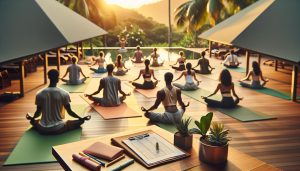
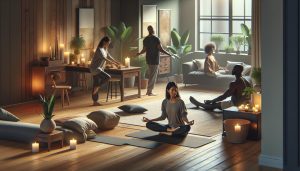
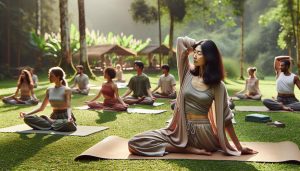
Creating a dedicated yoga retreat space in your home can transform your practice into a sanctuary, allowing you to dive deep into mindfulness and self-discovery. This personal oasis can be set up using items you already have combined with a few intentional choices. Start by selecting a quiet area in your home, ideally with ample natural light, fresh air, and minimal distractions. This could be a spare room, a cozy corner in your living space, or even your backyard.
To enhance the environment, consider incorporating items that resonate with your personal style and yoga practice. Decorate the space with plants that purify the air and create a calming ambiance-think succulents, ferns, or peace lilies. Adding a soft rug or a yoga mat can also define your area, making it multipurpose for meditation or relaxation.
Another essential aspect of this retreat space is the lighting. Opt for adjustable lighting that can mimic the soothing qualities of a sun setting or dawn. Candles and string lights can create a warm, inviting atmosphere, while aromatherapy diffusers can fill the air with calming scents, such as lavender or sandalwood, that enhance relaxation and concentration.
Creating Your Ideal Retreat
To further personalize your retreat, think about the following elements you’ll want to include:
- Yoga Props: Incorporate blocks, straps, bolsters, and blankets to assist your practice.
- Sound: Use calming music or nature sounds; even consider incorporating a small speaker or a sound machine.
- Art and Inspiration: Hang images, quotes, or mandalas that inspire you and resonate with your yoga journey.
These curated elements enhance the retreat experience, making it sacred and aligned with your goals. Each item should not only serve a practical purpose but also inspire tranquility and dedication to your practice. By creating a personalized retreat space, you open the door to self-care rituals that renew and rejuvenate your spirit, ultimately making your at-home yoga experience more profound and fulfilling.
Essential Supplies for Your DIY Yoga Retreat
Creating a memorable at-home yoga retreat doesn’t require an extravagant budget. With the right supplies, you can design an environment that encourages relaxation, mindfulness, and personal growth. Essential supplies can be a mix of items you already own and a selection of affordable, intentional purchases that elevate your practice.
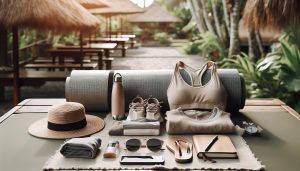
Start with yoga props that enhance your practice. These can include essential tools such as yoga mats, blocks, straps, and bolsters. If you don’t have these items, consider alternatives around your home, like using a thick towel as a mat or a firm cushion as a bolster. These props allow you to explore poses more deeply and safely, accommodating your unique body and level of experience.
Another critical element for your retreat is sound. Create a calming atmosphere by incorporating music or nature sounds. You can find free playlists on streaming services or utilize apps designed for relaxation. If you have a small speaker or sound system, set it up to play serene, meditative tracks or even guided yoga sessions, immersing you further into your retreat experience.
In addition to props and sound, don’t underestimate the power of aromatherapy and lighting. Utilizing essential oils or scented candles can transform the ambiance, promoting relaxation and mindfulness. A few drops of lavender or eucalyptus in a diffuser, paired with dim lighting or string lights, adds a cozy, serene feel that is instrumental in setting a calming mood. Also, consider incorporating elements of art and inspiration; hang images, quotes, or mandalas that resonate with your journey and purpose. These visuals can serve as gentle reminders of your intentions and inspire tranquility.
By thoughtfully selecting these supplies, your DIY yoga retreat will not only reflect your personal style but also create a nurturing environment conducive to meaningful practice and self-reflection.
Budget-Friendly Ideas for Personalized Retreat Activities
Creating a DIY yoga retreat at home doesn’t have to break the bank, and it can be as enriching as any exotic getaway. By carefully curating a few budget-friendly activities, you can enhance your retreat experience and focus on self-care and mindfulness. Consider incorporating a blend of physical, mental, and social activities tailored to your interests and resources.
Start your retreat days with themed yoga sessions. You can explore various styles from Hatha to Vinyasa, picking ones that resonate with you. Utilize free online resources like YouTube for guided classes, or create your playlist of favorite sessions. To add a personal touch, designate specific days for themes such as “Soulful Sunday” focused on restorative yoga or a “Wild Card Wednesday” where you try something completely new like aerial yoga, if you have the equipment at home.
Another engaging activity is to incorporate journaling and intention-setting sessions. Before or after your yoga practice, spend time reflecting on your thoughts and intentions through journaling. This can deepen your self-reflection and provide clarity. To enhance the experience, you can create a quiet corner with soft pillows, candles, and your favorite journal. Consider daily prompts to guide your writing, such as “What does wellness mean to me?” or “How can I cultivate gratitude in my life?”
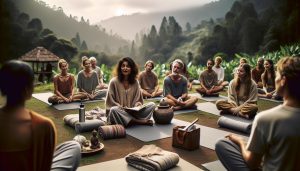
In addition, group video calls or virtual workshops can foster community and connection without significant expense. Invite friends to join you remotely for yoga sessions, meditation practices, or even wellness discussions. Platforms like Zoom or Skype allow you to connect and share experiences, creating a sense of community despite physical distance. You can also host a potluck-style virtual dinner where everyone shares healthy recipes they’ve tried throughout the retreat.
To bring in an element of creativity, DIY craft sessions can be a delightful diversion. Use inexpensive materials to create yoga props like bolsters or eco-friendly mats. You might explore painting, coloring mandalas, or making simple aromatherapy bottles with essential oils for your relaxation times. Engage your creative side while also crafting items that enhance your retreat setting.
By incorporating these activities into your at-home yoga retreat, you not only enjoy a fulfilling experience but also keep costs low. Each carefully selected activity fosters relaxation and personal growth and transforms a simple space into your oasis of well-being. With thoughtful planning, your home can become a sanctuary that invigorates both body and spirit, making your wellness journey accessible and rewarding.
Mindfulness: Setting Intentions for Your Retreat
Setting intentions is a transformative practice that can elevate your at-home yoga retreat from a simple self-care experience to a profound journey of self-discovery. This process invites clarity, purpose, and focus into your retreat, allowing you to fully immerse yourself in wellness while cultivating a deeper connection with your inner self. Whether you’re looking to reduce stress, enhance mindfulness, or foster personal growth, setting intentions lays the foundation for a meaningful practice.
To effectively set your intentions, carve out a quiet moment before your retreat begins. Create a serene environment with soft lighting, calming scents like lavender or eucalyptus, and perhaps some gentle music that resonates with you. As you settle into this peaceful space, take a few deep breaths to center yourself. Then, reflect on what you genuinely seek from your retreat. Consider questions like: What do I wish to release? What do I want to cultivate in my life? How can I deepen my practice of self-love? Jot down your thoughts in a journal dedicated to this retreat, turning your reflections into powerful statements such as, “I am open to healing” or “I invite peace and tranquility into my life.”
As your retreat progresses, revisit these intentions regularly. You might incorporate them into your yoga practice by verbally affirming them at the beginning or end of each session, or even using them as focal points during meditation. This continuous engagement serves to reaffirm your commitment to your goals and helps keep your mind aligned with your aspirations. Consider designing activities that correlate with your intentions, such as a gratitude journaling session or a restorative yoga practice focused on letting go.
To deepen the impact of your intentions, share them with others if your retreat includes friends or virtual participants. This can foster a sense of accountability and support, creating a community atmosphere that enhances the overall experience. Engaging in group discussions around each other’s intentions can yield insights and inspiration, highlighting the interconnectedness of personal journeys. Remember, the essence of setting intentions lies not in achieving a particular outcome, but in the mindful journey itself, making your home retreat a truly enriching experience.
Yoga Styles to Explore During Your Retreat
Exploring various yoga styles during your at-home retreat can elevate your practice, keeping it engaging and enriching. Each style has its unique essence and can cater to different aspects of your wellbeing. For instance, incorporating a diverse range of practices fosters a holistic experience, enabling you to discover new dimensions of your mind and body.
Hatha Yoga
Hatha yoga is a fantastic starting point for those new to yoga or looking for a balanced practice. It focuses on basic postures and breathing techniques, making it suitable for all skill levels. During your retreat, you might begin with Hatha sessions to establish a foundation, concentrating on alignment and breath.
Vinyasa Yoga
Consider incorporating Vinyasa, characterized by its flowing sequences and emphasis on breath-synchronized movement. This dynamic style keeps the energy high and can elevate your heart rate. Utilize Vinyasa to create a vibrant morning practice that energizes you for the day ahead, incorporating sun salutations and creative transitions between poses.
Yin Yoga
To counterbalance more active styles, Yin yoga is excellent for deep relaxation and stretching. It involves holding postures for several minutes, promoting flexibility and mental calmness. Dedicate part of your retreat to Yin yoga sessions in the evening, allowing your body and mind to unwind as you hold postures like forward folds and gentle twists.
Kundalini Yoga
Kundalini yoga offers a unique blend of physical, mental, and spiritual practices, focusing on awakening the energy within. This style incorporates movement, breathwork, meditation, and chanting, making it a deeply transformative experience. Integrate a Kundalini session into your retreat for a powerful exploration of your inner self, utilizing practices that awaken creativity and self-awareness.
Restorative Yoga
Restorative yoga emphasizes relaxation and recovery. Use blankets, bolsters, and blocks to support your body in poses that promote deep rest. This style can be a wonderful way to close your retreat, offering time for reflection and integration. Spend an hour unwinding with restful poses, such as legs-up-the-wall or supported child’s pose, allowing your body to rejuvenate.
By thoughtfully integrating various yoga styles into your DIY retreat, you not only nurture different aspects of your physical and mental wellness but also enhance your overall yoga experience at home. Embrace the diversity of practice, and allow each session to serve a specific purpose on your journey toward deeper self-discovery and inner peace.
Incorporating Healthy Meals and Snacks
Nourishing your body with healthy meals and snacks during a DIY yoga retreat not only enhances your well-being but also complements the mind-body connection cultivated on the mat. Thoughtful meal planning can elevate your retreat experience, providing energy, focus, and a sense of ritual that reinforces your mindfulness practice. Emphasizing plant-based, whole foods ensures that you are fueling your body with nutrients that support both physical activity and relaxation.
Meal Ideas for Your Retreat
Consider incorporating a variety of colorful fruits and vegetables, whole grains, and healthy fats into your menus. Here are some meal and snack ideas to inspire your retreat:
- Breakfast: Start your day with a smoothie bowl topped with fresh berries, granola, and seeds, or opt for overnight oats with almond milk, chia seeds, and sliced bananas.
- Lunch: A quinoa salad with roasted vegetables, chickpeas, and a lemon-tahini dressing provides a refreshing and satisfying lunch option.
- Dinner: Try a nourishing veggie stir-fry using a mix of seasonal vegetables, tofu, and brown rice, seasoned with low-sodium soy sauce or tamari.
- Snacks: Keep energy levels steady with snacks like homemade energy balls (made from oats, nut butter, and honey) or sliced apple with almond butter.
Mindful Eating Practices
Integrating mindfulness into your dining experience can further enhance your retreat. Set aside time for meals without distractions; focus on the colors, textures, and flavors of your food. Chew slowly and appreciate each bite, which not only aids digestion but also fosters a deeper connection to your body and its needs. Using a designated space for meals can cultivate an atmosphere of tranquility and intention, mirroring the peaceful vibe of your yoga practice.
Experimenting with different recipes and flavor profiles can make meal prep part of the creative exploration that a retreat offers. Consider using a mix of cooked and raw ingredients for diversity in texture and taste. Invite friends or family members to join you in preparation, turning cooking into a shared, joyful activity that builds community and connection around nourishment.
By focusing on wholesome meals and incorporating mindful eating practices, you create a holistic retreat experience that nurtures both your body and spirit, making the magic of self-care accessible in your own home.
Creating a Relaxing Atmosphere at Home
Creating a tranquil atmosphere is crucial in transforming your home into a personal yoga retreat. This space should inspire peace, promote mindfulness, and facilitate a deeper connection to your practice. Start by selecting a quiet area in your home where you can dedicate time without interruptions. This could be a corner of your living room, a sunlit bedroom, or even a cozy nook by a window. The goal is to choose a space that feels safe and inviting, allowing you to escape the hustle of daily life.
To enhance your retreat experience, consider decluttering the area. A tidy space contributes to a calm mind; thus, removing unnecessary items can make your environment feel more serene. You can accentuate the space with soft furnishings, such as a yoga mat or blankets in calming colors that resonate with you. Adding personal touches like photographs, plants, or artwork that bring you joy can also elevate the sense of comfort and encourage a meditative mindset.
Lighting plays a pivotal role in setting the mood. Natural light is ideal, so try to practice when it’s bright and uplifting. However, if your retreat happens in the evening or you want to soften the space further, consider using candles or dimmable lamps. You can also incorporate string lights for a whimsical touch. Scents can significantly influence your mind, so don’t overlook the power of aromatherapy. Essential oils, incense, or scented candles with calming fragrances like lavender or sandalwood can enhance relaxation and create an immersive experience.
Lastly, think about your auditory environment. Whether you prefer the sounds of nature, calming music, or guided meditations, curating a suitable audio background for your practice can enhance your experience. Look for playlists or soundscapes that resonate with your intentions for the retreat. By carefully crafting an atmosphere that melds aesthetics, scents, and sounds, you pave the way for a rejuvenating yoga retreat right in the comfort of your home.
Engaging with Online Yoga Resources and Communities
Engaging with online yoga resources can significantly enhance your DIY retreat experience, providing inspiration, guidance, and connection to a wider community. From virtual classes to online forums, these resources open a world of possibilities right at your fingertips. Utilizing digital platforms can help you maintain motivation, explore new practices, and connect with experienced yogis, making your home retreat both enriching and dynamic.
One of the most immediate benefits of engaging with online yoga resources is access to a vast array of virtual classes and tutorials. Websites and apps like YogaGlo, Alo Moves, and YouTube offer classes ranging from beginner to advanced levels, covering various yoga styles such as Vinyasa, Hatha, and Yin. Consider curating a playlist of your favorite classes to integrate into your retreat schedule. This allows for a structured yet flexible approach to your practice, aligning with your personal goals and interests.
Moreover, online communities can serve as a source of support and accountability. Joining a yoga-focused social media group or participating in forums such as Reddit’s r/yoga provides a platform for sharing experiences, asking questions, and gaining insights from fellow practitioners. You can seek advice on specific poses, meditation techniques, or even meal preparations for your retreat. Sharing your journey with others can not only motivate you but also create a sense of connection that enhances your retreat experience.
Another valuable aspect of online yoga resources is the abundance of guided meditations and mindfulness practices available. Platforms like Insight Timer or Headspace offer a variety of sessions that cater to different intent levels, whether you’re looking to enhance relaxation, improve focus, or cultivate gratitude. Integrating these meditative practices can enrich your retreat, helping you dive deeper into mindfulness and self-reflection. You may even consider scheduling a few meditation sessions alongside your yoga practice to create a holistic retreat experience.
Lastly, don’t underestimate the power of webinars and workshops that delve into specific topics related to yoga and wellness. Engaging with expert-led sessions can expand your understanding and introduce new elements to your practice. For instance, workshops on pranayama (breath control) or yoga philosophy can deepen your appreciation and application of yoga principles in your life, making your home retreat not only about physical practice but also a journey of personal growth.
By tapping into these online resources and communities, you can transform your DIY yoga retreat from a solitary experience into a vibrant, connected journey, ensuring that you gain the maximum benefit from your time spent in practice and reflection.
Planning a Retreat Schedule for Maximum Benefit
Creating a structured yet flexible schedule for your home yoga retreat can drastically enhance its overall effectiveness and enjoyment. A well-planned timetable not only cultivates focus but also allows for deep engagement with your practice. It’s essential to balance various activities-yoga sessions, meditation, meals, and free time-to foster a holistic experience that addresses both physical and emotional well-being.
Start by determining the number of days you plan to devote to your retreat. This will inform how you allocate your time. For instance, if you’re setting aside a weekend, consider each day as a different theme to explore various aspects of your practice. Here’s a sample schedule for a two-day retreat:
| Time | Activity |
|---|---|
| 7:00 AM – 8:00 AM | Morning Yoga (Hatha or Vinyasa) |
| 8:00 AM – 9:00 AM | Healthy Breakfast |
| 9:00 AM – 10:00 AM | Guided Meditation |
| 10:00 AM – 12:00 PM | Workshop (e.g., Pranayama or Yoga Philosophy) |
| 12:00 PM – 1:00 PM | Lunch (light and nutritious) |
| 1:00 PM – 2:30 PM | Afternoon Yoga (Yin or Restorative) |
| 2:30 PM – 4:00 PM | Personal Reflection/Journal Time |
| 4:00 PM – 5:00 PM | Creative Activity (e.g., art, nature walk) |
| 5:00 PM – 6:00 PM | Dinner (mindfully prepared) |
| 6:00 PM – 7:00 PM | Evening Wind Down (light yoga or meditation) |
In this schedule, a variety of practices are included to ensure comprehensive engagement. Morning sessions might emphasize energizing flows, while afternoon activities can focus more on restoration and introspection. Including workshops or creative pursuits further enhances the experience by introducing new elements and mindfulness practices.
Additionally, incorporate breaks between activities-this allows time for reflection and prevents overwhelm. Detaching from your phone and distractions during this period can also promote deeper engagement with the present moment.
Furthermore, setting intentions at the beginning of each day can guide your practice and keep you aligned with your goals for the retreat. Whether you wish to find inner peace, explore new techniques, or deepen your meditation practice, articulating these intentions helps create a more fulfilling experience.
For maximum benefit, remember to remain flexible. If a particular session resonates deeply, allow for extra time to explore that feeling instead of strictly adhering to your schedule. A successful DIY yoga retreat is about tuning into what serves you best in the moment.
Tips for Staying Motivated and Committed
Staying committed to your DIY yoga retreat can sometimes feel challenging, especially in the familiar confines of your home. However, with intentional strategies, you can maintain your motivation and ensure each moment of your retreat feels rewarding and transformative. One effective way to cultivate commitment is by integrating accountability into your practice. Consider inviting a friend or family member to join you, even virtually. Scheduling regular check-ins or sharing daily reflections can create a sense of shared purpose that encourages you to stay on track.
Creating a visually appealing environment can also enhance your motivation. Set up your space to inspire tranquility and focus-this might include lighting candles, adding soft fabrics, or using plants to bring nature indoors. Designate specific areas for different activities such as meditation, yoga, or journaling. By assigning particular spaces to each practice, you reinforce a mental association that can help signal to your mind and body when it’s time to connect with your chosen activity.
Utilizing a visual schedule or checklist can serve as a compelling reminder of your goals for the retreat. Break down your daily activities into manageable chunks and display this schedule in your practice area. This approach allows you to see your progress at a glance, keeping your objectives front and center while providing the satisfaction of checking off completed activities. Additionally, don’t shy away from experimenting with various styles of yoga or types of meditation that intrigue you. Keeping things fresh and varied can rekindle your enthusiasm and maintain engagement throughout your retreat.
Lastly, embrace the journey as a practice of self-love and patience. Acknowledge that it’s perfectly fine to adjust your schedule or activities as you feel necessary. Remaining flexible allows you to honor your body’s signals and emotional states, making the experience more personal and aligned with your true needs. Fostering a mindset of curiosity and openness will not only aid in staying motivated but also deepen the overall impact of your DIY yoga retreat experience.
Post-Retreat Integration: Maintaining Your Practice
Finding ways to sustain the transformative energy and insights gained during a DIY yoga retreat can significantly enhance your daily routine and overall well-being. One of the most effective strategies for post-retreat integration is establishing a consistent practice that evolves and adapitates to your life. This can be achieved through setting clear intentions and continuing to engage with the practices and principles you explored during your retreat.
Create a Routine
Developing a structured routine is key to maintaining the benefits of your retreat. Consider scheduling specific times throughout your week dedicated to yoga, meditation, or journaling. This could be as simple as a 10-minute morning stretch or a longer session on weekends. Consistency builds habit, and by committing to regular practice, you’ll keep the feelings of mindfulness and intentionality alive.
- Morning Ritual: Start your day with a short meditation or yoga session to set a positive tone.
- Evening Reflection: End your day with journaling about your experiences, thoughts, and emotional states.
- Weekly Deep Dives: Designate a longer session weekly to explore new yoga styles or deepen your practice.
Stay Connected
Consider connecting with your retreat experience by joining online communities or participating in local classes that align with what you practiced. Many platforms offer virtual classes that can keep you engaged and inspired. Sharing your journey and experiences with others can foster a sense of accountability and motivate you to stick with your practice long after the DIY retreat.
Embrace Flexibility
It’s essential to be kind to yourself as you try to maintain this practice. Life can get busy, and there may be times when sticking to your routine feels challenging. Embrace flexibility; if you miss a session, don’t be too hard on yourself. Instead, reflect on what prevents you from practicing and make adjustments as needed. This approach respects your mental and physical state, ensuring your practice remains a source of joy rather than a chore.
By thoughtfully integrating these strategies into your daily life, you can keep the magic of your DIY yoga retreat alive, allowing it to enrich your overall wellness journey for months to come. Ultimately, the goal is to create a nourished, balanced lifestyle that reflects the insights and peace you cultivated during your retreat while remaining adaptable to life’s changes.
Sharing Your Experience: Building Community Online
Connecting with others who share your passion for yoga can amplify the benefits of your DIY retreat experience. Engaging in online communities allows you to exchange insights, find inspiration, and cultivate a network of support that can enhance your practice long after your home retreat concludes. Many platforms offer opportunities for yoga enthusiasts to come together, making it easy to share experiences and encourage one another’s journey.
Consider joining dedicated forums, social media groups, or online yoga classes where you can post updates about your practice, ask questions, and share milestones. Engaging in these communities can help you stay motivated as you discuss challenges and triumphs with fellow practitioners. You might also discover various themes for group challenges or virtual meetups that can broaden your perspective on yoga and mindfulness. For example, some platforms enable members to participate in themed classes or wellness challenges, allowing you to keep your practice exciting and innovative.
Participating in virtual retreats or wellness workshops can enrich your experience further. These events often provide structured schedules and professional guidance, allowing you to delve deeper into your practice while connecting with like-minded individuals. Online yoga studios, such as Commune Yoga Studio and Pure Flow Yoga, offer vibrant communities where participants can share their experiences while engaging in classes. These platforms not only value the individual journey but also foster a collective spirit that can bolster your commitment to maintaining a consistent practice.
Lastly, don’t underestimate the value of sharing your journey through personal blogs or social media. Documenting your experiences during your DIY retreat can be a reflective practice that also encourages others. By sharing your successes, struggles, recipes, and routines, you invite dialogue and support while forging deeper connections with a wider audience. Building community online in this way transforms your yoga retreat from a solitary experience into a shared journey toward wellness, creating a vibrant network of inspiration and accountability.
FAQ
Q: How can I create a peaceful environment for my DIY yoga retreat?
A: To create a peaceful environment for your DIY yoga retreat, consider decluttering your space, utilizing soft lighting, and playing calming music. Incorporate natural elements like plants or flowers and use aromatherapy with essential oils to enhance relaxation. For more detailed tips, check out the section on “Creating a Relaxing Atmosphere at Home.”
Q: What activities can I include in a budget-friendly DIY yoga retreat?
A: Budget-friendly activities for your DIY yoga retreat can include guided meditations, journaling sessions, nature walks, or creating a mindful art project. You can also follow online yoga classes for an interactive experience. Refer to “Budget-Friendly Ideas for Personalized Retreat Activities” for more inspiration.
Q: What are some healthy meal ideas for my at-home yoga retreat?
A: For a DIY yoga retreat, focus on light and nourishing meals like smoothie bowls, salads, veggie wraps, and herbal teas. Incorporate whole foods and consider meal prepping to save time. More suggestions can be found in the “Incorporating Healthy Meals and Snacks” section of the article.
Q: How do I set intentions for my DIY yoga retreat?
A: To set intentions for your DIY yoga retreat, take time to reflect on your personal goals for the retreat. Write them down and create affirmations to guide your practice. Setting a peaceful space for intention-setting can enhance your focus. Explore “Mindfulness: Setting Intentions for Your Retreat” for more guidance.
Q: Can I invite friends to my DIY yoga retreat, and how do I organize it?
A: Yes, inviting friends can enhance the experience! Organize your retreat by planning a schedule that includes yoga sessions, meals, and group activities. Ensure everyone is on board with the agenda by communicating expectations and preferences. For scheduling tips, see the “Planning a Retreat Schedule for Maximum Benefit.”
Q: What yoga styles should I explore during my home retreat?
A: During your home retreat, explore various yoga styles like Hatha for balance, Vinyasa for flow, or Yin for deep stretching. Experiment with guided online classes to discover what resonates with you. Find more details in the “Yoga Styles to Explore During Your Retreat” section.
Q: How can I stay motivated during a DIY yoga retreat at home?
A: To stay motivated during your at-home yoga retreat, set clear goals, create a structured schedule, and eliminate distractions. Engage with online yoga communities for support and encouragement. For more motivation tips, refer to “Tips for Staying Motivated and Committed.”
Q: How can I integrate my DIY yoga retreat experiences into daily life?
A: To integrate your retreat experiences into daily life, start by setting achievable daily yoga goals and incorporating mindfulness practices learned during the retreat. Create a routine that combines these elements for continued growth. Check out “Post-Retreat Integration: Maintaining Your Practice” for further strategies.
The Conclusion
Transforming your space into a rejuvenating yoga retreat at home is within your reach, and the magic lies in the details you incorporate. As we’ve explored, creating a budget-friendly DIY yoga retreat can not only enhance your well-being but also allow for personal growth and relaxation in the comfort of your own home. Take this opportunity to reconnect with yourself and prioritize self-care-don’t wait for the perfect moment; create it today!
Ready to dive deeper? Check out our guides on essential yoga poses for beginners or tips on maintaining your wellness routine while traveling. If you’re looking to enrich your experience further, sign up for our newsletter for exclusive insights and resources on yoga and wellness retreats. Your journey to peace and balance can start right now-embrace it! Join the conversation in the comments below and share your own DIY retreat ideas; we love hearing from you!
Get our latest guides, news, and insights highlighted in your Google Search & AI Overviews.