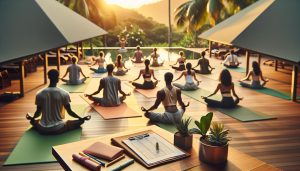
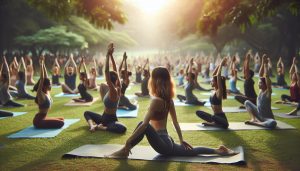
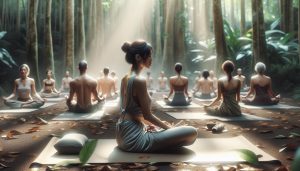
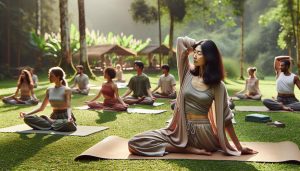
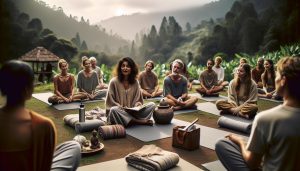
In today’s fast-paced world, taking a step back to truly assess our inner selves is more crucial than ever. The “How Are You Really Yoga Retreat: Deep Self-Discovery Journey” invites you to embark on a meaningful exploration of personal growth through yoga and reflection. This retreat not only nurtures your physical well-being but also fosters emotional and mental renewal. It’s a dedicated space where you can disconnect from daily distractions and immerse yourself in self-awareness, enabling you to better understand your needs and aspirations. By investing time in this journey, you’ll cultivate a deeper connection with yourself, ensuring you return rejuvenated and more aligned with your true purpose. Join us to discover how transformative this experience can be, opening pathways to insights that can redefine your relationships and everyday life.
The Transformative Power of Yoga Retreats

Engaging in a yoga retreat can be a transformative experience, marked by profound insights and personal growth. These retreats, often set in serene and natural environments, allow participants to step away from daily distractions and immerse themselves in a journey of self-exploration. The unique setting, combined with structured practices, encourages individuals to delve deeper into their physical, mental, and emotional states, leading to a greater understanding of themselves and their life paths.
One of the most powerful aspects of yoga retreats is their ability to reconnect individuals with their inner selves. By incorporating daily yoga sessions, meditation, and mindfulness practices, attendees can cultivate a deeper awareness of their thoughts and emotions. This introspective journey often unveils hidden feelings and desires, providing clarity about life goals. As participants engage in various poses and breathing techniques, they may find their energy shifting, leading to emotional release and enhanced well-being.
Moreover, yoga retreats foster a sense of community and shared experience, which can amplify the transformative power of the journey. Participants often bond over shared practices and personal stories, creating a supportive environment for vulnerability and growth. This collective experience can provide courage to confront personal challenges, leading to breakthroughs in self-acceptance and resilience. Coupled with healthy meals and holistic wellness activities, the environment nurtures both body and mind, amplifying the retreat’s benefits.
In summary, lies in their ability to create a unique space where individuals can step back from the chaos of everyday life, engage in meaningful practices, and foster connections that support transformative healing and self-discovery. Whether through yoga, meditation, or community connection, these retreats offer invaluable opportunities for personal growth and deep exploration.
Understanding Deep Self-Discovery Through Yoga

Stepping onto the mat in a tranquil environment, away from the rapid pace of everyday life, can catalyze profound insights into one’s true self. Yoga retreats create a sacred space that invites individuals to explore their inner landscapes through movement, breath, and introspection. This journey of self-discovery is not merely about perfecting poses but about unraveling the mental, emotional, and spiritual knots that may have formed over years of living with the stressors of modern life. Participants often find that the practices learned during these retreats resonate well beyond their time in the retreat, fostering ongoing personal evolution.
In a typical yoga retreat, participants engage in a blend of physical postures, meditation sessions, and breathing exercises, all designed to deepen the connection to oneself. For example, daily practices like restorative yoga or yin yoga can invite relaxation and introspection, encouraging attendees to listen to their bodies and emotions more closely. This level of mindfulness often reveals patterns of thought and behavior that have gone unnoticed, opening the door to greater self-awareness. As people begin to witness their vulnerabilities in such a supportive setting, they frequently discover new strengths, leading to transformative changes in their perspectives on life and well-being.
Harnessing the power of community also plays a vital role in deep self-discovery during yoga retreats. Sharing experiences with fellow travelers fosters an atmosphere of trust and understanding that is rarely found in everyday life. Individuals realize they are not alone in their struggles as they exchange stories, fears, and aspirations. This sense of camaraderie can lead to breakthroughs in self-acceptance, empowering participants to embrace their authentic selves without fear of judgment. The supportive dynamics cultivated during these collective practices provide motivation to continue personal growth long after the retreat ends.
To fully embrace the path of self-discovery through yoga, individuals are encouraged to approach the retreat experience with openness and curiosity. Setting intentions before embarking on this journey can guide participants in focusing on specific areas of their lives they wish to explore more deeply. Whether seeking clarity about personal goals, healing from past traumas, or simply wishing to cultivate a deeper sense of peace, intention-setting paves the way for rich personal discovery and growth. As guests enter this space of exploration with a willingness to uncover their true selves, the potential for lasting transformation becomes limitless.
Essential Elements of a Meaningful Yoga Retreat
Creating a meaningful yoga retreat experience requires careful consideration of several essential elements that work together to foster deep self-discovery and personal growth. Each aspect of a retreat contributes to the overall atmosphere and effectiveness of the journey, ensuring participants leave feeling transformed and enriched.
One of the foundational components is the location. A serene, natural environment can significantly enhance the retreat experience, providing a backdrop of beauty and tranquility that encourages introspection. Whether it’s a beachside villa, a mountain lodge, or a peaceful countryside setting, the chosen venue should facilitate relaxation and allow participants to feel connected to nature. This immersion in a calming landscape is essential for fostering mindfulness and clarifying thought processes.
The schedule of activities is another crucial factor. A balanced blend of physical yoga practice, meditation, group discussions, and personal reflection time should be integrated throughout the retreat. Daily sessions of varying intensity, such as gentle hatha in the morning and more vigorous vinyasa in the afternoon, cater to different energy levels and help maintain engagement. Including workshops on self-exploration topics, such as goal-setting or self-compassion, can also deepen the experience.
Equally important is the facilitator’s expertise. The instructor should not only be knowledgeable in yoga practices but also possess skills in guiding discussions about personal development. Their ability to create a safe, supportive space for sharing and vulnerability is key to unlocking transformative experiences. Attendees often thrive under the guidance of someone who can respond to their needs and foster an atmosphere of trust and openness.
Lastly, an intentional focus on community building elevates the retreat experience. Opportunities for participants to connect, share their stories, and support each other can lead to meaningful relationships that extend beyond the retreat itself. Activities such as group meals, sharing circles, or team-building exercises foster camaraderie and encourage a sense of belonging, which is vital for effective self-discovery.
Collectively, these elements contribute to the depth and richness of a yoga retreat focused on self-discovery. By thoughtfully curating each aspect, participants can navigate their inner landscapes more effectively, gaining insights and fostering a deeper connection to themselves and others during their transformative journey.
Choosing the Right Yoga Retreat for You

Choosing the right yoga retreat can feel like an overwhelming task, especially with an abundance of options available all over the world. Finding a retreat that aligns with your personal goals for self-discovery, wellness, and renewal is crucial to ensure a transformative experience. An effective strategy begins with introspection-consider what you truly seek from this journey. Are you looking for emotional healing, physical well-being, spiritual growth, or a mix of all? Clarifying your intentions will guide your search for a retreat that best suits your desires.
When evaluating potential retreats, pay close attention to the program details. Look for a well-structured schedule that balances physical yoga practice with restorative elements such as meditation, mindfulness sessions, and group discussions. This holistic approach not only caters to varying energy levels throughout the day but also allows ample time for personal reflection and integration of new insights. Be sure to review the curriculum for workshops or themes that resonate with your personal goals, such as deepening self-compassion or exploring spiritual practices.
The location and atmosphere of the retreat also play a vital role. A site immersed in nature, whether it’s a serene beach, a tranquil forest, or a peaceful mountain setting, can significantly enhance your ability to focus inward and find clarity. Research accommodations and the surrounding environment to ensure it fosters a sense of calm and connection to the earth. Additionally, consider reviewing past participant testimonials to gain insights into how the location influenced their experiences.
Don’t overlook the importance of the facilitator’s expertise. Take the time to explore the instructor’s background, teaching style, and experience. An ideal instructor should be well-versed in yoga as well as in personal development techniques. Their ability to create a safe, supportive environment for vulnerability and discussion is crucial for fostering an atmosphere conducive to transformative experiences. Reading biographies, reviews, or even attending online sessions, if available, can help you assess if their teaching philosophy aligns with your goals.
Lastly, evaluate the community dynamics that the retreat fosters. A supportive community can greatly enhance your experience, promoting connection, camaraderie, and shared growth. Look for retreats that encourage participant interaction through group activities, sharing circles, or collaborative workshops. These elements not only build relationships but also provide a network of support that can extend far beyond the retreat itself. By thoughtfully considering these factors, you can choose a yoga retreat that truly resonates with your journey of deep self-discovery.
Activities That Foster Self-Discovery in Yoga

Engaging in activities designed specifically to enhance self-discovery can dramatically shift your perspective and deepen your understanding of yourself during a yoga retreat. These inclusive experiences are crafted to guide participants through a process of introspection, enabling a richer connection to mind, body, and spirit. Whether you’re a seasoned yogi or a newcomer, these activities provide invaluable opportunities for growth.
One of the most powerful activities is guided journaling, which allows participants to articulate their thoughts, feelings, and insights. This reflective practice often accompanies yoga sessions, encouraging deeper exploration of personal themes that arise during physical movement. Journaling fosters clarity and serves as a snapshot of your journey, making it easier to identify patterns and areas for growth.
Another enriching experience is partner or group yoga practices. These gatherings promote vulnerability and create a sense of community, allowing participants to share their experiences and insights in a supportive environment. Collaborative exercises can also highlight interpersonal dynamics, revealing how relationships and communication styles reflect one’s inner world. Opening up to others can lead to powerful realizations and breakthroughs.
Workshops focusing on breathwork and meditation also play a crucial role in self-discovery. Techniques like pranayama teach you how to harness breath to calm the mind, reduce stress, and increase emotional awareness. This mindful breathing can lead to profound moments of clarity, helping participants confront unresolved emotions or limiting beliefs they may not have acknowledged previously. Incorporating guided meditations that focus on themes such as self-love, forgiveness, or future aspirations can further facilitate this process.
Additionally, incorporating nature immersion as part of the retreat encourages participants to engage with their surroundings, enhancing their sense of connection to the world. Mindful walks in serene environments, such as forests or beaches, amplify feelings of presence and peace, often leading to moments of inspiration and self-reflection.
By participating in these thoughtfully curated activities, individuals on a yoga retreat are not just practicing poses-they are embarking on a profound journey of self-exploration. Each experience contributes uniquely to an individual’s growth, helping them to emerge from the retreat with renewed clarity, purpose, and self-acceptance.
The Role of Meditation in Your Retreat Experience
Meditation serves as a cornerstone of the transformative experience that yoga retreats offer, allowing participants to step away from their daily distractions and delve deeper into self-reflection. As you engage in meditation, you cultivate a greater awareness of your thoughts, emotions, and physical sensations. This heightened state of consciousness not only enhances your understanding of your inner self but also fosters a profound sense of peace and clarity. Whether through guided sessions led by experienced instructors or personal meditation practices, this mindful engagement creates fertile ground for introspection and personal growth.
During a retreat, meditation can take various forms, including mindfulness meditation, loving-kindness meditation, or guided visualization. Each approach invites participants to explore different aspects of their psyche, aiding in the release of emotional blockages and fostering a deeper connection to their true self. For instance, practicing mindfulness allows individuals to observe their thoughts without judgment, helping to unravel the complex web of beliefs and patterns that may have been inhibiting their growth. Many participants report that these experiences catalyze significant shifts in perspective, enabling them to confront fears, embrace vulnerability, and cultivate self-acceptance.
Furthermore, aligning meditation with the physical practice of yoga creates a harmonious cycle that enhances both disciplines. As you flow through yoga poses, you stimulate the body while simultaneously creating a space for mental stillness. The outcome is a holistic experience where physical movement and meditation complement each other, allowing insights to emerge organically. Incorporating periods of silence after intense yoga sessions for reflective meditation can be particularly effective, as it helps integrate the physical benefits of the practice with emotional and spiritual revelations.
To maximize the benefits of meditation during your retreat, consider setting specific intentions before each session. These intentions can guide your focus and provide clarity on what you wish to explore. Whether it’s releasing stress, enhancing self-love, or understanding personal motivations, having clear objectives can deepen your meditation experience. By embracing this structured yet flexible approach, you pave the way for transformative insights that resonate long after the retreat has ended.
How to Prepare for a Yoga Retreat Journey
Preparing for a yoga retreat is an exciting journey that fosters not just physical rejuvenation, but also deep self-discovery. To embark on this transformative adventure, begin by setting your intentions. Reflect on what you wish to achieve-whether it’s stress relief, spiritual growth, or physical flexibility. A clear intention can anchor your experience, guiding your focus and enhancing your connection to the practices you will encounter.
Next, consider practical aspects of your journey. Research the retreat location and schedule to familiarize yourself with the environment and the itinerary. This allows you to mentally prepare for daily activities, whether it’s morning yoga sessions, meditation workshops, or group discussions. Packing thoughtfully can enhance your experience; bring comfortable clothing suitable for yoga, a journal for reflection, and items that promote relaxation, such as essential oils or a favorite book.
Mindfulness is key during this preparation phase. Engage in practices that align with the retreat’s focus, such as pre-retreat yoga or meditation, to cultivate a mindset of openness and exploration. This not only prepares your body but also provides a gentle transition into the deeper, more intentional practices you’ll encounter. Additionally, consider preparing your body by gradually transitioning your diet to incorporate more whole foods, hydrating well, and reducing caffeine and alcohol intake. This can enhance your physical comfort and mental clarity during the retreat.
Finally, take some time to disconnect from your daily routines. Arrange for time off work, set boundaries with friends and family, and create a calm mental space. Commencing your retreat experience with a clear mind will allow you to fully engage with the process of self-discovery and transformation that yoga retreats offer. By investing time beforehand in preparation, you can maximize the benefits you receive during the retreat, returning home refreshed, enlightened, and, most importantly, connected to your true self.
Nurturing Your Wellness Routine While Traveling
Maintaining your wellness routine while traveling, especially during a yoga retreat, is essential not only for physical health but also for emotional balance and mental clarity. As you navigate new environments and experiences, nurturing your holistic well-being can help enhance the benefits of your retreat and ensure that you remain grounded amidst the changes.
One effective strategy is to establish a daily schedule that integrates key wellness practices. Even within the structured itinerary of a retreat, carve out designated time for your personal self-care regimen. This could include morning journaling, afternoon stretches, or evening meditative walks. Prioritizing these moments allows you to reconnect with your intentions and creates a rhythm that grounds you. For instance, setting aside 15-20 minutes each morning to practice gratitude or mindfulness can significantly enhance your overall experience.
Stay Nourished
Traveling often disrupts regular eating habits, leading to less nutritious choices. To counter this, consider planning your meals around whole foods that align with your dietary preferences. Look for local markets to source fresh fruits, vegetables, and other healthy snacks. If your retreat offers meals, opt for nourishing options, and don’t hesitate to ask chefs about ingredient sourcing. Mindful eating-paying attention to the flavors, textures, and nutritional content of your meals-can turn every meal into a deeper experience of self-discovery.
Stay Active
Enhancing your physical activity is another crucial aspect of maintaining your wellness routine. Engage in yoga sessions with intention and be curious about other physical activities offered by the retreat, such as hiking, swimming, or dancing. If time permits, set personal challenges like a daily hike to explore the surrounding nature or practice yoga outdoors. Such activities not only keep your body energized but also foster a profound connection with your new environment.
Hydration
Lastly, never underestimate the power of hydration. Especially when participating in physically demanding activities, drinking enough water is essential for your body and mind to function optimally. Carry a reusable water bottle to encourage frequent sips throughout the day, and consider herbal teas or electrolyte-rich beverages for variety. A well-hydrated body supports clearer thinking, enhances mood, and maintains energy levels, contributing to a more fulfilling retreat experience.
By proactively caring for your wellness while traveling, you can create a harmonious balance between exploration and self-discovery. This approach will not only enrich your yoga retreat experience but will also cultivate habits that extend far beyond your journey, helping you return home rejuvenated and inspired.
Post-Retreat Integration: Keeping the Momentum
After returning from a yoga retreat, many individuals experience a powerful sense of renewal and heightened self-awareness. However, maintaining this momentum can be challenging as daily life resumes. It’s critical to integrate the insights and practices gained during the retreat into your everyday routine to sustain the transformative experiences and foster ongoing self-discovery.
One effective approach to this is to create a structured plan that incorporates key elements from your retreat experience into your daily life. Start by establishing a dedicated time for yoga and meditation practice. Whether it’s a morning session that brings focus to your day or calming evening rituals to unwind, consistency is key. Consider setting reminders or creating a visual schedule that keeps these intentions front and center in your mind. Even short practices can be profoundly beneficial; aim for 10-15 minutes a day to cultivate mindfulness, deepen your connection to yourself, and reinforce the habits established during your retreat.
Connect with the Community
Another vital aspect is to connect with the community of individuals you met during the retreat. Building relationships with fellow participants can provide a support system that encourages continued growth and exploration. You might consider forming a small group for regular check-ins, discussions on insights gained, or even shared yoga sessions. Utilizing social media platforms or messaging apps can help keep the conversations going, allowing you to share challenges, celebrate milestones, and support each other in your journeys.
Document Your Journey
Maintaining a journal can also play a significant role in post-retreat integration. Recording your thoughts, feelings, and experiences can deepen your self-understanding and highlight the progress you are making. Write about the lessons learned during the retreat, any shifts in perspective, and how you feel as you navigate your life post-retreat. This practice not only enhances clarity but also acts as a powerful reminder of your journey and growth. Reviewing these entries periodically can help keep your intentions alive and visible in your daily life.
In summary, effective post-retreat integration involves a proactive approach to maintaining the insights and practices gained. By establishing a structured routine, connecting with your retreat community, and documenting your journey, you create a solid foundation for ongoing transformation and self-discovery. This commitment to sustaining the momentum will ensure that the retreat experience transcends beyond its timeframe, enriching your life continuously.
Real-Life Stories of Transformation Through Yoga
The transformative journeys experienced by individuals at yoga retreats offer powerful testimonials of self-discovery and personal growth. One compelling story is that of Sarah, a 32-year-old marketing professional who felt overwhelmed by the incessant demands of her job and daily life. During a week-long retreat in Costa Rica, she immersed herself in daily yoga practices, meditation, and nature excursions. Through these experiences, she confronted longstanding fears and self-doubt, realizing that her true passion lay in holistic wellness rather than corporate success. Upon returning home, she decided to pursue a career in yoga instruction, demonstrating how a retreat can catalyze a major life change.
Another inspiring account comes from John, a retired veteran who attended a yoga retreat designed for individuals seeking community and healing. Struggling with PTSD, he found solace in the retreat’s focus on mindfulness and breathwork. The supportive environment fostered by both instructors and fellow participants allowed him to share his struggles, which, in turn, empowered him to begin his healing journey. John now leads yoga classes for veterans, emphasizing the importance of connection and shared experiences in recovery.
These real-life stories highlight a recurring theme: the profound impact of intentional time away for self-reflection and healing. As participants engage deeply with practices such as yoga and meditation, they often uncover hidden strengths and insights that inspire significant life changes. The retreats not only provide a physical journey but also pave the way for emotional release and mental clarity, leading individuals to embrace more fulfilling paths.
Every yoga retreat has the potential to be a life-changing experience. Establishing connections with like-minded individuals and nurturing inner peace through dedicated practices directly contribute to personal transformations. Whether it’s a career shift, emotional healing, or simply a renewed sense of purpose, these stories demonstrate the far-reaching effects of exploring oneself through the lens of yoga. By sharing these narratives, we encourage others to embark on their own journeys of discovery, fostering a community united in the pursuit of wellness and enlightenment.
Common Misconceptions About Yoga Retreats
Many individuals harbor misconceptions about yoga retreats, often deterring them from embarking on a potentially transformative journey. One of the most common myths is that yoga retreats are exclusively for advanced practitioners. This is far from the truth; retreats are designed to be inclusive, welcoming all skill levels. Many programs offer classes tailored to beginners, ensuring that everyone from novice to expert can engage and benefit from the experience.
Another prevalent misconception is the notion that yoga retreats are solely for relaxation and leisure. While unwinding is certainly a part of the experience, retreats are structured environments where participants delve deeply into personal growth, self-discovery, and mindfulness. This often includes intensive practices such as meditation, group discussions, and self-reflective activities, all aimed at fostering profound internal change.
Furthermore, some people may believe that attending a retreat requires significant time commitment and financial resources, making it inaccessible for many. However, various retreats, from weekend getaways to week-long immersions, exist at different price points. Many retreat operators offer flexible options, allowing participants to choose the duration and type that best fit their needs and budgets.
Lastly, newcomers often fear that they won’t be able to connect with other participants. In reality, yoga retreats create a supportive community atmosphere, encouraging attendees to share their experiences, challenges, and breakthroughs. This bonding often leads to lasting friendships and networks that extend far beyond the retreat itself. Embracing the journey can unveil countless opportunities for growth and connection.
Exploring Different Types of Yoga Retreats
There is an abundance of yoga retreats available today, each offering distinct experiences that cater to various aspects of personal growth and wellness. This diversity allows participants to choose a retreat that aligns with their personal goals, whether that be relaxation, enhancement of yoga practice, or deep self-discovery. Understanding the different types of yoga retreats can greatly aid in selecting the right one for you.
Types of Yoga Retreats
- Traditional Yoga Retreats: These retreats typically emphasize consistent daily practice and instruction. Participants can expect multiple yoga classes each day, often focusing on particular styles such as Hatha, Vinyasa, or Kundalini. These retreats may also include meditation sessions and teachings on yoga philosophy.
- Wellness Retreats: Integrating yoga with holistic wellness practices, these retreats often include nutritional workshops, mindfulness training, and alternative therapies. Attendees focus on overall well-being, addressing not just physical health, but mental and emotional wellness as well.
- Adventure Yoga Retreats: Perfect for those looking to combine exploration and exercise, these retreats may take place in picturesque locations, allowing for outdoor yoga sessions amidst nature. Activities can include hiking, kayaking, or mountain biking alongside daily yoga classes.
- Silent Retreats: These retreats encourage participants to disconnect from the outside world and focus inward. With minimal speaking, attendees often engage in meditation and mindfulness practices, deepening their self-discovery process.
- Sustainable or Eco-Friendly Retreats: For those passionate about the environment, these retreats focus on sustainable practices and may include volunteer work. Participants can connect with nature through yoga while gaining insights into living a more eco-conscious lifestyle.
- Themed Retreats: These retreats often center around specific themes such as self-love, creativity, or emotional healing. Guided workshops and specialized classes cater to participants seeking to delve into a particular aspect of their lives.
Choosing the right type of yoga retreat hinges on your personal motivations and needs. Whether you’re seeking a peaceful place to unwind, a rigorous program to deepen your practice, or a supportive environment for personal transformation, identifying your goals will guide you towards the best experience for you. Each type of retreat offers unique opportunities for growth and self-awareness, laying the foundation for a transformative journey.
Q&A
Q: What should I bring to the “How Are You Really Yoga Retreat”?
A: For the “How Are You Really Yoga Retreat,” pack comfortable clothing for yoga, a reusable water bottle, a journal for reflections, meditation cushions, personal toiletries, and any preferred yoga mat if not provided. Don’t forget essentials like sunscreen and insect repellent, especially if the retreat is outdoors.
Q: How can I benefit from deep self-discovery during a yoga retreat?
A: Deep self-discovery at a yoga retreat occurs through focused practices like meditation, guided journaling, and community sharing. Participating fully in these activities helps you connect with your authentic self and promotes personal transformation, fostering insight into your thoughts and emotions.
Q: Are yoga retreats suitable for all skill levels?
A: Yes, yoga retreats, including “How Are You Really Yoga Retreat,” cater to all skill levels. Beginners will find supportive instruction, while more experienced participants can deepen their practice. The inclusive environment encourages everyone to explore their limits and expand their skills.
Q: How can I prepare mentally for a yoga retreat?
A: To prepare mentally for a yoga retreat, set intentions for what you’d like to achieve, practice mindfulness before the retreat, and research the schedule to familiarize yourself with the offerings. Taking these steps helps clarify your goals and enhances your overall experience.
Q: What kind of activities can I expect at the “How Are You Really Yoga Retreat”?
A: Expect a variety of activities at the “How Are You Really Yoga Retreat,” such as daily yoga sessions, meditation workshops, group discussions, and creative expression activities like art and writing. These activities foster self-exploration and connection with others.
Q: What is the role of meditation in the deep self-discovery journey at yoga retreats?
A: Meditation is crucial in a deep self-discovery journey at yoga retreats. It promotes inner stillness, helps participants observe thoughts and feelings without judgment, and facilitates a deeper understanding of oneself. Regular meditation sessions can enhance personal insights gained during the retreat.
Q: How can I integrate my yoga retreat experience into daily life?
A: To integrate your yoga retreat experience, develop a post-retreat routine that includes daily yoga and meditation practices. Journal your insights and lessons learned during the retreat to carry your newfound awareness into your everyday life, ensuring that the growth continues.
Q: What should I do if I feel overwhelmed during the retreat?
A: If you feel overwhelmed during the retreat, take a moment to step aside and breathe deeply. Remember, it’s normal to feel a range of emotions. Seek support from instructors or fellow participants, or simply allow yourself quiet time to reflect and regroup.
In Retrospect
As you reflect on your transformative experience at the “How Are You Really Yoga Retreat: Deep Self-Discovery Journey,” take a moment to integrate the insights and practices you’ve gained. Remember, this journey doesn’t end here; it’s just the beginning of a deeper connection with yourself. To sustain this growth, explore our resources on maintaining your mindfulness routine while traveling or dive deeper into our related articles on yoga for self-discovery and wellness.
Don’t wait-take your next step towards lasting transformation by signing up for our newsletter for ongoing inspiration, tips, and exclusive offers. Your path to deeper self-insight and wellness is just a click away! Share your thoughts or experiences in the comments below; we’d love to hear how this retreat has impacted you. Join us again as we continue this journey towards greater awareness and serenity together. Your new adventure awaits!
Get our latest guides, news, and insights highlighted in your Google Search & AI Overviews.