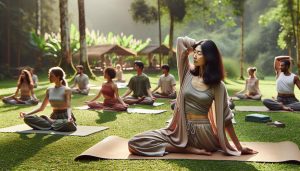
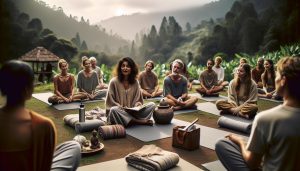
In an ever-demanding world, the quest for inner peace and authentic transformation has led many to yoga retreats, where personal stories of change unfold amidst serene landscapes. “How Are You Really Yoga Retreats: Authentic Transformation Stories” delves into real experiences that highlight the profound impact these retreats can have on mental, emotional, and physical well-being. By sharing inspiring tales of individuals who have embraced this journey, we aim to connect with those seeking clarity and revitalization in their own lives. Whether you’re looking to deepen your yoga practice or simply break free from daily stress, these stories serve as a reminder that transformation is not only possible, but deeply rewarding. Join us as we explore the myriad ways yoga retreats can foster genuine healing and personal growth, igniting a sense of curiosity that may inspire your own journey toward wellness.
How Yoga Retreats Foster Authentic Transformation
Engaging in a yoga retreat can serve as a profound catalyst for authentic transformation, enabling individuals to explore deeper dimensions of self-awareness and personal growth. Immersed in a serene environment, free from daily distractions, participants often confront their inner barriers and gain clarity on their life paths. The combination of yoga practice, meditation, and communal support fosters an atmosphere where vulnerability is welcomed, allowing attendees to embark on a journey of healing and discovery.
A typical retreat offers more than just physical yoga sessions; it incorporates a holistic approach that often includes mindful eating, guided meditations, and workshops focused on self-reflection and empowerment. This integrative experience can facilitate breakthroughs by encouraging participants to confront suppressed emotions or patterns that may have hindered their personal development. For instance, gentle yet challenging yoga practices can parallel emotional releases, helping individuals to physically and mentally let go of what no longer serves them. Furthermore, participation in group activities enhances connection, often leading to cathartic shared experiences that significantly impact individual transformations.
Participants frequently leave retreats equipped with not only a renewed sense of self but also practical tools to sustain their growth. Many yoga retreats emphasize the importance of mindfulness practices that can be integrated into daily routines, supporting participants in maintaining the momentum gained during their stay. The transformative power of these retreats lies in their ability to create safe spaces for introspection, enabling individuals to foster genuine connections with both themselves and others, which is often the bedrock of lasting change.
Real Stories of Transformation at Yoga Retreats
Immersing oneself in a yoga retreat often leads to transformative personal journeys that extend far beyond physical practice. Participants frequently share compelling stories about how these retreats reshaped their perspectives, resolved inner conflicts, and propelled them toward a more authentic version of themselves. The serene settings, combined with structured practices, serve as a backdrop for profound realizations and emotional healing.
One transformative story comes from Emily, a caregiver who felt overwhelmed and disconnected from her own needs. During her retreat, she found solace in daily meditation and reflective journaling. Engaging with other participants allowed her to share her struggles and receive support, leading to a breakthrough understanding of her boundaries and self-worth. By the end of the week, she returned home with renewed energy and a commitment to prioritize her well-being, significantly changing her approach to both her work and personal life.
Another participant, Raj, arrived at a retreat grappling with grief after losing a loved one. He utilized yoga as a means to connect with his pain rather than avoid it. Through intimate group sessions that encouraged vulnerability, Raj found comfort in experiencing and articulating his emotions alongside others who faced similar struggles. Such shared experiences fostered a sense of community, and by the retreat’s conclusion, he felt a sense of acceptance and strength that he hadn’t anticipated.
These narratives illustrate a common theme: yoga retreats provide not only physical rejuvenation but also emotional and psychological shifts that can lead to lasting change. The structured environment encourages attendees to confront their challenges, share their experiences, and cultivate a practice of mindfulness that extends well beyond the retreat. As participants integrate these lessons into their daily lives, many report a heightened sense of clarity and purpose, demonstrating the profound and often life-altering impact that yoga retreats can have on individual journeys toward authenticity.
Choosing the Right Yoga Retreat for Personal Growth
can feel daunting, especially given the myriad options available. Each retreat offers a unique environment and focuses on various aspects of personal development, from physical fitness to emotional healing. To make an informed decision, start by understanding your personal goals. Are you seeking relaxation, emotional healing, or a deeper engagement with your yoga practice? Clarifying your intentions will help guide your search and facilitate a more meaningful experience.
When evaluating potential retreats, consider the following factors:
- Location: The setting can significantly influence your experience. Choose a location that resonates with you, whether it be a tranquil mountain retreat, a beachside haven, or a serene forest environment.
- Type of Yoga Practice: Different retreats may focus on various styles of yoga, such as Hatha, Vinyasa, or Kundalini. Research the styles offered to ensure they align with your practice level and personal preferences.
- Instructor Credentials: The experience and philosophy of the instructors can profoundly impact your retreat journey. Look for teachers with substantial experience and those whose teaching style complements your learning needs.
- Program Structure: Examine the daily schedule. A well-structured retreat often combines yoga sessions with other activities such as meditation, workshops, and free time for self-reflection.
- Group Size: Smaller groups can foster deeper connections and personalized attention, while larger groups may provide more diverse perspectives and experiences.
- Amenities and Accommodations: Depending on your comfort preferences, consider if the retreat offers amenities such as healthy meals, private rooms, or communal spaces for socializing.
Once you narrow down your options, read through testimonials from past participants. Authentic feedback can provide insights into how the retreat has affected other attendees, helping to affirm your choice. Engaging in forums or social media groups related to wellness travel can also yield personal stories and recommendations that may guide you further.
Embarking on a yoga retreat focused on personal growth can be a life-altering experience. Carefully researching your options and aligning your goals with the retreat’s offerings will set the foundation for a transformative journey that enhances both your practice and personal wellbeing.
The Role of Mindfulness in Retreat Experiences
In a world that often feels chaotic and overwhelming, mindfulness serves as a powerful tool for grounding oneself. Within the intimate setting of a yoga retreat, mindful practices become crucial in facilitating authentic transformation. By being fully present, participants can deepen their connection to themselves and the experience around them, fostering an environment that promotes self-discovery and healing.
Mindfulness techniques integrated into yoga retreats, such as meditation, breathwork, and mindful movement, can enhance emotional and physical well-being. These methods encourage individuals to observe their thoughts and feelings without judgment, paving the way for insights that can lead to meaningful change. For instance, many retreat participants report a new awareness of long-standing patterns or habits that have held them back, allowing them to break free from these cycles and embrace healthier choices going forward.
Another significant aspect is the opportunity for mindfulness to create a shared experience. Group meditations and collective yoga sessions cultivate a sense of community, enhancing social bonds and understanding among participants. This collective mindfulness harnesses the energy and support of the group, making the transformative journey feel less solitary. Through shared vulnerability, individuals often find strength in their connections, leading to breakthroughs that may not have been possible in isolation.
Incorporating mindfulness into daily activities during a retreat-like dining, walking, or resting-further enriches the experience. Simple acts can transform into profound moments when done with intention. Allowing oneself to savor flavors during meals or taking time to appreciate nature during hikes fosters a greater appreciation for the present moment. This adaptability to mindfulness can significantly affect one’s post-retreat life, enabling participants to integrate these mindful practices daily, enhancing ongoing personal growth journeys.
Activities That Enhance Transformational Journeys
Participating in a yoga retreat provides a unique opportunity for profound personal growth, often fueled by a variety of activities designed to enhance participants’ transformational journeys. Engaging in a diverse array of practices not only deepens one’s connection to yoga but also cultivates resilience, insight, and compassion. From immersive workshops to nature-based experiences, these activities are thoughtfully curated to facilitate healing and self-discovery.
Holistic Workshops
Workshops that focus on specific themes-such as emotional healing, self-compassion, or Ayurveda-can be particularly transformative. These sessions allow participants to explore different dimensions of wellness, gaining both practical tools and deeper understandings of their inner landscapes. For example, a workshop that combines yoga with journaling helps participants reflect on their journeys and set intentions for the future, fostering clarity and motivation.
Mindfulness and Meditation
Incorporating mindfulness and meditation sessions into the daily routine is crucial for enhancing the retreat experience. Guided meditations, silent sitting, and mindful walking encourage participants to cultivate present-moment awareness, leading to greater peace and authenticity. The silence and stillness often experienced during these practices can create an environment ripe for breakthroughs, allowing individuals to confront their thoughts and emotions with compassion.
Nature Immersion
The healing properties of nature cannot be overstated. Activities such as hiking, outdoor yoga, and nature walks help individuals disconnect from daily distractions and reconnect with their environment. The simple act of grounding oneself in nature-a practice known as “earthing”-can significantly enhance emotional well-being. Incorporating time in natural settings can create a sense of wonder and appreciation, promoting joy and calm.
Community Building
Building connections with fellow retreat participants through group activities cultivates a supportive community atmosphere. Sharing meals, participating in group discussions, and engaging in collaborative exercises nurtures a sense of belonging and unity. This communal aspect often leads to shared vulnerabilities, fostering trust and enabling individuals to experience collective healing. Many participants find that the friendships developed during these retreats become lifelong support systems for their continued journey toward wellness.
By engaging in these various activities, retreat participants can unlock deeper layers of understanding and transformation. The integration of holistic workshops, mindfulness practices, nature immersion, and community building ultimately transforms not only the retreat experience but also enhances personal growth long after the retreat concludes.
Understanding the Emotional Impact of Yoga Retreats
The emotional impact of yoga retreats is often profound and deeply transformative. Immersed in a supportive environment away from daily stressors, participants frequently experience a heightened sense of self-awareness and emotional release. This journey into the self can lead to a clearer understanding of personal challenges and an opportunity to confront emotions that may have been buried-be it anxiety, grief, or unresolved trauma. Such breakthroughs are frequently facilitated by the retreat’s thoughtfully designed activities, which include guided meditations, sharing circles, and holistic workshops.
Experiencing genuine emotion in a safe space can significantly shift one’s perception of their inner world. For instance, during a group discussion, individuals may find that articulating their struggles to a community of similar seekers not only validates their feelings but also fosters a sense of belonging. This communal atmosphere nurtures emotional healing, as participants realize that they are not alone in their experiences. Furthermore, reflective practices-such as journaling or art therapy-encourage participants to delve deeper into their emotional landscapes, often leading to surprising realizations and breakthroughs.
Additionally, the physical aspect of yoga itself activates emotional release. Many individuals report feelings of liberation or catharsis following intensive yoga sessions, where emotional blockages are gently released through movement and breath. The process of connecting mind and body creates a powerful outlet for emotions, allowing participants to engage with feelings in a way that feels both safe and empowering. The mindful practices taught during retreats serve not only to deepen one’s yoga practice but also to incorporate emotional processing into daily life.
Ultimately, the emotional impact of a yoga retreat can inspire profound shifts in perspective and behavior. Participants often leave the retreat equipped with practical tools, insights, and a newfound sense of clarity. These outcomes not only enhance personal growth during the retreat but also offer a solid foundation for continuing emotional wellness long after returning to everyday life. By understanding and harnessing the emotional power of yoga retreats, individuals can cultivate a richer, more fulfilling relationship with themselves.
How Group Dynamics Influence Personal Change
The transformative power of yoga retreats doesn’t just stem from the individual practices of yoga, meditation, and self-reflection; it is equally rooted in the collective experience of group dynamics. When participants come together to share their journeys, vulnerabilities, and aspirations, the combined energy creates a rich tapestry of support and motivation that can propel personal change in profound ways.
One of the most striking features of group dynamics is the sense of community that develops among participants. This environment fosters a safe space where individuals feel encouraged to express their thoughts and feelings openly. The shared challenge of being vulnerable allows participants to forge deep connections, effectively diminishing feelings of isolation and enhancing empathy. Through structured activities like sharing circles or partner work, individuals often discover commonalities in their struggles, which can validate their experiences and reduce the stigma of personal challenges. This interconnectedness paves the way for collective healing and encourages personal insights that might otherwise remain buried.
Moreover, the group setting can amplify motivation and facilitate personal growth in ways that solo travel cannot. Observing the courage of fellow participants as they confront their fears can inspire individuals to tackle their own challenges head-on. For example, during group yoga sessions, seeing others push through physical or emotional barriers often serves to bolster one’s own resolve. The encouragement and cheering from peers during moments of struggle can be incredibly uplifting, creating a cycle of support that energizes the entire group. Such dynamics not only enhance individual growth but also cultivate a spirit of collaboration that can transform personal goals into shared successes.
In addition to emotional support, engaging with peers in a retreat context fosters accountability. When you share your intentions and goals with others, there’s an inherent commitment that arises from this openness. Group members often check in on each other, creating an environment where personal accountability flourishes. This shared journey can lead to deeper commitments to individual wellness practices and personal development, extending beyond the retreat into daily life.
Ultimately, the influence of group dynamics in yoga retreats highlights the interconnected nature of personal transformation. By embracing the collective experience, participants open themselves up to greater possibilities for change, creating a supportive network that can lead to lasting personal growth and a renewed commitment to wellness practices long after the retreat has ended.
Integrating Retreat Experiences into Everyday Life
Embracing the insights gained during a yoga retreat can be a transformative journey, but integrating these experiences into everyday life is where the real challenge often lies. Many participants leave a retreat inspired, motivated, and equipped with new tools for personal growth, yet struggle to maintain that momentum once they return to their routine. Understanding how to weave these experiences into daily life is vital for sustainability and ongoing transformation.
One essential step is to establish a consistent practice that reflects what one has learned during the retreat. Whether it’s dedicating time to daily yoga sessions, journaling thoughts and feelings, or continuing mindfulness exercises, creating a routine that incorporates these practices can help ground the newfound insights in everyday life. Setting specific times in the week to revisit practices introduced during the retreat can create a sense of commitment. Consider creating a weekly plan that includes:
- Daily Yoga or Meditation: Allocate a specific time each day for yoga or meditation instead of sporadic practices.
- Mindful Moments: Schedule short breaks during the day for mindfulness, allowing you to reconnect with your breath and intentions.
- Journaling: Keep a journal to reflect on daily experiences, maintain focus on personal goals, and track progress.
Peer support plays a crucial role in maintaining the retreat’s energy and motivation. Engaging with fellow participants post-retreat can foster accountability and provide encouragement. Establishing a buddy system or participating in online forums can help maintain those connections, offering a platform for sharing experiences and challenges. Regular check-ins with these peers, whether through virtual meet-ups or group chats, can reinforce the sense of community experienced during the retreat.
Balancing introspection with actionable steps is key to sustaining growth after the retreat. Setting realistic, achievable goals that resonate with the experiences gained can help individuals stay aligned with their intentions. For example, if a retreat highlighted the importance of self-care, consider incorporating specific self-care rituals into your lifestyle, such as weekly nature walks or creative pursuits. By linking the emotional experiences from the retreat with tangible, actionable steps, individuals can nurture their transformation long after the retreat ends, creating a pathway for ongoing wellness and personal evolution.
Common Challenges Faced During Retreats
Navigating the transformative experience of a yoga retreat can bring both profound insights and unexpected challenges. While many participants arrive with high hopes for personal growth and healing, they may encounter obstacles that can hinder their journey. Recognizing these common challenges can empower attendees to prepare better and find ways to cultivate their experiences.
One notable issue is the self-doubt that can surface during intense introspection. As individuals engage in deep practices, they might grapple with feelings of inadequacy or past traumas that the retreat environment can intensify. It’s crucial to remember that these feelings are part of the healing process. Practicing self-compassion and seeking guidance from facilitators can provide support during these pivotal moments.
Another challenge often reported is difficulty adapting to the retreat’s communal living and daily structure. Participants may come from diverse backgrounds and have different styles of practicing yoga or meditating. This diversity can lead to misunderstandings and interpersonal tensions. To overcome this, establishing open lines of communication and practicing empathy with fellow attendees can enhance the experience for everyone involved.
Physical discomfort is also common, especially for those who may not be accustomed to the rigorous schedules often associated with retreats. Engaging in daily yoga can lead to soreness or fatigue, which can be disheartening. It’s wise to listen to one’s body, honor its limits, and prioritize rest when needed. Discussing any concerns with instructors can also help tailor practices effectively for individual needs.
Lastly, participants may face the challenge of readjusting to life after the retreat ends. The emotional highs of a retreat can clash with everyday responsibilities, leading to feelings of nostalgia or even sadness. Developing a post-retreat plan, including supportive practices and accountability systems, can bridge the gap between the retreat experience and daily life, ensuring lasting transformation.
Incorporating these insights and strategies can significantly enhance the overall experience of a yoga retreat, allowing participants to navigate common challenges with confidence and resilience.
Building Your Post-Retreat Wellness Routine
Creating a sustainable wellness routine after a yoga retreat is essential for maintaining the insights and transformations gained during the experience. Many participants find themselves inspired to implement the practices they learned but struggle with the transition back to everyday life. Setting a clear and actionable post-retreat wellness routine can help bridge this gap and ensure that the inner peace and self-awareness cultivated during the retreat continue to flourish.
Start by identifying the key practices that resonated with you during the retreat. These may include daily yoga sessions, meditation practices, or even journaling. By formalizing these elements into a routine, you can seamlessly incorporate them into your daily flow. Consider the following steps to build your post-retreat wellness routine:
Establish Your Daily Schedule
- Morning Rituals: Begin each day with a dedicated time for yoga or meditation. This helps center your thoughts and intentions for the day ahead.
- Midday Mindfulness: Schedule brief mindfulness breaks throughout your day. Even a few minutes of deep breathing or stretching can keep you grounded.
- Evening Reflection: End your day by reflecting on your experiences, either through journaling or meditative practices, to reinforce your goals and lessons learned.
Additionally, accountability is crucial for maintaining your wellness routine. Share your goals with a supportive friend or a yoga community. Engaging with others who understand your journey can provide motivation and inspire you to stay committed. Joining local classes that align with your retreat experience can also help you stay connected to the practices that benefited you.
Adapting Your Practices
While incorporating yoga and mindfulness into your routine is important, it’s equally vital to adapt these practices to fit your unique lifestyle. Consider the following adjustments:
- Flexible Yoga Sessions: If you can’t dedicate a full hour each day, break your practice into shorter segments. A 15-minute session might be easier to fit into your schedule.
- Mindfulness on the Go: Use commuting time for guided meditations. Apps like Headspace or Insight Timer make it easy to integrate mindfulness into a busy day.
Finally, give yourself grace. Transitioning from a retreat can bring up a range of emotions; embracing this journey is part of the transformation. Regularly reassess your routine and be open to modifying it as your needs evolve. By committing to a nurturing and flexible post-retreat wellness routine, you’ll not only honor your retreat experience but also foster ongoing personal growth and well-being in your daily life.
Preparing for a Successful Yoga Retreat Experience
Embarking on a yoga retreat can be both an exciting and transformative experience, but the key to truly benefiting from it lies in the preparation beforehand. Preparing effectively not only sets the stage for personal growth but also enhances the overall experience, allowing participants to immerse themselves fully in the journey. Understanding what to expect and how to align your mindset with the retreat’s objectives can significantly impact your transformation.
To start, it’s essential to clarify your intentions for attending the retreat. Consider what you hope to achieve or learn during this time. Are you looking to deepen your yoga practice, find inner peace, or connect with like-minded individuals? Writing down your goals can help you focus and stay motivated throughout the retreat. This clarity can guide your participation and bolster the transformative process.
Another critical aspect of preparation involves physical and mental readiness. As the retreat approaches, gradually introduce practices that will support your experience, such as a regular yoga routine or meditation. This can enhance your flexibility and comfort during sessions and cultivate a sense of calm. Additionally, being mindful of your diet and hydration levels in the days leading up to the retreat can energize your body and prepare it for the new routines you’ll adopt.
Researching the retreat location and itinerary can also empower you to pack wisely and mentally acclimate to your surroundings. Ensure you bring the necessary supplies, such as comfortable clothing, a yoga mat if not provided, and personal items that will make your stay enjoyable. Consider including a journal for reflection and note-taking, allowing you to document your thoughts and experiences as they unfold during the retreat.
Finally, approach the retreat with an open heart and mind. Embrace the journey, knowing that transformation often comes with challenges. This mindset can help you navigate the emotional highs and lows that may arise. By preparing thoroughly, you set yourself up for a fulfilling experience that can lead to authentic transformation and lasting change.
Testimonials: Life-Changing Outcomes from Retreats
The transformative power of yoga retreats is vividly illustrated through the personal stories of those who have embarked on these journeys. Participants often report profound and life-altering changes that extend far beyond the yoga mat. For many, retreats serve as a sanctuary-a place to disconnect from daily stresses and rediscover themselves in a nurturing environment. The shared experiences within these retreats create a sense of belonging and community that accelerates personal growth.
One example comes from Sarah, who attended a week-long retreat in Costa Rica. Struggling with anxiety and a feeling of disconnection in her daily life, she found solace in the daily practices of yoga and meditation. Through guided sessions and supportive conversations with fellow participants, Sarah learned to confront her fears instead of running from them. This internal shift enabled her to return home with new coping strategies and a renewed sense of purpose, allowing her to navigate her life with greater clarity and confidence.
Equally impactful are the stories of transformation in relationships. Mark and Lisa, a couple on the brink of separation, participated in a couples-focused yoga retreat in Bali. Through partner yoga and mindfulness exercises, they discovered communication techniques that helped them articulate feelings they had long suppressed. Their retreat culminated in a shared understanding of each other’s needs and desires, revitalizing their connection. Mark noted, “That retreat wasn’t just about yoga; it gave us the tools to rebuild our relationship.”
Attendees frequently highlight the emotional breakthroughs they achieve during these transformative experiences. The supportive environment encourages vulnerability, allowing individuals to confront their pasts and embrace their true selves. Participants leave not only with new skills but also with a profound sense of gratitude and self-acceptance.
In sharing these testimonials, it’s clear that the life-changing outcomes of yoga retreats can be attributed to a combination of structured practices, community support, and individual commitment to personal growth. As these stories illustrate, whether it’s through emotional healing, relationship restoration, or personal discovery, yoga retreats can catalyze authentic transformations that resonate long after the journey concludes.
Frequently Asked Questions
Q: What benefits can I expect from attending a yoga retreat?
A: Attending a yoga retreat can offer numerous benefits, including improved physical health, enhanced mental clarity, and emotional healing. Participants often report reduced stress, strengthened connections with like-minded individuals, and a deeper understanding of personal growth opportunities. For more on personal growth, see “Choosing the Right Yoga Retreat for Personal Growth.”
Q: How do I choose the right yoga retreat for my needs?
A: Choosing the right yoga retreat involves assessing your personal goals, such as relaxation, deepening your practice, or exploring mindfulness techniques. Research different retreat styles, locations, and instructors to find one that aligns with your objectives. Check “Choosing the Right Yoga Retreat for Personal Growth” for more tips.
Q: What can I do to prepare for a yoga retreat?
A: Preparing for a yoga retreat includes researching the location, understanding the itinerary, and packing appropriate clothing. Setting intentions and mentally preparing for the experience can enhance your participation and benefit. For detailed guidance, refer to “Preparing for a Successful Yoga Retreat Experience.”
Q: How can mindfulness practices during a retreat impact personal transformation?
A: Mindfulness practices during retreats can significantly enhance personal transformation by promoting self-awareness and emotional processing. Engaging in activities such as meditation and mindful movement allows participants to connect deeply with their emotions, fostering lasting change. Learn more in “The Role of Mindfulness in Retreat Experiences.”
Q: What should I do if I encounter challenges during a yoga retreat?
A: If you encounter challenges during a yoga retreat, it’s crucial to communicate with your instructors and fellow participants. Practicing self-compassion and open discussion can help you navigate these difficulties. For more insights on this, see “Common Challenges Faced During Retreats.”
Q: How can I integrate the lessons learned at a yoga retreat into my daily life?
A: To integrate lessons from a yoga retreat, develop a routine that incorporates practices learned, such as daily meditation or yoga sessions. Reflect on your experiences regularly and set actionable goals that maintain your retreat’s emotional benefits. For deeper integration strategies, refer to “Integrating Retreat Experiences into Everyday Life.”
Q: Are yoga retreats suitable for beginners?
A: Yes, many yoga retreats welcome beginners and offer classes tailored to all skill levels. Look for retreats that emphasize inclusivity and provide supportive environments for those new to yoga. For guidance on beginner-friendly options, check “Choosing the Right Yoga Retreat for Personal Growth.”
Q: How do group dynamics affect personal transformation during a retreat?
A: Group dynamics can profoundly affect personal transformation, as shared experiences foster community and support. Interacting with diverse participants can provide new perspectives and emotional insights, enhancing the overall healing process. Explore more in “How Group Dynamics Influence Personal Change.”
To Wrap It Up
As you reflect on the transformative journeys shared in “How Are You Really Yoga Retreats: Authentic Transformation Stories,” consider how you, too, can embark on your own path to wellness. Each story highlights the profound impact of yoga retreats on personal growth and healing, inspiring you to take the next step in your journey. Don’t wait-transform your life today by exploring our comprehensive guides on planning your perfect yoga retreat and maintaining wellness routines while traveling.
Stay connected with us by signing up for our newsletter for ongoing insights into wellness travel, or dive deeper into our resources about various retreat types, including yoga, Pilates, and holistic wellness. Your journey towards authentic transformation starts here. Share your thoughts below, and let us know how we can support your exploration of wellness travel experiences in the future!
Get our latest guides, news, and insights highlighted in your Google Search & AI Overviews.