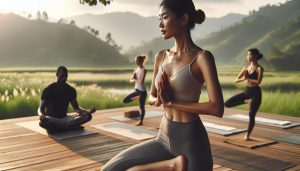
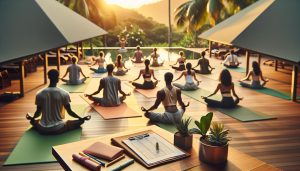
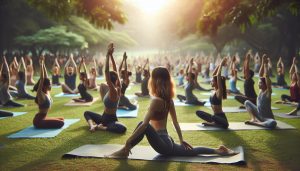
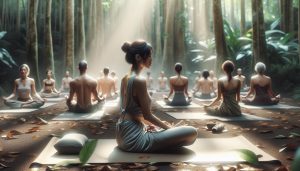
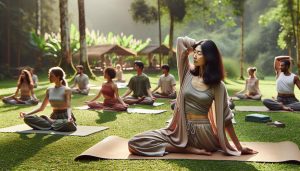
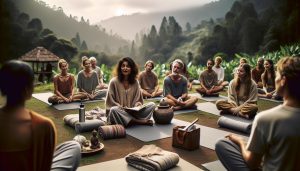
In today’s fast-paced world, finding moments of peace and healing is more important than ever. Dru Yoga retreats offer a unique opportunity to reconnect with yourself through gentle movements and mindful practices. These retreats not only rejuvenate the body but also nurture the soul, providing a holistic approach to wellness travel. As you embark on a journey of self-discovery, you’ll learn how to release tension, enhance your well-being, and cultivate a deeper sense of inner calm. Whether you’re seeking to alleviate stress, improve your physical health, or simply take a break from daily life, Dru Yoga retreats hold the promise of transformation. Join us as we explore the benefits and experiences that await you on this enriching path to wellness.
Understanding Dru Yoga: Origins and Principles
Dru Yoga, renowned for its gentle and flowing movements, has roots that draw from ancient yogic traditions, particularly those found in the spiritual practices of India. This style emphasizes a combination of dynamic movement, deep relaxation, and meditation, fostering a holistic approach to health and well-being. The origins of Dru Yoga can be traced back to the teachings of the ancient yogis, who understood the intricate connection between mind, body, and spirit. By focusing on energy flow, Dru Yoga practitioners aim to tap into their innate healing resources, promoting a state of balance and harmony.
The principles behind Dru Yoga are grounded in the belief that movement should be accessible to everyone, regardless of age or physical capability. This inclusivity encourages individuals to explore their own physical limits without the fear of injury, thereby enhancing their overall mindfulness and awareness. Central to the practice are the concepts of energy, breathing, and intention. Through specific sequences of postures known as “Energy Blocks,” practitioners harness the flow of energy to release tension and blockages in the body. This vibrant energy is then utilized to invigorate both the physical and emotional aspects of health.
In addition to physical movements, Dru Yoga incorporates elements of meditation and visualization to support mental clarity and emotional stability. These practices collectively cultivate a sense of inner peace and wellbeing, making Dru Yoga particularly effective for those seeking healing from stress, anxiety, and other emotional challenges. As participants engage in this practice, they often report a profound sense of relaxation and joy, which are hallmarks of the transformative potential found in Dru Yoga retreats. Whether you are new to yoga or are an experienced practitioner, understanding these origins and principles will deepen your appreciation for the gentle healing journey that Dru Yoga offers.
The Healing Benefits of Dru Yoga for Mind and Body
Dru Yoga is not just another form of exercise; it is a comprehensive therapeutic approach that connects the mind, body, and spirit, making it a powerful tool for healing. The gentle, flowing movements practiced in Dru Yoga stimulate energy flow, which can lead to profound benefits for both physical and emotional health. Many participants in Dru Yoga retreats report experiencing a reduction in stress, anxiety, and tension, often leading to a greater sense of peace and well-being. This is achieved through a focus on conscious movement and breath, encouraging practitioners to release negative emotions and physical blockages that hinder personal growth.
One of the standout features of Dru Yoga is its adaptability, allowing individuals of all ages and abilities to partake in its benefits. The practice consists of rhythmic sequences of movements and the cultivation of awareness through breathing exercises and mindfulness. For example, those dealing with chronic pain or limited mobility can find relief as Dru Yoga emphasizes slow, deliberate actions that honor individual limitations while promoting healing. This inclusivity fosters an environment where participants can safely explore their physical capabilities and deepen their connection to their inner selves.
Moreover, Dru Yoga retreats often include guided meditations and visualizations designed to enhance emotional resilience and mental clarity. These techniques are invaluable during challenging times, as they help practitioners cultivate a deep sense of inner calm. Participants often leave retreats feeling rejuvenated, with a clearer perspective on their lives and equipped with tools to cope with everyday stresses. Incorporating these practices into daily routines empowers individuals to sustain their well-being long after the retreat has concluded.
In addition to mental and emotional benefits, the physical aspects of Dru Yoga contribute significantly to overall health. Regular practice can improve flexibility, balance, and strength, promoting a more robust and resilient physique. As practitioners engage in the movements and exercises, they are not only enhancing their physical health but also supporting their cardiovascular system and fostering overall vitality. The integration of holistic well-being principles makes Dru Yoga retreats a transformative experience that can lead to lasting lifestyle changes and an enriched quality of life.
Gentle Yoga Retreats: How They Differ from Traditional Yoga
Gentle yoga retreats offer a unique and nurturing experience that sets them apart from traditional yoga practices. While traditional yoga classes often focus on physical postures, alignment, and sometimes alignment of a fast-paced flow, gentle yoga retreats, such as those centered around Dru Yoga, emphasize holistic healing and restorative practices designed for relaxation and personal growth. Participants can expect an environment that prioritizes self-care and individual comfort, allowing them to explore movement at their own pace and with greater awareness.
One of the primary distinctions is the tailored approach to the practice. Gentle yoga often incorporates an integration of breath work, meditation, and subtle movements, aimed at fostering a deep sense of calm and well-being. This contrasts with more vigorous styles that may stress physical fitness or high achievement. For instance, participants in gentle retreats might engage in gentle sequences that facilitate the release of tension in the body while promoting mindfulness. This focus on inner stillness encourages a deeper connection between mind and body, making it accessible to individuals of all ages and from various fitness backgrounds.
Additionally, the environment of a gentle yoga retreat contributes significantly to the experience. These retreats are typically set in serene locations, fostering a sense of peace that enhances relaxation and self-reflection. Guests are often provided with amenities that support their wellness journey, such as nourishing meals, meditation spaces, and therapeutic workshops. This holistic approach leads to a profound transformation where participants not only practice yoga but also immerse themselves in nourishing and restorative activities that rejuvenate both body and soul.
Ultimately, gentle yoga retreats provide an opportunity for healing that transcends conventional yoga offerings. By prioritizing the needs of the participants and encouraging a slower pace, these retreats create a safe space for individuals to reconnect with themselves, unwind from daily stresses, and cultivate a lasting sense of tranquility that can positively influence their lives long after the retreat has concluded.
Exploring the Ideal Locations for Dru Yoga Retreats
Finding the perfect location for a Dru Yoga retreat can greatly enhance the overall experience and deepen the healing process. Ideally, these retreats are set in serene environments that naturally cultivate peace and relaxation. Locations often chosen for Dru Yoga retreats include tranquil natural settings, such as mountains, forests, and coastal areas, as these elements promote a deeper connection with the earth and self.
Key Characteristics of Ideal Locations
When considering a location for a Dru Yoga retreat, look for the following features:
- Natural surroundings: Places close to nature, such as oceans, lakes, and lush landscapes provide a soothing backdrop for practice. The sound of waves or rustling leaves can enhance meditation and promote mindfulness.
- Quiet and isolation: A peaceful, remote area helps participants disconnect from daily distractions, allowing for a more profound internal experience. Many people find that being away from bustling urban life supports their healing journey.
- Accessibility: While seclusion is key, it’s also essential for these locations to be accessible. Look for places that are easy to reach but still offer a retreat-like feel, such as boutique wellness centers or eco-friendly lodges.
- Supportive amenities: Venues should provide features that enhance the retreat experience, such as comfortable accommodation, nutritious meal options, meditation spaces, and wellness workshops.
Popular Dru Yoga Retreat Destinations
Some widely favored locations for Dru Yoga retreats include:
- Tuscany, Italy: The rolling hills and vineyards of Tuscany provide a picturesque setting that encourages relaxation and rejuvenation. The mild climate and cultural richness make it a popular choice.
- Himalayas, India: The spiritual heart of yoga, the Himalayas offers deep immersion in a yogic lifestyle, surrounded by breathtaking views and ancient traditions.
- Bali, Indonesia: Island retreats in Bali combine lush landscapes with a vibrant wellness community, offering a fusion of Dru Yoga with Balinese healing practices and restorative environments.
- Sedona, Arizona: Known for its stunning red rock formations and vortex energy, Sedona provides a unique setting for deep spiritual reflection and grounding.
In summary, the ideal location for a Dru Yoga retreat combines natural beauty, tranquility, and supportive amenities. Selecting a site that resonates with you can significantly enhance your healing journey, fostering a deeper connection to both yourself and the world around you. Whether you desire the calming influence of mountains, the serenity of the ocean, or the cultural richness of serene landscapes, the right place can transform your retreat experience into a deeply restorative practice for both body and soul.
Structure and Activities: A Day at a Dru Yoga Retreat
A typical day at a Dru Yoga retreat is designed to harmonize body, mind, and spirit, creating an enriching experience that allows participants to immerse themselves fully in the practice. From the moment the sun rises, the schedule is crafted to promote relaxation, connection, and healing. The rhythm of the day often starts early, with gentle morning practices that encourage participants to awaken their senses and set a positive intention for the day ahead.
Each day usually begins with a sunrise session of Dru Yoga, where the soft morning light complements mindful movement and breathwork. This practice often includes a blend of postures, flowing sequences, and energy-based techniques aimed at easing tension and fostering a sense of inner peace. Following the yoga session, participants may enjoy a wholesome breakfast featuring nourishing, locally sourced ingredients-a vital aspect of the retreat experience.
Throughout the day, participants can expect a variety of activities. Workshops on topics such as mindfulness, meditation, and holistic health may be integrated into the schedule, allowing individuals to deepen their understanding of wellness. Time is often allocated for personal reflection or journaling, as well as nature walks that take advantage of the serene surroundings. Attendees are encouraged to engage in these activities at their own pace, promoting an atmosphere of self-discovery and relaxation.
Evenings typically culminate in a restorative session, possibly integrating techniques such as sound healing, guided meditation, or relaxation practices that help participants unwind and prepare for restful sleep. A communal dinner often provides an opportunity for connection and sharing experiences, further enhancing the bonds formed during the retreat. This structured yet flexible approach supports personal growth, fosters community, and leaves attendees feeling rejuvenated and balanced as they navigate the rejuvenating journey through Dru Yoga.
Planning Your Retreat: What to Expect and Bring
When preparing for a Dru Yoga retreat, understanding what to expect and how to pack can significantly enhance your experience. These retreats are designed not just for relaxation, but for deep personal exploration and healing, making the right preparation essential. Knowing that each day is thoughtfully structured to include yoga sessions, workshops, and communal meals allows you to better anticipate the rhythm of the retreat.
Begin by focusing on the essentials of what to bring. Pack comfortable clothing that allows for freedom of movement, such as yoga pants, breathable tops, and layers for varying temperatures. Don’t forget a pair of socks or a light sweater for the cooler mornings and evenings. A personal yoga mat may also be worthwhile, though many retreats provide mats for participants. To stay hydrated, bring a reusable water bottle, which is vital during any physical activity, especially in a setting that promotes wellness.
Additionally, consider including personal items that will help you connect with your journey. A journal can be invaluable for documenting thoughts and insights that arise during your retreat experience. Bring any herbal teas or specific snacks that resonate with your dietary needs or preferences, as many retreats focus on clean, nourishing meals. It’s also advised to prepare for some downtime with books or activities that encourage reflection outside of scheduled programming.
Lastly, embrace the spirit of community and connection by bringing some small gifts or tokens to share with fellow participants. This practice fosters bonds that can enhance the retreat experience, making it more collaborative and enriching. By adequately preparing for your Dru Yoga retreat, you position yourself to maximize the healing benefits that await you in this gentle yet profound journey for body and soul.
Nourishing Your Body: Dietary Considerations at Retreats
While attending a Dru Yoga retreat, the experience is often enhanced by mindful dietary considerations that reflect the gentle healing philosophy of the practice. Mindful eating nurtures not only your body but also your soul, creating harmony that complements the yoga sessions. Many retreats focus on offering wholesome, plant-based meals that promote wellness, emphasizing organic ingredients that are minimally processed and locally sourced when possible. This thoughtful approach to food can significantly enhance your overall retreat experience.
Meals at these retreats are typically designed to support energy levels and promote overall well-being. Expect a variety of options, including fresh salads, whole grains, and protein-rich legumes, which provide sustained energy for your yoga practice. Many retreats also accommodate specific dietary preferences, such as vegan, gluten-free, or dairy-free options. When planning your meals during the retreat, consider how these foods interact with your body and energize your practice. Engaging with readily available smoothies or herbal teas can also help keep you hydrated and rejuvenated throughout your stay.
To make the most of your dietary experience, bring items that align with your personal dietary needs, while also exploring the local flavors and ingredients provided by the retreat. Sharing meals creates a sense of community, so engaging with fellow participants over food can enhance your connection to the group. Additionally, if you’re into cooking, some retreats may even offer sessions on preparing nutritious meals, allowing you to bring home new skills and recipes to sustain your wellness practice after the retreat.
In conclusion, dietary considerations during a Dru Yoga retreat are integral to the overall experience, complementing the physical and spiritual aspects of the practice. By being mindful about your food choices and participating in group meals, you can foster a sense of community while nourishing your body with vibrant, health-focused options. Remember, the sustenance you choose not only feeds your body but also supports your journey towards inner peace and healing.
Finding the Right Dru Yoga Retreat for You
Selecting a Dru Yoga retreat can be a transformative experience, but it also requires careful consideration to ensure it aligns with your personal wellness goals. With numerous retreats available worldwide, each offering unique philosophies, locations, and experiences, it is essential to identify what resonates with you. Begin by assessing your objectives: Are you looking for deep relaxation, physical rejuvenation, or perhaps a spiritual awakening? Understanding your priorities will help narrow down your options effectively.
When evaluating potential retreats, consider the following factors:
- Location: The setting plays a vital role in your overall experience. Whether you prefer a serene beachside escape or a tranquil mountain hideaway, ensure the environment complements the peaceful ethos of Dru Yoga.
- Instructor Expertise: Look into the qualifications and teaching style of the instructors. Research their backgrounds, years of experience, and reviews from previous participants to gauge whether their approach aligns with your expectations.
- Program Offerings: Retreat itineraries can vary widely. Some may focus more on yoga sessions, while others include meditation, workshops, or wellness therapies. Choose one that provides a balanced program catering to your needs.
- Community Vibe: The energy of the group can significantly influence your retreat experience. Consider a retreat that fosters a supportive and inclusive environment, allowing you to connect with like-minded individuals.
- Accommodation and Amenities: Comfort is key to relaxation. Review the types of lodging available, from shared dormitory-style units to private rooms, and consider what amenities are important to you during your stay.
Additionally, testimonials and reviews can offer valuable insights. Reading about the experiences of past attendees can illuminate what to expect and whether the retreat is likely to meet your expectations for the level of personal attention, the quality of food, and the effectiveness of the healing practices offered.
Ultimately, is a blend of understanding your personal goals and exploring various offerings. By taking the time to clarify your intentions and research thoroughly, you’ll be better positioned to choose a retreat that provides the gentle healing for both body and soul that Dru Yoga embodies.
Transformative Experiences: Testimonials from Retreat Attendees
In the serene environment of a Dru Yoga retreat, many attendees experience profound transformations that resonate long after their time away. One individual shared how the retreat served as a catalyst for inner healing and self-discovery. “I arrived feeling burdened by stress and uncertainty, but through the gentle movements and meditative practices, I found clarity and peace. The supportive community fostered an atmosphere where I felt safe to explore my vulnerabilities,” she remarked. This sense of safety and connection is a recurring theme in many testimonials, illustrating how retreats create a space for personal growth.
Another participant highlighted the physical benefits they encountered. “I was amazed at how quickly my body responded to the gentle yet invigorating exercises. By the end of the retreat, I felt more flexible and energized than I had in years. The daily sessions encouraged me to reconnect with my body, and I learned how to listen to its needs,” he noted. Such feedback underscores the transformative effect of Dru Yoga on both the mind and body, embodying its core principle of gentle healing.
The testimonials often reveal that the retreats do more than just provide a temporary escape; they often inspire longer-term lifestyle changes. One attendee explained, “This retreat shifted my perspective on wellness. I returned home with a renewed commitment to self-care, incorporating Dru Yoga into my daily routine. I never thought I could integrate this level of mindfulness into my busy life, but now I prioritize it.” This evolution emphasizes how participants can carry the benefits of their experience forward, using what they learn to enrich their lives long after the retreat concludes.
Overall, the collective experiences from attendees illustrate that Dru Yoga retreats are not just retreats away from daily life; they are transformative journeys that invite participants to rediscover themselves in a supportive and nurturing environment. Whether through emotional healing, physical revitalization, or the cultivation of sustainable well-being practices, the stories from past attendees highlight the profound impact these retreats can have on individuals seeking deeper connections with themselves and the world around them.
Combining Dru Yoga with Other Wellness Practices
Integrating other wellness practices with Dru Yoga can amplify its benefits, creating a multifaceted approach to health and well-being. Many retreat participants find that combining Dru Yoga with mindfulness, meditation, nutritional guidance, and holistic therapies enhances the healing experience and fosters deeper connections between mind and body.
One highly effective combination is the pairing of Dru Yoga with meditation practices. While Dru Yoga promotes physical flexibility and emotional balance through its gentle movements, meditation allows for deeper introspection and mental clarity. By incorporating mindfulness meditation sessions, participants can learn to quiet their minds before or after yoga practice, enhancing the overall therapeutic benefits. Adding guided visualizations can further enrich the experience, providing tools to visualize personal goals or healing intentions.
Nutrition plays a vital role in holistic health. Many Dru Yoga retreats emphasize dietary considerations, offering workshops on healthy eating that complement daily yoga practice. Retreat attendees can learn about mindful eating techniques, making conscious choices about the foods they consume to support their physical and mental health. Incorporating seasonal, locally-sourced meals can optimize nutrients and reinforce the connection between body and environment.
Additionally, exploring complementary therapies such as Reiki, acupuncture, or massage can deepen relaxation and promote healing during a Dru Yoga retreat. These therapies target energy flow and physical tension, working synergistically with the gentle movements of Dru Yoga. For example, a massage session after yoga can release lingering tension, allowing for a more profound sense of relaxation and rejuvenation.
Ultimately, the integration of these wellness practices encourages a more holistic approach to health, enabling participants to not only enjoy the immediate benefits of Dru Yoga but also to develop a sustainable practice that nurtures their well-being long after the retreat concludes. By creating a personalized wellness toolkit, retreat attendees can continue to thrive in their everyday lives, harnessing the transformative power of Dru Yoga and its synergistic practices.
Maintaining Your Well-Being Post-Retreat
After immersing yourself in the serene atmosphere of a Dru Yoga retreat, it can be a challenge to translate that peaceful energy into your daily life. However, implementing a few intentional practices can help you maintain the sense of well-being you’ve cultivated. Establishing a consistent routine post-retreat is crucial; dedicating time each day for yoga practice can reinforce the physical and mental benefits gained during the retreat. Consider setting aside moments each morning or evening for gentle yoga or relaxation exercises, which can help to ground you and maintain that inner calm.
Emphasizing Mindfulness in Daily Life
Mindfulness practices can be seamlessly integrated into your everyday activities. Start by incorporating elements of mindfulness into simple daily tasks such as eating, walking, or even household chores. Focus on the sensations in your body, the sights and sounds around you, and the flavors of your meals. This heightened awareness can reduce stress and enhance your overall quality of life, mirroring the mindful atmosphere experienced at retreats.
Creating a Supportive Community
Staying connected with fellow retreat participants can also be beneficial. Consider forming a group where you can share experiences, practice together, or simply check in on each other. Engaging in community fosters a sense of belonging and support, which can be instrumental in maintaining your newfound wellness routines.
Integrating Nutritional Awareness
Nutrition plays a vital role in sustaining your well-being. Reflect on the dietary insights gathered during your retreat and strive to incorporate those lessons into your meals at home. Focus on consuming whole, seasonal foods, and practice mindful eating, which involves savoring each bite and paying attention to hunger cues. Preparing meals can be a way to connect back to the nourishing experience you had during the retreat.
Utilizing Resources
If you feel you might struggle to keep up with your practice, consider utilizing online resources or local classes. Many Dru Yoga instructors offer virtual sessions, which can bolster your routine when you’re unable to attend a physical class. Additionally, online communities can provide a wealth of information and motivation, ensuring that your journey towards holistic wellness continues seamlessly.
Ultimately, is about integrating the principles of Dru Yoga into your daily life, allowing the healing benefits to flourish long after the retreat has concluded. By establishing a mindful routine, cultivating community relationships, and remaining committed to nourishing your body and mind, you can sustain the tranquility and empowerment experienced during your time away.
Tips for Sustaining Your Yoga Practice at Home
Maintaining the tranquility and insights gained during a Dru Yoga retreat can be a rewarding experience when approached with intention and a few practical strategies. One effective way to sustain your practice is to establish a dedicated space in your home for yoga and meditation. This doesn’t have to be a large area; just a corner that feels peaceful and inviting can serve as your personal sanctuary. Consider adding meaningful decor, such as candles, plants, or inspiring artwork, to create an atmosphere that encourages relaxation and mindfulness.
Additionally, developing a structured routine is essential. Start by scheduling specific times for your practice, making it a non-negotiable part of your day-whether it’s a gentle morning session to awaken your body or an evening practice to unwind. Goals can help too; consider setting small, attainable goals such as spending ten minutes a day on yoga or mindfulness exercises. Over time, these practices can grow into a more significant commitment, mirroring the discipline cultivated during your retreat.
Consider incorporating technology to support your home practice. Numerous online platforms offer guided Dru Yoga sessions, enabling you to revisit your favorite poses and exercises from the retreat whenever you need a refresher. You can also join virtual communities that focus on Dru Yoga, providing a space for accountability, sharing experiences, and participating in group classes. These social connections can simulate the supportive environment of the retreat.
Lastly, maintain the holistic approach to wellness you encountered during your retreat by staying mindful about nutrition and self-care. Implement practices such as meal prepping with whole, nourishing foods or engaging in regular mindfulness exercises. By intertwining these elements into your daily routine, you not only honor the experience of the retreat but also cultivate a sustainable practice that nurtures your body and soul long after the flowers of the retreat have wilted.
Faq
Q: What can I expect during a Dru Yoga retreat?
A: At a Dru Yoga retreat, participants can expect a blend of gentle movement, relaxation techniques, and meditation. Activities typically include yoga classes, workshops on healing principles, and opportunities for personal reflection. Expect a nurturing environment designed to promote both physical and mental well-being.
Q: How do Dru Yoga retreats support emotional healing?
A: Dru Yoga retreats facilitate emotional healing by encouraging mindfulness and self-awareness. Participants engage in practices that help release tension and stress, creating space for emotional processing. This supportive environment nurtures connections with others, fostering community and shared healing experiences.
Q: Are Dru Yoga retreats suitable for beginners?
A: Yes, Dru Yoga retreats are ideal for beginners. The practice focuses on gentle movements and accessible techniques, making it easy for newcomers to participate. Retreats often include instructional sessions tailored for those new to yoga, ensuring a comfortable experience for all skill levels.
Q: What should I bring to a Dru Yoga retreat?
A: When attending a Dru Yoga retreat, bring comfortable clothing, a yoga mat, and any personal items needed for relaxation. It’s also wise to have a water bottle, notebook for journaling, and any necessary toiletries. Reference the “Planning Your Retreat” section for a detailed packing list.
Q: How can I continue the benefits of Dru Yoga after the retreat?
A: To maintain the benefits of Dru Yoga post-retreat, incorporate daily practices such as meditation and gentle stretching into your routine. Join a local Dru Yoga class or online sessions to stay connected with the community. Explore suggestions in the “Tips for Sustaining Your Yoga Practice at Home” section for more strategies.
Q: What types of dietary options are provided at Dru Yoga retreats?
A: Dietary options at Dru Yoga retreats often emphasize healthy, nourishing meals that accommodate various dietary restrictions, including vegetarian and vegan choices. Retreat organizers typically focus on fresh, organic ingredients that promote energy and well-being throughout the experience.
Q: Where are Dru Yoga retreats commonly held?
A: Dru Yoga retreats are commonly held in serene locations such as rural retreats, beachfront properties, and wellness centers. These settings are chosen for their natural beauty, which enhances relaxation and connection to nature, making them ideal for healing and rejuvenation.
Q: How can I find a Dru Yoga retreat that fits my needs?
A: To find a Dru Yoga retreat that suits your needs, consider your personal goals, preferred locations, and scheduled dates. Research various offerings online, read reviews, and consult the “Finding the Right Dru Yoga Retreat for You” section for tips on making a choice that aligns with your wellness journey.
Future Outlook
As you explore the healing powers of Dru Yoga retreats, remember that embracing this journey can profoundly benefit both your body and soul. By committing to this transformative experience, you’ll tap into techniques that reduce stress and enhance overall well-being. Don’t miss out-secure your spot today and take a step toward rejuvenation.
Looking for more ways to enrich your wellness journey? Check out our articles on wellness travel tips and maintaining routines while traveling. If you have questions or need personalized guidance, feel free to sign up for our newsletter to stay updated with our latest insights and offerings. Your path to wellness starts here, so let’s continue this journey together!
Get our latest guides, news, and insights highlighted in your Google Search & AI Overviews.