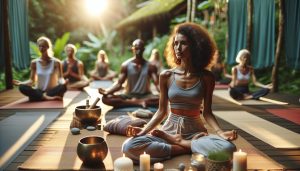
Choosing to attend a yoga retreat can be a transformative experience, but potential participants often wonder: how old do you need to be to join in? Understanding the age requirements for various retreats is essential for ensuring a fulfilling experience tailored to your needs. Most retreats set their minimum age at 15, while others welcome even younger attendees if accompanied by an adult. This flexibility allows participants of all ages to benefit from the soothing practices and wellness techniques offered. Whether you’re a young adult seeking personal growth or a parent considering a retreat for your teen, knowing the specific guidelines helps you plan effectively and create memorable experiences. Dive in as we explore the age requirements and recommendations for yoga retreats, ensuring you find the perfect opportunity to enhance your well-being.
Age Considerations for Yoga Retreats
When considering a yoga retreat, age can play a significant role in the overall experience and suitability of the retreat for individuals. Different age groups often have unique needs, preferences, and physical capabilities that can influence their participation. Moreover, the atmosphere of a retreat can vary widely depending on the demographics of its attendees, which is something to keep in mind when choosing the right program.
For example, many retreats are designed to cater to specific age groups, such as those targeting young adults or seniors. A retreat for younger participants might focus on high-energy classes, adventure activities, and social interactions, making it less appealing for more mature attendees seeking relaxation and a slower pace. Conversely, retreats specifically aimed at older adults often emphasize restorative practices, gentle yoga, and wellness-focused workshops that incorporate mindfulness and relaxation techniques.
Age considerations also extend to the types of classes and practices offered at retreats. While younger participants may enjoy dynamic Vinyasa or Ashtanga sessions, older practitioners might benefit more from Hatha, Yin, or chair yoga. Retreats that are aware of these differences often provide a range of options to accommodate various skill levels and physical needs, ensuring a more inclusive environment for all attendees.
In addition to physical requirements, emotional and social aspects should be taken into account. Those over 50 may prefer settings that foster connection and community among peers, as highlighted by programs specifically designed for women over 50 that also encourage adventure and well-being through shared experiences and travel [[1]](https://www.vajrasoltravel.com/blog/seeking-wellness-as-we-age-why-women-over-50-should-embark-on-a-yoga-retreat/). By aligning the retreat’s structure with the participants’ age and interests, travelers can maximize their rejuvenation and growth during their time away.
Why Age Matters for Yoga Retreats

Understanding the significance of age in the context of yoga retreats is essential for ensuring a comfortable and enriching experience for participants. Age influences not only the physical capabilities and preferences of attendees but also their social dynamics, emotional needs, and expectations from the retreat. For instance, younger participants might gravitate towards more vigorous practices and social interactions, while older attendees typically seek a more serene environment with restorative yoga and wellness workshops that nurture relaxation and self-awareness.
Choosing a retreat that aligns with your age group can greatly enhance your experience. Retreats may specifically cater to certain demographics, offering age-appropriate accommodations, activities, and even dietary considerations. For example, young adults may appreciate a retreat in a vibrant locale featuring adventurous excursions and energetic yoga classes, whereas seniors might flourish in serene settings that provide gentle yoga instructions and opportunities for mindfulness practices that cater to their pace. This alignment fosters a sense of community among participants and promotes deeper connections.
Furthermore, understanding the different practices that resonate with various age groups can optimize the benefits of a retreat. Younger participants often engage in challenging styles such as Vinyasa or Ashtanga, which require greater physical exertion. Conversely, older adults may prefer styles like Yin or Hatha yoga, which emphasize gentleness and mindfulness, accommodating varying physical abilities and enhancing overall wellness. Therefore, knowing the retreat’s focus and class offerings is key to ensuring it meets the specific needs of your age group, maximizing both physical benefits and opportunities for personal growth.
In conclusion, recognizing and addressing age-related factors is paramount for both retreat organizers and participants. By considering these aspects, individuals can better select a yoga retreat that aligns with their age, capabilities, and wellness goals, ultimately leading to a more fulfilling and transformative experience.
Typical Age Recommendations for Participants
When considering participation in a yoga retreat, age plays a pivotal role in determining which retreats are most suitable for your needs. While there’s no strict age limit for joining a yoga retreat, understanding the typical age recommendations can help create a more harmonious and enjoyable experience. Most retreats cater to a wide age range, often welcoming participants from their early twenties to those in their seventies and beyond. This inclusivity creates a rich environment where diverse experiences and insights can be shared.
For younger attendees, particularly those in their twenties and thirties, retreats might emphasize dynamic and physically challenging styles such as Vinyasa or Ashtanga yoga. These retreats often incorporate elements of adventure and social engagement, such as surf lessons or guided hikes, enhancing the overall experience with opportunities for both fitness and fun. In contrast, participants in their forties and fifties may find joy in retreats that balance vigorous practices with restorative sessions. This demographic is typically looking for both physical challenge and emotional relaxation, leading to a desire for retreats that offer a blend of yoga styles and supportive community connections.
For seniors or those over fifty, yoga retreats often shift in focus toward gentle practices like Hatha, Yin, or restorative yoga, which prioritize flexibility and relaxation over intense physical exertion. Many retreats designed for older participants emphasize holistic wellness, providing classes that teach mindfulness and meditation along with yoga practice, ensuring a nurturing atmosphere that encourages self-care and rejuvenation. It’s also common for these retreats to provide easier access to facilities and personalized guidance, making the experience both accommodating and enriching.
Ultimately, the key to a fulfilling yoga retreat lies in selecting one that aligns with your age group and personal preferences. By considering the typical age recommendations and the accompanying styles and activities offered, participants can ensure a retreat experience that resonates with their physical abilities and emotional desires, cultivating both growth and connection in a shared journey of wellness.
How Age Affects Yoga Experience Options

The suitability of yoga experience options at retreats often hinges on the age of participants, shaping not only the type of yoga practiced but also the overall atmosphere and activities included. For younger participants, especially those in their twenties and thirties, retreats typically focus on more vigorous and dynamic yoga styles like Vinyasa and Ashtanga. These sessions are often coupled with adventurous activities such as hiking, surfing, or even group challenges, fostering a high-energy environment that thrives on camaraderie and exploration. This demographic seeks intensity and engagement, marrying physical exertion with the opportunity for social interaction.
As practitioners enter their forties and fifties, their preferences usually evolve toward a more balanced approach. They often gravitate towards retreats that offer a mix of challenging and restorative practices, with classes that include Hatha, Yin, or gentle flow yoga. This age group values emotional well-being alongside physical health, making retreats that emphasize supportive community connections and varied approaches to wellness highly appealing. Gentle and restorative Yoga becomes a significant aspect, providing the rejuvenation and relaxation that aligns with their changing bodies and lifestyles.
Seniors, typically defined as participants over fifty, often benefit from retreats that emphasize accessibility and comfort. These experiences usually feature yoga styles focused on gentle movement, flexibility, and mindfulness, such as Yin or restorative yoga. Many retreats for older adults incorporate wellness initiatives like meditation workshops and nature walks, emphasizing holistic healing. Inclusive programming ensures that all physical abilities are accommodated, often with modifications and personalized guidance helping them to engage safely with the practices.
Moreover, various retreats now cater specifically to mixed-age groups, blending vigorous and gentle experiences to suit a wider audience. This allows for a rich exchange of perspectives and experiences, making wellness more inclusive. Ultimately, choosing a retreat that aligns with personal age and fitness levels ensures a nourishing experience, promoting both physical health and emotional growth. Engaging in yoga at any age can transform a retreat into a deeply rewarding journey of self-discovery and community connection.
Yoga Retreats for Different Age Groups

Yoga retreats offer unique experiences tailored to participants of various ages, each with specific needs and goals that deeply influence the type of yoga practiced, the retreat’s structure, and even the overall atmosphere. Understanding these nuances can guide individuals in choosing a retreat that not only enhances their yoga practice but also provides the necessary support and community for their age group.
Young adults, particularly those in their twenties to thirties, often seek a vibrant and energetic environment. Retreats designed for this demographic frequently feature more dynamic styles of yoga, such as Vinyasa or Ashtanga, coupled with adventurous activities like hiking, surfing, or beach workouts. These retreats not only provide an intensive physical challenge but also foster social interaction, allowing participants to build connections through shared experiences and camaraderie.
As yoga practitioners grow older, particularly into their forties and fifties, their approach to yoga tends to shift. This age group often values a blend of challenge and restorative practices. They may be drawn to Hatha, Yin, or gentle flow yoga classes, focusing on emotional well-being and physical health. Typically, retreats for these participants include various holistic wellness activities, such as workshops on mindful eating or guided meditation sessions, catering to their desire for an enriching and balanced experience.
For seniors, often defined as those over fifty, yoga retreats can be profoundly beneficial when they prioritize accessibility and comfort. Gentle movement styles like restorative or chair yoga are commonly integrated into the schedule, ensuring that all participants can comfortably engage in practice. Many retreats for seniors also incorporate mindfulness activities, nature walks, and wellness workshops that promote holistic healing, addressing both physical and emotional aspects of health. Tailored programming with personalized guidance helps them safely navigate the practices while fostering a sense of community.
Ultimately, a variety of retreats are available, with some specifically designed for mixed-age groups, successfully blending vigorous and gentle experiences. This inclusion offers participants from different backgrounds the opportunity to learn from each other, enriching their overall wellness journey. By selecting a retreat that aligns with personal age and fitness levels, individuals can embark on a fulfilling path of self-discovery, fostering connections and enhancing their well-being through the transformative power of yoga.
Benefits of Yoga Retreats for Seniors
Participating in yoga retreats offers seniors a treasure trove of benefits that go beyond mere physical practice. These retreats create a unique environment where older adults can immerse themselves in relaxation, mindfulness, and personal growth. As one may read in various testimonials, seniors often report enhanced well-being not only physically but also mentally and socially after attending such events.
One of the key advantages of yoga retreats for seniors is the opportunity to practice in a supportive community. Often designed with the specific needs of older participants in mind, these retreats foster connections among like-minded individuals. This sense of community encourages participants to share experiences, cultivate friendships, and motivate each other in their yoga practice, significantly enhancing emotional well-being. Moreover, many retreats incorporate group activities and social events that further strengthen these bonds.
Additionally, yoga retreats provide tailored programming that addresses the common physical concerns of older adults. Many retreats focus on gentle yoga styles, such as restorative or chair yoga, ensuring that everyone can participate comfortably while receiving personalized instruction. This tailored approach helps seniors improve flexibility, balance, and strength, essential factors in maintaining independence and reducing the risk of injury. Participants often find themselves enjoying the therapeutic aspects of yoga, as these practices contribute to pain relief and improved mobility.
Lastly, the holistic environment of yoga retreats often includes workshops on nutrition, mindfulness, and overall wellness, which complement the physical practice. These sessions provide valuable insights into maintaining a healthy lifestyle post-retreat, equipping attendees with tools to enhance their quality of life. Many seniors leave these retreats feeling rejuvenated, reinvigorated, and empowered to implement healthier habits in their daily routines, ensuring the benefits extend far beyond their time spent away. Overall, the unique blend of physical, mental, and social advantages makes yoga retreats an ideal experience for seniors seeking balance and wellness.
Youth-Friendly Yoga Retreats: What to Expect
Yoga retreats designed for younger participants create invigorating spaces where creativity, curiosity, and community flourish. These experiences not only introduce youth to the fundamentals of yoga but also encourage self-discovery and personal growth, often in a captivating natural environment. Whether a first-time yogi or someone with more experience, young individuals will find that these retreats cater to their unique needs, enhancing both physical wellness and mental clarity.
When selecting a youth-friendly yoga retreat, it’s essential to look for programs tailored to specific age groups, often accommodating participants from ages 13 and up. Most retreats focus on creating an inclusive atmosphere where young attendees can feel safe and supported. Activities are typically designed to engage energetic minds and bodies, incorporating a blend of yoga practices like vinyasa and restorative sessions, along with complementary workshops on topics such as mindfulness, nutrition, and creative expression. This holistic approach not only nurtures physical health but also fosters emotional intelligence and resilience.
One of the significant benefits of youth-friendly yoga retreats is the opportunity for social interaction in a non-competitive setting. Young people often leave these retreats with new friendships and a sense of belonging, as they connect with peers who share similar interests. Group activities, ranging from yoga practice to shared meals, promote camaraderie and teamwork. These connections can have lasting impacts, enhancing their social skills and creating a support network that extends beyond the retreat.
In terms of preparation, it’s recommended that young participants come with an open mind and willingness to engage fully in the retreat experience. Packing essentials might include comfortable clothing suitable for yoga sessions, personal items for journaling or reflection, and an open heart ready for new experiences. Understanding the structure of the retreat and what to expect can help alleviate any pre-retreat nerves, ensuring a smoother transition into this enriching journey. With thoughtful consideration in planning and participation, youth-friendly yoga retreats can serve as a transformative experience, setting the stage for a lifelong appreciation of yoga and wellness practices.
Safety Considerations at Yoga Retreats for All Ages
Ensuring safety at yoga retreats is paramount, as participants come from various age groups and may have differing health needs and fitness levels. A well-structured approach to safety not only enhances the overall experience but also fosters a reassuring environment for all attendees. Understanding key safety considerations before embarking on a retreat can help participants make informed choices and enjoy their time to the fullest.
One of the first steps to ensuring safety is communicating health and physical limitations clearly. Retreat organizers should encourage participants to disclose any medical conditions or concerns prior to arrival. This information allows instructors to tailor sessions accordingly, whether that means providing modifications for certain poses or adjusting the pace to suit the group’s ability. Furthermore, offering beginner-friendly options can enhance participation for those who may be less familiar with yoga, making every session accessible and enjoyable.
Another critical aspect involves ensuring that instructors are qualified and equipped to manage diverse age groups and skill levels. Instructors should possess certifications not only in yoga but also in first aid and CPR, enabling them to handle emergencies. Additionally, retreats should have clear protocols for emergencies, including access to medical facilities and having an emergency plan in place. These measures instill confidence among participants, knowing that their safety is a top priority.
Attention to physical space is also essential in creating a safe yoga environment. Locations should be well-maintained, with ample space for practice to minimize the risk of injuries. Specific arrangements for safety include using high-quality mats, ensuring the area is free of hazards, and keeping hydration stations accessible throughout the retreat. When age diversity is present, adjusting the schedule to include rest periods can also help mitigate fatigue or overexertion.
Lastly, clear communication about expectations and participant responsibilities enhances safety. Before the retreat begins, participants should receive comprehensive information detailing safety rules, session expectations, and protocols for reporting injuries or health concerns. This proactive approach empowers attendees, promoting mindfulness about their well-being and creating a collective culture of support during practice. With these considerations in place, yoga retreats can deliver enriching experiences while prioritizing the safety and wellness of all participants, regardless of age.
Senior-Specific Programs and Adaptations
Yoga retreats offer a unique opportunity for seniors to connect with their bodies and minds while also enhancing their overall wellness. Many retreats have recognized the growing interest among older adults and have started to design specific programs that cater to their needs. These customized offerings often include classes that focus on gentle yoga styles, such as Hatha or restorative yoga, which emphasize relaxation, flexibility, and strength without the intensity of more vigorous practices.
Additionally, senior-specific programs typically incorporate modifications that make poses more accessible. This might include using props such as blocks and straps to accommodate various levels of flexibility and strength. Instructors trained to work with older adults will often emphasize alignment and balance, helping participants feel secure and safe while practicing. This approach not only reduces the risk of injury but also fosters a sense of confidence among seniors, encouraging them to explore new postures at their own pace.
Some retreats also provide additional resources that benefit seniors beyond yoga classes. These can include workshops on topics such as mindfulness, meditation, nutrition, and even joint health. Tailored group discussions facilitate connection among participants, allowing them to share experiences and insights into aging gracefully. Beyond physical benefits, these retreats can be enriching social experiences, creating lifelong friendships and support networks.
Engaging in retreats specifically designed for seniors can significantly enhance the overall experience. By focusing on wellness that is both enjoyable and accommodating, seniors can leave a yoga retreat feeling rejuvenated and inspired. The blend of physical activity, educational workshops, and community interaction contributes to a holistic approach to health and well-being, making these retreats not just a getaway, but a transformative experience.
Combining Wellness and Fun for All Ages
Participating in a yoga retreat can be both a restorative and invigorating experience, appealing to individuals across all age groups. The key to creating an ideal environment that fosters wellness while ensuring fun lies in the thoughtful integration of activities that cater to varied interests and physical capabilities. Whether you are a teenager seeking adventure, a busy professional looking to recharge, or a senior wanting to enhance your flexibility and mindfulness, yoga retreats offer a rich tapestry of experiences designed to engage everyone.
One of the most distinguishing aspects of these retreats is their versatility. Most programs are designed with a balance of yoga sessions, guided meditation, and complementary activities such as hiking, cooking classes, or creative workshops. For younger participants, engaging in activities like beach yoga, adventure sports, or group games fosters a sense of community while promoting physical fitness. Adults, too, can enjoy a mix of rigorous classes and relaxation-focused practices, while seniors often find joy in gentle yoga combined with meditation and educational workshops highlighting wellbeing topics such as nutrition or stress management. This inclusive approach not only enhances the experience but helps participants meet others from diverse backgrounds, enriching social connections.
Moreover, retreat hosts often tailor schedules to accommodate different age-specific interests, offering mini-breaks between intensive yoga practices. This allows participants to unwind and socialize in a relaxed setting, perhaps sharing stories over a nourishing meal or engaging in light-hearted activities that resonate with their generational perspectives. Such intentional blending of wellness and fun creates an atmosphere that is both rejuvenating and enjoyable, ensuring that each individual leaves feeling balanced and inspired.
Ultimately, incorporating a variety of activities that appeal to all ages enables yoga retreats to thrive as memorable and transformative experiences. Participants not only deepen their practice but also gain new friendships and experiences that extend beyond the mat. With the right blend of fun-focused and wellness-driven offerings, yoga retreats foster an environment where everyone can thrive, ensuring lasting memories and enhanced wellbeing long after the retreat concludes.
Preparing for a Yoga Retreat at Any Age
When considering a yoga retreat, preparation is key to ensuring a fulfilling experience, regardless of your age. Whether you’re a youthful adventurer or a seasoned participant looking for tranquility, approaching your retreat with adequate planning can enhance your overall journey. One of the first steps is to assess your personal fitness level and yoga experience to choose a retreat that aligns with your capabilities. Many retreats welcome beginners while offering varied class levels, so it’s essential to communicate any concerns or limitations with the organizers in advance.
Packing for a yoga retreat involves more than just clothes. Consider bringing items that encourage comfort and relaxation, like a personal yoga mat, supportive clothing, and any necessary props, such as straps or blocks. A reusable water bottle and a journal can also be invaluable for staying hydrated and reflecting on your experiences. Depending on the location, it may be worthwhile to include other essentials such as sunscreen, insect repellent, and comfortable footwear for off-mat activities.
Creating a personal wellness goal can also significantly enrich your retreat experience. Reflect on what you hope to achieve: deeper mindfulness, improved physical flexibility, or perhaps making new friendships. Sharing these goals with your instructors not only helps to tailor your experience but can also lead to more meaningful interactions with fellow participants who may share similar aspirations.
Finally, it’s beneficial to mentally prepare for the retreat by cultivating an open mindset. Embrace the opportunity to step outside your comfort zone, whether through trying new activities or engaging with people from different walks of life. This readiness to explore can transform your time at the retreat into a profound experience of personal growth and connection.
Finding the Right Retreat for Your Age Group
Finding the right yoga retreat that matches your age group can significantly enhance your experience, ensuring that the program is tailored to your physical capabilities and social preferences. When choosing a retreat, consider the age demographic of the participants typically drawn to the program. Many retreats welcome participants across a broad age range, from young adults in their 20s to seasoned practitioners in their 70s. This inclusivity can foster a collaborative environment, but the specific type of retreat will largely set the tone for interaction and activity levels.
For younger individuals, vibrant retreats that offer adventure alongside yoga practices, such as hiking or surfing, may provide the perfect balance of excitement and mindfulness. These retreats often encourage a sense of community, with opportunities for bonding through shared experiences. On the other hand, programs designed for older adults may focus more on gentle practices, restorative yoga, and mindfulness workshops, providing a nurturing atmosphere that prioritizes relaxation and personal growth.
When embarking on this journey, it’s essential to assess how physical activity can affect your decision. For example, older adults or those with physical limitations may want to look for retreats that offer accessible yoga sessions, specialized instructors, and comfortable accommodations. In contrast, younger attendees might seek out more dynamic workshops with the availability of advanced practices. Researching the specific age groups of past attendees can provide crucial insights into whether a retreat will meet your expectations and needs.
Ultimately, don’t hesitate to communicate your age and any specific preferences directly with retreat organizers. This exchange can ensure that your experience aligns with your expectations, allowing for an enriching journey that resonates with your personal wellness goals. Whether you’re seeking camaraderie, tranquility, or a blend of both, the right retreat can profoundly impact your practice and overall satisfaction.
Faq
Q: What is the minimum age requirement to attend a yoga retreat?
A: The minimum age to attend a yoga retreat varies by location, but typically, participants must be at least 15 or 16 years old. Some retreats specifically cater to youths, while most require participants to be 18 or older, or accompanied by an adult.
Q: Are there yoga retreats for teenagers?
A: Yes, many retreats offer programs specifically designed for teenagers aged 12-17, focusing on age-appropriate activities and experiences that promote personal growth and connection with nature. Examples include the Teen Yoga Retreats which cater to this age group.
Q: Can adults accompany minors to yoga retreats?
A: Yes, adults can often accompany minors to yoga retreats, especially for those aged 16-17. This allows younger participants to experience wellness programs while ensuring they have a parental presence.
Q: How does age influence the type of yoga retreat one can attend?
A: Age influences the activities and learning approach at yoga retreats. Younger participants may engage in more playful, creative practices, while older adults often focus on relaxation and stress relief, leading to tailored programs that cater to different age groups.
Q: Do yoga retreats have age restrictions for senior participants?
A: While many yoga retreats welcome seniors, some may have specific programs or adaptations to ensure safety and comfort. It’s advisable to check with the retreat organizers about any age-related requirements or accommodations available for older adults.
Q: What age groups benefit the most from yoga retreats?
A: Yoga retreats benefit a wide range of age groups, including children, teenagers, adults, and seniors. Each group can experience tailored programs that promote wellness, personal growth, and community building, maximizing their individual benefits.
Q: Are there specific retreats focused on family participation?
A: Yes, some yoga retreats are family-friendly and designed for participants of all ages, offering joint activities that foster family bonding while promoting health and wellness. These retreats can be a great way to spend quality time together while practicing yoga.
Q: How should I prepare my child for a youth yoga retreat?
A: Prepare your child for a youth yoga retreat by discussing what to expect, packing essential items such as comfortable clothing and a yoga mat, and encouraging openness to new experiences. Familiarity with basic yoga concepts can also be beneficial.
To Conclude
As you consider your journey to a yoga retreat, remember that age is just a number when it comes to embracing wellness and self-discovery. Understanding the age requirements and recommendations can ensure that you’re selecting the right retreat experience for your needs. Whether you’re a young adult seeking rejuvenation or a senior looking to deepen your practice, there’s a place for you in these transformative spaces.
Don’t wait to take that first step towards renewal-explore our comprehensive guide on the best yoga retreats to find the perfect fit for your age group and interests. For those eager to dive deeper into wellness travel, check out our articles on planning your ideal escape or tips for maintaining your routine while traveling. Join the conversation by sharing your thoughts in the comments below or subscribe to our newsletter for the latest insights and offerings. Your journey to inner peace and community support starts now, so let’s embark on this adventure together!