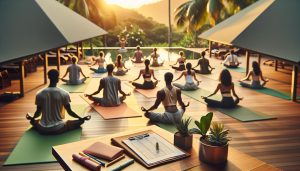
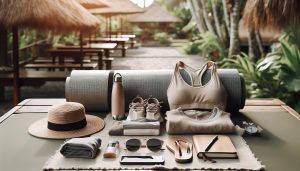
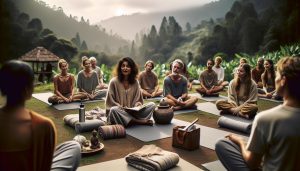
In today’s fast-paced world, the desire for rejuvenation and mindfulness has led many to explore the idea of yoga retreats. However, not everyone has the time or resources to travel to a serene location. This guide on creating a DIY sanctuary at home empowers you to craft your own yoga retreat experience, tailored to your personal needs and lifestyle. By transforming your living space into a calming oasis, you’ll not only deepen your yoga practice but also cultivate a sanctuary for mental clarity and relaxation. Discover how to disconnect from daily stresses, immerse yourself in self-care, and embrace the transformative benefits of yoga-all from the comfort of your home. Let’s embark on this journey together and explore the steps to create your personal retreat, bringing peace and wellness to your everyday life.
Creating Your Ideal Home Yoga Space
Creating a serene space for yoga at home can significantly enhance your practice, turning your sessions into a personal retreat. To start, identify a dedicated area free from distractions. This could be a corner of your living room, a spare room, or even a balcony. Ensure that the space feels inviting and calm by decluttering the area. A clean environment not only alleviates visual stress but also promotes mental clarity, allowing you to focus fully on your practice.
Consider the decor of your yoga space, as it can play a vital role in creating the right atmosphere. Soft colors, natural materials, and personal touches like art or photographs that evoke peace and joy can make a difference. Incorporate natural elements such as plants, which not only purify the air but also create a connection with nature. Using a high-quality yoga mat as the focal point of the area can help define your practice space, providing both comfort and stability during your sessions.
Consideration for Ambient Elements
In addition to physical space, pay attention to the sensory elements of your retreat. Utilize soft lighting, such as candles or string lights, to create a warm ambiance. Sound can also enhance your practice; consider incorporating calming music or nature sounds to help you transition into a more meditative state. Lastly, ensure that the temperature of your space is comfortable; an overly hot or cold environment can be distracting and hinder your ability to relax fully.
By carefully selecting and arranging your home environment, you can create a sanctuary that not only supports your yoga practice but also invites mindfulness and peace into your daily routine.
Essential Elements for Your DIY Sanctuary
Creating an inviting atmosphere at home for your yoga practice can transform routine sessions into deeply fulfilling retreats. Begin by selecting a dedicated area that resonates with tranquility-this could be a quiet corner in your living room, a spare bedroom, or even an outdoor patio. The key is to ensure this space remains free from interruptions, allowing you to fully immerse yourself in your practice without the distractions of daily life.
The decor within your chosen sanctuary plays a significant role in cultivating the right environment. Soft colors-like pastels or earth tones-can soothe the mind, while natural materials such as wood, bamboo, or stone enhance the feeling of connection to the earth. Personal touches, such as photographs of inspiring landscapes or artwork that evokes calmness, can also help make the space uniquely yours. To truly ground your practice, integrating plants can breathe life into the area, providing not only beauty but also cleaner air.
Mindful Arrangement of Elements
Carefully consider how you arrange the elements within your sanctuary. The focal point should be a high-quality yoga mat, which serves as both a comforting surface for poses and a symbolic center for your practice. Surround this with items that inspire serenity, like crystal-infused candles or incense holders.
It’s also essential to focus on sensory experiences. Lighting is crucial; consider using soft lighting, such as lamps with warm hues or strings of fairy lights, to create a welcoming glow. The inclusion of calming sounds, whether through curated playlists or nature-inspired audio, enhances the overall ambiance. Moreover, ensure that the temperature is balanced-neither too hot nor too cold-as physical comfort significantly impacts your ability to engage fully in your sessions.
By integrating these essential elements into your DIY sanctuary, you will not only create a conducive environment for yoga but also foster a nurturing space for mindfulness and relaxation that you can return to again and again.
Curating a Weekly Schedule for Your Retreat
Designing a weekly schedule for your home yoga retreat is essential for establishing a routine that nurtures both body and mind. When you dedicate specific times for practice, you create a rhythm that helps integrate the retreat experience into your daily life. Start by assessing your current commitments and identifying blocks of time when you can fully engage in your practice, minimizing distractions and interruptions.
Begin by outlining your week, marking days and times you will allocate for different aspects of your retreat experience. For instance, you might reserve mornings for dynamic yoga sessions to energize your day and evenings for restorative practices that promote relaxation and reflection. Consider including varied activities to keep your routine fresh:
- Monday: Vinyasa flow (morning), mindfulness meditation (evening)
- Tuesday: Yin yoga with deep stretching (late afternoon)
- Wednesday: Pranayama (breathing exercises) followed by journaling (morning)
- Thursday: Core strengthening practice (early evening)
- Friday: Gentle restorative yoga (nighttime)
- Saturday: Nature walk and outdoor yoga (midday)
- Sunday: Reflection and planning session, combined with a long yoga practice
To maintain motivation throughout the week, set clear intentions for each session. This could be exploring specific poses, implementing mindfulness techniques, or even experimenting with different styles of yoga. Keeping a practice journal can be beneficial; you can note your feelings, challenges, and progress after each session, helping you stay aligned with your goals.
With a thoughtfully curated weekly schedule, each day becomes an opportunity to deepen your practice, discover new insights, and cultivate a sense of inner peace, turning your home into a sanctuary that nurtures your wellbeing.
Mindfulness Practices to Integrate Daily
Incorporating mindfulness practices into your daily routine is vital for fostering a sense of peace and enhancing your yoga retreat experience at home. Mindfulness, the art of being present and fully engaged in the moment, can significantly deepen your yoga practice, allowing you to connect more profoundly with your body and mind. Here are practical strategies to seamlessly weave mindfulness into your day-to-day life.
Start your day with a few minutes of mindfulness meditation. This could be a simple practice of focusing on your breath. Find a quiet space, sit comfortably, and close your eyes. Inhale deeply through your nose, feeling your abdomen expand, then exhale slowly through your mouth. Aim to do this for five to ten minutes, gradually increasing the duration as you become more comfortable. Research suggests that even short bursts of mindful breathing can lead to improved focus and emotional regulation throughout the day.
Integrating mindful moments throughout your daily activities can also be beneficial. Rather than rushing through meals or chores, practice being present in each task. For instance, when you eat, take the time to savor each bite, noticing the flavors and textures. When doing household chores, such as washing dishes or folding laundry, focus on the sensations of the water or the fabric rather than letting your mind wander to your to-do list. This practice can transform mundane tasks into opportunities for mindfulness.
Consider setting aside specific times in your weekly schedule for deeper mindfulness practices, such as guided meditations or yoga nidra sessions. These practices can serve as a retreat within your retreat, providing restorative periods where you can recharge and reflect. Explore various digital resources to find guided sessions that resonate with you, as many apps and online platforms offer a range of mindfulness practices tailored to different levels and preferences.
By incorporating these mindfulness practices into your daily routine, you create a nurturing environment that enhances your home yoga retreat. This approach not only enriches your yoga practice but also cultivates a sustainable and enriching routine that promotes overall well-being.
Creating Ambiance: Lighting and Sound Tips
Creating the right ambiance is essential for cultivating a peaceful and inviting space for your home yoga retreat. The atmosphere you create with lighting and sound can significantly influence your mood and enhance your practice. Soft, warm lighting combined with soothing sounds can help you transition into a state of relaxation and mindfulness, setting the stage for a fulfilling yoga experience.
Start by selecting lighting that promotes a calm environment. Natural light is ideal, so consider arranging your yoga space near windows, allowing sunlight to flow in during the day. For evening sessions or cloudy days, opt for soft, dimmable lights or candles. Salt lamps or LED candles can provide a warm glow that mimics the effects of natural light. If you’re using overhead lights, consider pairing them with floor lamps or string lights for a cozier effect. Creating layers of light fosters a more inviting atmosphere, perfect for unwinding before your yoga practice.
Sound plays a complementary role in creating ambiance, enhancing your overall experience. Establish a playlist of calming music or natural sounds, such as water flowing or birds chirping, to help you unwind and focus. Consider using apps that offer guided meditations or soundscapes designed specifically for yoga. A small portable speaker can ensure even sound distribution, and consider using a white noise machine if you find external noises distracting. Ultimately, the right sound environment encourages movement and deep breathing, enhancing your connection to both your body and breath.
To further enrich your space, incorporate elements that engage the senses. Use essential oil diffusers with calming scents like lavender or eucalyptus to create a soothing olfactory experience. This sensory addition can enhance relaxation and help set the mood for your practice. Combining thoughtful lighting, soothing sounds, and invigorating scents creates an immersive environment that cultivates peace and enhances your home retreat experience.
Yoga Styles and Practices Perfect for Home
Yoga offers a diverse array of styles and practices that can be beautifully adapted for a home setting, creating the perfect retreat experience tailored to your needs. Among the most popular styles, Hatha Yoga stands out for its focus on foundational asanas (postures) and breath control. This gentle introduction to yoga is ideal for practitioners of all levels, making it an excellent choice for your home sanctuary. Incorporating Hatha into your routine allows you to ease into more challenging poses while also enjoying a mindful practice that encourages relaxation and stress relief.
In addition to Hatha, Vinyasa Yoga is another popular option that promotes a fluid practice through dynamic movements linked by breath. This style can energize your at-home sessions and is perfect for those who enjoy a more active approach. You can create sequences that match your energy levels, from a gentle morning flow to an invigorating afternoon session. Incorporating tutorials from online platforms or apps can help to craft your personal flow, ensuring your practice remains engaging and tailored to your preferences.
For those seeking serenity and inner peace, Yin Yoga can be a transformative choice. This meditative practice emphasizes long-held postures aimed at stretching connective tissues and enhancing flexibility. Ideal for evening sessions or days when you need to unwind, Yin Yoga fosters a tranquil atmosphere that facilitates introspection and mindfulness. Consider setting up your space with calming ambient sounds or guided meditations to deepen your experience.
To further enrich your home yoga practice, introduce elements of restorative yoga, which focuses on relaxation and recovery through passive stretches. By using props like bolsters, blankets, and blocks, you can achieve comfort and support in each pose. This practice is especially beneficial after a long day, as it promotes healing and rejuvenation, making your home retreat a refuge from daily stressors. Whether you’re exploring the foundational poses of Hatha, the flow of Vinyasa, the stillness of Yin, or the tranquility of Restorative yoga, each style can create a unique and rewarding experience conducive to your home sanctuary.
By blending these styles and listening to your body, you can curate a personalized yoga practice that nourishes your spirit and fosters ongoing mindfulness to enhance your at-home retreat experience.
Healthy Recipes for Your Retreat Experience
Nourishing your body with wholesome meals during a home yoga retreat can significantly enhance your overall experience, making your journey toward wellness more fulfilling. By focusing on healthy, vibrant recipes, you can support the balance between mind and body that yoga encourages. Incorporating fresh, seasonal ingredients not only boosts your physical health but also elevates your mood, contributing to a serene environment.
Begin your day with a revitalizing smoothie packed with leafy greens, fruits, and protein. A green smoothie made with spinach, banana, almond milk, and a scoop of protein powder provides essential nutrients while being light and energizing. Pair this with a bowl of overnight oats topped with nuts and berries for a satisfying, fiber-rich breakfast that keeps you full and focused. The combination of complex carbohydrates and healthy fats will fuel your morning yoga sessions and keep your energy levels steady throughout the day.
For lunch, consider a vibrant quinoa salad, which can easily be customized with your favorite vegetables, legumes, and a zesty lemon-tahini dressing. Ingredients like chickpeas, cherry tomatoes, and avocado add texture and flavor while providing a good source of protein and healthy fats. This meal is not only nutritious but also visually appealing-a perfect accompaniment to your mindful practice.
Evening Nourishment
As your day winds down, focus on lighter, comforting meals. A vegetable stir-fry with brown rice or cauliflower rice loaded with seasonal vegetables can be both satisfying and easy to digest. Enhance it with ginger and garlic for an extra health boost, which can aid digestion and reduce inflammation. For dessert, consider a simple chia seed pudding made with almond milk and topped with fresh fruit. This dessert is rich in omega-3 fatty acids and fiber, making it a delicious way to end your day on a healthy note.
By consciously choosing nourishing recipes throughout your retreat, you not only enhance your physical vitality but also cultivate a deeper connection to the rituals of cooking and eating, promoting a holistic wellness experience that supports your yoga practice.
Incorporating Nature: Indoor and Outdoor Spaces
Bringing nature into your home yoga retreat can significantly enhance the overall experience, creating an environment conducive to peace and mindfulness. Studies show that natural elements can reduce stress and promote feelings of well-being, making it crucial for your DIY sanctuary. Whether you opt for indoor greenery or outdoor spaces, focusing on the integration of nature can deepen your yoga practice.
Start by selecting plants that are easy to maintain and suitable for your indoor environment. Consider options such as snake plants, peace lilies, or succulents, which not only purify the air but also add a calm aesthetic. Place these plants near your yoga area for an immediate boost of serenity. Use natural materials such as wood or bamboo for your yoga mat and props to complement the botanical theme. Additionally, incorporating large windows or mirrors can enhance natural light and create an illusion of openness, further connecting your space to the outside.
For those lucky enough to have outdoor areas, transform them into your personal oasis. Set up a designated yoga spot in your garden or balcony, surrounded by flowers or shrubs. The sounds of nature-birds chirping, leaves rustling-can deepen your meditation experience. To protect this space from the elements, consider using a lightweight gazebo or a sunshade that allows air and light to flow freely. When practicing outdoors, the fresh air and natural scenery can enhance your focus, making your sessions even more rejuvenating.
In addition to physical spaces, think about the scents of nature. Essential oils derived from plants can evoke the ambiance of the outdoors. Use a diffuser with oils like lavender or eucalyptus to create a calming atmosphere. To further incorporate nature, seek out natural soundscapes online-like recordings of ocean waves or forest sounds-to play softly in the background, which can enhance relaxation during your practice.
Ultimately, blending nature into your home yoga retreat can transform your yoga journey into a holistic experience by enriching both mind and body. Create a sanctuary that not only welcomes the beauty of the natural world but also encourages you to deepen your connection to it, helping to cultivate mindfulness that extends beyond your mat.
Tips for Staying Motivated in Your Practice
Staying committed to your home yoga practice can be challenging, especially in the face of daily distractions and responsibilities. One effective way to maintain motivation is to cultivate a routine that feels sacred and non-negotiable. Establish specific times during the week dedicated exclusively to your practice, treating these sessions like important appointments. This creates consistency and helps to foster a sense of commitment to your well-being.
Utilizing goal-setting strategies can enhance your motivation significantly. Start by setting realistic, incremental objectives that focus on both your practice and personal wellness. Instead of aiming to master complex poses right away, consider setting goals such as practicing for a certain number of minutes each day or incorporating a new breathing technique weekly. Celebrating these small achievements can boost your confidence and encourage you to keep progressing.
Another powerful motivator is integrating variety into your routine. Explore different styles of yoga or meditation practices to keep things fresh and engaging. For instance, alternate between restorative yoga, vinyasa flow, or guided meditations. Additionally, consider mixing in yoga tutorials or online classes that resonate with your current feelings or aspirations, providing structured guidance and preventing boredom.
Lastly, find your community. Even while practicing at home, digital platforms can help you connect with fellow yoga enthusiasts. Join online forums or social media groups dedicated to yoga, where you can share experiences, challenges, and triumphs. Knowing you have a support network can bolster your motivation and inspire you to stick with your practice, enhancing both your journey and sense of connection.
Digital Resources for Guided Yoga Sessions
Finding the right guided yoga sessions can transform your home practice, providing structure and inspiration just as you’d receive in a studio or retreat setting. With a plethora of digital resources available, you can explore sessions that cater to your specific needs and preferences, ensuring that every practice feels unique and fulfilling.
Online Platforms for Guided Yoga
There are numerous online platforms that offer high-quality guided yoga sessions, each with its strengths. Popular options include:
- Yoga with Adriene: This YouTube channel features a range of practices, from beginners to advanced, helping you cultivate a home practice without the pressure of in-studio timelines.
- Gaia: A subscription-based service providing an extensive library of yoga classes, documentaries, and mindfulness content, ideal for dedicated practitioners seeking to deepen their practice.
- Daily Burn: A fitness platform offering yoga alongside other workout styles. Daily Burn provides various levels of intensity, making it suitable for those looking to diversify their home routine.
Mobile Apps for Flexibility
Having the right apps can enhance your practice, allowing for convenience and accessibility. Consider these helpful mobile applications:
- Asana Rebel: This app combines yoga and fitness, offering sessions that can be tailored to your goals, whether you seek strength, flexibility, or mindfulness.
- Down Dog: A dynamic app that allows you to customize different aspects of your class (duration, difficulty, and style), providing a new experience each time you practice.
- Insight Timer: Although primarily a meditation app, it features a wide variety of guided yoga sessions suitable for all levels, perfect for serenity and mindfulness integration in your routine.
Streaming Classes
If you prefer a classroom setting, look for studios offering live-streamed classes. Check local studios that transitioned to online offerings during recent years. Participating in live classes can enhance community connections and provide real-time feedback from instructors, fostering a sense of accountability and engagement.
In addition to these resources, consider utilizing social media platforms like Instagram or Facebook. Many yoga teachers share free classes or snippets on these platforms, which can be a great way to explore various styles and instructors without commitment. By leveraging these digital resources, you can create a diverse and fulfilling home yoga retreat experience, tailored specifically to your wellness needs.
Journaling and Reflection Activities for Growth
To deepen your yoga practice at home, incorporating journaling and reflection activities can be transformative. These practices allow you to record your thoughts, feelings, and experiences related to your journey, fostering personal growth and enhancing mindfulness. Journaling not only solidifies insights gained during yoga sessions but also serves as a tool for setting intentions and tracking progress over time.
Begin by dedicating a specific journal to your yoga practice, providing a sacred space where you can freely express yourself. Consider different prompts to inspire your writing, such as reflections on how certain poses make you feel, or how your emotional state shifts before and after practice. You might also explore themes of gratitude, focusing on what your body can do rather than what it can’t, or documenting insights gained from mindfulness or meditation sessions.
Creating a ritual around your journaling practice-like writing after each yoga session or designating a specific day each week for deeper reflection-can help solidify the habit. Establishing a serene environment with calming elements like candles or nature sounds can further enhance this experience. Additionally, incorporating sketches or inspirational quotes can add a creative dimension to your journaling, making it a more engaging practice.
As you progress, revisit your entries periodically. This allows you to see how your practice has evolved and to discern patterns in your feelings and thoughts. Celebrate breakthroughs, whether they are physical, emotional, or spiritual. Continuous reflection not only deepens your understanding but also strengthens your commitment to maintaining this personal sanctuary within your home yoga retreat.
Building Community: Virtual Retreat Connections
In today’s interconnected world, building community through virtual connections has transformed the way we experience yoga retreats from home. Engaging with like-minded individuals online not only enhances your practice but also fosters support and accountability, making your DIY sanctuary feel less solitary and more communal. With numerous platforms available, it’s easier than ever to participate in group retreats, workshops, and discussions that inspire growth and connection.
One effective way to create community is by joining online yoga classes or retreats hosted by certified instructors. Many of these sessions encourage interaction through chat features, enabling participants to share insights and experiences. Websites and social media platforms can also facilitate community building through dedicated groups where members can share their progress, ask questions, and exchange tips on their yoga journeys. Platforms like Zoom and Facebook Groups provide great spaces for live discussions or even virtual tea gatherings post-practice, enriching the retreat experience further.
Consider hosting your own virtual gathering with friends or fellow yoga enthusiasts. Set a schedule for shared practice sessions, followed by group discussions or themed workshops. For example, you might have a week dedicated to a specific yoga style, followed by group journaling sessions to reflect on the experience. Using digital tools to create a shared goal can enhance motivation and accountability, helping everyone stay committed to their practice.
Finally, be sure to explore dedicated online yoga communities. Platforms like Meetup and Eventbrite often list local and global yoga events that can connect you with practitioners worldwide. Engaging in discussions, participating in social media challenges, and joining online forums are excellent ways to cultivate relationships that extend beyond the virtual realm, offering a sense of belonging in your yoga practice and making your home retreat feel more vibrant and connected.
FAQ
Q: How can I create a calming atmosphere for my home yoga retreat?
A: To create a calming atmosphere for your home yoga retreat, consider using soft lighting, soothing colors, and natural scents. Incorporate candles or essential oils and choose calming music or nature sounds. A designated, clutter-free space can enhance relaxation, allowing for a more immersive experience.
Q: What are some affordable ways to enhance my DIY yoga retreat?
A: Affordable enhancements for your DIY yoga retreat include using household items for decor, such as plants or colorful fabrics. DIY yoga props like bolsters from pillows, and creating a simple vision board can also elevate the experience without breaking the bank.
Q: How can I incorporate gratitude practices into my home yoga retreat?
A: To incorporate gratitude practices, start each day with a journaling session focused on gratitude. Include affirmations and reflection on personal growth during your yoga sessions. Consider ending your retreat with a gratitude circle, even if it’s virtual, to express appreciation with others.
Q: What should I include in a daily schedule for my home yoga retreat?
A: A daily schedule for your home yoga retreat should include a balance of yoga sessions, meditation, mindful breaks, and healthy meal times. Designate specific hours for practice, reflection, and nourishment to ensure a structured yet relaxing experience that promotes well-being.
Q: How do I stay motivated during a home yoga retreat?
A: To stay motivated during your home yoga retreat, set clear intentions for your practice, and create a visual schedule outlining your activities. Engage with online yoga communities or social media for inspiration and accountability, and change up your routine to keep things fresh.
Q: What types of yoga are best for a home retreat?
A: The best types of yoga for a home retreat include restorative yoga for relaxation, Hatha for balance, and Vinyasa for flow. Consider incorporating practices like Yin Yoga or Kundalini for variety. Tailor your sessions to match your mood and energy levels throughout the retreat.
Q: How can I integrate healthy meals into my DIY yoga retreat?
A: To integrate healthy meals, plan a menu that includes seasonal fruits and vegetables, whole grains, and lean proteins. Prepare meals in advance to minimize cooking during the retreat. Consider themed meals, like a vegetarian night, to enhance the experience and maintain nutritional goals.
Q: What digital resources can aid my home yoga retreat experience?
A: Digital resources for your home yoga retreat can include guided video sessions from platforms like YouTube or yoga apps that offer a wide range of styles. Podcasts on mindfulness and well-being can also enhance your experience. Explore online communities for virtual support and inspiration.
Closing Remarks
Now that you have the tools and insights to create your personal yoga retreat at home, it’s time to transform your space into a tranquil sanctuary for relaxation and rejuvenation. Embrace the beauty of self-care by setting aside dedicated time for your practice, and remember to customize your environment to suit your unique needs. Don’t wait; start your journey today and invite serenity into your daily routine.
If you enjoyed this guide, dive deeper into related topics like “Creating a Mindful Meditation Space” or explore the benefits of “Wellness Travel” for future getaways. For tips on maintaining yoga routines while traveling, check out our informative articles. Join our community for more inspiration and expert advice by signing up for our newsletter. Embrace your wellness journey-your sanctuary awaits!
Get our latest guides, news, and insights highlighted in your Google Search & AI Overviews.