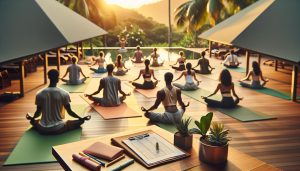
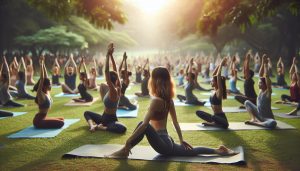
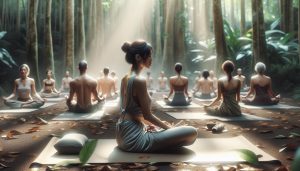
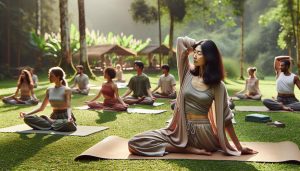
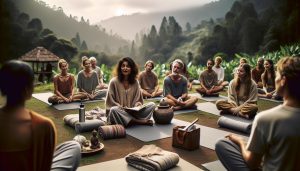
Embarking on a yoga retreat is more than just a getaway; it’s a transformative experience that nurtures both body and soul. Did you know that immersing yourself in a dedicated yoga environment can significantly enhance your practice and mindfulness? With the right planning and preparation, this journey can help you deepen your practice, connect with like-minded individuals, and refresh your perspective on wellness. Whether you’re a seasoned practitioner or a curious beginner, understanding how to effectively plan your retreat can turn your aspirations into reality. In this guide, you’ll find essential tips and insights to navigate the myriad of choices available, ensuring your retreat aligns with your personal goals and lifestyle. Get ready to explore how to create a profound and enriching yoga retreat experience, allowing you to return home rejuvenated and inspired.
How to Choose the Right Yoga Retreat for You
Choosing the right yoga retreat can be both an exciting and daunting task, as it represents a unique opportunity for deep personal growth, relaxation, and holistic wellness. Start by defining your goals for the retreat. Are you looking for relaxation, a physical challenge, spiritual growth, or perhaps a chance to learn new yoga styles? Your intentions will guide your selection process and ensure that the retreat aligns with what you hope to achieve.
Next, consider the retreat’s location and environment. Each destination offers a distinct atmosphere-from serene beaches and lush jungles to mountain resorts and urban centers. Research the climate, cultural nuances, and natural surroundings. Ask yourself if you’d prefer an isolated getaway to disconnect and reflect or a more integrated experience in a vibrant setting where you can engage with local culture.
Another essential factor is the retreat’s schedule and teachers. Look for programs that offer a balanced mix of yoga classes, meditation sessions, and personal time. Review the teacher’s credentials and teaching style. Do they resonate with your practice level and philosophy? Reading reviews or testimonials can provide insight into others’ experiences and help you determine if a particular retreat is a good fit for your needs.
Lastly, budget considerations are crucial. Assess what’s included in the price-accommodation, meals, yoga classes, and additional activities-and compare options to find one that offers the best value for your investment. Be mindful of potential extra costs such as transportation, spa treatments, or excursions, which can add up quickly. By thoughtfully evaluating these elements, you can select a yoga retreat that not only meets your expectations but enhances your overall wellness journey.
Essential Factors to Consider When Planning Your Retreat
Selecting the right yoga retreat involves thoughtful consideration of various factors that can significantly affect your overall experience. Understanding your personal goals is paramount; define what you hope to achieve. Are you seeking physical rejuvenation through intensive practice, or are you more inclined towards a calming environment for meditation and relaxation? Having clear intentions can help narrow down your choices immensely.
Another crucial aspect to consider is the retreat’s atmosphere. The setting can enhance your experience-whether it’s a serene beach, a tranquil mountain environment, or a lush forest, each offers unique benefits. Take the time to research the climate and cultural aspects of your chosen destination. If you prefer solitude, an isolated retreat might suit you better. Conversely, if you enjoy immersing yourself in local culture, a location that allows for exploration and community engagement would be ideal.
Pay close attention to the schedule and the instructors involved. A well-rounded program should blend yoga sessions with time for reflection, personal growth, and perhaps other wellness activities. Investigate the instructors’ backgrounds and teaching styles to see if they align with your practice. Reviews or testimonials from previous participants can provide useful insights into the quality of instruction and the overall experience of the retreat.
Additionally, budgeting plays a critical role in planning your retreat. Consider what the retreat fee covers-accommodations, meals, daily yoga classes, and additional activities-and compare this with other options to determine the value you’re getting. Keep an eye out for potential supplementary costs, such as transportation or optional excursions, ensuring that your planning accommodates these extra expenses. By carefully evaluating these elements, you’re more likely to select a retreat that not only meets but exceeds your expectations, contributing positively to your personal wellness journey.
Creating Your Ideal Yoga Retreat Itinerary
Creating a rich and fulfilling itinerary for your yoga retreat can significantly enhance your overall experience, ensuring you leave feeling rejuvenated and inspired. A well-structured schedule balances yoga practice, personal reflection, and leisure activities, allowing you to fully immerse yourself in the retreat experience. Start by identifying the key elements that resonate with your goals and preferences.
Begin each day with early morning yoga sessions. Morning practice, often scheduled around sunrise, helps you connect with your breath and set a positive intention for the day. For example, you might incorporate styles like Vinyasa or Hatha yoga, focusing on sun salutations to energize the body. Following your practice, consider including a wholesome breakfast to nourish your body, perhaps featuring local or organic ingredients to enhance your connection to the retreat’s location.
The mid-morning to early afternoon can be an excellent time for workshops or group activities that promote personal growth. Themes might include mindfulness, meditation, or creative pursuits like art or journaling. This is also a great opportunity to explore the surrounding area, allowing you to integrate local culture into your experience. Scheduling a guided nature walk or a visit to local sights can enrich your understanding of the environment you’re in.
As the day winds down, evening sessions could focus on restorative or yin yoga, providing a contrasting style to your earlier practices. This gives you a chance to unwind, reflect, and engage in communal sharing, fostering connections with fellow participants. Conclude your day with a nourishing dinner and perhaps a group discussion or quiet reflection on the day’s experiences. Integrating downtime into your itinerary lets you recharge, ensuring you’re ready to embrace each new day fully.
To summarize, consider these elements when crafting your yoga retreat itinerary:
- Morning Yoga Sessions: Energize your day with dynamic practices.
- Workshops and Activities: Engage in personal growth and cultural exploration.
- Evening Restorative Practices: Wind down and reflect.
- Culinary Experiences: Enjoy healthy, local meals at each stage.
By thoughtfully designing your retreat itinerary, you create a harmonious balance of activity and rest that nurtures the mind, body, and spirit, facilitating a transformative experience that aligns with your personal wellness journey.
Packing Wisely: What to Bring to a Yoga Retreat
A well-prepared packing list can make all the difference in ensuring a seamless and enjoyable yoga retreat experience. Bringing the right items not only helps you feel comfortable and prepared for your practices but also allows you to focus on the journey of self-discovery and relaxation that a retreat offers. Before you zip up your suitcase, take a moment to consider essential items that will support your yoga journey.
Start with yoga essentials. A quality yoga mat is foundational; ensure it’s lightweight yet grips well to support your poses. Additionally, consider packing a yoga strap and block, as these tools can enhance flexibility and modification during classes. If the retreat offers outdoor sessions, a lightweight travel mat is also a great option. Don’t forget a water bottle to stay hydrated, as many retreats emphasize the importance of wellness and hydration.
In terms of clothing, opt for breathable, moisture-wicking attire that allows for free movement. This could include yoga pants, tops, and a lightweight jacket or wrap for cooler evenings. Additionally, packing a swimsuit can be beneficial if the retreat includes activities like swimming or hot tubs. For footwear, bring comfortable sandals or slip-ons for relaxation between sessions.
Additional Must-Bring Items
A personal touch to your packing can include meaningful items that support your mindset during the retreat. A journal and pens will allow you to document your thoughts and experiences, promoting reflection. Consider bringing a few personal hygiene products such as natural deodorant, toothpaste, or any essential oils that you find calming or invigorating.
Also, remember to include a lightweight towel for sweat during practices and perhaps a small backpack for day excursions if the retreat facilitates outdoor activities. If meditation is part of your retreat, you might find it beneficial to bring a lightweight blanket or shawl for added comfort during those serene moments.
Incorporating these thoughtful packing choices not only prepares you for the practical aspects of your retreat but also enhances your overall experience, allowing you to fully immerse yourself in the transformative journey ahead.
Mindfulness and Meditation Practices for Your Retreat
Incorporating mindfulness and meditation practices into your yoga retreat can significantly enhance your overall experience, promoting deeper relaxation and personal insight. These practices allow you to connect with yourself on a profound level, cultivating awareness that enriches both your yoga sessions and daily life. Whether you are a seasoned practitioner or new to these practices, exploring different techniques can help you find what resonates best with you.
One effective method is guided meditation, which can be incorporated into your daily schedule during the retreat. This can range from simple breath awareness to more complex visualizations. Guided sessions led by experienced instructors can help ease you into meditation, especially if you’re unfamiliar with the process. You might consider participating in workshops that introduce various styles, such as loving-kindness meditation or body scan techniques, allowing you to experiment and discover which approach supports your journey.
Additionally, mindfulness techniques can be seamlessly integrated into your yoga practice. Focus on the sensations of your body as you move through poses, paying attention to your breath and the feelings that arise. This heightened awareness can transform physical practice into a moving meditation, making every stretch and pose a chance to center yourself. Taking a moment after each session to journal about your experiences can solidify these insights, making it easier to reflect on your progress.
Incorporating outdoor meditative practices can also enhance your connection to the environment around you. Engage in sessions that combine walking meditations or nature hikes with mindfulness exercises. These activities can unfold your senses, allowing the sights, sounds, and smells of your surroundings to deepen your meditative state. Consider simple practices such as pausing to appreciate the beauty of nature, focusing on the sounds of birds, or even the feel of the wind against your skin.
Lastly, remember the importance of creating a serene space for personal reflection. Designate time throughout your retreat for solitude, where you can practice meditation or simply sit quietly with your thoughts. Whether it’s a cozy spot by the water or a shaded area under trees, having this calming environment allows for deeper exploration of your inner self and can significantly enrich your retreat experience. By embracing these mindful practices, you’ll not only enhance your yoga journey but also cultivate lasting habits that align with your well-being long after the retreat ends.
Healthy Eating Options During Your Retreat
Choosing the right food during your yoga retreat can profoundly impact your overall experience, helping to enhance your physical stamina and mental clarity. Nutrition not only fuels your body for practice but also plays a crucial role in your ability to fully engage in the retreat’s healing and restorative processes. Many retreats offer thoughtfully curated meal plans that emphasize freshness and flavor, often focusing on organic and locally sourced ingredients to provide wholesome nourishment.
Nutrition plays a vital role in sustaining your energy throughout daily yoga sessions. Most retreats emphasize a plant-based diet rich in fruits, vegetables, whole grains, and legumes, which can enhance flexibility, digestion, and overall vitality. Transitioning to lighter fare, such as smoothies or salads, can help maintain your energy levels while keeping you feeling light and alert. Consider looking for retreats that include options such as:
- Smoothie bowls: Packed with antioxidants, vitamins, and minerals.
- Grain bowls: Featuring quinoa or brown rice topped with diverse veggies and protein sources like chickpeas or tofu.
- Fresh juices: Detoxifying and revitalizing, perfect between sessions.
- Raw snacks: Such as nuts, seeds, and energy bars to keep your energy levels sustained.
Be sure to communicate any dietary preferences or restrictions with your retreat coordinator in advance, as many providers are increasingly flexible in accommodating gluten-free, vegan, or other special diets. Engaging in cooking workshops offered at some retreats can also provide you with valuable insights on how to create nourishing meals at home, ensuring that the benefits of healthy eating extend beyond your retreat experience.
Finally, remember to stay hydrated. Water is essential for maximizing the benefits of yoga practice, making replenishment a priority. Many retreats provide access to fresh, filtered water, herbal teas, and infused waters to keep you refreshed.
As you plan your meals during the retreat, embrace the opportunity to explore local cuisines, as many retreat centers highlight regional ingredients and traditional dishes. This not only nourishes your body but can also enrich your cultural experience, allowing you to connect more deeply with the retreat destination. By prioritizing wholesome meals, you’re setting yourself up for a rejuvenating experience that nourishes both body and spirit.
Understanding Different Yoga Styles Offered
Choosing the right yoga style for your retreat can significantly enhance your experience, as each style offers unique benefits and focuses that cater to different needs and preferences. Whether you are a seasoned yogi or a beginner, understanding the various styles available allows you to select a retreat that aligns perfectly with your goals.
Among the most popular yoga styles is Hatha, which serves as a foundation for many other types. It emphasizes physical postures and breathing techniques, making it ideal for those looking to build strength and flexibility. Alternatively, Vinyasa yoga offers a more dynamic practice, characterized by flowing sequences that link breath with movement. This style can invigorate participants and provide a heart-pumping workout, making it suitable for those seeking a more energizing experience.
For those interested in a deeper exploration of mindfulness and meditation, consider retreats that offer Yin yoga. This style focuses on passive stretches held for longer periods, allowing for deep relaxation and introspection. Similarly, restorative yoga emphasizes gentle poses supported by props, encouraging a state of rejuvenation and letting go of tension. Perfect for relaxation and stress relief, these styles can help cultivate a transformative experience.
Other notable styles include Ashtanga, known for its rigorous sequence that builds strength and endurance, and Kundalini, which combines movement, breath, and meditation to awaken energy within. If you’re interested in a more spiritually-focused retreat, Kundalini might resonate strongly. Lastly, if you are looking for something that combines physical, mental, and emotional aspects, consider a retreat offering a blend of yoga and therapies like Pilates or sound healing, which are increasingly popular in holistic retreats.
Ultimately, the best way to choose the right yoga style for your retreat is to reflect on your personal goals, experience level, and interests. Researching the specific focus of each retreat can provide additional insight, allowing you to find a practice that truly supports your journey toward wellness.
Preparing Physically and Mentally for Your Retreat
Preparing for a yoga retreat involves aligning your body and mind to maximize the benefits of the experience. The shift to a more relaxed, mindful state starts well before you arrive; hence, intentional preparation is key. This encompasses both physical readiness-such as practicing poses and building strength-and mental clarity, which can help adapt to the retreat environment.
To physically prepare, incorporate a consistent yoga practice leading up to your retreat. Focus on poses that enhance flexibility, strength, and balance. For instance, integrating a blend of Hatha and Vinyasa sessions can offer a solid foundation, as these styles promote various physical benefits while improving your endurance for longer practice sessions during the retreat. If time permits, consider engaging in complementary exercises like Pilates or swimming to diversify the muscle engagement, fostering overall body readiness. Additionally, practicing breathing exercises (pranayama) can help calm your nervous system and enhance your ability to focus during meditations.
On the mental front, begin by setting specific intentions for your retreat. Reflect on what you hope to achieve-whether that’s stress relief, deepening your yoga practice, or finding inner peace. Journaling about these goals can clarify your intentions and mentally prepare you for personal growth. Understanding that a retreat is not just an escape, but an opportunity for transformative experiences can shift your mindset. Embrace the idea of stepping away from your daily routine and committing to this journey.
Moreover, consider establishing healthy habits prior to your departure. This may include cutting down on caffeine or sugar, increasing your water intake, and integrating mindfulness practices like guided meditations into your daily life. Such habits can enhance mental clarity, making it easier to adapt to the structured, meditative atmosphere of the retreat. Preparing physically and mentally creates a powerful foundation for the experiences that await, allowing you to fully immerse yourself in the practices and philosophies shared during your time away.
Cultivating Community: Networking with Fellow Retreat Goers
Building community during a yoga retreat can profoundly enhance your experience, providing not only support but also fostering lasting connections. Immersing yourself in a shared journey with fellow attendees can create a sense of belonging and deepen the transformative power of your practice. Establishing these bonds can be as simple as engaging in conversations during meals, participating in group activities, or sharing personal stories during meditation sessions.
To cultivate this sense of community, consider the following strategies:
- Be Open and Approachable: A friendly smile and willingness to engage in conversation can make a difference. Approach fellow participants during breaks or after classes, and share your thoughts on the day’s practice.
- Participate Actively: Engage in group discussions and activities organized by the retreat leaders. This intentional participation can create opportunities for deeper connections.
- Set Up Small Group Activities: Suggest a group hike, meditation session, or cooking class if the retreat allows. Collaborating on activities fosters bonds and creates shared memories.
- Share Your Journey: Opening up about your motivations for attending the retreat can encourage others to do the same. Vulnerability can create trust and understanding among participants.
Additionally, utilizing any designated common areas can help facilitate connections. These spaces often encourage informal gatherings, making it easier to interact with participants you may not otherwise meet. Engage in shared meals or take part in evening gatherings to discuss your experiences and insights.
Finally, consider keeping a journal throughout the retreat to reflect not only on your practice but also on your interactions. Documenting your feelings about the connections you make can enhance your sense of community and provide a valuable keepsake of your experience. By approaching your retreat with a mindset geared toward community engagement, you can create lasting relationships that extend beyond your time together.
Post-Retreat: Incorporating Yoga into Daily Life
Incorporating yoga into your daily life after returning from a retreat is key to maintaining the physical and mental benefits you’ve gained. The foundations of your practice, including mindfulness, strength, and flexibility, can be woven seamlessly into everyday activities and routines. One effective way to start is by establishing a consistent home practice. Designate a specific time and space where you can comfortably engage in yoga, even if it’s just for 15 to 30 minutes each day. This time could involve practicing asanas that resonated with you during the retreat or exploring new poses that challenge and engage your body.
Additionally, consider integrating mindfulness techniques that you learned during your retreat into your daily life. Simple practices such as mindful breathing or short meditation sessions can significantly reduce stress and improve your overall well-being. Take a few moments throughout the day to pause, focus on your breath, and reconnect with the present moment. This can be especially beneficial during hectic periods, reminding you of the serenity and clarity you experienced while away.
Making Yoga a Habit
To sustain your practice and enjoyment of yoga, it might help to explore different styles and approaches. Whether you’re drawn to Hatha, Vinyasa, or restorative yoga, finding a local class or online sessions can bring variety and excitement to your routine. Many retreats offer various styles; choose ones that resonate most with your body and spirit.
Here are practical tips for maintaining your yoga practice:
- Join a local class: Attending regular classes can keep you motivated and provide an opportunity to connect with fellow practitioners.
- Create a routine: Set specific days and times for your practice each week, treating them as important appointments.
- Track your progress: Keeping a journal of your practice not only documents your growth but also reinforces your commitment.
- Set specific goals: Whether it’s mastering a challenging pose or enhancing your flexibility, having clear intentions can keep your practice dynamic.
- Utilize online resources: Take advantage of free classes and videos available on platforms like YouTube or yoga-specific websites.
To deepen your connection to the yoga community, maintain relationships with fellow retreat participants through social media or local meet-ups. Sharing experiences and encouraging one another in your practices can enhance accountability and motivation. Consider planning mini-retreats or group yoga sessions, allowing for continued connection and collective growth.
Ultimately, the key to integrating yoga into your daily life lies in consistency and flexibility-make adjustments as necessary to accommodate changes in schedule or energy levels. Embrace the journey, and remember that even small acts of mindfulness or gentle movement can evoke the tranquility you felt during your retreat.
Tips for Choosing the Best Location for Your Retreat
Choosing the right location for your yoga retreat can significantly enhance your experience, contributing to both relaxation and personal growth. Consider this: the environment influences your mindset, energy levels, and overall enjoyment. A serene setting can bolster your practice, making every moment of reflection more profound. Here are crucial factors to help you select the perfect location for your retreat.
Begin by evaluating your personal preferences and goals. Do you seek to unwind in solitude, or enjoy the company of like-minded individuals? Locations range from tranquil beaches and lush mountains to secluded forests and vibrant urban settings. For instance, a retreat on a tropical beach might appeal to those looking for relaxation and warmth, while a mountain retreat could attract those who crave connection with nature and invigorating hikes. Identify what environment best aligns with your intentions; this will guide your choice.
Accessibility and amenities are also vital considerations. Determine how far you’re willing to travel and the available transportation options. Research accommodations, making sure they meet your comfort needs, whether you’re looking for luxury amenities or simple, rustic lodgings. Additionally, consider local resources such as grocery stores and restaurants that cater to dietary preferences, especially if you’ll be following specific nutritional guidelines during the retreat.
Next, engage with the retreat organizers. They can provide insights into the characteristics of the location, including climate, cultural influences, and local traditions. This information can enrich your retreat experience and help you understand how the location’s ambiance contributes to the overall practice.
Lastly, think about community interaction. A location surrounded by a supportive community can enhance your experience. Check if there are events, workshops, or classes held nearby that may complement your retreat. Establishing connections with locals or other retreat participants can deepen your practice and provide networking opportunities for personal and professional growth.
By thoughtfully considering these elements, you can find a retreat location that not only supports but elevates your yoga journey, ensuring an enriching and transformative experience.
Navigating Costs: Budgeting for Your Yoga Retreat
Navigating the financial aspect of a yoga retreat can often feel daunting, but with careful planning and budgeting, you can create an enriching experience without breaking the bank. Understanding your overall costs, including accommodation, meals, transportation, and additional activities, is essential to ensure you stay within your financial limits while still enjoying the retreat to the fullest.
Begin by setting a clear budget that considers all potential expenditures. Many retreats offer package deals that include various amenities and programs, which can simplify your planning. Be sure to ask about what is included in the package; some retreats may cover meals, yoga sessions, or even excursions, while others might have additional fees for these services. This can significantly affect the total cost, so it’s vital to clarify before making any commitments.
Breakdown of Common Costs
To help you budget effectively, consider typical expense categories, such as:
- Accommodation: Prices can vary widely depending on the retreat’s location and level of luxury. Basic facilities may start at a lower price point, whereas high-end retreats in exotic locations can be much more expensive.
- Meals: Check if meals are included in your retreat package or if you will need to budget for dining out. Some retreats offer vegetarian or vegan options, which can sometimes be more affordable.
- Travel expenses: Factor in the cost of flights or road trips, along with local transportation options (taxis, shuttles, etc.). Early booking can often yield significant savings.
- Activities and classes: Additional offerings may include excursions, spa treatments, or private sessions with instructors, each of which may come with extra fees.
- Travel insurance: Don’t forget to include insurance in your budget to cover unexpected cancellations or emergencies.
Tips for Cost-Saving
To maximize your budget, consider these strategies:
- Book Early: Many retreats offer early bird discounts, providing significant savings if you commit well in advance.
- Group Discounts: Traveling with friends or signing up as a group may qualify you for special rates.
- Flexible Dates: If your schedule allows, consider attending during off-peak times, when prices tend to be lower.
- Look for Scholarships or Grants: Some organizations offer financial assistance for wellness retreats, so research if these options are available.
By keeping these tips in mind and being diligent about tracking potential expenses, you can enjoy a fulfilling yoga retreat experience that aligns with your personal financial situation. Through thoughtful budgeting, you can fully immerse yourself in the restorative practice of yoga, connect with nature, and engage with a community of like-minded individuals.
Q&A
Q: What should you consider when preparing for a yoga retreat?
A: When preparing for a yoga retreat, consider your personal goals, physical limitations, and preferred yoga styles. Research the retreat location, instructors, and schedule to ensure they align with your aspirations. Packing essentials like yoga gear and comfortable clothing is also important. For detailed packing tips, check the section on “Packing Wisely” in your planning guide.
Q: How do you choose the right yoga retreat for beginners?
A: For beginners, choose a yoga retreat that offers beginner-friendly classes, experienced instructors, and a supportive environment. Look for retreats that specialize in introductory courses or offer personalized guidance. The section on “How to Choose the Right Yoga Retreat” can provide more insights into this process.
Q: Why is mindfulness practice important during a yoga retreat?
A: Mindfulness practice enhances your yoga experience by fostering presence and awareness, which deepens your connection to the practice and surroundings. Engaging in mindfulness can help you fully absorb the teachings and cultivate a sense of internal peace. Explore the “Mindfulness and Meditation Practices” section to learn more.
Q: What types of healthy eating options are available at yoga retreats?
A: Many yoga retreats focus on healthy, nutritious meals that cater to various dietary preferences, such as vegetarian, vegan, or gluten-free options. Meals often emphasize organic, local ingredients. For more details on healthy eating during your retreat, refer to the section on “Healthy Eating Options.”
Q: How can you build community while at a yoga retreat?
A: Building community at a yoga retreat involves engaging in group activities, participating in shared meals, and joining discussions or workshops. Being open and approachable encourages connection with fellow retreat-goers, enhancing your experience. The guide on “Cultivating Community” offers actionable tips for this.
Q: What should you do post-retreat to maintain your practice?
A: After the retreat, establish a consistent practice schedule at home, incorporating what you learned during your stay. Consider joining a local class or practicing with online resources to stay connected. For more tips, see the section on “Post-Retreat: Incorporating Yoga into Daily Life.”
Q: When is the best time to book a yoga retreat for optimal prices?
A: The best time to book a yoga retreat is typically during off-peak seasons or promotional periods, often several months in advance. This can lead to better prices and availability. Check the “Navigating Costs” section for additional budgeting strategies.
Q: How can you prepare mentally for a yoga retreat?
A: Preparing mentally for a yoga retreat includes setting intentions, practicing mindfulness, and letting go of daily distractions. Engaging in pre-retreat meditation can help you to enter the retreat with an open mind. Refer to the “Preparing Physically and Mentally” section for more techniques.
The Conclusion
As you embark on your journey to plan the perfect yoga retreat, remember the importance of preparation and connection with your chosen destination. By embracing the insights shared in this guide, you’ll not only enhance your experience but also foster deeper connections with fellow participants and your own practice. Don’t wait-start your planning today and transform your next escape into an enriching wellness experience.
For more valuable tips, check out our comprehensive guide on “Yoga Retreat Destinations” and explore our top resources on “Maintaining Your Practice While Traveling.” These articles are designed to assist you on your journey, ensuring you feel prepared and inspired. If you have any questions or wish to share your retreat experiences, feel free to leave a comment below. Your adventures might just inspire someone else to take the leap!
Together, let’s cultivate wellness and mindfulness in our lives. Subscribe to our newsletter for the latest insights and updates on wellness travel, so you never miss out on opportunities to rejuvenate your body and spirit!
Get our latest guides, news, and insights highlighted in your Google Search & AI Overviews.