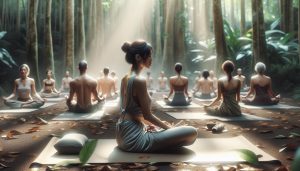
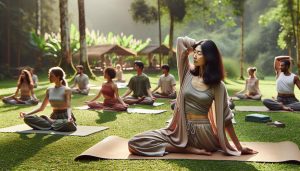
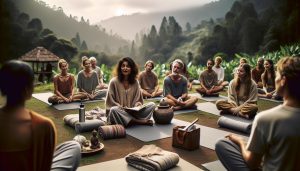
In today’s fast-paced world, prioritizing mental and physical well-being is more crucial than ever. Creating your own self-guided yoga retreat allows you to tailor an experience that resonates with your needs, whether it’s rejuvenation, clarity, or transformation. Imagine stepping away from daily distractions to immerse yourself in mindful movement, meditation, and self-reflection. This method not only nurtures your body but also revitalizes your spirit, empowering you to return to your daily life with renewed energy and focus. As you embark on this journey, you’ll discover practical insights and strategies to craft a transformative retreat that aligns with your personal goals. Dive into this guide to explore how you can cultivate a serene sanctuary for your mind and body, right in your own space.
Creating Your Ideal Yoga Retreat Experience
Creating your vision of a yoga retreat can be both a profound and personal experience. For many, the idea of retreating from the bustling pace of daily life to focus on wellness, self-discovery, and rejuvenation is a tantalizing prospect. Whether it’s for a weekend or a week-long escape, the essence lies in curating an environment that encourages relaxation, reflection, and a deeper connection with oneself. This begins with setting clear intentions. Knowing why you want to embark on this self-guided retreat-be it stress relief, physical rejuvenation, or emotional healing-will shape every aspect of your experience.
To start designing your ideal retreat, think about the elements that resonate with you. Consider a balance of activities that promote both physical movement and mental rest. For instance, you could plan sessions of yoga in the morning to energize your body and mind, followed by periods of journaling or meditation to foster internal reflection. Creating a serene space at home can greatly enhance your experience; this might include soft lighting, soothing music, or even the presence of plants to bring nature indoors. Incorporating sensory elements, such as essential oils or herbal teas, can create an atmosphere that feels special and nurturing.
Additionally, infusing variety into your routine helps keep the retreat engaging. You might plan to explore different yoga styles, such as Hatha in the morning to build strength and Yin in the evening for relaxation. It’s also crucial to allow some flexibility in your schedule to adapt to your feelings each day. Listen to your body and emotions; if you feel a strong pull towards rest, give yourself that permission. The goal is to create a space where you feel safe and free to express your needs.
Finally, remember that this experience is not just about a temporary escape but rather about fostering lasting change. By intentionally creating your own yoga retreat, you can deepen your practice and elevate your journey of self-discovery, making it a transformative ritual that you can revisit whenever you need to reconnect with your inner self.
Essential Elements for Your Self-Guided Retreat
Creating a self-guided yoga retreat is a deeply personal and enriching journey that allows you to carve out dedicated time for your physical, mental, and spiritual well-being. When planning your retreat, consider essential elements that will enhance your experience and foster transformation. Each component should harmonize with your intentions, providing structure while allowing for necessary flexibility.
One of the most critical aspects is to design a personalized schedule that balances yoga practice with moments of stillness and introspection. Start your days with energizing sessions that could include a variety of yoga styles-perhaps a dynamic Vinyasa flow in the morning and a restorative Yin practice in the evening. This duality invites both vigor and tranquility into your routine. Don’t forget to weave in breaks for mindfulness meditation or journaling, allowing you to reflect on your thoughts and emotions throughout the day.
Creating a nurturing atmosphere is equally important when transitioning your home into a retreat space. Incorporate elements that stimulate the senses and promote relaxation. Surround yourself with plant life for a touch of nature, use calming colors in your decor, and consider playing soft, ambient sounds or serene music. Integrating scents through essential oils or incense can also elevate your environment into one of serenity and focus. It’s about crafting a haven that encourages peace and assists in deepening your yoga practice.
Finally, keep in mind the importance of setting intentions and realistic goals for your retreat. Write down what you hope to achieve through this period of self-care-be it stress relief, enhanced flexibility, or a deeper understanding of yourself. Tracking your progress, whether through a journal or a daily check-in with your intentions, serves to keep you accountable and reflective throughout the journey. As you allow yourself to flow with the experience, the ultimate aim is to cultivate a profound connection to your inner self, enhancing the benefits of your retreat well beyond its conclusion.
Choosing the Perfect Location for Your Retreat
Selecting the right location for your self-guided yoga retreat can profoundly influence your experience, setting the tone for relaxation and transformation. Whether you envision a serene setting amidst nature or a cozy corner of your home, the choice of location plays a vital role in creating an atmosphere conducive to reflection and practice. The beauty and ambiance of your surroundings can enhance your yoga sessions, grounding you in the present moment and helping you connect deeply with your inner self.
When considering an external location, look for environments that resonate with your personal sense of peace. Popular options for physical retreats can include tranquil forests, peaceful beaches, or mountain vistas, where the natural beauty can augment your meditative practice. For instance, hosting your retreat at a beachside spot can grant you the opportunity for refreshing ocean breezes and the soothing sound of waves, enriching your sessions with elements of nature. On the other hand, a secluded cabin in the woods might provide the silence and privacy needed for introspective practices. If traveling isn’t feasible, transforming a room in your home into a sanctuary can be equally effective.
To optimize your retreat space, consider these essential factors:
- Accessibility: Choose a location that allows you to transition effortlessly into your retreat state. It should be free from distractions and interruptions.
- Sensory Environment: The visuals, sounds, and even aromas of your location can impact your experience. Aim for beautiful views, gentle sounds, and inviting scents to establish a calming ambiance.
- Comfort: Ensure that the environment promotes comfort. This may involve cozy seating, proper ventilation, or even the ambiance created through lighting choices.
Bear in mind that your retreat’s goals and your personal preferences should guide your selection process. Are you seeking solitude to dive deep into meditation practices, or do you want a lively backdrop that sparks inspiration? Reflecting on these questions will not only help you choose the ideal location but also set the foundation for a fulfilling self-guided yoga retreat experience. Whether in a serene corner of your home or surrounded by the beauty of nature, the perfect location will empower you to embrace your yoga journey with open arms.
Planning Your Daily Yoga Schedule
Crafting a thoughtful daily yoga schedule is essential for maximizing the benefits of your self-guided retreat. A well-structured plan not only keeps you engaged but also helps to establish a rhythm that fosters relaxation and deep introspection. Start your day by aligning with the natural rhythms around you-whether that means rising with the sun or embracing a later start that suits your personal preferences. Ideally, your schedule should include a balance of yoga practice, mindfulness activities, nourishment, and time for personal reflection.
To make the most of your retreat, consider implementing a flexible framework that encompasses various elements throughout your day. Here’s a sample outline to guide your planning:
Sample Daily Schedule
| Time | Activity |
|---|---|
| 7:00 AM | Sun Salutation and Morning Meditation |
| 8:00 AM | Healthy Breakfast |
| 9:00 AM | Yoga Practice (Hatha or Vinyasa) |
| 11:00 AM | Mindfulness Walk in Nature |
| 12:00 PM | Lunch and Journaling |
| 2:00 PM | Restorative Yoga or Meditation |
| 3:30 PM | Personal Reflection Time |
| 5:00 PM | Evening Yoga Session (Yin or Restorative) |
| 6:30 PM | Dinner and Group Sharing (if applicable) |
| 8:00 PM | Calming Meditation or Reading |
| 9:30 PM | Wind Down for Sleep |
This structure is a mere starting point and can be adapted to suit your goals and preferences. Make sure to include various yoga styles throughout the day to keep your body and mind engaged. Mixing active practices like Vinyasa with restorative sessions can help balance energy levels. Also, consider incorporating mindfulness practices such as journaling or nature walks during breaks in your yoga routine, allowing you to reflect on your thoughts and emotions.
Importantly, remember to allow flexibility within your schedule; life doesn’t always follow a strict timetable, especially during a self-guided retreat. Be gentle with yourself, and adjust the plan as needed to ensure you remain attuned to your mental and physical needs. This adaptability is key to making your retreat a truly transformative experience.
Incorporating Mindfulness and Meditation Practices
Mindfulness and meditation are vital components of any self-guided yoga retreat, providing a way to cultivate a deeper awareness of your thoughts, feelings, and sensations. Engaging in consistent mindfulness practices can significantly enhance your retreat experience by grounding you in the present moment and fostering a spaciousness to explore your inner landscape. By incorporating mindfulness and meditation into your daily routine, you create an environment conducive to introspection and growth.
To begin integrating mindfulness, consider setting aside dedicated time each day for formal meditation. This may include seated practices such as breath awareness, where you focus on your natural inhalation and exhalation, or guided meditations focused on particular themes, like gratitude or self-compassion. You might also explore practices that incorporate movement, such as walking meditations, where you deliberately focus on the sensations of each step, grounding yourself in the experience.
In addition to these practices, weave mindfulness into your daily activities. During meals, focus on the texture, flavor, and aroma of your food, savoring each bite rather than eating mindlessly. When practicing yoga, emphasize aligning breath with movement to deepen your connection to both physical postures and mental clarity. This approach encourages a holistic practice that unites body and mind, enhancing both your physical and psychological well-being.
Finally, consider incorporating periods of silence throughout your retreat. Silence allows the mind to quiet and promotes reflection. During these moments, you can journal your experiences, draw, or simply sit in contemplation. This quietude invites insights and revelations, making it an invaluable part of your self-guided transformation journey. By thoughtfully combining mindfulness practices with your yoga schedule, you can create a retreat experience that nourishes both the body and spirit, paving the way for profound personal growth.
Nourishing Your Body: Meal Planning Tips
Nourishing your body during a self-guided yoga retreat is a crucial component that can significantly enhance your overall experience. Just as your yoga practice helps to align both mind and body, what you choose to eat fuels that journey toward balance and transformation. Proper meal planning not only supports physical well-being but also cultivates mental clarity and emotional stability throughout your retreat.
To start, consider creating a meal plan centered around whole, unprocessed foods that are rich in nutrients. This can include a variety of fruits, vegetables, whole grains, nuts, and lean proteins. Opting for seasonal and local ingredients can elevate your meals while supporting sustainable practices. You might want to prepare a mix of dishes that are both nourishing and easy to digest, especially during intensive yoga sessions. For example, consider simple recipes like quinoa salad with roasted vegetables and a light vinaigrette, or nourishing soups made from seasonal produce.
Incorporate a routine that emphasizes hydration as well. Drinking sufficient water throughout the day is essential for maintaining energy levels and aiding digestion. You could also indulge in herbal teas or infused waters with fruits and herbs, which can be more refreshing and beneficial than sugary drinks. To keep your body in sync with your yoga practice, eat smaller, balanced meals more frequently rather than a few large ones. This approach can help maintain stable energy levels without the heaviness that often accompanies larger meals.
Additionally, it can be helpful to experiment with meal prepping. Preparing your food in advance can ease the stress of cooking during your retreat and ensure that your meals align with your health goals. Create a simple grocery list based on your planned meals and use dedicated time to chop vegetables and batch-cook meals, allowing you to focus on your yoga practice and mindfulness activities. Being prepared not only saves time but also reinforces your commitment to a nourishing and intentional retreat experience. By thoughtfully planning your meals, you can enhance your capacity for introspection and personal growth while delighting in the joys of wholesome, delicious food.
Selecting the Right Yoga Style for You
Choosing the right yoga style is a vital step in designing a self-guided retreat that resonates with your individual needs and goals. With a myriad of yoga forms available today, from the fiery intensity of Ashtanga to the serene flow of Yin, understanding the nuances of each can guide you in selecting the practice that best aligns with your intention for the retreat.
To get started, consider what you hope to achieve during your time of solitude and reflection. Are you seeking physical strength and stamina, or are you looking to cultivate inner peace and mindfulness? For instance, if your focus leans toward improving flexibility and calming the mind, styles like Hatha or Yin Yoga might be ideal for creating a slower-paced, restorative experience. Conversely, if you aspire to build strength and endurance, Vinyasa or Ashtanga may offer the dynamism and challenge your body craves.
Additionally, you may want to experiment with a combination of styles throughout your retreat. Incorporating a diversity of practices can provide a well-rounded experience, allowing you to explore different aspects of yoga. For example, you could balance vigorous Vinyasa sessions with slower restorative Yoga Nidra. This blend not only enriches your practice but also helps you discover how each style influences your physical, emotional, and spiritual state.
As you navigate your choices, it can also be beneficial to consider where you currently are in your yoga journey. If you are a beginner, starting with fundamental styles that emphasize alignment and breathing, such as Hatha or Restorative, can lay a solid foundation for more advanced practices in the future. For those more experienced, diving into intricate poses and transitions in styles like Power Yoga may offer the intensity required for deeper exploration.
Above all, let your intuition guide you when selecting yoga styles for your retreat. As you experiment with different forms, trust your body and mind to indicate what feels right-whether that means a vigorous practice that energizes you or a calming routine that soothes your spirit. By curating a yoga experience that resonates deeply with you, you can foster greater insights and transformations throughout your self-guided retreat.
Creating a Retreat Atmosphere at Home
To transform your home into a sanctuary for your self-guided yoga retreat, it’s essential to focus on creating an environment that promotes relaxation, mindfulness, and introspection. A soothing atmosphere can significantly enhance your practice and support your personal transformation, allowing you to fully immerse yourself in the experience.
Begin by selecting a dedicated space in your home where you can practice uninterrupted. This area should be free from distractions; consider decluttering and tidying it up to foster a sense of calm. Natural light plays a vital role in creating an inviting atmosphere, so if possible, choose a spot near a window or in a well-lit room. Additionally, you might want to invest in soft lighting options like lamps or candles that provide a warm glow during evening practice.
Enhancing the Atmosphere
To further enhance the ambiance, consider simplifying the decor and incorporating elements that evoke tranquility. Here are some practical ideas:
- Use Nature Elements: Surround yourself with plants or flowers that can cleanse the air and create a refreshing vibe.
- Incorporate Aromatherapy: Utilize essential oils or scented candles with relaxing fragrances like lavender or sandalwood to engage your senses.
- Play Calming Music: Create a playlist of soft instrumental music or nature sounds that can serve as background during your yoga sessions.
- Set Up a Comfortable Space: Arrange your yoga props-mat, blocks, straps, and cushions-so they are easily accessible. This not only encourages practice but also signifies the start of your retreat.
Another key aspect is to limit social interactions and digital distractions. You might wish to set boundaries with family members or housemates, notifying them of your retreat schedule to minimize interruptions. Furthermore, consider putting your phone on silent or utilizing apps that block notifications during your retreat hours.
Creating Rituals
Finally, build rituals into your retreat to deepen your experience. This could involve meditation sessions, journaling, or even simple mindful breathing exercises before or after your yoga practice. Such activities can cultivate a deeper connection to your intentions and foster a reflective mindset, which is essential for any transformative journey.
By curating your home environment thoughtfully, you create a personal retreat that embodies peace, clarity, and purpose-setting the perfect stage for your self-guided transformation through yoga.
Setting Realistic Goals for Personal Transformation
Setting achievable goals is vital for a transformative yoga retreat experience. Realistic goals can help guide your practice, measure your progress, and ultimately enhance your personal journey. Begin by assessing your current abilities and defining what transformation means to you personally. Whether you’re seeking physical wellness, emotional stability, or spiritual growth, having clarity on your objectives can shape your retreat.
Creating SMART Goals
One helpful framework for setting goals is the SMART criteria, which ensures that your targets are Specific, Measurable, Achievable, Relevant, and Time-bound. For instance, instead of vaguely aiming to “improve flexibility,” specify that you want to “achieve a forward bend with palms on the ground by the end of the retreat.” This approach not only provides direction but also allows you to celebrate small victories along the way, making your progress tangible.
- Specific: Clearly define what you want to accomplish.
- Measurable: Establish how you will quantify your success.
- Achievable: Assess whether your goals are realistic and attainable.
- Relevant: Ensure your goals align with your personal values and the purpose of your retreat.
- Time-bound: Set a timeframe for achieving these goals.
Incorporating Reflection and Adaptation
As you embark on your yoga retreat, regularly reflect on your progress. Set aside time each day to journal about your experiences, thoughts, and feelings as you engage with your practice. This process of introspection can help you understand what’s working for you and what isn’t, allowing you to adjust your goals as necessary.
It’s important to remain flexible and open to change during this journey, as transformation may not always happen in the way you initially envisioned. If you find that your original goals no longer resonate, don’t hesitate to redefine them. This adaptability can lead to a deeper, more authentic transformation that aligns with your evolving self.
By establishing realistic goals and embracing the journey with an open heart and mind, you can truly maximize the benefits of your self-guided yoga retreat, making strides toward lasting personal transformation.
Tracking Your Progress and Reflecting
Tracking progress is a vital component of any self-guided yoga retreat, serving as a bridge between your initial intentions and the personal growth you experience along the way. As you embark on this journey, consider maintaining a detailed practice log that records not only your physical achievements but also your emotional and spiritual transformations. This multifaceted approach to progress tracking can help illuminate patterns in your practice, providing insights into areas of strength and those requiring further attention.
Developing a Daily Reflection Habit
Set aside dedicated time each day for reflection. Create a structured yet flexible journaling routine with prompts that resonate with your goals and experiences. For example, you might ask yourself questions such as:
- What was the highlight of my practice today?
- How did I feel physically and emotionally during my sessions?
- Were there any challenges I faced, and how did I overcome them?
- What insights have I gained about myself and my practice?
By answering these questions regularly, you can build a narrative of your retreat that highlights both triumphs and struggles, fostering a deeper understanding of your personal journey.
Utilizing Metrics for Progress Measurement
While emotions and reflections are fundamental, incorporating tangible metrics can offer a concrete way to evaluate your transformation. For instance, consider the following measurements that align with common yoga goals:
| Goal | Measurement |
|---|---|
| Flexibility | Record the depth of your stretches each week (e.g., inches reached in forward bends) |
| Strength | Count the number of repetitions or duration of hold in various poses (e.g., plank) |
| Mental Clarity | Journal about your focus, distractions, and overall sense of peace after meditation sessions |
By measuring your progress in these areas, you can celebrate accomplishments in specific practices and remain motivated throughout your retreat.
Embracing Change Along the Journey
It’s essential to recognize that personal transformation is not a linear process; it is often filled with ups and downs. As you reflect on your journey, be prepared to adapt your goals and practices if necessary. If certain strategies aren’t yielding the desired results, consider exploring new styles of yoga, different mindfulness techniques, or modifying your daily schedule to better suit your evolving needs.
Incorporating self-reflection and diligent tracking empowers you to navigate your self-guided retreat with intention and insight, allowing for a holistic approach to personal growth that is both rewarding and transformative. By engaging with your practice in this multifaceted way, you can ensure that you derive maximum benefit from your time dedicated to self-exploration and healing.
Overcoming Challenges During Your Retreat
Embarking on a self-guided yoga retreat can be a transformative experience, but it’s not without its challenges. The journey of self-awareness and personal growth often involves navigating obstacles that can test your resolve and dedication. Recognizing these potential hurdles is the first step toward overcoming them, ensuring your retreat remains focused on rejuvenation and self-discovery.
One common challenge can be the distraction of everyday responsibilities sneaking into your retreat experience. To combat this, set clear boundaries before your retreat begins. Inform those around you of your commitment to self-care during this time. Create a designated space for your practice-free of distractions-to maintain a serene environment. Utilize tools such as timers or reminders to help you focus on your yoga practice and meditative sessions, allowing yourself to fully immerse in the experience.
Another obstacle may arise from the feelings of impatience or self-doubt as you progress through your practice. These emotions can be particularly strong when you’re solely reliant on your own guidance. Combat such feelings by setting realistic expectations for your skills and progress. Acknowledge that yoga is a personal journey; varying levels of expertise should not deter you from embracing your practice. Incorporate regular self-affirmations or motivational quotes into your daily reflections to maintain a positive mindset.
Physical discomfort can also challenge your commitment to the retreat. When experiencing stiffness or pain, it’s essential to listen to your body and modify poses accordingly. Instead of pushing through discomfort, seek alternative postures that suit your level or use props for support. This approach not only helps prevent injury but also fosters a greater understanding of your body’s needs, making your practice even more enriching.
Finally, loneliness may creep in during your time of introspection, particularly if you are accustomed to group settings. To combat this, consider creating a sense of community around your retreat. Engage with online forums or social media groups where others share their experiences and challenges. Accountability partners can add a supportive dimension to your solo journey, enhancing motivation and providing encouragement when faced with difficulties.
By acknowledging these challenges and employing proactive strategies, you can navigate your self-guided yoga retreat successfully, ultimately connecting deeper with your practice and fostering meaningful personal growth.
Post-Retreat: Integrating Changes into Daily Life
Integrating the insights and experiences gained during a self-guided yoga retreat into everyday life is crucial for ensuring lasting transformation. Often, participants emerge with renewed motivation, clearer intentions, and deeper self-awareness. However, the challenge arises when returning to daily routines and distractions. To keep the momentum going, it’s essential to create a plan that not only honors your retreat experience but also seamlessly incorporates new practices into your lifestyle.
One effective way to maintain the benefits of your retreat is to establish a consistent daily practice. Consider designing a set schedule that includes yoga sessions, meditation, and mindfulness exercises at specific times each day. This can be as simple as dedicating 15 minutes every morning to set your intentions or an hour in the evening for a full yoga practice. Using tools like a calendar or an app can help remind you of your commitments. Remember, starting small is better than overcommitting; gradually increase the time dedicated to your practice as it becomes a normalized part of your day.
Journaling is another powerful tool for reflecting on your retreat experiences and capturing insights you may want to carry forward. Create a daily or weekly journaling routine where you can document your thoughts, feelings, and any lessons learned. This not only reinforces what you experienced but also helps track your progress and encourages a continual dialogue with yourself. Reflection prompts could include questions like: “What intentions would I like to carry forward?” or “How can I implement the mindfulness I practiced during my retreat?”
Lastly, don’t hesitate to reach out and connect with others who are interested in yoga or wellness. Whether it’s joining a local class, participating in an online community, or organizing a group with friends, shared experiences can provide the necessary support and accountability. You could even propose regular meet-ups to practice together or discuss the lessons learned from your retreats, fostering a sense of community that can deepen your commitment.
By actively integrating these practices-consistent routines, reflective journaling, and community engagement-into your daily life, you pave the way for continued growth and transformation long after your self-guided retreat has ended. Embrace the journey and allow your retreat experiences to enrich every aspect of your life.
Faq
Q: How can I prepare for my first self-guided yoga retreat?
A: To prepare for your first self-guided yoga retreat, start by creating a detailed plan that includes your daily schedule, chosen yoga styles, and meditation practices. Additionally, gather all necessary materials like yoga mats, props, and nourishing foods. Consider designating a quiet space at home to enhance your retreat atmosphere.
Q: What should I include in my yoga retreat itinerary?
A: Your yoga retreat itinerary should include morning and evening yoga sessions, meditation and mindfulness practices, structured meal times, breaks for reflection, and physical activities like nature walks. Balancing yoga with personal exploration activities will lead to a more enriching experience.
Q: Why is it important to set goals for a yoga retreat?
A: Setting goals for your yoga retreat is crucial because it gives purpose to your practice, enhances motivation, and provides a framework for personal transformation. Clear goals help you focus your energy and intentions, making it easier to track progress and reflect post-retreat.
Q: How do I choose the right yoga style for my retreat?
A: To choose the right yoga style for your retreat, consider your level of experience and what you wish to achieve. For example, Hatha yoga is great for beginners, while Ashtanga offers a more vigorous workout. Research various styles and incorporate a mix that resonates with your goals and preferences.
Q: What are some tips for creating a relaxing retreat atmosphere at home?
A: To create a relaxing retreat atmosphere at home, declutter your space and decorate with calming elements like plants, soft lighting, and incense. Create a dedicated practice area and play soothing music or nature sounds to enhance relaxation, making your environment conducive to mindfulness and yoga.
Q: How can I incorporate mindfulness during my self-guided retreat?
A: To incorporate mindfulness during your self-guided retreat, practice meditation daily, focus on breath awareness during yoga, and engage in mindful eating during meals. Journaling your thoughts and feelings can also enhance mindfulness and deepen your transformation experience.
Q: What common challenges might I face during a self-guided yoga retreat?
A: Common challenges during a self-guided yoga retreat may include distractions, difficulty sticking to your schedule, or emotional hurdles. To overcome these, establish clear boundaries with others, maintain flexibility in your agenda, and accept what arises without judgment to facilitate progress.
Q: How can I integrate my yoga retreat experiences into daily life?
A: To integrate your yoga retreat experiences into daily life, start by incorporating a consistent yoga practice and meditation routine. Reflect on your retreat goals and take actionable steps towards them regularly. Consider setting aside daily moments for mindfulness to reinforce your transformation journey.
Wrapping Up
As you embark on your journey to create your own yoga retreat, remember that intentionality and planning are key to transforming this experience into a self-guided sanctuary for wellness. By taking actionable steps today, you can cultivate a practice that not only nourishes your body but also revitalizes your spirit. Don’t forget to explore our articles on planning successful retreats and wellness travel tips to deepen your understanding and enhance your journey.
We invite you to share your thoughts or experiences in the comments below-your insights could inspire someone else! For ongoing support, consider subscribing to our newsletter for more resources on wellness travel and retreat planning. Your path to self-discovery starts now; don’t wait to take the next step in your transformation. Embrace the opportunity and make your self-guided yoga retreat a reality today!
Get our latest guides, news, and insights highlighted in your Google Search & AI Overviews.