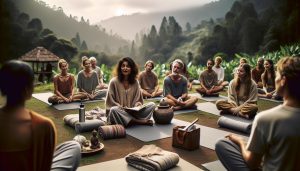
In today’s fast-paced world, finding time to recharge and connect with oneself is more critical than ever. Yoga retreats offer a unique opportunity to escape daily stressors and immerse yourself in wellness practices. Whether you’re a seasoned yogi or just exploring yoga for the first time, knowing how to find the perfect retreat can transform your experience. This guide will walk you through the essential steps of searching for and selecting a yoga retreat that meets your needs, interests, and goals. From serene beaches to tranquil mountains, discover how your ideal retreat can rejuvenate your body and mind. Get ready to embark on a journey of self-discovery and wellness as we explore the myriad options available to you.
Essential Criteria for Choosing a Yoga Retreat
When considering a yoga retreat, understanding the essential criteria for selection can profoundly impact your experience. A well-chosen retreat not only enhances your personal wellness journey but also ensures that your investment in time and money yields satisfying returns. To navigate this landscape effectively, begin by assessing your personal goals. Are you looking to deepen your practice, relax, connect with nature, or perhaps take a break from daily routines? Clarity on your intentions will guide your choices and help you articulate what you hope to gain from the experience.
Moreover, the retreat’s style is crucial. There are many varieties-some retreats focus heavily on intensive yoga practices, while others incorporate wellness workshops, meditation, or holistic healing techniques. Determine which style aligns best with your interests and needs. For example, if you’re seeking a more physical approach, consider retreats that emphasize vigorous practices like Ashtanga or Vinyasa, while those looking for mental rejuvenation might prefer Yin yoga or meditation retreats. Availability of instructors with the right qualifications is another vital factor; research their backgrounds and teaching styles to ensure that they resonate with you.
Location also plays a pivotal role in the selection process. The environment where you practice can greatly influence your mindset. Opt for a location that complements the retreat’s focus-be it a serene beachside in Costa Rica or a tranquil mountain setting in Sedona. Check the seasonality of these locations, as some may have ideal weather conditions during specific times of the year.
Lastly, take into account the logistical aspects such as budget, accommodations, and amenities. Understand what’s included in the package-meals, yoga classes, excursions, and accommodation types can vary significantly. Investigating reviews from previous participants can provide insights into the overall experience, helping you make an informed decision. By focusing on these essential criteria, you can choose a yoga retreat that not only meets but exceeds your expectations, paving the way for a transformative experience.
Exploring Different Types of Yoga Retreats
When considering a yoga retreat, the variety of options available can be overwhelming. Each type of retreat serves different purposes and can cater to distinct needs and preferences, making it essential to explore what each has to offer. Whether you’re aiming to deepen your practice, rejuvenate your spirit, or simply escape the hustle and bustle of daily life, understanding the different categories of yoga retreats can significantly enhance your choice and overall experience.
Residential or Immersive Retreats
Residential retreats often provide a fully immersive experience, where participants stay on-site for several days or weeks. These retreats can vary in duration and typically offer a structured schedule that includes multiple yoga classes, meditation sessions, and workshops. They are designed to foster a deep connection with practice and self-exploration. For instance, some may focus on intensive Ashtanga training, while others might highlight restorative practices such as Yin yoga. The community aspect of these retreats can also be incredibly enriching, providing opportunities for participants to form bonds over shared experiences.
Nature and Eco-Retreats
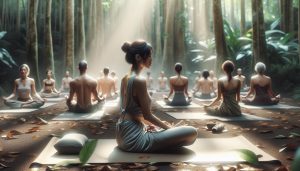
For those seeking tranquility and a connection to the natural world, eco-retreats located in serene environments like beaches, mountains, or forests offer a refreshing change from urban settings. These retreats prioritize sustainable practices, encouraging participants to enjoy nature while engaging in wellness activities. Imagine practicing yoga on a secluded beach in Costa Rica or in the midst of lush forests in Sedona. The natural ambiance enhances the overall experience, allowing for deeper relaxation and mindfulness.
Specialized Retreats
Some retreats are designed around specific themes or practices. This could include detox retreats, where participants follow a guided diet while engaging in yoga and wellness workshops, or retreats focused on integrating yoga with other disciplines, such as Pilates or mindfulness meditation. Specialized retreats can also target certain populations, such as women, seniors, or those recovering from injuries. By selecting a retreat with a specific focus, participants can tailor their experience to meet their unique needs and intentions.
Cultural or Spiritual Journeys
Blending travel with yoga, cultural or spiritual retreats might incorporate local traditions, rituals, and exploration alongside yoga practice. These journeys can include excursions to sacred sites, workshops on local holistic practices, or participation in community service projects. For example, immersing oneself in the teachings of yoga in the birthplace of yoga itself, Rishikesh, India, combines practice with rich cultural experiences and spiritual growth, enhancing personal insights and connections to the practice.
Exploring the diverse types of yoga retreats available allows prospective attendees to select a retreat that resonates with their aspirations, ensuring an enriching and transformative experience tailored to their journey toward wellness.
Key Factors to Consider When Selecting Locations
Choosing the right location for a yoga retreat can significantly enhance your overall experience, providing the perfect backdrop for relaxation and self-discovery. As you embark on this journey, consider the following key factors that can elevate your retreat selection process.
The first consideration should be natural surroundings. Locations nestled in nature, such as mountains, forests, or near the beach, not only promote relaxation but also enrich your yoga practice. For instance, practicing yoga with ocean sounds and fresh sea air can be far more rejuvenating than in a crowded urban setting. Locations that prioritize eco-friendliness can also provide additional benefits, encouraging sustainable practices that resonate with many yoga practitioners.
Another important factor is cultural significance. Some retreats are set in places renowned for their spiritual heritage, such as Rishikesh, India, which is considered the birthplace of yoga. Immersing yourself in such cultures can deepen your understanding of yoga and its philosophies while offering unique experiences such as temple visits or traditional ceremonies. Combining local traditions with yoga practice can create a powerful impact on your personal journey.
Accessibility is also crucial when selecting a location. Consider travel logistics including distance from major airports, transport options, and local amenities. A retreat that is easily reachable can reduce stress and contribute to a more enjoyable experience. Additionally, think about the climate and season; certain locations may be ideal for retreats during specific times of the year, providing the best weather for outdoor activities.
Lastly, assess the community around the retreat location. Look for areas that have a welcoming atmosphere with opportunities to connect with like-minded individuals, whether through local yoga studios, wellness events, or community gatherings. A vibrant local community can significantly enhance your retreat experience by offering additional activities and interactions beyond the retreat itself.
By considering these factors – natural surroundings, cultural significance, accessibility, and community – you can select a location that not only meets your logistical needs but also enriches your yoga retreat journey in deep and meaningful ways.
How to Evaluate Yoga Retreat Facilities and Amenities
To ensure a fulfilling and enriching experience, carefully evaluating the facilities and amenities of potential yoga retreats is essential. A well-designed retreat should not only offer beautiful natural surroundings but also provide the necessary comforts and services that support your yoga practice and overall well-being. When examining facilities, consider the following key aspects:
Accommodation Quality
The type and quality of accommodation can significantly impact your retreat experience. Look for retreats that provide various options, such as private rooms, shared dormitories, or glamping setups. Ideally, the accommodations should be clean, comfortable, and conducive to relaxation, featuring essential amenities like comfortable bedding, adequate storage, and good ventilation. Checking for reviews or testimonials can give insights into the cleanliness and upkeep of the facilities.
Yoga Spaces
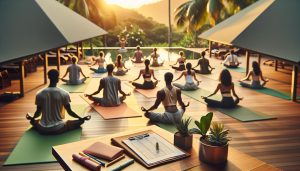
The environment in which you practice yoga is just as important as the practice itself. Examine the yoga spaces offered by the retreat. Do they have ample natural light, ventilation, and access to nature? Investigate if they provide different environments for various types of yoga sessions; for example, open-air spaces for restorative classes or tranquil indoor studios for meditation. Additionally, consider the capacity of these spaces in relation to the number of participants to ensure a comfortable practice.
Additional Amenities
Evaluating the extra amenities your retreat offers can enhance your experience significantly. Look for facilities that include healthy dining options featuring organic or locally sourced ingredients, access to wellness experts such as massage therapists or nutritionists, and opportunities for additional activities like hiking, swimming, or meditation sessions. A well-rounded retreat experience often includes access to communal spaces where you can relax, socialize, or unwind between classes and activities.
Safety and Hygiene Standards
In today’s world, safety and hygiene standards are more critical than ever. Before booking, check what measures are in place regarding cleanliness and health protocols, particularly in relation to group activities. Questions to ask include: How often are communal spaces cleaned? Are there hand sanitizing stations available? What is the capacity for each session to ensure social distancing? Ensuring that your retreat prioritizes the health and safety of participants can help you relax and fully engage in the experience.
By thoroughly evaluating these aspects of yoga retreat facilities and amenities, you can select a retreat that not only resembles your vision but also enhances your overall experience while fostering personal growth and well-being.
Budgeting for Your Ideal Yoga Retreat Experience
Budgeting for a yoga retreat involves more than just the cost of attendance; it requires a comprehensive understanding of all potential expenses to ensure a rewarding experience without financial stress. The first step is to outline all associated costs. This includes registration fees, accommodation, meals, activities, and transportation. It’s crucial to be realistic about what you are willing to spend versus what you can afford. Consider creating a spreadsheet to track these expenses, which can help visualize where your money is going and identify areas to cut back if necessary.
When setting your budget, don’t forget to factor in additional expenses that may arise. These could include optional activities like guided tours, excursions, or wellness treatments such as massages. It’s also wise to account for travel insurance, which can be invaluable in case of unexpected events. Remember, choosing a retreat in a less expensive geographical location can lead to significant savings. For instance, some retreats in Southeast Asia offer comprehensive packages, including luxurious accommodations and gourmet meals, at a fraction of the cost found in Western countries.
Furthermore, aligning your budget with value is essential. Higher costs don’t always equate to better experiences, so research similar retreats to compare amenities and services. You might find that a more affordable retreat with fewer luxurious extras offers a more authentic yoga experience suited to your personal growth goals. Platforms like social media and retreat centers’ websites can provide insights into past attendees’ experiences, allowing you to gauge whether the cost is justified.
Finally, don’t shy away from reaching out to retreat organizers with questions about the budget. Transparent communication can sometimes lead to discounts or payment plans that make attending more feasible. By being proactive and thorough in your budgeting process, you can create a balanced and enjoyable yoga retreat experience that resonates with both your financial situation and personal aspirations.
Finding and Comparing Yoga Retreats Online
Finding the perfect yoga retreat can be an exhilarating yet overwhelming process, given the myriad options available online. As wellness travel gains popularity, numerous platforms cater specifically to retreat seekers. Identifying the right retreat involves more than simply picking a location; it encompasses evaluating activities, accommodations, instructor credentials, and the overall vibe of the place. A well-thought-out search can lead to a life-changing experience that caters to your personal goals and preferences.
Start by using dedicated retreat platforms such as Retreat Guru and BookRetreats.com, which offer extensive databases of yoga retreats worldwide. These websites allow you to filter results by various criteria including type of retreat, duration, location, and price range. Additionally, they often provide user reviews and testimonials from past participants, offering insights into the quality of experiences and the effectiveness of instruction. Utilizing these reviews can help you gauge whether a retreat aligns with your expectations and standards.
When comparing options, it’s crucial to assess the facilities and amenities offered. Look for details about lodging conditions, meal plans, class schedules, and additional activities available-these factors can make or break your experience. For instance, some retreats may provide private accommodations with luxury amenities while others focus on communal living with a more rustic approach. Establishing what you prioritize-whether it be comfort, community, or immersive experiences-will aid in narrowing down your choices. Additionally, consider the level of yoga practice integrated into the retreat-it can range from beginner-friendly to intensive training sessions for advanced practitioners.
Budgeting is another key aspect in your search. Each retreat may offer different packages that include varying levels of instruction or luxury, so thoroughly compare what is being offered at each price point. Don’t forget to explore special promotions or discounts that might be available; many operators will accommodate flexible pricing or package deals for longer stays.
Ultimately, leveraging online resources requires a thoughtful approach. Use side-by-side comparisons to reflect on what stands out in each option. Engaging with fellow enthusiasts via online forums or social media groups can also provide valuable recommendations and insider tips, making your search more efficient and informed. As you explore various possibilities, remember that the perfect yoga retreat is not just about the destination but about finding a place that resonates with your personal journey and well-being goals.
Leveraging Social Media in Your Retreat Search
Social media has become an invaluable tool in finding the ideal yoga retreat, offering a dynamic platform to connect with instructors, past participants, and like-minded individuals who share your wellness goals. With user-generated content, you can gain authentic insights into various retreats, making your search process richer and more informed. Platforms such as Instagram, Facebook, and specialized wellness travel groups provide access not just to breathtaking images and promotional posts but also to real stories and experiences that can guide your decision-making.
When you explore social media, consider following popular yoga influencers and wellness coaches who often share their retreat experiences. These individuals frequently post reviews and recommendations that can help you assess the overall quality of a retreat. Engage with their content by asking questions or seeking additional details about specific retreats that interest you. This interaction can yield personal insights which are often more valuable than standard marketing materials. Additionally, hashtags such as #YogaRetreat, #WellnessTravel, or specific retreat names can lead you to a treasure trove of content, including personal testimonials, photos, and tips that reflect the atmosphere and offerings of the retreats.
Joining groups or forums related to yoga and wellness on platforms like Facebook can also provide a wealth of knowledge. Members often share their experiences, recommendations, and even special discounts they may have encountered. This community dynamic helps you gather varied perspectives on retreat locations, accommodations, and instructors, making it easier to find a retreat that aligns with your expectations. Consider posting a question about desired retreat characteristics and wait for responses-this can yield personalized recommendations that online searches might overlook.
To optimize your social media search, create a checklist of what you’re looking for. This might include specific locations, types of yoga practices offered, or the retreat’s community vibe. Once you identify potential retreats, visit their official social media profiles for updates and additional insights. A retreat’s engagement with followers, responses to queries, and the quality of content shared can offer indicators about the level of service and the experience you can expect. By thoughtfully leveraging social media, you can significantly enhance your retreat search, ensuring a rewarding and enriching experience that resonates with your personal wellness journey.
What to Expect from a Yoga Retreat Experience
Embarking on a yoga retreat is a unique opportunity that extends far beyond traditional yoga classes. As you step into this immersive experience, expect to be enveloped in an environment designed for personal growth, rejuvenation, and community connection. Yoga retreats typically offer a multi-faceted program that includes daily yoga sessions tailored to various skill levels, meditation practices, workshops, and sometimes even guided nature excursions. These activities not only enhance your physical practice but also provide tools for mental clarity and emotional release.
One of the key aspects of a yoga retreat is the sense of community it fosters. Participants often come from diverse backgrounds, yet share a common goal: to deepen their yoga practice and find peace within themselves. This collective journey creates lasting friendships and a supportive network, allowing for shared experiences and insights. You may find yourself engaged in group discussions, sharing meals, and collaborating during activities, which enhances the overall atmosphere of connection and support.
Additionally, many retreats focus on holistic wellness, incorporating healthy meal options that align with various dietary preferences, such as vegan, vegetarian, or gluten-free. An emphasis on mindfulness prevails throughout, with meals often served in a tranquil setting, allowing for a peaceful dining experience. Expect to indulge not only in nourishing food but also in other wellness practices like breathwork, mindfulness meditation, and possibly holistic healing modalities like acupuncture or sound therapy.
Before your retreat, it’s essential to set intentions regarding what you hope to achieve during your time away. Whether it’s improved flexibility, relaxation, or a mental reset, being clear about your objectives can enhance your experience. Most practitioners find that the combination of structured activity and personal reflection leads to deep insights and profound shifts, making participation in a yoga retreat not merely an escape but a transformative journey toward deeper self-awareness and holistic health.
Packing Essentials for Your Yoga Retreat Journey
A well-prepared packing list can make all the difference in your yoga retreat experience, ensuring that you have everything you need to fully engage in the journey of self-discovery and relaxation. As such, thoughtfully selecting items for your retreat can enhance both your comfort and your ability to immerse yourself in the practice. Here’s a guide to packing essentials that you won’t want to overlook.
Clothing and Yoga Gear
Comfort is paramount during a yoga retreat, so prioritize breathable, flexible clothing that allows freedom of movement. Consider packing:
- Yoga Pants/Leggings: Look for materials that wick away moisture for comfort during practice.
- Lightweight Tops: Choose tank tops or t-shirts that are not too loose to avoid distractions during poses.
- Layers: Including a light jacket or sweater for cooler evenings will help keep you warm after sessions.
- Swimwear: If your retreat includes opportunities for swimming or relaxation by a body of water, pack accordingly.
- Comfortable Shoes: Flip-flops or slides for the studio and casual footwear for outings or walks are ideal.
Yoga Accessories
While many retreats provide yoga mats, it can be wise to bring your own if you have a preferred one. Additionally:
- Yoga Mat: Chose a lightweight option you’re comfortable with.
- Yoga Blocks and Strap: These can enhance your practice, especially for beginners.
- Water Bottle: Staying hydrated is important, so a refillable water bottle is essential.
Personal Care and Health Items
Prioritize self-care to foster a sense of well-being throughout your retreat. Include:
- Toiletries: Bring your usual items but consider travel-size options to save space.
- Supplements or Medications: Any supplements or prescribed medications should be packed as per your routine.
- First Aid Kit: Basic essentials like band-aids, pain relievers, and any specific items you might need can be beneficial.
Mindfulness Tools
To maximize your experience, consider including items that promote mindfulness and reflection. These might include:
- Journal and Pen: Ideal for reflecting on your thoughts and experiences throughout the retreat.
- Books or Inspirational Material: Light reading can complement your inner journey.
- Essential Oils or Incense: For personal relaxation, these can create a serene atmosphere in your accommodation.
By packing mindfully, you’ll set yourself up for a transformative experience that encourages deeper connection with yourself and the community around you. Whether it’s through the sessions themselves or the moments of solitude and reflection, each item you bring can support the holistic wellness you seek during your retreat journey.
Tips for Staying Healthy and Committed During Travel
Traveling for a yoga retreat can be an invigorating experience, but it also poses challenges that could disrupt your wellness routine. Maintaining your health and commitment to your practice is essential for making the most of your time away. Adopting a proactive mindset and establishing a few key strategies can help you stay balanced and focused throughout your journey.
Hydration and nutrition play critical roles in your overall well-being. Traveling often leads to unexpected delays and changes in schedule that can impact your eating habits. To combat this, plan ahead by packing healthy snacks like nuts, fruits, or protein bars to keep your energy levels stable. Look for local markets or health food stores when you arrive to gather fresh, nutritious foods that align with your dietary preferences. Additionally, keep a reusable water bottle handy to ensure you’re drinking enough fluids, especially if you’re in a warmer climate.
Establishing a flexible daily routine can also significantly enhance your travel experience. While it’s important to stay flexible and embrace spontaneity, having a basic structure can prevent chaotic days that hinder your practice. Aim to carve out specific times for yoga and meditation each day, even if they are shorter than your usual sessions. This will help maintain your focus and reinforce your commitment to your wellness goals. Integrating shorter practices, like guided meditations or stretching routines, can be especially beneficial when time is limited.
Lastly, prioritize self-care by listening to your body and allowing for ample rest. Travel often comes with its own stresses, and while enthusiasm for your retreat is high, pushing yourself too hard can lead to burnout. Taking breaks, enjoying leisure walks, or simply spending time in nature can refresh your mind and body, helping you return to your practice with renewed energy. Remember, the journey is as important as the destination; nurturing your health during travel leads to a more fulfilling experience at your yoga retreat.
How to Connect with Fellow Retreat-Goers
Connecting with fellow retreat-goers can transform your yoga retreat experience into something truly special. Building relationships based on shared interests in yoga, wellness, and personal growth enhances the journey and creates lasting memories that often extend beyond the retreat itself. To facilitate moments of meaningful connection, consider engaging in various activities and practices encouraged by the retreat setting.
Initiating conversations can be as simple as joining a group meditation or participating in communal meals. These environments foster a sense of belonging and provide the perfect backdrop for sparking discussions. Consider asking open-ended questions like, “What brought you to this retreat?” or “What’s your favorite yoga style?” This invites fellow participants to share their stories and perspectives, paving the way for deeper connections. Remember, vulnerability can be a bridge; sharing your own experiences can encourage others to open up as well.
Participate in Group Activities
Make the most of the organized group activities offered during the retreat. Joining workshops, classes, or communal explorations allows you to interact with fellow participants in a relaxed setting. Take advantage of opportunities like partner yoga or group discussions, which not only deepen your practice but also ensure that you share experiences with others. Consider forming study groups with others who may have similar interests in yoga philosophy or wellness practices.
Utilize Social Spaces
Many retreats provide communal areas where participants can unwind and socialize. Whether it’s a lounge, outdoor space, or designated area for relaxation, take advantage of these spaces to engage with others beyond the formal schedule. Sharing moments of laughter or insights during downtime can turn acquaintances into friends. Don’t hesitate to invite someone to join you for a walk or a cup of tea; these informal moments can lead to profound connections.
Leverage Technology to Stay Connected
As the retreat concludes, harness technology to maintain the friendships you’ve cultivated. Propose forming a group chat on messaging platforms or social media to share reflections, resources, or updates about future yoga events. This ongoing connection can foster accountability in your practice and deepen the relationships established during the retreat. Many participants find that staying in touch enhances their commitment to personal growth, and it can lead to future meet-ups or online gatherings.
By proactively engaging with fellow retreat-goers and embracing the opportunities for connection, you can enrich your yoga retreat experience, creating deeper ties that inspire wellness and growth long after the retreat is over.
Planning Your Return to Daily Routines After the Retreat
Returning to daily routines after a fulfilling yoga retreat can often feel like a stark transition from a serene and mindful environment back to life’s usual hustle and bustle. However, these practices and insights gained during the retreat can serve as valuable tools in crafting a more balanced and mindful everyday life. One effective approach is to create a personalized plan that incorporates elements from your retreat experience into your daily schedule, ensuring the lessons learned remain relevant and impactful.
Begin by identifying key practices that resonated with you during the retreat, such as meditation techniques, specific yoga postures, or healthy eating habits. Consider setting aside a few minutes each day for meditation or a short yoga session. For instance, designate a quiet space in your home for practice, and commit to a 10-15 minute session each morning to maintain that sense of tranquility. You might also want to follow up with meal preps inspired by the retreat’s healthy cuisine, which not only nourishes your body but also keeps the spirit of the retreat alive in your everyday routine.
Reintegrating Mindfulness
Mindfulness doesn’t have to end with the retreat; it can be a daily practice. Incorporating simple mindfulness exercises, such as mindful breathing, can make a significant difference throughout your day. Taking moments to pause during busy times-whether through deep breaths or a brief walk outside-can evoke the presence you cultivated during your retreat. You could create reminders on your phone or sticky notes around your workspace to cue moments of mindfulness.
Stay Connected with Community
As you settle back into your routine, consider how to sustain the community connections made during the retreat. Use social media or group messaging platforms to keep in touch with fellow participants, share experiences, or organize virtual meet-ups. This ongoing support network can help reinforce your commitment to the practices you’ve integrated into your life post-retreat. Engaging with this community can also serve as a source of inspiration, motivation, and accountability in your yoga journey.
In conclusion, by actively utilizing the wisdom gained from your retreat, setting intentions for your daily practice, and remaining connected to your fellow retreat-goers, you can create a seamless transition back to daily life, one that nurtures your physical, mental, and emotional well-being.
Frequently Asked Questions
Q: How do I choose the right yoga retreat for my needs?
A: To choose the right yoga retreat, start by identifying your goals-whether relaxation, spiritual growth, or intensive practice. Research various types of retreats, read reviews, and consider location, duration, and instructors’ qualifications. Check the retreat amenities and ensure they align with your expectations, especially if you require specific facilities.
Q: What should I look for in yoga retreat reviews?
A: When reviewing yoga retreat feedback, look for patterns in guest experiences, particularly regarding instructor quality, facility cleanliness, and the overall atmosphere. Pay attention to comments about the types of activities offered, meal quality, and how well the retreat met its advertised promises. Recommendations from previous participants can be invaluable.
Q: Are there specific platforms to find yoga retreats?
A: Yes, platforms like Insight Timer, Retreat Guru, and BookYogaRetreats are excellent resources for discovering yoga retreats. These websites allow you to filter retreats by type, location, dates, and pricing, making the search more manageable. Exploring social media groups focused on wellness can also uncover hidden gems.
Q: How can I ensure a yoga retreat is safe?
A: To ensure a yoga retreat is safe, choose well-reviewed retreats that follow health and safety guidelines. Look for certifications or affiliations with recognized yoga organizations. Communicate with organizers about their health protocols, especially regarding food, accommodations, and emergency procedures.
Q: What should I know about cancellation policies for yoga retreats?
A: Before booking, review the cancellation policies of the yoga retreat. Most retreats have specific deadlines for refunds or credits. Some may offer travel insurance options that can protect your investment in case of unforeseen cancellations. Always read the fine print for full transparency on terms.
Q: How do location and climate affect my yoga retreat experience?
A: Location and climate significantly impact your yoga retreat experience. Warmer climates can enhance relaxation, while cooler areas might offer a cozy, intimate ambiance. Consider the natural surroundings, as beachside retreats can promote tranquility, while mountainous locations may provide solitude and adventure opportunities.
Q: What are some common questions to ask retreat leaders before booking?
A: Before booking, ask retreat leaders about their teaching style, experience, and the planned schedule. Inquire about the yoga styles that will be taught, dietary options available, and the ratio of instructors to students. Clarifying these points can help gauge whether a retreat aligns with your expectations.
Q: How do I know if a yoga retreat fits my budget?
A: To ensure a yoga retreat fits your budget, compare the costs of different options, including accommodation, meals, and activities. Look for any additional fees that may apply. Setting a budget beforehand and focusing on retreats that offer transparent pricing will help you make an informed decision.
To Wrap It Up
As you embark on your journey to find the perfect yoga retreat, remember that the right destination can renew your spirit and enhance your overall well-being. With the insights from our “How to Find Yoga Retreats: Ultimate Search & Selection Guide,” you now have the tools to make informed choices that align with your needs. Take the first step today and explore options tailored to your preferences, whether it’s a peaceful silent retreat or a luxurious wellness getaway.
To deepen your knowledge, check out our articles on planning a wellness retreat or tips for maintaining your routine while traveling. Don’t miss the opportunity to sign up for our newsletter, where you’ll receive the latest insights on wellness travel and exclusive offers. Join the community of like-minded travelers and share your thoughts in the comments below. Your transformative experience awaits-let’s take this journey together!
Get our latest guides, news, and insights highlighted in your Google Search & AI Overviews.