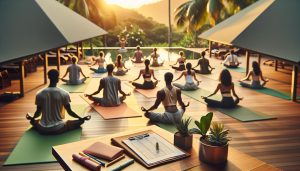
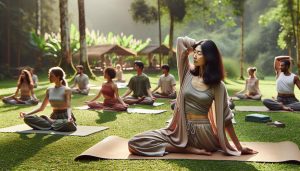
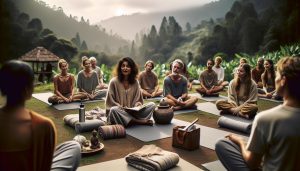
In today’s fast-paced world, creating a sanctuary for relaxation and self-care can be challenging. A yoga retreat at home offers a unique solution, allowing you to cultivate a peaceful environment without the need for extensive travel. By transforming your space into a sacred retreat, you can enjoy the physical, mental, and spiritual benefits of yoga while enhancing your daily life. This guide will help you dive into the essentials of setting up your own retreat, including tips on creating calming atmospheres, choosing the right yoga practices, and establishing routines that promote well-being. As you explore these techniques, you’ll gain valuable insights on fostering a deeper connection with yourself, reclaiming your inner peace, and nurturing a healthier lifestyle. Join us on this journey to discover how to bring the essence of a yoga retreat right into your home.
How to Define Your Sacred Space at Home
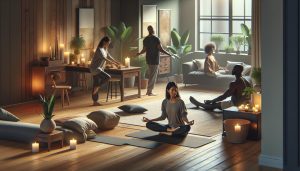
Creating a sacred space at home is essential for embracing the inner peace and focus needed during your yoga practice. This space should reflect a sense of tranquility and inspiration, allowing you to fully immerse yourself in your practice and retreat from the bustle of daily life. To begin defining this sacred area, consider choosing a quiet corner of your home, preferably with natural light and minimal distractions. This could be a small nook in your living room, a spare room, or even an outdoor area like a balcony or garden.
To enhance the sanctity of your space, incorporate personal items that resonate with you. This might include photographs, mementos from travels, crystals, or symbols of tranquility such as candles or incense holders. Ensure that the area remains clutter-free; a clean space can significantly impact your ability to focus. Use soft colors and soothing textures in your decor-think yoga mats, cushions, or blankets that invite relaxation and comfort.
Essential Elements to Include:
- Comfortable Flooring: A yoga mat or soft carpet can provide comfort for your practice.
- Lighting: Natural light is ideal, but also consider soft artificial lighting or candles to create a calming ambiance.
- Air Quality: Incorporate plants or essential oil diffusers to enhance the atmosphere and promote relaxation.
- Sound Elements: Consider a fountain or soft music to create a peaceful auditory backdrop.
In addition to these physical elements, integrating mindfulness can further deepen your connection to this space. Before beginning your practice, take a moment to breathe deeply, setting an intention for your session. This can transform a mere corner into a personal sanctuary, one that nurtures growth, serenity, and reflection every time you step into it.
Essential Elements for Your Yoga Retreat
Creating a fulfilling yoga retreat at home involves more than just carving out time in your schedule; it requires thoughtful planning to ensure that the experience nurtures both body and soul. Essential elements that contribute to a successful home retreat include thoughtful scheduling, a selection of appropriate activities, and the creation of a holistic environment that promotes relaxation and mindfulness.
To start, plan your retreat’s structure by designating specific time blocks for different activities. Consider including yoga sessions, meditation, journaling, or creative pursuits like painting or cooking. This variety not only keeps the retreat engaging but also caters to different aspects of wellness, helping you connect more deeply with yourself. Allow breaks between sessions for rest or reflection; these moments are crucial for internalizing the practices you engage in.
Incorporating mindful practices is another key element. Meditation can be woven into the fabric of your retreat, whether through guided sessions using apps or simply creating moments of silence. Consider adding mindfulness activities like breathing exercises or gentle movement practices to ground yourself before diving into more intensive sessions. Having a clear intention for each part of your day will also enhance your experience and help you remain present.
Creating a supportive atmosphere is paramount. Ensure that your space is free from clutter and that it feels inviting. Use soft lighting, perhaps from candles or fairy lights, to create a calming ambiance. Adding plants not only enhances air quality but also brings a touch of nature indoors, further promoting relaxation. Acoustics contribute significantly to mood, so consider playing soft music or nature sounds. Remember, the goal is to cultivate an environment where you can truly unwind and reconnect with your inner self.
Creating a Calming Atmosphere with Decor
Creating a space that emanates tranquility and focus is essential for a fulfilling yoga retreat at home. The right decor can transform a mundane area into a sanctuary, encouraging mindfulness and relaxation. Begin by choosing a color palette that soothes the mind and spirit; soft earth tones, gentle pastels, or serene blues and greens elicit a sense of calm. Paint the walls in these calming colors or incorporate them through textiles such as cushions, throws, or curtains. This simple shift can significantly influence your mood and enhance your retreat experience.
In addition to color, consider your lighting scheme. Natural light can uplift the atmosphere, so position your yoga mat near windows or opt for sheer curtains that allow light to gently filter in. When darkness falls, soft, ambient lighting becomes essential. Use a combination of table lamps with warm bulbs, candles, or string lights to create a cozy atmosphere. A chorus of flickering flames or twinkling stars can create a meditative ambiance perfect for winding down after an intense practice.
Sound contributes immensely to the atmosphere. Background noise can disrupt meditative states, but incorporating sound intentionally can enhance your experience. Soft instrumental music, nature sounds, or even Tibetan singing bowls can create an immersive environment. Consider establishing a playlist tailored to your sessions or using a sound machine to fill the air with soothing sounds.
Lastly, personal touches that resonate with you can truly elevate your retreat. Consider adding elements that reflect your journey and intention for the retreat, such as inspirational quotes, meaningful artwork, or items collected during travels. These details not only personalize your space but also serve as reminders of your aspirations and promote a deeper connection to your retreat activities. By thoughtfully curating your atmosphere, you invite peace, introspection, and rejuvenation into your home yoga retreat.
Incorporating Natural Elements for Serenity
Incorporating natural elements into your home yoga retreat can significantly enhance the tranquility and serenity of your space. Nature has a profound effect on our well-being, promoting relaxation and mindfulness, making it an essential aspect of any retreat environment. Start by bringing in plants; not only do they purify the air, but they also add color and vibrancy to your space. Choose low-maintenance options like peace lilies, snake plants, or succulents that thrive indoors and require minimal care, allowing you to focus on your practice instead of upkeep.
To further immerse your space in nature, consider integrating natural materials and textures. Use natural wood for your yoga accessories, such as blocks and straps, or opt for a jute or cotton rug that is soft underfoot and complements your decor. Incorporate elements like stone or clay pots for your plants, which convey a rustic charm and connect you to the earth. Natural fibers not only create a calming aesthetic but also help to ground your practice, encouraging a deeper connection with your body and environment.
Adding natural scents can also deepen your retreat experience. Use essential oils derived from plants, such as lavender for relaxation or eucalyptus for clarity, to create a soothing aroma that envelops your space. Consider using a diffuser or lighting natural soy or beeswax candles infused with these scents. Additionally, you can enhance the sensory experience by incorporating a small water feature, like a tabletop fountain, whose gentle sound mimics nature and promotes a peaceful atmosphere for reflection and meditation.
Investing time in creating a retreat space adorned with natural elements will provide a sanctuary away from the chaos of everyday life. The careful selection and placement of plants, natural materials, and soothing scents will transform your environment into a calming oasis, allowing your yoga practice to flourish. Embracing the essence of nature is not only a step towards serenity but also a pathway to holistic wellness that enriches both your physical and spiritual journey.
Choosing the Right Time for Your Retreat
Choosing the right moment for your yoga retreat can elevate your experience and deepen your practice. Timing your retreat to align with personal rhythms or natural cycles can enhance the experience significantly. Whether it’s a sunny weekend or a rainy weekday, each day offers a different energy, impacting your mood and focus during your practice. For instance, mornings are often considered the most serene time, providing a fresh start filled with potential. This quiet time of day allows for undisturbed practice and reflection, setting a positive tone for the rest of the day.
In addition to personal preferences, consider the lunar phases as a guide for your retreat. Full moons symbolize completion and can be a powerful time for reflection and release. Conversely, new moons represent new beginnings, making them ideal for setting intentions and goals. Planning your retreat around these phases could be a means to harmonize your practice with the universe’s natural flow, enhancing the depth of your experience.
It’s also essential to consider your schedule and commitments when planning your retreat. Setting aside dedicated time-whether it’s a weekend or a weeknight-helps you immerse yourself fully without distractions. Carving out time in your calendar and informing friends or family can foster an environment that encourages you to prioritize self-care. You might also contemplate seasonal changes, as each season brings unique opportunities for introspection and renewal. The tranquility of winter could prompt quiet, meditative practices, while spring invites energy and movement, making it an excellent time for rejuvenating flows.
Ultimately, the best time for your retreat is when you can approach it with an open mind and heart, ready to embrace the journey of self-discovery through yoga. Tailoring your retreat to align with both personal and natural rhythms will enrich your practice, allowing for a truly transformative experience.
Guided Yoga Practices for Every Level
Engaging in guided yoga practices that cater to various skill levels can significantly enhance your at-home retreat experience. Whether you are a beginner, intermediate, or advanced practitioner, the right guidance can help you deepen your understanding of yoga, cultivate mindfulness, and promote physical well-being. Incorporating a range of practices-such as asana sequences, breathwork, and meditation-will ensure that everyone can find something that resonates with their abilities and goals.
To create a balanced experience, consider structuring your guided practices around distinct themes. For instance, you might dedicate specific sessions to foundational poses that build strength and flexibility, such as downward dog and mountain pose, while also including restorative practices featuring gentle stretches and relaxation techniques. Here’s a suggested schedule:
- Morning Energizer: Start your day with a dynamic flow that includes sun salutations, balancing poses, and twists to wake up the body.
- Midday Mindfulness: Incorporate a longer session focused on breathwork and meditation, allowing participants to absorb the lessons learned in the morning.
- Evening Wind Down: End the day with restorative yoga or gentle yin practices, focusing on the hips, lower back, and shoulders to release any tension.
In addition to the physical practice, don’t overlook the importance of cultivating a mindful atmosphere. Encourage participants to set intentions before beginning each session, promoting a sense of purpose. Use tools like guided visualization, where practitioners can imagine a peaceful scene that enhances their focus. As you guide them through sessions, share cues on aligning breath with movement, and incorporate transitions that allow for fluidity and ease between poses.
Another enriching practice is to include themed sessions that center around different aspects of yoga philosophy. For example, one session could delve into thechakras, exploring how each energy center affects physical, emotional, and spiritual health. Engaging in discussions about these themes can elevate the overall retreat experience, fostering a sense of community and shared learning among participants.
By offering diverse guided yoga practices tailored to every level, you create an environment where individuals can advance at their own pace while also enjoying the communal benefits of a shared retreat experience. This thoughtful approach not only enhances personal growth but also helps participants cultivate lasting habits that extend far beyond the confines of their home sanctuary.
Mindfulness and Meditation Techniques to Explore
To truly deepen your practice during a home yoga retreat, exploring various mindfulness and meditation techniques can be transformative. These practices not only enhance self-awareness but also cultivate a sense of peace and grounding, allowing you to connect more profoundly with yourself. Incorporating mindfulness and meditation into your retreat can be as simple or as elaborate as you wish, ensuring that participants of all levels can engage and benefit from it.
One effective approach is to start each session with breathing techniques known as pranayama, which can significantly center the mind and body. Consider practicing Nadi Shodhana (alternate nostril breathing) to promote balance and serenity. As you inhale through one nostril and exhale through the other, focus on the flow of breath and visualize stress leaving your body. This practice prepares participants to engage fully in the subsequent yoga or meditation session, fostering a heightened sense of mindfulness.
Incorporating guided meditations can also enrich the retreat experience. You might explore themes like gratitude, compassion, or letting go-each offering unique insights and supportive energy. For instance, a meditation focusing on loving-kindness encourages participants to send positive thoughts to themselves and others, creating an atmosphere of warmth and connection. Use a simple structure; guide participants through breathing exercises, followed by imagery or affirmations that cultivate a sense of compassion and acceptance.
Mindfulness-based activities can further complement meditation practices. Encourage participants to engage in mindful walking or eating, where the focus is on the sensations of each step or bite. This practice not only enhances mindfulness but can also make everyday activities feel less routine and more sacred. For mindful eating, choose nourishing foods and guide participants to savor each flavor, texture, and aroma, promoting a deeper relationship with their meals.
Providing a variety of mindfulness and meditation techniques not only keeps the experience engaging but also allows individuals to find what resonates most with them. By taking the time to explore these methods during your home retreat, you create opportunities for growth, reflection, and a lasting sense of tranquility long after the retreat is over.
Nourishing Recipes for a Retreat Experience
Creating nourishing recipes for your home yoga retreat can significantly enhance the overall experience, promoting both physical health and mindfulness. Food is not just sustenance; it is an opportunity to practice awareness, creativity, and self-care. When selecting recipes, aim for dishes that are vibrant, rich in nutrients, and simple to prepare, so that they can effortlessly complement your yoga practice.
Colorful Smoothie Bowls
Start your retreat with energizing smoothie bowls packed with fruits and vegetables. A base of blended bananas, spinach, and almond milk can be topped with a variety of toppings like granola, chia seeds, fresh berries, and sliced almonds. This dish not only nourishes but also invites participants to engage in a mindful eating experience as they customize their bowls.
Hearty Grain Salads
Another delightful option is a wholesome grain salad. Quinoa or farro serve as excellent bases, topped with roasted seasonal vegetables, chickpeas, and a drizzle of tahini or lemon vinaigrette. The combination of textures and flavors makes this dish satisfying while nourishing the body with proteins and fibers, promoting a feeling of fullness and balance.
Comforting Soups
For a calming lunch or dinner, consider a nourishing soup. A creamy butternut squash soup, enhanced with spices like ginger and turmeric, can provide warmth and depth of flavor. Serve it alongside whole grain bread or a light salad to complete the meal. This is particularly beneficial for evening sessions, as it can help participants wind down and prepare for relaxation practices.
Mindful Sipping
Don’t overlook the power of beverages during your retreat. Herbal teas, infused water with fruits or herbs, and even a simple warm lemon water can serve as soothing options that encourage mindfulness. Offer a tea station where participants can choose their blends, adding an element of choice and care to their hydration practices.
Each meal provides an opportunity to slow down, appreciate flavors, and share laughter and conversation with fellow participants. By consciously choosing nourishing recipes, you cultivate an environment that supports wellness, reflection, and personal growth throughout your retreat experience.
Building a Daily Routine for Optimal Flow
Creating a daily routine that fosters optimal flow is essential for maintaining the benefits of a yoga retreat at home. By establishing a structured yet flexible schedule, you can harmonize your mind, body, and spirit throughout the day. Start by defining your priorities and setting specific time blocks for your yoga practice, meditation, meals, and other self-care activities. This practice encourages mindfulness and consistency, which are vital for deepening your experience.
Begin each day with a morning ritual that includes gentle stretches or a short yoga session to awaken your body. Consider incorporating a few minutes of meditation or breathwork, focusing on setting intentions to guide your day. Afterward, enjoy a nourishing breakfast, such as a green smoothie or overnight oats, to fuel your body with energy and nutrients.
Throughout the day, create designated times for mindful breaks. This could be a 15-minute pause to practice yoga or a mindful walk outdoors. Each break not only refreshes your mind but also integrates yoga’s principles into your everyday life. Remember to include evening activities that promote relaxation, such as journaling to reflect on your day’s experiences or doing restorative yoga poses to wind down.
Finally, creating a consistent bedtime routine helps signal to your body that it’s time to relax. Engage in calming activities such as reading, sipping herbal tea, or practicing gentle stretches before sleep. This fosters a holistic approach to your daily routine, reinforcing the tranquil atmosphere cultivated during your at-home yoga retreat. By grounding yourself in a structured yet adaptable schedule, you can sustain the peace and mindfulness gained during your retreat experience.
Connecting with Community for Virtual Retreats
Integrating a sense of community into your virtual yoga retreat can elevate your experience, making it richer and more fulfilling. In an era where digital connections have become increasingly vital, embracing online communities allows participants to share ideas, emotions, and resources while fostering a supportive environment. A shared experience bolsters motivation and provides personal connections that can enhance your practice, turning solitude into a more communal experience.
To effectively connect with others, consider joining or forming an online group on platforms such as Facebook or Instagram, dedicated to your yoga practice. These platforms create spaces for sharing personal journeys, asking questions, and celebrating achievements, whether big or small. Host regular virtual meetups where participants can share what they’ve learned, discuss challenges, or simply practice yoga together, cultivating a sense of camaraderie and accountability.
Moreover, engaging in group challenges can invigorate your practice. For instance, start a 30-day yoga challenge where each day features a different pose or sequence that everyone can partake in at their own level. Participants can document their progress through videos or photos, inspiring each other and building a sense of achievement as they share their experiences.
Leveraging Online Classes and Workshops
Explore various online yoga studios that offer classes and workshops tailored to all skill levels. Many teachers provide live-streamed sessions, allowing you to interact in real-time, ask questions, and receive feedback. This direct engagement significantly enhances the traditional home practice by bringing the energy of a studio into your living space. Look for workshops that not only focus on yoga poses but also delve into mindfulness, meditation techniques, and even nourishing recipes tailored for yogis.
By consciously nurturing your virtual community, you transform your solitary practice into a collective journey, enriching the experience and reinforcing the principles of yoga beyond the mat. This connection fosters not just growth in personal practice but also meaningful relationships that persist long after the retreat ends.
Reflecting on Your Retreat Experience and Growth
Reflecting on the transformative journey of a home yoga retreat can deepen your connection to the practice and enhance your overall well-being. Taking the time to contemplate your experiences, insights, and personal growth is vital for making the most of your sacred space. Begin by setting aside a quiet moment in your retreat space to sit with your thoughts, journaling about your feelings, challenges, and breakthroughs during the retreat. This mindful reflection can illuminate patterns in your practice and reveal what aspects resonated most with you, allowing for clearer goals moving forward.
After your self-reflection, create a simple structure for reviewing your retreat activities. Consider categorizing your reflections into distinct areas:
- Physical Aspects: How did your body respond to the various yoga practices? Were there any postures that challenged you or felt particularly rewarding?
- Mental Clarity: Did you experience any shifts in mindset or perspective? Reflect on how meditation or mindfulness practices contributed to your mental clarity and emotional balance.
- Emotional Growth: What emotions surfaced during your retreat? Understanding these responses can foster greater emotional awareness in your daily life.
- Spiritual Connection: Did you feel more connected to yourself or a broader sense of community? Explore how this experience may influence your spiritual journey.
Additionally, integrating feedback mechanisms into your practice can be beneficial. Share your reflections with your online yoga community, as discussing your insights can solidify your learnings and foster connections. Consider forming a support group with fellow practitioners to exchange experiences and advise one another on incorporating these insights into daily routines.
Finally, to ensure sustained growth beyond your retreat, develop a concise action plan based on your reflections. Set specific intentions or goals that align with your discoveries and create timelines for achieving them. This proactive approach will invite continuous growth in your yoga practice, helping you to integrate mindfulness, physical activity, and emotional healing into your everyday life. Be patient and compassionate with yourself during this process, as personal growth often unfolds in its own time.
Tips for Maintaining Your Yoga Practice at Home
Creating a sustainable yoga practice at home can transform your daily life, but it requires commitment and intention. Establishing a routine is essential; designating specific times for your practice-whether it’s early in the morning or just before bedtime-helps integrate yoga into your day seamlessly. The key is consistency; aim for shorter, more frequent sessions if time is limited. Even 15-20 minutes of focused practice can be immensely beneficial.
To enhance your at-home practice, create a dedicated space that feels sacred and inviting. Fill this area with elements that inspire calmness and focus, such as candles, mats, and soft fabrics. Consider incorporating personal items that hold special meaning to you, like photographs or artisanal artifacts, to foster a sense of connection. Having a visually appealing and comforting space will serve as a reminder of your intention and motivate you to return to your practice.
Additionally, leverage technology to keep your practice engaging and evolving. Online classes and yoga apps provide access to a wealth of resources, allowing you to explore different styles and techniques. Join virtual communities where you can share experiences and connect with fellow practitioners, further enriching your practice. Participating in challenges or group classes online can also bring a sense of accountability and encouragement.
Lastly, approach your yoga practice with an open mind and gratitude. Celebrate small milestones and be patient with your progress. Keep a journal to track your experiences, thoughts, and feelings associated with your practice. This reflective practice not only deepens your connection but also identifies areas for growth and helps maintain your motivation. Embracing these tips will ensure that your home yoga practice remains a rewarding and integral part of your life.
FAQ
Q: What are some essential items I need for a yoga retreat at home?
A: To create a yoga retreat at home, consider essentials like a yoga mat, comfortable clothing, props such as blocks and straps, calming candles, and a sound system for music or guided sessions. Incorporating these items sets the foundation for a dedicated practice space.
Q: How can I enhance my home environment for a yoga retreat?
A: Enhance your home environment by decluttering, using soft lighting, and integrating calming scents like essential oils or incense. You can also play soothing music or nature sounds to help establish a peaceful atmosphere, making it conducive for relaxation and mindfulness.
Q: What time of day is best for a home yoga retreat?
A: The best time for a home yoga retreat largely depends on your personal schedule, but many people find early mornings or late afternoons ideal. These times often offer a quieter atmosphere and can leave you feeling refreshed and energized for the day ahead or relaxed for the evening.
Q: How can I find virtual yoga classes for my home retreat?
A: You can find virtual yoga classes through online platforms such as Yoga Journal or popular video hosting sites. Many instructors offer live-streamed or recorded classes suited for all levels, allowing you to customize your retreat experience right from home.
Q: What is the role of mindfulness in a home yoga retreat?
A: Mindfulness in a home yoga retreat enhances your emotional and mental connection to the practice. Incorporating mindfulness techniques, such as focused breathing and body awareness, can deepen your relaxation and promote inner peace during your retreat sessions.
Q: How do I set intentions for my home yoga retreat?
A: Setting intentions for your home yoga retreat involves reflecting on what you wish to achieve or feel during your practice. Write down your intentions or affirmations, and keep them visible in your retreat space to remind you of your goals throughout the experience.
Q: How can I create a schedule for my home yoga retreat?
A: Create a schedule for your home yoga retreat by allocating specific times for yoga practice, meditation, and relaxation. Include breaks for nourishing meals and journaling to reflect on your experiences. This structure helps maintain flow and keeps your retreat organized and fulfilling.
Q: What types of yoga practices should I include in my home retreat?
A: Include a variety of yoga practices such as Hatha for gentle movement, Vinyasa for flow, and restorative yoga for deep relaxation. Balancing these styles throughout your retreat can cater to different energy levels and provide a holistic experience.
Key Takeaways
As you set the stage for your personal yoga retreat at home, remember that creating a sacred space is not just about location-it’s about intention. Embrace the techniques we’ve discussed to transform any corner into a calming sanctuary that nurtures your wellness journey. Now is the time to act! Why wait to immerse yourself in this enriching experience? To further enhance your practice, explore our resources on “Top Yoga Retreat Destinations” and our guide to “Maintaining Wellness Routines While Traveling.”
Ready to deepen your knowledge? Sign up for our newsletter for tips, tools, and exclusive content on yoga and wellness travel. We invite you to share your sacred space stories in the comments below and discover how others are creating their retreats at home. Continue this journey with us and make wellness a vibrant part of your everyday life!
Get our latest guides, news, and insights highlighted in your Google Search & AI Overviews.