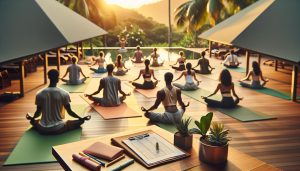
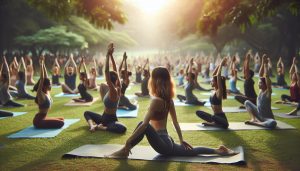
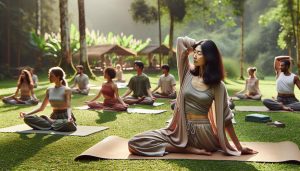
In today’s fast-paced world, where stress and burnout are all too common, wellness retreats offer a refreshing escape to rejuvenate both body and mind. These immersive experiences provide an ideal opportunity to disconnect, recharge, and cultivate healthier habits that can seamlessly integrate into your lifestyle. By participating in activities such as yoga, meditation, and wholesome cooking, you not only enhance your physical well-being but also nurture mental clarity and emotional balance. Incorporating wellness retreats into your routine can transform the way you approach health and self-care, making it a vital part of your journey towards holistic wellness. Curious about how to weave these enriching experiences into your everyday life? Read on to discover practical tips and inspiration that will help you embrace this transformative aspect of wellness travel.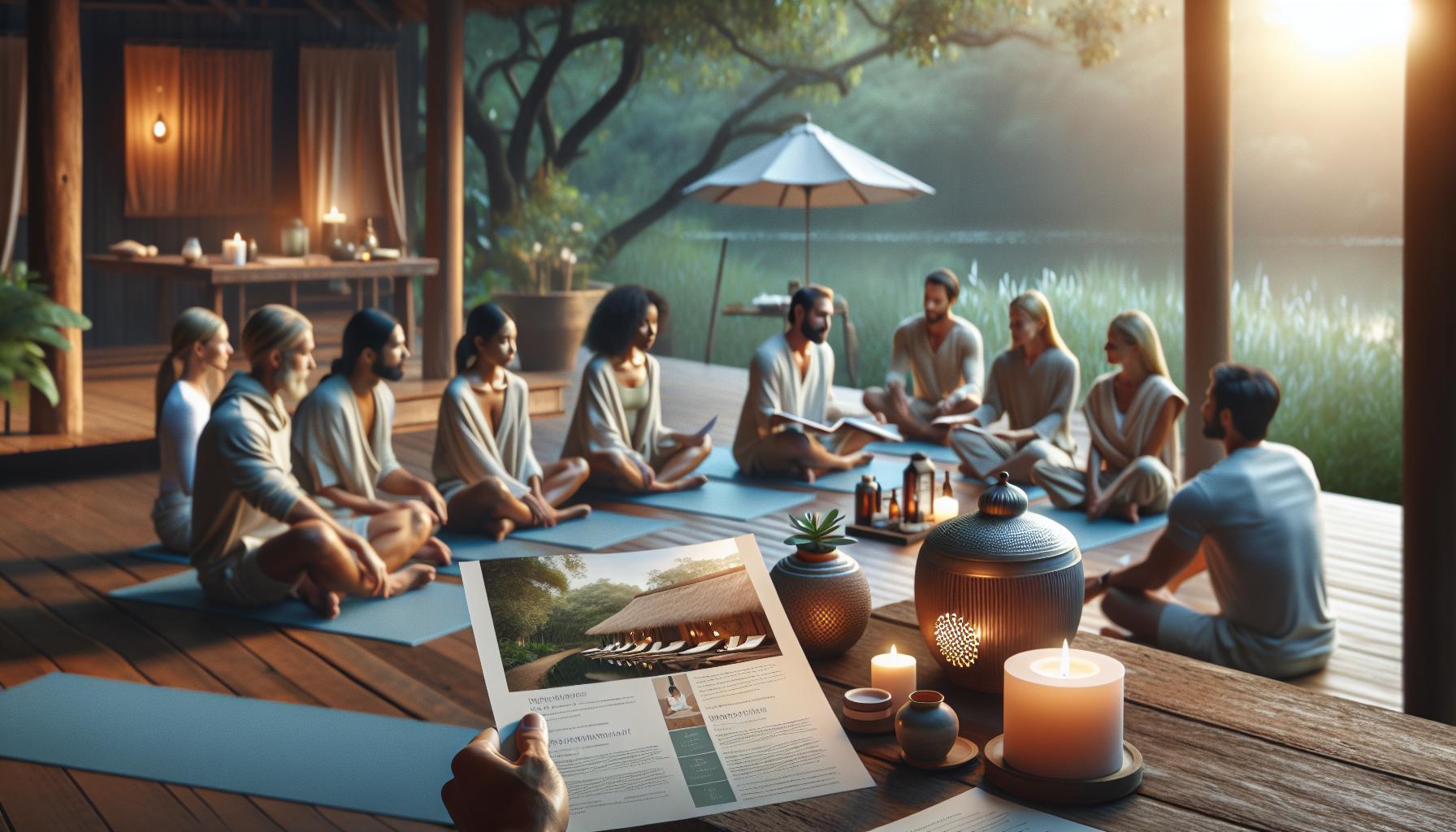
Choosing the Right Wellness Retreat for Your Lifestyle
Choosing a wellness retreat can feel overwhelming, especially with the myriad of options available today. Understanding your personal needs, goals, and preferences is crucial in finding the right fit. Start by identifying what you hope to gain from the experience: are you looking to reduce stress, build physical strength, explore mindfulness practices, or rejuvenate your spirit? Each retreat caters to different aspects of wellness, so specifying your intentions is a beneficial first step.
Next, consider the type of retreat that aligns best with your lifestyle. If you thrive in serene environments, yoga or meditation retreats held in nature can provide that peaceful escape. Alternatively, if you’re seeking a more active experience, you may prefer a fitness-oriented retreat focusing on Pilates or hiking. Reflect on your daily routines and interests; for instance, if you enjoy being social, look for retreats that foster community interaction through group classes or shared meals.
It’s also important to assess your dietary preferences and health requirements. Many retreats offer specialized options, such as vegan or gluten-free meals, catering to various nutritional needs. Furthermore, evaluate the location and duration that suits your schedule and travel capabilities. Opt for a retreat that minimizes travel stress, possibly one that is within driving distance or offers convenient travel options.
Ultimately, a successful retreat experience hinges on the right alignment with your individual lifestyle. By asking yourself the right questions and considering what environment and activities will support your wellness journey, you can choose a retreat that not only recharges your batteries but also deeply resonates with your personal wellness goals.
Essential Benefits of Wellness Retreats
Wellness retreats offer a unique opportunity to rejuvenate your mind, body, and spirit, providing integral benefits that can significantly enhance your overall well-being. These experiences are not just temporary escapes; they can serve as transformative catalysts for long-term lifestyle changes. By immersing oneself in an environment dedicated to health and self-care, individuals can gain clarity, make meaningful connections, and develop sustainable wellness practices that endure well beyond the retreat.
One of the primary advantages of attending a wellness retreat is the ability to disconnect from daily life. This break from routine allows participants to focus entirely on their well-being. Engaging in activities like yoga, meditation, and holistic therapies helps to reduce stress levels and promote relaxation. The tranquil settings, often surrounded by nature, further contribute to mental clarity and emotional balance. Many retreats incorporate workshops or sessions that teach participants how to integrate mindfulness and stress-reducing techniques into their everyday lives, building skills that support long-term health.
Additionally, wellness retreats frequently provide expert guidance through specialized programs focusing on nutrition, fitness, and holistic practices. Participants often receive personalized attention from health professionals who can help identify individual goals and challenges. This kind of tailored instruction not only motivates attendees but also equips them with practical tools and strategies for maintaining healthy habits once they return home. The communal aspect of these retreats fosters a sense of belonging and support, allowing individuals to build lasting friendships with like-minded people who share similar wellness aspirations.
In summary, wellness retreats are valuable investments in personal health. They promote greater self-awareness, empower participants with actionable strategies for healthy living, and create a community of support that can enhance one’s journey toward holistic wellness. By prioritizing these transformative experiences, individuals can cultivate a more balanced lifestyle that nurtures both physical health and mental well-being.
Planning Your Wellness Retreat: A Step-by-Step Guide
Planning a wellness retreat is an exciting venture that allows you to embark on a transformative journey towards improved health and well-being. Whether seeking a break from daily stressors or aiming to establish sustainable wellness habits, a well-organized retreat can be the catalyst for lasting change. Here’s a practical roadmap that will guide you through the essential steps to planning an enriching wellness retreat tailored to your lifestyle needs.
Start by defining your goals for the retreat. Consider what aspects of wellness you would like to focus on: physical health, mental clarity, emotional balance, or spiritual growth. This foundational step will guide your decisions on the type of retreat to pursue, whether it’s yoga, meditation, fitness, or holistic wellness. Creating a list of personal intentions, such as “reduce stress,” “increase fitness,” or “learn mindfulness techniques,” can help clarify your priorities.
Next, select the ideal destination that aligns with your wellness goals. Look for locations that offer natural beauty, tranquility, and access to wellness resources, such as spas, fitness centers, and nature trails. Research different retreat centers to find those that provide programs focused on your interests. Consider factors like the climate, scenery, and proximity to amenities. Prepare a list of potential retreats, including visitor reviews, to evaluate their offerings and overall suitability.
Once you’ve identified your preferred retreat, focus on practical logistics. Determine the duration of your stay and create a budget that covers accommodation, meals, activities, and travel expenses. Be sure to inquire about what is included in the retreat package, such as guided sessions, workshops, or one-on-one consultations with wellness professionals. If applicable, think about whether you want to travel solo or with friends, as this may affect the type of retreat experience you choose.
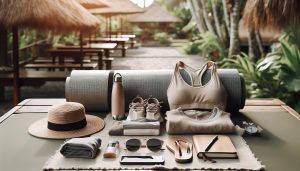
Finally, prepare for your retreat by packing thoughtfully. Include comfortable clothing suitable for physical activities, personal wellness items (like yoga mats or journals), and any necessary dietary supplements. Setting the intention to disconnect from digital distractions can enhance your retreat experience; consider leaving electronic devices behind or limiting their use to certain times. Embrace the journey by staying open to new experiences and the community connections that will unfold during your time away.
By approaching your wellness retreat with clear intentions and careful planning, you can maximize the benefits of this rejuvenating experience and lay the groundwork for a healthier lifestyle long after the retreat concludes.
Integrating Retreat Practices Into Daily Life
Retreats offer a unique opportunity to dive deeply into wellness practices, but the challenge often lies in translating those transformative experiences into daily routines. The real key to lasting change is to weave the beneficial habits gained during your retreat into the fabric of your everyday life. This can initially feel overwhelming, but small, consistent actions can bridge the gap between a retreat and everyday wellness.
Start by identifying the specific practices that resonated with you during your retreat. Whether it’s daily meditation, journaling, or a new exercise routine, these elements can serve as foundational components of your home wellness regimen. Consider setting aside specific times each day or week for these activities. For instance, you might reserve a quiet morning time for meditation or reflective journaling. This not only establishes a routine but also creates a space for mindfulness in your day-to-day life.
Another effective approach is to create a supportive environment that encourages your wellness practices. This could involve designating a tranquil space in your home where you can meditate, practice yoga, or engage in other wellness activities without distractions. Surround yourself with inspiring elements from your retreat, such as candles, crystals, or images that remind you of your journey. By cultivating a nurturing environment, you’ll find it easier to stick to your newfound habits.
Additionally, don’t underestimate the importance of community and support in maintaining your wellness practices post-retreat. Engage with fellow attendees or connect with new like-minded individuals through local wellness groups or online forums. Sharing experiences, tips, and challenges can provide motivation and keep you accountable. You might even consider organizing group meet-ups for yoga sessions, guided meditation, or healthy cooking classes to foster a sense of connection and shared goals.
Finally, always remember to practice self-compassion. is a journey, not a race. There will be days when maintaining your routine feels daunting. Instead of being hard on yourself, acknowledge your efforts and celebrate the small wins. Maintaining flexibility allows you to adapt to life’s changes while keeping wellness at the forefront, ensuring that your retreat experience continues to enrich your life long after you’ve returned home.
Nutrition Tips for Maintaining Wellness Post-Retreat
Maintaining a balanced and nutritious diet after attending a wellness retreat is crucial for sustaining the positive changes you’ve made. Many retreats focus on providing nutritious meals that are designed to support holistic health, but the challenge often arises when trying to replicate that experience at home. Fortunately, several strategies can help you continue to eat well and prioritize nutrition, ensuring you benefit from your retreat experience long after you’ve returned.
To keep your nutritional goals on track, start with meal planning. Set aside time each week to plan your meals around the healthy recipes you learned during your retreat. This could mean recreating your favorite dishes or experimenting with similar ingredients that promote wellness. Consider batch cooking on weekends to make healthy meals more accessible throughout the week. This not only saves time but also helps you resist the temptation of less healthy options when you’re busy or tired.
Another key aspect is to fill your kitchen with wholesome foods. Stock your pantry and refrigerator with fresh fruits, vegetables, whole grains, lean proteins, and healthy fats. By having nutritious options readily available, you’re more likely to make healthier choices. Aiming for a colorful plate is beneficial; incorporating a variety of colors in your meals typically indicates a range of nutrients. For example:
- Fruits: Berries, citrus fruits, and apples for antioxidants and vitamins.
- Vegetables: Leafy greens, bell peppers, and carrots for fiber and nutrients.
- Whole grains: Quinoa, brown rice, and oats to maintain energy levels.
- Lean proteins: Chicken, fish, legumes, or tofu for muscle support.
- Healthy fats: Nuts, seeds, and avocados for heart health.
Incorporating mindfulness into your eating habits can also significantly impact your nutrition. During your retreat, you may have practiced mindful eating-focusing on the flavors, textures, and sensations of your food. Reintroducing this practice at home can help you reconnect with your meals. Try eating without distractions, like TV or smartphones, to enhance your awareness of eating and listen to your body’s hunger cues. This can prevent overeating and allow you to enjoy your meals more deeply.
Lastly, stay hydrated. Keeping a water bottle at your side or setting reminders to drink water can ensure you’re meeting your hydration needs. Herbal teas can be a soothing addition, reminiscent of the relaxation you experienced at your retreat. Adequate hydration supports digestion, energy levels, and overall health, making it an essential part of your post-retreat nutrition strategy.
By focusing on these approaches-meal planning, stocking nutritious foods, practicing mindful eating, and staying hydrated-you can effectively maintain the healthy lifestyle habits you cultivated during your wellness retreat, creating lasting benefits for your body and mind.
Incorporating Mindfulness and Meditation Techniques
To cultivate a sense of calm and clarity in today’s fast-paced world, into your daily routine can be transformative. These practices, often emphasized during wellness retreats, not only enhance mental well-being but also foster a deeper connection with oneself. Transitioning from the serene environment of a retreat to the hustle and bustle of daily life may pose challenges, but integrating these techniques is entirely achievable with commitment and creativity.
- Start with a Daily Practice: Aim to incorporate at least 10-15 minutes of mindfulness or meditation into your day. This could involve seated meditation, focusing on your breath, or practicing body scan techniques. Setting a specific time each day, whether in the morning or before bed, helps cultivate consistency. Some individuals find that using guided meditation apps can enhance their experience and provide valuable structure.
- Mindful Transitions: Use routine moments, like commuting or preparing meals, as opportunities for mindfulness. For example, during your commute, practice being fully present by noticing the smells, sounds, and sights around you. Similarly, when cooking, engage all your senses-observe the colors of the vegetables, listen to the sound of chopping, and savor the aromas as they blend. This enhances awareness and makes mundane tasks enriching.
- Journaling: Reflecting on your thoughts and feelings through journaling promotes mindfulness by allowing you to express and process experiences. Journaling after meditation sessions can help solidify insights gained during practice and create a record of your emotional landscape over time.
- Integrating Nature: Spend time outdoors to deepen your mindfulness practice. Nature immersion has been shown to reduce stress and enhance mood. Try walking mindfully in a park or garden, paying attention to the rhythm of your breath and the sensations in your body as you engage with your surroundings. Focus on the sights, sounds, and textures, cultivating a sense of gratitude for the natural world.
To make mindfulness a part of your lifestyle, it’s essential to remain flexible and patient with yourself. The goal isn’t to achieve a perfect state of calm but rather to develop an ongoing practice that fosters greater awareness and presence. By actively incorporating these techniques, you can maintain the benefits of your wellness retreat and continue to grow both mentally and emotionally long after you return home. Embrace the journey, and remember that even small steps can lead to profound changes in your overall well-being.
Staying Active: Fitness Routines for Travelers
To maintain energy and enthusiasm while traveling, integrating a fitness routine into your itinerary is crucial. Staying active not only boosts your physical health but also enhances mental clarity and emotional well-being, especially after experiencing the rejuvenating atmosphere of a wellness retreat. Creating a travel-friendly fitness plan ensures that you can continue reaping the benefits of your retreat long after you return home.
One effective way to incorporate fitness is by setting aside time each day for physical activity. Consider engaging in activities that resonate with your interests. Whether you prefer yoga, strength training, or cardio exercises, aim for at least 30 minutes of movement. Many hotels and resorts have fitness centers, and you can also enjoy outdoor workouts by exploring local parks or scenic areas. Participating in group fitness classes offered by wellness retreats or local gyms can also provide a motivating atmosphere, encouraging you to push your limits while meeting new friends.
Using technology to your advantage can make your fitness routine more accessible. Fitness apps and wearable devices allow you to track your workouts, set goals, and discover guided exercises tailored to your abilities. On days when you have limited time or space, quick bodyweight routines, such as push-ups, squats, or planks, can be highly effective. You could also create a circuit training session that combines strength and cardio for a comprehensive workout that can be completed almost anywhere.
Lastly, remember to listen to your body and adjust your fitness plan as needed while traveling. While maintaining a routine is important, it is equally essential to prioritize rest and recovery, especially after an intense retreat experience. Strike a balance between activity and relaxation by interspersing exercise with restorative practices such as stretching, walking, or gentle yoga. Allowing your body time to recuperate is key to sustaining your wellness journey.
Balancing Work and Wellness During Travels
Incorporating wellness into a busy travel schedule may seem daunting, but with a strategic approach, it can enhance both your productivity and overall experience. Balancing work commitments while prioritizing self-care is vital for maintaining energy and focus, especially during intensive work trips or wellness retreats. To make the most of your time away, consider integrating small yet impactful wellness practices into your daily routine.
Establish a clear plan for each day that includes dedicated time slots for work and wellness activities. Start your day with a morning ritual that may consist of mindfulness meditation, light stretching, or a short walk to set a positive tone for the hours ahead. Consider the following strategies to help harmonize your professional obligations and personal wellness:
- Set Boundaries: Allocate specific periods for work tasks and limit distractions. Use tools like the Pomodoro technique to focus intensely on work for short bursts, followed by brief wellness breaks.
- Incorporate Movement: Schedule mini workout sessions during breaks. Even a brisk 10-minute walk or a quick yoga session can rejuvenate your mind and body, enhancing concentration during work hours.
- Healthy Eating: Opt for nutritional, energizing meals that are easy to prepare or readily available. Pack healthy snacks like nuts or fruit to avoid unhealthy eating habits that often accompany busy travel.
- Use Technology Wisely: Leverage apps that promote wellness, such as guided meditation, fitness tracking, or sleep aids. These tools can seamlessly integrate into your work routine without requiring too much time.
Incorporating these elements into your travel schedule not only helps maintain a sense of balance but also prevents feelings of burnout. Lastly, embrace flexibility; allow yourself to adjust plans as necessary to prioritize wellness without compromising work performance. By being intentional about how you allocate your time, you can ensure that both work and well-being flourish during your travels, contributing to a more fulfilling and productive experience.
Maximizing Recovery and Relaxation After Retreats
After immersing yourself in the rejuvenating atmosphere of a wellness retreat, transitioning back to everyday life can be both exciting and challenging. The key to maximizing recovery and relaxation lies in integrating the restorative practices you’ve adopted during your retreat into your regular routine. This not only helps you sustain the benefits gained but also fosters a long-term commitment to wellness.
One effective way to maintain the calm and rejuvenation from your retreat is to establish a post-retreat self-care routine that draws inspiration from your experiences. Begin by creating a tranquil space in your home where you can engage in mindfulness practices such as meditation or gentle yoga. Designate a specific time each day for these activities to reinforce habits that allow for rest and reflection. Incorporate the techniques you’ve learned, whether it’s breathwork or visualizations, to promote a sense of peace amid daily chaos.
Another pivotal aspect is nutrition. Post-retreat, you may find your body craving the wholesome, fresh food you enjoyed. Reinforce this by meal-prepping healthy meals and snacks at home. Following a balanced nutrition philosophy will help you maintain energy levels and a positive mindset. Consider preparing simple recipes that were featured in your retreat, leaning on whole foods, and staying hydrated to optimize mental clarity and physical well-being.
In addition to these practices, maintaining regular communication with fellow retreat attendees can provide accountability and enhance your support network. Share your challenges and successes to foster a community approach to your wellness journey. Scheduling regular check-ins or group activities can keep the collective spirit alive and continually inspire you to prioritize your health.
Lastly, remind yourself to be gentle and forgiving as you readjust to your normal routine. It’s common to feel overwhelmed when returning to work or daily obligations. Embrace flexibility and recognize that finding balance is an ongoing process. Prioritize your well-being by allowing for downtime, ensuring that your retreat remains a lasting influence on your everyday life.
Community Connection: Building Relationships at Retreats
Surrounded by like-minded individuals in a wellness retreat creates a unique opportunity for connection and personal growth. Engaging with others who share similar goals can enhance your experience, offering support and understanding that might be missing in your everyday life. Building these relationships not only enriches your time during the retreat but can also foster a supportive community that extends beyond the weekend.
One effective way to forge connections is to actively participate in group activities. Whether it’s yoga sessions, workshops on mindfulness, or communal meals, these shared experiences create natural conversation starters and common ground. Approach these endeavors with an open heart and mind; you might find unexpected friendships or even future travel companions. Take advantage of opportunities to share your experiences and listen to others, as these interactions often lead to deeper conversations and meaningful connections.
Maintaining these relationships post-retreat is just as crucial. Consider creating a WhatsApp group or joining social media platforms where all attendees can stay in touch. Regular check-ins can support accountability as you all strive to implement the wellness practices learned during your retreat. Planning virtual catch-up sessions, book clubs, or even local meet-ups can keep the spirit of the retreat alive, ensuring that the benefits of collective support continue long after you’ve returned home.
In essence, the connections made during a wellness retreat can serve as a foundation for ongoing personal development. By building a community around shared interests and wellness goals, you enhance your journey towards a healthier lifestyle, drawing strength and motivation from each other along the way.
Choosing the Right Destination for Your Retreat Experience
When selecting the ideal destination for a wellness retreat, it’s essential to consider how the environment aligns with your personal wellness goals. Research indicates that natural settings-be it mountains, beaches, or forests-can significantly enhance your mood and relaxation. Therefore, consider destinations that not only offer the activities you desire but also a setting that promotes peace and rejuvenation. For example, a retreat by the sea might provide a perfect backdrop for mindfulness meditation sessions, while a mountain location could be ideal for hiking and engaging in more strenuous physical activities.
Factors to Consider:
- Type of Retreat: Decide if you want a yoga retreat, a detox program, or a holistic wellness experience. Different locations cater to specific types.
- Accessibility: Consider how far you are willing to travel. A more remote retreat might provide tranquility, but make sure the travel logistics, including flights and local transportation, are manageable.
- Accommodation Style: From luxurious spa resorts to rustic cabins, the type of accommodation can greatly impact your retreat experience. Choose one that aligns with your comfort level and expectations.
- Climate and Season: Check the seasonal weather of your chosen destination. A summer retreat in a tropical location can be wonderful, but being aware of rain seasons or extreme temperatures can save you discomfort.
- Local Culture and Activities: Understand the cultural aspects of your destination. Some retreats offer unique local experiences, such as cooking classes or traditional wellness practices, which can enrich your experience.
Reputable retreat centers often provide extensive information about their programs and environments, allowing you to make an informed choice. Reviews and testimonials from past participants can also guide your decision, providing insights into the effectiveness of the program and the hospitality of the location. Remember, the right destination sets the stage for transformation, making your choice an integral part of your wellness journey.
Affordable Wellness Retreat Options to Consider
Finding a wellness retreat that suits both your lifestyle and budget is not just possible; it can also be an enriching experience. Many retreats today cater to those looking to prioritize their health without breaking the bank. By exploring various options, you can uncover programs that provide deep relaxation and rejuvenation at an affordable price. Additionally, staying local or choosing less popular destinations can significantly reduce travel and accommodation costs while still offering a transformative experience.
One strategy for finding budget-friendly options is to consider off-peak seasons for your retreat. Many wellness centers offer discounts during these times to encourage bookings when demand is lower. Look for retreats that provide all-inclusive packages, which often include meals, accommodation, and activities. This approach not only minimizes unexpected expenses but can also provide value for your investment by ensuring a holistic experience.
Here are some tips to identify affordable wellness retreats:
- Research Local Options: Many locales offer budget-friendly retreats focusing on yoga, meditation, or holistic wellness. These can be a short drive away, affording you the chance to stay grounded while not overspending on travel.
- Utilize Online Platforms: Use websites dedicated to wellness retreats where you can compare rates, read reviews, and find special offers that meet your budget.
- Consider Community Retreats: Many yoga studios or wellness centers host community retreats. These are often more affordable and foster a sense of connection and personal engagement.
- Networking: Reaching out to wellness communities online or at local events can lead to discovering lesser-known but amazing retreats that might not be heavily marketed.
By being proactive and open-minded about your retreat options, you can maintain a healthy lifestyle while still enjoying the financial benefits of choosing an affordable option. Whether it’s a weekend getaway or a week of guided yoga, every moment spent prioritizing your wellness pays dividends for your physical and mental health.
Frequently Asked Questions
Q: How can I prepare for a wellness retreat to maximize benefits?
A: To prepare for a wellness retreat, research your chosen program’s activities, and set personal goals. Pack appropriate clothing, practice mindful meditation beforehand, and mentally commit to disconnecting from daily stressors. This preparation enhances your experience and helps you reap the full benefits of the retreat.
Q: What should I look for in a wellness retreat for my lifestyle?
A: When choosing a wellness retreat, consider your goals, such as relaxation, fitness, or nutrition. Evaluate the retreat’s offerings, including classes, amenities, and location. Read reviews and assess the program structure to ensure it aligns with your personal and health objectives.
Q: How can I maintain a healthy routine after returning from a wellness retreat?
A: To sustain a healthy routine post-retreat, integrate practices learned during your stay into your daily life. Create a schedule for regular exercise, healthy meal planning, and mindfulness practices like meditation or yoga. Start small and gradually build on these habits for lasting change.
Q: What are some effective mindfulness techniques to incorporate into daily life?
A: Effective mindfulness techniques include setting aside time for meditation, practicing deep breathing exercises, and engaging in mindful walking. Incorporate these practices into your daily routine to reduce stress and enhance your overall well-being, as discussed in the “Incorporating Mindfulness and Meditation Techniques” section of your article.
Q: How can I choose a wellness retreat that fits my budget?
A: To find a budget-friendly wellness retreat, compare various options online focusing on value for money. Look for special deals during off-peak seasons, and read reviews to identify retreats that provide quality without the high price. Explore local retreats as well, which can be more affordable than destination retreats.
Q: What types of activities should I expect at a wellness retreat?
A: Activities at wellness retreats vary but commonly include yoga, meditation, fitness classes, nutritional workshops, and spa treatments. Many retreats also offer nature excursions and community-building activities, promoting a holistic approach to well-being that aligns with the “Community Connection” section of your article.
Q: How important is community connection at wellness retreats?
A: Community connection is crucial at wellness retreats as it fosters support and motivation. Building relationships with fellow attendees enhances the experience, creating a network of like-minded individuals who can encourage you in your wellness journey long after the retreat ends.
Q: How can I effectively balance work and wellness while traveling?
A: To balance work and wellness while traveling, establish a flexible schedule that allocates time for both responsibilities and self-care. Incorporate short workouts, mindful breaks, and healthy eating into your routine. Use tools like productivity apps to stay organized while prioritizing wellness practices.
Concluding Remarks
Incorporating wellness retreats into your lifestyle can lead to transformative benefits for your mind and body. By taking the time to prioritize your well-being, you not only enhance your daily routines but also foster a deeper connection to your personal health goals. Remember, the journey to wellness begins with a single step-consider exploring options like yoga retreats or detox programs that align with your interests.
Ready to take the plunge? Check out our related articles on the best wellness destinations and how to maintain routines while traveling for practical tips and inspiration. Don’t forget to sign up for our newsletter to stay updated on the latest wellness trends and retreats. Your healthier lifestyle is just a click away-embrace it today! Feel free to share your experience or questions in the comments; we love hearing from you and supporting your wellness journey.
Get our latest guides, news, and insights highlighted in your Google Search & AI Overviews.