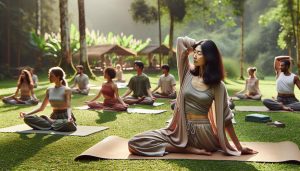
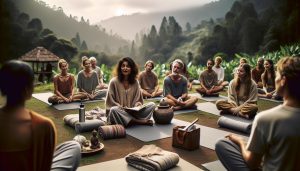
In today’s fast-paced world, the idea of a yoga retreat often conjures images of serene landscapes and rejuvenating practices far from home. But what if you could create that same transformative experience in your own space? “How to Make Your Own Yoga Retreat at Home: 5-Day Transformation” offers you the perfect opportunity to carve out time for self-care and introspection without the need for extensive travel. By setting aside just five days, you can focus on nurturing your mind, body, and spirit, bringing the essence of a traditional retreat to your living room. Whether you’re struggling to find balance amidst daily chaos or simply seeking a deeper connection to your yoga practice, this guide will walk you through each step, helping you design a personalized retreat tailored to your needs. Prepare to embark on a journey of self-discovery and revitalization that invites curiosity, self-exploration, and lasting change.
Creating a Comfortable and Inspiring Space for Your Retreat
Creating a serene and inspiring environment for your at-home yoga retreat is critical for unleashing the transformative power of your practice. Consider your space as a sanctuary where you can disconnect from daily distractions and immerse yourself in mindfulness and self-care. Whether you have a dedicated room or a corner in your living space, the goal is to cultivate an atmosphere that fosters relaxation and openness.
Begin by decluttering your space. A clean, organized area promotes clarity and focus while reducing stress. Once your space is tidy, think about adding personal touches that inspire you, such as plants that purify the air (like snake plants or peace lilies) or artwork that resonates with your intentions. Utilize natural lighting whenever possible; sunlight can enhance your mood and energy levels. If natural light is limited, consider soft, warm lighting options such as floor lamps or candles to create a cozy ambiance.
Incorporate comfortable elements to enhance your yoga experience. A high-quality yoga mat, cushions, or blankets can support your practice and make it more enjoyable. You might also include essential oils or incense to engage your senses and promote tranquility. Experiment with different scents and choose calming fragrances like lavender or sandalwood, which can help you relax and deepen your meditation sessions.
Lastly, consider establishing a designated area for journaling or reflection. Having a notebook and pen ready will encourage you to jot down insights or feelings that arise during your retreat. This transcends the physical aspect of yoga, providing a holistic approach to growth and self-discovery. By intentionally creating a comfortable and inspiring space, you lay the foundation for a truly transformative home retreat experience.
Essential Yoga Gear for Your Home Retreat
Creating a transformative at-home yoga retreat hinges significantly on the right gear. Having essential yoga equipment can enhance your practice, deepen your experience, and ensure comfort throughout the retreat. The following items will help you set the stage for a rejuvenating five-day journey of self-discovery and wellness.
Key Essentials for Your Yoga Practice
- Yoga Mat: Invest in a high-quality, non-slip yoga mat that provides enough cushioning and support for your practice. Look for a mat that offers durability and is easy to clean, as you’ll likely be using it daily.
- Cushions and Blankets: Incorporate props like bolsters and blocks to support various poses, especially if you’re practicing restorative yoga. Warm, cozy blankets can enhance relaxation during meditation and savasana.
- Yoga Straps: These are useful for reaching or holding poses that might be challenging, especially for beginners or those dealing with flexibility issues. They can assist in alignment and deepen stretches.
- Comfortable Clothing: Choose breathable and flexible attire that allows for a full range of motion. Look for moisture-wicking fabrics that will keep you comfortable throughout your sessions.
- Essential Oils: Scents can profoundly affect your mood and focus. Consider using a diffuser or roller with calming scents like lavender or eucalyptus to create a soothing atmosphere during practice.
- Water Bottle: Hydration is key during your retreat. Keep a refillable water bottle nearby to ensure you stay hydrated, especially after physical sessions.
- Journal and Pens: Designate time for reflection by journaling your thoughts, feelings, and insights gained during your retreat. This can aid in your personal growth and help you track your progress.
Creating a Holistic Experience
In addition to the core gear, consider these supplementary tools to create an all-encompassing experience. Add calming atmospheric elements such as soft lighting (think fairy lights or candles) to enhance tranquility. Background music or guided meditations can serve as an excellent tool for maintaining focus or transitioning into a meditative state, which can be crucial in a home setting where distractions may arise.
By gathering these essential items and thoughtfully preparing your environment, you’ll ensure that your at-home yoga retreat is as enriching and transformative as possible. Each piece of gear you include not only supports your practice but also fosters a deeper connection with yourself, paving the way for lasting change.
Daily Scheduling: Crafting a Balanced Routine
A well-structured daily schedule is vital for maximizing the benefits of your at-home yoga retreat. Crafting a balanced routine allows you to seamlessly weave together elements of yoga, mindfulness, nourishment, and reflection into your day, creating a comprehensive journey of transformation. By allocating specific times for different practices, you’ll cultivate a deeper connection with yourself while minimizing distractions and maintaining focus.
Start your day with a gentle awakening, perhaps through a few minutes of meditation or breathwork, ideally around sunrise when the world is still. This calming practice sets a positive tone for the day. Following this, incorporate a morning yoga session that encourages movement and energy flow; aim for 45 minutes to an hour of Hatha or Vinyasa yoga, which combines in-depth stretching with mindful movement. After yoga, enjoy a nourishing breakfast that fuels your body, maximizing the insights gained during your practice.
Consider segmenting the rest of your day into focused blocks. Post-breakfast is an excellent time for journaling or studying a text on yoga philosophy, allowing you to deepen your understanding of the practice. Dedicate a few hours to personal exploration or rest, as balancing activity with downtime is crucial. Around midday, engage in another shorter session of yoga or a guided meditation to enhance your mindfulness.
As the afternoon rolls in, prioritize a wholesome lunch, followed by a more dynamic physical activity or outdoor walk, integrating nature into your experience. Later, revisit the mat for restorative or yin yoga, giving yourself the space to unwind. Ensure you reserve mornings and afternoons for engagement with mindful meals, and consider integrating light snacks rich in nutrients throughout the day.
Incorporate evening rituals that promote relaxation and prepare your mind for rest. Activities such as a calming tea ritual, a soothing bath, or light reading can set you up for a peaceful night’s sleep. Establishing a bedtime routine is essential, signaling to your body that the retreat day is coming to a close. An element of reflection through journaling can encapsulate your learnings and experiences, paving the way for continued growth even after your retreat concludes.
By thoughtfully planning your daily schedule, you not only create a balanced routine but also ensure your yoga retreat resonates deeply, promoting transformation that lingers well beyond the five days.
Mindfulness Practices to Enhance Your Experience
Enhancing your at-home yoga retreat experience with mindfulness practices can lead to profound transformation, grounding you in the present and fostering a deeper connection with yourself. Mindfulness is about cultivating awareness of thoughts, feelings, and sensations without judgment, which can be seamlessly integrated into your daily routine. It transforms ordinary moments into opportunities for reflection and growth, making every experience during your retreat more meaningful.
To incorporate mindfulness into your daily schedule, consider starting and ending each day with a mindful practice. Morning mindfulness can involve setting an intention for your retreat; this might include what you hope to explore, feel, or achieve. Spend a few quiet moments doing breathwork or simply observing your thoughts and feelings as you sit in stillness. This practice not only centers you for the day ahead but also encourages a sense of clarity and purpose.
Incorporate mindful activities throughout the day. For instance, during your meals, practice mindful eating by savoring each bite without distractions. Focus fully on the flavors, textures, and aromas while expressing gratitude for your nourishment. Another opportunity for mindfulness comes during your yoga practice-focus intently on the sensations in your body and your breath as you transition through each pose. Use these moments not just to exercise, but to cultivate awareness of your body’s movements and needs.
Evening rituals can also enhance mindfulness as you transition from your active day into a peaceful night. Consider practices such as Yin Yoga or a guided visualization before bed to promote relaxation and closure. Prepare a calming herbal tea, allowing the warmth and aroma to guide your senses. Journaling briefly about your day and what you are grateful for can help solidify your experiences and lessons learned, creating a more intentional end to your retreat day. By integrating these mindful practices throughout your 5-day journey, you’ll enhance your experience, making it rich and transformative.
Guided Meditations for Deep Relaxation
Guided meditations serve as a cornerstone for achieving deep relaxation during your home yoga retreat. These practices not only help alleviate stress but also enhance your inner peace and clarity, ultimately contributing to your personal transformation. Imagine dedicating a serene space in your home where you can fully immerse yourself in these meditative practices, creating an environment conducive to introspection and tranquility.
Begin your retreat days with a guided meditation focused on breath awareness. This type of meditation helps center your thoughts and sharpens your focus for the day ahead. As you settle into a comfortable seated position, close your eyes and take a few deep breaths, allowing your body to relax with each exhale. Look for audio or video resources that gently guide you through this practice, encouraging you to concentrate on your breathing and clear your mind of distractions. A simple breathing technique, such as counting breaths or visualizing each inhale and exhale, can anchor you in the present moment.
Consider integrating a body scan meditation in the afternoon to cultivate deeper relaxation. During this practice, you progressively focus your attention on different parts of your body, acknowledging sensations without judgment. Start at your toes and work your way up to the crown of your head, allowing yourself to release tension in each body part. This method not only creates physical relaxation but also heightens your mind-body connection, promoting emotional well-being. Guided recordings designed specifically for this practice can enhance your experience, helping you to fully surrender into the moment.
To close your retreat days, opt for a loving-kindness meditation that fosters compassion and positivity. This meditation encourages you to foster goodwill towards yourself and others, facilitating a gentle release of any lingering stress. Begin by sitting comfortably and silently repeat phrases such as, “May I be happy, may I be healthy, may I be safe.” Expand this circle of compassion to include loved ones, acquaintances, and even those with whom you have difficulty. This practice not only enriches your own emotional landscape but also creates a sense of connection with those around you, extending the benefits of your retreat beyond just personal transformation.
Incorporating these types of guided meditations throughout your retreat will not just deepen your relaxation but will also allow for introspective clarity and emotional healing, setting a positive tone for your journey of transformation.
Nourishing Meal Plans for Your Retreat
Crafting nourishing meal plans for your home yoga retreat is pivotal not only for physical wellness but also for enhancing your overall retreat experience. The food you consume can deeply influence your mood, energy levels, and clarity of mind. Therefore, it’s essential to curate a menu that reflects your intentions for the retreat while providing wholesome and balanced nutrition.
Start your day with a nourishing breakfast that fuels your practice. Consider options like overnight oats topped with fresh fruits and nuts for a quick and energizing meal, or indulge in a green smoothie incorporating spinach, banana, and almond milk for a refreshing start. Pair these with herbal teas, which can cleanse your system and support hydration throughout the day.
For lunch and dinner, aim for meals that are vibrant, plant-based, and rich in nutrients. Dishes such as quinoa bowls with roasted vegetables and chickpeas can be both filling and flavorful. Aim to include a variety of colors on your plate, incorporating seasonal vegetables alongside whole grains like brown rice or farro. Soups made from butternut squash or lentils can also be comforting, particularly in the evenings, promoting warmth and satisfaction.
Don’t forget to integrate healthy snacks to keep your energy up between meals. Fresh fruits, nuts, and energy balls made from dates and seeds can serve as perfect pick-me-ups. Hydration is equally important, so be sure to drink plenty of water infused with fruits or herbal combinations to enhance flavor and nutrient absorption.
H3: Sample Meal Plan for Your Retreat
| Day | Breakfast | Lunch | Dinner | Snacks |
|---|---|---|---|---|
| 1 | Overnight oats | Quinoa bowl | Butternut squash soup | Fruits & nuts |
| 2 | Green smoothie | Vegetable stir-fry with brown rice | Lentil stew | Energy balls |
| 3 | Chia pudding | Chickpea salad | Zucchini noodles | Veggies & hummus |
| 4 | Sliced avocado on toast | Stuffed bell peppers | Grilled asparagus & polenta | Dark chocolate |
| 5 | Fruit salad | Raw wraps | Mushroom risotto | Dried fruit |
Embracing this nourishing meal plan will help optimize your physical and emotional well-being during your at-home retreat. By being intentional with your meals, you enhance your yoga practice, deepen your relaxation, and cultivate a more connected experience throughout your transformational journey.
The Power of Journaling: Reflect and Transform
Engaging in the practice of journaling during your home yoga retreat can be a transformative experience that allows for deeper self-reflection and personal growth. This powerful tool not only enhances your understanding of your thoughts and emotions but also serves as a record of your journey, making it easier to identify patterns, challenges, and breakthroughs. Whether you are reflecting on your yoga sessions, your daily feelings, or your intentions, journaling transforms fleeting thoughts into tangible insights.
One effective approach to journaling is to set aside dedicated time each day to write. This could be early in the morning, to set the tone for your day, or in the evening, to reflect on your experiences. Use prompts to guide your writing, such as:
- What intentions do I want to set for today?
- How did my yoga practice make me feel both physically and emotionally?
- What challenges did I face today, and how did I overcome them?
- What am I grateful for today?
These prompts encourage reflection and can help crystallize your thoughts, leading to a clearer understanding of your personal objectives and experiences throughout the retreat.
Additionally, consider integrating art or creativity into your journaling practice. Doodling, sketching, or using colored pens can enhance the experience, making it more interactive and enjoyable. This not only stimulates creativity but also encourages a more profound emotional exploration. Through this process, you may discover hidden feelings or insights that can inform your yoga practice and daily life, effectively weaving together the physical, mental, and emotional aspects of your retreat.
At the end of your retreat, take time to review your journal entries. This reflection can be enlightening, revealing how much you’ve grown and changed over just a few days. Noting these transformations can help solidify new insights and behaviors, reinforcing your commitment to carry the benefits of the retreat into your daily routines. By valuing the process of journaling, you empower yourself to nurture an ongoing journey of self-discovery and wellness long after your retreat concludes.
Building a Supportive Community Online
Connecting with a supportive online community can be a game-changer when embarking on your home yoga retreat. The sense of belonging and shared purpose can enhance your experience, making it more fulfilling and encouraging. By engaging with like-minded individuals, you can share insights, motivate each other, and find a wealth of resources that help you stay committed to your practice and personal growth.
To build your community, consider joining dedicated yoga forums or social media groups focused on wellness and yoga practices. These platforms often foster discussions about techniques, personal experiences, and challenges faced during retreats. You can participate in themed challenges, share your progress, or even live-stream aspects of your retreat to inspire others. Online platforms like Facebook, Reddit, or specialized apps like Meetup can help you find groups that align with your interests, offering a space to connect outside of your immediate geographical location.
Engaging with your community also means contributing your own experiences. Share your journey by posting about your daily practices, as well as the highs and lows of your retreat. Not only does this foster accountability, but it can also encourage others to share valuable advice and insights based on their experiences. Furthermore, consider collaborating with fellow yoga enthusiasts by hosting virtual workshops or classes. This allows for diverse perspectives and practices, enriching your journey and expanding your horizons.
As you create and nurture these connections, remember that the essence of a supportive community lies in mutual respect, openness, and encouragement. Celebrate each other’s progress, no matter how small, and share in the joy of each step taken on this transformative journey. With the support of a vibrant online community, your home yoga retreat can flourish into a deeply enriching experience that lasts well beyond the initial five days.
Integrating Evening Rituals for Better Sleep
Incorporating evening rituals into your home retreat routine can significantly improve your sleep quality and enhance your overall wellness experience. The hours leading up to bedtime are crucial for winding down and setting the stage for restorative rest. Engaging in calming activities not only helps signal to your body that it’s time to relax but also allows you to reflect on the day’s experiences in a meaningful way.
To create a peaceful evening environment, start by setting a consistent bedtime that aligns with your retreat goals. This establishes a rhythm and promotes healthier sleep patterns. Consider integrating practices such as gentle yoga stretches or deep breathing exercises in the hour leading up to sleep. These activities lower stress levels and encourage relaxation, making it easier for your mind to transition into rest mode.
Evening Ritual Suggestions
Here are some effective rituals to consider:
- Digital Detox: Limit screen time at least an hour before bed. The blue light emitted by devices can disrupt your body’s natural sleep cycles.
- Herbal Tea: Sip on a warming cup of herbal tea, such as chamomile or lavender, to soothe the nervous system.
- Journaling: Write in a journal to process your thoughts and feelings from the day. Reflecting on your experiences fosters gratitude and reduces mental clutter.
- Mindfulness Meditation: Spend 5-10 minutes in meditation to quiet your mind. Focus on your breath and release any lingering tension from the day.
- Aromatherapy: Use calming essential oils like lavender or sandalwood in a diffuser or apply them to your pulse points. The scents provide a sensory cue for relaxation.
As you wind down, think of your evening rituals as a bridge to deeper sleep and self-reflection. Creating a serene atmosphere with soft lighting, comforting scents, and tranquil sounds can enhance your retreat experience. Engaging in these intentional practices not only helps improve sleep but also allows the mental and emotional benefits of your yoga retreat to unfold, resulting in a more profound transformational journey.
How to Maintain Your Retreat Mindset Beyond the Week
Maintaining the tranquility and focus gained during a home yoga retreat is essential for prolonging its benefits. One powerful way to sustain this mindset is by creating a routine that integrates the practices you found valuable during your retreat. This could involve a daily ritual of grounding yourself with meditative practices or setting aside time each day for movement and mindfulness. By intentionally weaving elements of your retreat into your everyday life, you can continually cultivate a space for introspection and growth.
Another effective strategy is to establish a dedicated space in your home that evokes the calming environment of your retreat. This could be a corner of a room adorned with items like plants, candles, or sacred symbols that resonate with your yoga journey. Each time you enter this space, it can remind you of your commitment to mindfulness and self-care, creating a positive association that encourages regular use.
Building a supportive community can also enhance your ability to maintain a retreat mindset. Join online forums, participate in local yoga groups, or engage in social media communities centered around wellness practices. Sharing your experiences and challenges with others can provide inspiration, accountability, and a sense of belonging. Regular communication with fellow practitioners can enrich your journey, keeping you motivated and connected to your yoga practice.
Lastly, documenting your journey can serve as a powerful tool for reflection and accountability. Consider keeping a journal where you can write about your thoughts and insights gained from both your retreat and daily practices. By regularly revisiting your entries, you can track your progress, celebrate achievements, and identify areas for improvement. This practice of reflection not only reinforces your commitment but also helps you recognize your growth over time, sustaining the transformative experience long after the retreat concludes.
Integrating these approaches into your daily life will help ensure that the tranquility, focus, and insights you gained from your home retreat remain present, allowing you to continue your journey of personal development and well-being.
Reflection and Growth: Evaluating Your Transformation
Reflecting on the journey of a home yoga retreat can be a transformative process that extends beyond the five days of dedicated practice. This evaluation not only helps in recognizing personal growth but also in developing a deeper understanding of the mind-body connection cultivated during the retreat. By actively engaging in reflection, you allow yourself to assimilate the experiences and lessons learned, turning them into actionable insights for your wellness journey.
To effectively evaluate your transformation, consider the following steps:
- Journal Prompts: Use targeted prompts to guide your writing. Ask yourself questions such as: What insights did I gain about myself? How did my body feel before, during, and after the retreat? What practices resonated most profoundly with me? These reflections can highlight your evolution and reveal patterns in your thoughts and behaviors.
- Set Clear Goals: Post-retreat, identify specific areas for growth. This might include committing to daily meditation, exploring new yoga styles, or integrating mindfulness into daily tasks. Setting SMART goals (Specific, Measurable, Achievable, Relevant, Time-bound) can help you stay accountable.
- Body Awareness: Pay attention to how your body responds to daily activities. Do you notice increased flexibility? Greater awareness of your posture? Tracking these changes can reinforce the benefits of the techniques practiced during your retreat.
- Seek Feedback: If you participated in discussions or partnered exercises, consider reaching out to other participants for their impressions of your practice. Sometimes, others can see growth that we might overlook ourselves.
Incorporating these reflective exercises into your routine not only strengthens the effects of your retreat but also enhances your overall well-being. By embedding the insights and practices gained into your life, you foster an ongoing cycle of self-discovery and mindfulness. Embrace this journey of evaluation as a continual process that not only honors the efforts of your retreat but also keeps you engaged with your evolving self.
Frequently asked questions
Q: How can I set intentions for my home yoga retreat?
A: To set intentions for your home yoga retreat, start by reflecting on what you hope to achieve. Write down specific goals related to relaxation, mindfulness, or personal growth. Use these intentions to guide your daily practices and rituals throughout the retreat.
Q: What type of yoga should I practice during my retreat?
A: Choose a style of yoga that aligns with your goals. Hatha or gentle yoga is great for relaxation, while Vinyasa offers more movement. Incorporating different styles throughout the retreat can enhance your experience and help you connect with your body.
Q: How do I create a retreat schedule for my 5-day transformation?
A: Craft your retreat schedule by balancing yoga sessions, mindfulness practices, and self-reflection. Allocate time for each activity, ensuring breaks for meals and relaxation. A sample day might include morning yoga, a mid-day walk, guided meditation, and evening journaling.
Q: What meals should I prepare for a yoga retreat at home?
A: Opt for nourishing, plant-based meals rich in whole foods such as fruits, vegetables, nuts, and grains. Meal prepping can help maintain consistency. Consider including smoothies, salads, and light soups to keep your body energized yet comfortable throughout your retreat.
Q: How can I stay motivated during my home yoga retreat?
A: Staying motivated involves creating a supportive environment and setting achievable daily goals. Remind yourself of your intentions and celebrate small successes. Engaging with online yoga communities can also provide encouragement and inspiration throughout your retreat.
Q: What calming activities can enhance my home yoga retreat?
A: Incorporate calming activities like breathwork, journaling, or art meditation to enrich your experience. These practices can deepen relaxation and promote self-discovery, aligning with the goals of your retreat. Consider dedicating time each day to explore one of these activities.
Q: How can I reflect on my experiences during the retreat?
A: Use a journal to reflect on your experiences daily. Write about your feelings, observations, and insights gained during your practices. This reflection process not only enhances self-awareness but also helps in tracking your personal growth throughout the retreat.
Q: What should I do after my home yoga retreat?
A: After your retreat, take time to integrate the practices into your daily life. Review your intentions and reflect on your transformation. Consider joining a yoga class or continue journaling to maintain the mindset and practices established during your retreat.
The Conclusion
As you embark on your journey to create a rejuvenating yoga retreat at home, remember that this 5-day transformation is more than just an escape; it’s a gateway to personal growth and wellness. Embrace the practices you’ve learned, and don’t hesitate to modify them to fit your unique needs. Feel inspired? Start today! The tranquility and self-discovery you seek are just a few breaths away.
For more insights on how to maintain your wellness routine while traveling, explore our articles on wellness travel essentials and best yoga retreats around the world. Sign up for our newsletter to receive tips, inspiration, and updates directly to your inbox. Join our community and share your experiences in the comments below-your journey could inspire others! Let’s keep the conversation going about how to cultivate a mindful lifestyle, both at home and on the road.
Get our latest guides, news, and insights highlighted in your Google Search & AI Overviews.