Choosing the right yoga retreat can be a transformative experience for beginners, yet many newcomers make common mistakes that can dampen their journey toward wellness. Did you know that over 70% of first-time retreat-goers report feeling overwhelmed by options? This guide will help you navigate the process by highlighting eight crucial missteps to avoid. From understanding the significance of the retreat’s environment to ensuring the schedule aligns with your goals, being informed will empower you to make the best choice for your health and happiness. Whether you’re seeking relaxation or personal growth, avoiding these pitfalls will set the stage for a fulfilling retreat experience. Read on to discover how to enhance your yoga journey!
How to Identify Your Ideal Yoga Retreat Style
Choosing the right yoga retreat can be a transformative experience, and recognizing your ideal retreat style is crucial for maximizing the benefits. With various retreat types available, it’s essential to identify what resonates with your personal yoga philosophy, comfort level, and specific goals. Begin by reflecting on your current yoga practice-are you a beginner seeking foundational skills or an experienced yogi looking to deepen your practice? This self-awareness will guide you toward retreats that align with your enthusiasm for yoga, whether it’s a gentle, restorative experience or a more intensive practice like Ashtanga or Vinyasa.
The ambiance and setting of the retreat also play a significant role in your overall experience. Consider whether you prefer a serene beachside location that encourages relaxation or a mountain retreat that offers rejuvenating hikes alongside your practice. Some retreats might focus on specific themes such as yoga for stress relief, mindfulness, or adventure. Researching various styles-like Hatha, Kundalini, or Iyengar-can help you determine your preference, ensuring that you choose a retreat that not only meets your expectations but also challenges you positively. Talking to past attendees or looking up reviews can offer insight into what the retreat may offer and how it aligns with your vision.
Additionally, pay attention to the activities and schedule of the retreat. Would you enjoy a structured itinerary filled with meditation, yoga workshops, and excursions? Or do you prefer flexibility that allows for spontaneous exploration or personal introspection? Many retreats provide a balanced mix, but knowing your ideal pace will help you find a compatible option. Also, think about the community aspect of the retreat-some may prioritize large group dynamics, while others embrace a more intimate setting that fosters deeper connections with fellow participants. Understanding these nuances will empower you to select a retreat that feels just right for you.
Understanding the Importance of Location

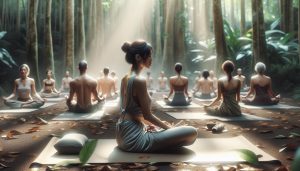
Choosing the right location for a yoga retreat can significantly affect your overall experience and journey. The setting of a retreat often sets the tone for relaxation, meditation, and personal growth. Opting for a serene environment-such as a tranquil beach, a lush forest, or a peaceful mountain landscape-can enhance the therapeutic aspects of your practice and allow you to connect with nature, which is vital for many yoga practitioners.
When considering location, it’s important to reflect on your personal preferences and what you hope to gain from the experience. For instance, a coastal retreat might offer opportunities for beach yoga and the soothing sound of waves, enhancing mindfulness and relaxation. Conversely, a retreat situated in the mountains may provide the allure of hiking and outdoor activities, catering to those looking to blend active exploration with their yoga practice. The ambiance of the locale can inspire practices focused on rejuvenation, balance, and introspection, further aligning with your intentions.
Additionally, accessibility plays a crucial role in your selection. A retreat that is easily reachable can alleviate unnecessary travel stress, allowing you to arrive ready to embrace your practice. Research the transportation options available, and consider how the journey aligns with your comfort levels and travel experience. If you are a beginner, a location with fewer logistical challenges may provide a more calming start to your retreat experience.
Ultimately, the right location should resonate with your personal goals and desires for your yoga practice. By choosing a site that nurtures your spirit, you set the stage for a transformative experience that allows for deeper relaxation and self-discovery. Consider all these aspects carefully as you select the perfect backdrop for your yoga journey.
Evaluating Retreat Facilitation and Credentials

Choosing the right facilitator for your yoga retreat can significantly shape your experience, particularly for beginners who may feel vulnerable or unsure. A knowledgeable and empathetic retreat leader can provide not only guidance in practice but also create a safe, supportive environment that fosters growth and connection. When evaluating potential facilitators, consider their training, experience, and teaching style to ensure they align with your needs and expectations.
Start by researching the facilitator’s credentials. This includes formal education in yoga as well as any specialized training, such as certifications in trauma-informed yoga or experience with specific disciplines like Hatha or Vinyasa. A seasoned instructor should have a blend of hands-on teaching experience and a solid grasp of yoga philosophy, which can enrich your understanding of the practice. Seek out biographies, testimonials, or online reviews that highlight their teaching style and connection with past participants.
Equally important is the facilitator’s approach to creating a welcoming atmosphere. A supportive leader will encourage open communication and adapt practices to cater to the comfort levels of all participants. Look for programs that emphasize inclusivity, providing modifications for various skill levels and fostering an environment where everyone feels heard and valued. This is especially crucial for beginners, who might be apprehensive about their abilities.
In addition to credentials and personal style, consider the overall retreat structure that the facilitator has planned. This includes the variety of classes offered, integration of mindfulness or meditation sessions, and opportunities for personal reflection. A well-rounded program should cater to different aspects of wellness-physical, mental, and emotional. Transparent communication about the itinerary will help you gauge whether the retreat experience aligns with your personal goals.
By thoroughly evaluating retreat facilitators and their credentials, you set the stage for a transformative and enriching experience that both nurtures your yoga practice and supports your personal growth. Make informed choices to ensure that the retreat you choose is led by qualified individuals who genuinely care about the well-being and development of their participants.
Assessing Retreat Amenities and Accommodation Types

When considering a yoga retreat, the amenities and accommodation types available can significantly influence your overall experience. The right environment not only supports your practice but also enhances your comfort and relaxation. Before committing to a retreat, it’s essential to evaluate what amenities the venue offers and how the accommodations align with your personal preferences and expectations.
Essential Amenities to Look For
A well-equipped retreat should provide amenities that support both your yoga practice and your overall wellness. Common offerings include:
- Yoga Spaces: Look for dedicated, spacious studios with natural lighting and a serene atmosphere, as these will enhance your practice.
- Health-Focused Meals: Retreats often provide meals catered to wellness, including vegetarian or vegan options that emphasize fresh, locally sourced ingredients.
- Recreational Facilities: Pools, hiking trails, or spa services can add value to your retreat, allowing time for relaxation and rejuvenation outside of yoga sessions.
- Group Spaces: Comfortable communal areas can foster connections with fellow participants, enhancing the sense of community that is often a key part of yoga retreats.
Types of Accommodations
The style and comfort of the accommodations can vary widely among retreats, from luxury resorts to more rustic settings. Here are some common types you might encounter:
- Shared Rooms: Often the most economical option, sharing a room can be a great way to engage with other participants, although it might require some adjustment to privacy.
- Private Rooms: If you value peace and solitude, a private room might offer the tranquility you need to fully immerse yourself in the experience.
- Glamping or Eco-Lodges: For a unique experience, consider retreats that offer glamping tents or ecological lodges, balancing nature and comfort.
- Luxury Villas: Some retreats are hosted in upscale villas, providing more amenities and personalized service for a premium experience.
Understanding your own needs and preferences regarding accommodations will help ensure you select a retreat that feels comfortable and supportive, enabling you to focus entirely on your practice and personal growth. Don’t hesitate to reach out to retreat organizers with specific questions about the amenities and accommodations to better gauge what will work best for you.
Budgeting for Your Yoga Retreat Experience
When planning a yoga retreat, understanding the financial aspect can significantly impact your overall experience and enjoyment. While the excitement of the retreat often tops the agenda, a mindful approach to budgeting can prevent last-minute stress and allow you to fully immerse yourself in your practice without financial worries. Retreat pricing can vary widely depending on location, amenities, and duration, so it’s essential to establish a clear financial plan that suits your needs.
To start, identify all potential costs that are likely to arise. This means not only the fee for the retreat itself but also additional expenses such as travel, meals, and any activities or excursions you wish to partake in. Many retreats include meals and accommodations in their packages, but you may want to budget for extra snacks, off-site meals, or optional events that could enhance your experience. Here are some key considerations for your budgeting process:
- Retreat Package Costs: Compare various retreats to understand what’s included in the package. Some may sound affordable at first, but check if meals, accommodations, and yoga classes are bundled or charged separately.
- Travel Expenses: Consider the cost of getting to the retreat location. This includes airfare, rental cars, or other transport, as well as local travel needs once you arrive.
- Accommodation Preferences: Your choice between shared or private rooms can greatly influence the cost, so decide what’s more valuable for your peace of mind and budget.
- Emergency Fund: Set aside some additional funds for unforeseen expenses that may arise, such as travel mishaps or extra wellness services like spa treatments.
Having a budget not only helps you to manage your expenses wisely but also allows for a more enjoyable and stress-free experience. By calculating total costs beforehand, you can avoid overspending and focus more on your personal growth during the retreat. For instance, if you plan to attend a week-long retreat, researching and choosing a destination with a lower cost of living can stretch your budget further, allowing for additional explorations or classes while still keeping your expenses in check.
Ultimately, careful budgeting leads to a more fulfilling retreat where the focus remains on yoga, self-discovery, and community, rather than financial anxiety. Remember, the experience you gain during the retreat can be life-changing, and investing in your wellness is always worthwhile.
Considering Retreat Length and Schedule Flexibility
Choosing the right length and schedule for your yoga retreat can greatly influence your overall experience and integration of the practices learned. Beginners, in particular, may find themselves overwhelmed by the variety of options available, from weekend getaways to week-long immersions. Understanding the nuances of retreat length allows first-timers to better prepare mentally and physically, ensuring a fulfilling experience that aligns with their personal wellness goals.
When considering retreat length, start by assessing your own availability and comfort level. A weekend retreat might be ideal for those with busy schedules or who are new to meditation and yoga, providing a gentle introduction without the commitment of a longer leave. In contrast, a week-long retreat can offer the opportunity to deeply engage with your practice, build relationships with fellow participants, and participate in various classes or workshops that will enrich your understanding of yoga. However, such extended retreats require more planning and financial investment, as well as consideration of how you will manage your time away from work or home.
Flexibility in schedule is another pivotal factor. Some retreats follow a structured timetable with set class times, meals, and activities, which can help beginners maintain focus and benefit from a guided experience. Others may offer a more relaxed schedule, allowing participants to choose their own activities and timings. This flexibility can be beneficial for those who prefer a more personalized approach, accommodating individual preferences for rest, exploration, or additional personal practice. Understanding whether you thrive in a structured environment or a more open-ended setting can greatly enhance your retreat experience.
To make the most of your chosen retreat length and schedule, it’s recommended to prioritize your wellness needs. If you’re looking to deepen your practice without rushing, opting for a longer duration with an adaptable timetable could be more rewarding. Conversely, if time constraints are a concern, aim for a shorter retreat that still allows for valuable insights and connection. Whichever option you choose, ensure it aligns with your personal goals and enhances your journey in yoga, leading to a fulfilling and transformational experience.
Focusing on Group Size and Community Vibes
Choosing the right group size for your yoga retreat can profoundly impact your experience, offering a unique blend of community interaction and personal space. Larger groups may provide a vibrant atmosphere filled with diverse perspectives and shared energy, making it easier to meet new people and form connections. Conversely, a smaller group often fosters a sense of intimacy and allows for deeper individual instruction and personal attention during sessions. This balance is essential for beginners who may feel overwhelmed in a large class or may seek the camaraderie that comes with a closer-knit community.
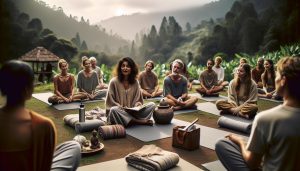
When considering group size, think about your personal comfort level and what you hope to gain from the retreat. A smaller group, typically fewer than ten participants, can create a safer environment for sharing personal experiences and asking questions. This format often allows for meaningful exchanges with instructors, enhancing your learning and providing tailored guidance suited to your needs. On the flip side, participating in a larger group can ignite a sense of shared purpose and enthusiasm, motivating you to engage more deeply with the practices and community around you.
Community vibes go hand in hand with group size and can greatly influence your overall retreat enjoyment. Investigate the retreat’s approach to community-building; some may emphasize structured activities that promote connection, such as group meal times or collaborative workshops, while others may encourage more organic interaction, allowing relationships to develop more naturally among participants. Look for reviews or testimonials that highlight the social aspects of a retreat, as these insights can give you a glimpse into the interpersonal dynamics and overall environment.
Lastly, remember that your personal goals should guide your choice. If you thrive in a supportive environment that feels like family, look for smaller retreats focusing on intimate interactions. However, if you’re eager to be part of a larger community of like-minded individuals, a bigger group may energize you and provide diverse insights into your practice. Whatever your preference, ensuring it aligns with your expectations can enhance your journey into yoga, offering not only physical growth but also enriching connections with fellow practitioners.
Researching Reviews and Testimonials Effectively
When considering a yoga retreat, the experiences of past participants can provide invaluable insight into what to expect. Reviews and testimonials not only shed light on the quality of the retreat offerings but also highlight specific aspects that may resonate with your personal needs and preferences. A well-rounded perspective can help you avoid common pitfalls and make a decision that aligns with your goals for your yoga journey.
To start, it’s essential to look for reviews on multiple platforms. Websites like Yelp, Google Reviews, and specialized wellness travel forums can offer a range of opinions. Pay attention to both the overall ratings and individual comments, noting recurring themes such as the quality of instruction, the ambience of the location, and the variety of activities offered. Look for descriptions of meals, accommodations, and daily schedules to get a real sense of what the retreat entails. If a particular retreat offers something you’re excited about-like organic meals or unique classes-make sure those elements are consistently praised in reviews.
Additionally, consider the authenticity of the testimonials you encounter. Genuine feedback often includes detailed descriptions rather than vague affirmations. Beware of overly positive reviews that lack substance, as they may be from biased sources or even fabricated. Look for testimonials that mention specific instructors or highlight particular classes that stood out, as these details can give you a clearer picture of what to expect during your stay.
Finally, don’t hesitate to connect directly with previous attendees through social media or wellness community platforms. Engaging with individuals who have firsthand experience can glean insights that formal reviews may overlook. Ask open-ended questions about their stay, any challenges they faced, and suggestions they have for newcomers. By taking the time to thoroughly research reviews and testimonials, you can make an informed decision that enhances your overall retreat experience, ensuring it aligns with your aspirations for personal growth and relaxation.
Avoiding Common Yoga Retreat Scams
Ensuring the integrity of your yoga retreat experience is crucial, especially given the rise of scams that can tarnish this otherwise enriching journey. A staggering number of scams exist in the wellness travel sector, targeting the unsuspecting with offers that may seem too good to be true. To protect yourself, it’s essential to approach the booking process with care and diligence.
One of the first steps in avoiding scams is to thoroughly investigate the retreat provider. Look for established organizations with a strong online presence, including informative websites and numerous positive reviews across various platforms. Scammers often use generic emails and unverified websites. Check that the email address aligns with the official website domain and be wary of any inconsistencies. For instance, if the retreat claims to be based in a well-known location but the domain appears suspicious or unrelated, take this as a red flag.
Research is Key. Use resources such as independent review sites like Yelp or travel forums to gauge the credibility of the retreat. Pay close attention to the quality of past experiences shared by participants. Authentic reviews often include specific details about the instructors, daily activities, and accommodations, while overly vague or overly glowing testimonials may indicate manipulation. Reaching out to previous attendees can provide personal insights, allowing you to ask about any concerns or issues they faced during their stay. Engaging with these individuals through social media or dedicated wellness community platforms can help unveil anything that might not be immediately apparent in written reviews.
Lastly, if a retreat asks for payment methods outside of established channels, such as cash or wire transfers, it’s wise to reconsider. Legitimate organizations typically provide secure payment options. Maintain communication records of all interactions, particularly concerning payments and what they cover. This documentation can serve as a safeguard should any disputes arise. By following these steps and staying vigilant, you will not only reduce your risk of falling victim to scams but also enhance your overall retreat experience, allowing you to fully immerse yourself in the journey of self-discovery and wellness.
How to Prepare Physically and Mentally for Your Retreat
Preparing physically and mentally for a yoga retreat can significantly enhance your experience, allowing you to fully embrace the journey of self-discovery, relaxation, and growth. A well-prepared participant is more likely to engage wholeheartedly with the activities planned, connect with fellow attendees, and derive maximum benefit from the teachings. Whether you are a seasoned yogi or a complete beginner, taking steps to prime your body and mind will make all the difference.
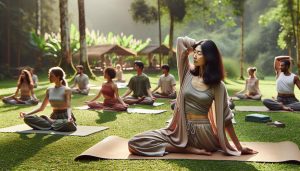
Start your physical preparation by incorporating a consistent yoga practice into your routine. This doesn’t mean you have to immediately ramp up to advanced poses; however, gradually building stamina and flexibility will help you adapt better to the retreat’s schedule and activities. Even gentle practices or restorative yoga can be beneficial. Aim to practice regularly, focusing on both strength-building poses and relaxation techniques. Additionally, consider complementing your yoga practice with other forms of exercise, such as walking, swimming, or cycling, which will enhance your overall physical condition.
Mental Preparation Tips
Equally important is the mental aspect of preparation. Engage in mindfulness meditation and breathing exercises to cultivate a sense of calm and presence. These practices can help you manage stress and improve your focus, making it easier to absorb the teachings of the retreat. Setting a clear intention for what you wish to achieve during your time away can also shape your mindset. Are you aiming for personal growth, stress relief, or perhaps a deeper connection to the practice? Contemplate these questions and write down your intentions to solidify them.
Create a positive and supportive environment for yourself leading up to the retreat. Surround yourself with uplifting influences-whether that’s friends, family, or supportive online communities. You might even consider engaging in journaling or creative activities that encourage self-reflection and positive affirmations. Remember to allow yourself some grace during this preparation phase; it’s about nurturing a mindset that welcomes change and growth.
Ultimately, the effort you put into preparing physically and mentally will set the tone for your yoga retreat experience. Embrace the journey ahead with an open heart and a prepared body, and you’re sure to find not only relaxation but insights and friendships that will last well beyond the retreat itself.
Maximizing Your Retreat Experience: Tips for First-Timers
Taking the leap into your first yoga retreat can be both exciting and daunting. You may wonder how to make the most of this unique opportunity for personal growth, relaxation, and connection with others. Maximizing your retreat experience involves a blend of preparation, openness, and active participation. Here are some strategies to help you embrace the full benefits of your journey.
Begin by approaching the retreat with an open mind. Each retreat offers a different experience, and adapting to new routines, instructors, and settings can significantly enrich your time there. Engaging fully in all activities, whether it’s yoga classes, meditation sessions, or group discussions, allows you to dive deeper into your practice. Don’t hesitate to ask questions or seek guidance from the instructors; their support can enhance your learning experience.
Another way to enrich your retreat experience is to connect with fellow participants. Building relationships within the group creates a supportive community, fostering an environment where shared experiences and insights can flourish. Consider participating in group activities or simply sharing meals together to facilitate connections. These interactions can lead to powerful friendships and lasting memories.
Additionally, keep a journal during your retreat. Documenting your thoughts, feelings, and experiences can deepen your self-reflection and understanding of the practices you engage in. This tool not only helps you track your progress but also allows you to articulate your goals and intentions, which can be revisited after returning home. Engaging in this reflective practice can enhance the insights gained during the retreat.
Lastly, prioritize self-care and balance during your time away. With an exciting schedule, it’s easy to feel tempted to participate in every available activity, but listening to your body and mind is crucial. Make time for rest and individual reflection to ensure you feel revitalized and present throughout your retreat. Allow yourself the flexibility to engage in personal practices, such as walking in nature or meditative breathing, to maintain a grounded state.
By embracing these tips, you’ll set yourself up for a rewarding and transformative experience, ensuring that your first yoga retreat provides the tools and connections necessary for continued personal growth long after it concludes.
Faq
Q: What are common mistakes beginners make when choosing a yoga retreat?
A: Beginners often overlook key factors such as the retreat’s focus, instructor credentials, or amenities. Neglecting to research the location or reviews can also lead to unsatisfactory experiences. Always ensure the retreat aligns with your expectations and level of experience for a fulfilling journey.
Q: How can I ensure the yoga retreat I choose is beginner-friendly?
A: Look for retreats explicitly labeled as beginner-friendly in their descriptions. Check if they offer gentle instruction, small class sizes, and tailored activities. Communicate with organizers to confirm that their offerings align with your experience level before booking.
Q: When is the best time to book a yoga retreat?
A: It’s generally advisable to book your yoga retreat several months in advance, especially for popular destinations. This allows for better pricing options and availability. Keep an eye on seasonal offerings that may cater to beginners during quieter times, maximizing your retreat experience.
Q: What should I ask retreat organizers before booking?
A: Inquire about the instructors’ qualifications, the daily schedule, group size, and accommodations. Asking about the retreat’s emphasis-whether on relaxation, skill-building, or meditation-can also clarify if it fits your needs. Be sure to understand what’s included in the cost.
Q: How can I prepare mentally for my first yoga retreat?
A: To prepare mentally, set clear intentions for what you wish to gain from the retreat. Allow time for self-reflection and consider which fears or anxieties might hinder your experience. Embracing a mindset of openness and curiosity can enhance your journey significantly.
Q: Are there any signs of a yoga retreat scam I should watch for?
A: Look for unprofessional websites, vague descriptions, and unusually low prices. Legitimate retreats typically have clear policies, customer reviews, and contact information. Research thoroughly and trust your instincts; if something seems off, it’s wise to look elsewhere.
Q: What essentials should I pack for a beginner’s yoga retreat?
A: Pack comfortable yoga clothes, a reusable water bottle, and personal items such as toiletries and medications. Consider bringing a journal to document your experiences. Check the retreat’s guide for specific recommendations, like yoga mats or props, to avoid unnecessary duplication.
Q: How can I make the most of my first yoga retreat experience?
A: Engage fully by participating in all activities and connecting with fellow attendees. Allow yourself time to relax and process the experiences daily. Stay open to feedback and guidance from instructors to maximize your growth and enjoyment throughout the retreat.
Future Outlook
Now that you’re equipped with essential insights on avoiding common pitfalls when selecting your beginner’s yoga retreat, it’s time to take the next step toward transformative wellness experiences. Remember, clarity in your goals and preferences will lead you to an enriching retreat that aligns with your journey. Don’t hesitate-start exploring options today to secure your spot at a retreat that resonates with you!
For further guidance, check out our related articles on maintaining a wellness routine while traveling and the benefits of various retreat types. Looking to connect with fellow wellness enthusiasts? Share your thoughts in the comments below or sign up for our newsletter to stay updated on the latest tips and retreat opportunities. Your journey to peace and mindfulness begins now-embrace it!
Get our latest guides, news, and insights highlighted in your Google Search & AI Overviews.