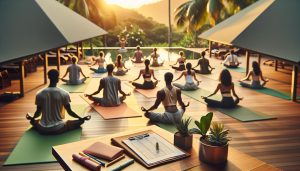
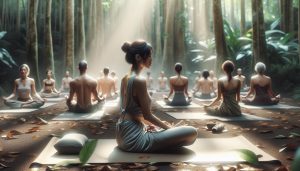
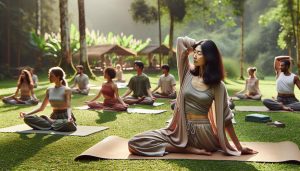
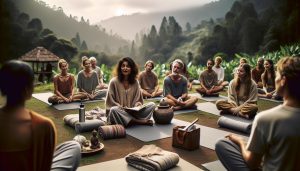
In today’s fast-paced world, carving out time for self-care is more essential than ever. A weekend yoga retreat offers not only a perfect opportunity to recharge but also a pathway to deeper relaxation and mindfulness. This mini-escape allows you to disconnect from daily stresses, rejuvenate your spirit, and cultivate a stronger connection to your body and mind. Whether you’re a seasoned yogi or a curious beginner, planning a weekend getaway can provide the ultimate break and boost your overall well-being. In this guide, you’ll discover practical steps and tips to create a transformative yoga retreat experience, tailored to help you reconnect with yourself and emerge refreshed. Let’s embark on this journey to tranquility and wellness together.
How to Define Your Ideal Retreat Goals
Defining your goals is crucial to the success of any yoga retreat. It sets the stage for the entire experience, guiding decisions from the location to the schedule, and even marketing strategies. Begin by identifying the primary purpose of your retreat. Are you aiming to deepen participants’ yoga practice, promote wellness, or create a space for relaxation and rejuvenation? Establishing clear, measurable goals will not only help tailor the overall experience but also attract individuals who resonate with your mission.
Involving potential participants in this process can further refine your objectives. Consider conducting surveys or informal discussions with your target audience to understand their expectations and desires. This engagement fosters a sense of community and investment in the retreat, ensuring that the goals cater directly to their interests. Goals could encompass a range of areas, such as enhancing physical fitness, emotional healing, connection with nature, or developing mindfulness practices.
Next, make sure to prioritize these goals to create a balanced program that delivers on your promises. For instance, if improving flexibility is a goal, ensure that your schedule includes diverse activities that support this, such as various forms of yoga sessions or workshops focused on stretching techniques. Remember, flexibility in interpretation allows for adjustments to be made based on participant feedback, which can enhance the overall experience.
Lastly, keep your goals aligned with practical aspects such as budget and location. If your aim is to create a luxury retreat focusing on wellness, ensure that the setting and resources reflect this ethos. Being transparent about your goals not only sets clear expectations but also helps in formulating a cohesive and fulfilling retreat experience that resonates with participants long after they leave.
Choosing the Perfect Location for Your Yoga Retreat
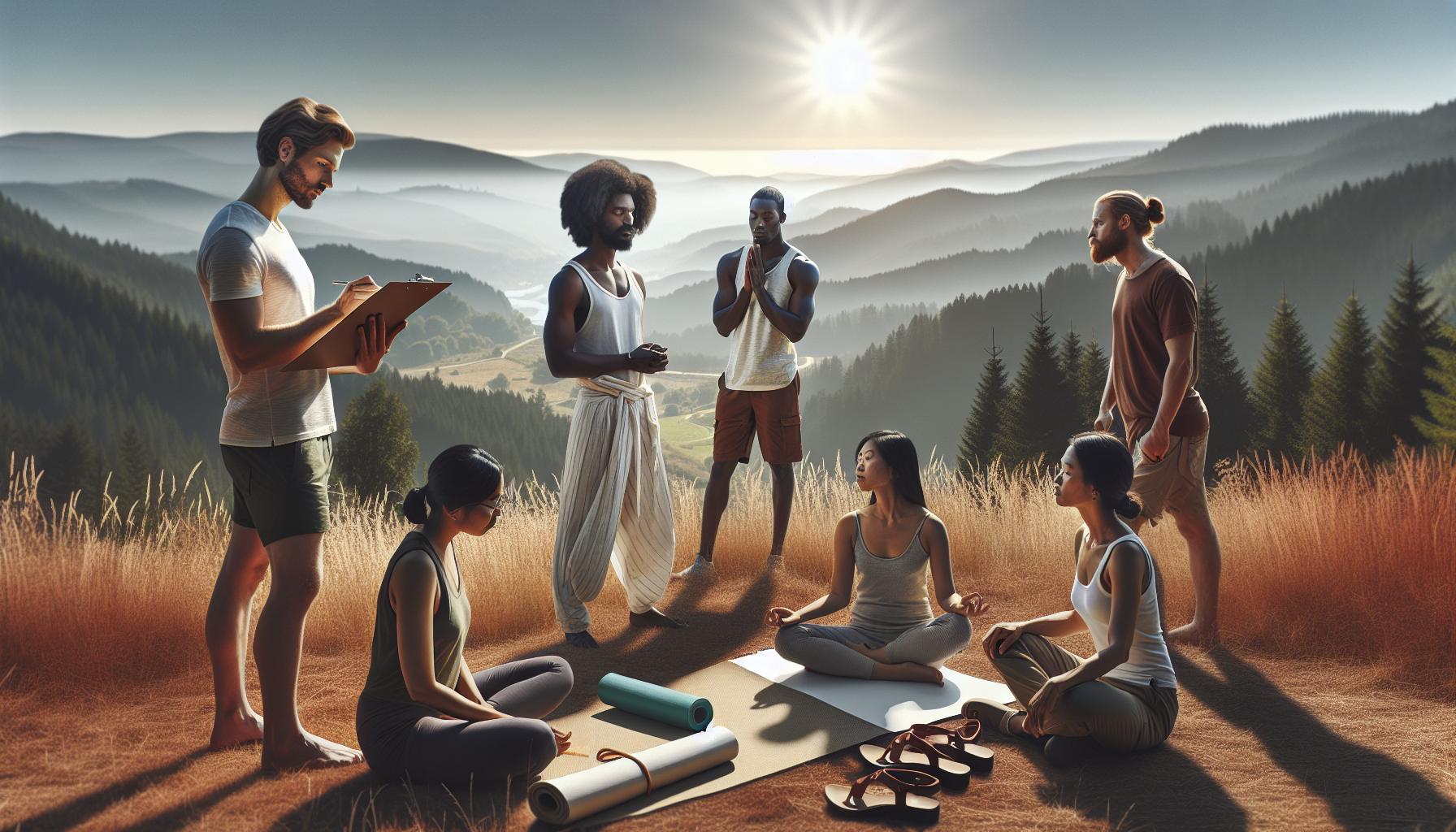
Choosing the right location for your yoga retreat can be one of the most impactful decisions in crafting an unforgettable experience. The ideal setting should resonate with the goals of your retreat, whether that’s relaxation, rejuvenation, or deepening participants’ yoga practice. A serene environment enhances mindfulness, making it easier for attendees to immerse themselves in the experience. Think about places that provide a natural backdrop-beaches, mountains, or lush forests can stimulate peace and inspiration.
When selecting a location, consider accessibility for your participants. Is it easy to reach from nearby airports or within a reasonable driving distance? Availability of local accommodations, wellness facilities, and potential activities outside of yoga sessions should also factor into your decision. You want to ensure that all logistical aspects support a smooth and enjoyable experience for everyone involved.
Community and Culture are equally essential. A location that offers opportunities for participants to connect with local culture or community events can enrich their experience. This could involve visiting nearby vegan restaurants, participating in local wellness trends, or even engaging in cultural practices that align with yoga, such as meditation workshops or art classes.
Lastly, keep in mind the overall atmosphere of the location. The vibe of a place can influence how participants feel and engage with the retreat. Settings with a welcoming, supportive energy will foster connections among attendees and create a more profound sense of belonging. As you explore options, trust your intuition about what feels right for your vision. A thoughtfully chosen location can transform a standard retreat into an extraordinary journey.
Budgeting Essentials for Your Mini-Escape

Budgeting for a yoga retreat can often determine the quality and success of the entire experience. A well-planned budget allows for a balance between comfort, variety, and affordability, ensuring participants can fully immerse themselves without financial stress. Start by outlining the major expense categories, and remember that transparency is key to maintaining trust with attendees.
Key Expense Categories
When developing your budget, consider the following essential categories:
- Venue Costs: This includes rental fees for the location, any deposits required, and possible insurance premiums. Ensure that the venue aligns with your retreat’s goals-whether it be a serene beach house or a rustic mountain lodge.
- Instructor Fees: Quality instructors may charge varying rates based on their experience and popularity. Research competitive pricing while ensuring that you can provide expert guidance to attendees.
- Food and Catering: Nutritional meals enhance the retreat experience. Explore local caterers who specialize in health-focused menus or consider meal prep options that align with the retreat’s theme. It’s crucial to accommodate dietary restrictions, so account for these in your planning.
- Marketing and Promotions: Assess the costs associated with promoting your retreat, such as website development, social media ads, and email campaigns. An effective marketing strategy can significantly boost attendance.
- Materials and Supplies: This may include yoga mats, props, or wellness materials needed for workshops. Factor in the cost of any supplementary wellness activities, such as meditation or art sessions.
- Administrative Expenses: Don’t overlook the logistical costs like registration software, payment processing fees, and potential travel expenses associated with scouting locations or attending industry networking events.
Setting Pricing Strategies
Once you have established the total costs, develop a pricing strategy. Consider offering tiered pricing with early bird discounts or package deals that include accommodations and meals. This can encourage higher early registration rates and provide you with immediate cash flow to secure necessary services. Keep in mind the financial diversity of your target audience and set prices that maintain accessibility while covering costs.
Contingency Fund
Lastly, incorporate a contingency fund, typically 10-15% of your total budget. This ensures you can handle unexpected expenses without financial strain. Whether it’s an unexpected increase in venue fees or a last-minute change in catering, having a financial buffer will allow your planning to remain agile and responsive.
Creating a detailed and reflective budget tailored to your unique retreat will not only enhance the experience for participants but also foster a seamless and enjoyable environment where guests can disconnect, recharge, and rejuvenate.
Creating a Balanced Schedule of Activities
Crafting a balanced schedule of activities is crucial for a successful yoga retreat. It sets the tone for the participants’ experience, ensuring they find equilibrium between structured classes and opportunities for self-reflection and exploration. A well-thought-out itinerary not only helps in maximizing engagement but also accommodates varying levels of fitness and experience among attendees.
Begin with a morning yoga session that focuses on energizing practices, such as Vinyasa or Power yoga. This sets a positive tone for the day, awakening the body and encouraging participants to embrace mindfulness. After the session, consider incorporating activities that promote a deeper connection to nature, such as guided walks or meditation in a tranquil setting. This allows participants to carry the energy of the practice into their day, fostering a sense of peace and grounding.
Afternoons can include a mix of workshops that delve into specific aspects of yogic philosophy, relaxation techniques, or holistic health practices. For example, a workshop on breathwork can provide attendees with tools to enhance their practice. Be mindful of including downtime to allow for personal reflection or simply enjoying the surroundings. Balancing structured activities with moments of quiet will ensure participants don’t feel overwhelmed, allowing them to fully soak in the retreat experience.
End the day with a gentle evening class, perhaps focusing on restorative yoga or yin yoga, coupled with an optional group discussion to share experiences and insights from the day. This communal aspect not only strengthens connections among participants but also creates a supportive environment for growth and discussion. Such a well-rounded schedule caters to physical movement, mental engagement, social interaction, and personal reflection, paving the way for a truly enriching retreat experience that resonates beyond the event itself.
Selecting the Right Instructors and Resources
Selecting knowledgeable and inspiring instructors is central to a successful yoga retreat. The right instructors not only bring expertise and passion to the practice but also create a sense of safety and community among participants. When choosing instructors, it is essential to consider their certifications, teaching styles, and experience in leading retreats. Look for instructors who have training in diverse styles of yoga, such as Hatha, Vinyasa, or Yin, which can cater to various skill levels and preferences within your group.
Additionally, engaging instructors who resonate with your retreat’s theme can enhance the overall experience. For example, if your retreat focuses on mindfulness, consider an instructor with a background in meditation or mindfulness practices. Gather feedback from potential instructors about their approach to teaching and their philosophies on wellness to ensure alignment with your retreat’s goals. A quick assessment in the form of a questionnaire can help you gauge their suitability effectively.
Resources and Supporting Materials also play a crucial role in enriching the retreat experience. Having the right resources, such as instructional materials, yoga props (like mats, blocks, and straps), and wellness literature, can enhance learning and practice. Be sure to provide ample mats and accessories for participants, especially those who might not have their own traveling gear. You might also consider offering workshops on relevant topics like nutrition, mindfulness, or breathwork, which can complement the yoga sessions and provide attendees with valuable insights to take home.
Building a network of supplemental wellness professionals can also elevate the retreat experience. Consider reaching out to nutritionists, wellness coaches, or wellness practitioners who can support the retreat through talks, demonstrations, or even one-on-one consultations. These resources can create a well-rounded retreat that not only focuses on physical yoga practice but also addresses mental and emotional well-being, laying the foundation for lasting transformations for participants.
Incorporating Nourishing Meals and Nutrition
into your yoga retreat can significantly enhance participants’ overall experience, fostering a sense of well-being and alignment with the retreat’s goals. Food plays a critical role not only in sustaining participants’ energy levels for yoga practice but also in supporting their mental clarity and emotional stability throughout the retreat. To create a memorable culinary experience, consider the following aspects.
Planning Nutritional Menus
When designing a menu, prioritize whole, organic ingredients that are free from processed foods and artificial additives. This commitment to clean eating helps participants feel invigorated and connected to their bodies. Sample menu items could include:
- Fresh fruit smoothies packed with greens and protein
- Colorful salads featuring a variety of vegetables, nuts, and seeds
- Wholesome grain bowls with quinoa, brown rice, or farro
- Lightly steamed vegetables paired with lean proteins such as fish or chicken
- Herbal teas and ample hydration options like infused water
Offering vegetarian and vegan options can cater to diverse dietary preferences and restrictions, ensuring that all participants feel included and satisfied.
Incorporating Mindful Eating Practices
Encourage participants to engage in mindful eating during meals, which can enhance their connection to food and improve digestion. This can be done by creating a calm mealtime environment, allowing time for gratitude, and emphasizing the importance of savoring each bite. Workshops or sessions focused on nutrition education can empower attendees with the knowledge to make healthier choices long after the retreat concludes. Incorporating cooking demonstrations can also provide practical skills that participants can take home, further enhancing the retreat’s value.
Addressing Special Dietary Needs
Be proactive in addressing special dietary needs by requesting information from participants prior to the retreat. This helps in planning appropriate meals that cater to food allergies, intolerances, and other restrictions. Offering choices at every meal can guarantee that everyone enjoys their food without concern for potential reactions.
By thoughtfully integrating nourishing meals and an awareness of nutrition into your retreat planning, you create an environment that supports holistic wellness and fosters deeper connections among participants. This attention to dietary needs not only enriches the overall retreat experience but also reinforces the principles of yoga, promoting a balanced and healthy lifestyle.
Designing a Blissful Atmosphere and Environment
Creating an inviting and serene atmosphere is essential for a successful yoga retreat, as the environment directly influences participants’ ability to relax, unwind, and engage fully in the experience. Whether you’re hosting in a rustic cabin in the mountains or a luxury beach resort, the goal is to cultivate a space that resonates with peace and tranquility. To achieve this, consider elements such as decor, lighting, sound, and scents that together foster a cohesive and immersive environment.
Creating Tranquil Spaces
Start by selecting a venue that aligns with the retreat’s objectives. Look for locations that offer natural surroundings, such as lush gardens or picturesque views, which can enhance the overall vibe. Inside, use calming colors like soft blues, greens, and earth tones to promote relaxation. Textures also play a critical role; incorporate natural fabrics like linen, cotton, or wool in cushions, yoga mats, and throws. The arrangement of the space should facilitate flow-create open areas for group activities and intimate nooks for personal meditation or reflection.
Lighting and Ambiance
Proper lighting is vital for setting the mood. Opt for soft, diffused light sources such as lamps, candles, or fairy lights over harsh overhead lighting. Incorporating natural light is ideal, so consider spaces with large windows or skylights. As yoga often involves practices done at different times of day, have adjustable lighting options to suit morning sessions or evening wind-downs. Dimming the lights during restorative practices can enhance the sense of calm and help participants transition into relaxation.
Incorporating Nature’s Elements
To deepen the connection with nature, consider bringing the outside in. Use plants and natural elements to purify the air and foster a sense of tranquility. Potted plants, flowers, and even water features create a refreshing atmosphere. Natural sounds-like soft water trickling or gentle wind chimes-can support a peaceful ambiance. If feasible, include outdoor sessions where participants can practice yoga in a garden, on a beach, or by a lake, allowing them to fully immerse themselves in their surroundings.
Engaging the Senses
A truly blissful environment engages all the senses. Use essential oils or incense to create calming scents; lavender and eucalyptus are particularly soothing. Soft background music or nature sounds can help participants settle into their practice and maintain a tranquil state. Provide inviting communal spaces with cushions or blankets where participants can gather to share experiences, encouraging a sense of community and connection.
By thoughtfully designing an atmosphere that fosters peace and well-being, you not only enhance the yoga experience but also help participants connect more deeply with themselves and each other. This careful attention to detail makes for a retreat that leaves lasting impressions long after participants return home.
Marketing Strategies to Attract Participants
Attracting participants to your yoga retreat hinges on crafting a compelling marketing strategy that resonates with potential attendees. In a landscape where people are increasingly seeking wellness experiences, it’s crucial to highlight the unique aspects of your retreat that set it apart. Begin by defining your target audience: are they seasoned yogis looking for advanced techniques, or are they beginners seeking a peaceful escape? Tailoring your marketing efforts to speak directly to these groups will enhance engagement and drive interest.
Utilize a combination of digital and traditional marketing channels to maximize visibility. Social media platforms like Instagram and Facebook are particularly effective for visual storytelling-share vivid images of your retreat location, behind-the-scenes of yoga sessions, and testimonials from past participants. Engaging captions and interactive content, such as polls or Q&A sessions, can create a sense of community even before the retreat begins. Additionally, consider creating a dedicated website or landing page that outlines the retreat itinerary, instructor bios, and pricing details, ensuring clarity and accessibility for potential guests.
Leverage Partnerships and Collaborations
Forge partnerships with local businesses or wellness influencers to broaden your reach. Collaborating with fitness studios, wellness blogs, or health food brands can introduce your retreat to their audiences, tapping into existing communities interested in yoga and wellness. Offering promotional discounts for group bookings or referrals can also incentivize shared experiences among friends and family, boosting your participant numbers.
Engage Through Email Marketing
An effective email marketing campaign can nurture leads who express interest in your retreat. Provide valuable content that aligns with their wellness goals, such as yoga tips or mindfulness exercises, while including enticing information about your retreat. Ensure that emails are visually appealing and include clear calls to action, directing recipients to your retreat website for more information or booking.
By implementing these strategies, you can create a compelling narrative around your retreat that not only highlights its unique offerings but also fosters a community of like-minded individuals eager to embark on this journey together. With thoughtful marketing, the right audience will be excited and ready to participate in your weekend yoga retreat.
Engaging Activities Beyond Yoga Sessions
Integrating can enrich the experience for participants, offering them a well-rounded retreat that fulfills both physical and emotional needs. These activities not only foster community but also encourage mindfulness, creativity, and relaxation, complementing the restorative essence of yoga practice. Consider diverse offerings that resonate with your audience’s interests and enhance their overall experience.
Creative Workshops
Introducing creative workshops such as painting, pottery, or expressive dance can provide a refreshing break from traditional yoga practices. These sessions promote self-expression and allow participants to explore new mediums for relaxation and creativity. For instance, a guided art session where participants create mandalas can offer a meditative experience that aligns beautifully with the retreat’s focus on mindfulness.
Nature Activities
Organizing guided nature walks or hikes encourages participants to connect with the beautiful surroundings of the retreat location. These activities can be structured to include moments of reflection, where participants can practice mindfulness in nature, deepening their connection to both their environment and themselves. For a balanced approach, you might schedule gentle outdoor yoga sessions to enhance the experience.
Mindfulness and Meditation Sessions
Incorporating guided meditation or mindfulness workshops can deepen the participants’ relaxation and introspection. Perhaps schedule a sunrise meditation to start the day with clarity or a closing circle where participants can share their experiences and reflections. These sessions can help attendees integrate the teachings from their yoga practice into their day-to-day lives, reinforcing the purpose of the retreat.
Healthy Cooking Classes
Offering nutrition workshops or cooking classes focused on plant-based meals can empower participants to make healthy choices both during and after the retreat. Teaching simple, nutritious recipes can extend the benefits of the retreat beyond its duration, as attendees will be equipped with knowledge to maintain a healthy diet at home. This hands-on activity encourages teamwork and camaraderie among participants while nourishing their bodies.
Incorporating a variety of activities helps create a multifaceted experience that caters to different interests, ensuring that all participants leave the retreat feeling revitalized and connected. These engaging activities will further enrich your retreat’s offerings, helping establish a vibrant community that extends beyond the duration of the yoga sessions.
Planning for Guest Comfort and Well-Being
Creating a nurturing environment for guests can transform a yoga retreat from a simple getaway into a truly rejuvenating experience. Comfort and well-being should be at the forefront of every decision, from accommodation to daily activities. An intentional focus on these aspects not only enhances the participants’ physical comfort but also supports their emotional and mental health, allowing for deeper engagement with the retreat’s purpose.
When selecting accommodations, prioritize options that provide both comfort and aesthetics. Look for spaces with natural light, calming decor, and comfortable bedding to facilitate restful sleep. Offering a range of room types can accommodate different preferences, ensuring everyone finds a suitable place to unwind after a day of activities. Consider including communal areas where participants can gather, socialize, and share their experiences, reinforcing community bonds.
An inviting atmosphere can further elevate the retreat experience. Consider soft lighting, soothing music, and elements of nature within the space to enhance relaxation. Create quiet zones for guests seeking solitude, allowing them to recharge away from the group if needed. Additionally, providing amenities such as yoga mats, meditation cushions, and blankets can encourage participants to engage in personal practices outside of scheduled sessions, promoting a more in-depth exploration of their yoga journey.
Meals play a significant role in nurturing guest well-being, so focus on creating a nutritious and delicious menu that caters to various dietary needs. Incorporate fresh, local ingredients and consider including cooking workshops to enhance participants’ culinary skills. This not only nourishes the body but also empowers guests with knowledge they can take home. Clear communication about meal options and schedules can help guests feel informed and included in the planning process.
Don’t overlook the importance of personalized touches throughout the retreat. Simple gestures, such as welcome packages including essential oils, herbal teas, or handwritten notes, can go a long way in making guests feel valued and cared for. Dedicated staff should be available to address any concerns or requests promptly, fostering a supportive environment that encourages participants to voice their needs, further enhancing their overall experience. By creating a space that prioritizes guest comfort and well-being, you lay the groundwork for a transformative and memorable yoga retreat.
Essential Logistics and Safety Considerations
Ensuring a seamless and safe experience is essential for any yoga retreat, transforming it from a basic gathering into a memorable and enriching journey. From logistical planning to safety protocols, attention to detail can prevent mishaps and promote a sense of security among participants, allowing them to immerse themselves fully in the retreat experience.
Start with a thorough assessment of the location and facilities. Verify that the venue complies with local health and safety regulations, including fire safety and emergency procedures. Familiarize yourself with the closest medical facilities and have a first aid kit readily available. Establish clear communication with your participants regarding health and safety guidelines, including any necessary waivers related to physical activities. These steps not only reassure guests but also create a more professional atmosphere.
Next, consider the logistics of travel and accessibility. Provide detailed information on transportation options to reach the retreat location, including recommendations for local airports, shuttle services, or car rentals. If traveling internationally, inform guests about visa requirements and any necessary vaccinations they may need. Clear communication regarding arrival times can help to coordinate group activities on the first day, fostering connection and easing the transition for participants.
Another critical aspect is the accommodation setup. Select accommodations that prioritize security and comfort. Make sure that guests have access to emergency contacts and know how to reach them. Additionally, consider implementing a buddy system or check-in protocol during activities to ensure everyone feels supported. Encourage participants to voice any concerns and ensure that staff members are trained to handle these situations with empathy and attention.
Incorporating these logistics and safety considerations not only enhances the overall experience but also builds trust among participants, allowing them to focus on their practices without unnecessary worry. By laying a solid groundwork for safety and accessibility, you invite guests to engage with the retreat’s transformative potential fully.
Post-Retreat Follow-Up and Community Building
To truly amplify the impact of a yoga retreat, it is essential to focus on the post-retreat phase. This stage can significantly enhance the experience for participants and foster a lasting sense of community and connection. Following a retreat, a thoughtfully crafted follow-up strategy not only nurtures the relationships formed during the event but also reinforces the practices and lessons learned. Engaging your participants through meaningful communication and community-building activities can transform their experience into a sustained journey of growth.
One effective method for post-retreat engagement is to create a series of follow-up emails that share resources and insights from the retreat. These emails might include video recordings of sessions, recommended readings, or guided meditations to help participants integrate their experiences. Especially valuable are prompts encouraging reflections on what they learned or how they plan to implement these insights into their daily lives. This kind of support fosters accountability while reminding participants of their transformative journey.
Additionally, consider setting up an online platform, such as a private Facebook group or a dedicated Slack channel, where participants can continue to connect, share their experiences, and support one another. This virtual space can serve as a hub for community-building activities, such as themed challenges, group practices, or wellness discussions. Encourage members to contribute content, such as tips on maintaining a yoga practice or their experiences with mindfulness techniques. This collaborative environment nurtures a sense of belonging and offers ongoing motivation.
Another powerful approach is organizing periodic follow-up events, workshops, or virtual check-ins to reinforce the themes and practices introduced during the retreat. These can range from monthly yoga classes to seasonal gatherings, aimed at keeping the community engaged and committed to their yoga journey. By creating opportunities for participants to reunite, you solidify connections and encourage them to lean on each other for support and inspiration.
Ultimately, a successful post-retreat strategy amplifies the benefits of the initial experience, allowing participants to deepen their practice, maintain connections, and cultivate a supportive network. By emphasizing follow-up and community building, you can transform a mere weekend getaway into a lifelong journey towards wellness and personal growth.
Q&A
Q: How do I choose the right theme for my yoga retreat?
A: Selecting a theme for your yoga retreat involves aligning your retreat’s purpose with your participants’ interests. Consider focusing on specific aspects like mindfulness, rejuvenation, or community-building. This clarity will help you create targeted marketing and attract the right attendees.
Q: What are the best ways to promote my yoga retreat?
A: To effectively promote your yoga retreat, utilize social media platforms, create engaging content, and connect with influencers in the wellness community. Additionally, email marketing and partnerships with local yoga studios can amplify your reach and attract potential participants.
Q: How can I ensure a smooth registration process for my retreat?
A: To ensure a seamless registration process, use a user-friendly booking platform that allows participants to view schedules, make payments, and receive confirmations easily. Providing clear instructions and options for attendees will enhance their experience from the outset.
Q: What types of yoga should I include in my retreat schedule?
A: Incorporate a variety of yoga styles to cater to different preferences, such as Hatha for beginners, Vinyasa for those wanting flow, and Yin for relaxation. This diversity keeps participants engaged and allows them to explore different aspects of their practice.
Q: How do I structure the activities for a weekend yoga retreat?
A: Structure your retreat activities by balancing yoga sessions with workshops, nature hikes, and mindfulness meditation. Design your schedule to include time for relaxation and social interaction, creating a holistic experience that nurtures both body and mind.
Q: What should I consider when selecting a venue for my retreat?
A: When selecting a venue, consider factors like accessibility, ambiance, capacity, and proximity to nature. Ensure the facilities support your retreat’s activities, such as spacious yoga studios, comfortable accommodations, and areas for group meals and discussions.
Q: How can I create a welcoming atmosphere for retreat participants?
A: To foster a welcoming atmosphere, focus on providing comfortable accommodations, warm hospitality, and thoughtful amenities. Use calming decor, natural elements, and a positive tone in communication to help participants feel at home and connected throughout their stay.
Q: What should I do if participants have different skill levels?
A: To address varying skill levels, offer modifications for poses during yoga sessions and create breakout groups for workshops. Communicate openly about different options, fostering an inclusive environment where everyone feels empowered to participate and grow.
To Conclude
As you embark on your journey to plan the perfect weekend yoga retreat, remember that this is not just an escape; it’s an opportunity to rejuvenate your mind and body. From selecting an ideal location to curating the right activities, each step you take brings you closer to creating a transformative experience. Don’t wait-your mini-escape awaits! Explore our comprehensive guides on wellness travel to dive deeper into topics like enhancing guest experiences and travel logistics.
If you found our blueprint valuable, consider signing up for our newsletter for more insights on wellness retreats and planning strategies. We encourage you to share your thoughts in the comments or reach out if you have any questions. Let’s keep the momentum going and ensure your retreat planning journey is filled with inspiration and clarity!
Get our latest guides, news, and insights highlighted in your Google Search & AI Overviews.